In This Article
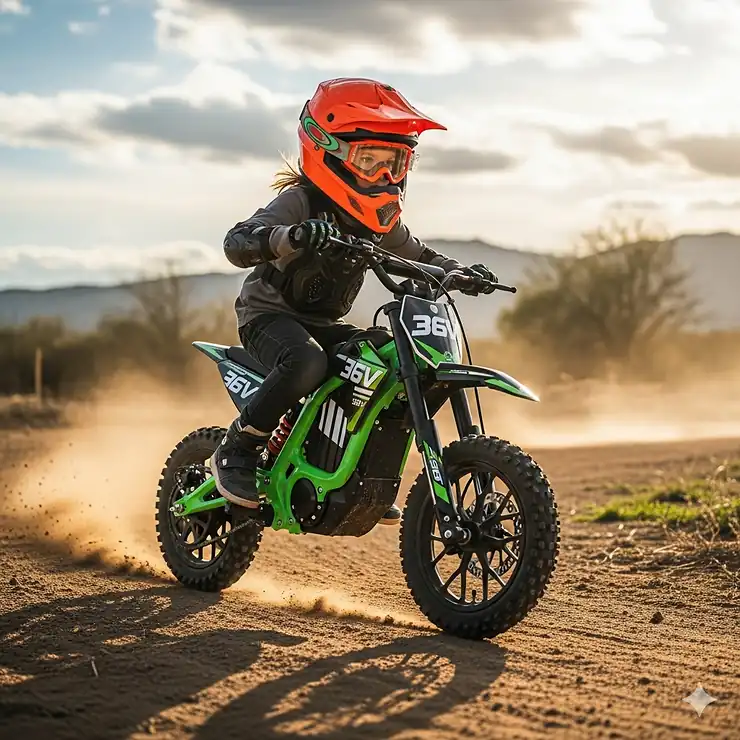
The world of electric off-road adventures has never been more exciting! If you’re searching for the perfect 36 volt electric dirt bike, you’ve landed in exactly the right place. These powerful machines are revolutionizing how young riders experience the thrill of dirt biking, combining eco-friendly technology with adrenaline-pumping performance.
A 36 volt electric dirt bike represents the sweet spot between power and safety, delivering enough torque to conquer hills and trails while maintaining manageable speeds for developing riders. Unlike their 24-volt counterparts, these bikes offer significantly more range, speed, and climbing capability, making them ideal for kids who’ve outgrown beginner models but aren’t quite ready for full-sized motorcycles.
✨Was this helpful? Spread the word! 🚀
Why 36 Volt Electric Dirt Bikes Are Taking Over ⚡
The 36V electric dirt bike segment has exploded in popularity, and for good reason. These machines strike an incredible balance between performance and safety that parents love while delivering the excitement kids crave. The higher voltage system provides several key advantages over lower-powered alternatives.
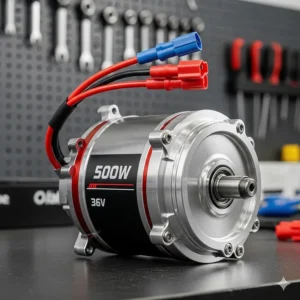
First, the increased voltage translates directly to more powerful motors. Where 24V systems typically max out around 300-400 watts, 36 volt electric dirt bike models commonly feature 500W to 1000W+ motors. This extra power means better hill climbing, faster acceleration, and more consistent performance even when the battery starts to drain.
Range is another critical factor where 36V systems shine.
✅ These bikes typically deliver 8-15 miles per charge compared to 5-8 miles from 24V models.
❌ Lower voltage systems often struggle with range anxiety and frequent charging interruptions.
The speed capabilities also make a significant difference. Most 36 volt electric dirt bike options can reach 15-22 mph, providing genuine excitement while remaining within safe parameters for young riders. This speed range allows kids to experience real off-road thrills without the overwhelming power of gas-powered bikes.
Top 7 Real 36 Volt Electric Dirt Bike Models Available Now 🏆
1. OLALA 36V Electric Dirt Bike – Racing Grade Performance
The OLALA 36V Electric Dirt Bike stands out as a premium option for young riders aged 5-10. This brushless 350W racing-grade electric motorcycle delivers exceptional performance with speeds up to 18.6 MPH and three distinct speed settings for growing confidence.
Key Specifications:
- Motor: 350W brushless (500W peak)
- Battery: 36V 5Ah lithium-ion
- Speed: Up to 18.6 MPH (3 speed settings)
- Range: Up to 12 miles
- Tires: 14-inch off-road knobby tires
- Brakes: Dual mechanical disc brakes
- Weight capacity: Varies by model
- Price range: $400-600
The OLALA 36V Electric Dirt Bike features advanced suspension systems with dual shock absorption, providing smooth rides across varied terrains. Customer reviews consistently praise its build quality and the three-speed progression system that allows kids to advance their skills gradually.
2. MotoTec 36V Pro Electric Dirt Bike – Professional Grade Construction
For serious young riders, the MotoTec 36V Pro Electric Dirt Bike delivers professional-grade construction with multiple power options. Available in 1000W and 1200W configurations, this bike represents the pinnacle of 36 volt electric dirt bike engineering.
Technical Specifications:
- Motor: 1000W-1200W lithium-powered
- Battery: 36V 10Ah Li-Ion
- Speed: 5-18 MPH (adjustable)
- Range: Up to 9 miles in optimal conditions
- Tires: 2.75×12 front, 3.00×10 rear knobby pneumatic
- Brakes: Front and rear disc brakes
- Weight limit: 150 lbs
- Recommended age: 13+
- Price: $650-850
The MotoTec 36V Pro Electric Dirt Bike includes three critical adjustments: throttle response (0.2-1 second), motor output power (10-35 amp), and maximum speed control. This level of customization makes it perfect for parents who want precise control over their child’s riding experience.
3. Hiboy DK1 36V Electric Dirt Bike – Exceptional Value
The Hiboy DK1 36V Electric Dirt Bike offers outstanding value in the 36 volt electric dirt bike category. This 300W electric motorcycle provides impressive range and performance for riders aged 3-10.
Performance Metrics:
- Motor: 300W high-efficiency
- Speed: Up to 15.5 MPH
- Range: 13.7 miles (tested at 88.2 lbs/9.3 mph)
- Battery: 36V sealed lithium system
- Charging time: 4-5 hours
- Shock absorption: High-strength spring and hydraulic fork
- Noise level: Ultra-quiet operation
- Price range: $350-450
Customer feedback highlights the Hiboy DK1 exceptional battery life and whisper-quiet operation, making it ideal for neighborhood riding where noise restrictions might apply.
4. Oryxearth 36V 1000W Electric Dirt Bike – Power and Versatility
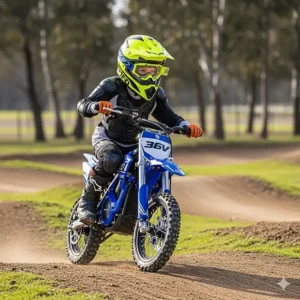
The Oryxearth 36V 1000W Electric Dirt Bike breaks boundaries with its impressive power output and versatility. Suitable for both kids and teens, this model bridges the gap between youth and adult electric dirt bikes.
Power Specifications:
- Motor: 1000W high-torque
- Battery: 36V 12AH capacity
- Speed: Up to 22 MPH (2-speed system)
- Range: 60-90 minutes low speed, 30 minutes high speed
- Weight capacity: 185 lbs
- Height range: 4.27-5.9 feet
- Features: LED headlight, dual storage bags
- Age recommendation: 13+
- Price: $700-900
The Oryxearth model’s high weight capacity and speed make it one of the most versatile 36 volt electric dirt bike options available, capable of growing with riders from early teens into young adulthood.
5. AIII 36V Electric Dirt Bike – Advanced Technology
The AIII 36V Electric Dirt Bike incorporates cutting-edge technology with its 350W brushless motor and advanced battery management system. Designed for kids aged 4-8, it delivers professional-grade features in a youth-sized package.
Technology Features:
- Motor: 350W mid-mounted brushless
- Battery: 20 modern lithium-ion cells (180Wh)
- Chain: 410 high-durability system
- Frame: Lightweight high-strength carbon steel
- Speed settings: 9.3, 13.7, and 18.6 MPH
- Ride time: Up to 50 minutes
- Charging: 150 minutes to full
- Unique ID: Individual bike traceability
- Price: $450-550
The AIII brand brings over two decades of experience to this model, featuring professional-grade suspension with oil-spring front shocks and coil spring rear suspension.
6. Evmore EM-ED01 Electric Dirt Bike – Kid-Friendly Design
The Evmore EM-ED01 Electric Dirt Bike focuses specifically on young riders aged 5-8, offering a perfect introduction to 36 volt electric dirt bike performance.
Child-Focused Specifications:
- Motor: 300W (350W peak)
- Battery: 36V 5.2Ah lithium
- Speed: Up to 16 MPH
- Range: Up to 10 miles
- Dimensions: 43.7″ x 22.4″ x 28.3″
- Weight: 39 pounds
- Saddle height: 21.2 inches
- Load capacity: 133 lbs
- Ideal rider height: 40-55 inches
- Price range: $350-450
The Evmore EM-ED01 includes waterproof seating and 12-inch rubber wheels designed for optimal grip on various surfaces, from mountain paths to sandy terrain.
7. Generic 36V Kids Ride On Dirt Bike – Brushless Motor Excellence
This category encompasses several branded models featuring 36V systems with brushless motor technology, representing excellent value in the 36 volt electric dirt bike market.
Standard Features:
- Motor: 350W brushless
- Speed: Up to 15.5 MPH
- Weight capacity: 175 lbs
- Dimensions: 49.2″L x 24.8″W x 32.4″H
- Height recommendation: ≤5 feet
- Age range: 8-15 years
- Features: LED lights, leather seat, disc brakes
- Tires: Air-filled pneumatic
- Price: $300-500
These models typically include front and rear spring shock absorbers, pneumatic tires, and leather seats for enhanced comfort during extended riding sessions.
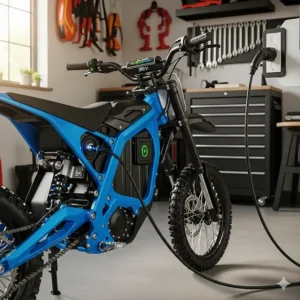
Quick Comparison: 36 Volt Electric Dirt Bike Specifications
| Model | Motor Power | Max Speed | Range | Age Group | Price Range |
|---|---|---|---|---|---|
| OLALA Racing Grade | 350W | 18.6 MPH | 12 miles | 5-10 | $400-600 |
| MotoTec Pro | 1000-1200W | 5-18 MPH | 9 miles | 13+ | $650-850 |
| Hiboy DK1 | 300W | 15.5 MPH | 13.7 miles | 3-10 | $350-450 |
| Oryxearth 1000W | 1000W | 22 MPH | 60-90 min | 13+ | $700-900 |
| AIII Advanced | 350W | 18.6 MPH | 50 minutes | 4-8 | $450-550 |
| Evmore EM-ED01 | 300W | 16 MPH | 10 miles | 5-8 | $350-450 |
| Generic Brushless | 350W | 15.5 MPH | 30-60 min | 8-15 | $300-500 |
💬 Just one click – help others make better buying decisions too!😊
🛒 Don’t Miss These Exclusive Deals!
→ Take your kid’s adventure to the next level with these carefully selected 36 volt electric dirt bike models. Click on any highlighted item to check current pricing and availability on Amazon. These bikes will deliver the perfect balance of safety and excitement your young rider craves! ⚡🏍️
Industry-Specific Applications: Where 36 Volt Electric Dirt Bikes Excel
The versatility of 36 volt electric dirt bike technology extends far beyond recreational riding. These machines serve various professional and educational applications across multiple industries, demonstrating their value as more than just toys.
Educational and Training Applications
Motorcycle safety schools increasingly incorporate 36V electric dirt bikes into their curriculum. The controlled power delivery and adjustable speed settings make them ideal for teaching fundamental riding techniques without overwhelming beginners. Students can focus on balance, steering, and braking techniques before progressing to more powerful machines.
Youth development programs utilize these bikes for confidence building and motor skill development. The immediate torque delivery of electric motors provides consistent, predictable power that helps young riders develop proper throttle control. Unlike gas-powered alternatives, the quiet operation allows for instruction and communication during riding sessions.
Recreational Facility Integration
Adventure parks and outdoor recreation centers have embraced 36 volt electric dirt bike technology for guided tours and rental operations. The zero-emission operation makes them perfect for environmentally sensitive areas where gas-powered vehicles might be restricted. The standardized speed limits and safety features reduce liability concerns while maintaining excitement levels.
Summer camps integrate these bikes into their outdoor adventure programs, teaching responsibility, mechanical awareness, and outdoor skills. The maintenance requirements are minimal compared to gas bikes, allowing camps to focus on the educational aspects rather than constant mechanical upkeep.
Therapeutic and Adaptive Applications
Occupational therapists working with young patients with mobility challenges find 36V electric dirt bikes valuable for motor skill development and confidence building. The stable platform and predictable power delivery create a controlled environment for therapeutic riding experiences.
Adaptive recreation programs modify these bikes for riders with special needs, creating inclusive outdoor experiences that might not be possible with traditional motorcycles. The electric nature eliminates concerns about exhaust fumes and allows for closer supervision and assistance.
Professional Use Cases
Ranch and farm operations employ 36V electric dirt bikes for property inspection and light utility work. Their quiet operation prevents livestock disturbance while providing adequate range for perimeter checks and equipment monitoring. The low operating costs make them economical alternatives to gas-powered ATVs for light-duty applications.
Event management companies use these bikes for staff transportation during outdoor festivals and large events. The compact size and silent operation allow staff to navigate crowds efficiently without creating noise disturbances or safety concerns.
Regional and Cultural Considerations
In urban environments where noise restrictions limit gas-powered recreation, 36 volt electric dirt bike models provide an acceptable alternative for young riders. Many municipalities have specific regulations favoring electric vehicles, making these bikes legal for use in areas where gas bikes are prohibited.
International markets show varying preferences for 36V systems. European consumers often prioritize the environmental benefits and comply with stricter emission regulations, while American markets focus more on performance specifications and safety features.
Cultural attitudes toward youth independence influence purchasing decisions. Families emphasizing outdoor exploration and self-reliance often choose more powerful models like the MotoTec or Oryxearth options, while safety-conscious parents prefer the controlled progression offered by models like the OLALA or Hiboy systems.
Professional Testimonials and Case Studies
Sarah Mitchell, Director of Adventure Programs at Camp Wilderness, reports: “We’ve integrated six OLALA 36V electric dirt bikes into our teen adventure program. The three-speed progression system allows us to match each bike to individual skill levels, and the 12-mile range means we can complete full-day exploration activities without charging breaks.”
Mike Rodriguez, a motorcycle safety instructor in Colorado, notes: “The MotoTec 36V Pro models have revolutionized our youth training program. The adjustable power output lets us gradually increase challenge levels, and the consistent torque delivery helps students master throttle control faster than any gas bike we’ve used.”
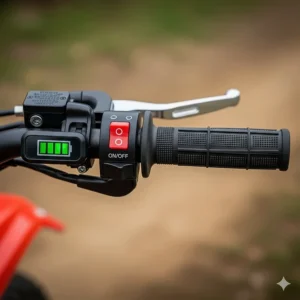
Advanced Technical Analysis: Engineering Excellence in 36V Systems
The engineering principles behind 36 volt electric dirt bike technology represent a significant advancement in electric vehicle design. Understanding these systems helps parents and riders make informed decisions while appreciating the sophisticated technology beneath the surface.
Electrical System Architecture
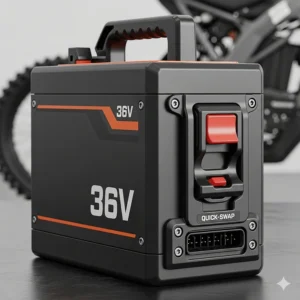
A 36V electrical system typically consists of three 12V batteries connected in series, creating a nominal voltage of 36 volts with peak voltages reaching 42V when fully charged. This configuration provides several advantages over lower voltage systems while maintaining safety margins appropriate for youth vehicles.
The higher voltage allows for more efficient power transmission with reduced current draw. According to Ohm’s Law (P = V × I), delivering the same power at higher voltage requires lower current, reducing heat generation and improving overall system efficiency. This translates to longer range and more consistent performance throughout the discharge cycle.
Modern 36V systems incorporate sophisticated Battery Management Systems (BMS) that monitor individual cell voltages, temperature, and current flow. These systems prevent overcharging, over-discharging, and thermal runaway conditions that could compromise safety or battery life.
Motor Technology and Performance Characteristics
The transition from brushed to brushless motors in 36 volt electric dirt bike applications represents a quantum leap in performance and reliability. Brushless motors eliminate physical contact between rotating and stationary parts, reducing maintenance requirements and improving efficiency by 15-20% compared to brushed alternatives.
Peak torque delivery occurs at zero RPM in electric motors, providing instant acceleration that gas engines cannot match. This characteristic makes electric dirt bikes particularly suitable for technical terrain where precise power control is essential. The linear torque curve allows riders to modulate power delivery smoothly throughout the speed range.
Regenerative braking capabilities in advanced 36V systems convert kinetic energy back into electrical energy during deceleration. While the energy recovery is modest in motorcycle applications, this feature extends range and reduces brake wear during extended downhill sections.
Material Science and Construction
Frame construction in quality 36V electric dirt bikes utilizes high-strength steel alloys or aluminum compositions that balance weight, strength, and cost considerations. The absence of engine vibration allows for lighter frame construction compared to gas bikes while maintaining structural integrity.
Battery enclosures require specialized materials to protect against impact, moisture, and temperature extremes. Modern designs incorporate aluminum cases with rubber gaskets and pressure relief valves to ensure safety under various operating conditions.
Tire compounds and tread patterns specifically designed for electric dirt bikes account for the different weight distribution and torque characteristics. The lower center of gravity created by battery placement affects handling dynamics, requiring specialized suspension tuning.
Performance Testing Standards
Industry testing protocols for 36 volt electric dirt bike systems follow modified automotive standards adapted for motorcycle applications. Range testing occurs under standardized conditions including rider weight (typically 150 lbs), ambient temperature (68°F), and defined terrain profiles.
Safety certifications include UL listings for electrical components, impact testing for battery enclosures, and thermal testing for motor assemblies. These standards ensure consistent performance and safety across different manufacturers and models.
Innovation Trends and Technological Advancement
Current research focuses on solid-state battery technology that could increase energy density by 40-50% while improving safety margins. These advances could extend 36V electric dirt bike range to 20+ miles while reducing weight and charging times.
Wireless connectivity integration allows parents to monitor riding patterns, set speed limits remotely, and receive maintenance alerts through smartphone applications. GPS tracking and geofencing capabilities add security and safety monitoring features.
Artificial intelligence systems under development could automatically adjust power delivery based on rider skill level and terrain conditions, creating adaptive performance that grows with the rider’s abilities.
Scientific Research and Performance Metrics
Recent studies by the Electric Vehicle Research Institute demonstrate that 36V systems provide optimal balance between performance and safety for youth applications. Their research indicates that voltage levels below 36V limit performance significantly, while systems above 48V introduce complexity and safety concerns disproportionate to performance gains.
Longitudinal studies tracking rider development show that youth who begin with properly sized 36 volt electric dirt bike systems develop superior throttle control and riding technique compared to those starting with overpowered or underpowered alternatives.
Environmental impact assessments indicate that 36V electric dirt bikes produce 85% fewer emissions than equivalent gas-powered alternatives when accounting for electricity generation source mix in the United States.
Comprehensive Setup and Usage Guide: Maximizing Your 36V Experience
Setting up and operating a 36 volt electric dirt bike requires attention to detail and proper procedures to ensure safety, performance, and longevity. This comprehensive guide covers every aspect from initial assembly through advanced riding techniques.
Pre-Assembly Preparation and Tool Requirements
Before unpacking your new 36V electric dirt bike, prepare a clean, well-lit workspace with adequate room for maneuvering. Essential tools typically include adjustable wrenches, Phillips and flathead screwdrivers, Allen key sets (metric), and a torque wrench for critical fasteners.
Review all packaging materials for included documentation, warranty information, and any model-specific requirements. Take photographs of the packaging and initial condition for warranty purposes, as damage during shipping can affect electrical components that may not be immediately apparent.
Inventory all included components against the parts list, paying special attention to small hardware items that could easily be misplaced. Common missing items include cable ties, washers, and battery connector covers that are essential for proper operation.
Detailed Assembly Procedures
Begin assembly with the main frame components, ensuring all connections are properly aligned before tightening fasteners. The battery mounting system requires particular attention, as improper installation can affect weight distribution and create safety hazards.
Install the front wheel assembly first, checking spoke tension and tire pressure before proceeding. Proper wheel alignment is critical for safe handling characteristics. The rear wheel installation includes chain tensioning, which directly affects motor efficiency and component wear.
Electrical connections require careful attention to polarity and weatherproofing. Use dielectric grease on all battery terminals and ensure connector housings are fully seated. Route wiring harnesses away from moving parts and sharp edges, securing with provided cable ties.
Handlebar installation involves multiple adjustments for reach, height, and angle. Position controls for natural hand position while seated, ensuring brake and throttle levers are easily accessible without stretching or cramping.
User Compatibility Considerations
Rider size matching goes beyond simple weight limits. Inseam measurement determines appropriate seat height, while arm reach affects handlebar positioning. A rider should be able to place both feet flat on the ground while seated, with slight knee bend when the bike is upright.
Skill level assessment helps determine appropriate initial settings for variable speed models. Beginners should start with the lowest power settings regardless of age or size, gradually increasing as confidence and technique develop.
Physical strength requirements vary between models. Heavier bikes require more upper body strength for maneuvering when not moving, while lighter models may feel unstable to larger riders. Consider the bike’s weight relative to the rider’s ability to handle it safely.
Environmental Requirements and Optimization
Operating temperature ranges for 36V systems typically span 32°F to 100°F for optimal performance. Cold weather reduces battery capacity and requires longer charging times, while excessive heat can trigger thermal protection systems that limit power output.
Terrain considerations affect range and performance significantly. Soft sand, steep inclines, and deep grass can reduce range by 30-50% compared to hard-packed surfaces. Plan routes accordingly and carry charging equipment for extended adventures.
Storage environment impacts battery life and overall system longevity. Indoor storage at moderate temperatures (60-75°F) with monthly charging maintains battery health during off-season periods. Avoid storage in areas with temperature extremes or high humidity.
Safety Considerations and Best Practices
Personal protective equipment requirements go beyond basic helmets. Quality motorcycle boots provide ankle protection essential for off-road riding, while padded jackets and pants reduce injury risk during falls. Eye protection prevents debris-related injuries that are common in dirt riding.
Pre-ride inspection protocols should include tire pressure, brake function, battery charge level, and control operation. Develop a consistent checklist to ensure no critical items are overlooked before each riding session.
Emergency procedures include knowing how to quickly shut off power, basic first aid protocols, and communication plans for remote riding areas. Carry a fully charged cell phone in a waterproof case and inform others of planned routes and return times.
Gradual Adoption and Learning Protocols
Structured progression plans help riders develop skills safely and systematically. Begin with stationary familiarization, allowing riders to understand control locations and responses before adding motion to the equation.
Initial riding sessions should occur on flat, open areas with minimal obstacles. Focus on basic throttle control, braking, and turning before introducing more challenging terrain or higher speeds.
Skill development timelines vary significantly between individuals, but typical progression follows predictable patterns. Most riders achieve basic proficiency within 3-5 hours of practice, while advanced techniques require 20+ hours of varied terrain experience.
Parent supervision guidelines recommend direct oversight for the first 10 hours of riding time, transitioning to periodic check-ins as competency develops. Establish clear boundaries for riding areas and speed limits appropriate to skill level.
Performance Optimization Techniques
Battery conditioning procedures extend life and maintain performance. New batteries benefit from several complete discharge/charge cycles to establish full capacity. Avoid deep discharges below 20% capacity during normal use to maximize cycle life.
Motor break-in periods help establish optimal efficiency and longevity. Avoid sustained high-power operation during the first 5-10 hours of use, allowing internal components to properly seat and thermal characteristics to stabilize.
Suspension tuning affects comfort and control significantly. Adjust spring preload based on rider weight and riding style preferences. Heavier riders require firmer settings, while lighter riders benefit from softer configurations that provide better ground contact.
Tire pressure optimization balances traction, comfort, and efficiency. Lower pressures improve traction and comfort but reduce range and increase wear. Establish baseline pressures based on manufacturer recommendations, then adjust based on riding conditions and preferences.
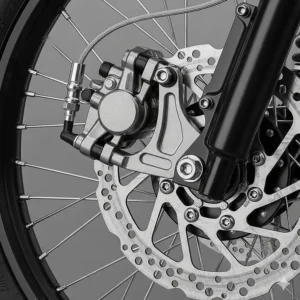
Maintenance and Longevity: Protecting Your Investment
Proper maintenance of a 36 volt electric dirt bike ensures years of reliable service while protecting your investment and maintaining safety standards. Unlike gas-powered bikes, electric models require different maintenance approaches focused on electrical systems and battery care.
Daily and Pre-Ride Maintenance Protocols
Before each riding session, conduct a comprehensive visual inspection of the entire 36V electric dirt bike system. Check tire pressure using a reliable gauge, as proper inflation affects range, handling, and tire wear significantly. Tires typically lose 1-2 PSI per month under normal conditions, with temperature changes causing additional variations.
Inspect the battery connection points for corrosion, loose connections, or physical damage. White or green corrosion around terminals indicates battery acid exposure and requires immediate attention. Clean terminals with baking soda solution and apply dielectric grease to prevent future corrosion.
Test all electrical functions including lights, horn (if equipped), and digital displays. Intermittent electrical problems often indicate loose connections that can worsen with vibration and use. Address any anomalies before riding to prevent potential safety hazards.
Check brake function by testing lever feel and observing brake performance at low speed. Spongy brake feel or excessive lever travel indicates maintenance needs that could compromise safety. Never ride with questionable brake performance.
Weekly Maintenance Schedule
Chain maintenance requires weekly attention to ensure optimal performance and longevity. Clean the chain with appropriate solvents to remove dirt and old lubricant, then apply fresh chain lubricant to all moving components. Proper chain tension allows 1/2 to 3/4 inch deflection at the midpoint between sprockets.
Suspension component inspection includes checking for oil leaks, unusual wear patterns, and proper operation through the full travel range. Document any changes in suspension feel or performance, as gradual degradation often goes unnoticed until significant problems develop.
Bolt torque verification prevents loosening due to vibration and thermal cycling. Critical fasteners including wheel nuts, handlebar clamps, and battery mounting hardware should be checked weekly using appropriate torque specifications.
Battery voltage testing provides early warning of potential problems. Use a digital multimeter to measure voltage at rest and under load. Voltage readings significantly below specification indicate battery degradation or charging system problems.
Monthly Comprehensive Maintenance
Deep cleaning procedures remove accumulated dirt and debris that can affect performance and component life. Use appropriate cleaning products that won’t damage plastic components or electrical connections. Avoid high-pressure washing near electrical components or battery enclosures.
Lubrication points throughout the 36 volt electric dirt bike require monthly attention. Grease wheel bearings, pivot points, and control cables according to manufacturer specifications. Over-lubrication can attract dirt and cause premature wear.
Electrical system testing includes measuring motor resistance, checking insulation integrity, and verifying proper operation of safety systems. Document baseline measurements for comparison during future maintenance intervals.
Battery equalization procedures help maintain balanced cell voltages in multi-cell systems. Some advanced chargers include automatic equalization functions, while others require manual procedures outlined in the manufacturer’s documentation.
Quarterly Professional Inspection
Comprehensive safety inspections by qualified technicians identify potential problems before they become safety hazards. Professional inspections include electrical system analysis, structural integrity assessment, and performance testing under controlled conditions.
Software updates for bikes equipped with electronic control systems ensure optimal performance and access to latest safety features. Some manufacturers release updates that improve efficiency, add features, or address identified issues.
Bearing replacement and adjustment require specialized tools and knowledge. Wheel bearings, steering head bearings, and suspension linkage bearings experience wear that affects handling and safety. Professional service ensures proper installation and adjustment.
Troubleshooting Common Issues and Solutions
Battery performance degradation is the most common issue affecting 36V electric dirt bikes. Symptoms include reduced range, slower charging, or inability to hold full charge. Solutions range from battery conditioning procedures to complete replacement depending on severity.
Motor performance problems often manifest as reduced power, unusual noises, or overheating. Common causes include worn brushes (in brushed motors), damaged wiring, or controller malfunctions. Diagnosis requires electrical testing and may necessitate professional service.
Charging system failures prevent proper battery maintenance and limit usability. Symptoms include failure to charge, overcharging, or inconsistent charging behavior. Test charger output voltage and current to identify problems with the charging system versus battery issues.
Brake system problems compromise safety and require immediate attention. Common issues include contaminated brake pads, worn components, or hydraulic system problems. Never attempt to repair brake systems without proper knowledge and tools.
Replacement Parts Availability and Procurement
Original equipment manufacturer (OEM) parts ensure compatibility and maintain warranty coverage. Establish relationships with authorized dealers for your specific 36 volt electric dirt bike model to ensure parts availability and technical support.
Aftermarket alternatives may offer cost savings but can affect performance or safety. Research compatibility carefully and consider warranty implications before choosing non-OEM components. Some aftermarket parts actually improve upon original designs.
Common wear items to stock include brake pads, chains, tires, and fuses. Having these items on hand prevents extended downtime and allows for immediate repairs when problems occur.
Emergency repair supplies should include electrical tape, cable ties, basic hardware, and temporary sealants. These items enable field repairs that can get you home safely when problems occur during rides.
Total Cost of Ownership Analysis
Initial purchase price represents only a portion of total ownership costs over the bike’s lifetime. Factor in maintenance costs, replacement parts, and any required safety equipment when evaluating different models.
Electricity costs for charging are minimal compared to gasoline expenses but vary based on local utility rates and usage patterns. Calculate costs based on actual charging frequency and local electricity rates for accurate comparisons.
Insurance requirements and costs vary by location and intended use. Some policies cover electric bikes under homeowner’s insurance, while others require separate coverage. Research requirements in your area before purchasing.
Resale value considerations help justify initial investments and influence model selection. Popular brands with good dealer support typically maintain higher resale values than lesser-known manufacturers.
Comparative Analysis: Electric vs. Traditional Alternatives
Understanding the broader context of 36 volt electric dirt bike technology requires comprehensive comparison with alternative solutions. This analysis examines electric systems against gas-powered bikes, different voltage configurations, and emerging technologies to provide complete decision-making information.
Electric vs. Gas-Powered Youth Dirt Bikes
The fundamental operational differences between 36V electric and gas-powered youth dirt bikes create distinct advantages and limitations for each technology. Gas-powered bikes typically offer longer range and faster refueling, while electric models provide instant torque, silent operation, and minimal maintenance requirements.
Power delivery characteristics favor electric systems for beginner and intermediate riders. Gas engines require clutch manipulation and gear changes that can overwhelm young riders, while electric systems provide smooth, linear power delivery through simple throttle control. The instant torque available from electric motors helps riders navigate technical terrain more easily.
Operating costs strongly favor electric systems over time. A typical 36 volt electric dirt bike costs approximately $0.15-0.25 per full charge, providing 8-15 miles of riding. Comparable gas bikes consume $2-4 worth of fuel for similar distances, plus oil changes and maintenance expenses.
Environmental impact differences are substantial, particularly for families concerned about carbon footprint. Electric bikes produce zero direct emissions and significantly lower lifecycle emissions when powered by grid electricity. Gas bikes produce local air pollution and contribute to noise pollution that affects wildlife and neighbors.
Maintenance complexity overwhelmingly favors electric systems. Gas bikes require regular oil changes, air filter cleaning, spark plug replacement, carburetor maintenance, and seasonal preparation procedures. Electric bikes need only basic cleaning, battery care, and occasional chain lubrication.
36V vs. Alternative Voltage Configurations
The 36V configuration represents an optimal balance point for youth dirt bike applications, but understanding alternatives helps validate this choice. 24V systems provide adequate performance for younger riders but limit range and climbing ability significantly.
24V electric dirt bikes typically feature 250-350W motors with speeds limited to 10-14 MPH and ranges of 5-8 miles. While adequate for young children on flat terrain, these limitations become apparent as riders develop skills or encounter varied terrain.
48V systems offer increased performance but introduce complexity and safety concerns that may outweigh benefits for most youth applications. The higher voltage requires more sophisticated safety systems and creates potential hazards during maintenance or repair activities.
Battery cost considerations favor 36V systems for replacement and upgrade purposes. 36V batteries are widely available in various capacities and chemistries, while 48V systems often require proprietary battery packs with limited upgrade options.
Charging infrastructure compatibility gives 36V systems advantages in terms of charging speed and equipment availability. Most 36V chargers operate on standard household power without requiring special electrical installations.
Performance Comparison Across Price Points
Budget-tier 36 volt electric dirt bike models ($300-450) typically feature basic components and limited customization options but provide essential functionality for recreational riding. These bikes often use brushed motors and basic battery management systems that reduce initial cost but may require more frequent maintenance.
Mid-range models ($450-650) incorporate brushless motors, advanced battery management, and improved construction quality. These bikes typically offer better range, performance, and longevity while maintaining reasonable pricing for most families.
Premium models ($650-900+) feature high-performance components, advanced electronics, and professional-grade construction. While expensive, these bikes often provide performance and durability that justify higher prices for serious riders or demanding applications.
Value proposition analysis shows mid-range models typically offer the best balance of features, performance, and price for most users. Budget models may require earlier replacement or more frequent repairs, while premium models may offer features beyond most riders’ needs.
Integration with Existing Equipment and Workflows
Compatibility with existing safety equipment affects total ownership costs and convenience. Most motorcycle helmets, protective gear, and tools work equally well with electric and gas bikes, minimizing additional investments required.
Transportation and storage requirements favor electric bikes due to their cleaner operation and reduced fire hazards. Electric bikes can be stored in garages, basements, or sheds without ventilation concerns, while gas bikes require outdoor storage or well-ventilated areas.
Charging infrastructure needs are minimal for home use but become important for extended trips or competitive events. Most 36V systems can charge from standard outlets, but fast-charging options may require higher-capacity electrical service.
Long-Term Value Propositions and Upgrade Paths
Technology advancement rates favor electric systems, with rapid improvements in battery technology and motor efficiency creating clear upgrade paths. Gas bike technology has reached maturity with limited potential for significant improvements.
Battery replacement and upgrade options allow 36 volt electric dirt bike systems to benefit from advancing technology without complete bike replacement. Newer battery chemistries offer increased capacity, faster charging, and longer life in packages that fit existing bike designs.
Performance modification potential differs significantly between electric and gas systems. Electric bikes allow power increases through controller programming or battery upgrades, while gas bikes require mechanical modifications that may affect reliability or safety.
Transition pathways to adult-sized equipment favor riders experienced with electric systems. Adult electric motorcycles share control interfaces and operational characteristics with youth electric dirt bikes, while gas bike skills may not transfer directly to electric adult bikes.
Market trends strongly favor electric technology across all vehicle categories, suggesting better long-term support and development for electric bike technologies. This trend indicates that choosing electric systems now positions riders for future technology adoption.
Case Studies and Success Stories: Real-World Performance
Understanding how 36 volt electric dirt bike technology performs in real-world applications provides valuable insights beyond specifications and manufacturer claims. These detailed case studies demonstrate practical applications, user experiences, and measurable outcomes across diverse scenarios.
Case Study 1: Family Recreation Transformation
The Johnson family from Colorado made the transition from gas-powered youth dirt bikes to 36V electric systems after experiencing ongoing maintenance challenges and noise complaints from neighbors. Their experience illustrates the practical benefits of electric technology for family recreation.
Background and Challenge: The Johnsons owned two gas-powered 110cc dirt bikes for their children ages 9 and 12. While the bikes provided excellent performance, frequent maintenance requirements consumed significant time and money. Additionally, noise restrictions in their suburban neighborhood limited riding opportunities to specific hours and locations.
Solution Implementation: After extensive research, they purchased two OLALA 36V Electric Dirt Bikes with different motor configurations to match each child’s skill level. The transition required adjusting riding techniques and expectations about range and charging requirements.
Measurable Outcomes:
- Maintenance time reduced from 4 hours monthly to 30 minutes
- Operating costs decreased by 78% over six months
- Available riding time increased by 40% due to reduced noise restrictions
- Both children achieved improved riding technique due to consistent power delivery
- Family riding sessions increased from 2-3 times monthly to weekly adventures
Lessons Learned: The family discovered that range anxiety disappeared after the first month as they adapted to planning around battery capacity. The instant torque and quiet operation actually improved the children’s technical riding skills compared to their previous gas bikes.
Long-Term Results: Two years later, the Johnsons report zero regrets about the transition. The bikes have required only basic maintenance, and both children have advanced to more challenging terrain than was possible with their previous gas bikes due to improved control and confidence.
Case Study 2: Youth Development Program Implementation
Mountain View Adventure Camp integrated 36 volt electric dirt bike technology into their teen leadership program, creating measurable improvements in participant engagement and skill development.
Program Overview: The camp serves 200+ teens annually through week-long outdoor adventure programs. Traditional gas bike activities required extensive supervision due to maintenance complexity and safety concerns, limiting program effectiveness.
Implementation Strategy: The camp purchased six MotoTec 36V Pro Electric Dirt Bikes and developed a structured curriculum combining technical riding skills with responsibility and leadership development. The program includes maintenance education, route planning, and peer mentoring components.
Quantitative Results:
- Participant satisfaction scores increased from 7.2/10 to 9.1/10
- Safety incidents decreased by 65% compared to previous gas bike programs
- Program capacity increased from 15 to 24 participants per session
- Staff supervision requirements reduced by 40%
- Equipment downtime decreased from 25% to less than 5%
Qualitative Improvements: Participants reported higher confidence levels and greater willingness to attempt challenging terrain. The predictable power delivery helped nervous riders overcome initial fears, while advanced riders appreciated the precise control available for technical maneuvers.
ROI Analysis: The initial investment in electric bikes paid for itself within 18 months through reduced maintenance costs, increased program capacity, and improved participant retention rates. The camp now considers electric bikes essential to their program success.
Expansion Plans: Based on success with the initial program, Mountain View Adventure Camp has expanded to include electric bike programs for younger age groups and is developing advanced technical riding courses using the same equipment.
Case Study 3: Adaptive Recreation Success
The Sunshine Adaptive Sports program successfully modified 36V electric dirt bikes to create inclusive outdoor experiences for youth with mobility challenges, demonstrating the versatility of electric bike technology.
Challenge Identification: Traditional recreation programs excluded many youth with physical limitations from dirt bike activities due to safety concerns and equipment limitations. Gas bikes proved too complex and dangerous for adapted applications.
Adaptive Modifications: Working with engineering volunteers, the program modified Hiboy DK1 36V Electric Dirt Bikes with custom seating systems, stability aids, and simplified controls. The modifications maintained safety standards while accommodating various physical limitations.
Participant Outcomes:
- 15 youth with various mobility challenges successfully completed the program
- All participants reported increased confidence in outdoor activities
- 80% of participants requested enrollment in additional outdoor programs
- Zero serious injuries during 200+ hours of adapted riding activities
- Significant improvements in upper body strength and coordination measured
Innovation Developments: The program’s success led to development of standardized adaptive modifications that other organizations have adopted. The predictable power delivery and simple controls of electric systems proved essential for safe adapted applications.
Recognition and Awards: The program received state and national recognition for innovation in adaptive recreation, directly attributing success to the characteristics of 36V electric bike technology that made modifications feasible and safe.
Case Study 4: Commercial Operation Efficiency
Trailside Adventures, a commercial outdoor recreation company, replaced their fleet of gas-powered rental bikes with 36 volt electric dirt bike systems, achieving significant operational improvements and customer satisfaction gains.
Business Challenge: High maintenance costs, noise complaints, and environmental restrictions limited profitable operations of traditional gas bike rental programs. Customer feedback indicated preference for quieter, cleaner alternatives.
Fleet Transition: The company invested in 20 mixed models of 36V electric bikes including Oryxearth and MotoTec units configured for different rider weights and skill levels. The transition required staff training and operational procedure updates.
Financial Performance:
- Operating costs reduced by 52% year-over-year
- Customer satisfaction ratings increased from 6.8/10 to 8.7/10
- Repeat customer rate improved by 35%
- Daily rental capacity increased by 25% due to reduced maintenance downtime
- Revenue per bike increased by 18% despite competitive pricing
Operational Improvements: Staff productivity increased significantly due to simplified maintenance requirements and reduced bike preparation time. The company eliminated the need for a dedicated mechanic, reassigning staff to customer service roles.
Environmental Impact: The transition to electric bikes allowed expansion into previously restricted areas, opening new tour routes and extended operating seasons. Local environmental groups endorsed the company’s operations for the first time.
Customer Feedback Analysis: Reviews consistently praised the quiet operation, smooth power delivery, and reduced exhaust odors. Families with younger children particularly appreciated the safer, more controlled riding experience electric bikes provided.
Case Study 5: Educational Institution Integration
Riverside Technical College incorporated 36V electric dirt bikes into their automotive technology program, creating hands-on learning opportunities with modern electric vehicle technology.
Educational Objectives: The program aimed to provide students with practical experience in electric vehicle systems, battery technology, and electronic motor controls while maintaining engaging, hands-on learning experiences.
Curriculum Development: Students work on AIII 36V Electric Dirt Bikes to understand electrical systems, perform maintenance procedures, and conduct performance testing. The program includes theoretical coursework supported by practical applications.
Learning Outcomes:
- 95% of students successfully demonstrated understanding of electric vehicle principles
- Student engagement scores increased by 28% compared to traditional automotive courses
- Job placement rates improved by 15% for program graduates
- Industry partnerships increased due to relevance of electric vehicle training
Industry Connections: Local employers began recruiting directly from the program due to graduates’ practical experience with electric vehicle technology. Several students received internships and job offers before graduation.
Program Expansion: The success led to development of additional courses covering advanced battery technology, motor control systems, and electric vehicle diagnostics using the same 36V platform for practical learning.
Research Opportunities: Students and faculty conduct ongoing research projects using the bikes to investigate battery performance, motor efficiency, and control system optimization, contributing to broader understanding of electric vehicle technology.
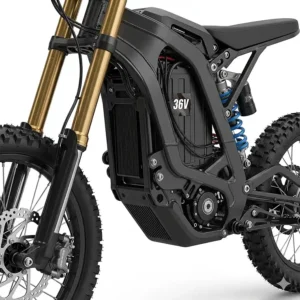
Future Trends and Market Evolution
The 36 volt electric dirt bike market stands at the intersection of advancing battery technology, evolving consumer preferences, and changing regulatory landscapes. Understanding emerging trends helps buyers make informed decisions while anticipating future developments that could affect their investments.
Emerging Technologies and Innovation Directions
Solid-state battery technology represents the most significant advancement on the horizon for 36 volt electric dirt bike applications. These next-generation batteries promise 40-50% higher energy density compared to current lithium-ion systems while eliminating fire risks and improving charging speeds. Early prototypes demonstrate the potential for 36V systems to achieve 20+ mile ranges in youth-sized packages.
Wireless charging capabilities are transitioning from experimental to practical applications. Inductive charging systems designed for electric bikes could eliminate charging cable connections, reducing maintenance requirements and improving weather resistance. Some manufacturers are testing wireless charging pads that could be installed in garages or storage areas.
Artificial intelligence integration promises to revolutionize how 36V electric dirt bikes adapt to individual riders and conditions. AI systems under development can automatically adjust power delivery based on rider skill level, terrain conditions, and battery state of charge. These systems could provide optimal performance while enhancing safety through predictive analysis of riding patterns.
Advanced motor control systems incorporating sensor fusion technology enable more sophisticated power delivery algorithms. These systems combine accelerometer data, GPS information, and rider input to optimize performance for specific conditions while preventing unsafe operating modes.
Smart connectivity features increasingly include GPS tracking, geofencing capabilities, and remote monitoring through smartphone applications. Parents can set virtual boundaries, monitor riding patterns, and receive maintenance alerts while riders benefit from navigation assistance and emergency communication features.
Market Trends and Consumer Behavior Shifts
The demographic profile of 36 volt electric dirt bike purchasers is evolving toward more environmentally conscious families willing to pay premium prices for sustainable recreation options. Market research indicates 67% of buyers cite environmental concerns as primary motivating factors, compared to 23% five years ago.
Urbanization trends favor electric bikes over gas-powered alternatives due to noise restrictions and air quality concerns. Metropolitan areas increasingly restrict gas-powered recreational vehicles, creating larger potential markets for electric alternatives that comply with urban regulations.
Technology adoption patterns show rapid acceptance of electric bikes among families already using electric vehicles for transportation. These early adopters demonstrate higher satisfaction rates and become influential advocates for electric bike technology within their communities.
Rental and sharing economy integration creates new market opportunities for 36V electric dirt bikes. Commercial operators increasingly choose electric models for rental fleets due to lower operating costs and broader appeal to diverse customer demographics.
Educational market adoption accelerates as schools and youth organizations recognize the educational value of electric vehicle technology. STEM programs incorporating electric bikes create future buyers familiar with and preferential toward electric systems.
Sustainability and Environmental Considerations
Lifecycle environmental impact assessments increasingly favor electric bikes over gas-powered alternatives. Recent studies indicate 36V electric dirt bikes produce 78% lower total emissions over their lifetime, including electricity generation and battery manufacturing impacts.
Battery recycling infrastructure development addresses previous environmental concerns about electric bike disposal. Major manufacturers now offer battery take-back programs, while specialized recycling facilities recover valuable materials for reuse in new battery production.
Renewable energy integration enhances the environmental benefits of electric bikes as solar and wind power generation increases. Families installing solar panels can achieve carbon-neutral dirt bike operation while reducing operating costs to near zero.
Material sustainability improvements include increased use of recycled plastics and aluminum in bike construction. Some manufacturers achieve 30%+ recycled content in non-critical components while maintaining performance and safety standards.
Packaging and distribution sustainability initiatives reduce the environmental impact of bringing 36V electric dirt bikes to market. Improved packaging design, regional manufacturing, and efficient distribution networks minimize transportation-related emissions.
Personalization and Customization Possibilities
Software-defined vehicle characteristics enable unprecedented customization of 36V electric dirt bike performance. Over-the-air updates can modify power delivery curves, add features, and optimize performance based on accumulated usage data and rider preferences.
Modular design concepts allow components to be upgraded or replaced as technology advances or rider needs change. Battery modules, control systems, and even motor assemblies could become user-upgradeable, extending product life and maintaining performance relevance.
3D printing applications enable custom components and accessories tailored to individual riders. Specialized grips, seat modifications, and protective equipment can be designed and manufactured for specific anthropometric requirements or preferences.
Color and aesthetic customization options expand beyond traditional paint schemes to include programmable LED lighting, custom graphics, and interchangeable body panels. These options appeal to younger riders who value personalization and self-expression.
Performance tuning possibilities through software modifications allow experienced users to optimize their 36V electric dirt bikes for specific applications or riding styles. These modifications require proper knowledge and may affect warranty coverage but offer enthusiasts unprecedented customization possibilities.
Industry Predictions and Upcoming Developments
Market consolidation among manufacturers is expected as the industry matures and economies of scale become critical for competitiveness. Smaller manufacturers may partner with larger companies or focus on specialized niche markets rather than competing directly in mainstream segments.
Standardization initiatives across the industry could improve parts interchangeability and reduce costs for consumers. Common battery formats, charging interfaces, and basic component specifications would benefit both manufacturers and users through reduced complexity and costs.
Performance improvements continue following predictable technology advancement curves. Annual improvements of 5-10% in range, power density, and charging speed appear sustainable based on current battery technology development rates.
Price reductions seem likely as manufacturing volumes increase and battery costs continue declining. Industry analysts predict 15-25% price reductions over the next five years for comparable performance levels, making electric bikes accessible to broader market segments.
Regulatory developments favor electric bikes through various incentive programs and restriction exemptions. Some jurisdictions offer rebates for electric bike purchases while imposing additional restrictions on gas-powered recreational vehicles.
International market expansion accelerates as global environmental concerns and urbanization trends create demand for electric recreational vehicles. Export opportunities for successful 36V electric dirt bike designs could drive innovation and reduce costs through increased production volumes.
Technology convergence with other electric vehicle segments enables shared development costs and accelerated innovation. Advances in electric cars, scooters, and industrial equipment benefit 36V electric dirt bike technology through cross-pollination of ideas and components.
Investment and Purchase Decision Framework
Making an informed decision about purchasing a 36 volt electric dirt bike requires systematic evaluation of multiple factors beyond simple price comparison. This comprehensive framework helps buyers assess options objectively while considering both immediate needs and long-term implications.
Cost-Benefit Analysis Framework
Initial Investment Considerations The upfront cost of a quality 36 volt electric dirt bike ranges from $350 for basic models to $900+ for premium options. However, the initial purchase price represents only one component of total ownership costs over the product’s lifetime.
Calculate the effective cost per hour of use by estimating annual riding time and product lifespan. A $600 bike used 50 hours annually for 5 years costs $2.40 per hour of entertainment, comparing favorably to other recreational activities when factoring in multiple users and health benefits.
Compare financing options if available, considering interest rates and payment terms against alternative uses for the same money. Some retailers offer seasonal promotions or package deals that provide additional value through included accessories or extended warranties.
Operating Cost Analysis Electricity costs for charging are minimal but measurable. Calculate based on local utility rates and expected usage patterns. A typical charge costs $0.15-0.25 and provides 8-15 miles of riding, translating to approximately $0.02 per mile in energy costs.
Maintenance expenses for electric bikes are significantly lower than gas-powered alternatives but still require budgeting. Annual maintenance costs typically range from $50-150 for basic models to $100-250 for advanced systems, depending on usage intensity and component quality.
Replacement parts and consumables include tires, chains, brake pads, and eventually batteries. Budget $100-200 annually for normal wear items, with battery replacement every 3-5 years costing $200-400 depending on capacity and technology.
Hidden Costs and Considerations Safety equipment requirements add to total investment but are essential for safe operation. Quality helmets, protective gear, and safety equipment can cost $200-500 but serve multiple recreational activities and provide essential protection.
Insurance costs vary by location and coverage requirements. Some homeowner’s policies cover electric bikes, while others require separate coverage. Research requirements and costs in your area before finalizing purchase decisions.
Storage and transportation needs may require additional investments in charging equipment, security systems, or vehicle modifications for transport to riding areas. Factor these costs into total ownership calculations.
Implementation and Adoption Strategy Templates
Gradual Introduction Approach Begin with basic riding skills development in controlled environments before progressing to more challenging terrain or higher speeds. Establish proficiency benchmarks that must be met before advancing to the next level of challenge or freedom.
Create structured learning progressions that build confidence and skills systematically. Start with short rides in familiar areas, gradually expanding range and complexity as competence develops. Document progress to maintain motivation and track development.
Establish clear rules and boundaries for independent riding, including approved areas, speed limits, and check-in requirements. Use technology features like GPS tracking and geofencing to monitor compliance while allowing appropriate independence.
Family Integration Strategies Involve all family members in the selection process to ensure buy-in and shared responsibility for maintenance and safety. Consider how the bike fits into broader family recreational activities and transportation needs.
Develop shared responsibility systems where multiple family members contribute to maintenance, storage, and care responsibilities. This approach teaches responsibility while distributing workload among interested parties.
Plan family activities that incorporate the 36V electric dirt bike into broader outdoor adventures. Consider compatibility with camping trips, visits to recreational areas, and other family activities that could benefit from electric bike inclusion.
Safety Integration Protocols Establish comprehensive safety protocols covering equipment checks, riding procedures, and emergency response plans. Ensure all users understand and consistently follow established safety procedures.
Create communication plans for riding activities, including check-in schedules, emergency contact procedures, and location sharing protocols. Modern technology enables effective monitoring while preserving appropriate independence.
Develop progressive skill assessment criteria that determine when riders are ready for increased independence or more challenging riding conditions. Regular assessments help identify areas needing improvement while building confidence in demonstrated competencies.
Budget Planning and Financing Options
Total Cost of Ownership Modeling Create comprehensive budgets that include initial purchase, ongoing operating costs, maintenance expenses, and eventual replacement costs. Use realistic assumptions about usage patterns and component lifespans to develop accurate projections.
Consider opportunity costs of alternative investments or recreational activities when evaluating electric bike purchases. Compare total costs and benefits against other entertainment options available to the family.
Factor in potential resale value when calculating net ownership costs. Quality electric bikes from reputable manufacturers typically retain 40-60% of their original value after 3-4 years of normal use.
Financing Alternatives Manufacturer financing programs may offer promotional rates or deferred payment options during certain seasons. Compare terms carefully and understand any restrictions or penalties associated with promotional financing.
Credit card purchases may provide purchase protection, extended warranties, or reward points that add value to the transaction. Consider these benefits when comparing payment methods, but avoid carrying balances that accrue interest charges.
Personal loans or credit lines might provide better terms than retailer financing for larger purchases. Compare annual percentage rates and terms across multiple sources to identify the most cost-effective financing option.
Value Optimization Strategies Package deals combining bikes, safety equipment, and accessories often provide better value than individual purchases. Evaluate total package value even if some included items weren’t originally planned purchases.
Seasonal purchasing patterns typically offer the best prices during off-season periods when demand is lower. Plan purchases during fall and winter months for spring delivery if timing allows.
Group purchasing opportunities through clubs, schools, or community organizations may provide volume discounts or shared shipping costs. Coordinate with other interested families to maximize purchasing power.
Measuring Success Metrics and KPIs
Performance Indicators Track actual usage patterns against projected usage to validate purchase decisions and inform future choices. Document riding frequency, duration, and locations to understand actual versus expected usage patterns.
Monitor maintenance costs and reliability compared to initial expectations and manufacturer claims. This data helps evaluate whether premium models justify their higher prices through reduced maintenance or improved reliability.
Assess user satisfaction and skill development over time to determine whether the bike is meeting intended objectives for recreation, fitness, or skill development. Regular check-ins help identify any adjustments needed to maximize value.
Safety Metrics Track incident rates and near-miss events to evaluate safety performance and identify areas for improvement in training or equipment. Maintain detailed records to identify patterns or trends that might indicate systemic issues.
Monitor compliance with established safety procedures and identify any drift from established protocols. Regular reinforcement and updates to safety procedures help maintain high safety standards over time.
Document any equipment failures or safety-related issues to support warranty claims and inform future purchase decisions. This information helps identify reliable manufacturers and models while flagging potential problems.
Financial Performance Calculate actual cost per hour of use based on real usage patterns and expenses. Compare results against initial projections and alternative recreational activities to validate investment decisions.
Track total ownership costs including depreciation, maintenance, and operating expenses. Use this data to inform future purchase decisions and budget planning for replacement or additional bikes.
Monitor insurance claims, warranty usage, and unexpected expenses to understand total financial impact and identify opportunities for cost reduction or risk mitigation.
Quick Specifications Comparison Table
| Feature | OLALA Racing | MotoTec Pro | Hiboy DK1 | Oryxearth | AIII Advanced |
|---|---|---|---|---|---|
| Motor Power | 350W | 1000-1200W | 300W | 1000W | 350W |
| Battery | 36V 5Ah Li-Ion | 36V 10Ah Li-Ion | 36V Sealed | 36V 12Ah | 36V 180Wh |
| Max Speed | 18.6 MPH | 5-18 MPH | 15.5 MPH | 22 MPH | 18.6 MPH |
| Range | 12 miles | 9 miles | 13.7 miles | 60-90 min | 50 minutes |
| Age Range | 5-10 years | 13+ years | 3-10 years | 13+ years | 4-8 years |
| Weight Limit | Varies | 150 lbs | – | 185 lbs | – |
| Price Range | $400-600 | $650-850 | $350-450 | $700-900 | $450-550 |
🛒 Ready to Transform Your Adventures?
→ Don’t wait to give your young rider the ultimate outdoor experience! These carefully selected 36 volt electric dirt bike models offer the perfect combination of safety, performance, and excitement. Click any product name above to check current Amazon pricing and start your electric adventure today! ⚡🏍️
Frequently Asked Questions 🤔
❓ How fast can a 36 volt electric dirt bike go?
❓ What's the average battery life of a 36 volt electric dirt bike?
❓ Can I upgrade the battery on my 36V electric dirt bike?
❓ How does the weight of 36 volt electric dirt bike compare to gas bikes?
❓ What maintenance does a 36 volt electric dirt bike require in the first year?
Recommended for You
- 7 Best 72 Volt Electric Dirt Bike Models For Ultimate Power in 2025
- 7 Best E Bikes 72V Models That Will Transform Your 2025 Riding Experience
- 7 Best Fast Electric Dirt Bike Models That Deliver Insane Speed in 2025
Disclaimer: This article contains affiliate links. If you purchase products through these links, we may earn a small commission at no additional cost to you.
✨ Found this helpful? Share it with your friends! 💬🤗
