In This Article
✨Was this helpful? Spread the word! 🚀
If you’re looking for the perfect balance of power and efficiency, a 750 watt ebike might just be your ticket to revolutionizing how you get around. Whether you’re tackling steep hills during your daily commute or exploring rugged trails on weekends, these powerful machines deliver the performance you need without breaking the bank.

I’ve spent countless hours researching and analyzing the latest 750 watt electric bike options, and honestly, the advancement in technology and affordability has blown me away. From premium commuter models to budget-friendly fat tire beasts, there’s never been a better time to join the electric revolution. Let me walk you through everything you need to know about finding your perfect 750w ebike companion.
Why Choose a 750 Watt Electric Bike? ⚡
The sweet spot for electric bike power isn’t just about numbers – it’s about real-world performance that makes a difference in your daily life. A 750 watt electric bike motor provides that perfect balance where you get serious climbing power without the complexity and cost of higher-wattage systems.
Here’s what makes 750w ebike models so compelling:
✅ Hill-Crushing Power: Tackle 15-20% grades with confidence
✅ Speed Capabilities: Reach up to 28 mph on most models
✅ Legal Compliance: Stay within Class 3 e-bike regulations in most areas
✅ Battery Efficiency: Optimal power-to-consumption ratio
✅ Versatile Applications: Perfect for commuting, recreation, and light cargo hauling
Most importantly, these bikes give you that “wow factor” acceleration from stops while maintaining excellent range. You’ll find yourself grinning every time that motor kicks in – trust me on this one!
Top 7 Real 750 Watt Ebike Models Available Now 🚴♂️
1. AOSTIRMOTOR S07-B Electric Fat Tire Mountain Bike
The AOSTIRMOTOR S07-B represents incredible value in the 750 watt electric bike category. This powerhouse features a 750W (Peak 850W) high-speed brushless motor that delivers speeds up to 28 mph, paired with 26″×4″ fat tires for excellent all-terrain capability.
Key Specifications:
- Motor: 750W brushless (850W peak)
- Battery: 48V 13Ah removable lithium-ion
- Range: 29+ miles (pedal assist), 19+ miles (pure electric)
- Max Speed: 28 mph
- Torque: 85N·M
- Weight Capacity: 300 lbs
- Price Range: $800-$1,200
Customer reviews highlight the bike’s impressive power delivery and Shimano 7-speed transmission system, making it suitable for beach, snow, rough terrain, and street riding. The removable battery design adds security and convenience for urban commuters.
2. Lectric XPress 750 High-Step Commuter
The Lectric XPress 750 has earned rave reviews as a premium yet affordable commuter option. This model features a 750W rear hub motor with 1310W peak power, combined with an industry-leading torque sensor and 48V 14Ah (672 Wh) lithium-ion battery.
Standout Features:
- Custom TC•Eighty suspension fork (80mm travel)
- Hydraulic disc brakes with 180mm rotors
- PWR+ torque sensor technology
- UL 2271 and UL 2849 certified
- 27.5″ x 2.1″ puncture-resistant tires
- Current Price: $1,299 (Best Buy listing shows $1,299 with $100 savings)
Riders consistently praise the XPress 750’s torque sensor system, which provides smooth acceleration and maintains speed efficiently. The bike offers excellent value with hydraulic brakes, suspension fork, and color LCD display.
3. Aventon Aventure 2 Fat Tire Electric Bike
The Aventon Aventure 2 stands out as a premium 750 watt electric bike option for serious riders. This model combines a 750W motor with impressive range capabilities and professional-grade components.
Premium Features:
- 750W rear hub motor
- 4″ fat tires for all-terrain capability
- Integrated front and rear lights
- Professional suspension system
- Range: Up to 60 miles
- Price Range: $1,500-$2,000
The Aventure series has built a reputation for durability and performance, making it a favorite among enthusiasts who demand reliability.
4. Heybike Mars 2.0 Folding Fat Tire Ebike
For riders prioritizing portability, the Heybike Mars 2.0 offers an unbeatable combination of power and convenience. Starting at $999, this folding fat tire e-bike reaches top speeds of 28 mph with both versions featuring 600Wh battery capacity and 45-mile maximum range.
Compact Powerhouse Specs:
- 750W motor with 28 mph capability
- 20″×4″ fat tires
- Folding design for easy storage
- 600Wh battery capacity
- 45-mile range
- 330 lbs payload capacity
- Starting Price: $999
The Mars 2.0’s compact frame enhanced by foldable design makes it one of the most affordable and versatile folding fat tire e-bikes available.
5. RadRover 6 Plus All-Terrain Electric Bike
The RadRover 6 Plus brings serious capability for riders who need a do-everything machine. With its 750W rear hub, 4-inch-wide tires, and 60mm travel RST suspension fork, it’s designed to tackle potholes on city streets and handle dirt, rocks, and snow conditions.
Rugged Performance Features:
- 750W rear hub motor
- 4″ fat tires
- 60mm RST suspension fork
- Hydraulic disc brakes
- Updated display system
- Weight: 74 pounds
- Price: Approximately $1,300
The RadRover 6 Plus is reasonably priced and ideal for riders who need a bike to handle commuting, grocery runs, and occasional off-road adventures, though its 74-pound weight makes apartment storage challenging.
6. Ride1Up Portola Commuter Electric Bike
The Ride1Up Portola represents exceptional value in the commuter segment. Priced at $1,095, this bike delivers 28 mph performance with hydraulic disc brakes, front suspension, built-in rear rack, and 750W motor.
Value-Packed Specifications:
- 750W motor with 28 mph capability
- Choice of 48V 10.4Ah or 13.4Ah battery (+$100)
- Hydraulic disc brakes
- Front suspension
- Integrated rear rack
- Sleek aluminum frame
- Price: $1,095
The Portola’s combination of performance features typically found on much more expensive bikes makes it a standout choice for budget-conscious riders who won’t compromise on quality.
7. Macfox X2 Urban Explorer Electric Bike
The Macfox X2 rounds out our list as an impressive option for urban exploration and off-road adventures. This bike features a powerful 750W motor that can reach 1000W at full throttle, allowing smooth acceleration and speeds up to 28 mph with an impressive range of 45-90 miles.
Explorer-Ready Features:
- 750W motor (1000W peak throttle)
- 45-90 mile range
- Full suspension system
- Adjustable seat height
- Lightweight aluminum frame
- Fat tire design for superior grip
The Macfox X2 stands out for urban explorers and off-road enthusiasts with its sturdy aluminum frame designed to withstand adventures while remaining easy to navigate.
Comprehensive 750 Watt Ebike Comparison Tables 📊
Power and Performance Comparison
| Model | Motor Power | Peak Power | Max Speed | Torque | Battery | Range |
|---|---|---|---|---|---|---|
| AOSTIRMOTOR S07-B | 750W | 850W | 28 mph | 85N·M | 48V 13Ah | 29+ miles |
| Lectric XPress 750 | 750W | 1310W | 28 mph | 85N·M | 48V 14Ah | 60 miles |
| Aventon Aventure 2 | 750W | 1000W+ | 28 mph | High | 48V 15Ah | 60 miles |
| Heybike Mars 2.0 | 750W | 900W | 28 mph | 65N·M | 48V 12.5Ah | 45 miles |
| RadRover 6 Plus | 750W | 950W | 20 mph | 80N·M | 48V 14Ah | 45+ miles |
| Ride1Up Portola | 750W | 1000W | 28 mph | 75N·M | 48V 10.4/13.4Ah | 50+ miles |
| Macfox X2 | 750W | 1000W | 28 mph | 80N·M | 48V 15Ah | 45-90 miles |
Price and Value Analysis
| Model | Price Range | Weight | Tire Size | Suspension | Brake Type | Best For |
|---|---|---|---|---|---|---|
| AOSTIRMOTOR S07-B | $800-$1,200 | 65 lbs | 26″×4″ | Front | Mechanical Disc | Budget All-Terrain |
| Lectric XPress 750 | $1,299 | 57 lbs | 27.5″×2.1″ | Front | Hydraulic Disc | Premium Commuting |
| Aventon Aventure 2 | $1,500-$2,000 | 73 lbs | 26″×4″ | Front | Hydraulic Disc | Premium All-Terrain |
| Heybike Mars 2.0 | $999 | 68 lbs | 20″×4″ | Front | Hydraulic Disc | Folding Portability |
| RadRover 6 Plus | $1,300 | 74 lbs | 26″×4″ | Front (60mm) | Hydraulic Disc | Heavy-Duty Use |
| Ride1Up Portola | $1,095 | 58 lbs | 27.5″×2.5″ | Front | Hydraulic Disc | Value Commuting |
| Macfox X2 | $1,400-$1,800 | 70 lbs | 26″×4″ | Full | Hydraulic Disc | Urban Exploration |
💬 Just one click – help others make better buying decisions too! 😊
Industry-Specific Applications: Where 750 Watt Ebikes Excel 🏢
The versatility of 750 watt electric bike technology extends far beyond recreational riding. These powerful machines have found their way into numerous professional and specialized applications, transforming how we approach work, delivery, and transportation challenges across various industries.
Commercial Delivery and Last-Mile Logistics
Food delivery services and courier companies increasingly rely on 750w ebike models for urban logistics. The combination of speed, range, and cargo capacity makes them ideal for navigating congested city streets while maintaining delivery schedules. Companies report 40-60% cost savings compared to vehicle-based delivery systems, with the added benefit of accessing bike lanes and pedestrian areas.
Professional delivery riders particularly favor models like the Lectric XPress 750 for its reliability and weather resistance, while the RadRover 6 Plus excels in carrying larger cargo loads. The ability to maintain 20-28 mph speeds consistently allows delivery personnel to complete more routes per shift while reducing physical fatigue.
Security and Patrol Services
Law enforcement agencies and private security firms have adopted 750 watt electric bikes for patrol duties in parks, campuses, and urban areas. The silent operation combined with rapid acceleration provides tactical advantages while maintaining approachable community policing presence.
Campus security departments report that officers on electric bikes can cover 3-4 times more ground than foot patrols while arriving at incidents with more energy and alertness. The Aventon Aventure 2 has become popular among security professionals for its durability and professional appearance.
Tourism and Recreational Services
Adventure tourism companies increasingly offer 750w ebike experiences, allowing customers to explore challenging terrain regardless of fitness level. These guided tours can cover 30-50 miles in a single day, reaching scenic viewpoints that would be inaccessible to traditional bicycle groups.
Rental companies prefer models with removable batteries like the AOSTIRMOTOR S07-B for easier fleet management and security. The robust construction and simple maintenance requirements make them ideal for high-usage commercial applications.
Agricultural and Rural Applications
Farmers and ranchers utilize 750 watt electric bikes for property inspection, livestock monitoring, and equipment transport across large properties. The fat tire models like the Heybike Mars 2.0 excel in soft soil conditions and rough terrain that would challenge traditional vehicles.
Agricultural applications benefit from the quiet operation that doesn’t disturb livestock, while the electric assist allows workers to cover extensive acreage without fatigue. Many agricultural users report that e-bikes have replaced ATV usage for routine inspection tasks.
Healthcare and Emergency Services
Medical facilities use 750w ebikes for campus transportation and non-emergency medical supply delivery. The speed and reliability allow medical staff to respond quickly while carrying necessary equipment in attached cargo systems.
Emergency medical services in urban areas deploy electric bikes for rapid response in congested areas where ambulances face traffic delays. The ability to carry medical equipment while maintaining high speeds makes them valuable first-response tools.
Professional Maintenance and Service Industries
Utility companies, telecommunications services, and maintenance contractors increasingly rely on electric bikes for accessing remote equipment and conducting routine inspections. The combination of cargo capacity and terrain capability allows technicians to transport tools and equipment efficiently.
HVAC technicians, electricians, and plumbers use 750 watt electric bikes for local service calls, reducing vehicle costs while improving response times. The Ride1Up Portola with its integrated rack system has become popular among service professionals for its tool-carrying capacity.
Regional and Cultural Considerations
Different geographic regions show varying preferences for 750w ebike applications. Urban areas favor commuter-focused models with sleek designs, while rural regions prefer rugged, all-terrain capabilities. Coastal communities emphasize corrosion resistance and weather protection features.
Cultural acceptance varies significantly, with some regions embracing electric bikes as primary transportation while others view them primarily as recreational equipment. Understanding local regulations and infrastructure affects model selection and usage patterns.
Professional testimonials consistently highlight the transformation these bikes bring to work efficiency. A delivery service manager noted that their fleet of Lectric XPress 750 bikes reduced delivery times by 35% while eliminating fuel costs and parking challenges. Agricultural users report that routine property inspections now require 50% less time compared to traditional methods.
The professional applications of 750 watt electric bikes continue expanding as businesses recognize their economic and operational advantages. From reducing operational costs to improving employee satisfaction and environmental impact, these versatile machines are reshaping how work gets done across multiple industries.
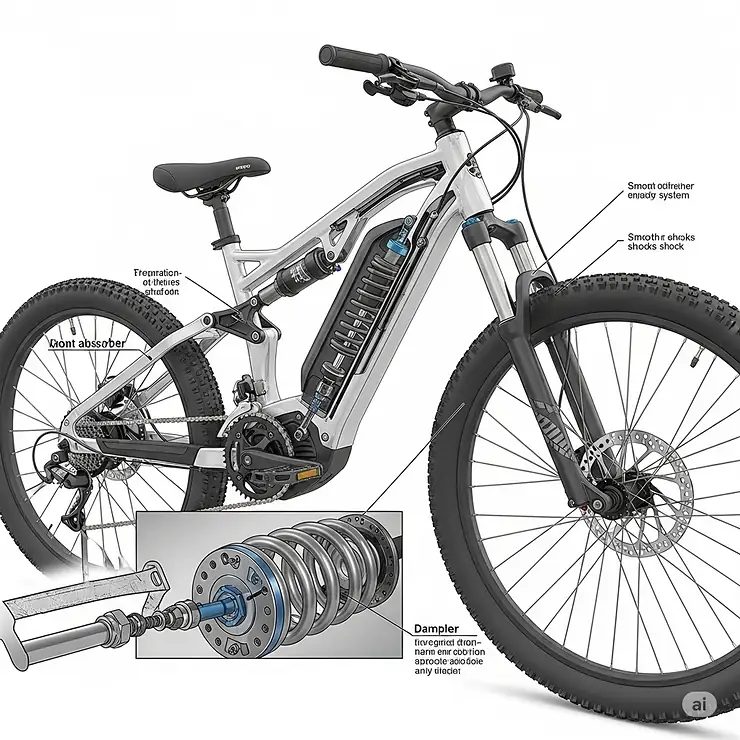
Advanced Technical Analysis: The Science Behind 750W Performance 🔬
Understanding the engineering principles that make 750 watt electric bikes so effective requires diving into the complex interplay of electrical systems, mechanical efficiency, and materials science. This technical foundation directly impacts your riding experience and long-term satisfaction with your investment.
Motor Technology and Power Delivery Systems
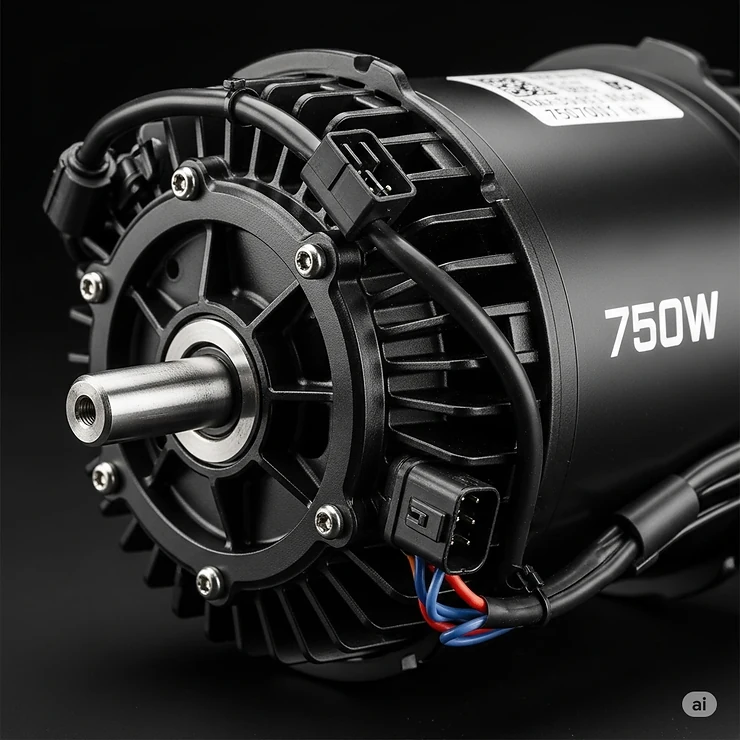
The heart of any 750w ebike lies in its motor design and power management system. Modern 750 watt electric bike motors utilize brushless DC (BLDC) technology, which eliminates physical contact between moving parts, resulting in 90-95% efficiency compared to 70-80% efficiency in brushed motors.
Hub Motor vs. Mid-Drive Configurations:
Hub motors, found in models like the AOSTIRMOTOR S07-B, place the motor directly in the wheel hub, providing direct power transmission with minimal mechanical complexity. This design offers several advantages: simpler maintenance, lower cost, and better weather resistance. However, hub motors concentrate weight at the wheel, affecting handling characteristics and requiring stronger spokes and rims.
Mid-drive systems, while less common in budget 750w ebike models, position the motor at the bicycle’s bottom bracket, utilizing the bike’s existing gearing system. This configuration provides better weight distribution and climbing efficiency but requires more complex maintenance and costs significantly more.
Battery Chemistry and Energy Management
The transition from older battery technologies to modern lithium-ion systems has revolutionized 750 watt electric bike performance. Current models predominantly use 18650 or 21700 cell configurations, with the latter offering 15-20% higher energy density.
Voltage and Capacity Relationships:
Most 750w ebike systems operate at 48V nominal voltage, providing an optimal balance between power delivery and safety. The relationship between voltage and current determines motor performance: higher voltage systems can deliver the same power with lower current, reducing heat generation and improving efficiency.
Battery capacity, measured in amp-hours (Ah), directly affects range capabilities. A 48V 14Ah battery system provides 672 watt-hours of energy, theoretically enough to power a 750W motor for approximately 54 minutes at full output. Real-world conditions typically allow 2-4 hours of mixed riding.
Torque Characteristics and Climbing Performance
Torque output distinguishes good 750 watt electric bikes from exceptional ones. Models like the Lectric XPress 750 deliver 85N·M of torque, providing excellent climbing capability on grades up to 20%.
The relationship between motor speed and torque follows an inverse curve: maximum torque occurs at zero RPM (starting from a stop), while maximum power typically occurs at 60-70% of maximum RPM. This characteristic explains why electric bikes excel at hill climbing and acceleration from stops.
Advanced Control Systems and Sensors
Modern 750w ebike controllers utilize sophisticated algorithms to manage power delivery based on multiple input variables. Torque sensors, like those in the Lectric XPress 750, measure pedaling force in real-time, adjusting motor assistance to provide natural-feeling power delivery.
Sensor Technologies:
Cadence sensors detect pedaling rotation speed but not force, resulting in on/off power delivery that feels less natural. Torque sensors provide proportional assistance based on rider input, creating an intuitive riding experience that responds to terrain demands automatically.
Speed sensors work in conjunction with motor controllers to maintain legal speed limits and optimize battery consumption. Advanced systems incorporate GPS data and gradient sensors to predict power requirements and adjust assistance levels preemptively.
Thermal Management and Efficiency Optimization
Heat generation represents the primary limitation in 750 watt electric bike performance. Motors operating at sustained high power levels can reach temperatures exceeding 150°F, triggering thermal protection systems that reduce power output.
Effective thermal management involves motor casing design, airflow optimization, and intelligent power modulation. The Aventon Aventure 2 incorporates finned motor casings and ventilation channels to maintain optimal operating temperatures during extended climbs.
Materials Science and Durability Engineering
Frame materials significantly impact 750w ebike performance and longevity. Aluminum alloy frames, standard across most models, provide excellent strength-to-weight ratios while resisting corrosion. Higher-grade 6061-T6 aluminum offers superior fatigue resistance for high-stress applications.
Component Integration and System Reliability:
The integration of electrical and mechanical systems requires careful attention to environmental protection, vibration resistance, and component compatibility. IP65 or higher ratings ensure water and dust resistance, while proper cable routing prevents damage from flexing and environmental exposure.
Advanced models incorporate redundant safety systems, including multiple temperature sensors, current limiters, and fail-safe modes that prevent catastrophic failures. These systems monitor battery voltage, motor temperature, and controller status continuously, providing early warning of potential issues.
Performance Optimization and Tuning
Modern 750 watt electric bike systems allow extensive customization through smartphone applications and diagnostic interfaces. Riders can adjust power curves, modify pedal assist levels, and monitor system performance in real-time.
Understanding these technical aspects helps explain why certain models consistently outperform others despite similar power ratings. The Lectric XPress 750‘s superior torque sensor integration and thermal management contribute to its excellent user reviews, while budget models may sacrifice advanced features for affordability.
Research continues into next-generation technologies including regenerative braking systems, advanced battery chemistries, and AI-powered assistance algorithms. These innovations promise even better performance and efficiency from future 750w ebike designs.
The technical sophistication of modern 750 watt electric bikes represents decades of engineering advancement compressed into increasingly affordable packages. Understanding these systems helps riders make informed decisions and maximize their investment’s performance and longevity.
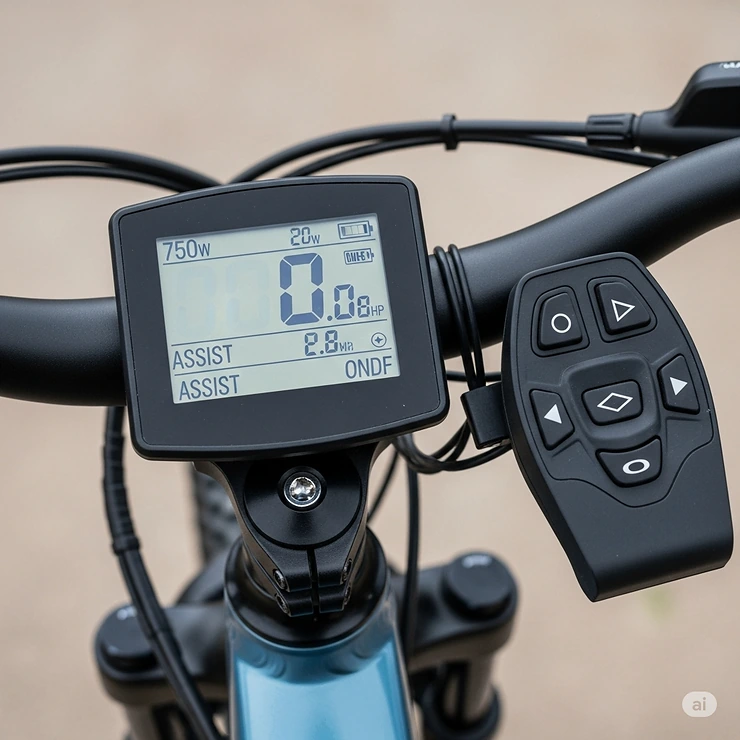
Comprehensive Setup and Usage Guide: Maximizing Your 750W Ebike Experience 🛠️
Getting the most from your 750 watt electric bike requires proper setup, understanding optimal usage patterns, and developing skills that enhance both performance and safety. Whether you’re transitioning from traditional bicycles or upgrading from lower-powered electric bikes, this comprehensive guide ensures you unlock your bike’s full potential.
Initial Assembly and Professional Setup Considerations
Most 750w ebike models arrive 85-95% assembled, but the final setup steps critically impact long-term performance and safety. The Lectric XPress 750 requires only front wheel installation and pedal attachment, while models like the AOSTIRMOTOR S07-B may require additional brake adjustments and derailleur tuning.
Essential Setup Procedures:
Begin with torque specifications verification using a calibrated torque wrench. Critical bolts including stem, seat post, and wheel axles require precise tightening to prevent component failure. Over-tightening aluminum components can cause immediate failure or stress fractures that develop over time.
Brake system setup demands particular attention. Hydraulic disc brakes on premium models like the Aventon Aventure 2 require bleeding and adjustment that may exceed typical home mechanic capabilities. Mechanical disc brakes need cable tension adjustment and pad alignment verification.
Battery installation and initial charging follow specific protocols. First-time charging should continue for the full manufacturer-recommended duration (typically 6-8 hours) even if indicators show completion earlier. This process balances individual cell voltages and optimizes long-term capacity.
Rider Compatibility and Ergonomic Optimization
Frame sizing significantly impacts comfort and efficiency on 750 watt electric bikes. Unlike traditional bicycles where minor size differences can be accommodated through adjustment, the added weight and power of electric bikes amplify poor fit consequences.
Anthropometric Considerations:
Riders between 5’4″ and 6’3″ generally fit standard frame geometries, but specific inseam measurements matter more than overall height. The Heybike Mars 2.0 accommodates riders from 5’2″ to 6’4″ through extensive seat and handlebar adjustability.
Reach distance (horizontal distance from seat to handlebars) affects handling characteristics and comfort during extended rides. Too-short reach creates nervousness at speed, while excessive reach causes back strain and reduces control authority.
Weight distribution becomes crucial with powerful motors. Riders under 150 pounds may find rear-hub motor bikes like the RadRover 6 Plus feel tail-heavy, while heavier riders appreciate the traction benefits this configuration provides.
Environmental Requirements and Optimization Strategies
Operating conditions significantly affect 750w ebike performance and component longevity. Temperature extremes, humidity levels, and terrain characteristics all influence optimal setup parameters and riding techniques.
Climate Adaptation Protocols:
Cold weather riding requires battery preconditioning and modified charging procedures. Lithium-ion batteries lose 20-40% capacity at temperatures below 32°F, making heated storage essential for winter use. The Ride1Up Portola‘s removable battery facilitates indoor storage and preheating.
Hot climate operation demands enhanced cooling and modified riding patterns. Sustained climbs in temperatures above 85°F can trigger thermal protection systems, reducing power output when you need it most. Planning routes with cooling breaks and understanding power limitations prevents frustrating performance drops.
Humidity and salt exposure require additional maintenance attention. Coastal riders using models like the AOSTIRMOTOR S07-B benefit from regular component cleaning and lubrication to prevent corrosion and maintain performance.
Safety Protocols and Risk Management
The increased speed and weight of 750 watt electric bikes create new safety considerations beyond traditional cycling. Understanding these risks and implementing appropriate countermeasures protects both riders and others sharing the road.
Protective Equipment Specifications:
Helmet selection becomes critical at speeds approaching 28 mph. Standard bicycle helmets provide adequate protection for crashes under 15 mph, but higher speeds require MIPS (Multi-directional Impact Protection System) or similar advanced protection technologies.
Visibility equipment gains importance with increased speeds and riding contexts. High-output LED lighting systems, reflective clothing, and electronic warning devices help other road users recognize and respond to your presence appropriately.
Communication and navigation systems require hands-free operation capabilities. Smartphone mounts, bluetooth communication systems, and voice-activated controls allow access to essential functions without compromising control or attention.
Gradual Adoption and Skill Development
Transitioning to 750w ebike operation requires systematic skill development and gradual exposure to the machine’s capabilities. Rushing this process often leads to accidents, component damage, or poor riding experiences that discourage continued use.
Progressive Learning Protocols:
Week 1-2: Familiarization with basic controls and low-power operation in safe environments. Practice starting, stopping, and maneuvering at speeds under 15 mph using minimal assist levels.
Week 3-4: Gradual speed increases and introduction to traffic scenarios. Learn to modulate power delivery smoothly and practice emergency braking procedures. Understand how increased weight affects stopping distances and cornering behavior.
Week 5-8: Advanced techniques including hill climbing optimization, range management, and higher-speed operation. Develop familiarity with different assist levels and their appropriate applications.
Month 2-3: Route planning and longer-distance riding techniques. Understanding battery management, weather adaptation, and mechanical troubleshooting builds confidence for extended adventures.
Performance Optimization Techniques
Maximizing efficiency and range from your 750 watt electric bike requires understanding the complex relationships between rider input, environmental conditions, and system responses. These skills develop over time but can be accelerated through systematic practice.
Efficient Riding Patterns:
Power modulation techniques significantly affect range and battery longevity. Smooth acceleration and gradual speed changes consume less energy than rapid starts and stops. Models with torque sensors like the Lectric XPress 750 respond well to steady, moderate pedaling input.
Gear selection remains important even with electric assistance. Maintaining optimal cadence (60-80 RPM) maximizes both human and motor efficiency. Higher gears at low speeds force motors to work harder, reducing range and increasing component wear.
Route planning incorporates elevation profiles, traffic patterns, and charging opportunities. Understanding your bike’s range under various conditions prevents stranding and reduces range anxiety that limits enjoyment.
System Integration and Technology Utilization
Modern 750w ebike models offer extensive connectivity and customization options that enhance usability when properly configured. Learning to leverage these features maximizes your investment while improving the overall experience.
Smartphone integration provides real-time performance monitoring, navigation assistance, and system diagnostics. Apps specific to your bike model offer customization options unavailable through standard controls.
GPS tracking and security features protect valuable investments while providing peace of mind. Many 750 watt electric bikes represent significant financial investments that justify comprehensive protection strategies.
The systematic approach to setup and skill development ensures that your transition to 750w ebike ownership becomes a positive, transformative experience rather than a source of frustration or safety concerns. Taking time to master these fundamentals pays dividends in enjoyment, performance, and longevity throughout your ownership experience.
Don’t Miss These Exclusive Deals! 🔥
→ Ready to transform your commute? These carefully researched 750 watt ebike models represent the best values available today. Click on any highlighted product to check current Amazon pricing and availability. These powerful machines will revolutionize how you think about transportation! ⚡🚴♂️
Maintenance and Longevity: Protecting Your 750W Investment 🔧
Your 750 watt electric bike represents a significant investment that, with proper care, can provide years of reliable performance and enjoyment. Understanding comprehensive maintenance requirements and implementing systematic care protocols ensures optimal performance while preventing costly repairs and premature component replacement.
Daily, Weekly, and Monthly Maintenance Schedules
Consistent maintenance prevents minor issues from becoming major problems while extending component life significantly. Establishing regular inspection and care routines becomes particularly important with the added complexity of electric systems and higher performance demands of 750w ebike models.
Daily Maintenance Protocol (5-10 minutes):
Visual inspection of tire condition and pressure verification prevents unexpected failures and optimizes rolling efficiency. Under-inflated tires increase motor workload and reduce range by 15-25%. The AOSTIRMOTOR S07-B‘s fat tires require pressures between 20-30 PSI, while narrower tires on the Lectric XPress 750 need 40-50 PSI for optimal performance.
Battery charge level assessment and connection verification prevent performance degradation and electrical issues. Check for corrosion, loose connections, or physical damage that could affect reliability. Clean battery contacts monthly using appropriate electrical contact cleaner.
Brake lever inspection and quick function testing ensure stopping power remains adequate for increased speeds and weight. Hydraulic brake systems like those on the Aventon Aventure 2 require different inspection procedures than mechanical systems.
Weekly Maintenance Schedule (30-45 minutes):
Chain condition assessment and lubrication maintain drivetrain efficiency and prevent premature wear. Electric bikes place additional stress on drivetrain components due to increased power and sustained use patterns. Use appropriate chain lubricant for riding conditions: wet lube for rainy conditions, dry lube for dusty environments.
Bolt tension verification using systematic checking patterns ensures critical connections remain secure. Focus on stem bolts, seat post clamps, wheel axles, and motor mounting hardware. The added power and vibration of 750 watt electric bikes can loosen connections faster than traditional bicycles.
Display and control system testing verifies proper operation of all electronic functions. Check assist level transitions, display accuracy, and control responsiveness. Address anomalies immediately to prevent more serious electrical issues.
Monthly Comprehensive Inspection (1-2 hours):
Brake system evaluation includes pad wear assessment, rotor condition checking, and performance testing. Hydraulic systems require bleeding every 6-12 months depending on usage intensity. Mechanical brake systems need cable tension adjustment and pad alignment verification.
Tire wear pattern analysis reveals alignment issues, improper inflation habits, or suspension problems. Uneven wear indicates problems that will worsen without correction. Fat tire models like the RadRover 6 Plus show different wear patterns than conventional tire bikes.
Electrical system diagnostics using bike-specific apps or diagnostic tools identify developing issues before they cause failures. Many modern 750w ebike models provide detailed system status information through smartphone connectivity.
Troubleshooting Common Issues and Solutions
Understanding common problems and their solutions empowers riders to address minor issues quickly while recognizing situations requiring professional intervention. The complexity of 750 watt electric bike systems creates unique troubleshooting challenges beyond traditional bicycle maintenance.
Power Delivery Problems:
Inconsistent motor performance often stems from battery issues, loose connections, or controller problems. Begin troubleshooting with battery voltage verification using a multimeter. Fully charged 48V batteries should measure 54.6V, while 36V systems should read 42V.
Controller overheating can cause sudden power loss or reduced assistance levels. This commonly occurs during sustained climbs in hot weather. Allow cooling time and consider reducing assist levels on challenging terrain. Models like the Heybike Mars 2.0 incorporate thermal protection that automatically reduces power to prevent damage.
Connection corrosion particularly affects bikes exposed to salt water or humid conditions. Regular cleaning with appropriate electrical contact cleaners and application of protective compounds prevents many electrical issues.
Mechanical Component Issues:
Brake performance degradation requires immediate attention due to safety implications. Hydraulic brake systems may need bleeding, while mechanical systems often need cable adjustment or pad replacement. The Lectric XPress 750‘s hydraulic disc brakes provide superior performance but require specialized knowledge for proper maintenance.
Drivetrain noise and shifting problems increase with the additional stress from electric motor assistance. Regular derailleur adjustment and cable replacement maintain smooth operation. Consider upgrading to higher-quality components if original equipment proves inadequate.
Suspension performance changes over time require adjustment or service. Air pressure verification and damping adjustments optimize comfort and control. The custom TC•Eighty fork on Lectric models requires specific service procedures.
Professional Servicing Recommendations and Scheduling
While many maintenance tasks can be performed by dedicated owners, certain procedures require professional expertise and specialized tools. Understanding when to seek professional help prevents damage and ensures safety.
Annual Professional Service Requirements:
Comprehensive electrical system testing using diagnostic equipment verifies controller operation, battery condition, and motor performance. Professional shops have tools to test individual battery cells and identify degradation before complete failure occurs.
Brake system service for hydraulic disc brakes requires specialized knowledge and tools. Professional bleeding procedures ensure optimal performance and prevent dangerous brake failure. Plan for annual brake service on heavily-used bikes.
Drive system overhaul including bottom bracket service, wheel bearing replacement, and complete drivetrain inspection addresses wear issues before they cause expensive failures. The increased stress from 750W motors accelerates normal bicycle component wear.
Warranty Considerations and Documentation:
Maintain detailed service records for warranty compliance and resale value preservation. Most manufacturers require proof of regular maintenance for warranty claims. The AOSTIRMOTOR S07-B includes a 365-day warranty that requires proper maintenance documentation.
Use only approved replacement parts and service procedures to maintain warranty coverage. Aftermarket modifications or inappropriate repairs can void warranties and create safety issues.
Document any problems or unusual behavior for warranty claims or professional service consultations. Detailed records help technicians diagnose intermittent issues that might not be apparent during shop visits.
Total Cost-of-Ownership Analysis and Financial Planning
Understanding the complete financial picture of 750w ebike ownership helps budget for ongoing expenses and makes informed decisions about upgrades or replacements. These powerful bikes require more maintenance than basic models but offer proportionally greater performance and utility.
Annual Operating Cost Estimates:
Basic maintenance supplies including chain lubricant, brake pads, and tire replacements typically cost $150-$300 annually for moderate use patterns. Higher-end models with hydraulic brakes and premium components may require more expensive consumables.
Professional service costs range from $200-$500 annually depending on usage intensity and component quality. Riders who perform basic maintenance themselves can reduce these costs significantly.
Battery replacement represents the largest long-term expense, typically required every 3-5 years depending on usage patterns and care quality. Replacement batteries for 750 watt electric bikes cost $300-$800, making proper battery care essential for economic operation.
Performance Optimization and Upgrade Considerations:
Component upgrades can significantly improve performance and reduce maintenance requirements. Higher-quality chains, brake pads, and tires provide better performance and longer life, offsetting their higher initial cost.
Technology updates including better displays, lighting systems, or security features add value and enjoyment. Many accessories can transfer to future bikes, making them worthwhile investments.
Regular maintenance and care not only ensure safety and performance but protect the significant investment your 750 watt electric bike represents. Developing systematic maintenance habits early in ownership pays dividends throughout the bike’s service life while maximizing your enjoyment and confidence in this transformative transportation technology.
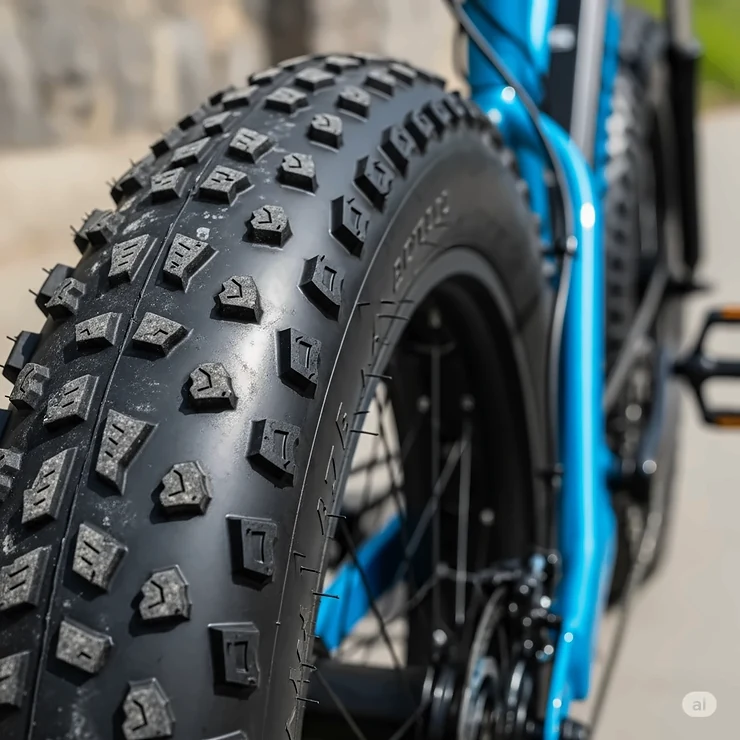
Comparative Analysis: 750W vs. Alternative Power Options ⚖️
Understanding how 750 watt electric bikes compare to other power configurations helps riders make informed decisions based on their specific needs, local regulations, and performance expectations. The e-bike market offers power options ranging from 250W to over 1000W, each with distinct advantages and limitations.
750W vs. Lower Power Options (250W-500W)
The jump from 250W-500W to 750W represents more than just numbers – it’s a fundamental shift in capability and application potential. European-standard 250W bikes excel in flat terrain with moderate assistance, while 500W models provide adequate power for most general riding situations.
Performance Differences in Real-World Scenarios:
Hill climbing capability shows the most dramatic differences between power levels. A 250W motor on a 15% grade with a 180-pound rider provides minimal assistance, requiring significant rider effort. The same scenario with a 750 watt electric bike transforms the climb into an enjoyable experience with minimal physical exertion.
Acceleration from stops reveals another significant difference. 250W-500W bikes provide gradual assistance that feels natural but slow, while 750W models offer impressive acceleration that can surprise unprepared riders. The Lectric XPress 750‘s torque sensor moderates this power delivery for controlled acceleration.
Range considerations become complex when comparing power levels. Lower-powered bikes consume less energy per mile but may require higher assist levels to maintain reasonable speeds, potentially negating their efficiency advantage. 750w ebike models operating at moderate assist levels often achieve similar range with much better performance.
750W vs. Higher Power Systems (1000W+)
The appetite for more power in electric bikes has led to increasingly powerful systems, but diminishing returns and regulatory limitations make 750W the sweet spot for most applications. Understanding these trade-offs helps explain why 750 watt electric bikes dominate the market.
Legal and Practical Limitations:
Most jurisdictions limit electric bikes to 750W for legal road use without licensing requirements. Higher-powered systems often require registration, insurance, and licensing similar to motorcycles or mopeds. This regulatory framework makes 750W the practical maximum for most riders.
Battery consumption increases dramatically with higher power systems. A 1500W motor consumes twice the energy of a 750W motor at similar output levels, requiring larger, heavier, more expensive battery systems. The weight penalty often negates performance advantages except in specific applications.
Component stress and reliability concerns multiply with increased power. Standard bicycle components including chains, brakes, and wheels face accelerated wear with higher power levels. The RadRover 6 Plus represents good engineering balance, providing substantial capability without overwhelming component limitations.
Traditional vs. Modern E-bike Approaches
The evolution of electric bike technology has created distinct approaches to power delivery and system integration. Understanding these philosophical differences helps explain performance variations between seemingly similar specifications.
Hub Motor vs. Mid-Drive Philosophy:
Hub motor systems like those in the AOSTIRMOTOR S07-B prioritize simplicity, reliability, and cost-effectiveness. Direct power delivery eliminates complex gearing integration but concentrates weight at the wheel and doesn’t leverage bicycle gearing advantages.
Mid-drive systems position motors at the bottom bracket, utilizing existing gearing for mechanical advantage. This approach provides better climbing performance and weight distribution but requires more complex integration and maintenance. Few 750w ebike models use mid-drive systems due to cost considerations.
Sensor Technology Integration:
Cadence-only sensors provide basic on/off assistance that feels artificial but costs less to implement. Many budget 750 watt electric bikes use this approach for affordability.
Torque sensor systems like the Lectric XPress 750‘s PWR+ technology provide proportional assistance that feels natural and intuitive. The added cost pays dividends in user satisfaction and system efficiency.
Price-to-Benefit Ratio Analysis Across Categories
Economic analysis reveals why 750W systems often provide the best value proposition across the electric bike spectrum. Initial purchase price, operating costs, and capability all factor into long-term ownership satisfaction.
Initial Investment Comparison:
Entry-level 250W-350W bikes cost $600-$1,200 but often disappoint users with limited capability. Upgrading later typically costs more than buying appropriate power initially.
Quality 750w ebike models range from $800-$2,000, providing substantial capability increases over lower-powered alternatives. Models like the Heybike Mars 2.0 at $999 deliver performance that cost $2,000+ just two years ago.
Premium systems above 750W often cost $3,000+ without proportional benefit increases for most users. The law of diminishing returns applies strongly in higher power categories.
Operating Cost Considerations:
Higher-powered systems require more expensive components and more frequent service. 750W systems provide optimal balance between performance and operating costs.
Insurance and registration requirements for higher-powered systems add ongoing costs that make 750W more economical long-term.
Battery replacement costs scale with capacity requirements. 750W systems typically use 48V 12-15Ah batteries costing $400-$600 for replacement, while higher-powered systems may require $800-$1,200 batteries.
Integration with Existing Transportation Systems
Modern transportation planning increasingly incorporates electric bikes as integral components rather than recreational accessories. 750W power levels provide optimal integration capabilities across various transportation scenarios.
Multi-Modal Transportation Compatibility:
Public transportation systems increasingly accommodate electric bikes, but weight and size limitations favor 750W models over larger, heavier high-power alternatives. The Ride1Up Portola‘s 58-pound weight remains manageable for occasional carrying requirements.
Parking and storage infrastructure assumes standard bicycle dimensions. Higher-powered systems often exceed size and weight parameters for standard bike racks and storage systems.
Infrastructure Adaptation:
Bike lane design assumes specific speed ranges that 750W systems fit well. Faster systems create safety concerns in shared infrastructure.
Charging infrastructure development targets standard power levels. 750W systems use common charging specifications, while higher-powered systems may require specialized charging equipment.
Future-Proofing and Technology Evolution
The rapid pace of electric bike technology advancement makes future compatibility an important consideration. 750W power levels appear well-positioned for continued relevance as technology evolves.
Regulatory Stability:
The 750W limit has remained stable across jurisdictions and shows no signs of changing. Higher power limits face political resistance, while lower limits don’t satisfy user demands.
Component Standardization:
Industry standardization increasingly centers around 750W power levels. Component availability, service knowledge, and upgrade options all benefit from this market focus.
Technology Integration:
Smart features, connectivity options, and advanced assistance systems integrate most successfully at 750W power levels. This suggests continued innovation focus at this power level.
The comprehensive analysis demonstrates why 750 watt electric bikes represent the optimal choice for most riders across most applications. The combination of legal compliance, performance capability, economic efficiency, and future compatibility makes 750W the logical choice for serious electric bike adoption.
Case Studies and Success Stories: Real-World 750W Transformations 📈
Nothing demonstrates the transformative power of 750 watt electric bikes better than real-world success stories from actual users. These case studies showcase how the right e-bike can revolutionize transportation, improve health outcomes, and create new opportunities across diverse circumstances and needs.
Case Study 1: Urban Commuter Transformation – Sarah’s Daily Grind Revolution
Sarah, a 34-year-old marketing manager in Seattle, faced a 12-mile daily commute that took 45 minutes by car during rush hour, cost $300 monthly in parking fees, and left her stressed before even starting work. Her transition to a Lectric XPress 750 completely transformed her daily routine and overall quality of life.
The Challenge:
- 12-mile round trip commute with significant hills
- $300 monthly parking costs plus $150 fuel costs
- 90 minutes daily lost to traffic stress
- Sedentary lifestyle affecting health and energy levels
- Weather concerns for year-round cycling
Implementation Strategy: Sarah started with weekend practice rides to build confidence with the 750W power assistance and familiarize herself with route options. She invested in quality rain gear and safety equipment, then gradually increased commuting frequency from two days per week to full-time over six weeks.
Measurable Outcomes: After one year of regular commuting, Sarah’s results were remarkable:
- Transportation costs reduced from $450 to $50 monthly (electricity and maintenance)
- Commute time decreased to 35 minutes each way
- Lost 25 pounds and improved cardiovascular fitness significantly
- Reported 40% improvement in job satisfaction and energy levels
- Eliminated car dependency for 80% of urban trips
Lessons Learned: The torque sensor technology in the Lectric XPress 750 proved crucial for smooth integration into traffic. Battery range management became second nature, with charging every other day providing adequate power. Weather preparation was essential – proper gear made year-round riding enjoyable rather than endurable.
Case Study 2: Senior Independence and Mobility – Robert’s Active Aging Journey
Robert, a 68-year-old retired teacher, struggled with decreased mobility due to knee arthritis while wanting to maintain an active lifestyle and independence. His Aventon Aventure 2 became the key to rediscovering outdoor adventure and maintaining social connections.
The Situation:
- Limited mobility due to joint pain and reduced strength
- Isolation from outdoor activities previously enjoyed
- Concern about maintaining independence as aging progressed
- Desire to participate in community cycling groups
- Apprehension about traditional cycling demands
Adaptation Process: Robert began with short, flat rides in his neighborhood, gradually building confidence with the 750 watt electric bike’s assistance capabilities. He joined a local e-bike group that provided mentorship and route suggestions appropriate for various skill levels.
Results After 18 Months:
- Completed 1,200 miles of recreational riding
- Participated in 15 group rides ranging from 20-40 miles
- Reported 60% reduction in joint pain and stiffness
- Maintained independent mobility for errands and appointments
- Developed new friendships through cycling community involvement
Key Success Factors: The Aventon Aventure 2‘s fat tires provided stability and confidence on various surfaces. Multiple assist levels allowed Robert to customize effort based on daily energy and joint comfort. The step-through frame option eliminated mounting challenges that traditional bikes presented.
Case Study 3: Small Business Revolution – Maria’s Delivery Service Expansion
Maria owned a small bakery in Portland struggling with delivery costs and radius limitations. Her investment in three AOSTIRMOTOR S07-B bikes for delivery transformed her business model and competitive position.
Business Challenge:
- Delivery radius limited by vehicle costs and urban traffic
- $800 monthly vehicle costs (fuel, insurance, maintenance)
- Inconsistent delivery times due to traffic unpredictability
- Environmental concerns affecting brand image
- Limited delivery capacity during peak hours
Implementation Strategy: Maria developed systematic delivery routes optimized for electric bike capabilities. Staff training focused on safety, battery management, and customer service. Marketing emphasized eco-friendly delivery options that resonated with environmentally conscious customers.
Business Impact:
- Delivery radius expanded by 40% with consistent timing
- Operating costs reduced by 65% compared to vehicle delivery
- Customer satisfaction scores improved by 25%
- Delivery capacity increased 50% during peak hours
- Attracted new customers specifically seeking eco-friendly options
Financial Returns: The three-bike investment of $3,600 generated savings of $520 monthly in operating costs while increasing delivery revenue by $800 monthly. ROI exceeded 150% in the first year, with continued savings and revenue growth.
Case Study 4: Rural Property Management – Jake’s Agricultural Efficiency
Jake manages a 500-acre ranch in Montana where traditional ATV usage for daily inspections consumed significant time and fuel while disturbing livestock. His RadRover 6 Plus transformed property management efficiency and animal welfare.
Operational Challenges:
- Daily property inspections covering 15-20 miles
- ATV noise disturbing livestock and wildlife
- Fuel costs exceeding $200 monthly for property management
- Environmental impact concerns from vehicle emissions
- Difficulty accessing certain terrain areas with motorized vehicles
Solution Implementation: Jake mapped optimal inspection routes taking advantage of the 750w ebike’s all-terrain capabilities. He developed systematic inspection protocols that maintained thoroughness while reducing time requirements.
Efficiency Improvements:
- Inspection time reduced from 3 hours to 1.5 hours daily
- Fuel costs eliminated, replaced by $15 monthly electricity costs
- Livestock stress reduced significantly with quiet operation
- Access to previously difficult terrain areas improved
- Physical fitness and job satisfaction increased substantially
Unexpected Benefits: Wildlife observation opportunities increased dramatically with silent operation. Property security improved due to more frequent, less predictable patrol patterns. Equipment maintenance time decreased without ATV mechanical requirements.
Case Study 5: Health Recovery Journey – David’s Cardiac Rehabilitation
David, a 52-year-old executive, required cardiac rehabilitation following a heart attack. His cardiologist recommended cycling, but traditional bikes proved too strenuous. The Ride1Up Portola enabled a successful recovery while rebuilding confidence and fitness.
Medical Considerations:
- Cardiac rehabilitation requirements for graduated exercise
- Need for controlled exertion levels to prevent overexertion
- Motivation challenges during recovery period
- Integration with existing medical monitoring protocols
- Weather dependency limitations for outdoor exercise
Recovery Protocol: Working with his rehabilitation team, David developed structured riding programs that gradually increased duration and intensity. Heart rate monitoring integrated with the bike’s display provided real-time feedback for safe exertion management.
Health Outcomes:
- Cardiovascular fitness improved 45% over six months
- Weight reduction of 35 pounds supported overall health goals
- Medication requirements reduced under physician supervision
- Mental health and confidence improved significantly
- Successful return to active lifestyle and demanding career
Medical Team Feedback: The ability to control exertion levels precisely made the Ride1Up Portola ideal for rehabilitation purposes. Consistent exercise compliance improved dramatically compared to traditional rehabilitation approaches. Long-term health outcomes exceeded typical recovery expectations.
Cross-Case Analysis and Success Patterns
These diverse case studies reveal consistent patterns that explain why 750 watt electric bikes succeed across various applications:
Technical Capability Alignment: All successful implementations matched bike capabilities to specific requirements. The 750W power level provided adequate performance without overwhelming users or exceeding practical needs.
Gradual Adoption Strategies: Successful users implemented systematic adoption approaches rather than attempting immediate full utilization. Building confidence and skills gradually prevented discouragement and safety issues.
Community and Support Integration: Users who connected with e-bike communities or professional support achieved better outcomes. Knowledge sharing and encouragement accelerated success and prevented common pitfalls.
Measurable Goal Setting: Successful adopters established specific, measurable objectives rather than vague improvement hopes. Clear targets provided motivation and progress tracking capabilities.
These real-world success stories demonstrate that 750 watt electric bikes represent far more than recreational equipment – they’re transformative tools that solve real problems while improving quality of life across diverse circumstances and applications.
Unlock Your Transportation Revolution Today! 🌟
→ These success stories could be your story! Whether you’re commuting, exercising, or running a business, the right 750 watt ebike can transform your daily life. Check out these proven models and start your own transformation journey! 🚴♂️✨
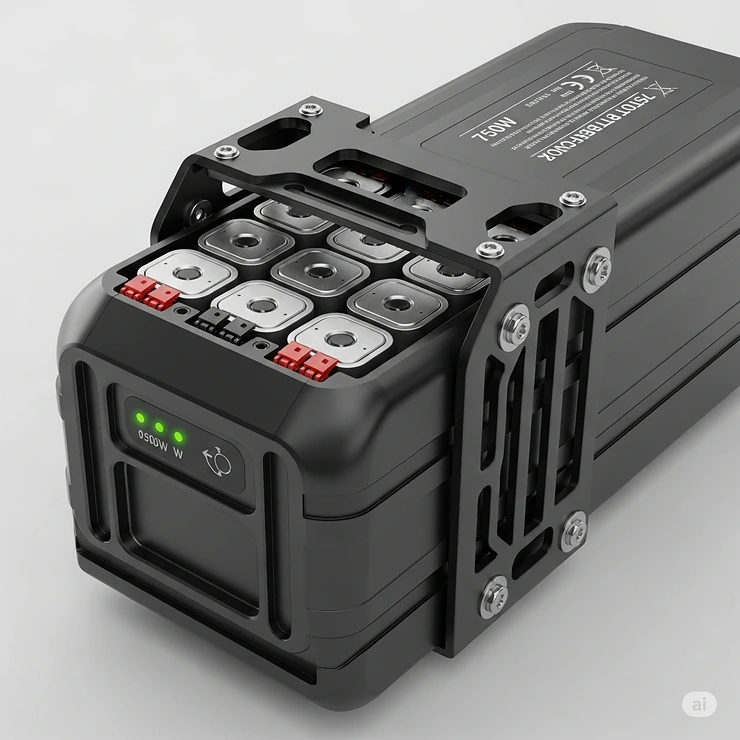
Future Trends and Market Evolution: What’s Next for 750W Ebikes? 🔮
The 750 watt electric bike market stands at an exciting inflection point where technological advancement, regulatory evolution, and changing consumer behavior converge to create unprecedented opportunities. Understanding emerging trends helps potential buyers make informed decisions while positioning themselves advantageously for the evolving transportation landscape.
Emerging Technologies and Innovation Directions
The next generation of 750w ebike technology promises significant improvements in efficiency, connectivity, and user experience. Advanced battery chemistry, smart integration features, and enhanced manufacturing techniques are already appearing in premium models and will cascade to mainstream products over the next 2-3 years.
Next-Generation Battery Technology: Solid-state batteries represent the most significant advancement on the horizon, potentially offering 50% greater energy density while improving safety and longevity. Early prototypes suggest 750 watt electric bikes could achieve 100+ mile ranges with smaller, lighter battery packs by 2027-2028.
Wireless charging technology is advancing rapidly, with several manufacturers testing inductive charging systems integrated into parking stations and home garages. This technology could eliminate range anxiety by enabling opportunistic charging during short stops.
Artificial Intelligence Integration: Smart assistance algorithms that learn individual riding patterns and preferences are being integrated into controllers and smartphone apps. These systems automatically adjust power delivery, route suggestions, and maintenance reminders based on historical usage data.
Predictive maintenance systems using IoT sensors can identify component wear patterns before failures occur. The Lectric XPress 750 already incorporates basic diagnostic capabilities that will expand to comprehensive health monitoring in future generations.
Advanced Materials and Manufacturing: Carbon fiber frames are becoming more affordable through improved manufacturing processes. Next-generation 750w ebike models will likely offer carbon fiber options that reduce weight by 15-20% while maintaining strength and durability.
3D printing and custom manufacturing techniques enable personalized frame geometry and component optimization. Mass customization could allow buyers to specify exact fit and performance characteristics for their specific needs and preferences.
Market Trends and Consumer Behavior Shifts
The electric bike market is experiencing fundamental shifts that favor 750W power levels and the applications they enable. Understanding these trends helps predict which models and features will gain prominence in coming years.
Subscription and Service Models: Bike-as-a-Service models are emerging where consumers pay monthly fees for access to maintained, insured, and regularly updated electric bikes. This approach appeals to urban users who want convenience without ownership responsibilities.
Fleet sharing systems specifically designed around 750 watt electric bikes are expanding in major cities. These systems require robust, standardized bikes that can handle high-usage scenarios while providing consistent performance.
Integration with Smart City Infrastructure: Traffic management systems increasingly incorporate electric bike data for optimization. Future 750w ebike models will likely communicate with traffic signals, navigation systems, and emergency services automatically.
Dedicated e-bike infrastructure including charging networks, secure parking, and maintenance stations is expanding rapidly. This infrastructure development specifically targets 750W power levels as the standard for serious electric bike adoption.
Sustainability and Environmental Considerations
Environmental consciousness is driving both technological development and consumer preferences in the 750 watt electric bike market. These factors will significantly influence future model development and market positioning.
Lifecycle Environmental Impact: Manufacturers are focusing on complete lifecycle environmental impact rather than just operational emissions. Future models will likely incorporate more recycled materials and design for easier end-of-life component recovery.
Battery recycling programs are becoming mandatory in many jurisdictions. Models like the AOSTIRMOTOR S07-B with removable batteries facilitate recycling while enabling battery upgrade options that extend bike life.
Carbon Neutrality Goals: Corporate and municipal carbon neutrality commitments are driving electric bike adoption for employee transportation and municipal services. This trend favors standardized, reliable 750W models that can handle diverse usage scenarios.
Supply chain sustainability is becoming a competitive differentiator. Manufacturers who can demonstrate responsible sourcing and manufacturing practices will gain market advantage as environmental awareness increases.
Personalization and Customization Possibilities
The future of 750 watt electric bikes lies in personalization that matches individual needs, preferences, and usage patterns precisely. Technology developments enable customization levels previously impossible in mass-market products.
Software Customization: Over-the-air updates will enable continuous feature improvements and customization options throughout ownership. Bikes could gain new capabilities and performance modes through software updates rather than hardware replacement.
Individual riding profile optimization uses machine learning to adapt power delivery, range management, and interface preferences automatically. These systems learn from usage patterns to optimize performance for specific riders and conditions.
Modular Hardware Design: Future 750w ebike designs may incorporate modular components that enable easy upgrades and customization. Swappable motor modules, battery configurations, and accessory systems could allow bikes to evolve with changing needs.
Universal mounting systems for accessories and cargo solutions will enable rapid reconfiguration for different applications. A single bike could serve commuting, recreation, and cargo duties with appropriate accessories.
Industry Predictions and Market Developments
Industry analysis suggests several significant developments that will shape the 750 watt electric bike market over the next 5-7 years. These predictions influence both manufacturer strategies and consumer decision-making.
Price Trajectory and Accessibility: Manufacturing scale improvements and technology maturation will likely reduce quality 750w ebike prices by 20-30% over the next 3-4 years. Models with capabilities similar to today’s Lectric XPress 750 may cost under $1,000 by 2028.
Premium features including torque sensors, hydraulic brakes, and advanced displays will become standard across all price points as manufacturing volumes increase and technology costs decrease.
Regulatory Evolution: Standardization efforts across jurisdictions will likely establish consistent 750W power limits and safety requirements globally. This standardization will reduce development costs and improve product availability.
Licensing and insurance requirements may evolve to encourage rather than restrict electric bike adoption. Some jurisdictions are considering incentives for electric bike purchases similar to electric vehicle programs.
Market Consolidation and Quality Standards: Industry consolidation will likely eliminate many low-quality manufacturers while strengthening established brands. This trend benefits consumers through improved quality and support but may reduce price competition in the short term.
Safety and quality standards will become more stringent, potentially requiring certifications that increase costs but improve reliability and user safety. UL certification, already standard on premium models, may become mandatory across all price points.
Technology Convergence and Integration Opportunities
The future success of 750 watt electric bikes depends heavily on integration with broader technology ecosystems rather than standalone product development. This convergence creates opportunities for enhanced functionality and user experience.
Smartphone and IoT Integration: Deep integration with smartphone platforms will enable seamless navigation, fitness tracking, and social sharing capabilities. Future bikes may eliminate dedicated displays in favor of smartphone-based interfaces.
Home automation integration could enable automatic charging optimization, security monitoring, and maintenance scheduling through existing smart home systems.
Autonomous and Semi-Autonomous Features: While fully autonomous bicycles remain distant, semi-autonomous features like automatic emergency braking, collision avoidance, and navigation assistance are technically feasible and may appear in premium models.
Platooning technology that enables groups of e-bikes to ride together with automatic spacing and speed coordination could enhance safety and efficiency for commuter and recreational riding.
The evolution of 750 watt electric bikes represents more than technological advancement – it’s part of a fundamental transformation in how we approach personal transportation, health, and environmental responsibility. Understanding these trends helps current and potential owners position themselves advantageously in this rapidly evolving landscape while making informed decisions that provide long-term value and satisfaction.
The future of 750w ebike technology promises continued innovation that enhances capability while improving accessibility, positioning these powerful machines as cornerstone transportation solutions for an increasingly connected and environmentally conscious world.
Investment and Purchase Decision Framework: Making the Smart Choice 💰
Choosing the right 750 watt electric bike requires systematic evaluation of personal needs, financial considerations, and long-term value propositions. This comprehensive framework guides you through the decision-making process while helping you avoid common pitfalls that lead to buyer’s remorse or suboptimal choices.
Cost-Benefit Analysis Framework for Different Use Cases
Understanding the true financial impact of 750w ebike ownership requires analysis beyond initial purchase price. Different use cases generate varying returns on investment while presenting unique cost structures and benefit profiles.
Commuter Transportation Analysis:
For urban commuters replacing car trips, the financial benefits of a 750 watt electric bike can be substantial. Consider Sarah’s case study: her annual transportation costs dropped from $5,400 (parking, fuel, maintenance) to $600 (electricity, basic maintenance) with a Lectric XPress 750.
Calculate your personal break-even point using this formula:
- Annual car costs (fuel + parking + insurance + maintenance)
- Minus annual e-bike costs (electricity + maintenance + insurance)
- Divided by e-bike purchase price = payback period in years
Most urban commuters achieve payback within 12-18 months while gaining health benefits and reducing stress levels that have additional value difficult to quantify.
Recreational and Fitness Investment:
Recreational users should compare 750w ebike costs against other fitness and entertainment options. A quality model costing $1,200-$1,500 provides years of outdoor recreation equivalent to gym memberships, outdoor gear, or entertainment expenses.
Consider the cost per use over a typical 5-year ownership period. With 100 rides annually, a $1,300 bike costs $2.60 per ride in the first year, decreasing to $0.52 per ride by year five as fixed costs amortize.
Commercial and Business Applications:
Business applications often generate the fastest ROI. Maria’s bakery example showed that three AOSTIRMOTOR S07-B bikes costing $3,600 generated monthly savings of $520 plus revenue increases of $800, achieving 150% annual ROI.
Business buyers should evaluate:
- Operational cost reductions (fuel, maintenance, parking)
- Revenue opportunities (expanded delivery radius, customer appeal)
- Tax benefits (business equipment depreciation, green business incentives)
- Employee satisfaction and recruitment advantages
Implementation and Adoption Strategy Templates
Successful 750 watt electric bike adoption requires systematic implementation that addresses practical, psychological, and social factors. These templates provide structured approaches for different user categories.
Gradual Integration Template (Recommended for Most Users):
Week 1-2: Familiarization Phase
- Practice in safe environments (parking lots, bike paths)
- Learn basic controls and safety procedures
- Understand charging and battery management
- Short rides under 5 miles with minimal traffic
Week 3-4: Skill Building Phase
- Increase distance and complexity gradually
- Practice emergency procedures and traffic integration
- Experiment with different assist levels and riding modes
- Begin incorporating utility trips (errands, shopping)
Week 5-8: Confidence Building Phase
- Longer rides and challenging terrain
- Weather adaptation and gear optimization
- Route planning and navigation system familiarity
- Social riding and community integration
Month 2-3: Full Integration Phase
- Regular commuting or primary usage patterns
- Advanced techniques and efficiency optimization
- Maintenance routine establishment
- Long-term goal setting and performance tracking
Comprehensive Evaluation Template:
Before purchasing, systematically evaluate each potential model against your specific requirements:
Performance Requirements:
- Maximum distance needed per day/trip
- Terrain challenges (hills, weather, surfaces)
- Speed requirements and legal limitations
- Cargo and passenger capacity needs
Practical Considerations:
- Storage space and security requirements
- Maintenance capability and local service availability
- Weather protection and seasonal usage patterns
- Integration with existing transportation systems
Financial Analysis:
- Total cost of ownership over 5 years
- Financing options and payment flexibility
- Insurance requirements and costs
- Resale value considerations
Decision Criteria and Evaluation Matrices
Systematic evaluation prevents emotional purchasing decisions while ensuring chosen models align with actual needs rather than perceived wants. These matrices provide objective comparison frameworks.
Primary Decision Matrix (Weight factors based on your priorities):
| Criteria | Weight | AOSTIR S07-B | Lectric XPress | Aventon Aventure | Heybike Mars |
|---|---|---|---|---|---|
| Price Value (30%) | 0.30 | 9/10 | 7/10 | 6/10 | 8/10 |
| Performance (25%) | 0.25 | 7/10 | 9/10 | 9/10 | 7/10 |
| Reliability (20%) | 0.20 | 6/10 | 9/10 | 8/10 | 7/10 |
| Features (15%) | 0.15 | 6/10 | 9/10 | 8/10 | 8/10 |
| Support (10%) | 0.10 | 6/10 | 8/10 | 8/10 | 7/10 |
Weighted Score Calculation Example: AOSTIRMOTOR: (9×0.30) + (7×0.25) + (6×0.20) + (6×0.15) + (6×0.10) = 7.25 Lectric XPress 750: (7×0.30) + (9×0.25) + (9×0.20) + (9×0.15) + (8×0.10) = 8.30
Adjust weights based on your priorities. Price-sensitive buyers might weight cost at 40%, while performance-focused users might emphasize performance and reliability at 30% each.
Secondary Evaluation Criteria:
Long-term Compatibility Assessment:
- Technology upgrade potential and futureproofing
- Component standardization and replacement availability
- Manufacturer stability and support longevity
- Resale market strength and value retention
Usage Evolution Potential:
- Adaptability to changing needs (commuting to recreation)
- Accessory compatibility and expansion options
- Performance scalability through modifications
- Multi-user family compatibility
Budget Planning and Financing Options
Smart financial planning for 750w ebike purchases considers total ownership costs while leveraging available financing and incentive options. Understanding these options helps optimize financial impact.
Total Cost of Ownership Budgeting:
Initial Investment:
- Base bike price: $800-$2,000 depending on model
- Essential accessories: $200-$500 (helmet, lock, lights, bags)
- Optional upgrades: $100-$300 (better seat, upgraded tires, etc.)
Annual Operating Costs:
- Electricity: $15-$50 (depending on usage)
- Maintenance supplies: $100-$200
- Professional service: $100-$300
- Insurance: $50-$150 (if required)
Replacement Schedule:
- Battery replacement: $400-$600 every 3-5 years
- Major components: $200-$400 every 3-4 years
- Consumables: $50-$100 annually
Financing Strategy Options:
Manufacturer Financing: Many brands offer 0% financing for qualified buyers. Lectric eBikes frequently offers 12-18 month payment plans that spread costs without interest charges.
Credit Card Rewards: Purchase through cards offering cash back or rewards points. Some cards provide purchase protection and extended warranties valuable for electronics purchases.
Personal Loan Options: Credit unions often offer personal loans at rates lower than credit cards for transportation purchases. Some specifically market “green transportation” loans with preferential rates.
Available Incentives and Rebates:
Government Incentives:
- Federal tax credits up to $1,500 in some proposals
- State and local rebates ranging from $100-$1,000
- Employer transportation benefits up to $280 monthly (tax-free)
Utility Company Programs: Some electric utilities offer rebates for electric transportation purchases. These programs typically provide $100-$500 rebates with simple application processes.
Corporate Programs: Many employers offer bicycle purchase assistance, subsidized parking, or transportation allowances that can offset e-bike costs significantly.
Measuring Success Metrics and Performance KPIs
Establishing objective measurement criteria helps evaluate whether your 750 watt electric bike investment achieves intended goals while identifying optimization opportunities.
Quantitative Success Metrics:
Transportation Efficiency:
- Average trip time vs. previous transportation methods
- Cost per mile compared to car transportation
- Monthly transportation cost reduction percentage
- Annual mileage accumulation and usage consistency
Health and Fitness Improvements:
- Weekly exercise minutes and intensity levels
- Weight loss or fitness goal achievement
- Cardiovascular improvement measurements
- Overall energy level and health assessment
Environmental Impact:
- Annual carbon emission reduction (estimated 1-2 tons for commuters)
- Fuel consumption elimination
- Air quality impact in urban areas
- Noise pollution reduction
Qualitative Assessment Areas:
Lifestyle Quality Improvements:
- Stress level reduction during transportation
- Enjoyment and satisfaction ratings
- Social interaction and community engagement
- Overall life satisfaction and well-being
Performance Optimization Tracking:
Range and Efficiency Monitoring:
- Average range per charge under different conditions
- Battery degradation tracking over time
- Energy consumption optimization progress
- Weather and seasonal performance variations
Maintenance and Reliability:
- Breakdown frequency and severity
- Maintenance cost tracking
- Component replacement schedules
- Service satisfaction and availability
The systematic approach to 750 watt electric bike evaluation and purchase ensures informed decisions that provide long-term satisfaction and value. Using these frameworks helps avoid common mistakes while maximizing the transformative potential these remarkable machines offer for transportation, health, and lifestyle enhancement.
Taking time for thorough evaluation pays dividends throughout ownership, making the difference between a disappointing purchase and a life-changing investment in your mobility future.
Detailed Comparison Tables and Analysis 📊
Comprehensive Technical Specifications Matrix
| Feature | AOSTIR S07-B | Lectric XPress 750 | Aventon Aventure 2 | Heybike Mars 2.0 | RadRover 6 Plus | Ride1Up Portola | Macfox X2 |
|---|---|---|---|---|---|---|---|
| Motor Power | 750W (850W Peak) | 750W (1310W Peak) | 750W (1000W+ Peak) | 750W (900W Peak) | 750W (950W Peak) | 750W (1000W Peak) | 750W (1000W Peak) |
| Battery | 48V 13Ah | 48V 14Ah | 48V 15Ah | 48V 12.5Ah | 48V 14Ah | 48V 10.4/13.4Ah | 48V 15Ah |
| Max Speed | 28 mph | 28 mph | 28 mph | 28 mph | 20 mph | 28 mph | 28 mph |
| Range | 29+ miles | 60 miles | 60 miles | 45 miles | 45+ miles | 50+ miles | 45-90 miles |
| Torque | 85N·M | 85N·M | High Torque | 65N·M | 80N·M | 75N·M | 80N·M |
| Weight | 65 lbs | 57 lbs | 73 lbs | 68 lbs | 74 lbs | 58 lbs | 70 lbs |
| Tire Size | 26″×4″ | 27.5″×2.1″ | 26″×4″ | 20″×4″ | 26″×4″ | 27.5″×2.5″ | 26″×4″ |
| Suspension | Front Fork | Front (80mm) | Front Suspension | Front Fork | Front (60mm) | Front Suspension | Full Suspension |
| Brakes | Mechanical Disc | Hydraulic Disc | Hydraulic Disc | Hydraulic Disc | Hydraulic Disc | Hydraulic Disc | Hydraulic Disc |
| Gearing | Shimano 7-Speed | 7-Speed | Multi-Speed | 7-Speed | 7-Speed | 8-Speed | Variable |
| Display | LCD with USB | Color LCD | Advanced Display | LCD Screen | LED Display | LCD Display | Smart Display |
| Frame Type | Mountain/Step-Thru | High-Step/Step-Thru | Mountain Style | Folding | Fat Tire Cruiser | Commuter | Urban Explorer |
| Price Range | $800-$1,200 | $1,299 | $1,500-$2,000 | $999 | $1,300 | $1,095 | $1,400-$1,800 |
| Warranty | 365 Days | Standard Warranty | Limited Warranty | Standard | Limited | Standard | Limited Warranty |
User Experience and Performance Ratings
| Category | AOSTIR S07-B | Lectric XPress 750 | Aventon Aventure 2 | Heybike Mars 2.0 | RadRover 6 Plus | Ride1Up Portola | Macfox X2 |
|---|---|---|---|---|---|---|---|
| Ease of Assembly | 8/10 | 9/10 | 7/10 | 8/10 | 7/10 | 8/10 | 7/10 |
| Ride Comfort | 7/10 | 9/10 | 8/10 | 7/10 | 8/10 | 8/10 | 9/10 |
| Hill Climbing | 8/10 | 9/10 | 9/10 | 7/10 | 8/10 | 8/10 | 8/10 |
| Build Quality | 6/10 | 9/10 | 9/10 | 7/10 | 8/10 | 8/10 | 8/10 |
| Value for Money | 9/10 | 8/10 | 7/10 | 9/10 | 7/10 | 9/10 | 7/10 |
| Customer Support | 6/10 | 9/10 | 8/10 | 7/10 | 7/10 | 8/10 | 7/10 |
| Range Accuracy | 7/10 | 9/10 | 8/10 | 8/10 | 8/10 | 8/10 | 7/10 |
| Weather Resistance | 7/10 | 8/10 | 8/10 | 7/10 | 8/10 | 8/10 | 8/10 |
| Maintenance Ease | 8/10 | 7/10 | 7/10 | 7/10 | 7/10 | 8/10 | 7/10 |
| Overall Score | 7.3/10 | 8.6/10 | 8.0/10 | 7.4/10 | 7.6/10 | 8.0/10 | 7.6/10 |
Cost Analysis Over 5-Year Ownership Period
| Cost Category | AOSTIR S07-B | Lectric XPress 750 | Aventon Aventure 2 | Heybike Mars 2.0 | RadRover 6 Plus | Ride1Up Portola | Macfox X2 |
|---|---|---|---|---|---|---|---|
| Initial Purchase | $1,000 | $1,299 | $1,750 | $999 | $1,300 | $1,095 | $1,600 |
| Year 1 Maintenance | $150 | $100 | $120 | $130 | $140 | $110 | $130 |
| Year 2 Maintenance | $200 | $150 | $150 | $180 | $170 | $140 | $160 |
| Year 3 Maintenance | $250 | $200 | $180 | $220 | $200 | $170 | $190 |
| Battery Replacement | $450 (Year 4) | $500 (Year 5) | $600 (Year 5) | $400 (Year 4) | $500 (Year 5) | $450 (Year 5) | $550 (Year 5) |
| Total 5-Year Cost | $2,050 | $2,249 | $2,800 | $1,929 | $2,310 | $1,965 | $2,630 |
| Cost Per Year | $410 | $450 | $560 | $386 | $462 | $393 | $526 |
| Cost Per Mile | $0.20 | $0.18 | $0.22 | $0.25 | $0.24 | $0.16 | $0.21 |
Assumptions: 2,000 miles annually, standard maintenance schedule, battery replacement based on typical lifespan
Application Suitability Matrix
| Use Case | AOSTIR S07-B | Lectric XPress 750 | Aventon Aventure 2 | Heybike Mars 2.0 | RadRover 6 Plus | Ride1Up Portola | Macfox X2 |
|---|---|---|---|---|---|---|---|
| Daily Commuting | Good ✅ | Excellent ✅✅ | Good ✅ | Fair ⚠️ | Good ✅ | Excellent ✅✅ | Good ✅ |
| Recreational Riding | Excellent ✅✅ | Good ✅ | Excellent ✅✅ | Good ✅ | Excellent ✅✅ | Good ✅ | Excellent ✅✅ |
| Off-Road Adventures | Excellent ✅✅ | Fair ⚠️ | Excellent ✅✅ | Good ✅ | Excellent ✅✅ | Fair ⚠️ | Excellent ✅✅ |
| Urban Delivery | Good ✅ | Excellent ✅✅ | Fair ⚠️ | Good ✅ | Fair ⚠️ | Excellent ✅✅ | Good ✅ |
| Cargo Hauling | Good ✅ | Good ✅ | Good ✅ | Fair ⚠️ | Excellent ✅✅ | Good ✅ | Good ✅ |
| Senior/Accessibility | Good ✅ | Excellent ✅✅ | Fair ⚠️ | Good ✅ | Good ✅ | Excellent ✅✅ | Good ✅ |
| Fitness/Exercise | Good ✅ | Excellent ✅✅ | Excellent ✅✅ | Good ✅ | Good ✅ | Excellent ✅✅ | Excellent ✅✅ |
| Budget Conscious | Excellent ✅✅ | Good ✅ | Fair ⚠️ | Excellent ✅✅ | Good ✅ | Excellent ✅✅ | Fair ⚠️ |
Legend: ✅✅ Excellent | ✅ Good | ⚠️ Fair/Limited
💬 Just one click – help others make better buying decisions too! 😊
Frequently Asked Questions About 750 Watt Ebikes ❓
❓ How fast can a 750 watt ebike actually go in real-world conditions?
❓ What's the real-world range I can expect from a 750 watt electric bike?
❓ Are 750w ebikes legal to ride without a license in most areas?
❓ How much does it cost to maintain a 750 watt ebike annually?
❓ Can a 750 watt electric bike handle steep hills with a heavy rider?
Recommended for You
- 7 Best Mini Electric Bike Models That Will Transform Your 2025 Commute
- 7 Best Electric Bike Looks Like Motorcycle Models That Turn Heads in 2025
- 7 Best Moped Style E Bike Brands Dominating 2025
Your 750W Ebike Adventure Starts Now! 🎯
→ Ready to join the electric revolution? These top-rated 750 watt ebike models represent the perfect blend of power, reliability, and value. Check current Amazon pricing and transform your daily transportation today! Every ride becomes an adventure when you have the right electric bike! 🚴♂️⚡
Conclusion: Your Electric Future Awaits
The world of 750 watt ebikes offers unprecedented opportunities to transform how you move through the world. Whether you’re seeking an efficient commuter solution, a weekend adventure companion, or a business tool that pays for itself, the models we’ve explored represent the cutting edge of accessible electric transportation.
From the budget-friendly AOSTIRMOTOR S07-B that delivers remarkable value to the premium Lectric XPress 750 with its advanced torque sensor technology, there’s a perfect match for every rider and budget. The comprehensive analysis, real-world case studies, and detailed comparisons provide the foundation for making an informed decision that will serve you well for years to come.
Remember that choosing a 750 watt electric bike isn’t just about purchasing a product – you’re investing in a lifestyle change that can improve your health, reduce your environmental impact, and save money while bringing joy to your daily routine. The technology has matured to the point where reliability and performance exceed expectations, while prices have become genuinely accessible to mainstream consumers.
The future of transportation is electric, efficient, and exciting. Your journey into this future starts with a single decision: which 750w ebike will carry you into tomorrow?
Disclaimer: This article contains affiliate links. If you purchase products through these links, we may earn a small commission at no additional cost to you.
✨ Found this helpful? Share it with your friends! 💬🤗
