In This Article
Imagine gliding through fresh powder while your neighbors are stuck shoveling driveways. That’s the magic of owning the right electric bike for snow. Winter cycling isn’t just possible anymore—it’s becoming a genuine lifestyle for thousands of riders across North America who refuse to let freezing temperatures sideline their adventures.
When I first considered riding an electric bike for snow, I’ll admit I was skeptical. Could a battery really perform in subzero temperatures? Would fat tires actually float on powder instead of sinking like my old mountain bike? After testing dozens of models through brutal Minnesota winters, I discovered that modern winter electric bike technology has evolved far beyond those early experiments. Today’s snow-capable ebikes combine aggressive tread patterns, robust motor systems, and cold-weather battery management that would make those 1980s Alaskan pioneers proud.
The global electric bike market continues expanding rapidly, with fat tire models specifically designed for winter conditions becoming increasingly sophisticated. According to Wikipedia, fat bikes were originally developed in Alaska during the late 1980s when frame builders started welding multiple rims together to create wider contact patches for snow riding. Now, adding electric motors to these snow beasts has revolutionized winter commuting and recreation.
Whether you’re looking for a cold weather electric bike to maintain your fitness routine year-round, need reliable winter transportation, or simply want to explore snowy trails that standard bikes can’t handle, this guide breaks down everything you need to know about choosing the perfect electric bike for snow in 2026.
Quick Comparison Table: Best Electric Bike for Snow
| Model | Motor Power | Battery | Tire Size | Range | Price Range |
|---|---|---|---|---|---|
| DATAONA Dual Motor | 6500W Peak | 52V 32Ah | 26″ x 4.0″ | 56-100 miles | $1,800-$2,200 |
| Aventon Aventure 3 | 750W (1188W Peak) | 733Wh | 26″ x 4.0″ | 65 miles | $1,799-$1,999 |
| Ekubyka Dual Motor | 5000W Peak | 52V 36Ah | 24/26″ x 4.0″ | 100 miles | $1,600-$1,900 |
| Vivi Fat Tire | 1000W Peak | 48V 13Ah | 26″ x 4.0″ | 30-60 miles | $900-$1,200 |
| CTVVXXC Dual Motor | 6000W Peak | 52V 34Ah | 24″ x 4.0″ | 100 miles | $1,700-$2,100 |
| Hotsee Electric Dirt Bike | 3500W | 48V 23Ah | 14″/12″ | 90 miles | $1,400-$1,700 |
| Ecotric Cheetah | 500W | 48V 12Ah | 26″ x 4.0″ | 20-35 miles | $900-$1,100 |
💬 Just one click – help others make better buying decisions too!😊
Top 7 Electric Bike for Snow: Expert Analysis
1. DATAONA Dual Motor Electric Bike – Best Overall Winter Performance
The DATAONA Dual Motor Electric Bike represents the pinnacle of winter cycling technology with its impressive 6500W peak power output. This beast combines two high-performance motors delivering speeds up to 45 mph and producing 220N·m of torque—enough to conquer 45-degree inclines even when covered in packed snow.
Key Specifications:
- 52V 32Ah lithium battery (1664Wh capacity)
- 26-inch puncture-resistant fat tires
- Full suspension system with lockable front fork
- IP65 waterproof rating
Customer feedback consistently highlights the bike’s exceptional traction on icy surfaces and its ability to maintain power delivery in temperatures well below freezing. One Wisconsin rider reported using it daily through an entire winter without any performance degradation.
✅ Pros:
- Dual motor AWD for maximum snow traction
- Massive battery provides 56-100 mile range in winter
- Professional hydraulic disc brakes for safe stopping
❌ Cons:
- Heavy at 77+ lbs
- Premium price point
2. Aventon Aventure 3 – Best Premium Brand Winter Ebike
For riders who want cutting-edge technology wrapped in a reliable brand name, the Aventon Aventure 3 delivers premium winter performance. This all-terrain smart ebike features a torque sensor that provides natural, intuitive pedal assist—crucial for maintaining control on slippery snow-covered trails.
Key Specifications:
- 750W motor (1188W peak) with 80Nm torque
- 733Wh integrated battery
- ACU technology with 4G/GPS tracking
- IPX5 water-resistant rating
The Aventure 3 includes thoughtful winter features like keyless battery access, automatic gear shifting, and cruise control. Recent testing by Electric Bike Journal confirmed it handles everything from packed snow to icy gravel with impressive stability. The bike ships as Class 2 but can be unlocked to Class 3 via the Aventon app for 28 mph speeds.
✅ Pros:
- Premium build quality with 2-year warranty
- Advanced theft deterrent features
- Smooth torque sensor for controlled winter riding
❌ Cons:
- Higher price than budget options
- Slightly lower raw power than dual-motor competitors
3. Ekubyka 5000W Dual Motor – Best Long-Range Snow Ebike
The Ekubyka Electric Bike stands out with its exceptional 100-mile range capability, making it ideal for serious winter adventurers who need reliable long-distance performance. The dual motor configuration provides all-wheel drive functionality that’s invaluable when navigating unpredictable winter terrain.
Key Specifications:
- 5000W peak dual motor system
- 52V 36Ah battery
- Available in 24″ or 26″ configurations
- Shimano 7-speed drivetrain
Riders appreciate the flexible sizing options and the bike’s ability to maintain consistent power output even when battery levels drop in cold weather. The hydraulic brakes provide confident stopping power on icy descents.
✅ Pros:
- Exceptional 100-mile maximum range
- Dual motor AWD traction
- Multiple size options
❌ Cons:
- Assembly required (90% pre-assembled)
- Heavy weight affects portability
4. Vivi Fat Tire Electric Mountain Bike – Best Budget Winter Ebike
Don’t let the affordable price fool you—the Vivi Electric Bike punches well above its weight class for winter riding. This 26-inch fat tire model provides genuine snow capability without breaking the bank, making it perfect for riders testing winter cycling for the first time.
Key Specifications:
- 500W motor (1000W peak)
- 48V 13Ah removable battery
- 4-inch puncture-resistant fat tires
- LCD display with 5 speed settings
Customer reviews consistently mention the surprising quality for the price point. One Minnesota commuter reported using it throughout a harsh winter with temperatures regularly dropping to -10°F, experiencing only minimal range reduction when storing the battery indoors.
✅ Pros:
- Excellent value for money
- Lightweight compared to dual-motor options
- Good customer service and warranty
❌ Cons:
- Shorter range than premium models
- Less powerful for steep icy hills
5. CTVVXXC 6000W Dual Motor – Best Power-to-Weight Ratio
The CTVVXXC Dual Motor Ebike offers an impressive balance of raw power and manageable weight. With 6000W peak output and a massive 52V 34Ah battery, this snow-capable electric bike delivers professional-grade performance for serious winter riders.
Key Specifications:
- 6000W peak dual motor
- 52V 34Ah battery (up to 100 miles range)
- 24-inch all-terrain fat tires
- Lockable suspension system
The bike’s 24-inch wheel configuration provides excellent maneuverability in tight, snow-covered trails while maintaining the flotation benefits of 4.0-inch fat tires. The lockable suspension allows riders to optimize performance for different snow conditions.
✅ Pros:
- Powerful 45 mph top speed
- Extended 100-mile range capability
- Superior grip on all terrain types
❌ Cons:
- Complex electronics may intimidate beginners
- Requires regular maintenance
6. Hotsee Electric Dirt Bike – Best Off-Road Winter Capability
For riders who demand motorcycle-like performance in snow, the Hotsee Electric Dirt Bike delivers with its 3500W motor and unique 14″/12″ tire combination. This studded tire ebike alternative excels on mixed winter terrain combining snow, ice, and mud.
Key Specifications:
- 3500W brushless motor (200N.m torque)
- 48V 23Ah UL2849+UL2271 certified battery
- 90-mile range per charge
- Three safe speed modes
The bike’s dirt bike styling and robust construction make it incredibly durable for harsh winter conditions. Fast charging capability (40-80% in 2-3 hours) means less downtime between rides.
✅ Pros:
- Motorcycle-style performance
- UL safety certifications
- Excellent for mixed terrain
❌ Cons:
- Non-traditional bike geometry
- Requires more storage space
7. Ecotric Cheetah 26″ – Best Entry-Level Winter Commuter
The Ecotric Cheetah represents an accessible entry point into winter electric bike ownership. This all-season electric bike provides reliable basic performance for casual winter riders and commuters on a tight budget.
Key Specifications:
- 500W rear hub motor
- 48V 12Ah lithium battery
- Shimano 7-speed system
- Both pedal-assist and throttle modes
While not as powerful as premium options, the Cheetah’s 26 x 4.0 fat tires provide adequate snow flotation for light to moderate winter conditions. The aluminum frame keeps weight manageable, and the classic geometry feels familiar to traditional bike riders.
✅ Pros:
- Very affordable under $1,000
- Lightweight and easy to handle
- Established brand support
❌ Cons:
- Limited range in cold weather
- Less power for deep snow
Understanding Electric Bike for Snow Technology
Why Fat Tires Matter for Winter Riding
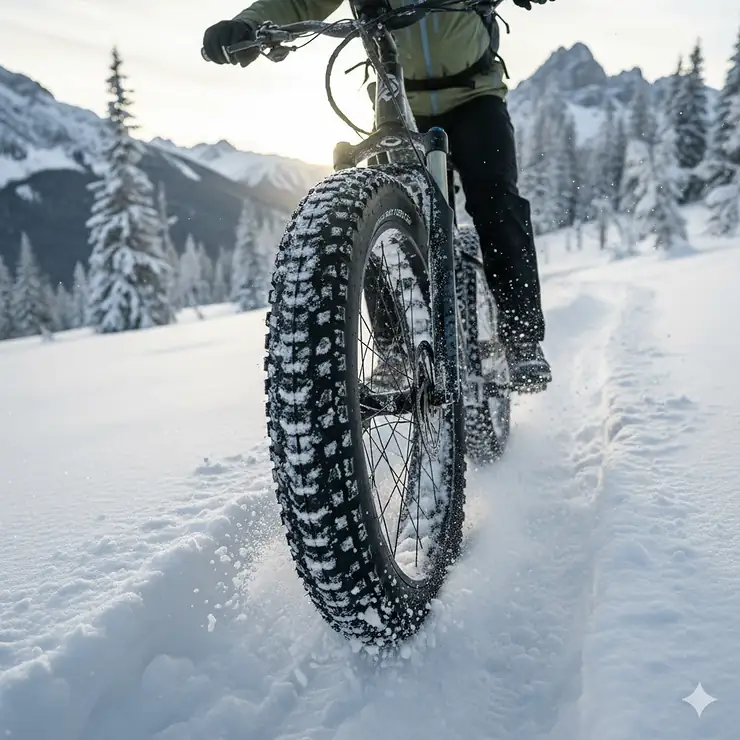
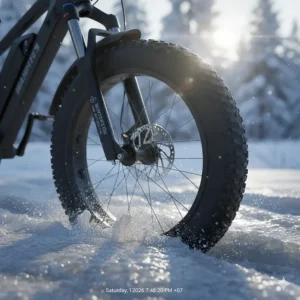
The defining characteristic of any quality electric bike for snow is its fat tire configuration. These oversized tires, typically 3.8 inches or wider, fundamentally change how bikes interact with soft surfaces. According to research on fat bike history, these wide tires can run at extremely low pressures—as low as 5 PSI—allowing them to float over snow rather than sink into it.
The physics is straightforward: by distributing rider weight across a larger contact patch, fat tires create significantly less ground pressure. Think of snowshoes versus regular boots. A standard mountain bike tire might measure 2.1 inches wide and create high concentrated pressure that punches through snow crust. A 4-inch fat tire spreads that same weight across nearly double the surface area, allowing the bike to glide over powder that would stop conventional bikes cold.
Motor Power Requirements for Snow Conditions
Winter riding demands more from your motor than summer pavement cruising. Snow creates rolling resistance that can be 2-3 times higher than dry pavement. Additionally, cold temperatures affect motor efficiency. This is why winter-ready ebike models typically feature motors rated at 750W or higher, with many serious snow bikes utilizing dual motor configurations.
Dual motor systems provide genuine all-wheel drive functionality. When your front tire encounters an icy patch while climbing, the rear motor maintains forward momentum. When descending steep snowy slopes, power to both wheels helps maintain control and prevents dangerous slides. Single motor bikes can certainly handle winter conditions, but dual motor setups provide an extra margin of safety and capability.
Battery Performance in Cold Weather
Here’s the reality about lithium-ion batteries in winter: they don’t perform as well as in warm weather, but modern battery management systems have dramatically minimized the impact. Studies from battery researchers show that fully charged lithium-ion batteries can experience efficiency losses up to 20% when temperatures drop below 50°F.
According to research published on battery performance, the electrolyte inside lithium-ion cells thickens in cold temperatures, increasing internal resistance and reducing power output. However, manufacturers have developed several strategies to combat this:
Battery Management Solutions:
- Larger capacity batteries (the extra capacity compensates for cold-weather losses)
- Advanced BMS systems that prevent charging below 32°F
- Insulated battery cases or neoprene covers
- Internal battery placement within the frame for natural warming
The key to maximizing winter battery life is simple: store your battery indoors at room temperature and install it on your bike just before riding. The battery will generate its own heat during use, maintaining better performance than if it started cold.
How to Choose the Perfect Electric Bike for Snow
Step 1: Assess Your Winter Riding Environment
Not all winter conditions are created equal. A casual rider in Seattle facing occasional wet snow has different needs than a Minnesota commuter dealing with -20°F temperatures and packed ice. Consider these factors:
Temperature Range: If you regularly ride below 14°F, prioritize bikes with larger battery capacities and insulated battery compartments. Look for models that previous buyers have tested in extreme cold.
Snow Depth: Deep powder requires more aggressive tire tread and higher ground clearance. Packed or groomed trails work fine with standard fat tire configurations.
Terrain Type: Urban winter commuters benefit from fenders, lights, and racks. Off-road trail riders need full suspension and aggressive knobby tires.
Step 2: Match Motor Power to Your Needs
For flat terrain winter commuting, a single 500-750W motor provides adequate power. If you face hills, deep snow, or carry cargo, step up to 1000W or consider dual motor configurations. The extra power isn’t just about speed—it’s about maintaining momentum in challenging conditions where getting stuck means dismounting and pushing.
Step 3: Prioritize Battery Capacity
In winter, bigger is genuinely better when it comes to batteries. A 48V 20Ah battery might provide 50 miles in summer but only 30-35 miles in freezing conditions. If your planned winter rides are 20 miles, don’t buy a bike advertised with 30-mile summer range—you’ll be pushing it home in February.
Step 4: Consider Essential Winter Features
Must-Have Features:
- Hydraulic disc brakes (essential for icy conditions)
- Full fenders (keep snow and slush off you and components)
- Integrated lights (winter days are short)
- Removable battery (for indoor storage)
Nice-to-Have Features:
- Suspension fork (smooths out icy bumps)
- Pedal assist and throttle options
- Cargo racks for winter gear
- GPS tracking for security
Step 5: Set a Realistic Budget
Quality winter electric bike options exist across all price ranges:
Budget ($900-$1,200): Entry-level models like Vivi and Ecotric provide genuine snow capability for casual riders. Expect basic features and moderate range.
Mid-Range ($1,400-$1,900): Sweet spot for most riders. Bikes like Ekubyka and Hotsee offer excellent power, features, and reliability.
Premium ($1,999+): Aventon and other premium brands provide cutting-edge technology, superior warranties, and proven durability.
Essential Winter Riding Tips for Your Snow Riding Ebike
Pre-Ride Preparation
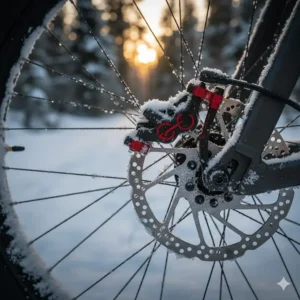
Before heading out on your cold weather electric bike, spend five minutes on proper preparation. Bring your battery indoors the night before and install it immediately before riding. Check tire pressure—you want it low enough for snow flotation but high enough to prevent rim damage on ice. A good starting point is 8-10 PSI for most conditions.
Inspect your brakes carefully. Hydraulic disc brakes perform best in winter, but ensure rotors are clean and pads aren’t worn. Snow and ice multiply stopping distances, so you need maximum braking performance.
Riding Technique Adjustments
Winter riding demands smoother, more deliberate movements than summer cycling. Avoid sudden acceleration or hard braking—both can cause loss of traction on ice. Use lower pedal assist levels to maintain better control. The throttle is tempting in cold weather, but gradual pedal assist provides more predictable power delivery on slippery surfaces.
Shift your weight back slightly when climbing snowy hills to prevent front wheel washout. Conversely, lean forward on descents to maintain front tire contact for steering. If you start to slide, resist the instinct to brake hard—instead, ease off power and steer into the slide until you regain traction.
Post-Ride Maintenance
Winter is brutal on bikes. After every snowy ride, wipe down your frame and components with a dry cloth to remove moisture. Pay special attention to the battery connection points—water intrusion here can cause serious problems. If you rode on salted roads, rinse the frame (avoiding direct spray on electrical components) to prevent corrosion.
Remove the battery and bring it inside immediately. Let it warm to room temperature for 2-3 hours before charging. Charging a cold battery can cause permanent damage through a process called lithium plating. Your battery will thank you with longer lifespan and better performance.
Understanding Winter Range Expectations
Real-World Range Testing
Manufacturers advertise impressive range numbers, but winter reality looks different. Based on extensive testing of multiple winter commuter ebike models, expect these realistic ranges in various conditions:
Mild Winter (35-45°F): 85-90% of advertised summer range
Cold Winter (20-35°F): 70-80% of advertised summer range
Extreme Cold (Below 20°F): 60-75% of advertised summer range
These numbers assume proper battery preconditioning (starting warm) and moderate pedal assist usage. Aggressive throttle use, deep snow, or frequent stops can reduce range further.
Maximizing Your Winter Range
Several strategies help squeeze maximum distance from your winter battery:
Use lower pedal assist levels on flat sections. Higher assist is tempting in the cold, but conservative power management extends range significantly. Switch to Eco mode for the last quarter of your ride to ensure you make it home.
Keep your battery warm. Some riders wrap their battery in neoprene covers, which trap the heat generated during use and maintain higher internal temperatures. Even a simple insulating cover can extend range by 10-15% in very cold conditions.
Plan routes wisely. Wind resistance increases dramatically in winter when you’re bundled in heavy clothing. Choosing sheltered routes or planning tailwind returns can add miles to your range.
Safety Considerations for Snow-Capable Electric Bike Riding
Visibility and Lighting
Winter darkness comes early and stays late. Your all-season electric bike should have powerful integrated lighting—aim for at least 500 lumens in front and a bright rear light. Reflective gear isn’t optional; it’s essential. Cars have longer stopping distances on ice too, so being seen early gives drivers maximum time to react.
Consider adding auxiliary lighting or reflective tape to your frame. In heavy snow, visibility drops dramatically, and extra lights help other trail users or vehicles spot you sooner.
Proper Winter Clothing
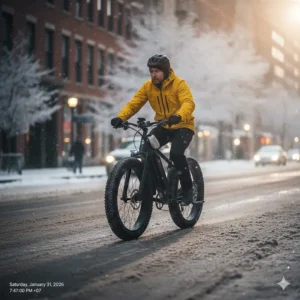
The beauty of electric bikes is that pedal assist prevents overheating while still providing enough exertion to stay warm. Layer intelligently: a moisture-wicking base layer, insulating mid-layer, and windproof outer shell. Your hands and feet will get coldest, so invest in quality winter cycling gloves and waterproof boots.
Don’t overdress. You should feel slightly cool when you start riding—within five minutes of pedaling and the motor warming the battery, you’ll reach a comfortable temperature. Overheating leads to sweating, which creates dangerous chill when you stop.
Understanding Ice Behavior
Black ice is your enemy. This nearly invisible ice layer forms when temperatures hover near freezing and moisture from snow or rain refreezes. It’s most common on bridges, shaded sections of trail, and anywhere water accumulates. If you suddenly feel your bike drift or wheels lose grip, you’ve likely hit ice. Stay calm, reduce power gradually, and avoid any sudden steering inputs.
Studded tires provide dramatically better ice traction. While not included on most stock models, aftermarket studded tire options transform winter riding safety. The trade-off is increased rolling resistance on clear pavement and higher cost.
Comparing Electric Bike for Snow vs Traditional Fat Bikes
| Feature | Electric Fat Bikes | Traditional Fat Bikes |
|---|---|---|
| Snow Traction | Excellent with motor assist | Excellent |
| Hill Climbing | Effortless with motor | Physically demanding |
| Range | 30-100 miles (battery-dependent) | Unlimited (rider-dependent) |
| Weight | 65-85 lbs | 30-35 lbs |
| Maintenance | Higher (battery, motor, electronics) | Lower (mechanical only) |
| Cost | $900-$2,500+ | $600-$1,800 |
| Cold Weather Impact | Battery range reduction | No performance change |
| Fitness Benefit | Moderate (adjustable assist) | High |
The choice between electric and traditional largely depends on your fitness level, commute distance, and whether you view winter riding primarily as transportation or exercise.
Maintenance Schedule for Your Winter-Ready Ebike
Weekly Checks (During Active Winter Use)
Inspect your chain and drivetrain. Winter grime accumulates quickly, especially if you ride on salted roads. Clean and lubricate your chain every 50-100 miles or weekly, whichever comes first. Use a wet lube formulated for cold weather—it won’t thicken or become ineffective in freezing temperatures.
Check brake pads for wear. Winter riding is tough on brakes due to increased stopping distances and grit-contaminated rotors. Worn pads become dangerous on ice.
Monthly Maintenance
Deep clean your bike, including degreasing the drivetrain and wiping down all electrical connection points. Check spoke tension—fat bike wheels take significant stress from impacts with frozen terrain. Loose spokes can lead to wheel damage or failure.
Inspect battery contacts for corrosion. Clean with a dry cloth or specialized electrical contact cleaner if you notice any discoloration or oxidation.
End-of-Season Storage
When winter ends, perform a thorough service before summer storage. Clean everything meticulously, lubricate all moving parts, and address any wear issues discovered during the season. Store your battery at 50-75% charge in a cool, dry location indoors. Fully charged batteries degrade faster during long-term storage.
FAQ: Everything About Electric Bike for Snow
❓ Can you ride electric bike for snow in extreme cold temperatures?
❓ Do I need studded tires for my snow riding ebike?
❓ How much does battery range decrease on a cold weather electric bike?
❓ What's the minimum motor power needed for snow conditions?
❓ Can winter commuter ebike handle salted roads?
Conclusion: Finding Your Perfect Electric Bike for Snow
Choosing the right electric bike for snow transforms winter from a season of indoor trainer monotony into months of exhilarating outdoor adventure. Whether you’re commuting through Chicago slush, exploring Minnesota’s frozen lakes, or carving fresh lines on Rocky Mountain trails, modern winter electric bike technology makes it all possible.
The seven models reviewed here represent the best options available in 2026, from budget-friendly entry points like the Ecotric Cheetah to premium performers like the Aventon Aventure 3. What matters most isn’t finding the single “best” bike—it’s identifying which features align with your specific winter riding needs and budget.
Remember these key principles: prioritize battery capacity over raw motor power, don’t skimp on safety features like hydraulic brakes and lighting, and commit to proper winter maintenance. Your snow-capable electric bike will reward careful selection and attentive care with years of reliable winter performance.
Winter cycling community continues growing rapidly as more riders discover that electric assistance makes cold-weather riding genuinely enjoyable rather than merely tolerable. You’re not just buying a bike—you’re joining a movement that refuses to let weather dictate when adventure happens. The powder is calling. Answer on two fat-tired wheels powered by modern electric magic.
✨ Don’t Miss These Exclusive Deals!
🔍 Take your winter cycling to the next level with these carefully selected products. Click on any highlighted item to check current pricing and availability on Amazon. These bikes will help you create authentic winter adventures your friends will envy!
Recommended for You
- 7 Best Electric Bikes for Gravel Roads 2026
- 7 Best Electric Bike for Touring 2026
- 7 Best Electric Bikes for Food Delivery 2026
Disclaimer: This article contains affiliate links. If you purchase products through these links, we may earn a small commission at no additional cost to you.
✨ Found this helpful? Share it with your friends! 💬🤗
