In This Article
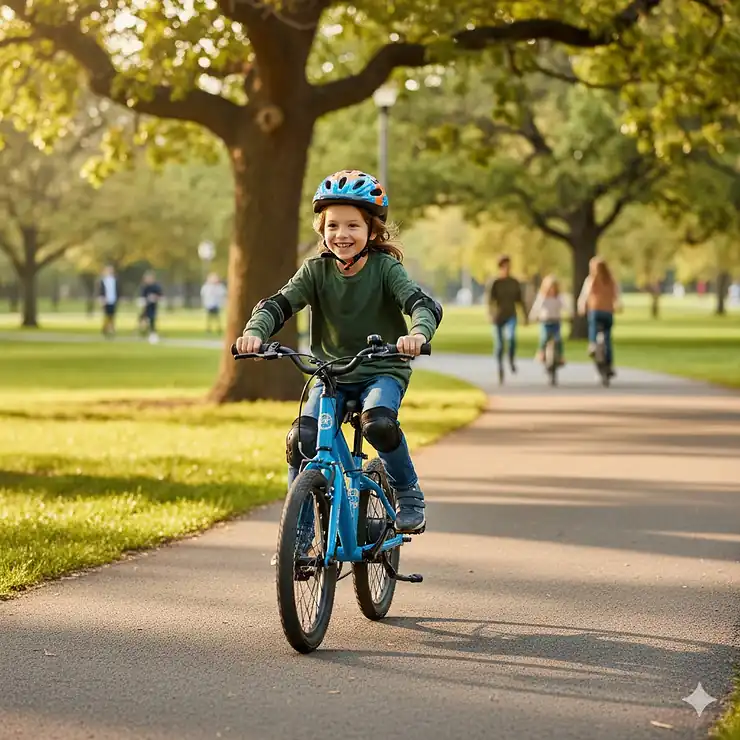
Remember when getting your 8-year-old away from screens felt like an Olympic sport? I certainly do. But here’s something interesting—electric bikes for 8 year olds are changing the game, turning reluctant riders into adventure-seeking cyclists who actually ask to go outside.

These aren’t your typical tricycles or training wheel specials. We’re talking about properly engineered machines that combine the thrill of speed with pedal-powered exercise, creating the perfect balance between excitement and physical activity. The best part? They help kids keep up with their parents on longer rides without exhausting those little legs halfway through.
The electric bike market for kids has exploded in recent years, with manufacturers finally recognizing that young riders deserve quality equipment designed specifically for their size, strength, and skill level. Whether your 8-year-old is ready to tackle neighborhood streets, explore park trails, or join you on family cycling adventures, there’s an e-bike perfectly matched to their needs.
✨Was this helpful? Spread the word! 🚀
In this comprehensive guide, I’ll walk you through everything you need to know about choosing electric bikes for 8 year olds—from understanding the different types and safety features to finding the perfect model within your budget. Let’s get your little rider rolling!
Quick Comparison Table: Top Electric Bikes for 8 Year Olds
| Product | Type | Top Speed | Battery Range | Weight | Price Range | Best For |
|---|---|---|---|---|---|---|
| STACYC 16eDrive Brushless | Balance Bike | 12 mph | 30-60 min | 17 lbs | $899 | Younger/smaller 8-year-olds |
| Hover-1 My First E-Bike | Pedal-Assist | 8 mph | 7.5 miles | 21 lbs | $313-$400 | Beginners, budget-conscious |
| Kent Torpedo | Pedal-Assist | 17 mph | 15 miles | 39.4 lbs | $498-$999 | Value seekers |
| Hover-1 E-Track | Dirt Bike Style | 9 mph | 9 miles | 34 lbs | $399-$429 | Off-road adventures |
| Razor MX650 | Dirt Bike Style | 17 mph | 10 miles | ~70 lbs | $400-$600 | Experienced riders |
| Lectric XP Lite 2.0 | Foldable E-Bike | 20 mph | 20-45 miles | 49 lbs | $799 | Taller kids (4’8″+) |
| Woom UP 5 | Mountain E-Bike | 15.5 mph | 30+ miles | 35.6 lbs | $3,799 | Serious riders, premium choice |
💬 Just one click – help others make better buying decisions too! 😊
Top 7 Electric Bikes for 8 Year Olds: Expert Analysis
1. STACYC 16eDrive Brushless – Best Electric Balance Bike for Beginners
If your 8-year-old is on the smaller side or transitioning from a regular balance bike, the STACYC 16eDrive Brushless delivers an absolutely perfect introduction to electric riding. This isn’t just a toy—it’s a legitimate training tool that professional motocross families use to develop their kids’ skills.
Key Specifications:
- 20V brushless motor (20% more powerful than previous model)
- Three power modes: low, medium, and high
- 16″ composite wheels with pneumatic tires
- Weight: 17 lbs with battery
The throttle-based system means no pedaling required, which helps kids focus entirely on balance and steering. Parents love the adjustable power settings that grow with their child’s confidence. Starting in low mode caps the speed at around 5 mph—perfect for nervous beginners—while high mode reaches approximately 12 mph for more experienced riders.
✅ Pros:
- Extremely lightweight and maneuverable
- Industrial-grade lithium-ion battery with 30-60 min runtime
- Aluminum TIG-welded frame built to last
- Progressive power settings match skill development
❌ Cons:
- Pricey at $899
- No pedals means pure electric (not hybrid)
- Designed for lighter riders under 75 lbs
Real Parent Feedback: One reviewer noted their child gained tremendous confidence on the STACYC 16eDrive, with skills transferring beautifully to a regular pedal bike later. The thermal protection for motor and controller means it won’t overheat during extended play sessions.
2. Hover-1 My First E-Bike – Best Budget-Friendly Option
The Hover-1 My First E-Bike proves you don’t need to spend a fortune to get your 8-year-old riding electric. At just $313-$400, this UL2272-certified e-bike delivers exceptional value without compromising on essential safety features.
Key Specifications:
- 150W brushless motor
- Top speed: 8 mph
- Range: 7.5 miles
- 14″ pneumatic tires
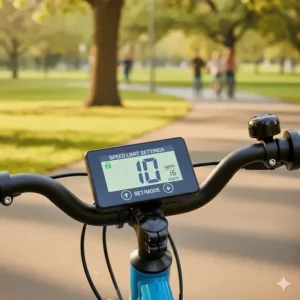
- LED display with battery indicator
What makes this model shine is its simplicity. The thumb throttle is intuitive for small hands, and the adjustable seat accommodates growing riders. Weighing only 21 lbs, even younger parents can easily lift it into a car trunk for park adventures.
✅ Pros:
- Outstanding price point under $400
- Lightweight and portable
- Height-adjustable seat for multiple years of use
- Quick 4-hour charge time
- Available in 5 fun colors
❌ Cons:
- Lower power output than premium models
- Shorter battery range for longer rides
- Basic components (no suspension)
Customer Insights: Parents consistently praise how the Hover-1 My First E-Bike gets kids excited about outdoor time. The 8 mph speed feels fast enough to thrill without terrifying, and the electronic plus mechanical rear brakes provide reliable stopping power.
3. Kent Torpedo – Best Value Pedal-Assist E-Bike
Here’s where things get interesting. The Kent Torpedo bridges the gap between toy and serious bicycle, offering genuine pedal-assist technology at a fraction of premium bike prices. This 20″ e-bike teaches kids that electric assist enhances their effort rather than replaces it.
Key Specifications:
- 180W motor with three power modes
- 6-speed Shimano drivetrain
- 24V 5.2Ah battery
- Speed range: 15-17 mph (depending on assist level)
- 20″ wheels with steel frame
The pedal-assist system is brilliant for 8-year-olds because it requires them to keep pedaling—the motor just makes it easier. Low mode extends range up to 15 miles, perfect for neighborhood exploration. Medium and high modes drain the battery faster but deliver that thrilling boost kids crave on hills.
✅ Pros:
- True pedal-assist encourages active riding
- 6-speed gearing works even with dead battery
- Disc brakes provide responsive stopping
- Affordable at $498-$999
- LED display shows battery life and power mode
❌ Cons:
- Relatively heavy at 39.4 lbs
- Requires assembly
- Entry-level components may need tuning
Expert Opinion: Reviews note the Kent Torpedo excels at pulling kids away from screens and building their cycling confidence. One adult tester (155 lbs) successfully rode it, proving its overbuilt durability—though it’s officially rated for kids up to 100 lbs.
4. Hover-1 E-Track – Best Electric Dirt Bike for Adventurous Kids
For 8-year-olds who dream of off-road adventures, the Hover-1 E-Track delivers authentic dirt bike styling without the noise and maintenance of gas engines. This 250W electric motocross machine is built to handle rougher terrain than standard e-bikes.
Key Specifications:
- 250W high-torque motor
- Top speed: 9 mph
- Range: 9 miles
- 12.5″ pneumatic off-road tires
- 36V lithium-ion battery
- All-steel frame with dirt bike geometry
The twist-grip throttle feels like a real motorcycle, and the knobby tires grip dirt, grass, and gravel surprisingly well. The chainless drive system eliminates pinch risks, making it safer than chain-driven alternatives. Parents appreciate the rear disc brakes and sturdy kickstand.
✅ Pros:
- Purpose-built for off-road use
- Durable steel construction
- Safe 9 mph speed for young riders
- 7-hour full charge (3.5 hours for quick charge)
- Folding metal foot pegs
❌ Cons:
- Heavier at 34 lbs
- Ages 8+ recommendation (some younger kids struggle)
- Limited to 120 lb max weight
User Experience: The Hover-1 E-Track transforms backyards and parks into mini motocross tracks. Kids love the authentic dirt bike feel, while parents love the quiet operation compared to gas-powered alternatives.
5. Razor MX650 Dirt Rocket – Best for Experienced Young Riders
The Razor MX650 has become legendary in electric bikes for 8 year olds circles, though technically rated for ages 16+. Reality check: countless parents successfully use it for mature 8-year-olds who’ve mastered basic riding skills. This is a serious machine with serious power.
Key Specifications:
- 650W high-torque electric motor
- Top speed: 17 mph
- Battery: 36V sealed lead-acid (three 12V)
- Runtime: 40 minutes continuous use
- Dual suspension system
- Hand-operated dual disc brakes
- Weight capacity: 220 lbs
The supercross-inspired design isn’t just for looks—it’s functional. The 16″ front and 14″ rear pneumatic knobby tires tackle off-road conditions confidently. Adjustable riser handlebars accommodate growing riders, and the authentic MX-frame geometry provides stability at speed.
✅ Pros:
- Powerful motor for hills and rough terrain
- Dual suspension smooths bumpy rides
- UL2272 certified for safety
- Retractable kickstand and folding foot pegs
- Impressive weight capacity
❌ Cons:
- Heavy (~70 lbs makes lifting difficult)
- Officially rated 16+ (parental discretion needed)
- Shorter 40-minute runtime
- Lead-acid batteries less efficient than lithium
Parent Testimonial: Multiple reviews confirm 8-year-olds successfully ride the Razor MX650 under supervision. One parent noted their 200-lb adult comfortably tested it, while their 8-year-old daughter “zips around” safely. The quiet electric operation means no neighbor complaints.
6. Lectric XP Lite 2.0 – Best Foldable E-Bike for Taller Kids
Once your 8-year-old hits 4’8″ or above, the Lectric XP Lite 2.0 opens up adult-quality features in a compact, affordable package. This isn’t specifically a kids’ bike—it’s a full-featured e-bike that accommodates shorter riders beautifully.
Key Specifications:
- 300W rear hub motor
- Top speed: 20 mph (Class 2)
- Range: 20-45 miles depending on assist level
- 20″ wheels
- Weight: 49 lbs
- Foldable design for storage
- 5 levels of pedal assist plus throttle
The 22″ standover height and 32″ minimum seat height make it accessible for taller 8-10 year olds. The foldable frame is genius for families with limited storage or who want to transport bikes in their vehicle. Hydraulic disc brakes (on some models) provide adult-grade stopping power.
✅ Pros:
- Outstanding range for longer adventures
- Folds compact (36″ x 27″ x 16″)
- Starting at $799 (incredible value)
- Easy-to-use controls
- Available in multiple colors
❌ Cons:
- Single-speed (no gears)
- Requires 4’8″ minimum height
- Heavier than kids-specific models
- More power than some parents want for 8-year-olds
Customer Feedback: Reviewers in their 60s and 70s love the Lectric XP Lite, which speaks to its ease of use. For families, it means mom, dad, or older siblings can ride it too. Many note it’s lightweight “for an e-bike” and folds easily for RV travel.
7. Woom UP 5 – Best Premium Electric Mountain Bike
For families committed to serious cycling, the Woom UP 5 represents the absolute pinnacle of electric bikes for 8 year olds. Yes, $3,799 is steep—but this Austrian-engineered eMTB delivers premium quality unmatched by any competitor.
Key Specifications:
- FAZUA mid-drive motor system
- 3 levels of pedal assist (auto-cutoff at 15.5 mph)
- 24″ wheels with Schwalbe mountain bike tires
- Weight: 35.6 lbs (incredibly light for an e-MTB)
- SRAM NX 11-speed drivetrain
- Hydraulic disc brakes with kid-specific levers
- Suspension fork with adjustable damping
The motor feels completely natural—cadence and torque sensors ensure smooth power delivery that matches your child’s pedaling effort. When assist cuts out at 15.5 mph, kids can pedal faster using their own power. The battery even removes completely for true analog riding.
✅ Pros:
- Exceptional build quality throughout
- Kid-specific geometry and components
- Ultra-light aluminum frame
- Professional-grade suspension
- 10-year frame warranty
- Removable battery for easy charging
❌ Cons:
- Extremely expensive at $3,799
- 160 lb weight limit
- Overkill for casual neighborhood riding
- Investment risk if child loses interest
Expert Review: Cycling publications consistently rate the Woom UP 5 as the best kids’ eMTB available. It weighs 2-5 lbs less than competitors while delivering more power. Perfect for families tackling technical trails or 500+ foot elevation gains regularly.
Understanding Electric Bikes for 8 Year Olds: What Parents Need to Know
What Makes an E-Bike Suitable for 8-Year-Olds?
Not all electric bikes work for third-graders. The right ones share several critical characteristics that separate them from adult models or dangerous toys.
Size and Proportions
Eight-year-olds typically stand 48-52 inches tall and weigh 50-75 pounds. Their e-bike needs appropriate frame geometry, reach to handlebars, and seat height adjustability. Most quality options use 12-20 inch wheels rather than adult 26-29 inch sizes.
Power Management
The sweet spot sits between 150-300 watts for this age group. More powerful motors (500W+) create acceleration that young riders struggle to control. Quality manufacturers limit top speeds to 8-17 mph—fast enough for thrills, slow enough for safety.
Weight Considerations
If the bike weighs more than 50 lbs, your 8-year-old probably can’t pick it up after a fall or maneuver it effectively. Lighter models (17-35 lbs) empower kids to develop genuine bike handling skills rather than just steering a heavy machine.
Safety Features That Matter Most
According to the American College of Surgeons Committee on Trauma, helmet use should be universal for young e-bike riders, with helmet type determined by speed. But helmets are just the beginning.
Braking Systems
Hand-operated brakes require sufficient grip strength. Look for models with properly sized brake levers designed for children’s smaller hands. Disc brakes provide better stopping power than v-brakes, especially in wet conditions.
Speed Limiters and Power Modes
Adjustable power settings let you start kids in low-power mode and gradually increase assistance as their skills improve. Some models offer parental controls via smartphone apps—though honestly, teaching responsible riding matters more than remote cutoffs.
UL Certification
UL2272 certification means the bike has been tested by a third-party organization and deemed safe, particularly regarding battery and electrical systems. This reduces fire risks from cheap lithium batteries.
Types of E-Bikes for Young Riders
Balance Bikes vs. Pedal Bikes
Balance bikes (like STACYC) use throttle-only control without pedals, teaching balance and throttle modulation. Pedal-assist models require kids to pedal, which promotes fitness and feels more like traditional biking. Throttle-only bikes work wonderfully for motor skill development but skip the cardiovascular benefits.
Street E-Bikes vs. Dirt Bikes
Street-oriented models feature smoother tires, lights, and components suited for pavement. Dirt bike styles sport knobby tires, suspension, and more rugged construction for off-road use. Match the type to where your child will actually ride—no point buying a dirt bike if they’ll only cruise sidewalks.
Class 1, 2, and 3 Explained
The Consumer Product Safety Act defines low-speed electric bicycles as having motors under 750 watts and maximum speeds of 20 mph when motor-powered. States further classify:
- Class 1: Pedal-assist only, 20 mph max
- Class 2: Throttle allowed, 20 mph max
- Class 3: Pedal-assist only, 28 mph max
For 8-year-olds, stick with Class 1 or 2. Class 3 bikes are too fast and often have age restrictions.
How to Choose the Perfect Electric Bike for Your 8-Year-Old
Assess Your Child’s Riding Experience
Beginners
First-time riders benefit from balance bikes or low-power pedal-assist models with adjustable speed settings. The Hover-1 My First E-Bike or STACYC 16eDrive work beautifully here. Look for bikes under 25 lbs that kids can control easily.
Intermediate Riders
Kids who’ve mastered regular bikes can handle more power and features. The Kent Torpedo’s pedal-assist system and 6-speed gearing teach proper cycling technique while adding electric fun. Speed ranges of 12-17 mph suit developing skills.
Advanced Young Cyclists
For the confident 8-year-old who rides regularly, premium options like the Woom UP 5 or even the Razor MX650 (with supervision) provide room to grow. These bikes won’t be outgrown quickly and can handle genuine trail riding or longer distances.
Match the Bike to Your Child’s Physical Size
Height and Inseam Measurements
Measure your child’s inseam from floor to crotch while standing. They should be able to touch the ground with the balls of both feet when seated. Most quality e-bikes list minimum inseam requirements—don’t fudge these numbers.
Standover Height
Your child should be able to straddle the bike with 1-2 inches clearance between the top tube and their body. This allows safe, confident mounting and dismounting.
Handlebar Reach
Kids shouldn’t have to stretch uncomfortably to reach handlebars. Look for bikes with adjustable stems or handlebars that accommodate different torso lengths.
Consider Your Budget Realistically
Under $500: Entry-Level Options
The Hover-1 My First E-Bike ($313-$400) and Razor MX650 ($400-$600) prove you can get quality without breaking the bank. These work perfectly for testing whether your child actually enjoys e-biking before making a larger investment.
$500-$1,000: Mid-Range Sweet Spot
The Kent Torpedo ($498-$999), Lectric XP Lite 2.0 ($799), and STACYC 16eDrive ($899) offer significantly better components, longer battery life, and more refined riding experiences. Most families find this price range delivers the best value.
$1,000+: Premium Investment
The Woom UP 5 ($3,799) targets serious cycling families who prioritize quality and longevity. These bikes last through multiple children, maintain resale value, and provide performance that cheaper models simply can’t match.
Think About Where They’ll Ride
Neighborhood Streets and Sidewalks
Smoother-tired models with lights and reflectors suit urban environments. The Hover-1 My First E-Bike and Kent Torpedo excel here with their street-friendly designs and appropriate speeds.
Parks and Bike Paths
Versatile e-bikes handle both pavement and light gravel. The Lectric XP Lite 2.0’s foldability makes it perfect for car transport to parks, while its range covers longer trail systems.
Off-Road and Trails
Knobby tires, suspension, and sturdy frames separate dirt-worthy bikes from street cruisers. The Hover-1 E-Track, Razor MX650, and especially the Woom UP 5 tackle technical terrain confidently.
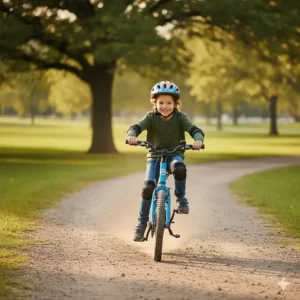
Safety First: Essential Guidelines for Young E-Bike Riders
Legal Requirements and Regulations
No federal law dictates the minimum age to operate an e-bike, but more than half of states have age restrictions for Class 3 bikes, which reach 28 mph. California, New York, and many other states require helmets for all riders under 18.
Check your state’s specific e-bike laws before purchasing. Some jurisdictions restrict where e-bikes can ride (bike paths vs. streets vs. trails). Local regulations trump federal guidelines, so don’t assume what’s legal in one state applies everywhere.
Protective Gear Checklist
Helmet (Non-Negotiable)
Helmets certified by the Consumer Product Safety Committee work for speeds under 20 mph, while Department of Transportation-certified helmets are recommended above 20 mph. Replace helmets every 3-5 years or immediately after any significant impact.
Additional Protection
- Knee and elbow pads for beginners or off-road riding
- Gloves to protect hands during falls
- Closed-toe shoes with good grip (never sandals)
- Bright or reflective clothing for visibility
- Eye protection if riding at higher speeds
Seasonal Considerations
Layered clothing in cold weather allows adjustment as kids warm up from exercise. In summer, sunscreen and hydration matter just as much as helmets.
Teaching Responsible Riding Habits
Start in Safe, Controlled Environments
Empty parking lots or quiet cul-de-sacs let kids master throttle control and braking before encountering traffic or obstacles. Practice emergency stops repeatedly until they become automatic.
Gradually Increase Difficulty
Begin with straight lines and gentle turns. Add figure-eights, obstacle courses, and slight hills. Only introduce traffic and pedestrians after mastering basic control.
Establish Clear Riding Rules
Create specific boundaries for where kids can ride independently versus where adult supervision is required. Set speed expectations for different environments (slower near pedestrians, etc.). Enforce consequences for rule-breaking consistently.
Teach Traffic Awareness
Even on bike paths, kids need to understand yielding to pedestrians, announcing passing, and watching for cross-traffic at intersections. Hand signals for turning should become habitual.
Maintenance and Battery Safety
Regular Inspection Routine
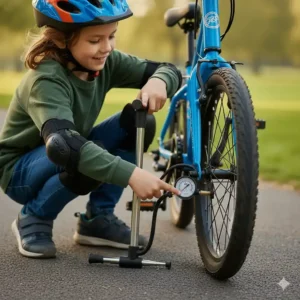
Before each ride: check tire pressure, test brakes, ensure battery is charged. Weekly: inspect for loose bolts, check chain tension (if applicable), clean bike after muddy rides. Monthly: verify all electrical connections remain secure.
Battery Care Best Practices
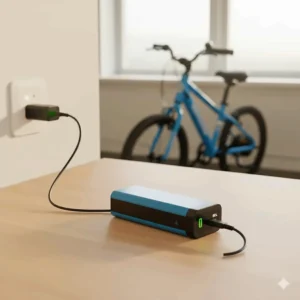
Never leave batteries in extreme heat or cold. Charge in a fireproof location away from flammable materials. Replace damaged or swollen batteries immediately—these are fire hazards. Follow manufacturer charging instructions precisely.
When to Seek Professional Help
Unusual noises, reduced battery life, brake problems, or electrical issues require professional attention. Most bike shops now service e-bikes, though some brands require authorized dealers.
Maximizing Battery Life and Range
Understanding Battery Technology
Most electric bikes for 8 year olds use either sealed lead-acid (SLA) or lithium-ion batteries. Lithium batteries weigh less, charge faster, last longer, and provide consistent power until depleted. SLA batteries cost less upfront but need replacement more frequently and add significant weight.
Capacity Ratings
Battery capacity measures in watt-hours (Wh) or amp-hours (Ah). Higher numbers mean longer range but also increased cost and weight. For reference:
- 24V 5.2Ah (125Wh): 5-15 miles
- 36V 10Ah (360Wh): 15-30 miles
- 48V 15Ah (720Wh): 30-60 miles
Realistic Range Expectations
Manufacturers advertise “maximum range” under ideal conditions—light rider, flat terrain, lowest assist level. Real-world range typically runs 30-50% shorter. Factor in your child’s weight, local hills, and assist level preferences.
Tips for Extending Battery Life
Charging Habits
Charge after every ride rather than waiting for complete depletion. Avoid leaving batteries at 0% or 100% for extended periods—store at 40-60% if not using for weeks. Never leave batteries charging overnight unsupervised.
Riding Techniques
Lower assist levels extend range dramatically. Encourage kids to use higher gears and their own leg power on flat sections, saving electric boost for hills. Smooth starts and stops rather than aggressive acceleration preserve battery.
Storage Considerations
Store e-bikes and batteries in temperature-controlled environments (40-70°F ideal). Extreme cold reduces battery performance; extreme heat degrades batteries permanently. Remove batteries from bikes during long-term storage.
Comparing Electric Bikes vs. Traditional Bikes for Kids
The Case for E-Bikes
Leveling the Playing Field
Family rides become genuinely enjoyable when everyone can keep pace. No more stopping every half-mile for exhausted kids or cutting rides short because someone ran out of steam. E-bikes let 8-year-olds ride alongside older siblings or parents comfortably.
Building Confidence
Hills that would discourage a child on a regular bike become manageable challenges. Success breeds confidence, and confident riders ride more often. That increased saddle time accelerates skill development.
Extending Range and Exploration
Traditional bikes might limit 8-year-olds to 2-3 miles comfortably. E-bikes easily double or triple that range, opening up new parks, trails, and destinations. More terrain variety keeps riding interesting.
The Case for Traditional Bikes
Developing Fundamental Fitness
Regular bikes force kids to build leg strength and cardiovascular endurance. These fitness foundations benefit them across all sports and activities. E-bikes can create a “lazy” default if not used thoughtfully.
Understanding Mechanical Advantage
Learning about gears, momentum, and mechanical systems happens more organically on traditional bikes. These concepts transfer to engineering thinking and problem-solving.
Lower Cost and Maintenance
A quality traditional kids’ bike costs $150-$500 versus $300-$3,800 for e-bikes. No batteries to replace, simpler mechanics, and easier repairs make traditional bikes more economical long-term.
The Hybrid Approach: Best of Both Worlds
Smart families often maintain both options. Traditional bikes for neighborhood riding and skill-building. E-bikes for family adventures, longer distances, or as rewards for meeting exercise goals. This approach prevents e-bike dependence while maximizing their benefits.
Real Parent Experiences: Success Stories and Lessons Learned
Overcoming Screen Time Addiction
Jennifer from Colorado shared how the Hover-1 My First E-Bike transformed her reluctant 8-year-old into an outdoor enthusiast. Previously glued to video games, her son now asks to ride daily. The key? Starting with short, achievable rides and gradually increasing difficulty as his excitement grew.
The electric assist provided enough novelty to compete with screens while still requiring physical activity. Within three months, he’d transitioned from needing persuading to voluntarily riding his regular bike too.
Keeping Up with Older Siblings
Michael’s family struggled on bike rides with his 8-year-old daughter trailing behind her 12-year-old brother. The Kent Torpedo changed everything. Now she rides alongside confidently, and the family covers twice the distance they previously managed.
The pedal-assist system particularly impressed him because his daughter still works hard—she’s not just coasting on electric power. Her leg strength has noticeably improved from the increased riding frequency.
Transitioning from Training Wheels to Independence
The STACYC 16eDrive helped Sarah’s 8-year-old son leap from training wheels directly to confident two-wheel riding. The electric balance bike eliminated the frustration of building pedaling and balancing skills simultaneously. After three weeks on the STACYC, he jumped to a regular pedal bike successfully.
Sarah noted the progressive power modes worked beautifully for teaching throttle control gradually. Starting in low mode built confidence before advancing to medium and eventually high speeds.
Budget Victories
Carlos initially balked at spending $800+ on an e-bike, opting for the $350 Hover-1 E-Track instead. A year later, he calls it the best money he’s ever spent. His twin 8-year-olds ride it daily, taking turns while the other rides a traditional bike.
The affordable price point let him test the concept without massive financial commitment. Now he’s considering a second e-bike as the twins have clearly proven their dedication.
Common Mistakes to Avoid When Buying Kids’ E-Bikes
Buying Too Much Bike Too Soon
Parents often purchase bikes kids will “grow into” to avoid repurchasing later. This backfires spectacularly with e-bikes. An oversized e-bike is dangerous—kids can’t control what they can’t properly reach or lift. Buy for their current size, not their future size.
Quality kids’ e-bikes maintain decent resale value, especially premium brands like Woom. You’ll recoup 40-60% of purchase price when selling, making upgrades more affordable than compromising safety with an oversized bike.
Ignoring Weight Limits
Manufacturers list maximum weight limits for critical safety reasons. Exceeding these limits stresses frames, reduces braking effectiveness, and shortens battery life. Add the child’s weight plus any cargo (backpack, water bottle) when calculating.
Most electric bikes for 8 year olds max out around 100-120 lbs. The Razor MX650’s 220 lb capacity is an exception that makes it suitable for adult testing and older siblings.
Prioritizing Speed Over Safety Features
Fast bikes impress kids initially, but confidence crashes when they lack control skills to match the speed. Look for adjustable power modes that let you limit maximum speed initially. Graduate to higher speeds only after demonstrating mastery at lower levels.
Quality brakes matter more than top speed specifications. Disc brakes outperform v-brakes significantly, especially on heavier e-bikes. Kid-specific brake levers ensure proper hand fit and control.
Skipping the Test Ride
Buying online offers convenience and sometimes better prices, but nothing replaces physically testing a bike. Kids need to sit on it, reach the handlebars, touch the ground while seated, and feel the weight. Bikes that look perfect on paper may feel completely wrong in person.
If buying online, confirm return policies before purchasing. Reputable brands offer 30-90 day return windows, though you’ll likely pay return shipping.
Underestimating Maintenance Requirements
E-bikes require more maintenance than regular bikes. Battery care, electrical system checks, and heavier wear on brakes and tires add up. Factor in $100-200 annual maintenance costs beyond basic cleaning and inflation.
Some families lack time or mechanical aptitude for DIY maintenance. Budget for professional tune-ups at local bike shops—most now service e-bikes for $75-150 per visit.
Maintenance Schedule for Kids’ Electric Bikes
Daily/Pre-Ride Checks (30 seconds)
✅ Battery charged and securely mounted
✅ Tires properly inflated
✅ Brakes engage properly
✅ Chain has appropriate tension (if applicable)
✅ No loose parts rattling or moving
Weekly Maintenance (15 minutes)
- Wipe down frame and components
- Check for loose bolts (handlebars, seat, wheels)
- Inspect brake pads for wear
- Test all electrical connections
- Verify kickstand operates smoothly
Monthly Deep Clean (45 minutes)
- Fully wash bike with mild soap and water (avoid pressure washers on electrical components)
- Lubricate chain if present
- Inspect tires for cuts, embedded objects, or excessive wear
- Check spoke tension on wire wheels
- Clean and recharge battery to 50-60% if storing
Seasonal Service (Professional or Advanced DIY)
Spring Tune-Up
- Replace worn brake pads
- Check wheel trueness
- Inspect all bearings for smooth operation
- Test battery capacity and charging system
- Update firmware if applicable
Fall Preparation
- Deep clean before winter storage
- Lubricate all moving parts
- Store battery indoors at room temperature
- Cover bike if storing in garage or shed
- Top off tire pressure (tires naturally lose pressure over time)
When to Replace Components
Tires: Every 500-1000 miles or when tread depth drops below 1mm
Brake Pads: When pad thickness reaches 1mm or you hear metal-on-metal grinding
Chain: Every 1000-2000 miles or when stretched beyond manufacturer spec
Battery: When capacity drops below 70% of original (typically 300-500 charge cycles)
FAQs About Electric Bikes for 8 Year Olds
❓ Are electric bikes safe for 8 year olds to ride?
❓ How fast should an electric bike for an 8 year old go?
❓ What's the difference between pedal assist and throttle electric bikes?
❓ How long does the battery last on kids electric bikes?
❓ Can my 8 year old ride an electric bike to school?
Conclusion: Finding the Perfect Electric Bike for Your 8-Year-Old
Choosing electric bikes for 8 year olds ultimately comes down to balancing five key factors: your child’s physical size and skill level, your budget, intended riding locations, safety features, and long-term value.
For families just exploring the e-bike world, I consistently recommend starting with the Hover-1 My First E-Bike or Kent Torpedo. These models deliver authentic electric biking experiences without massive financial commitment. They’re genuinely well-built, appropriately powered, and backed by companies with solid customer support.
Kids who’ve already mastered regular bikes and crave more adventure should consider the STACYC 16eDrive (for smaller riders) or Razor MX650 (for larger, experienced kids). These bikes provide room to grow and develop advanced riding skills.
For families who ride together regularly and prioritize quality above all else, the Woom UP 5 justifies its premium price through superior engineering, kid-specific design, and genuine mountain biking capability. It’s an investment in years of family adventures.
Remember—the “best” electric bike isn’t necessarily the most expensive or most powerful. It’s the one your specific child will actually ride enthusiastically, safely, and consistently. Pay attention to their excitement level during research and testing. The right bike will light up their eyes and get them begging to ride.
Whatever you choose, you’re giving your 8-year-old something precious: independence, confidence, outdoor adventure, and memories you’ll both treasure. That’s worth far more than any price tag.
Recommended for You
- 7 Best Electric Dirt Bikes With Training Wheels (2025 Guide)
- 7 Best Electric Bike for Kids in 2025: Ultimate Buying Guide
- 7 Best Electric Bike for 13 Year Olds: Expert Guide 2025
Disclaimer: This article contains affiliate links. If you purchase products through these links, we may earn a small commission at no additional cost to you.
✨ Found this helpful? Share it with your friends! 💬🤗
