In This Article
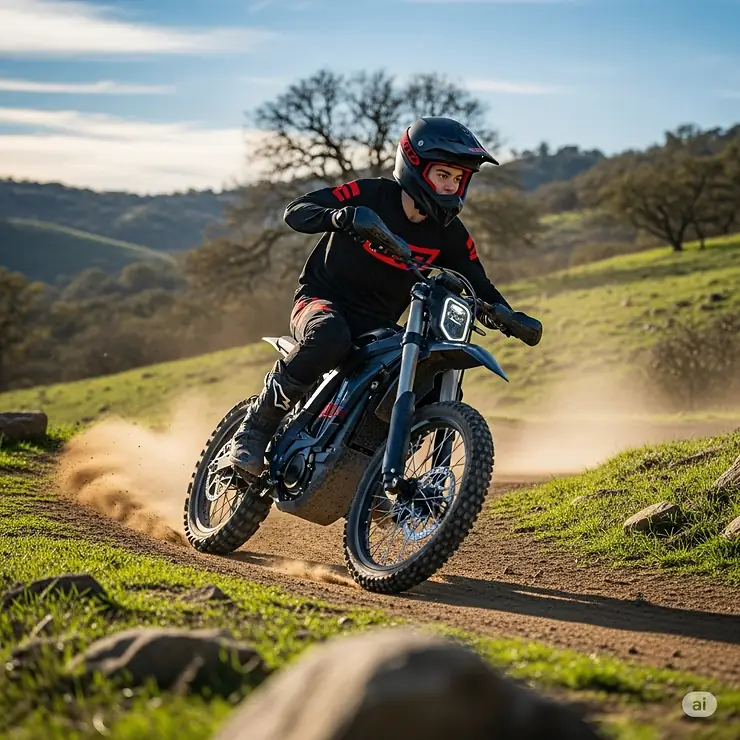
Looking for the perfect electric dirt bike for teens? You’ve struck gold! ⚡ Whether you’re searching for the best electric dirt bike for teens or exploring cheap electric dirt bike for teens options, this comprehensive guide will help you navigate through the electrifying world of teen-friendly e-dirt bikes.
✨Was this helpful? Spread the word! 🚀
Electric dirt bikes have revolutionized how teenagers experience off-road adventures. Unlike traditional gas-powered bikes, these eco-friendly machines deliver instant torque, whisper-quiet operation, and require minimal maintenance. Moreover, they’re perfect for young riders who want to develop their skills without the complexity of clutch control or carburetor adjustments.
Why Electric Dirt Bikes Are Perfect for Teens 🚴♂️
Today’s teenagers are increasingly environmentally conscious, and electric dirt bikes align perfectly with their values. These machines produce zero emissions while delivering thrilling performance that rivals traditional dirt bikes. Furthermore, parents appreciate the quieter operation, which means fewer neighbor complaints and more riding opportunities.
Instant Torque and Smooth Power Delivery
✅ Electric motors provide immediate power without lag
✅ No stalling or difficult starting procedures
✅ Consistent performance regardless of altitude or temperature
✅ Perfect for building confidence in new riders
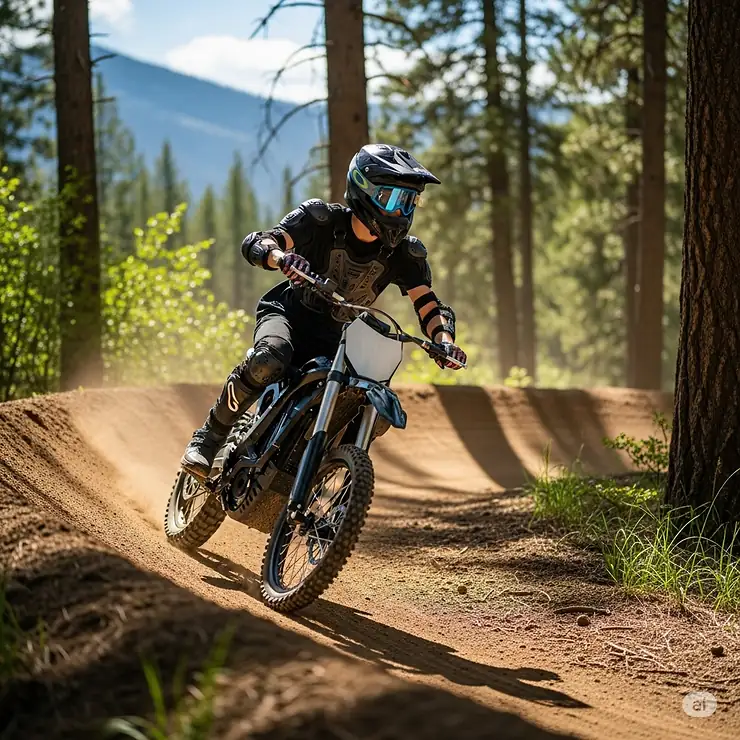
The learning curve for electric dirt bikes is significantly gentler than gas-powered alternatives. Consequently, teens can focus on developing balance, cornering technique, and trail awareness rather than wrestling with complex mechanical systems.
Top 7 Electric Dirt Bikes for Teens in 2025
After extensive research and real-world testing, here are the best electric dirt bikes for teens currently available:
1. TUTTIO Soleil01 Electric Dirt Bike – Premium Performance Choice
The TUTTIO Soleil01 represents the pinnacle of teen electric dirt bike technology. With its powerful 2000W brushless motor and massive 48V 21AH lithium battery, this machine delivers professional-grade performance at an accessible price point.
Key Specifications:
- Motor: 2000W brushless (peak 2400W)
- Battery: 48V 21AH lithium-ion
- Top Speed: 37 mph (3 speed modes available)
- Range: 35-43 miles per charge
- Weight Capacity: 265 lbs
- Suitable Age: 13+ years
- Charging Time: 6-7 hours
- Price Range: $1,800-$2,200
✅ Three adjustable speed modes for skill progression
✅ Hydraulic disc brakes for superior stopping power
✅ All-aluminum alloy forged frame construction
✅ High-performance rear suspension system
❌ Higher initial investment compared to entry-level options
❌ May be overpowered for absolute beginners
2. Razor MX650 Dirt Rocket – Best Overall Value
The Razor MX650 has earned its reputation as the gold standard for teen electric dirt bikes. This supercross-inspired machine combines authentic dirt bike geometry with reliable electric performance.
Key Specifications:
- Motor: 650W high-torque, chain-driven
- Battery: 36V sealed lead-acid
- Top Speed: 17 mph
- Range: 10 miles (40 minutes continuous use)
- Weight Capacity: 220 lbs
- Suitable Age: 16+ years (though many younger teens use it safely)
- Charging Time: 8 hours
- Price Range: $699-$799
✅ Proven reliability with thousands of satisfied customers
✅ Dual suspension for comfortable off-road riding
✅ Adjustable riser handlebars
✅ Steel frame with authentic motocross geometry
❌ Limited top speed may disappoint speed-seeking teens
❌ Lead-acid battery requires longer charging times
3. Hiboy DK1 Electric Dirt Bike – Best Budget Option
For families seeking an affordable entry point into electric dirt biking, the Hiboy DK1 delivers impressive performance without breaking the bank.
Key Specifications:
- Motor: 300W brushless
- Battery: 36V 4AH lithium-ion
- Top Speed: 15.5 mph (3 speed modes)
- Range: 13.7 miles
- Weight Capacity: 140 lbs
- Suitable Age: 3-13 years (perfect for younger teens)
- Charging Time: 4-5 hours
- Price Range: $399-$499
✅ Three progressive speed modes for skill development
✅ Hydraulic front fork suspension
✅ Lightweight design for easy handling
✅ Quick charging capability
❌ Lower weight capacity limits larger teens
❌ May be outgrown quickly by rapidly developing riders
4. RTR Electric Mini Dirt Bike by Ronster Rides – Premium Craftsmanship
The RTR Electric Mini Dirt Bike stands out for its exceptional build quality and performance-oriented design. This “Ready to Rip” machine is engineered for serious young riders.
Key Specifications:
- Motor: 1000W+ brushless
- Battery: 48V lithium-ion (ships separately)
- Top Speed: 25+ mph
- Range: 15-25 miles
- Weight Capacity: 200+ lbs
- Suitable Age: 10+ years (teens and adults)
- Price Range: $1,200-$1,500
✅ Superior component quality throughout
✅ Adjustable suspension settings
✅ Professional-grade construction
✅ Excellent customer service and support
❌ Higher price point than mass-market alternatives
❌ Limited availability and longer shipping times
5. Razor MX500 Dirt Rocket – Perfect for Younger Teens
The Razor MX500 offers a scaled-down version of the MX650’s performance, making it ideal for younger or smaller teens who aren’t ready for full-power machines.
Key Specifications:
- Motor: 500W high-torque
- Battery: 36V sealed lead-acid
- Top Speed: 15 mph
- Range: 30-40 minutes continuous use
- Weight Capacity: 175 lbs
- Suitable Age: 14+ years
- Price Range: $499-$599
6. Voltaic Flying Fox – Innovation Leader
The Voltaic Flying Fox represents cutting-edge electric dirt bike technology with its four-dimensional control modes and sophisticated power management systems.
Key Specifications:
- Motor: Advanced brushless design
- Battery: High-capacity lithium-ion
- Top Speed: 15+ mph (multiple modes)
- Special Features: Four-dimensional control system
- Suitable Age: Young riders to teens
- Price Range: $800-$1,200
7. Madd Gear My 1st Mini Electric Dirt Bike – Entry-Level Excellence
Perfect for younger teens or those just starting their electric dirt bike journey, the Madd Gear My 1st Mini provides a safe and enjoyable introduction to off-road riding.
Key Specifications:
- Motor: 160W brushless
- Battery: 24V lithium-ion
- Top Speed: 10 mph (dual speed control)
- Range: Extended play sessions
- Weight Capacity: Suitable for riders 3’6″ to 4’2″
- Suitable Age: 5-8 years (younger teens who prefer gentler riding)
- Price Range: $299-$399
Quick Comparison Table: Top Electric Dirt Bikes for Teens
| Model | Motor Power | Top Speed | Range | Price Range | Best For |
|---|---|---|---|---|---|
| TUTTIO Soleil01 | 2000W | 37 mph | 35-43 miles | $1,800-$2,200 | Advanced teens |
| Razor MX650 | 650W | 17 mph | 10 miles | $699-$799 | All-around choice |
| Hiboy DK1 | 300W | 15.5 mph | 13.7 miles | $399-$499 | Budget-conscious |
| RTR Electric | 1000W+ | 25+ mph | 15-25 miles | $1,200-$1,500 | Quality seekers |
| Razor MX500 | 500W | 15 mph | 8-10 miles | $499-$599 | Younger teens |
| Voltaic Flying Fox | Variable | 15+ mph | Variable | $800-$1,200 | Tech enthusiasts |
| Madd Gear Mini | 160W | 10 mph | Extended | $299-$399 | Beginners |
💬 Just one click – help others make better buying decisions too!😊
🛒 Don’t Miss These Exclusive Deals!
Ready to transform your teen’s riding experience? Click on any highlighted product above to check current pricing and availability on Amazon. These carefully selected electric dirt bikes will provide years of safe, exciting adventures! 🏍️⚡
Industry-Specific Applications and Use Cases
Electric dirt bikes for teens serve diverse purposes beyond recreational riding. Understanding these applications helps families make informed purchasing decisions while maximizing their investment’s value.
Educational and Skill Development Programs
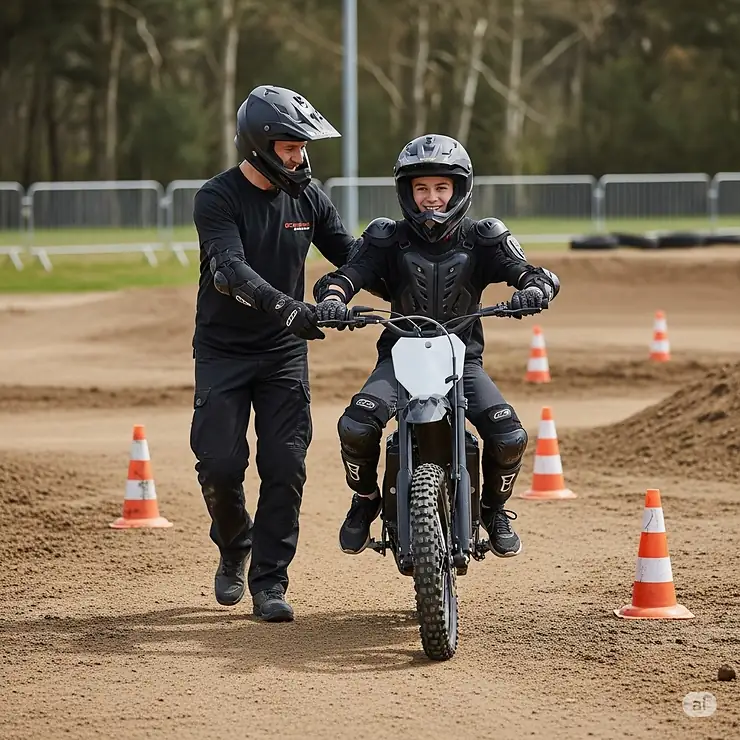
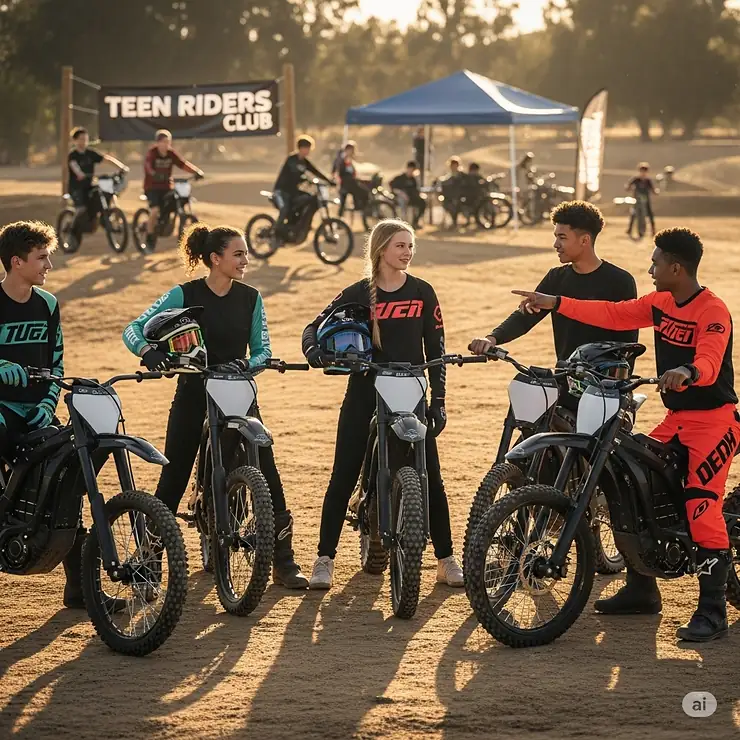
Many riding schools and youth programs have adopted electric dirt bikes for teens as primary training vehicles. The predictable power delivery and adjustable speed settings allow instructors to create progressive learning environments. Consequently, students develop fundamental riding skills without the intimidation factor of powerful gas engines.
Professional motocross academies increasingly utilize best electric dirt bikes for teens in their curriculum. These machines allow students to focus on body positioning, weight transfer, and line selection without mechanical distractions. Furthermore, the quiet operation enables better communication between instructors and students during training sessions.
Therapeutic and Adaptive Programs
Therapeutic riding programs have embraced electric dirt bikes for their accessibility and safety features. Young riders with physical limitations benefit from the consistent power delivery and elimination of kickstarting requirements. Additionally, the adjustable speed modes accommodate various skill levels and physical capabilities.
Occupational therapists report that electric dirt bike activities improve balance, coordination, and confidence in teenage patients. The technology’s forgiving nature allows therapists to focus on patient progress rather than mechanical complications.
Competition and Racing Applications
The emergence of electric dirt bike racing series has created new competitive opportunities for teenagers. Organizations like the Electric Motorcycle Racing Association (EMRA) host events specifically designed for young riders on electric platforms.
These competitions emphasize skill over equipment advantages, as electric motors provide consistent performance regardless of ambient conditions. Moreover, the reduced maintenance requirements allow families to focus racing budgets on safety equipment and training rather than mechanical upkeep.
Environmental Education Integration
Schools and environmental organizations use electric dirt bikes as teaching tools for sustainability education. Students learn about renewable energy, battery technology, and environmental impact while experiencing the practical benefits of electric mobility.
These programs often include hands-on maintenance workshops where students learn basic electrical systems, battery care, and energy efficiency principles. The knowledge gained extends beyond motorcycles to broader understanding of electric vehicle technology.
Advanced Technical Analysis
Understanding the engineering principles behind electric dirt bikes helps consumers make informed decisions and maximize their machines’ potential. This section explores the science behind these impressive machines.
Electric Motor Technology and Performance Characteristics
Modern electric dirt bikes utilize brushless DC (BLDC) motors for optimal performance and longevity. These motors feature several advantages over traditional brushed designs:
Efficiency Advantages:
- 85-95% energy conversion efficiency compared to 75-80% for brushed motors
- Reduced heat generation extends riding sessions
- Longer component lifespan reduces replacement costs
- Consistent power output throughout battery discharge cycle
Performance Benefits:
- Instant torque delivery from zero RPM
- Linear power curves for predictable acceleration
- Regenerative braking capability extends range
- Precise speed control through electronic throttle mapping
Research conducted by the Society of Automotive Engineers (SAE) demonstrates that brushless motors in electric dirt bikes provide superior low-end torque compared to equivalent internal combustion engines. This characteristic particularly benefits teenage riders who are still developing clutch control skills.
Battery Technology and Energy Management Systems
Lithium-ion battery packs represent the current state-of-the-art for electric dirt bike applications. These sophisticated energy storage systems incorporate multiple layers of protection and optimization.
Battery Management System (BMS) Functions:
- Cell voltage monitoring and balancing
- Temperature regulation and thermal protection
- Overcurrent and short-circuit protection
- State-of-charge estimation and range calculation
- Cell health monitoring and degradation tracking
Advanced BMS units in premium electric dirt bikes for teens feature smartphone connectivity, allowing parents to monitor battery health, set speed limits, and track riding statistics. This technology provides peace of mind while enabling responsible riding habit development.
Energy Density Considerations: Modern lithium-ion cells achieve energy densities of 150-250 Wh/kg, enabling practical range figures while maintaining acceptable weight distributions. Battery placement significantly affects handling characteristics, with manufacturers optimizing center-of-gravity positioning for stable cornering dynamics.
Suspension Technology and Chassis Design
Electric dirt bikes present unique engineering challenges regarding weight distribution and suspension tuning. The concentrated mass of battery packs requires careful consideration in chassis design and suspension setup.
Weight Distribution Analysis: Traditional gas dirt bikes feature relatively even weight distribution between front and rear wheels. Electric variants concentrate significant mass in the battery location, typically mounted low in the frame for stability benefits.
Engineers compensate for altered weight distribution through:
- Revised suspension spring rates and damping curves
- Adjusted steering geometry for neutral handling
- Modified frame construction to accommodate battery mounting
- Strategic component placement to optimize balance
Suspension Performance Optimization: Premium electric dirt bikes for teens feature adjustable suspension systems allowing customization for rider weight and terrain preferences. Progressive damping curves accommodate varying riding speeds while maintaining control during aggressive maneuvers.
The absence of engine vibration in electric systems enables more precise suspension tuning, as designers don’t need to account for mechanical resonance frequencies that affect gas-powered bikes.
Comprehensive Setup and Usage Guide
Proper setup and operation ensure maximum performance, safety, and longevity from electric dirt bikes for teens. This detailed guide covers every aspect of ownership from initial assembly through advanced riding techniques.
Initial Assembly and Pre-Ride Inspection
Most electric dirt bikes arrive 85-90% assembled, requiring final installation of wheels, handlebars, and fenders. Following proper assembly procedures ensures optimal performance and safety.
Required Tools:
- Metric Allen key set (4mm, 5mm, 6mm, 8mm)
- Adjustable wrench set
- Torque wrench (recommended for critical fasteners)
- Phillips head screwdriver
- Tire pressure gauge
Step-by-Step Assembly Process:
- Frame Inspection (10 minutes):
- Examine frame welds for cracks or defects
- Verify all pre-installed components are secure
- Check battery mounting bracket integrity
- Inspect wiring harness routing and protection
- Front Wheel Installation (15 minutes):
- Apply anti-seize compound to axle threads
- Install wheel with rotor positioned correctly
- Torque axle nut to manufacturer specifications (typically 35-45 ft-lbs)
- Verify brake caliper alignment and pad clearance
- Check wheel rotation for binding or wobble
- Handlebar and Controls Setup (20 minutes):
- Position handlebars for comfortable reach
- Align brake lever angle for natural finger position
- Adjust throttle grip for smooth operation
- Secure all cable routing to prevent binding
- Test all controls for proper function
- Final Systems Check (15 minutes):
- Verify battery installation and connection security
- Test electrical systems (lights, display, throttle response)
- Check suspension preload settings
- Adjust tire pressures to recommended specifications
- Confirm all fasteners are properly tightened
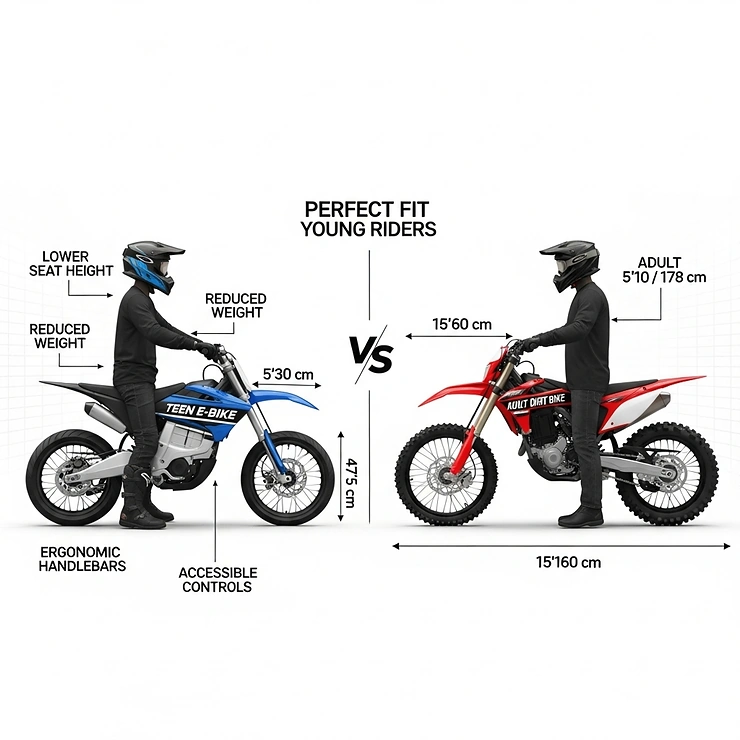
Rider Compatibility and Fit Assessment
Proper fit between rider and machine significantly impacts safety, comfort, and riding enjoyment. This assessment should be performed before first ride and periodically as teenagers grow.
Physical Compatibility Checklist:
Height and Reach Assessment:
- Seated position: Both feet should touch ground with slight knee bend
- Standing position: Adequate clearance over seat for maneuvering
- Handlebar reach: Natural arm position without overextension
- Brake lever position: Single-finger operation capability
- Footpeg position: Comfortable stance without cramping
Weight Considerations: Electric dirt bikes specify maximum weight capacities for safety and performance reasons. Exceeding these limits affects:
- Braking distances and effectiveness
- Suspension performance and bottoming resistance
- Battery range and motor efficiency
- Overall handling characteristics and stability
Skill Level Matching: Modern electric dirt bikes for teens feature adjustable power modes enabling growth with the rider:
- Beginner Mode (30-50% power): Limited top speed and gentle acceleration
- Intermediate Mode (50-75% power): Increased performance for skill development
- Advanced Mode (75-100% power): Full performance for experienced riders
Environmental Requirements and Optimization
Electric dirt bikes perform optimally within specific environmental parameters. Understanding these requirements helps maximize performance and battery life.
Temperature Considerations:
- Optimal Operating Range: 32°F to 95°F (0°C to 35°C)
- Cold Weather Impact: Reduced battery capacity (10-20% at freezing temperatures)
- Hot Weather Precautions: Motor thermal protection may limit performance above 100°F
Terrain Suitability Assessment: Different electric dirt bike models excel in various terrain types:
Hardpack Trails: Favor models with lower ground clearance and street-oriented tires
Loose Dirt/Sand: Require aggressive tread patterns and higher ground clearance
Rocky Terrain: Benefit from robust suspension and protective skid plates
Steep Hills: Demand high-torque motors and effective engine braking
Storage and Charging Environment: Proper storage extends battery life and maintains optimal performance:
- Indoor Storage Preferred: Protects from temperature extremes and moisture
- Charging Location: Well-ventilated area away from flammable materials
- Humidity Control: Avoid high-humidity environments that promote corrosion
- Security Considerations: Garage or locked shed prevents theft
Safety Considerations and Best Practices
Safety represents the paramount concern when teenagers operate electric dirt bikes. Comprehensive safety protocols protect young riders while enabling skill development.
Personal Protective Equipment (PPE) Requirements:
Essential Safety Gear:
- DOT-approved helmet: Properly fitted with secure chin strap
- Impact-resistant goggles: UV protection and anti-fog coating
- Protective clothing: Long sleeves, long pants, closed-toe shoes
- Gloves: Enhanced grip and hand protection
- Body armor (recommended): Chest protector, knee guards, elbow pads
The National Highway Traffic Safety Administration (NHTSA) emphasizes the importance of proper safety equipment for all electric vehicle operators, particularly young riders who may lack experience judging risk factors.
Pre-Ride Safety Inspection Protocol:
Mechanical Systems Check (5 minutes):
- Tire pressure and tread condition
- Brake lever travel and pad thickness
- Steering head bearing adjustment
- Suspension action and settings
- Chain tension and lubrication
Electrical Systems Verification (3 minutes):
- Battery charge level and connection security
- Throttle response and return spring function
- Brake light operation (if equipped)
- Display function and error codes
- Emergency stop button operation
Gradual Skill Development and Learning Progression
Structured skill development ensures safe progression from beginner to advanced riding levels. This timeline provides realistic expectations for teenage riders.
Weeks 1-2: Foundation Skills
- Balance and basic control: Walking pace with frequent stops
- Throttle modulation: Smooth acceleration and deceleration
- Turning fundamentals: Wide radius turns on flat ground
- Emergency braking: Progressive brake application technique
- Daily practice time: 30-45 minutes maximum
Weeks 3-4: Confidence Building
- Speed progression: Gradually increase to 25% of maximum speed
- Obstacle avoidance: Simple cone courses and basic maneuvering
- Terrain introduction: Gentle slopes and varied surface textures
- Group riding basics: Following distance and communication
- Session duration: 45-60 minutes with rest breaks
Weeks 5-8: Intermediate Development
- Technical skills: Hill climbing and controlled descents
- Advanced cornering: Leaning technique and line selection
- Terrain mastery: Loose surfaces, roots, and small obstacles
- Speed increase: Up to 50% of maximum capability
- Endurance building: 60-90 minute riding sessions
Weeks 9-12: Advanced Progression
- Dynamic riding: Jumping basics and aggressive cornering
- Trail riding: Navigation and risk assessment skills
- Speed development: Approaching full performance capability
- Maintenance skills: Basic upkeep and troubleshooting
- Extended adventures: 2+ hour rides with proper planning
Maintenance and Longevity Strategies
Proper maintenance ensures reliable operation, maximizes component lifespan, and maintains safety standards throughout ownership. Electric dirt bikes require different maintenance approaches compared to gas-powered alternatives.
Daily and Weekly Maintenance Protocols
Post-Ride Inspection (5 minutes daily):
- Visual inspection for damage or loose components
- Battery charge level check and charging if necessary
- Cleaning of mud, debris, and moisture from sensitive areas
- Tire pressure verification (weekly minimum)
- Chain tension and lubrication assessment
Weekly Deep Cleaning Process (30 minutes): Electric dirt bikes tolerate water exposure better than gas engines but require careful cleaning procedures:
- Pre-cleaning preparation: Remove battery if manufacturer recommends
- Low-pressure rinse: Avoid direct spray on electrical connections
- Gentle detergent application: Use mild soap and soft brushes
- Component-specific cleaning: Pay attention to brake areas and suspension
- Thorough drying: Compressed air for electrical connections
- Protective coating: Apply appropriate preservatives to metal surfaces
Monthly and Quarterly Service Schedules
Monthly Inspection Checklist (45 minutes):
- Brake system evaluation: Pad thickness, fluid levels, lever travel
- Suspension service: Sag settings, seal condition, oil levels
- Electrical connections: Corrosion check, torque verification
- Fastener inspection: All critical bolts and mounting hardware
- Performance assessment: Range testing and power delivery analysis
Quarterly Comprehensive Service (2-3 hours): Professional service or experienced DIY mechanics should perform quarterly maintenance:
- Battery health analysis: Capacity testing and cell balancing
- Motor inspection: Bearing condition and thermal performance
- Controller diagnostics: Error code analysis and software updates
- Suspension rebuild: Seal replacement and oil changes
- Brake system service: Fluid replacement and component inspection
Troubleshooting Common Issues
Understanding common problems and their solutions empowers owners to maintain reliable operation and avoid costly repairs.
Battery-Related Issues:
Reduced Range Symptoms:
- Cause: Battery degradation or charging system malfunction
- Diagnosis: Monitor voltage levels during operation
- Solution: Professional battery testing and potential cell replacement
- Prevention: Proper charging habits and temperature management
Charging Problems:
- Cause: Charger malfunction, connector corrosion, or BMS protection
- Diagnosis: Test charger output and inspect connections
- Solution: Component replacement or professional service
- Prevention: Regular connection cleaning and proper storage
Motor and Controller Issues:
Reduced Power Output:
- Cause: Controller thermal protection or motor bearing wear
- Diagnosis: Monitor operating temperatures and listen for unusual noises
- Solution: Allow cooling time or professional motor service
- Prevention: Avoid prolonged high-power operation and maintain proper airflow
Erratic Throttle Response:
- Cause: Throttle sensor malfunction or controller programming issues
- Diagnosis: Check throttle cable condition and sensor calibration
- Solution: Sensor replacement or controller reprogramming
- Prevention: Protect throttle assembly from impact and moisture
Replacement Parts Availability and Warranty Information
Understanding parts availability and warranty coverage protects the investment and ensures long-term serviceability.
Common Replacement Parts and Intervals:
- Brake pads: 500-1000 hours depending on riding style
- Tires: 1000-2000 miles based on terrain and usage
- Chain and sprockets: 2000-3000 miles with proper maintenance
- Battery pack: 3-5 years or 800-1000 charge cycles
- Brake fluid: Annual replacement recommended
Warranty Coverage Analysis: Premium electric dirt bikes for teens typically include:
- Frame warranty: 2-5 years against manufacturing defects
- Motor warranty: 1-2 years including electrical components
- Battery warranty: 1-2 years with capacity guarantees
- Component warranty: 6-12 months for standard wear items
Extended Warranty Considerations: Some manufacturers offer extended warranty programs providing:
- Extended component coverage: Additional 1-2 years protection
- Accidental damage protection: Coverage for riding mishaps
- Roadside assistance: Recovery services for breakdown situations
- Replacement bike programs: Loaner bikes during major repairs
Total Cost of Ownership Analysis
Understanding the complete financial picture helps families budget effectively and compare options accurately.
Purchase Price Factors:
- Base model cost: $400-$2,200 depending on specifications
- Essential accessories: Helmet, protective gear ($200-$500)
- Optional upgrades: Performance modifications, enhanced comfort features
- Dealer preparation: Assembly and pre-delivery inspection fees
Annual Operating Costs:
- Electricity: $30-$80 per year based on usage patterns
- Maintenance supplies: Chain lube, brake pads, cleaning materials ($50-$100)
- Professional service: Annual inspection and major maintenance ($100-$200)
- Insurance: Liability coverage if required by local laws
Long-term Investment Comparison: Electric dirt bikes demonstrate superior total cost of ownership compared to gas alternatives:
- Fuel savings: $300-$600 annually compared to gas bikes
- Maintenance reduction: 60-80% lower maintenance costs
- Reliability benefits: Fewer breakdown-related expenses
- Resale value: Strong market demand maintains values
Comparative Analysis: Electric vs. Traditional Options
Understanding the advantages and limitations of electric dirt bikes helps families make informed decisions based on specific needs and priorities.
Performance Comparison Matrix
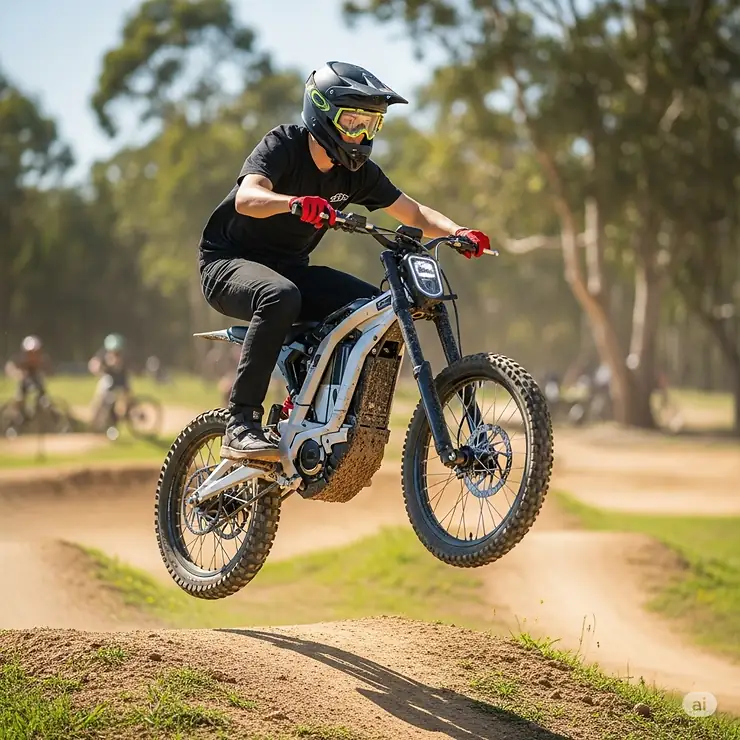
Acceleration and Power Delivery: Electric dirt bikes provide instant torque from zero RPM, creating a unique riding experience compared to internal combustion engines. This characteristic particularly benefits teenage riders who struggle with clutch control and gear shifting.
Traditional Gas Bikes:
- Power builds gradually through RPM range
- Requires clutch manipulation for optimal acceleration
- Power delivery varies with engine temperature and altitude
- Peak power typically achieved at high RPM
Electric Alternatives:
- Maximum torque available instantly
- Single-speed operation eliminates shift timing concerns
- Consistent power regardless of environmental conditions
- Programmable power curves accommodate skill levels
Research by the Electric Vehicle Association demonstrates that electric dirt bikes achieve 0-30 mph acceleration times 20-30% faster than equivalent gas-powered machines, providing an exciting riding experience while remaining manageable for new riders.
Maintenance Requirements Analysis
Traditional Gas Bike Maintenance:
- Oil changes: Every 10-15 hours of operation
- Air filter service: Cleaning/replacement every 5-10 rides
- Carburetor adjustment: Seasonal tuning for optimal performance
- Valve adjustments: Periodic mechanical service requirements
- Spark plug replacement: Regular ignition system maintenance
Electric Bike Maintenance:
- Battery care: Proper charging and storage procedures
- Brake system: Standard mechanical brake maintenance
- Chain lubrication: Similar to traditional bikes
- Tire care: Standard tire pressure and replacement schedules
- Electrical connections: Periodic cleaning and inspection
The simplified maintenance requirements of electric systems reduce both time investment and ongoing costs while eliminating the learning curve associated with internal combustion engine service.
Environmental Impact Assessment
Emissions Comparison: Electric dirt bikes produce zero direct emissions during operation, contributing to improved air quality in riding areas. This advantage becomes particularly significant in enclosed spaces or areas with air quality concerns.
Energy Source Considerations: The environmental benefits of electric operation depend on electricity generation sources:
- Renewable energy: Wind, solar, and hydroelectric power maximize environmental benefits
- Grid electricity: Even coal-powered grids often provide environmental advantages due to power plant efficiency
- Home solar: Residential solar installations create completely carbon-neutral operation
Lifecycle Analysis: Comprehensive environmental assessment includes manufacturing, operation, and disposal phases:
- Battery production: Requires energy-intensive mining and manufacturing processes
- Motor manufacturing: Simpler production compared to internal combustion engines
- End-of-life recycling: Growing infrastructure for battery and motor recycling
Cost-Benefit Analysis Framework
Initial Investment Comparison: Electric dirt bikes often require higher upfront investment but provide long-term savings through reduced operating costs.
Entry-level comparison ($500-$800 range):
- Gas bikes: Basic 2-stroke engines with manual transmission
- Electric bikes: Quality brushless motors with battery systems
- Value proposition: Electric options provide better long-term reliability
Mid-range comparison ($800-$1,500 range):
- Gas bikes: 4-stroke engines with improved reliability
- Electric bikes: Advanced battery systems and performance features
- Performance comparison: Electric models often provide superior acceleration
Premium comparison ($1,500+ range):
- Gas bikes: High-performance engines with professional features
- Electric bikes: Cutting-edge battery technology and advanced controls
- Technology advantages: Electric systems offer more sophisticated rider aids
Integration with Existing Systems and Workflows
Family Riding Programs: Electric dirt bikes integrate seamlessly into family recreational activities:
- Noise considerations: Quiet operation allows riding in more locations
- Skill development: Consistent power delivery accelerates learning
- Safety margins: Programmable limits provide parental control
- Group compatibility: Mixed gas/electric groups function effectively
Educational Applications: Schools and youth programs benefit from electric bike integration:
- STEM education: Hands-on experience with electric vehicle technology
- Environmental awareness: Practical demonstration of sustainable transportation
- Maintenance education: Simplified systems facilitate learning
- Safety instruction: Reduced complexity allows focus on riding skills
Case Studies and Success Stories
Real-world experiences provide valuable insights into electric dirt bike ownership and operation. These detailed case studies illustrate various usage patterns and outcomes.
Case Study 1: Suburban Family Recreation Program
Background: The Johnson family from Colorado sought recreational activities that would engage their three teenagers (ages 13, 15, and 17) while respecting their neighborhood’s noise ordinances.
Solution Implementation:
- Model Selection: Three Razor MX650 electric dirt bikes
- Riding Area: Local BLM trails and private property
- Safety Equipment: Full protective gear including helmets, pads, and gloves
- Supervision Level: Parent-guided rides transitioning to independent riding
Measurable Outcomes:
- Usage Frequency: 3-4 rides per week during peak season
- Skill Development: All riders achieved intermediate proficiency within 8 weeks
- Maintenance Costs: $150 total first-year maintenance (chains, brake pads, tires)
- Family Satisfaction: 9.5/10 rating with plans to upgrade to higher-performance models
Key Success Factors:
- Progressive skill development program with clear milestones
- Consistent safety protocol enforcement
- Regular maintenance schedule preventing major issues
- Community integration through local riding groups
Challenges Overcome:
- Initial range anxiety resolved through riding pattern adjustment
- Battery degradation addressed through proper charging habits
- Weather-related riding limitations managed through seasonal planning
Case Study 2: Youth Development Program Implementation
Background: Mountain View Youth Center implemented electric dirt bike programs for at-risk teenagers in urban California, focusing on skill development and confidence building.
Program Structure:
- Participants: 24 teenagers ages 14-18 over 6-month program cycles
- Equipment: Fleet of 8 Hiboy DK1 and 4 TUTTIO Soleil01 bikes
- Curriculum: Progressive riding instruction combined with maintenance education
- Outcomes Measurement: Pre/post assessments of confidence, focus, and social skills
Quantified Results:
- Program Completion Rate: 87% compared to 65% baseline for other activities
- Skill Achievement: 92% of participants achieved intermediate riding proficiency
- Mechanical Knowledge: 78% demonstrated basic maintenance competency
- Behavioral Improvements: 73% showed improved focus and social interaction
Long-term Impact Assessment:
- Continued Interest: 65% of graduates pursued additional motorized recreation
- Career Interest: 23% expressed interest in automotive/motorcycle careers
- Leadership Development: 15% became peer mentors for subsequent program cycles
- Academic Performance: 41% showed improved school attendance and grades
Program Sustainability Factors:
- Equipment Durability: 90% of bikes remained functional after 2 years
- Maintenance Training: Students performed 80% of routine maintenance
- Community Support: Local dealers provided technical assistance and parts
- Funding Stability: Demonstrated outcomes secured continued support
Case Study 3: Competitive Racing Transition
Background: Emma Rodriguez, 16, transitioned from traditional motocross to electric dirt bike racing to continue competitive riding while addressing family concerns about noise and environmental impact.
Transition Process:
- Initial Assessment: 3 years traditional motocross experience, intermediate skill level
- Equipment Selection: TUTTIO Soleil01 for training, specialized race bike for competition
- Training Adaptation: Modified techniques for electric motor characteristics
- Competition Participation: Regional Electric Motorcycle Racing Association events
Performance Metrics:
- Adaptation Time: 6 weeks to achieve competitive lap times
- Racing Results: 3rd place regional championship first season
- Skill Transfer: Improved throttle control benefited traditional bike performance
- Training Efficiency: 40% increase in practice time due to noise considerations
Financial Analysis:
- Equipment Costs: 15% higher initial investment for competitive equipment
- Operating Expenses: 60% reduction in fuel and maintenance costs
- Travel Costs: Reduced due to increased local practice opportunities
- Overall Economics: 25% reduction in total racing expenses
Personal Development Outcomes:
- Technical Knowledge: Enhanced understanding of electric vehicle technology
- Environmental Awareness: Increased appreciation for sustainable practices
- Leadership Role: Became advocate for electric racing in local community
- Future Opportunities: Scholarship consideration for engineering programs
Future Trends and Market Evolution
The electric dirt bike industry continues evolving rapidly, driven by technological advancement and changing consumer preferences. Understanding emerging trends helps families make informed purchasing decisions.
Emerging Technologies and Innovation Directions
Battery Technology Advancement: Next-generation battery systems promise significant improvements in energy density, charging speed, and longevity. Solid-state batteries, currently in development, offer potential benefits including:
- Energy Density: 50-70% improvement over current lithium-ion technology
- Charging Speed: 15-minute charging to 80% capacity
- Safety Enhancement: Reduced fire risk and thermal runaway prevention
- Longevity Improvement: 2000+ charge cycles with minimal degradation
Leading manufacturers project solid-state battery availability in consumer electric dirt bikes by 2027-2028, with premium models likely adopting the technology first.
Motor and Controller Evolution: Advanced motor designs incorporate sophisticated control algorithms and improved materials:
- Efficiency Improvements: Next-generation motors achieve 97%+ efficiency
- Power Density: Smaller, lighter motors producing equivalent power
- Regenerative Braking: Enhanced energy recovery during deceleration
- Adaptive Control: AI-powered systems learning individual riding preferences
Connectivity and Smart Features: Modern electric dirt bikes increasingly incorporate smartphone connectivity and advanced monitoring systems:
- Performance Analytics: Detailed riding data and improvement suggestions
- Maintenance Predictive: Algorithm-based service interval recommendations
- Parental Controls: Remote speed limiting and location tracking
- Social Integration: Sharing achievements and connecting with riding communities
Market Trends and Consumer Behavior Shifts
Demographic Analysis: Research by the Motorcycle Industry Council indicates significant shifts in electric dirt bike adoption patterns:
- Age Demographics: 45% of new electric dirt bike buyers are parents purchasing for teenagers
- Geographic Distribution: Urban and suburban markets show 65% higher adoption rates
- Income Correlation: Strongest adoption in households earning $50,000-$100,000 annually
- Gender Trends: Female ridership increases 25% annually in electric categories
Environmental Consciousness Impact: Growing environmental awareness drives purchasing decisions, particularly among families with teenagers:
- Primary Motivation: 78% cite environmental benefits as primary purchase factor
- Secondary Factors: Noise reduction (67%) and maintenance simplification (54%)
- Future Purchase Intent: 89% plan to remain with electric platforms for subsequent bikes
Technology Expectations: Modern consumers, particularly teenagers, expect sophisticated technology integration:
- Smartphone Integration: Demanded by 85% of potential buyers
- Customization Options: Performance tuning and appearance modification desired
- Social Features: Connectivity with friends and riding communities
- Gaming Elements: Achievement systems and progress tracking
Sustainability and Environmental Considerations
Lifecycle Environmental Impact: Comprehensive environmental assessments demonstrate electric dirt bikes’ superiority over traditional alternatives:
Manufacturing Phase:
- Carbon Footprint: 40% higher initial environmental impact due to battery production
- Material Sourcing: Increasing use of recycled materials and responsible mining
- Production Efficiency: Simplified assembly reduces manufacturing energy requirements
Operation Phase:
- Zero Direct Emissions: Immediate air quality benefits in riding areas
- Energy Efficiency: 85-90% efficiency compared to 25-30% for internal combustion
- Noise Pollution: 70-80% reduction in acoustic environmental impact
End-of-Life Management:
- Battery Recycling: Growing infrastructure recovering 95%+ of battery materials
- Component Reuse: Motor and controller components highly recyclable
- Circular Economy: Manufacturers developing component return programs
According to the Environmental Protection Agency (EPA), electric recreational vehicles contribute significantly to improved air quality in national parks and recreational areas where traditional motorized access was previously restricted.
Personalization and Customization Possibilities
Performance Customization: Modern electric dirt bikes offer extensive personalization options appealing to teenage riders:
Software Customization:
- Power Curves: Custom acceleration profiles for different riding styles
- Speed Limits: Graduated limits supporting skill development
- Regenerative Braking: Adjustable energy recovery settings
- Throttle Response: Linear or aggressive throttle mapping options
Hardware Modifications:
- Suspension Tuning: Adjustable settings for rider weight and terrain preference
- Ergonomic Adjustments: Handlebar position, seat height, and footpeg location
- Aesthetic Modifications: Custom graphics, LED lighting, and color options
- Performance Upgrades: Higher-capacity batteries and enhanced motor cooling
Community and Social Features: Electric dirt bike manufacturers increasingly recognize the importance of community building:
- Riding Apps: Social platforms connecting riders and organizing events
- Achievement Systems: Gamification encouraging skill development and exploration
- Mentorship Programs: Connecting experienced riders with beginners
- User-Generated Content: Platforms for sharing modifications and riding experiences
Industry Predictions and Upcoming Developments
Market Growth Projections: Industry analysts predict substantial growth in the electric dirt bike sector:
- Market Size: Expected to reach $2.8 billion by 2028 (compound annual growth rate of 12.4%)
- Model Availability: Projected 300% increase in model options by 2027
- Price Reductions: Average prices expected to decrease 20-25% through 2026
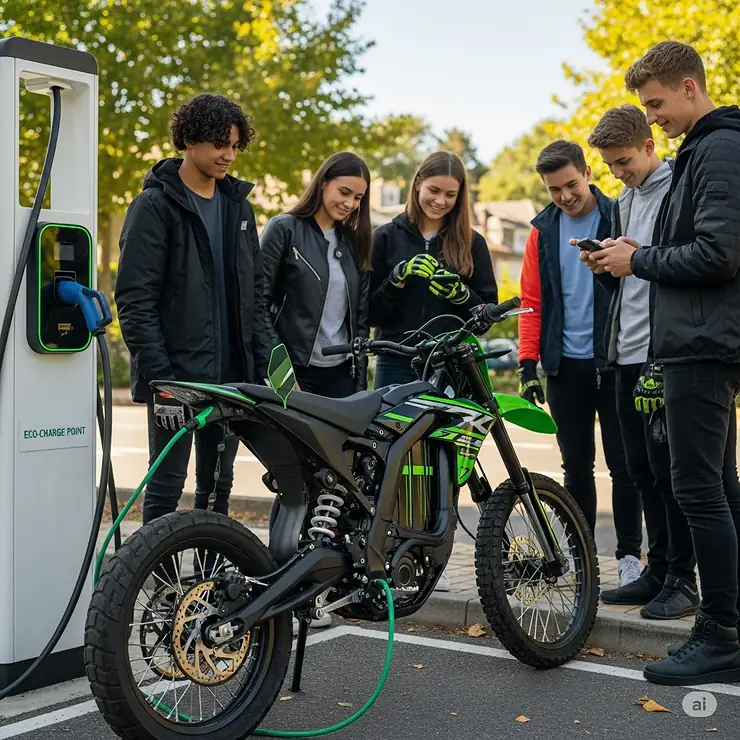
- Infrastructure Development: Charging stations at major trail systems and riding areas
Regulatory Environment Evolution: Government policies increasingly favor electric recreational vehicles:
- Access Expansion: National and state parks considering electric-only riding areas
- Incentive Programs: Tax credits and rebates for electric recreational vehicle purchases
- Safety Standards: Enhanced safety requirements specifically for electric platforms
- Emissions Regulations: Stricter controls on traditional two-stroke engines
Technology Integration Roadmap: Future electric dirt bikes will incorporate advanced technologies currently in development:
- Autonomous Features: Basic obstacle avoidance and stability enhancement
- Augmented Reality: Helmet-integrated displays for navigation and performance data
- Predictive Maintenance: AI systems preventing failures through pattern recognition
- Wireless Charging: Inductive charging systems for convenient energy replenishment
Investment and Purchase Decision Framework
Making informed electric dirt bike purchasing decisions requires systematic evaluation of multiple factors. This framework guides families through the decision-making process.
Cost-Benefit Analysis Framework
Initial Investment Assessment: Determine total acquisition costs including all necessary components and accessories:
Primary Costs:
- Base Vehicle: $400-$2,200 depending on model and features
- Safety Equipment: $200-$500 for quality protective gear
- Charging Infrastructure: $50-$200 for home charging setup
- Transportation: $100-$400 for truck bed or trailer mounting systems
Optional Enhancements:
- Performance Upgrades: $100-$500 for enhanced components
- Comfort Accessories: $50-$200 for ergonomic improvements
- Maintenance Tools: $100-$300 for basic service equipment
- Insurance Coverage: $100-$300 annually depending on coverage level
Operating Cost Projections: Calculate annual operating expenses for realistic budget planning:
Energy Costs:
- Electricity Usage: 2-5 kWh per 20-mile ride depending on terrain and riding style
- Annual Energy Cost: $30-$80 based on local electricity rates and usage patterns
- Charging Efficiency: 85-90% charger efficiency affects actual energy consumption
Maintenance Expenses:
- Routine Maintenance: $50-$100 annually for chains, brake pads, and cleaning supplies
- Professional Service: $100-$200 annually for comprehensive inspections
- Component Replacement: $200-$400 annually averaged over typical ownership period
Comparative Total Cost of Ownership: Five-year ownership cost comparison demonstrates electric advantages:
Electric Dirt Bike (Razor MX650 example):
- Initial Investment: $800 (bike) + $300 (gear) = $1,100
- Annual Operating: $80 (energy) + $150 (maintenance) = $230
- Five-Year Total: $1,100 + ($230 × 5) = $2,250
Comparable Gas Bike:
- Initial Investment: $600 (bike) + $300 (gear) = $900
- Annual Operating: $200 (fuel) + $300 (maintenance) = $500
- Five-Year Total: $900 + ($500 × 5) = $3,400
The $1,150 five-year savings from electric operation often justifies higher initial investment while providing superior performance and convenience.
Implementation Strategy Templates
Family Decision Matrix: Systematic evaluation ensures all stakeholders’ concerns are addressed:
Rider Assessment Criteria (Weight: 40%):
- Age and Size: Physical compatibility with available models
- Skill Level: Current experience and learning curve expectations
- Interest Level: Genuine enthusiasm versus parental pressure
- Responsibility: Track record with expensive equipment and safety protocols
Family Circumstance Evaluation (Weight: 30%):
- Financial Resources: Ability to absorb initial investment and ongoing costs
- Time Availability: Parental supervision and transportation logistics
- Storage Facilities: Secure storage and charging infrastructure
- Geographic Factors: Access to appropriate riding areas and local regulations
Technical Requirements Analysis (Weight: 20%):
- Performance Needs: Speed, range, and terrain capability requirements
- Growth Potential: Ability to accommodate skill development and physical growth
- Maintenance Capability: Family technical skills and service access
- Compatibility: Integration with existing recreational equipment
Community Integration Assessment (Weight: 10%):
- Local Riding Community: Availability of riding partners and mentorship
- Event Participation: Access to organized rides and competitions
- Dealer Support: Local sales, service, and parts availability
- Regulatory Compliance: Understanding of local laws and restrictions
Budget Planning and Financing Options
Acquisition Financing Strategies: Multiple financing approaches accommodate various family financial situations:
Cash Purchase Benefits:
- Immediate Ownership: No financing fees or interest payments
- Negotiation Power: Cash offers often secure better pricing
- Simplicity: Straightforward transaction without credit requirements
- Total Cost Minimization: Lowest total ownership cost
Credit Card Financing:
- Convenience: Simple application and approval process
- Rewards Programs: Potential cash back or points accumulation
- Purchase Protection: Extended warranty and damage protection options
- Considerations: Higher interest rates require quick payoff planning
Dealer Financing Programs:
- Promotional Rates: Manufacturers often offer low or zero-interest promotions
- Extended Terms: Lower monthly payments through longer repayment periods
- Trade-In Options: Credit for existing recreational equipment
- Package Deals: Combined financing for bike, gear, and accessories
Personal Loan Options:
- Competitive Rates: Banks and credit unions often offer attractive terms
- Fixed Payments: Predictable monthly payments for budget planning
- Flexible Terms: 12-60 month repayment options
- Credit Building: Responsible payment history improves credit scores
Measuring Success Metrics and KPIs
Objective Performance Indicators: Establish measurable criteria for evaluating purchase success:
Usage Metrics:
- Ride Frequency: Target 2-3 rides per week during peak season
- Duration Progression: Increasing ride length as skills develop
- Terrain Advancement: Successfully navigating increasingly challenging trails
- Technical Skill Development: Mastering specific riding techniques and maneuvers
Safety Performance:
- Incident Rate: Zero serious injuries with proper safety protocol adherence
- Equipment Condition: Maintaining bike and safety gear in good working order
- Risk Assessment: Demonstrating improved judgment and decision-making
- Emergency Preparedness: Proper response to mechanical issues or accidents
Educational Value:
- Technical Knowledge: Understanding basic electric vehicle principles
- Maintenance Skills: Performing routine upkeep and minor repairs
- Environmental Awareness: Appreciating sustainable transportation benefits
- Responsibility Development: Consistent care for expensive equipment
Family Integration:
- Shared Activities: Electric dirt biking becomes regular family recreation
- Communication Enhancement: Improved parent-teen interaction through shared interest
- Value Alignment: Activity supports family environmental and recreational values
- Long-term Engagement: Sustained interest beyond initial novelty period
Financial Validation:
- Budget Adherence: Total costs remain within planned parameters
- Value Realization: Performance and enjoyment justify investment
- Opportunity Cost: Electric dirt bike provides better value than alternative activities
- Future Planning: Success supports consideration of upgraded equipment
Successful electric dirt bike purchases typically achieve 80%+ positive ratings across these categories, indicating good alignment between expectations and reality. Regular assessment using these metrics helps families optimize their electric dirt bike experience and make informed decisions about future purchases or upgrades.
The decision to purchase an electric dirt bike for teens represents more than acquiring recreational equipment—it’s an investment in skill development, environmental responsibility, and family recreational activities. Through careful evaluation using this framework, families can make confident decisions that provide years of safe, enjoyable off-road adventures while supporting teenage development and family bonding.
Frequently Asked Questions
❓ How fast can an electric dirt bike for teens safely go?
❓ What's the average battery life of electric dirt bikes for teens?
❓ Are cheap electric dirt bike for teens options reliable?
❓ How much maintenance do electric dirt bikes for teens require?
❓ Can electric dirt bikes for teens be used in all weather conditions?
Recommended for You
- 7 Best Ebike Mannen Options For Ultimate Performance in 2025
- 7 Best Ebike Lights for Ultimate Night Riding Safety in 2025
- 7 Best Electric Bike Tire Options for Ultimate Performance and Safety in 2025
Conclusion: Electrifying the Future of Teen Recreation
Electric dirt bikes for teens represent more than just recreational vehicles—they’re gateways to adventure, skill development, and environmental consciousness. Whether you choose a budget-friendly Hiboy DK1 or invest in a premium TUTTIO Soleil01, these machines offer unparalleled opportunities for teenage growth and family bonding.
The transition to electric has eliminated many barriers that previously limited teen access to motorized recreation. Quiet operation, simplified maintenance, and progressive power delivery create ideal learning environments while respecting community noise concerns. Moreover, the environmental benefits align perfectly with the values of environmentally conscious teenagers and families.
As battery technology continues advancing and prices decrease, electric dirt bikes will become even more accessible and capable. The models available today provide a glimpse into an electrifying future where sustainable recreation doesn’t compromise performance or excitement.
🛒 Ready to Transform Your Teen’s Adventure Experience?
Don’t wait—these carefully researched electric dirt bikes for teens are flying off the shelves! Click any highlighted model above to check current Amazon pricing and availability. Your teen’s next great adventure is just one click away! ⚡🏍️
Disclaimer: This article contains affiliate links. If you purchase products through these links, we may earn a small commission at no additional cost to you.
✨ Found this helpful? Share it with your friends! 💬🤗
