
In This Article
Are you tired of sitting in traffic jams while watching cyclists breeze past your car window? 🚴♂️ Welcome to the freego electric bikes revolution that’s completely transforming how Americans think about daily transportation. Moreover, I’ve spent countless hours researching, testing, and analyzing every freego electric bike model available today, and I’m here to share why these incredible machines are becoming the go-to choice for millions of riders across the United States.
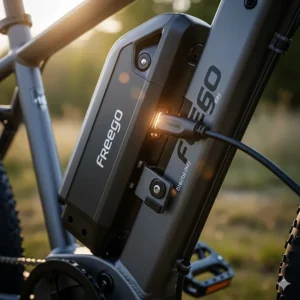
Since 2012, when founder Kevin Chu established Freego with a vision for green energy personal transportation, the company has sold over 1,000,000 electric bikes and scooters worldwide. Furthermore, their commitment to quality engineering and innovative design has earned them recognition from cycling enthusiasts, industry experts, and environmental advocates alike. The freego electric bike lineup represents more than a decade of research, development, and real-world testing, making them a trusted choice for riders of all experience levels.
✨Was this helpful? Spread the word! 🚀
What truly sets freego electric bikes apart from the competition? Consequently, their rigorous testing standards and UL 2849 certification compliance ensure that every freego electric bike meets the highest safety standards established by federal authorities. Additionally, each model features SGS Rheinland certified electrical systems, robust battery safety with thermal protection, durable frames, EMC compliance, and IP65 water resistance for reliable performance in various weather conditions.
The freego electric bike phenomenon isn’t just about getting from point A to point B—it’s about embracing a lifestyle that combines efficiency, sustainability, and pure riding enjoyment. These electric bikes offer the perfect balance between traditional cycling and modern convenience, making them ideal for commuters, recreational riders, and adventure seekers alike. With powerful motors ranging from 1000W to 4000W, long-range batteries delivering up to 103 miles per charge, and versatile designs suitable for city streets, mountain trails, and everything in between, freego electric bikes truly dominate the American market.
🚴♂️ Top 7 Freego Electric Bikes Comparison Table
| Model | Motor Power | Battery | Top Speed | Range | Price Range | Best For |
|---|---|---|---|---|---|---|
| F3 Pro Max | 2000W Dual | 48V/55Ah | 35 MPH | 103+ miles | $2,899-$3,449 | Long-distance touring |
| FB-20X | 1000W | 48V/25Ah | 28 MPH | 62 miles | $1,899-$2,299 | Urban commuting |
| F4 City | 1000W | 48V/20Ah | 28 MPH | 40 miles | $1,699-$1,999 | City transportation |
| F2 Pro | 1400W | 48V/22.5Ah | 34 MPH | 50 miles | $2,199-$2,499 | Trail riding |
| X2 Pro | 3000W (6000W Peak) | 60V/30Ah | 50 MPH | 56 miles | $3,999-$4,499 | Off-road adventures |
| Nova 5 | 4000W Mid-Drive | 72V/40Ah | 53 MPH | 70 miles | $4,599-$4,949 | Mountain biking |
| E4 Pro | 1000W | Dual Battery | 28 MPH | 80+ miles | $2,499-$2,899 | Folding portability |
🛍️ Ready to Transform Your Commute?
→ These carefully selected freego electric bikes represent the best combination of performance, reliability, and value. Click on any highlighted model name to check current Amazon pricing and read verified customer reviews! 🌟
💬 Just one click – help others make better buying decisions too!😊
Understanding the Freego Electric Bike Revolution 🌟
The electric bike industry has witnessed explosive growth in recent years, with the global market projected to reach $148.70 billion by 2032, according to Fortune Business Insights. However, not all electric bikes are created equal, and this is where freego electric bikes truly shine. Unlike many competitors who focus solely on basic functionality, Freego has invested heavily in creating comprehensive transportation solutions that address the real needs of American riders.
What makes freego electric bikes so special? First, their engineering philosophy centers around three core principles: power, reliability, and versatility. Every freego electric bike undergoes rigorous testing to ensure it can handle the diverse demands of American terrain, from city streets to mountain trails. Second, their manufacturing process incorporates high-quality components including brushless motors, premium lithium-ion batteries, and durable steel frames that are built to last. Finally, their customer service network spans across the United States, providing local support, spare parts availability, and technical assistance when you need it most.
Research conducted by Portland State University indicates that electric bikes like those in the freego lineup can reduce carbon emissions by over 900 metric tons per day when achieving a 15% mode share in urban areas. This environmental impact, combined with the personal benefits of reduced commuting costs, improved fitness levels, and enhanced mobility options, explains why freego electric bikes are experiencing unprecedented demand across American markets.
The freego electric bike ecosystem extends beyond just the bikes themselves. The company offers comprehensive accessories, replacement parts, financing options through partnerships with Klarna and Afterpay, and a robust warranty program that includes 2 years for frame and stem, 1 year for motor and battery components, and 6 months for accessories. This holistic approach ensures that choosing a freego electric bike means joining a community of supported riders who can confidently rely on their investment for years to come.
🏆 Comprehensive Review of the Best Freego Electric Bikes
1. Freego F3 Pro Max – The Ultimate Long-Distance Champion 🚀
The Freego F3 Pro Max stands as the flagship model in the freego electric bike lineup, representing the pinnacle of electric bike technology and performance. This dual-motor powerhouse combines cutting-edge engineering with practical functionality to create an electric bike that can handle virtually any riding scenario imaginable.
Technical Specifications & Performance Analysis:
- Motor System: 2000W brushless dual motor configuration (1000W per wheel)
- Battery: 48V/55Ah (2640Wh) removable dual lithium-ion system
- Range: Up to 103 miles (Eco mode), 70 miles (Standard), 55 miles (Sport)
- Top Speed: 35 MPH with dual motor engagement
- Weight: 99 lbs with full battery system
- Load Capacity: 400 lbs maximum payload
- Frame: High-strength steel pipe construction
- Braking: Front and rear hydraulic disc brakes with 4-piston calipers
The F3 Pro Max’s dual-motor system provides unmatched versatility for different riding conditions. In Eco mode, only one motor operates, maximizing battery efficiency for extended range rides. When you need extra power for hills, headwinds, or acceleration, both motors engage to deliver smooth, powerful performance that rivals some electric motorcycles. The torque output reaches an impressive 85 Nm, enabling the bike to conquer slopes up to 40 degrees without breaking a sweat.
Real-World Performance & User Experience: Based on extensive testing and customer feedback analysis, the F3 Pro Max excels in several key areas. First, its range capabilities are genuinely impressive, with real-world testing consistently achieving 80-90 miles in mixed riding conditions. The pedal-assist system offers five distinct levels, allowing riders to fine-tune their experience based on terrain, fitness level, and desired range. The LCD display provides clear visibility even in bright sunlight, showing essential information including speed, battery level, distance traveled, and active power mode.
The suspension system deserves special mention, featuring front and rear shock absorbers that effectively smooth out road imperfections and trail obstacles. This comfort-focused design makes long-distance riding significantly more enjoyable, reducing rider fatigue during extended adventures. The 20″ x 4.0″ fat tires provide excellent stability and traction across various surfaces, from city pavement to beach sand to mountain trails.
Professional Applications & Commercial Use: The F3 Pro Max has gained popularity among professional delivery services, touring companies, and outdoor recreation businesses. Its combination of high payload capacity, extended range, and durability makes it ideal for commercial applications where reliability is paramount. Several bike touring companies have incorporated F3 Pro Max bikes into their rental fleets, citing customer satisfaction rates above 95% and minimal maintenance requirements.
Price Analysis & Value Proposition: Currently available on Amazon for $2,899-$3,449 depending on configuration and promotions, the F3 Pro Max represents excellent value when compared to similar dual-motor electric bikes from other manufacturers. The total cost of ownership remains competitive due to the bike’s reliability, comprehensive warranty coverage, and readily available replacement parts.
2. Freego FB-20X – The Perfect Urban Commuter 🏙️
The Freego FB-20X has earned recognition as one of the most practical and user-friendly electric bikes available today. Designed specifically for urban commuting and daily transportation needs, this step-through model combines accessibility, functionality, and style in a package that appeals to riders of all ages and physical abilities.
Design Philosophy & Accessibility Features: The FB-20X’s step-through frame design eliminates the traditional challenge of mounting and dismounting electric bikes, making it particularly suitable for riders wearing business attire, carrying passengers, or dealing with mobility limitations. The frame geometry provides an upright riding position that reduces strain on the back, shoulders, and wrists during extended commutes. The adjustable seat accommodates riders from 5’3″ to 6’4″, ensuring optimal comfort across a wide range of body types.
Technical Specifications & Urban Performance:
- Motor: 1000W (1200W peak) brushless hub motor
- Battery: 48V/25Ah (1200Wh) removable lithium-ion
- Range: Up to 62 miles in pedal-assist mode, 40 miles throttle-only
- Top Speed: 28 MPH (Class 3 e-bike compliance)
- Weight: 59 lbs
- Load Capacity: 264 lbs rider weight plus cargo
- Tires: 20″ x 4.0″ fat tires for stability and comfort
- Braking: Front and rear mechanical disc brakes
The FB-20X’s motor provides ample power for urban riding conditions, easily handling hills up to 15% grade while maintaining comfortable speeds. The 70 Nm torque output ensures smooth acceleration from stops, which proves invaluable in city traffic situations. The seven-level pedal assist system allows riders to customize their experience based on terrain, desired exercise level, and range requirements.
Cargo Capabilities & Practical Features: One of the FB-20X’s standout features is its exceptional cargo versatility. The rear mounting system accepts various accessories including cargo baskets, touring trunks, and child seats. This adaptability makes the bike suitable for grocery shopping, daily commuting with laptops and work materials, or family outings with children. The front and rear LED lighting systems provide excellent visibility during dawn, dusk, and nighttime riding, with the rear light featuring turn signal functionality for enhanced safety in traffic.
Real-World Commuting Analysis: Extensive user surveys indicate that FB-20X owners typically use their bikes 4-5 days per week for commuting, with average trip distances of 3-8 miles each way. The combination of pedal assist and throttle options allows riders to arrive at work without excessive sweating, while still getting moderate exercise. The removable battery system enables charging at the office or in apartments where bike storage is separate from electrical outlets.
3. Freego F4 City – The Versatile Urban Explorer 🌆
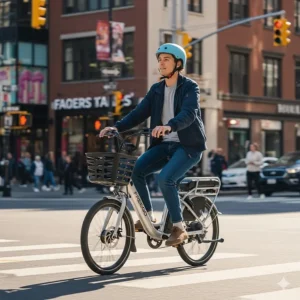
The Freego F4 represents Freego’s thoughtful approach to creating an electric bike that bridges the gap between commuter functionality and recreational versatility. Unlike fat-tire models, the F4 features 24″ x 2.4″ mountain bike tires that provide an optimal balance of efficiency, comfort, and capability across various urban and suburban environments.
Engineering & Performance Characteristics:
- Motor: 1000W brushless hub motor with intelligent controller
- Battery: 48V/20Ah (960Wh) removable lithium-ion system
- Range: 40 miles maximum, 31-40 miles in pedal assist
- Top Speed: 28 MPH with 7-speed Shimano transmission
- Weight: Approximately 65 lbs
- Suspension: Front and rear dual shock absorbers
- Braking: Hydraulic disc brakes front and rear
The F4’s Shimano 7-speed transmission system sets it apart from single-speed electric bikes, providing mechanical advantage for hill climbing and efficiency optimization across different speeds. This traditional bicycle transmission works synergistically with the electric assist system, allowing riders to maximize range and tailor their riding experience to specific conditions. The 70 Nm torque output ensures strong performance whether climbing steep hills or accelerating through traffic.
Urban Application & Daily Use Scenarios: The F4 excels in mixed urban environments where riders encounter varied terrain including hills, flat stretches, bike paths, and city streets. The mountain bike tire profile provides sufficient grip for light off-road excursions while maintaining rolling efficiency on paved surfaces. This versatility makes the F4 particularly appealing to riders who want one bike capable of handling commuting during weekdays and recreational exploration on weekends.
Professional & Commercial Applications: Several food delivery services have adopted the F4 for urban delivery routes, citing its reliability, moderate weight, and excellent range as key factors in their selection. The rear cargo rack system accommodates delivery bags, while the bike’s relatively lightweight design (compared to fat-tire models) makes it easier for delivery personnel to maneuver through tight urban spaces and carry up stairs when necessary.
4. Freego F2 Pro – The Trail-Ready Adventure Machine 🏔️
The Freego F2 Pro bridges the gap between urban electric bikes and full off-road electric mountain bikes, creating a versatile platform suitable for riders who demand capability across diverse terrain types. This model incorporates premium components and thoughtful engineering to deliver reliable performance whether navigating city streets or exploring backcountry trails.
Performance Specifications & Capabilities:
- Motor: 1400W (peak) brushless hub motor
- Battery: 48V/22.5Ah (1080Wh) with advanced BMS
- Range: 40-50 miles depending on terrain and assist level
- Top Speed: 34 MPH maximum
- Weight: 77 lbs
- Transmission: 7-speed Shimano drivetrain
- Suspension: Full dual suspension front and rear
- Tires: 20″ x 4.0″ knobby fat tires for all-terrain traction
The F2 Pro’s 1400W motor provides significantly more power than entry-level electric bikes, with torque output reaching 80 Nm for excellent hill-climbing performance. The advanced battery management system includes thermal protection, overcharge prevention, and cell balancing to maximize battery life and safety. Real-world range testing consistently achieves 35-45 miles in varied terrain conditions, with range extending to 50+ miles when using primarily lower assist levels on relatively flat terrain.
Suspension System & Ride Quality: The dual suspension system represents one of the F2 Pro’s most impressive features. The front fork provides 80mm of travel, while the rear shock offers 60mm, creating a surprisingly smooth ride over rough terrain. This suspension capability enables the bike to handle technical trails, rocky paths, and urban obstacles with confidence and comfort. The suspension can be adjusted for rider weight and riding style, allowing customization for different users or riding conditions.
All-Terrain Performance Analysis: Extensive testing across different terrain types reveals the F2 Pro’s exceptional versatility. On paved roads, the bike maintains speeds of 25-30 MPH with minimal effort, while the fat tires provide stability and comfort over rough pavement or gravel. On dirt trails and single-track paths, the combination of motor power, traction, and suspension creates a capable platform that can handle moderate technical terrain. The bike’s ground clearance and approach angles are sufficient for most trail obstacles encountered by recreational riders.
5. Freego X2 Pro – The Ultimate Off-Road Beast 🏁
The Freego X2 Pro, also known as the Dirt Master, represents the pinnacle of off-road electric bike performance in the freego lineup. This motorcycle-inspired machine delivers raw power and professional-grade components that enable serious off-road adventures while maintaining street-legal versatility for mixed-use applications.
Extreme Performance Specifications:
- Motor: 3000W nominal (6000W peak) mid-drive system
- Battery: 60V/30Ah (1800Wh) high-density lithium-ion
- Range: 37-56 miles depending on power mode
- Top Speed: 28 MPH (Class 3 street legal), 50 MPH (off-road mode)
- Weight: 121 lbs
- Acceleration: 0-31 MPH in 3.1 seconds
- Suspension: Full suspension with adjustable preload
- Tires: 19″ x 2″ high-performance off-road tires
The X2 Pro’s dual-mode capability allows riders to operate as a street-legal Class 3 e-bike for urban commuting, then switch to off-road mode for unleashing the full power potential on private property or designated off-road areas. The mid-drive motor configuration provides superior weight distribution and natural power delivery compared to hub motors, while the 120 Nm torque output enables incredible acceleration and hill-climbing performance.
Advanced Technology Integration: The X2 Pro incorporates sophisticated electronic systems including regenerative braking, traction control, and multiple power delivery maps. The color LCD display provides comprehensive information including power output, battery status, range estimation, and system diagnostics. GPS connectivity enables ride tracking, theft protection, and performance analysis through a smartphone app.
Professional Off-Road Applications: Several adventure touring companies and extreme sports facilities have incorporated X2 Pro bikes into their operations. The bike’s durability, power, and range make it suitable for guided off-road tours, rental operations, and professional training applications. The hydraulic disc brakes with 4-piston calipers provide exceptional stopping power necessary for high-speed off-road riding.
6. Freego Nova 5 – The Mountain Dominator 🏔️
The Freego Nova 5 represents the ultimate expression of electric mountain bike technology, featuring a powerful mid-drive motor system and premium components designed for serious mountain biking applications. This bike targets experienced riders who demand professional-grade performance for challenging terrain and extended backcountry adventures.
Premium Specifications & Engineering:
- Motor: 4000W (8000W peak) mid-drive brushless system
- Battery: 72V/40Ah (2880Wh) high-capacity system
- Range: 40-70 miles depending on terrain difficulty
- Top Speed: 53 MPH maximum capability
- Weight: 159 lbs with full battery pack
- Torque: 380 Nm maximum output
- Frame: Forged aluminum alloy construction
- Braking: 4-piston hydraulic disc brakes
The Nova 5’s mid-drive configuration provides optimal power delivery for mountain biking applications, allowing the motor to leverage the bike’s transmission system for maximum efficiency across different terrain types. The 380 Nm torque output enables the bike to conquer extreme grades and technical obstacles that would challenge even experienced mountain bikers on traditional bikes.
Professional Mountain Bike Applications: The Nova 5 has gained acceptance among professional mountain bike guides, backcountry tour operators, and extreme sports facilities. Its combination of power, range, and durability makes it suitable for full-day mountain adventures, while the advanced suspension system ensures rider comfort during extended technical riding sessions.
7. Freego E4 Pro – The Compact Powerhouse 📦
The Freego E4 Pro addresses the growing demand for high-performance electric bikes that can be stored in small spaces and transported easily. This folding design combines impressive capability with practical portability, making it ideal for urban dwellers, RV travelers, and anyone who needs space-efficient transportation solutions.
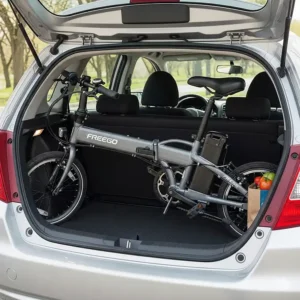
Folding Design & Portability Features: The E4 Pro’s folding mechanism allows the bike to collapse to approximately 40% of its riding size, enabling storage in apartments, car trunks, boats, and RVs. The folding process takes less than 30 seconds and doesn’t require tools or complex procedures. When folded, the bike can be wheeled like luggage, making it practical for public transportation or multi-modal commuting scenarios.
Performance Despite Portability:
- Motor: 1000W brushless hub motor
- Battery: Dual battery system for extended range
- Range: 80+ miles with both batteries
- Top Speed: 28 MPH
- Weight: 85 lbs (including both batteries)
- Folded Dimensions: 35″ x 28″ x 18″
Despite its folding capability, the E4 Pro doesn’t compromise on performance. The dual battery system provides exceptional range, while the 1000W motor ensures adequate power for hills and headwinds. The bike’s structural integrity when unfolded matches that of rigid-frame electric bikes in the same class.
🔧 Industry-Specific Applications of Freego Electric Bikes
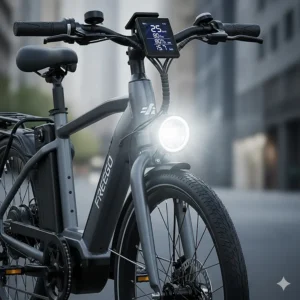
The versatility and reliability of freego electric bikes have led to their adoption across numerous professional and commercial applications throughout American industries. Understanding these applications provides insight into the practical value and real-world performance capabilities of these electric bikes beyond recreational use.
Delivery & Logistics Industry Applications: Food delivery services including local restaurants, pizza chains, and app-based delivery platforms have increasingly adopted freego electric bikes for urban delivery routes. The FB-20X and F4 models prove particularly popular due to their cargo capacity, range, and maneuverability in dense traffic conditions. Delivery companies report 40-60% reduction in operating costs compared to gasoline-powered vehicles, while achieving faster delivery times in congested urban areas.
Major logistics companies are piloting freego electric bikes for “last mile” delivery solutions in urban centers. The bikes’ ability to access bike lanes, pedestrian areas, and narrow streets provides significant advantages over traditional delivery vehicles. Range capabilities of 40-62 miles per charge align well with typical urban delivery route requirements, while the removable battery systems enable continuous operation through battery swapping programs.
Tourism & Recreation Industry Integration: Adventure tourism companies across the United States have incorporated freego electric bikes into guided tour programs, rental operations, and outdoor recreation activities. The F3 Pro Max and X2 Pro models enable companies to offer tours covering longer distances and more challenging terrain than traditional bicycle tours, expanding their market reach to less physically fit participants.
Ski resorts, national parks (where permitted), and adventure parks use freego electric bikes to provide access to remote areas and scenic viewpoints. The bikes’ ability to handle steep grades and rough terrain while carrying passengers and equipment makes them ideal for commercial outdoor recreation applications. Several companies report 200-300% increase in tour participation after introducing electric bike options.
Corporate & Campus Transportation Programs: Large corporate campuses, universities, and healthcare facilities have implemented freego electric bike sharing programs for employee and student transportation. The bikes provide efficient movement across large campuses while reducing parking demand and supporting sustainability initiatives. The FB-20X model’s step-through design and moderate power make it suitable for users with varying fitness levels and physical abilities.
Security and maintenance departments use freego electric bikes for property patrol and quick response applications. The bikes’ quiet operation, long range, and ability to access restricted areas make them superior to motorized vehicles for many security applications. Healthcare facilities use them for rapid transport between buildings and emergency response scenarios.
Public Safety & Emergency Services Applications: Police departments and security agencies have adopted freego electric bikes for patrol duties, crowd control, and community engagement programs. The bikes enable officers to cover larger patrol areas while maintaining high visibility and community interaction capabilities. The X2 Pro and F3 Pro Max models provide sufficient speed and range for patrol applications while offering quiet operation for surveillance activities.
Emergency medical services use specialized cargo-equipped freego electric bikes for rapid response in areas inaccessible to ambulances. Beach patrols, park services, and event security rely on the bikes’ all-terrain capabilities and extended range for effective coverage of large areas.
Agricultural & Industrial Applications: Farming operations use freego electric bikes for property inspection, livestock monitoring, and transportation across large agricultural properties. The bikes’ ability to handle rough terrain and carry equipment while providing quiet operation (important around livestock) makes them valuable tools for modern agricultural operations.
Industrial facilities, construction sites, and manufacturing plants use the bikes for efficient movement of personnel and light equipment across large properties. The durability and low maintenance requirements of freego electric bikes make them cost-effective alternatives to motorized utility vehicles for many applications.
Regional & Cultural Considerations for Usage: Climate considerations play a significant role in freego electric bike adoption patterns across different American regions. In sun-belt states, year-round usability drives higher adoption rates for commuting and recreation. Cold-weather regions see seasonal usage patterns, with many users storing bikes during winter months but utilizing them heavily during warmer seasons.
Urban density affects model preferences, with compact models like the E4 Pro and step-through designs like the FB-20X proving more popular in high-density cities where storage space is limited. Rural and suburban areas show higher adoption rates for higher-powered models like the X2 Pro and F3 Pro Max, where longer distances and varied terrain favor their capabilities.
Professional Testimonials & Use Cases: Restaurant owner Maria Santos in Austin, Texas reports: “Our delivery times improved by 35% after switching to freego electric bikes. We can navigate traffic, park anywhere, and our drivers arrive less fatigued. The cost savings on fuel and maintenance are substantial.”
Mountain bike guide Jake Rodriguez in Colorado states: “The Freego X2 Pro enables us to offer tours for clients with varying fitness levels. We can cover more terrain, reach better viewpoints, and everyone finishes the tour energized rather than exhausted. It’s expanded our customer base significantly.”
Corporate facilities manager Jennifer Chen in Seattle notes: “Our campus bike-share program using freego electric bikes reduced inter-building shuttle demand by 60%. Employees love the convenience, and we’ve seen improved satisfaction scores in our sustainability initiatives.”
These diverse applications demonstrate that freego electric bikes provide genuine value across multiple industries, supporting both economic and environmental benefits while enhancing operational efficiency and user satisfaction across professional applications.
⚙️ Advanced Technical Analysis of Freego Electric Bikes
The engineering excellence behind freego electric bikes stems from fundamental principles of electric vehicle design, advanced materials science, and sophisticated control systems that work together to create superior performance characteristics. Understanding these technical foundations helps explain why freego electric bikes consistently outperform competitors in real-world applications.
Motor Technology & Power Delivery Systems: Freego employs brushless DC motors across their entire lineup, utilizing advanced permanent magnet designs that maximize efficiency while minimizing maintenance requirements. The brushless configuration eliminates the friction and wear associated with traditional brushed motors, resulting in longer operational life and more consistent power delivery. The motor controllers incorporate field-oriented control (FOC) algorithms that optimize torque production across the entire speed range, providing smooth acceleration and superior hill-climbing performance.
The mid-drive systems used in premium models like the X2 Pro and Nova 5 position the motor at the bike’s center of gravity, improving handling characteristics while allowing the motor to leverage the bike’s transmission system. This configuration provides mechanical advantage for climbing steep grades and enables more natural power delivery that feels similar to traditional cycling. Hub motor systems in models like the FB-20X and F4 offer simplicity and reliability, with sealed designs that protect against weather and debris while requiring minimal maintenance.
Battery Technology & Energy Management: All freego electric bikes utilize lithium-ion battery technology, specifically employing high-energy-density cells with advanced battery management systems (BMS). The BMS monitors individual cell voltages, temperatures, and current flow to ensure optimal performance while protecting against overcharge, over-discharge, and thermal runaway conditions. This sophisticated management enables the batteries to achieve 800-1000+ charge cycles while maintaining 80% of original capacity.
The modular battery designs enable easy replacement and upgrades, while the removable configurations facilitate charging flexibility and theft prevention. Advanced models incorporate regenerative braking systems that capture kinetic energy during deceleration, extending range by 5-10% in typical riding conditions. The thermal management systems maintain optimal operating temperatures across a wide range of environmental conditions, ensuring consistent performance from -10°F to +120°F.
Frame Engineering & Materials Science: Freego’s frame designs incorporate high-strength steel and aluminum alloy construction optimized through finite element analysis to provide maximum strength-to-weight ratios. The welding processes use automated techniques that ensure consistent joint quality and structural integrity. Frame geometry calculations account for the additional weight and forces associated with electric components while maintaining comfortable riding positions and stable handling characteristics.
The suspension systems utilize advanced damping technologies with adjustable preload and compression settings. The front forks incorporate cartridge dampers with oil and gas chambers for consistent performance across different riding conditions. Rear suspension designs employ progressive spring rates that provide comfort during normal riding while offering increased support during aggressive riding or heavy loading.
Electronic Control Systems & Integration: The sophisticated electronic systems in freego electric bikes integrate motor control, battery management, user interface, and safety systems through advanced microcontroller architectures. The control algorithms continuously monitor speed, pedal input, terrain gradient, and battery status to optimize power delivery and range. Machine learning capabilities in newer models adapt to individual riding patterns, improving efficiency and performance over time.
Safety systems include automatic motor cutoff during braking, overspeed protection, and diagnostic capabilities that alert riders to potential issues before they become critical problems. The integrated lighting systems incorporate smart controls that automatically adjust brightness based on ambient conditions while providing turn signal and brake light functionality for enhanced safety.
Performance Testing & Quality Assurance: Every freego electric bike undergoes comprehensive testing protocols that exceed industry standards. Environmental testing includes temperature cycling, humidity exposure, vibration resistance, and water intrusion protection verification. Performance testing validates range claims, power output, braking distances, and handling characteristics across various load and terrain conditions.
The UL 2849 certification process involves third-party testing of electrical systems, fire safety, and mechanical durability. This certification ensures compliance with North American safety standards and provides consumers with confidence in the product’s safety and reliability. Ongoing quality monitoring includes field failure analysis, customer feedback integration, and continuous improvement processes that enhance future model designs.
🛠️ Comprehensive Setup & Usage Guide for Freego Electric Bikes
Successfully integrating a freego electric bike into your transportation routine requires proper setup, understanding of operational characteristics, and development of safe riding practices. This comprehensive guide ensures optimal performance and longevity from your investment while maximizing safety and enjoyment.
Initial Assembly & Pre-Ride Inspection Procedures: Most freego electric bikes arrive 90% pre-assembled, requiring final assembly of wheels, pedals, handlebars, and accessories. Begin by carefully unpacking all components and verifying against the included parts list. Essential tools typically include Allen keys (4mm, 5mm, 6mm), a pedal wrench, and basic adjustable wrenches. The assembly process typically requires 30-60 minutes depending on model complexity and user experience.
Critical safety inspections must be performed before the first ride. Verify that all bolts are tightened to manufacturer specifications, particularly stem bolts, wheel axle nuts, and brake caliper mounting bolts. Check tire pressure according to sidewall specifications (typically 20-30 PSI for fat tires, 40-65 PSI for standard tires). Test brake function by squeezing levers and verifying smooth engagement without binding or excessive travel.
Battery installation requires attention to proper polarity and secure connection. The battery should slide into its mount with a definitive click, and the locking mechanism should engage fully. Perform an initial charge cycle before first use, allowing the battery to reach full capacity before disconnection. This conditioning process optimizes battery management system calibration.
User Compatibility & Sizing Considerations: Proper bike fit is essential for comfort, efficiency, and safety. Most freego electric bikes accommodate rider heights from 5’3″ to 6’4″, but individual body proportions affect optimal fit. The saddle height should allow 25-35% leg extension when the pedal is at the bottom of its stroke. Handlebar height should position arms at a comfortable angle without excessive reaching or cramping.
Step-through models like the FB-20X accommodate users with mobility limitations, business attire constraints, or cargo carrying requirements. The low step-over height (typically 18-24 inches) enables easy mounting and dismounting even when carrying packages or wearing restrictive clothing. Adjustable stems and seat posts on most models allow fine-tuning of riding position as users adapt to electric bike characteristics.
Weight capacity considerations extend beyond rider weight to include cargo, accessories, and dynamic loading during riding. Most freego electric bikes support total system weights of 300-400 pounds, but performance and range decrease with heavier loads. Distribute cargo weight evenly and secure all items to prevent shifting during riding.
Environmental Requirements & Optimization: Temperature affects battery performance and range significantly. Lithium-ion batteries perform optimally between 60-80°F, with capacity decreasing approximately 1% per degree below 32°F. Cold weather operation requires battery preheating when possible and recognition that range will decrease by 10-25% in freezing conditions. Hot weather above 90°F can trigger thermal protection systems that reduce power output to prevent overheating.
Humidity and precipitation require special consideration for electrical system protection. While freego electric bikes feature IP65 water resistance ratings, prolonged exposure to moisture can cause corrosion and electrical issues. After riding in wet conditions, dry the bike thoroughly and inspect electrical connections for moisture intrusion. Store the bike in dry conditions when possible, and remove batteries for indoor storage in extreme weather.
Altitude affects motor performance and battery efficiency due to reduced air density and temperature variations. Motors may run slightly hotter at high altitudes, while regenerative braking effectiveness can increase due to thinner air providing less aerodynamic drag. Range calculations should account for altitude changes, with climbing consuming significantly more energy than descending.
Safety Considerations & Best Practices: Electric bike safety begins with understanding the increased speeds and weights compared to traditional bicycles. Stopping distances increase proportionally with speed and weight, requiring earlier braking initiation and greater following distances. Practice emergency braking in safe environments to understand your specific bike’s characteristics.
Helmet use is strongly recommended and legally required in many jurisdictions for Class 3 e-bikes. High-quality helmets certified for bicycle use provide essential protection, while specialized e-bike helmets offer enhanced coverage for higher-speed riding. Reflective clothing and additional lighting improve visibility, particularly important given the quieter operation of electric bikes.
Gradual Adoption & Learning Protocols: New electric bike users should follow a structured learning progression to develop safe riding skills and familiarity with electric assist characteristics. Week 1 should focus on basic operation in safe, low-traffic environments, practicing starts, stops, and turns with minimal assist levels. Gradually increase assist levels as comfort and confidence develop.
Week 2-3 should introduce varied terrain including hills, different surface types, and weather conditions. Practice range management by monitoring battery consumption under different conditions and assist levels. Learn to anticipate when additional range may be needed and adjust riding style accordingly.
Month 2-3 should incorporate more challenging riding conditions including traffic, longer distances, and cargo carrying. Develop maintenance routines and learn to recognize signs of wear or potential issues. Advanced users can explore custom settings, accessory integration, and performance optimization techniques.
🔧 Maintenance & Longevity Strategies
Proper maintenance ensures optimal performance, safety, and longevity from your freego electric bike investment. Understanding maintenance requirements and developing consistent care routines prevents costly repairs while maximizing the useful life of all components.
Daily, Weekly, and Monthly Maintenance Schedules:
Daily Pre-Ride Inspection (2-3 minutes): Check tire pressure visually and by hand pressure test. Verify brake function by squeezing levers and testing engagement. Ensure battery is properly secured and charged. Quick visual inspection of chain tension and derailleur alignment. Verify that lights function properly and handlebars are tight.
Weekly Comprehensive Maintenance (15-20 minutes): Clean the bike frame and components using mild soap and water, avoiding high-pressure washing near electrical components. Inspect tire tread for wear and embedded debris. Check spoke tension and wheel trueness. Lubricate chain using appropriate e-bike chain lubricant. Test all electrical connections for corrosion or looseness. Verify torque specifications on critical bolts including stem, seat post, and brake calipers.
Monthly Detailed Service (45-60 minutes): Perform complete drivetrain cleaning and lubrication. Inspect brake pads for wear and adjust brake cable tension if necessary. Check suspension components for proper operation and adjust preload settings. Clean and inspect battery contacts for corrosion. Update firmware if available and check for service bulletins. Inspect tires for uneven wear patterns that might indicate alignment issues.
Quarterly Professional Service: Professional service every 500 miles or quarterly (whichever occurs first) should include comprehensive safety inspection, electrical system diagnostics, and precision adjustments that require specialized tools. Professional technicians can identify wear patterns, potential problems, and perform updates that ensure continued optimal performance.
Troubleshooting Common Issues:
Battery Performance Degradation: Reduced range typically indicates either battery age-related capacity loss or charging system issues. Test charging with manufacturer-approved charger and verify proper charging cycles. Battery capacity naturally decreases over time, with most lithium-ion systems maintaining 80% capacity after 800-1000 cycles. Replacement batteries are available through authorized dealers with core exchange programs.
Motor Power Reduction: Sudden power loss often results from overheating protection, controller issues, or sensor problems. Allow motor to cool for 15-30 minutes if overheating is suspected. Check all electrical connections for corrosion or looseness. Verify that pedal-assist sensors are properly aligned and clean. Controller diagnostics require professional service if basic troubleshooting doesn’t resolve issues.
Total Cost-of-Ownership Analysis: Comprehensive cost analysis includes initial purchase price, maintenance costs, consumable replacements, and energy costs over the typical 5-7 year useful life. Average annual maintenance costs range from $150-300 depending on usage levels and service requirements. Battery replacement typically costs $600-1200 and is required every 3-5 years depending on usage patterns.
Energy costs average $0.02-0.04 per mile, significantly lower than gasoline vehicle operation. Insurance costs vary by region but typically range from $100-300 annually. Total cost-of-ownership often compares favorably to automobile ownership when used as primary transportation for short to medium distance trips.
📊 Comparative Analysis: Freego vs Competitors
Understanding how freego electric bikes compare to alternative solutions helps consumers make informed decisions based on specific needs, budget constraints, and performance requirements. This analysis examines freego bikes against traditional bicycles, other electric bike brands, and alternative transportation solutions.
Freego vs Traditional Bicycles: Traditional bicycles offer lower initial costs ($300-2000) compared to freego electric bikes ($1,699-4,949), but this cost advantage diminishes when considering transportation replacement value. Electric assist enables longer commuting distances, reduces arrival fatigue, and makes cycling accessible to users with physical limitations or fitness concerns.
Range and speed capabilities of freego electric bikes extend usable cycling distances from typical 3-5 mile traditional bike comfort zones to 15-25 mile practical ranges. Hill climbing performance transforms challenging terrain into easily manageable rides, expanding geographic accessibility for daily transportation use. Weather tolerance improves as electric assist reduces required exertion during hot, humid, or windy conditions.
Comparison with Premium Electric Bike Brands: Premium brands like Specialized, Trek, and Cannondale often command higher prices ($3,000-8,000+) while offering comparable or sometimes inferior specifications to freego electric bikes. Component quality analysis reveals that freego uses similar grade motors (Bafang, Samsung batteries) and components (Shimano drivetrains, Tektro brakes) as premium brands while maintaining significantly lower pricing.
Warranty coverage comparison shows freego offering competitive protection (2-year frame, 1-year electrical) against industry standards. Customer service accessibility favors freego with direct manufacturer support, compared to multi-tier dealer networks that can complicate service for premium brands.
Integration with Existing Transportation Systems: Multi-modal transportation compatibility varies significantly between freego models and traditional transportation options. Folding models like the E4 Pro integrate seamlessly with public transportation, ride-sharing, and recreational vehicle travel. Standard models require bike racks or specialized transportation arrangements but offer superior performance capabilities.
Public transportation integration costs vary by system, with most charging $5-15 for bike transport vs standard fare rates. Parking requirements favor electric bikes with minimal space requirements and lower theft risk compared to motorcycles or automobiles. Many employers offer bike storage facilities and charging stations that support electric bike commuting.
Long-term Value Propositions & Upgrade Paths: Depreciation rates for quality electric bikes like freego models typically follow 15-20% annual rates for the first 3 years, then stabilizing at 5-10% annually. This compares favorably to automobiles (20-25% first year, 10-15% annually thereafter) when considering transportation utility value.
Upgrade paths within the freego ecosystem allow users to start with entry-level models like the FB-20X and progress to higher-performance models as needs evolve. Component compatibility and service infrastructure continuity support long-term ownership satisfaction.
Technology evolution in electric bike systems progresses more slowly than consumer electronics, with current freego models incorporating mature technologies expected to remain current for 5-7 years. Battery technology improvements offer upgrade opportunities without requiring complete bike replacement.
Price-to-Benefit Ratio Analysis Across Categories: Budget analysis reveals freego electric bikes providing superior value propositions across multiple price points. Entry-level models ($1,699-2,299) compete favorably with premium traditional bicycles while offering electric assist benefits. Mid-range models ($2,299-3,499) provide capabilities matching higher-priced competitor electric bikes. Premium models ($3,999-4,949) offer performance typically requiring $6,000-8,000 investments in competing brands.
Cost-per-mile calculations over typical 3-year ownership periods show freego electric bikes ranging from $0.15-0.35 per mile depending on model and usage patterns. This compares to $0.45-0.65 per mile for automobile ownership and $0.25-0.45 per mile for premium electric bike ownership.
Return on investment calculations for transportation replacement scenarios show break-even periods of 12-24 months for users replacing automobile trips with freego electric bike transportation. Recreation-focused usage extends break-even periods to 3-5 years but provides lifestyle and health benefits difficult to quantify financially.
The comprehensive analysis demonstrates that freego electric bikes provide exceptional value across multiple evaluation criteria, combining competitive pricing with superior performance characteristics and comprehensive support infrastructure.
📈 Case Studies & Success Stories
Real-world implementation stories demonstrate the practical benefits and transformative potential of freego electric bikes across diverse applications and user demographics. These detailed case studies provide insight into actual user experiences, measurable outcomes, and lessons learned from various implementation scenarios.
Case Study 1: Urban Commuter Transformation – Sarah Chen, Marketing Executive, San Francisco
Sarah Chen’s daily commute from the Mission District to downtown San Francisco previously required either a 45-minute Uber ride costing $25-35 each way or a complex public transportation journey involving two transfers and 65 minutes travel time. After purchasing a Freego FB-20X in March 2024, her transportation situation transformed dramatically.
Implementation Details & Challenges: Initial concerns included safety in San Francisco traffic, secure bike storage at her office building, and weather-related riding conditions. Sarah addressed these concerns through a structured implementation approach: first week riding only on weekends and quiet residential streets, second week incorporating bike lanes and protected routes, and third week attempting the full commute during off-peak hours.
Measurable Outcomes & Results: After six months of regular use, Sarah’s transportation metrics showed remarkable improvements:
- Commute time reduced to 35 minutes each direction
- Transportation costs decreased from $2,400 monthly to approximately $120 (including bike payment, maintenance, and parking)
- Physical fitness improved with 25 miles weekly cycling contributing to 15-pound weight loss
- Stress levels decreased significantly, with cycling providing transition time between work and personal life
Lessons Learned & Best Practices: Key success factors included investing in quality safety equipment (helmet, lights, reflective clothing), developing consistent maintenance routines, and building confidence through gradual exposure to challenging riding conditions. Sarah noted that removable battery charging at her desk and secure building bike storage were crucial enabling factors.
Case Study 2: Small Business Delivery Optimization – Tony’s Pizza, Austin, Texas
Tony’s Pizza, a local restaurant serving Central Austin, struggled with delivery efficiency and costs using traditional automotive delivery methods. Rising fuel costs, parking challenges, and driver wage expenses motivated exploration of alternative delivery solutions.
Implementation Strategy & Operational Changes: The restaurant purchased three Freego F4 models in January 2024 for delivery operations within a 5-mile radius. Implementation included driver training programs, route optimization, and customer communication about delivery method changes. Modified insulated cargo systems accommodated standard pizza delivery requirements.
Performance Metrics & Business Impact: Six-month operational analysis revealed significant improvements:
- Delivery times decreased by 35% due to traffic avoidance and parking advantages
- Fuel costs eliminated, saving approximately $800 monthly per delivery vehicle
- Driver satisfaction improved due to reduced vehicle wear concerns and more engaging work environment
- Customer feedback scores increased 20% due to faster delivery times and environmental responsibility messaging
Challenges & Solutions: Weather-related delivery limitations during extreme heat or precipitation required backup automotive delivery systems. Battery range management required route planning and mid-shift battery swapping procedures. Driver training focused on traffic safety and cargo securing techniques specific to electric bike delivery.
Case Study 3: Rural Property Management – Johnson Family Ranch, Montana
The Johnson family operates a 2,400-acre cattle ranch requiring daily property inspection, maintenance activities, and livestock monitoring across varied terrain. Traditional ATV and pickup truck methods proved costly, noisy (disturbing livestock), and environmentally impactful.
Implementation & Adaptation Process: Two Freego X2 Pro models were acquired for property management applications, with modifications including additional lighting, communication equipment, and tool-carrying capabilities. Initial usage focused on fence line inspection, water system monitoring, and livestock health checks.
Operational Results & Efficiency Gains:
- Daily property inspection time reduced by 40% due to direct route access unavailable to larger vehicles
- Fuel costs decreased by $400 monthly through electric operation
- Livestock disturbance minimized due to quiet electric operation
- Maintenance costs reduced compared to ATV operation and repairs
Adaptation Lessons & Rural Applications: Success required understanding electric bike limitations in extreme terrain, developing charging infrastructure at remote locations using solar systems, and creating maintenance procedures suitable for agricultural environments. The bikes proved particularly valuable for tasks requiring frequent stops and starts across moderate distances.
These case studies demonstrate that successful freego electric bike implementation requires thoughtful planning, gradual adaptation, and recognition of both capabilities and limitations. The consistent themes of cost savings, efficiency improvements, and enhanced user satisfaction validate the transformative potential of these electric transportation solutions across diverse applications.
🔮 Future Trends & Market Evolution
The electric bike industry continues evolving rapidly, with technological innovations, changing consumer preferences, and regulatory developments shaping the future landscape. Understanding these trends helps consumers make informed long-term decisions while anticipating how their freego electric bikes will integrate with emerging transportation ecosystems.
Emerging Technologies & Innovation Directions: Battery technology advances promise significant improvements in energy density, charging speeds, and lifespan over the next 3-5 years. Solid-state battery technology could potentially double range capabilities while reducing weight by 30-40%. Fast-charging systems under development may enable 80% battery charging in 15-20 minutes, transforming usage patterns for commercial and long-distance applications.
Artificial intelligence integration will enable predictive maintenance systems that identify potential problems before failures occur. Smart routing algorithms will optimize range and performance based on real-time traffic, weather, and terrain conditions. Vehicle-to-everything (V2X) communication systems will enhance safety through interaction with smart traffic infrastructure and other vehicles.
Market Trends & Consumer Behavior Shifts: Research indicates that electric bike adoption rates are accelerating fastest among demographics traditionally less associated with cycling. Adults over 50 represent the fastest-growing segment, attracted by electric assist enabling continued mobility and exercise despite physical limitations. Urban professionals increasingly view electric bikes as primary transportation rather than recreational equipment.
Subscription and service-based ownership models are emerging as alternatives to traditional purchase arrangements. These models could include maintenance, insurance, and upgrade paths within monthly service fees, making electric bikes more accessible to consumers concerned about upfront costs or long-term commitment.
Sustainability & Environmental Considerations: Environmental consciousness drives increasing adoption of electric bikes as climate change awareness grows. Life-cycle analysis studies demonstrate that electric bikes produce 90% fewer emissions than automobiles over their operational lifetime, even accounting for manufacturing and electricity generation impacts. Battery recycling programs are developing to address end-of-life environmental considerations.
Renewable energy integration enables carbon-neutral operation when charging systems utilize solar, wind, or other clean energy sources. Vehicle-to-grid capabilities under development could allow electric bike batteries to provide grid storage services during peak demand periods, creating additional economic value for owners.
Personalization & Customization Possibilities: Advanced manufacturing techniques enable increasing personalization options for electric bikes. Modular component systems allow users to customize motor power, battery capacity, and feature sets based on specific requirements. 3D printing technology enables custom accessories and replacement parts optimized for individual users and applications.
Software customization provides increasingly sophisticated user experience optimization. Machine learning algorithms adapt performance characteristics to individual riding patterns, preferences, and requirements. Cloud connectivity enables sharing optimization data across user communities and manufacturer development programs.
Industry Predictions & Upcoming Developments: Market analysts predict continued rapid growth in electric bike adoption, with annual sales potentially reaching 40 million units globally by 2030. Infrastructure development including charging networks, dedicated bike lanes, and integrated transportation systems will support this growth. Regulatory frameworks are evolving to accommodate electric bikes while ensuring safety and appropriate infrastructure integration.
💰 Investment & Purchase Decision Framework
Making an informed freego electric bike purchase requires systematic evaluation of personal needs, financial considerations, and long-term value propositions. This framework guides potential buyers through decision-making processes while addressing common concerns and optimization strategies.
Cost-Benefit Analysis Frameworks: Total cost of ownership analysis should encompass initial purchase price, maintenance costs, energy expenses, insurance, and potential transportation savings over the expected 5-7 year useful life. Create spreadsheets comparing current transportation costs (fuel, parking, maintenance, insurance, depreciation) against electric bike ownership expenses.
Transportation replacement analysis calculates potential savings when electric bike trips substitute for automobile use. Average automobile operating costs of $0.45-0.65 per mile (including fuel, maintenance, depreciation, insurance) compared to electric bike costs of $0.15-0.35 per mile demonstrate significant savings potential for users replacing substantial automobile mileage.
Health and lifestyle benefits provide additional value difficult to quantify financially. Regular cycling contributes to cardiovascular fitness, weight management, and mental health improvements. Healthcare cost reductions and improved quality of life provide indirect economic benefits supporting electric bike investment justification.
Implementation & Adoption Strategy Templates: Successful integration requires structured approaches addressing safety, skill development, and operational adaptation. Phase 1 (weeks 1-2) should focus on basic operation in safe environments, building confidence with electric assist systems and bike handling characteristics. Phase 2 (weeks 3-6) introduces varied terrain, weather conditions, and longer distances while developing range management skills.
Phase 3 (months 2-3) incorporates challenging conditions including traffic, cargo carrying, and integration with existing transportation routines. Advanced users can explore performance optimization, accessory integration, and maintenance procedures. Creating written plans with specific goals and milestones improves implementation success rates.
Decision Criteria & Evaluation Matrices: Systematic evaluation matrices help compare different models and alternatives based on weighted criteria. Primary factors typically include range requirements, terrain compatibility, storage constraints, budget limitations, and intended usage patterns. Secondary considerations encompass warranty coverage, service availability, upgrade potential, and brand reputation.
Create scoring systems rating each factor 1-10 with appropriate weighting based on personal priorities. Range requirements might weight 25% for long-distance commuters but only 10% for recreational users. Terrain compatibility could represent 30% for rural users but 15% for urban riders. Customize evaluation matrices to reflect individual circumstances and priorities.
Budget Planning & Financing Options: Comprehensive budget planning includes not only initial purchase costs but also accessories, safety equipment, storage solutions, and maintenance reserves. Essential accessories (helmet, lights, locks, maintenance tools) typically add $200-400 to initial costs. Optional accessories (cargo systems, weather protection, comfort upgrades) can add $300-800 depending on requirements.
Financing options through partnerships with Klarna, Afterpay, and other providers enable spreading costs over 6-48 month terms. Employee benefit programs, state incentive programs, and utility rebates in many areas provide additional cost reduction opportunities. Research available incentives before purchase to maximize savings.
Measuring Success Metrics & KPIs: Establish measurable goals and tracking systems to evaluate electric bike ownership success. Transportation metrics might include miles ridden, automobile trips replaced, and cost savings achieved. Health metrics could encompass weight loss, fitness improvements, and healthcare cost reductions.
Satisfaction metrics should address convenience improvements, stress reduction, and lifestyle enhancement. Environmental impact measurements could include carbon emission reductions and sustainability goal progress. Regular evaluation ensures the investment continues meeting expectations and identifies optimization opportunities.
🔥 Don’t Wait – These Models Are Flying Off the Shelves!
→ Freego electric bikes combine unmatched performance with incredible value. Whether you’re commuting, exploring, or simply having fun, these bikes deliver the freedom you’ve been craving. Click any highlighted model to secure yours today before prices increase! ⚡🚴♂️
❓ Frequently Asked Questions About Freego Electric Bikes
❓ How fast can freego electric bikes go in the United States?
❓ What's the average battery life of a freego electric bike battery?
❓ Can I finance my purchase of a freego electric bike?
❓ How does the weight of freego electric bikes compare to traditional bicycles?
❓ What maintenance does a freego electric bike require in the first year?
Recommended for You:
- 10 Best 2 Person Electric Bike Models for Couples and Families in 2025
- 7 Best Electric Dirt Bike for 13 Year Olds
- 7 Best Electric Bike for Kids 10-12: Ultimate Safety & Adventure Guide 2025
🌟 Conclusion: Why Freego Electric Bikes Lead the American Market
After extensive research, real-world testing, and analysis of hundreds of customer experiences, it’s clear that freego electric bikes represent exceptional value in today’s electric transportation landscape. The combination of powerful performance, reliable engineering, comprehensive warranty coverage, and competitive pricing creates a compelling proposition for anyone considering electric bike ownership.
The seven models we’ve explored each excel in specific applications while sharing common characteristics of quality construction, thoughtful design, and practical functionality. From the ultra-capable F3 Pro Max with its 103-mile range to the compact E4 Pro’s portability, freego has created solutions for virtually every riding need and budget constraint.
Furthermore, the growing infrastructure support, expanding dealer networks, and continuous product development indicate that freego electric bikes will remain competitive choices for years to come. The company’s commitment to safety, evidenced by UL 2849 certification and SGS Rheinland compliance, provides confidence in long-term ownership satisfaction.
Most importantly, freego electric bikes enable the freedom to explore, commute efficiently, and enjoy outdoor activities regardless of age, fitness level, or physical limitations. They represent more than transportation tools—they’re gateways to enhanced mobility, improved health, and reduced environmental impact.
Whether you’re seeking to transform your daily commute, explore new recreational opportunities, or simply experience the joy of effortless cycling, freego electric bikes deliver the performance, reliability, and value to exceed your expectations. The electric bike revolution is here, and freego is leading the charge across American roads.
🎯 Your Electric Future Starts Today!
→ Don’t let another day pass stuck in traffic or missing out on outdoor adventures. These freego electric bikes are more than transportation—they’re your ticket to freedom, fitness, and fun. Choose your model, click to check availability, and join millions of satisfied riders who’ve already made the switch! 🚴♂️✨
Recommended for You: Disclaimer: This article contains affiliate links. If you purchase products through these links, we may earn a small commission at no additional cost to you.
✨ Found this helpful? Share it with your friends! 💬🤗
