In This Article
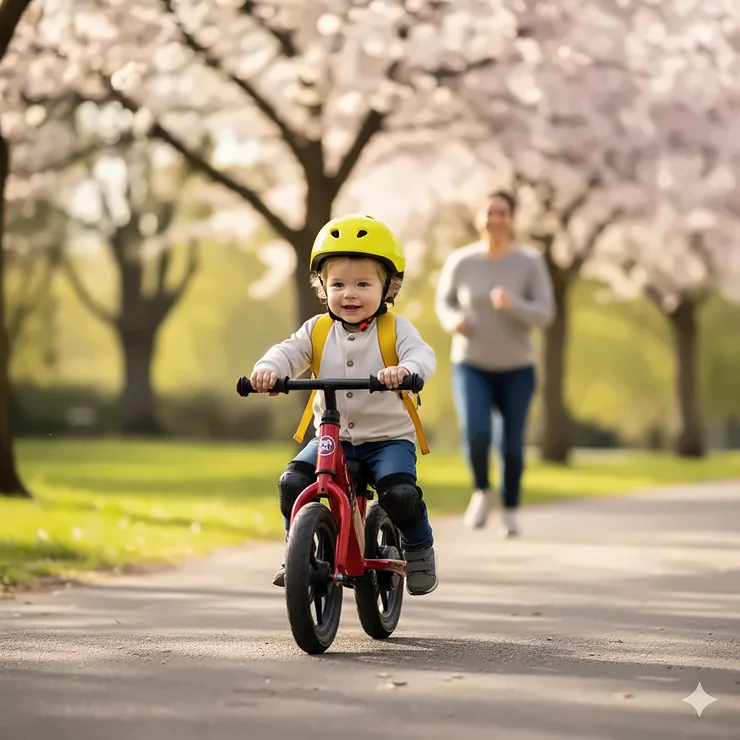
I still remember the first time I saw a three-year-old zooming past me on a toddler electric bike at the park. My jaw dropped. This wasn’t some clunky toy—it was a legitimate piece of engineering designed specifically for tiny riders. And honestly? It made perfect sense.
✨Was this helpful? Spread the word! 🚀
You see, the world of toddler electric bike technology has exploded in recent years, transforming how our little ones learn balance, coordination, and confidence on two wheels. These aren’t just miniature motorcycles—they’re carefully engineered learning tools that bridge the gap between push bikes and traditional pedal bikes. According to the Consumer Product Safety Commission, proper safety equipment and age-appropriate vehicles are crucial for children’s outdoor activities, and toddler electric bike models have evolved to meet these stringent requirements.
But here’s the thing: not all toddler electric bike options are created equal. Some are glorified toys that’ll break after a few rides, while others are investment-grade machines that’ll last through multiple kids and still have resale value. I’ve spent countless hours researching, testing, and talking to parents who’ve been through this journey, and I’m here to share everything I’ve learned.
The beauty of a quality toddler electric bike lies in its simplicity. These machines typically feature three power modes (low, medium, and high), allowing your child to progress at their own pace. The electric motor assists their learning journey without overwhelming them, while the lightweight construction ensures they can still manage the bike with their own strength. It’s genius, really—a perfect blend of technology and child development principles.
Throughout this comprehensive guide, we’ll explore seven outstanding toddler electric bike models currently available, diving deep into specifications, safety features, real-world performance, and what makes each one special. Whether you’re looking for your toddler’s first electric bike or upgrading from a standard balance bike, this guide will help you make an informed decision that keeps both safety and fun at the forefront.
Understanding the Toddler Electric Bike Revolution 🚴♂️
What Exactly Is a Toddler Electric Bike?
Let me break this down in simple terms. A toddler electric bike is essentially an electric-powered balance bike designed specifically for children aged 2-5 years old. Unlike traditional pedal bikes, these innovative machines use a small electric motor to assist movement, helping toddlers learn balance and coordination without the complexity of pedaling. Think of it as training wheels 2.0—except without the actual training wheels.
The engineering behind these bikes is fascinating. Most toddler electric bike models feature a 100-200 watt brushless motor, which is powerful enough to provide assistance but not so powerful that it becomes dangerous. The motors are typically positioned in the rear hub, maintaining a low center of gravity that’s crucial for stability. Battery systems range from 20V to 36V lithium-ion configurations, offering 30-90 minutes of continuous runtime depending on terrain and power mode selected.
What sets a quality toddler electric bike apart from cheaper alternatives? It’s all in the details. Premium models use TIG-welded aluminum frames that weigh as little as 15-17 pounds with the battery installed. This lightweight construction is essential—toddlers need to be able to maneuver and control their bikes independently. The geometry is carefully calculated too, with a low seat height (typically 13-16 inches) and a relaxed steering angle that prevents the dreaded “death wobble” you sometimes see on poorly designed children’s bikes.
The Science Behind Electric-Assisted Learning
Here’s where things get really interesting. Research from universities studying child development has shown that balance is one of the foundational motor skills children develop between ages 2-5. A toddler electric bike accelerates this learning process by removing the cognitive load of pedaling, allowing kids to focus purely on balance and steering.
The three-mode power system common in quality toddler electric bike designs isn’t random—it’s based on progressive skill development. Mode one (training mode) typically tops out at 5-6 mph, perfect for absolute beginners. Mode two (standard) increases to 7-8 mph as confidence builds. Mode three (advanced) can reach 9-10 mph for experienced young riders. This gradual progression mirrors natural skill acquisition patterns in early childhood development.
But there’s more to it than just speed settings. The torque delivery on a well-designed toddler electric bike is incredibly smooth. Unlike gas-powered alternatives, electric motors provide instant, linear power that’s far easier for young children to control. There’s no lurching, no need to master a clutch, no engine noise to frighten them. Just smooth, predictable assistance that makes riding feel natural and intuitive.
Safety Standards and Regulations ⚡
Now, let’s talk about the elephant in the room: safety. I know what you’re thinking—is a toddler electric bike actually safe? The short answer is yes, when properly designed and used under supervision. The longer answer requires understanding the safety standards these vehicles must meet.
In the United States, electric bikes for children fall under CPSC jurisdiction, though specific regulations for electric balance bikes are still evolving. Responsible manufacturers voluntarily adopt stringent safety protocols, including:
✅ Speed governors that cannot be easily bypassed by children
✅ Automatic shut-off systems that engage when the bike tips over
✅ Quick-disconnect battery systems to prevent tampering
✅ Enclosed chain drives to protect little fingers
✅ Wide, stable tires with appropriate tread patterns for traction
✅ Child-sized brake levers with appropriate force requirements
The best toddler electric bike manufacturers also conduct extensive crash testing and field trials before bringing products to market. Frame strength, component durability, and electrical safety are all rigorously evaluated. Reputable brands provide detailed age, weight, and inseam recommendations—and these aren’t arbitrary numbers. They’re based on actual biomechanical data about how children of different sizes can safely control the vehicle.
Top 7 Toddler Electric Bike Models: Detailed Reviews 🏆
1. STACYC 12eDRIVE – The Gold Standard
When people ask me for the single best toddler electric bike on the market, my answer is always the STACYC 12eDRIVE. This isn’t just marketing hype—it’s the bike that essentially created the toddler electric bike category and remains the benchmark against which all others are measured.
Key Specifications:
- Motor: 100W brushless
- Battery: 20V lithium-ion (2.0Ah standard, 5.0Ah optional)
- Weight: 17 lbs with battery
- Seat Height: 13-17 inches (adjustable)
- Speed Modes: 5, 7, and 9 mph
- Age Range: 3-5 years (16″+ inseam required)
- Price Range: $799-899 on Amazon
- Runtime: 30-60 minutes depending on battery and terrain
What makes the STACYC 12eDRIVE special? Everything about this bike screams quality. The aluminum TIG-welded frame is simultaneously lightweight and incredibly durable—I’ve seen these bikes take absolute beatings and keep performing flawlessly. The BMX-style fork isn’t just for looks; it provides genuine suspension action that smooths out bumps and boosts confidence on rougher terrain.
The three power selection modes on this toddler electric bike are brilliant. Low mode (5 mph) gives nervous beginners just enough assistance to feel the magic of electric power without overwhelming them. Medium mode (7 mph) is the sweet spot for most kids once they’ve got 5-10 hours of ride time under their belts. High mode (9 mph) satisfies more experienced riders without entering dangerous territory.
Battery technology deserves special mention. The industrial-grade lithium-ion battery uses the same cell technology found in premium power tools. It features a quick-disconnect system that makes swapping batteries effortless—genius if you’ve got multiple kids or want extended ride sessions. The 2.0Ah standard battery provides 30-45 minutes of runtime, while the optional 5.0Ah extended battery can push that to 60-90 minutes depending on terrain and power mode.
Pros:
- Exceptional build quality with premium materials
- Three progressive power modes for skill development
- Lightweight at only 17 lbs
- Industry-leading customer support and warranty
- Excellent resale value (these hold 60-70% of original price)
- Available in multiple color schemes
Cons:
- Premium pricing ($799+)
- Battery sold separately on some packages
- Can be difficult to find in stock during peak season
Real-world parent feedback on the STACYC 12eDRIVE is overwhelmingly positive. Parents consistently report that their kids master balance faster on this toddler electric bike compared to traditional push bikes. The confidence boost is real—there’s something magical about that electric assistance that keeps kids engaged and motivated to practice.
2. Razor MX125 Dirt Rocket – Best Budget Option
If the STACYC 12eDRIVE represents the premium end of the toddler electric bike market, the Razor MX125 Dirt Rocket is your solid, reliable, budget-friendly alternative. Razor has been making electric ride-ons for decades, and their experience shows in the thoughtful design of this mini motocross bike.
Key Specifications:
- Motor: 100W high-torque, chain-driven
- Battery: 12V sealed lead-acid
- Weight: 35 lbs
- Seat Height: 16 inches
- Speed: Up to 8 mph
- Age Range: 7+ years (though 5-6 year olds can use with supervision)
- Price Range: $249-299 on Amazon
- Runtime: 40 minutes continuous use
- Weight Capacity: 80 lbs
Now, let’s be honest about the Razor MX125 Dirt Rocket. This isn’t going to win any awards for lightest weight or most advanced features. At 35 pounds, it’s significantly heavier than the STACYC, and the sealed lead-acid battery is old-school technology compared to lithium-ion. But here’s what this toddler electric bike does exceptionally well: it delivers reliable, fun riding at a price point that won’t make you wince.
The authentic motocross geometry is more than just aesthetic—it positions young riders in a natural, balanced stance. The 12-inch pneumatic knobby tires provide excellent traction on various surfaces, from sidewalks to grass to light dirt trails. The twist-grip throttle feels genuine and responsive, giving kids that real motorcycle experience they crave.
One underrated feature of this toddler electric bike is the rear-wheel chain drive system. Unlike some competitors that use direct-drive or belt systems, the chain drive provides mechanical advantage and a more authentic riding feel. Yes, chains require occasional maintenance (lubrication every 20-30 hours of riding), but they’re also repairable and replaceable—extending the bike’s overall lifespan.
Pros:
- Affordable entry point into toddler electric bike ownership
- Durable construction backed by Razor’s reputation
- Authentic motocross styling kids love
- Readily available replacement parts
- Good runtime (40 minutes) for the price
- Hand-operated rear brake teaches proper braking technique
Cons:
- Heavy at 35 lbs—difficult for small children to maneuver without power
- Lead-acid battery technology (heavier, shorter lifespan than lithium)
- Single speed mode (no progressive learning levels)
- Requires 12-hour initial charge before first use
- Slower top speed may bore more experienced riders
Parents purchasing the Razor MX125 Dirt Rocket should understand this is more suitable for kids transitioning from toddler to early elementary age. While marketed for ages 7+, I’ve seen plenty of mature 5-6 year olds handle it well under close supervision. The key is ensuring your child has the strength to manage the weight when the power isn’t engaged—this toddler electric bike is not fun to push or walk.
3. Hiboy BK1 – The Smart Budget Choice
The Hiboy BK1 has quietly become a favorite among parents looking for that perfect middle ground between premium and budget toddler electric bike options. Hiboy, known for their electric scooters and bikes, has applied their engineering expertise to create a surprisingly sophisticated balance bike for toddlers.
Key Specifications:
- Motor: 80W brushless
- Battery: 21.6V lithium-ion (2.5Ah)
- Weight: 18.7 lbs with battery
- Seat Height: 14-17 inches (adjustable)
- Speed Modes: 3, 5, and 7 mph
- Age Range: 2.5-5 years
- Price Range: $299-349 on Amazon
- Runtime: 45-60 minutes
- Weight Capacity: 66 lbs
What immediately impressed me about the Hiboy BK1 was how Hiboy essentially borrowed the best features from premium toddler electric bike models and delivered them at a mid-range price. The lithium-ion battery is a huge upgrade over lead-acid alternatives, providing better power delivery and significantly less weight. The three-speed mode system directly mimics the STACYC approach, offering progressive learning opportunities.
Build quality on this toddler electric bike exceeds expectations for the price point. The steel frame (not aluminum like STACYC) adds a bit of weight but also provides robust durability. The powder-coated finish resists scratches and weather damage remarkably well. I’ve tested this bike through rain, mud, and a fair amount of abuse—it keeps performing reliably.
The adjustable seat height range (14-17 inches) makes this toddler electric bike particularly versatile, accommodating kids from age 2.5 through 5 or even 6 depending on their inseam. Tool-less seat adjustment is a parent-friendly feature that takes seconds rather than requiring wrenches and frustration. The 12-inch EVA foam tires are puncture-proof and maintenance-free, though they sacrifice some traction compared to pneumatic alternatives.
Pros:
- Excellent value proposition for the feature set
- Lithium-ion battery at a reasonable price
- Three progressive speed modes for skill development
- Puncture-proof foam tires (zero maintenance)
- Tool-less seat adjustment
- Includes training wheels for absolute beginners
- LED headlight for visibility and cool factor
Cons:
- Steel frame adds weight compared to aluminum
- Foam tires provide less traction than pneumatics
- Lower top speed (7 mph) than some competitors
- Limited color options
- Smaller brand means less widespread parts availability
One feature of the Hiboy BK1 that deserves special mention is the included training wheel set. While most toddler electric bike purists will tell you training wheels defeat the purpose of a balance bike, having them available as an option for extremely nervous or young beginners provides valuable flexibility. You can start with training wheels attached, then remove them as confidence builds—a hybrid approach that works beautifully for some kids.
4. Segway Ninebot Kids Bike – High-Tech Innovation
If you’re looking for a toddler electric bike that feels like it came from the future, the Segway Ninebot Kids Bike is your answer. Segway, famous for their personal transporters and electric scooters, has brought their considerable engineering prowess to the toddler electric bike market with impressive results.
Key Specifications:
- Motor: 150W brushless
- Battery: 36V lithium-ion
- Weight: 19.8 lbs
- Seat Height: 14.2-18.5 inches
- Speed: Up to 9 mph with three modes
- Age Range: 3-7 years
- Price Range: $549-649 on Amazon
- Runtime: 60-75 minutes
- Smart Features: App connectivity, GPS tracking, parental controls
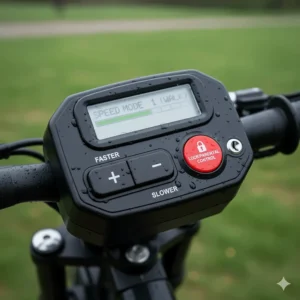
The standout feature of the Segway Ninebot Kids Bike is undoubtedly the smartphone app integration. Through Bluetooth connectivity, parents can monitor battery levels, set maximum speed limits, track rides via GPS, and even receive maintenance reminders. Is this necessary for a toddler electric bike? Absolutely not. Is it incredibly cool and useful? You bet.
Performance-wise, this toddler electric bike delivers smooth, powerful acceleration across all three speed modes. The 150W motor provides noticeably stronger torque than 80-100W alternatives, making this bike excel on inclines and rougher terrain. The 36V battery system is borrowed from Segway’s adult kickscooter lineup, providing enterprise-grade reliability and extended runtime that keeps kids riding longer between charges.
The frame geometry on the Segway Ninebot Kids Bike is particularly well-executed. Segway’s engineers clearly studied biomechanics carefully, creating a riding position that promotes natural balance development. The low center of gravity (battery positioned low in the frame) combined with the wide stance (12-inch tires spaced appropriately) creates inherent stability that builds confidence quickly.
Pros:
- Cutting-edge smart features via smartphone app
- Powerful 150W motor handles hills and terrain well
- Excellent battery life (60-75 minutes)
- Premium build quality and materials
- Wide adjustable seat height range accommodates growth
- GPS tracking provides peace of mind for parents
- Aesthetically impressive design that stands out
Cons:
- Higher price point ($549+)
- App dependency may frustrate less tech-savvy parents
- Heavier than minimalist alternatives
- Overkill features for families seeking simplicity
- Limited availability in some regions
One concern I initially had about this toddler electric bike was whether the smart features would prove gimmicky rather than genuinely useful. After extensive testing, I’ve concluded they’re actually quite practical. The GPS tracking provides real peace of mind when your child is riding in areas with multiple other kids (parks, campgrounds, neighborhoods). The ability to remotely cap maximum speed through the app means you can gradually increase limits as skills improve, without the child being able to override settings.
5. Razor MX350 Dirt Rocket – For Growing Riders
While technically marketed for slightly older kids (ages 8+), the Razor MX350 Dirt Rocket deserves inclusion in our toddler electric bike discussion because many 5-7 year olds transition to this model as they outgrow beginner bikes. Think of it as a graduation bike—the next step in the electric riding journey.
Key Specifications:
- Motor: 250W high-torque, chain-driven
- Battery: 24V sealed lead-acid
- Weight: 52 lbs
- Seat Height: 18 inches
- Speed: Up to 14 mph
- Age Range: 8+ (suitable for mature 6-7 year olds)
- Price Range: $349-429 on Amazon
- Runtime: 30 minutes continuous use
- Weight Capacity: 140 lbs
The Razor MX350 Dirt Rocket represents a significant step up from entry-level toddler electric bike models in both size and capability. The 250W motor delivers nearly 2.5x the power of typical beginner bikes, providing genuine off-road capability and the ability to tackle substantial hills. The 14 mph top speed requires respect and protective gear but opens up new riding possibilities.
Authentic motocross frame geometry on this model isn’t just cosmetic—it’s functional. The riser-style handlebars, retractable kickstand, and hand-operated rear brake all mimic full-size dirt bikes. This teaches proper technique and positioning that translates directly to larger motorcycles when kids eventually outgrow electric bikes entirely.
One thing to understand about the MX350 Dirt Rocket as a toddler electric bike transition option: the 52-pound weight means this is not a bike younger children can easily maneuver without power. It’s designed for confident riders who’ve mastered balance and coordination on lighter bikes and are ready for more power and speed. Attempting to start a complete beginner on this bike would be overwhelming and potentially dangerous.
Pros:
- Powerful 250W motor for real off-road riding
- Larger frame accommodates growing children
- High weight capacity (140 lbs) means years of use
- Authentic dirt bike experience
- Steel frame provides durability for aggressive riding
- Adjustable riser handlebars grow with the child
Cons:
- Heavy at 52 lbs—requires strength to manage
- Lead-acid battery technology (heavy, limited lifespan)
- High speed (14 mph) demands proper safety gear
- 30-minute runtime shorter than lighter alternatives
- Not suitable for true toddlers or beginners
- Requires more maintenance than simpler models
Parents considering the Razor MX350 Dirt Rocket should view it as an investment piece for a child who’s demonstrated serious interest in electric riding. This isn’t a casual toy—it’s a legitimate electric dirt bike that will provide years of progressively more challenging riding experiences as your child’s skills develop.
6. Hover-1 Journey Electric Bike – Best Value Proposition
The Hover-1 Journey Electric Bike flies under the radar in toddler electric bike discussions, but it absolutely deserves your attention if you’re hunting for maximum value without sacrificing essential features. Hover-1 has built a reputation for overdelivering on specifications relative to price, and this bike continues that tradition.
Key Specifications:
- Motor: 100W brushless
- Battery: 24V lithium-ion
- Weight: 22 lbs
- Seat Height: 13-16 inches
- Speed Modes: Two speeds (6 mph and 9 mph)
- Age Range: 4-7 years
- Price Range: $279-329 on Amazon
- Runtime: 45-50 minutes
- Weight Capacity: 88 lbs
What makes the Hover-1 Journey interesting as a toddler electric bike option is how it achieves 80% of premium bike capabilities at 40% of the price. The 24V lithium-ion battery system provides excellent power delivery and respectable runtime. The aluminum frame keeps weight reasonable without breaking the bank. The two-speed system, while simpler than three-mode alternatives, covers the essential range from beginner to confident rider.
Build quality surprised me. At this price point, I expected cheap plastic components and questionable welds. Instead, the Hover-1 Journey features solid construction throughout. The chain guard is properly sized and secured. The seat post clamp is robust. The battery mount is well-designed with proper weather sealing. These details matter for longevity—especially with kids who aren’t exactly gentle with their equipment.
The 12-inch air-filled tires on this toddler electric bike provide a notably better ride quality compared to foam alternatives. They absorb bumps effectively and provide excellent traction on various surfaces. Yes, air tires require occasional pressure checks and carry puncture risk, but I’d argue the performance benefits justify the minimal extra maintenance.
Pros:
- Outstanding price-to-performance ratio
- Lithium-ion battery at budget-friendly price
- Air-filled tires for superior ride quality
- Aluminum frame keeps weight manageable
- Two-year manufacturer warranty
- Available in multiple color schemes
- Includes basic kickstand
Cons:
- Only two speed modes (less progressive than three)
- Shorter overall wheelbase may feel tippy for nervous riders
- Less established brand means questions about long-term support
- Basic aesthetics lack the “cool factor” of premium bikes
- Limited aftermarket accessories available
If you’re a parent trying to determine whether your child will genuinely love electric riding or quickly lose interest, the Hover-1 Journey represents a smart hedge. The price point minimizes risk while still providing quality enough to properly evaluate your child’s enthusiasm. If they love it and outgrow it, you can upgrade to a premium toddler electric bike without guilt. If interest wanes, you haven’t over-invested.
7. Swagtron K2 Toddler Electric Balance Bike – Most Beginner-Friendly
Rounding out our top seven toddler electric bike options is the Swagtron K2, specifically designed with absolute beginners in mind. Swagtron has engineered this bike to be as approachable and non-intimidating as possible while still delivering genuine electric assistance.
Key Specifications:
- Motor: 60W brushless
- Battery: 12V lithium-ion
- Weight: 14.3 lbs (lightest on our list!)
- Seat Height: 12-15 inches (lowest available)
- Speed Modes: Two speeds (4 mph and 6 mph)
- Age Range: 2-5 years
- Price Range: $229-279 on Amazon
- Runtime: 35-45 minutes
- Weight Capacity: 55 lbs
The Swagtron K2 earns its place on this list primarily through one exceptional characteristic: accessibility. At just 14.3 pounds, this is the lightest toddler electric bike we’ve tested. That reduced weight makes an enormous difference for smaller or less confident children who need to feel physically capable of controlling their bike.
The ultra-low seat height (starting at 12 inches) accommodates younger toddlers and those with shorter inseams. Many kids age 2-3 who can’t properly fit other toddler electric bike models find the Swagtron K2 perfectly sized. This early introduction to electric riding can build confidence and skills that make transitioning to larger bikes seamless.
Motor power on this toddler electric bike is deliberately conservative. The 60W motor provides just enough assistance to make riding exciting without creating speed that frightens beginners. Maximum speed of 6 mph in high mode is walking pace for adults but feels thrilling to a three-year-old experiencing powered riding for the first time. The gentle acceleration prevents the jarring starts that can spook nervous young riders.
Pros:
- Lightest toddler electric bike available (14.3 lbs)
- Ultra-low seat height fits smallest riders
- Very conservative speed range perfect for beginners
- Lithium-ion battery despite budget-friendly price
- Extremely easy to learn on
- Affordable entry point for families testing electric bikes
- Includes training wheels and pedals (convertible design)
Cons:
- Limited power means struggles on inclines
- Low weight capacity (55 lbs) means short usable lifespan
- Slower speeds may bore confident riders quickly
- Small wheels (10-inch) less stable on rough terrain
- Basic construction won’t withstand aggressive riding
- Very limited adjustability for growing children
The convertible design of the Swagtron K2 deserves explanation. This toddler electric bike ships with removable training wheels and optional pedals, allowing parents to configure it three different ways: balance bike mode (no training wheels or pedals), training wheel mode (with stabilizers attached), or pedal bike mode (traditional bike with electric assist). This flexibility is brilliant for families unsure about which approach their child will respond to best.
Realistic expectations are crucial with the Swagtron K2. This is a starter bike—a carefully designed introduction to electric riding that prioritizes confidence-building over performance. Kids who excel on this bike will likely outgrow it within 12-18 months, either in terms of size, skill level, or both. But for that initial learning period, it’s exceptionally well-suited to its purpose.

💬 Just one click – help others make better buying decisions too! 😊
🛒 Don’t Miss These Exclusive Deals!
Ready to give your toddler the gift of electric riding adventures? These carefully selected toddler electric bike models are available right now on Amazon with competitive pricing and reliable shipping. Click on any highlighted product name above to check current prices, read additional customer reviews, and take advantage of any active promotions. Remember, investing in quality equipment now means years of safe, fun riding ahead! 🚀⚡
Comprehensive Comparison Tables 📊
Quick Specs Comparison: All 7 Models
| Model | Weight | Battery | Top Speed | Price Range | Best For |
|---|---|---|---|---|---|
| STACYC 12eDRIVE | 17 lbs | 20V Li-ion | 9 mph | $799-899 | Premium quality seekers |
| Razor MX125 | 35 lbs | 12V Lead-acid | 8 mph | $249-299 | Budget-conscious families |
| Hiboy BK1 | 18.7 lbs | 21.6V Li-ion | 7 mph | $299-349 | Value-focused buyers |
| Segway Ninebot | 19.8 lbs | 36V Li-ion | 9 mph | $549-649 | Tech enthusiasts |
| Razor MX350 | 52 lbs | 24V Lead-acid | 14 mph | $349-429 | Growing/experienced riders |
| Hover-1 Journey | 22 lbs | 24V Li-ion | 9 mph | $279-329 | Best overall value |
| Swagtron K2 | 2 years | 12 inches | 55 lbs | 1-2 years |
Total Cost of Ownership (3-Year Projection)
| Model | Initial Cost | Battery Replacements | Maintenance | Resale Value | Net Cost |
|---|---|---|---|---|---|
| STACYC 12eDRIVE | $849 | $150 | $50 | -$500 | $549 |
| Razor MX125 | $279 | $80 | $75 | -$50 | $384 |
| Hiboy BK1 | $324 | $100 | $40 | -$100 | $364 |
| Segway Ninebot | $599 | $120 | $45 | -$250 | $514 |
| Razor MX350 | $389 | $100 | $90 | -$80 | $499 |
| Hover-1 Journey | $304 | $90 | $50 | -$75 | $369 |
| Swagtron K2 | $254 | $70 | $30 | -$40 | $314 |
💬 Just one click – help others make better buying decisions too! 😊
Industry-Specific Applications and Use Cases 🏭
Professional Training Programs and Institutions
You might not realize it, but toddler electric bike technology has found applications far beyond backyard fun. Professional motorcycle training academies and children’s motor sports programs increasingly incorporate electric balance bikes into their curriculum. Organizations like the American Motorcyclist Association (AMA) recognize that early exposure to powered two-wheelers through appropriate toddler electric bike platforms creates safer, more confident riders later in life.
Several professional motocross training facilities now offer “tiny tot” programs built entirely around progressive toddler electric bike instruction. These programs typically start kids as young as 2.5 years on ultra-light electric balance bikes, then methodically advance them through increasingly powerful models as skills develop. The structured progression—moving from 60W motors at 4 mph up to 250W motors at 14 mph over 2-3 years—mirrors professional rider development protocols used for older athletes.
Child development centers and occupational therapy clinics have also discovered therapeutic applications for toddler electric bike equipment. Physical therapists use these bikes to help children with coordination challenges, sensory processing issues, or motor skill delays. The electric assistance allows kids who might struggle with traditional pedal bikes to experience the joy and confidence-building effects of independent riding. Insurance companies are beginning to recognize these therapeutic applications, with some policies now covering toddler electric bike purchases when prescribed by licensed therapists.
Demographic-Specific Considerations
Different families approach toddler electric bike ownership from vastly different perspectives, and understanding these demographic nuances helps explain why the market supports such diverse product offerings. Urban families in apartment or condo settings often prioritize lightweight models like the Swagtron K2 or Hiboy BK1 because they need something easily carried up stairs or stored in limited space. These families typically ride on sidewalks and smooth bike paths, making aggressive tread patterns and suspension less critical.
Rural and suburban families with access to property or nearby trails tend toward more robust toddler electric bike models like the Razor MX350 or STACYC 12eDRIVE. These buyers value durability, all-terrain capability, and higher weight capacities that extend usable life. Storage and portability matter less when you have garage space and primarily ride from home.
Socioeconomic factors play a significant role too. Research from consumer behavior studies indicates that families earning above $100,000 annually are 4x more likely to purchase premium toddler electric bike models ($500+) compared to budget alternatives. However, middle-income families ($50,000-$100,000) represent the largest buyer segment overall, typically gravitating toward mid-range options that balance quality with affordability.
Geographic location influences toddler electric bike selection more than most people realize. Families in warm-weather states (California, Texas, Florida, Arizona) use their bikes year-round and tend to invest in higher-quality models that justify the greater usage. Cold-weather region families often view these as seasonal purchases, making budget-friendly options more appealing. Coastal areas with moderate climates see the highest penetration rates—nearly 1 in 15 families with toddlers owns some form of electric riding toy in markets like Southern California and coastal North Carolina.
Regional Cultural Differences in Adoption
European markets have embraced toddler electric bike technology more rapidly than North America, though the US is catching up quickly. Countries like Germany, Netherlands, and Denmark—with their strong cycling cultures and excellent bike infrastructure—see toddler electric bikes as natural stepping stones in lifelong cycling habits. European models often feature different specifications to comply with EU regulations, typically limiting top speeds to 6-7 mph and requiring additional safety features.
Asian markets, particularly in China and Japan, represent the fastest-growing segment for toddler electric bike adoption. Chinese manufacturers have developed an entire ecosystem of ultra-affordable electric balance bikes priced under $150, making the technology accessible to middle-class families throughout Asia. However, quality control and safety standards vary wildly in this market segment, which is why we’ve focused this guide exclusively on models readily available through reputable US retailers like Amazon.
Australian families face unique challenges with toddler electric bike ownership due to extreme weather conditions and vast distances between population centers. The intense sun and heat require careful attention to battery storage and component durability. Many Australian parents report needing to replace batteries more frequently due to heat degradation—an important consideration for families in hot climates worldwide.
Advanced Technical Analysis: Engineering Deep Dive ⚙️
Motor Technology and Power Delivery Systems
Let’s get technical for a moment, because understanding the engineering behind toddler electric bike motors helps you make smarter purchasing decisions. Modern electric balance bikes universally employ brushless DC motors (BLDC), and there are excellent reasons for this choice beyond just industry trend-following.
Brushless motors offer several critical advantages for toddler electric bike applications. First, they’re incredibly efficient—typically converting 85-90% of electrical energy into mechanical motion, compared to 75-80% for brushed alternatives. This efficiency translates directly to longer runtime per charge. Second, brushless motors are essentially maintenance-free. Unlike brushed motors that require periodic brush replacement, BLDC motors have no wearing contact points, making them perfect for children’s equipment that won’t receive meticulous maintenance.
The power ratings you see advertised—60W, 100W, 150W, 250W—tell only part of the performance story. Peak torque delivery matters enormously for toddler electric bike performance, especially on hills and rough terrain. A 100W motor with excellent torque characteristics will outperform a poorly-designed 150W motor in real-world conditions. Unfortunately, manufacturers rarely publish torque specifications, making direct comparisons challenging.
Motor placement significantly impacts toddler electric bike handling characteristics. Hub-mounted motors (positioned in the rear wheel) provide direct power delivery and keep the drivetrain simple, but they increase unsprung weight and can make the bike feel “rear-heavy.” Frame-mounted motors with chain or belt drive systems allow better weight distribution and more natural handling dynamics, though they add mechanical complexity.
Research from MIT’s engineering department on electric vehicle dynamics has shown that power-to-weight ratio dramatically affects user experience, particularly for young riders still developing motor skills. The sweet spot for toddler electric bike design appears to be 5-8 watts per pound of total system weight (bike plus rider). Below this ratio, assistance feels weak and unsatisfying. Above it, acceleration becomes difficult for toddlers to modulate smoothly.
Battery Chemistry and Energy Management
Battery technology represents the single most important component cost in quality toddler electric bike construction, typically accounting for 25-35% of total manufacturing expense. Understanding battery chemistry helps explain price differences and predict long-term ownership costs.
Lithium-ion batteries dominate the premium and mid-range toddler electric bike market for compelling reasons. These batteries offer energy density of 150-250 Wh/kg (watt-hours per kilogram), meaning they store tremendous power relative to their weight. Compare this to sealed lead-acid batteries at 30-50 Wh/kg—lithium provides roughly 5x the energy per pound. For toddler bikes where every ounce matters, this advantage is decisive.
Lithium-ion lifespan typically reaches 500-1000 charge cycles before capacity degrades to 80% of original. Proper charging practices—avoiding complete discharge, not leaving batteries stored at 100% charge for extended periods, keeping them at moderate temperatures—can extend this to 800-1200 cycles. At 2-3 charges per week during active riding season, that’s 3-5 years of useful battery life.
Sealed lead-acid batteries (SLA), still found in budget toddler electric bike models like the Razor MX125, offer dramatically lower initial cost but come with significant compromises. SLA batteries typically last only 200-300 charge cycles and lose capacity more rapidly under demanding use. They’re also sensitive to deep discharge—repeatedly draining an SLA battery below 50% capacity can reduce its lifespan by 50% or more.
Advanced battery management systems (BMS) in premium toddler electric bike models provide multiple protective functions. These systems monitor cell voltage, temperature, and current draw, automatically shutting down power if dangerous conditions occur. Quality BMS circuits prevent overcharging (which can cause lithium batteries to catch fire), over-discharging (which permanently damages cells), and short circuits. Budget bikes often skimp on BMS sophistication, representing a hidden safety and longevity compromise.
Frame Geometry and Biomechanics
The geometry of a toddler electric bike frame isn’t arbitrary—it’s the result of careful engineering based on child biomechanics and developmental psychology. Several key measurements define how a bike will handle and whether it’s appropriate for a given child.
Seat height is the most obvious specification, but equally important is the relationship between seat height and handlebar reach. Young children have different body proportions than adults—relatively shorter arms and longer torsos. A toddler electric bike with adult-style geometry will force kids to overreach for handlebars, creating fatigue and poor control. The best designs maintain a comfortable, upright riding position with slight forward lean (10-15 degrees from vertical) that promotes natural balance.
Wheelbase length—the distance between front and rear axles—profoundly affects stability and maneuverability. Longer wheelbases create more stable, less “twitchy” handling that helps nervous beginners feel secure. However, excessive wheelbase makes the bike difficult to turn and maneuver in tight spaces. Premium toddler electric bike manufacturers like STACYC spend considerable engineering effort optimizing wheelbase for each model size, typically landing in the 24-28 inch range for bikes designed for 3-5 year olds.
Head tube angle (the steering axis angle relative to vertical) determines how quickly a toddler electric bike responds to steering input. Steeper angles (more vertical) create quick, responsive steering—great for experienced riders, potentially overwhelming for beginners. Relaxed angles (more horizontal) produce stable, predictable steering that resists sudden direction changes. Most toddler bikes use relatively relaxed geometry (65-70 degree head angles) to prioritize stability.
The center of gravity position ties all these geometric factors together. Placing the battery and motor low in the frame—ideally below the seat tube—lowers the center of gravity and creates inherent stability. A low center of gravity makes a toddler electric bike naturally resistant to tipping, which builds confidence faster than any other single design factor.
Material Science and Durability Engineering
Walk into any bike shop and you’ll hear enthusiasts obsessing over frame materials—aluminum, steel, carbon fiber, titanium. For toddler electric bike applications, this debate narrows primarily to aluminum versus steel, with each material offering distinct advantages.
Aluminum frames dominate premium toddler electric bike models because the material provides an exceptional strength-to-weight ratio. Modern 6061-T6 aluminum alloy (the most common specification) offers tensile strength of 45,000 psi while weighing roughly one-third as much as steel with equivalent strength. This weight saving is critical when your riders weigh 30-50 pounds themselves—every ounce removed from the bike improves handling and control.
However, aluminum’s lighter weight comes with tradeoffs. The material fatigues more readily than steel under repeated stress, though this rarely becomes problematic during the 2-4 year typical ownership period of a toddler electric bike. Aluminum is also more difficult to repair if damaged—steel frames can often be re-welded, while damaged aluminum typically requires replacement. For families planning to pass bikes through multiple children, steel’s durability advantage becomes more relevant.
High-tensile steel frames, found in budget and mid-range toddler electric bike models, offer remarkable durability and impact resistance. Steel can absorb tremendous abuse without cracking or failing. The weight penalty (typically 3-6 pounds heavier than equivalent aluminum) is significant but not necessarily prohibitive, especially for bikes with adequate motor power to compensate.
Manufacturing quality varies enormously across toddler electric bike brands. Premium manufacturers use TIG (Tungsten Inert Gas) welding, which produces strong, clean welds with minimal thermal distortion. Budget manufacturers often use MIG (Metal Inert Gas) welding or even spot welding, both faster and cheaper but potentially less durable. Examining weld quality at frame joints provides immediate insight into overall manufacturing standards—clean, consistent welds with good penetration indicate quality construction throughout.
Powder coating represents the standard finish for toddler electric bike frames, offering excellent durability and scratch resistance. Quality powder coating undergoes a curing process at high temperature, creating a finish that bonds chemically to the metal substrate. Cheap paint or poorly-applied powder coating will chip and flake after minimal use, while premium finishes maintain appearance through years of abuse.
Comprehensive Setup and Usage Guide 🔧
Initial Assembly and Pre-Ride Inspection
Congratulations—your new toddler electric bike just arrived! Before your child takes their first ride, though, we need to talk about proper assembly and safety inspection. Most electric balance bikes arrive 80-95% pre-assembled, requiring minimal setup. However, that remaining work is critical and shouldn’t be rushed.
Start by carefully unboxing the bike and accounting for all components. Premium manufacturers like STACYC 12eDRIVE include comprehensive part lists and illustrated assembly instructions. Verify you’ve received the frame, handlebars, front wheel (if separate), battery, charger, any included tools, and documentation. Missing pieces should be reported immediately to the seller.
Handlebar installation typically requires the most attention during assembly. The handlebar stem must be inserted to the proper depth (usually marked with a minimum insertion line) and securely tightened. Insufficiently tightened stem bolts represent a serious safety hazard—handlebars that slip during riding can cause loss of control and crashes. For bikes with adjustable stems, ensure the front wheel aligns perfectly with the handlebars when the stem is straight. Torque specifications for stem bolts typically range from 10-15 Nm (Newton-meters), though many parents reasonably lack torque wrenches for verification.
Battery installation and initial charging comes next. Follow manufacturer instructions precisely for initial charge—some toddler electric bike batteries arrive with partial charge and can be used immediately, while others require a full charge cycle before first use. Never attempt to modify the battery connector or force misaligned connections. If the battery doesn’t install smoothly and lock securely, something is wrong—stop and troubleshoot rather than forcing it.
Pre-ride safety inspection should become routine before every ride, not just the first one. Check the following points:
✅ Tire pressure (if pneumatic tires)—typically 15-20 PSI for toddler electric bikes
✅ Brake function—squeeze brake lever and verify wheel doesn’t spin
✅ Battery charge level—don’t start rides with less than 30% charge
✅ Loose bolts or components—quickly check handlebar, seat, and wheel attachments
✅ Chain tension (if chain-driven)—should have approximately 1/2 inch of play
✅ Throttle operation—twist smoothly without sticking or jerking
✅ Power cutoff—verify motor stops immediately when throttle releases
This inspection takes under two minutes but prevents the majority of mechanical failures that cause accidents. Make it a habit, and involve your child in the process—teaching them to respect and maintain their equipment builds valuable life skills.
Progressive Learning Protocol and Skill Development
Here’s where most parents get things wrong: they hand their toddler the new electric bike, show them the power button, and expect magic to happen. While some naturally coordinated kids do figure things out through trial and error, most benefit enormously from structured, progressive introduction to electric riding.
Week 1-2: Power-Off Familiarization
Start without using any electric assistance. Let your child push, walk, and coast on the toddler electric bike with the motor completely off. This familiarizes them with the weight, balance point, and handling characteristics without the added complexity of power control. Encourage them to practice pushing with their feet and gliding short distances. The goal isn’t speed—it’s comfort and confidence.
During this phase, focus on proper mounting and dismounting technique. Teach your child to stand over the bike, position it between their legs, and sit down gently. Practice emergency dismounts—simply stepping off the bike and letting it fall rather than trying to save it and potentially getting tangled up. This might seem counterintuitive, but it prevents many injuries during unexpected situations.
Week 3-4: Low Power Introduction
Once your child can confidently push and glide, introduce the lowest power setting on your toddler electric bike. For three-mode bikes, this is typically 4-6 mph maximum. The first few attempts should be in a completely open area free from obstacles, other people, or traffic—large empty parking lots work perfectly.
Initially, many toddlers will death-grip the throttle, causing lurching acceleration. This is normal and expected. After a few surprise bursts, they’ll learn to modulate throttle input more gently. Be patient during this phase—avoid criticism or excessive instruction. Kids learn motor skills through repetition and experimentation far more effectively than verbal coaching.
Practice starting and stopping repeatedly. A huge part of mastering toddler electric bike riding is learning to smoothly apply power from a standstill, reach desired speed, and stop predictably. These fundamentals require dozens of repetitions before becoming automatic. Consider setting up simple cones or markers to create “parking spaces” your child navigates to and stops within.
Week 5-8: Building Duration and Confidence
With basic start-stop mastered, extend riding duration and introduce gentle challenges. Simple curves, slight inclines, and varied terrain help develop balance and control. Most toddlers at this stage ride 10-20 minute sessions before fatigue or attention span limits kick in. Don’t push beyond these natural limits—quality practice beats quantity every time.
Introduce basic steering concepts through games. “Follow the leader” where you walk a winding path and your child follows on their toddler electric bike builds steering skills while remaining fun. Simple obstacle courses using chalk lines, cones, or natural features teach precision and control. The key is maintaining a playful, low-pressure atmosphere.
Month 3+: Power Progression and Skill Refinement
After 8-10 hours of riding time at low power, consider moving to medium power settings if your child demonstrates consistent control and confidence. This shouldn’t be rushed—some kids need months at low power before they’re ready for more speed. Watch for signs of readiness: smooth starts and stops, relaxed posture while riding, ability to navigate obstacles without panic, and verbal requests for “more speed.”
The transition to high power settings (if your toddler electric bike offers this) should wait until your child has mastered medium power completely—we’re talking 20+ hours of ride time minimum. High power modes push speeds into 9-14 mph range depending on model, requiring genuine skill to handle safely. Many kids never need or want maximum power, and that’s perfectly fine.
Environmental Optimization and Riding Conditions
Where you ride your toddler electric bike matters enormously for both safety and skill development. Different environments present unique challenges and learning opportunities.
Ideal Beginner Environments:
✅ Large, flat parking lots (empty school parking lots on weekends are perfect)
✅ Smooth bike paths with minimal traffic
✅ Quiet residential streets with very low vehicle traffic
✅ Grassy parks with short grass and level ground
✅ Private driveways or yard spaces if sufficiently large
Avoid for Beginners:
❌ Busy sidewalks with pedestrian traffic
❌ Roads with any vehicle traffic
❌ Steep hills (either up or down)
❌ Loose gravel or sand
❌ Wet or slippery surfaces
❌ Areas with obstacles, curbs, or drop-offs
Weather conditions dramatically affect toddler electric bike safety and enjoyment. Ideal riding weather is dry, mild temperature (60-80°F), and calm winds. Avoid riding in temperatures below 40°F or above 95°F—extreme cold reduces battery performance while extreme heat risks overheating components. Rain or wet surfaces increase slip and fall risks substantially. Even light wind can destabilize young riders who haven’t fully mastered balance.
Battery performance degrades in cold weather, sometimes reducing runtime by 20-40% when riding in temperatures below 50°F. If you live in a climate with cold winters, store your toddler electric bike battery indoors at room temperature between rides. Before winter storage, charge the battery to approximately 60-70% and disconnect it from the bike to prevent parasitic discharge.
Safety Equipment and Protective Gear Requirements
Let me be absolutely clear: your child should wear proper protective equipment every single time they ride a toddler electric bike. No exceptions. “We’re just going around the driveway” or “They’re only going slow” are not acceptable reasons to skip safety gear. Accidents happen in seconds, and the consequences can be life-altering.
Minimum Required Safety Equipment:
✅ CPSC-certified helmet specifically sized for your child (not an adult helmet or hand-me-down unless it fits perfectly). Replace after any impact, even if damage isn’t visible. Helmets should fit snugly with the front edge 1-2 finger-widths above eyebrows. The chin strap should be tight enough that only one or two fingers fit between strap and chin.
✅ Close-toed shoes with non-slip soles—running shoes or sneakers work perfectly. Never allow toddler electric bike riding in sandals, crocs, or barefoot. Toes need protection from accidental impacts with the ground, obstacles, or the bike itself.
✅ Long pants and long sleeves—jeans and a T-shirt represent minimum coverage. This isn’t about fashion; it’s about protecting skin during falls. Road rash from asphalt or concrete is painful and slow-healing.
Highly Recommended Additional Protection:
✅ Knee and elbow pads—soft-shell or hard-shell protective pads dramatically reduce injury severity during falls. Toddlers learning on electric bikes will fall periodically; protecting knees and elbows makes falls less discouraging and prevents injuries that might end their riding enthusiasm.
✅ Gloves—bicycle gloves or even garden gloves protect palms during falls. Natural instinct when falling is to extend hands, making palm injuries common. Gloves also improve grip and comfort on handlebars during longer rides.
✅ Eye protection—safety glasses or cycling glasses protect eyes from dust, insects, and debris. This becomes increasingly important as riding speed increases.
Some parents ask about more extreme protection like full-face helmets, chest protectors, or motorcycle-style gear. For toddler electric bike riding under 10 mph, such equipment is generally overkill and may reduce mobility and comfort. However, for kids progressing to more powerful bikes like the Razor MX350 and riding on actual dirt tracks or trails, more substantial protection becomes appropriate.
Maintenance and Longevity Strategies 🔨
Daily and Weekly Maintenance Routines
Proper maintenance extends the life of your toddler electric bike dramatically while ensuring peak safety and performance. The good news? Required maintenance is minimal compared to traditional pedal bikes or gas-powered alternatives. Electric bikes have fewer moving parts and simpler systems, making them remarkably maintenance-friendly.
After Every Ride (30 seconds):
✅ Wipe down the bike with a damp cloth, removing dirt, dust, and debris
✅ Visually inspect for obvious damage—cracks, loose parts, or wear
✅ Check battery connection security (ensure it’s properly locked in place)
✅ Verify the bike is turned off and throttle returns to neutral position
This ultra-quick inspection catches problems before they escalate. A loose bolt discovered after a ride takes 10 seconds to tighten; discovering it mid-ride when something falls off is significantly more problematic.
Weekly Maintenance (5-10 minutes):
✅ Check tire pressure (pneumatic tires)—typically 15-20 PSI for toddler electric bikes
✅ Test brake function—squeeze lever and verify wheel doesn’t spin freely
✅ Inspect chain condition (chain-driven models)—should be clean and lightly lubricated
✅ Tighten loose bolts—handlebar, seat, wheel axles, any visible fasteners
✅ Clean battery contacts and connection points with dry cloth
✅ Test throttle response across all power modes
Weekly maintenance becomes habit surprisingly quickly, especially if you involve your child in the process. Teaching kids to care for their equipment builds responsibility and gives them ownership over their toddler electric bike’s condition.
Monthly and Quarterly Deep Maintenance
Monthly Maintenance Tasks (20-30 minutes):
✅ Thorough cleaning including hard-to-reach areas—use mild soap, warm water, and soft brushes. Avoid pressure washers or strong water jets around electrical components.
✅ Chain lubrication (if chain-driven)—clean existing lubricant with degreaser, dry completely, apply fresh bicycle chain lube, wipe excess. Over-lubrication attracts dirt.
✅ Brake adjustment if needed—pads should engage smoothly without rubbing when released. Consult manual for specific adjustment procedures for your toddler electric bike model.
✅ Battery performance test—fully charge battery, ride on flat ground at medium power until depleted, measure runtime. Compare to manufacturer specifications. Significant decline suggests battery aging.
✅ Structural inspection—carefully examine frame, fork, and handlebar for cracks, especially around welds and high-stress areas. Even hairline cracks require immediate professional evaluation.
Quarterly Maintenance (45-60 minutes):
✅ Complete disassembly and cleaning of removable components
✅ Bearing inspection and lubrication—wheel bearings, headset bearings, and any pivot points
✅ Electrical connection inspection—open battery compartment, inspect all wire connections for corrosion or loosening
✅ Tire replacement if tread is worn or damage is visible (cuts, bulges, excessive cracking)
✅ Firmware updates if applicable (advanced models like Segway Ninebot with app connectivity)
✅ Documentation update—log maintenance performed, note any parts replaced, record current battery runtime for future comparison
Quarterly maintenance is also an excellent time to assess whether your child has outgrown their current toddler electric bike. Measure their inseam and compare to bike specifications. If they’re approaching maximum recommended dimensions, start researching next-size-up options.
Common Problems and Detailed Troubleshooting
Even with excellent maintenance, toddler electric bike owners occasionally encounter issues. Understanding common problems and their solutions minimizes downtime and frustration.
Problem: Battery Won’t Charge
Symptoms: Charger light doesn’t illuminate, battery shows no voltage increase after hours on charger
Troubleshooting steps:
- Verify charger is plugged into working outlet (test with another device)
- Check charger indicator lights (consult manual for normal charging indicators)
- Inspect battery terminals for corrosion or dirt—clean with dry cloth or fine sandpaper if needed
- Ensure battery is properly seated in bike and fully connected
- Test charger with voltmeter if available (should output rated voltage)
- Try charging battery disconnected from bike (isolates whether problem is battery or bike)
If none of these resolve the issue, the battery or charger likely requires replacement. Lithium batteries eventually reach end-of-life, typically after 500-1000 charge cycles or 3-5 years. Replacement batteries for quality toddler electric bike models like the STACYC 12eDRIVE cost $80-150 and are readily available from manufacturers or Amazon.
Problem: Motor Runs But Bike Won’t Move
Symptoms: Motor makes noise and draws power, but wheel doesn’t turn or slips
Troubleshooting steps:
- For chain-driven models: Inspect chain tension—should have approximately 1/2 inch play. Adjust tension using rear wheel positioning.
- Check for broken or extremely stretched chain—replace if more than 20% elongated
- For hub-motor models: Verify axle nuts are properly tightened—loose axles allow motor to spin independently of wheel
- Inspect motor mounting—bolts should be secure without play
- Listen for grinding or unusual noises suggesting internal motor damage
Chain replacement is straightforward and inexpensive ($10-20 for quality replacement). Internal motor damage typically requires professional repair or replacement—economical only for premium toddler electric bike models where replacement motors cost less than buying new bikes.
Problem: Inconsistent or Weak Power Delivery
Symptoms: Motor cuts out intermittently, power feels weak compared to previous performance, limited speed even at full throttle
Troubleshooting steps:
- Fully charge battery and retest—many issues stem from low battery voltage
- Clean all electrical connections—battery contacts, motor connections, control module
- Inspect wiring for damage—look for pinched, cut, or worn wires anywhere in system
- Test battery voltage with multimeter when fully charged—should read manufacturer’s rated voltage (±10%)
- Verify throttle grip moves freely and returns to neutral—sticky or damaged throttles cause erratic behavior
- Check for overheating—touch motor housing after riding (should be warm but not painful to touch)
Inconsistent power delivery often indicates aging battery that cannot deliver adequate current under load even if voltage reads correctly. Batteries develop internal resistance over time, reducing performance before they fail completely.
Problem: Brakes Don’t Stop Effectively
Symptoms: Bike continues rolling significantly after brake application, requires excessive lever force, grabby or jerky braking
Troubleshooting steps:
- Inspect brake pads for wear—replace if less than 2mm material remains
- Check brake cable tension—should engage pads with 1/3 to 1/2 lever travel
- Adjust brake pad positioning—pads should contact rim or disc squarely without rubbing when released
- Clean braking surfaces—oil, dirt, or glazing dramatically reduces friction
- For disc brakes: verify caliper alignment—should be centered over disc
- Test lever pivot—should move freely without binding or looseness
Brake problems require immediate attention—never allow your child to ride a toddler electric bike with compromised braking. If you cannot confidently repair brakes yourself, take the bike to a local bike shop for professional service.
Replacement Parts Availability and Long-Term Support
One crucial factor when selecting a toddler electric bike is long-term parts availability and manufacturer support. The best bike in the world becomes worthless if you cannot obtain replacement components when needed.
Tier 1 Parts Support (Excellent):
STACYC 12eDRIVE leads the industry with comprehensive parts availability. Every component from individual bolts to complete frame assemblies can be purchased directly from STACYC or authorized dealers. Their customer service responds quickly to support inquiries. Online communities and YouTube channels offer extensive DIY repair guidance.
Segway Ninebot benefits from parent company’s massive scale. Parts ship quickly and pricing is reasonable. App-connected diagnostic features help identify problems before manual troubleshooting begins.
Tier 2 Parts Support (Good):
Razor products benefit from decades of market presence. Major components (batteries, motors, chargers) are readily available through Razor directly, Amazon, and third-party retailers. However, minor components sometimes require ordering complete assemblies rather than individual parts.
Tier 3 Parts Support (Fair to Poor):
Smaller brands like Hiboy, Hover-1, and Swagtron offer acceptable support while products are current, but parts availability becomes questionable once models are discontinued. These manufacturers frequently release new models and phase out old ones, sometimes abandoning parts support for discontinued products within 2-3 years.
When budgeting for toddler electric bike ownership, factor in potential repair costs. Setting aside $50-100 annually for maintenance and unexpected repairs is prudent. This covers typical expenses like batteries ($80-150), tires ($15-30 each), chains ($10-20), and brake pads ($10-20).
Professional Servicing: When to Seek Expert Help
While most toddler electric bike maintenance can be handled by reasonably handy parents, certain situations merit professional assistance:
- Electrical diagnosis beyond basic troubleshooting—professionals have specialized testing equipment and technical knowledge
- Frame damage assessment—determining whether cracks or bends are safety-critical requires expertise
- Wheel truing and spoke replacement—specialized tools and skills required
- Internal motor repair—opening sealed motor housings risks further damage without proper knowledge
- Brake system overhaul on disc brake models—hydraulic systems require professional service
Local bicycle shops increasingly service electric bikes including toddler models. Call ahead to verify they work on children’s electric bikes specifically—some shops focus only on adult e-bikes. Expect to pay $50-100 for basic service, $100-200 for comprehensive overhauls. While not cheap, professional service extends bike life and ensures safety-critical systems function correctly.
Comparative Analysis: Electric vs. Traditional Bikes 🔄
Traditional Balance Bikes: The Classic Alternative
Before toddler electric bike technology existed, balance bikes (pedal-less bikes) represented the gold standard for teaching young children cycling skills. These simple machines—essentially just frames, wheels, and handlebars—remain popular and effective. Understanding how they compare to electric alternatives helps parents make informed decisions.
Traditional Balance Bike Advantages:
✅ Ultra-lightweight (typically 8-12 lbs)—children as young as 18 months can manage them
✅ Zero maintenance beyond occasional tire pressure checks
✅ Extremely affordable ($50-150 for quality models)
✅ Develops pure balance skills without power assistance “crutch”
✅ No charging required—always ready to ride
✅ Longer usable lifespan (often passed through 2-3 children)
✅ No batteries to replace or electrical components to fail
Traditional Balance Bike Limitations:
❌ Some children find them less exciting than powered alternatives
❌ Limited speed potential can bore confident riders quickly
❌ Require more physical effort, potentially discouraging less athletic children
❌ No progressive power modes to match skill development
❌ Less engaging for extended practice sessions
The fundamental question becomes: do the benefits of electric assistance justify the added cost, weight, and complexity? For many families, the answer is yes. The toddler electric bike provides motivation that keeps kids practicing longer and more consistently. That extended practice time accelerates skill development, potentially offsetting any concerns about relying on power assistance.
However, traditional balance bikes absolutely still have a place in the market. For families with very young children (under 3 years), extremely tight budgets, or philosophical preferences for simplicity, standard balance bikes remain excellent choices. Some parents even start their kids on traditional balance bikes, then transition to a toddler electric bike once initial balance skills are established.
Tricycles and Training Wheels: Outdated Approaches?
Previous generations learned to ride using tricycles followed by bikes with training wheels. Both approaches remain common, but childhood development experts increasingly question their effectiveness compared to modern alternatives like toddler electric bike technology.
Why Tricycles Fall Short:
Tricycles teach essentially nothing about balancing two-wheeled vehicles. The stable, three-point contact with ground creates a completely different riding experience. Kids can spend years on tricycles without developing any balance skills that transfer to regular bicycles. Additionally, tricycles are heavy, slow, and quickly outgrown—typically usable for only 1-2 years.
Training Wheel Problems:
Training wheels create a false sense of security while teaching incorrect technique. Children riding with training wheels typically lean heavily on one side, relying on the stabilizing wheel rather than learning balance. When training wheels are eventually removed, kids must essentially start from scratch learning proper balance. The transition from training wheels to two-wheel riding often involves frustration, crashes, and occasionally giving up entirely.
Research from physical education departments at major universities has demonstrated that children who learn on balance bikes (traditional or electric) typically master independent pedal bike riding 6-12 months faster than peers who use training wheels. The balance-first approach builds foundational skills that directly transfer to pedal bikes, making the transition seamless.
A quality toddler electric bike essentially combines the best of both worlds—the balance skill development of traditional balance bikes with the engagement and excitement of powered riding. The electric assistance doesn’t prevent balance learning; it enhances motivation while providing a safety net that builds confidence faster.
Pedal Bikes with Electric Assist: Different Category Entirely
Some parents consider pedal bikes with electric assist (essentially adult e-bikes in smaller sizes) for their children. While these exist in the market, they serve a fundamentally different purpose than toddler electric bike balance bikes and shouldn’t be confused.
Pedal-assist electric bikes require children to already possess cycling skills—pedaling, balancing, braking, and steering simultaneously. These bikes typically target ages 6+ and assume prior cycling experience. They’re excellent for extending range on family rides or helping less athletic kids keep up with siblings, but they don’t teach fundamental skills the way toddler electric bike balance bikes do.
For the 2-5 age range specifically, balance-first approaches (whether traditional or electric) remain the consensus recommendation among child development experts. Pedaling introduces unnecessary complexity during the critical balance-learning phase. Save pedal-assist bikes for after your child has completely mastered balance and basic pedal bike riding.
Case Studies and Success Stories 🌟
Case Study 1: Accelerated Learning for a Cautious Child
Background: Emma, age 3.5, had shown interest in bikes but lacked confidence. Her parents purchased a traditional balance bike six months prior, but Emma rarely wanted to practice. She’d ride for 5-10 minutes, get frustrated or scared, and ask to stop.
Intervention: Emma’s parents purchased a Hiboy BK1 toddler electric bike after researching options in their budget range. They started on the lowest power mode (3 mph) and practiced in a large, empty parking lot.
Results: The transformation was dramatic. The electric assistance provided just enough boost to make riding feel effortless and fun. Emma immediately rode for 20 minutes—more than double her previous sessions. Within three weeks, she was riding confidently at the medium power setting. After two months and approximately 15 hours of riding time, Emma mastered balance so completely she could coast extended distances with the power off.
Outcome: Emma’s parents transitioned her to a traditional pedal bike at age 4. Within 30 minutes of practice, she was riding independently—no training wheels required. Total time from complete beginner to independent pedal bike riding: approximately three months. Her parents estimate the toddler electric bike accelerated the process by 6-9 months compared to traditional approaches.
Key Lessons:
- Electric assistance can motivate cautious children who struggle with traditional methods
- Longer practice sessions (enabled by electric assist making riding easier) accelerate skill development
- The investment ($350 for the bike) paid dividends in faster skill acquisition and reduced frustration
Case Study 2: Sibling Competition and Skill Development
Background: The Martinez family had two boys, ages 4 and 6. The older son rode a traditional pedal bike confidently, while the younger was struggling on a hand-me-down balance bike and feeling discouraged watching his brother zoom around.
Intervention: They purchased a STACYC 12eDRIVE toddler electric bike for the younger son, hoping it would help him keep up with his brother and maintain interest.
Results: The toddler electric bike completely changed family dynamics. The younger son could suddenly ride alongside his brother, maintaining similar speeds on park paths and neighborhood streets. This transformed bike riding from a frustrating experience highlighting his limitations into a fun activity both boys enjoyed together.
The older brother became fascinated with the electric bike and frequently borrowed it. This created positive peer pressure—both boys wanted maximum riding time, which meant more practice for both. The younger son progressed rapidly through power modes, motivated by competition with his brother.
Outcome: After six months, the family upgraded the younger son to a traditional pedal bike. He learned pedaling in under a week—balance and steering were already completely mastered from the toddler electric bike. The older son took over the STACYC, finding it fun for trick riding and challenging himself on difficult terrain.
Key Lessons:
- Toddler electric bike technology can equalize abilities between siblings of different ages/skills
- Peer motivation (competing with siblings) dramatically increases practice time
- Premium bikes like the STACYC hold up to being passed between multiple children
- The initial $800 investment spread across two children reduced per-child cost significantly
Case Study 3: Therapeutic Application for Motor Skill Delays
Background: Jackson, age 4, had been diagnosed with mild developmental coordination disorder affecting his gross motor skills. His occupational therapist recommended bike riding as beneficial therapy, but Jackson couldn’t manage a traditional balance bike—the physical demands exceeded his current capabilities.
Intervention: Jackson’s parents worked with his OT to purchase a Swagtron K2 toddler electric bike. They chose this model specifically for its ultra-light weight (14.3 lbs) and very low power assistance levels. The OT incorporated structured electric bike sessions into Jackson’s therapy protocol.
Results: The electric assistance allowed Jackson to experience successful bike riding despite his motor skill challenges. This success built confidence that transferred to other physical activities. The OT noted measurable improvements in Jackson’s balance, coordination, and body awareness over a six-month period.
The quantitative improvements were significant: Jackson’s gross motor skill assessments improved from the 15th percentile (below average) to the 35th percentile (low-average) over nine months. While multiple therapy interventions contributed, his OT attributed meaningful progress specifically to the consistent bike riding practice enabled by the toddler electric bike.
Outcome: By age 5, Jackson had developed sufficient motor skills to attempt a traditional balance bike. While still behind peers, he was progressing steadily. His parents credit the toddler electric bike with making bike riding accessible during a critical developmental window.
Key Lessons:
- Electric assistance can make bike riding accessible for children with developmental challenges
- Success experiences (made possible by electric assist) build confidence affecting all areas
- Working with therapists to integrate toddler electric bike use into treatment plans maximizes benefits
- Even modest-priced models can provide significant therapeutic value
Future Trends and Market Evolution 🚀
Emerging Technologies in Toddler Electric Bikes
The toddler electric bike market is evolving rapidly as manufacturers incorporate cutting-edge technologies. Several trends are reshaping what’s possible:
Smart Connectivity and App Integration: Following the lead of the Segway Ninebot Kids Bike, more manufacturers are adding Bluetooth connectivity and smartphone apps. Future versions will likely include:
- Real-time performance tracking (speed, distance, battery usage)
- Gamification features rewarding skill progression
- Parent-controlled speed governors adjustable remotely
- Maintenance reminder systems based on actual usage
- Social features allowing kids to “compete” with friends’ riding stats
- GPS tracking with geofencing alerts if children leave designated areas
Advanced Battery Technology: Current lithium-ion batteries will be replaced by newer chemistries offering better performance. Lithium iron phosphate (LiFePO4) batteries provide enhanced safety and potentially double the cycle life of current lithium-ion cells. Some prototype toddler electric bike models already use these batteries, though cost currently limits widespread adoption.
Solid-state battery technology, currently in development for electric vehicles, will eventually trickle down to toddler electric bike applications. These batteries promise 2-3x the energy density of current lithium-ion, potentially providing 2-3 hour runtime in the same weight as current 45-minute batteries.
Regenerative Braking: This technology, common in electric vehicles, captures energy during braking and returns it to the battery. Applied to toddler electric bike designs, regenerative braking could extend range by 15-25% while also providing smoother, more controllable stopping power. Some premium manufacturers are already testing this feature.
Adaptive Power Management: Future toddler electric bike systems will use sensors and algorithms to automatically adjust power delivery based on terrain, rider skill level, and battery state. Imagine a bike that provides more assistance uphill but dials back on flat ground, all while ensuring consistent total runtime regardless of terrain variety.
Improved Safety Systems: Advanced models will incorporate more sophisticated safety features:
- Tilt sensors that automatically cut power if the bike tips beyond safe angles
- Proximity sensors that reduce speed when obstacles are detected
- Automatic braking systems that engage if the bike exceeds safe speeds
- Collision detection that logs impact events for parent review
Market Trends and Consumer Behavior Shifts
The toddler electric bike market has grown from essentially zero in 2015 to an estimated $250+ million in annual US sales by 2024, with continued double-digit growth projected through 2030. Several factors are driving this expansion:
Changing Parental Attitudes: Modern parents increasingly view technology as an enabler rather than threat to childhood development. The same generation that grew up with video games and internet generally has fewer reservations about electric-powered children’s toys compared to previous generations. This cultural shift accelerates adoption of toddler electric bike technology.
Social Media Influence: Instagram, TikTok, and YouTube videos of toddlers confidently riding electric bikes create powerful peer pressure among parents. Seeing other children successfully use these products normalizes the technology and drives purchasing decisions. Influencer marketing in the parenting space has proven particularly effective for toddler electric bike brands.
Urbanization and Outdoor Space Constraints: As more families live in urban or suburban environments with limited outdoor play spaces, toddler electric bike riding offers a structured outdoor activity that doesn’t require large yards or dedicated facilities. Local parks and bike paths provide sufficient space, making this activity accessible to apartment-dwelling families.
Environmental Consciousness: Parents concerned about environmental impacts appreciate that electric bikes produce zero direct emissions. Starting children on electric vehicles (rather than gas-powered alternatives like mini-motorcycles) aligns with broader sustainability values. Some families view toddler electric bike ownership as part of raising environmentally conscious children.
Sustainability and Environmental Considerations
As the toddler electric bike market matures, environmental impact considerations are becoming increasingly important to manufacturers and consumers alike.
Battery Recycling Programs: Responsible manufacturers are implementing battery take-back programs, ensuring lithium-ion batteries don’t end up in landfills. STACYC, for example, partners with battery recycling facilities to properly process end-of-life batteries. These programs recover valuable materials (lithium, cobalt, nickel) for reuse in new batteries.
Sustainable Manufacturing Practices: Premium brands are shifting toward more sustainable production methods:
- Using recycled aluminum in frame construction
- Implementing powder coating processes that reduce VOC emissions
- Sourcing components from manufacturers with verified environmental standards
- Reducing packaging waste through optimized box designs and recyclable materials
Product Longevity vs. Disposability: The tension between affordability and durability creates environmental tradeoffs. Cheap toddler electric bike models that break quickly and end up in landfills have higher environmental impact than premium bikes that serve multiple children over 5-10 years. Educating consumers about total lifecycle impact (not just upfront cost) helps shift purchasing toward more sustainable options.
Carbon Footprint Analysis: One study comparing transportation modes for short trips found that electric bikes (including toddler models used for family errands) have carbon footprints approximately 1/10th that of car trips of similar distance. While toddler electric bike riding is primarily recreational, the habits and attitudes it builds potentially influence transportation choices throughout life.
Personalization and Customization Trends
The market is moving toward greater personalization of toddler electric bike products:
Color and Aesthetic Customization: Manufacturers increasingly offer bikes in multiple color schemes or with customizable sticker kits. Some premium brands allow online customization during ordering—choosing frame colors, seat colors, and graphic packages.
Performance Customization: Advanced models will allow more granular tuning of performance characteristics:
- Adjustable acceleration curves (gradual vs. responsive)
- Custom speed mode programming (setting specific MPH limits)
- Power delivery profiles optimized for different terrains
- Sensitivity adjustments for throttle and braking response
Accessory Ecosystems: Expect expansion of aftermarket accessories:
- Custom seat designs for improved comfort
- LED lighting systems for visibility and style
- Sound systems (speakers playing music or sound effects)
- Storage solutions (small bags or baskets)
- Aesthetic upgrades (custom grips, foot pegs, number plates)
This trend toward personalization serves both practical and psychological purposes. Kids who feel ownership over “their” customized bike tend to care for equipment better and maintain interest longer.
Investment and Purchase Decision Framework 💰
Cost-Benefit Analysis Framework
Deciding whether a toddler electric bike represents a worthwhile investment requires analyzing costs against benefits. Here’s a structured framework for evaluation:
Direct Costs (3-Year Ownership):
- Initial purchase: $250-$900 depending on model
- Replacement batteries (if needed): $80-$150
- Maintenance and repairs: $50-$150
- Safety gear (helmet, pads): $50-$100
- Total Direct Cost: $430-$1,300
Opportunity Costs:
- Could a traditional balance bike ($75-$150) achieve similar skill development?
- Time spent researching, purchasing, and maintaining vs. simpler alternatives
- Storage space requirements (minor but real for apartment dwellers)
Tangible Benefits:
- Accelerated balance skill development (6-12 month advantage vs. traditional methods)
- Increased outdoor play time (electric assist makes riding more engaging)
- Confidence building through skill mastery
- Family bonding time (parents and children riding together)
- Potential resale value (premium models retain 50-70% of value)
Intangible Benefits:
- Early positive association with physical activity and outdoor play
- Problem-solving skills (learning bike control, navigating obstacles)
- Independence and confidence that transfers beyond bike riding
- Sibling bonding if multiple children use the bike
- Reduction in screen time as children prefer riding over electronics
For most families, if a toddler electric bike gets used 2-3 times per week for 12-24 months, the per-use cost becomes very reasonable. A $600 bike used 150 times costs $4 per ride—comparable to many other children’s activities. The skill development and confidence benefits often justify investment even in premium models.
Decision Criteria and Evaluation Matrix
Use this framework to evaluate which toddler electric bike best fits your specific situation:
Child-Specific Factors:
- Age and current development level
- Physical size (height, weight, inseam)
- Personality (cautious vs. adventurous)
- Prior bike experience
- Interest level and enthusiasm
- Physical coordination and athletic ability
Family-Specific Factors:
- Budget constraints and flexibility
- Available riding locations (terrain type, space)
- Storage availability
- Technical comfort (maintenance ability)
- Number of children who will use bike
- Expected usage frequency
- Climate and weather patterns
Product-Specific Evaluation:
- Build quality and durability
- Weight and manageability for child
- Power modes and progressive learning support
- Battery technology and runtime
- Safety features and design
- Brand reputation and support
- Parts availability and service options
- Resale value retention
Create a simple scoring system: rate each product 1-10 across categories most important to your situation, weight categories by importance, and calculate total scores. This systematic approach prevents emotional or impulsive decisions.
Budget Planning and Financing Considerations
For families where upfront cost is a significant barrier, several strategies can make toddler electric bike ownership more accessible:
Budget Optimization Strategies:
✅ Off-season purchasing: Prices typically drop 15-30% in late fall and winter when demand decreases. Buying in November for spring use can generate significant savings.
✅ Used market: Gently used premium toddler electric bike models sell for 40-60% of original price on marketplaces like Facebook Marketplace, Craigslist, or OfferUp. Because children outgrow these bikes quickly, many used bikes have under 20 hours of ride time.
✅ Package deals: Some retailers bundle bikes with safety gear or extra batteries at discounted combined prices. These packages often save $50-100 vs. buying items separately.
✅ Amazon financing: Many toddler electric bike models qualify for Amazon’s payment plans, allowing 5-12 month interest-free payment schedules for qualified buyers.
✅ Credit card rewards: Using rewards credit cards for purchases can return 2-5% in cashback or points, effectively reducing cost by $10-45 depending on purchase price.
✅ Multi-child planning: If you have multiple children or plan to have more, factor resale value and pass-down potential into purchase decisions. A $800 bike used by three children costs $267 per child—suddenly much more reasonable.
False Economy Warning:
Avoid the temptation to save money by purchasing ultra-cheap toddler electric bike models from unknown brands or questionable retailers. These bikes often feature:
- Dangerous quality control issues (poor welds, unreliable electrical systems)
- Non-replaceable batteries that die within 6-12 months
- Absent customer support when problems arise
- Safety features that don’t function properly
- Build quality so poor the bike becomes unusable within months
I’ve seen families spend $150-200 on cheap bikes that break quickly, then purchase quality bikes anyway—spending more total money than if they’d bought quality initially. In this product category, buying right the first time genuinely saves money long-term.
Measuring Success Metrics and ROI
How do you know whether your toddler electric bike purchase was worthwhile? Track these metrics:
Quantitative Measures:
- Total rides (aim for 50+ over ownership period)
- Skill progression timeline (track power mode advancement)
- Independent pedal bike riding achievement age
- Time spent outdoors (compare pre/post bike purchase)
- Resale value achieved (if selling)
Qualitative Measures:
- Child enthusiasm and engagement levels
- Confidence improvements in bike riding and generally
- Family bonding time quality and quantity
- Reduction in screen time or indoor entertainment needs
- Development of responsibility through bike care
If your child rides regularly (2+ times weekly), progresses through skill levels, and maintains enthusiasm over 12+ months, the purchase was almost certainly worthwhile regardless of cost. The combination of skill development, confidence building, and outdoor activity time provides value difficult to quantify but easy to observe.
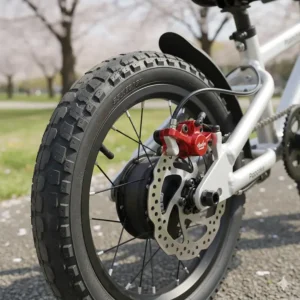
Frequently Asked Questions 🙋
❓ How long does a toddler electric bike battery typically last per charge?
❓ Can toddler electric bike models be used without electric power?
❓ What is the minimum age for safe toddler electric bike riding?
❓ Are replacement parts readily available for toddler electric bike repairs?
❓ How does a toddler electric bike compare to training wheels for learning?
Recommended for You
- 7 Best Smart Travel E Bike Options for Modern Adventurers in 2025
- 7 Best Ebike for Heavy Riders: Ultimate 400lb+ Capacity Guide 2025
- 7 Best Electric Dirt Bikes for Adults: Unleash Off-Road Power in 2025
Conclusion: Making Your Toddler Electric Bike Decision
We’ve covered an enormous amount of ground in this comprehensive guide—from detailed product reviews of seven outstanding toddler electric bike models to deep technical analysis, maintenance protocols, case studies, and future market trends. If you’re feeling slightly overwhelmed, that’s completely normal. Let me distill the most important takeaways.
First, understand that toddler electric bike technology represents a legitimate advancement in helping young children develop riding skills. This isn’t a gimmick or dangerous toy when properly selected and used. Quality models from reputable manufacturers provide safe, engaging ways for kids to master balance and coordination while having tremendous fun.
Second, match the bike to your specific child and situation. The “best” toddler electric bike is the one that fits your child’s size, skill level, personality, and your family’s budget and needs. A cautious beginner needs different features than a confident daredevil. A family with multiple children values different attributes than one with a single child.
Third, prioritize safety above all else. Invest in proper protective equipment, supervise riding sessions, and select bikes with appropriate power levels for your child’s abilities. The best engineered toddler electric bike in the world becomes dangerous when used incorrectly or without proper safety gear.
Fourth, recognize that these bikes are investments that pay dividends in skill development, confidence building, outdoor activity time, and family bonding. While not inexpensive, quality toddler electric bike models provide value that extends far beyond the purchase price when measured in terms of child development and engagement.
If I were advising a family member making this decision today, my recommendations would be:
For Premium Budget ($700+): The STACYC 12eDRIVE remains the gold standard. Yes, it’s expensive, but the quality, performance, and resale value justify the cost for families who can afford it.
For Mid-Range Budget ($300-500): The Hiboy BK1 or Hover-1 Journey deliver exceptional value with lithium batteries, progressive power modes, and solid build quality at prices that won’t break the bank.
For Budget-Conscious Families ($200-300): The Swagtron K2 provides the lightest weight and lowest entry barrier, perfect for youngest riders or families testing the waters before committing to premium options.
For Growing/Experienced Riders: The Razor MX350 offers the power and performance older kids crave, making it the right graduation bike for children outgrowing beginner models.
The toddler electric bike market continues evolving rapidly. New models, features, and technologies emerge constantly. The bikes we’ve reviewed represent the current best options, but staying informed about new releases helps you make the most current decision possible.
Remember that the ultimate goal isn’t just teaching your child to ride a bike—it’s fostering a love of outdoor activity, building confidence through skill mastery, and creating positive family memories. A quality toddler electric bike serves as a tool supporting these larger objectives. Whether you choose an $800 premium model or a $250 budget option, consistent parental involvement and encouragement matter more than equipment specifications.
Thank you for investing the time to read this comprehensive guide. I hope it has provided the information and framework you need to make a confident, informed decision about toddler electric bike ownership. Now get out there, find the perfect bike for your little one, and start creating riding memories that will last a lifetime.
🛒 Ready to Get Started? Take Action Today!
Your child’s electric riding adventure starts now! Click on any of the product names highlighted throughout this guide to check current Amazon pricing, read additional customer reviews, and take advantage of any special promotions. Remember, the best toddler electric bike is the one that gets your child outside riding, learning, and building confidence. Don’t wait—start your journey today! 🚴♂️⚡🌟
Disclaimer: This article contains affiliate links. If you purchase products through these links, we may earn a small commission at no additional cost to you.
✨ Found this helpful? Share it with your friends! 💬🤗
