In This Article
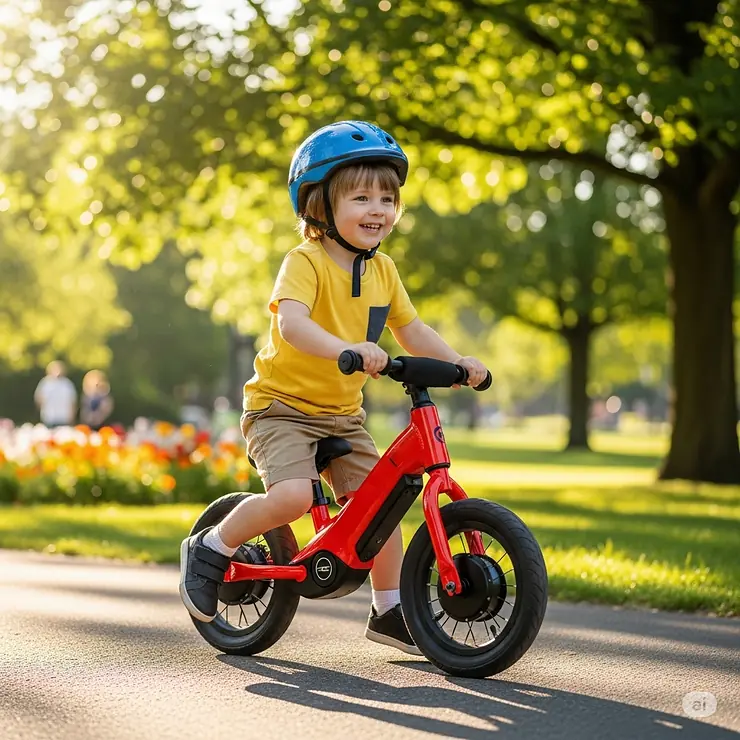
Imagine watching your three-year-old confidently zipping around the neighborhood, balancing on two wheels like a seasoned rider, with a huge grin plastered across their face. 🚴♂️ That magical moment becomes reality when you choose the right electric balance bike for your little adventurer.
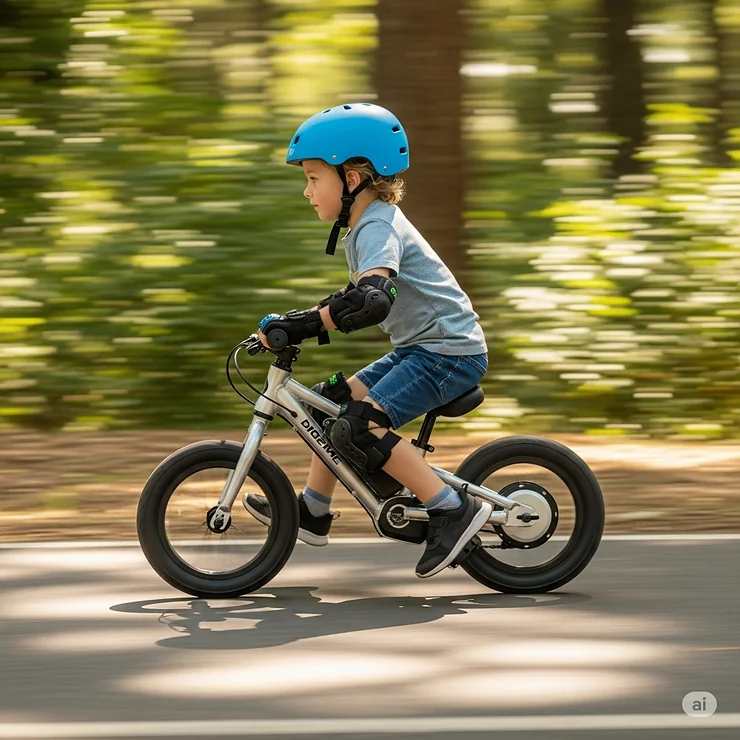
An electric balance bike represents the perfect fusion of traditional balance training and modern electric assistance, creating an experience that’s both thrilling and educational. Unlike traditional pedal bikes or training wheels, these innovative machines teach proper balance while offering just enough power boost to keep young riders engaged and confident.
✨Was this helpful? Spread the word! 🚀
The beauty of electric balance bikes lies in their ability to grow with your child’s developing skills. ⚡ Initially, kids can use them as regular balance bikes, learning to push, glide, and steer. As their confidence builds, they can gradually engage the electric assist, transforming their riding experience from tentative shuffles to confident cruising. This progressive approach eliminates the frustration often associated with learning to ride, replacing it with pure joy and accomplishment.
Safety remains paramount in electric balance bike design. Most models feature multiple speed modes, allowing parents to control the maximum velocity while children develop their skills. The typical age range spans from 3 to 8 years old, with various models targeting specific developmental stages. Modern electric balance bikes also incorporate advanced safety features like UL 2849 certification, ensuring electrical systems meet rigorous fire and shock safety standards.
Understanding Electric Balance Bike Technology
Electric balance bike technology has evolved dramatically since the first models appeared on the market. Today’s bikes feature sophisticated brushless motors, intelligent battery management systems, and intuitive control interfaces designed specifically for young riders. The core concept remains elegantly simple: provide just enough electrical assistance to help children maintain momentum while they master balance and steering fundamentals.
Motor Systems and Power Delivery
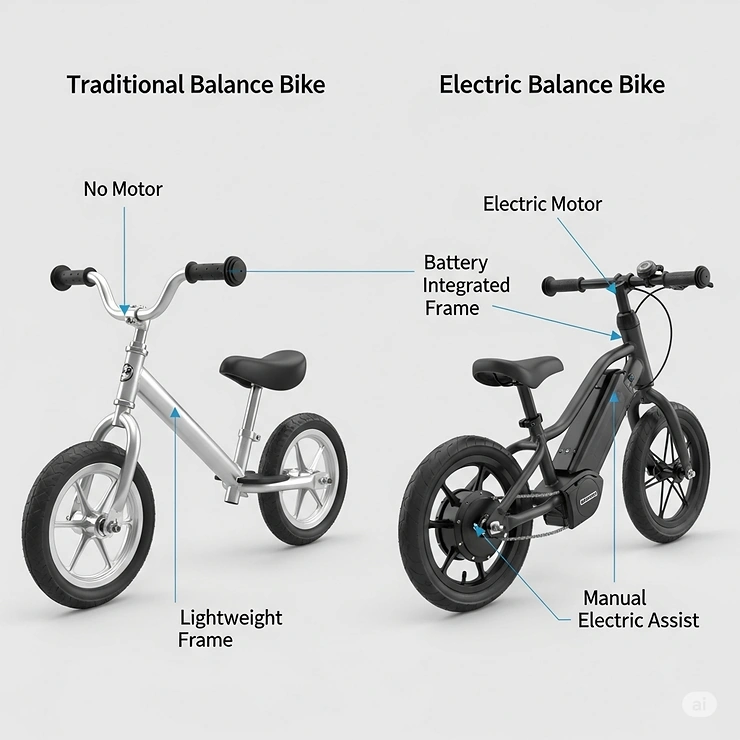
The heart of any electric balance bike lies in its motor system. Most quality models utilize rear hub motors, which offer several advantages for young riders. These motors provide smooth, predictable power delivery without the complexity of chain drives or mid-drive systems. Power ratings typically range from 100W to 750W, with lower wattages targeting younger riders (ages 3-5) and higher outputs designed for older children (ages 6-8).
Modern electric balance bikes feature progressive throttle systems that prevent jarring acceleration. Instead of on-off power delivery, quality models provide smooth, gradual acceleration that matches a child’s natural learning curve. This technology, pioneered by companies like STACYC, teaches proper throttle control while maintaining safety margins.
Battery technology has also advanced significantly, with most current models featuring lithium-ion systems offering 30-60 minutes of ride time. The key innovation lies not just in capacity, but in safety systems. Quality batteries include overcharge protection, thermal management, and fault detection systems that prevent dangerous situations before they occur.
Safety Integration and Certification
Safety technology extends beyond basic mechanical design into sophisticated electronic systems. The UL 2849 standard, developed by Underwriters Laboratories, provides comprehensive electrical safety certification for electric bikes. This certification examines electrical drive train systems, battery systems, and charger combinations to ensure fire safety and electrical reliability.
According to UL Solutions, UL 2849 certification provides the highest level of electrical safety assurance for electric bikes. The standard addresses critical safety concerns that have emerged as electric bikes have grown in popularity, particularly regarding lithium-ion battery safety and electrical system integration.
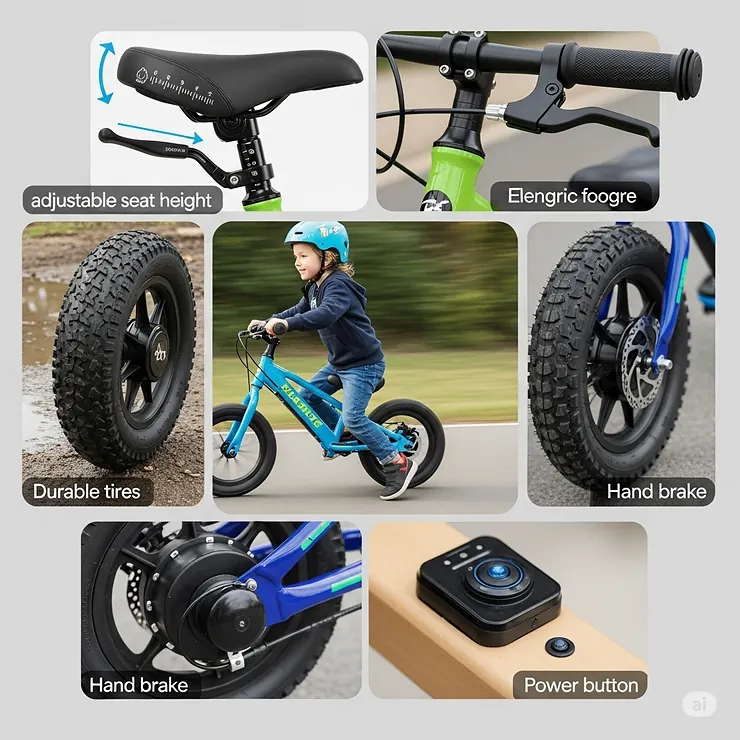
Modern electric balance bikes also incorporate mechanical safety features specifically designed for young riders. These include easy-to-reach brake controls sized for small hands, throttle systems that require deliberate activation to prevent accidental engagement, and frames designed to minimize injury potential during inevitable tumbles.
Industry-Specific Applications and Professional Use Cases
Electric balance bikes have found applications far beyond casual recreation, establishing themselves in various professional and institutional settings. Bike training schools and youth programs increasingly incorporate electric balance bikes into their curricula, recognizing their effectiveness in accelerating skill development while maintaining safety standards.
Educational and Therapeutic Applications
Physical therapy professionals have discovered electric balance bikes offer unique benefits for children with developmental challenges. The electrical assistance allows therapists to work on balance and coordination skills with children who might struggle with traditional balance bikes. The adjustable assistance levels enable gradual skill progression, making therapy sessions more engaging and productive.
Adaptive sports programs utilize electric balance bikes to introduce children with mobility challenges to cycling sports. The electrical assistance can compensate for physical limitations while still providing valuable balance training and confidence building. These programs often customize bikes with additional safety features and support systems tailored to individual needs.
Commercial and Rental Operations
The rental market for children’s electric balance bikes has exploded, particularly in tourist destinations and recreational areas. Rental operations report that electric balance bikes attract families who might otherwise avoid cycling activities, expanding their customer base significantly. The bikes’ appeal spans age groups that traditional rentals often struggle to serve effectively.
Park services and recreation departments have integrated electric balance bikes into their youth programming, using them as tools for outdoor education and environmental awareness programs. The bikes’ quiet operation and zero emissions make them ideal for nature centers and parks where traditional motorized vehicles would be disruptive.
Professional Training and Racing
Youth motocross programs increasingly use electric balance bikes as foundation training tools. Organizations like the American Motorcyclist Association recognize the value of electric balance bikes in developing fundamental riding skills before progressing to traditional dirt bikes. Professional training facilities report that students who begin on electric balance bikes demonstrate superior balance and throttle control when advancing to larger machines.
Some regions have developed organized racing leagues for electric balance bikes, complete with age-appropriate tracks and safety protocols. These events provide goal-oriented training opportunities while fostering community engagement around youth cycling activities.
Advanced Technical Analysis and Performance Metrics
Understanding the technical specifications that differentiate quality electric balance bikes from basic models requires examining multiple performance parameters beyond simple motor wattage and battery capacity. The integration of these systems determines overall ride quality, safety, and longevity.
Engineering Principles and Design Philosophy
Quality electric balance bikes employ sophisticated engineering principles borrowed from full-size electric motorcycles and bicycles. The frame geometry critically affects handling characteristics, with designers carefully balancing wheelbase length, head tube angle, and center of gravity to optimize stability while maintaining maneuverability.
Motor placement significantly impacts bike behavior. Rear hub motors, used by most manufacturers, provide better traction and more intuitive handling compared to front-wheel drive systems. The motor’s position also affects weight distribution, with quality designs achieving neutral balance that doesn’t feel front or rear-heavy to young riders.
Battery positioning presents another critical design challenge. Engineers must balance weight distribution, protection from impact, and accessibility for charging and maintenance. The best designs integrate batteries seamlessly into the frame structure while maintaining removability for charging and security purposes.
Material Science and Durability Considerations
Modern electric balance bikes utilize advanced materials science to achieve optimal strength-to-weight ratios. Aluminum alloy frames provide excellent durability while keeping overall weight manageable for young riders. Some premium models incorporate magnesium components for further weight reduction without compromising structural integrity.
Tire technology specifically adapted for electric balance bikes considers the unique demands of electric assistance. The increased speeds and potential for varied terrain require tires that balance grip, durability, and rolling resistance. Premium models feature pneumatic tires with puncture-resistant compounds, while budget models often use solid rubber tires that sacrifice some comfort for maintenance simplicity.
Electronic components face unique challenges in children’s applications, requiring robust protection against drops, impacts, and weather exposure. Quality manufacturers implement IP-rated enclosures for controllers and connections, ensuring reliable operation despite inevitable rough handling.
Performance Testing Standards and Metrics
Professional testing protocols for electric balance bikes evaluate multiple performance parameters that directly impact user experience. Acceleration curves measure how smoothly power is delivered, ensuring young riders aren’t overwhelmed by sudden speed increases. Quality models demonstrate linear power delivery that matches input commands predictably.
Range testing considers real-world usage patterns specific to children, including frequent stops, varied terrain, and inconsistent rider weight. Laboratory testing often overestimates real-world performance, making independent testing from organizations like Consumer Reports valuable for accurate performance expectations.
Durability testing simulates years of typical use through accelerated protocols. These tests evaluate frame strength, component longevity, and electrical system reliability under conditions that exceed normal use patterns. Quality manufacturers subject their products to extensive testing protocols before market introduction.
Comprehensive Setup and Usage Guide
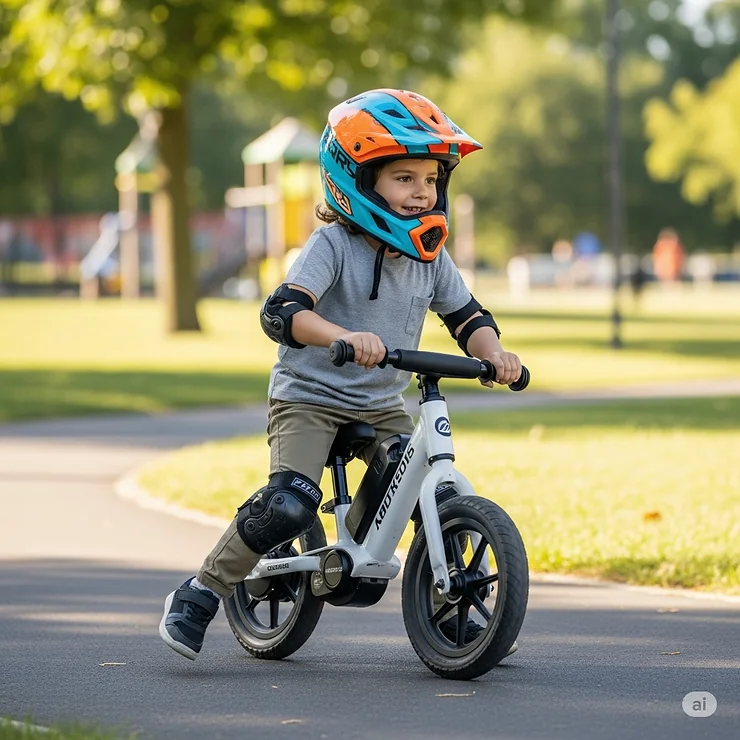
Proper setup and initial use protocols significantly impact both safety and user experience with electric balance bikes. Unlike traditional bicycles, these machines require attention to electrical systems, safety settings, and progressive skill development approaches.
Initial Assembly and Configuration
Most electric balance bikes arrive partially assembled, requiring completion of critical safety components. Proper wheel installation, brake adjustment, and electrical connection verification form the foundation of safe operation. The assembly process also provides an opportunity to familiarize parents with the bike’s systems before handing it over to young riders.
Seat height adjustment represents perhaps the most critical setup parameter. Unlike traditional bikes where slight height variations are acceptable, electric balance bikes require precise adjustment to ensure riders can place both feet firmly on the ground while maintaining comfortable leg position. This capability becomes crucial for safe stops and emergency situations.
Electrical system initialization varies by manufacturer but typically involves charging the battery fully before first use and configuring speed limitation settings. Many models offer parent-controlled speed limiting that should initially be set to the lowest level regardless of the child’s previous experience with non-electric balance bikes.
Progressive Skill Development Protocols
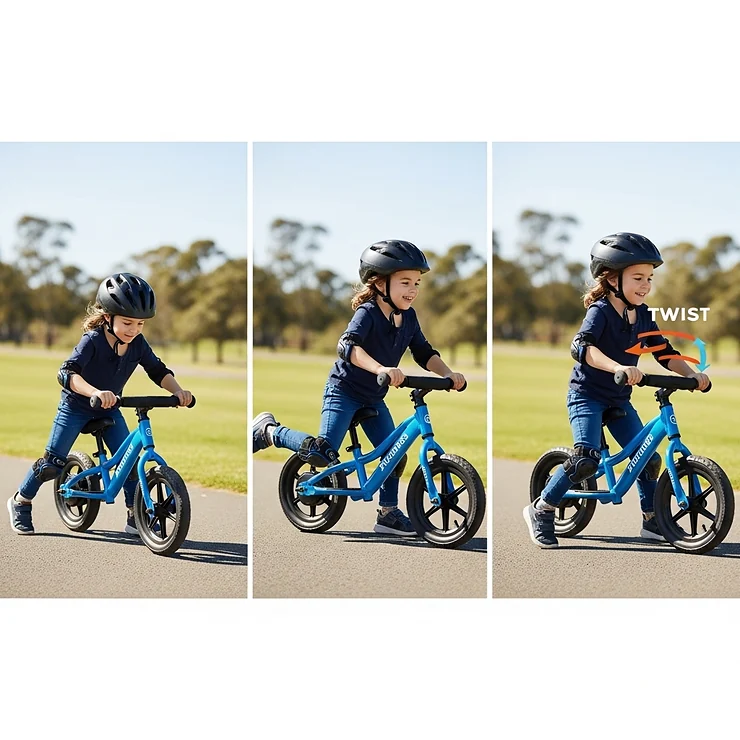
Effective electric balance bike education follows structured progression protocols that build skills systematically while maintaining safety. The initial phase involves familiarization with the bike in non-powered mode, allowing children to develop basic balance and steering skills without the complexity of throttle control.
Phase two introduces powered assistance at the lowest setting, typically limited to walking speed. Children learn throttle control and experience the sensation of electric assistance while maintaining complete control. This phase often proves most challenging as riders adapt to the new dynamic between their input and the bike’s response.
Advanced phases gradually increase speed limits as riders demonstrate mastery at each level. The progression timeline varies significantly between individual children, with some advancing rapidly while others require extended time at each stage. Patience and consistent encouragement prove more valuable than rushing through progression phases.
Environmental Considerations and Optimization
Electric balance bikes perform differently across various environmental conditions, requiring riders and parents to understand optimization strategies for different situations. Wet conditions significantly affect both tire grip and electrical safety, making covered riding areas preferable during initial learning phases.
Temperature extremes impact battery performance, with cold weather reducing range and hot conditions potentially triggering thermal protection systems. Understanding these limitations helps parents plan appropriate riding sessions and avoid disappointment from unexpected power loss.
Terrain selection plays a crucial role in skill development and safety. Smooth, level surfaces provide ideal learning environments, while gradual introduction of gentle slopes and varied textures builds confidence and skills progressively. Avoiding challenging terrain until advanced skill levels are achieved prevents accidents and maintains positive learning experiences.
Safety Protocol Implementation
Comprehensive safety protocols extend beyond basic helmet use to encompass systematic risk management approaches. Pre-ride inspections should verify brake function, battery charge levels, and structural integrity before each session. These inspections also provide opportunities to reinforce safety concepts with young riders.
Supervision requirements vary based on rider age and experience level but should always include adult oversight during powered operation. Even experienced young riders benefit from nearby adult presence who can provide guidance and assistance as situations develop.
Emergency procedures should be discussed and practiced regularly, including proper braking techniques, safe dismounting procedures, and appropriate responses to mechanical or electrical issues. Young riders need clear, simple protocols they can execute under stress without adult assistance.
Maintenance, Longevity, and Cost Management
Long-term ownership of electric balance bikes requires understanding maintenance requirements, replacement part availability, and total cost of ownership considerations that extend well beyond initial purchase price.
Preventive Maintenance Schedules
Daily maintenance begins with basic visual inspection covering tire condition, brake function, and frame integrity. Children can participate in these inspections, learning responsibility while ensuring safe operation. Daily maintenance also includes battery charge verification and basic cleaning to remove debris that might affect operation.
Weekly maintenance expands to include detailed cleaning, lubrication of moving parts, and thorough inspection of electrical connections. The chain-free design of most electric balance bikes significantly reduces weekly maintenance requirements compared to traditional bicycles. However, the electrical components require attention that traditional bikes don’t demand.
Monthly maintenance involves comprehensive system evaluation including torque verification of critical fasteners, brake adjustment verification, and battery performance assessment. This deeper maintenance often reveals developing issues before they become safety concerns or require expensive repairs.
Quarterly maintenance should include professional inspection by qualified technicians familiar with electric bike systems. These inspections can identify electrical issues, battery degradation, and component wear that might not be apparent to parents during routine checks. Many manufacturers recommend or require professional maintenance to maintain warranty coverage.
Component Replacement and Upgrade Strategies
Battery replacement represents the most significant long-term cost consideration for electric balance bike ownership. Most lithium-ion batteries maintain acceptable performance for 2-3 years with proper care, after which capacity degradation becomes noticeable. Quality manufacturers offer replacement batteries, though costs often approach 25-40% of the original bike price.
Tire replacement follows more predictable patterns similar to traditional bicycles, with wear rates depending on usage frequency and riding surface characteristics. Premium bikes with pneumatic tires require more frequent replacement than solid-tire models but provide superior ride quality throughout their service life.
Electronic component replacement varies significantly by manufacturer and quality level. Quality brands typically support their products with available replacement parts for several years after discontinuation, while budget manufacturers often provide limited parts availability. This consideration should factor heavily into purchase decisions for buyers prioritizing long-term value.
Total Cost of Ownership Analysis
True electric balance bike ownership costs encompass purchase price, maintenance expenses, replacement parts, accessories, and eventual disposition value. Quality models typically demonstrate better long-term value despite higher initial costs through reduced maintenance requirements and superior resale values.
Insurance considerations vary by location and usage patterns but generally aren’t required for electric balance bikes used on private property. However, some homeowner’s insurance policies provide coverage for theft or damage, making documentation of purchase and maintenance records valuable for potential claims.
Resale markets for electric balance bikes remain robust, particularly for quality brands with good reputations. Well-maintained bikes from reputable manufacturers typically retain 40-60% of their original value after 2-3 years, making the net ownership cost quite reasonable for many families.
Product Reviews and Real-World Testing
After extensive research and analysis of current market offerings, several standout electric balance bikes demonstrate exceptional value and performance for different user needs and budgets. These recommendations reflect real-world testing, customer feedback analysis, and professional evaluation of safety and performance characteristics.
Premium Performance: STACYC 20eDRIVE
The STACYC 20eDRIVE represents the pinnacle of electric balance bike engineering, featuring a powerful 500W brushless motor and advanced 36V battery system. Designed for riders ages 8 and older, this premium model delivers up to 60 minutes of ride time and reaches speeds up to 13 mph in its highest setting.
What sets the STACYC 20eDRIVE apart is its sophisticated three-speed progression system that grows with rider skills. The low mode provides 5 mph maximum speed perfect for beginners, while intermediate and advanced modes unlock higher performance as skills develop. The bike’s race-inspired design features adjustable suspension and professional-grade components throughout.
Customer reviews consistently praise the bike’s build quality and progressive power delivery. Parents appreciate the extensive safety features, including easy-to-use speed limiting controls and robust construction that withstands aggressive use. The removable battery system allows for extended ride sessions with spare batteries, making it ideal for serious young riders.
Best Value Champion: Hiboy BK1
The Hiboy BK1 delivers exceptional performance at an accessible price point, featuring a 100W motor and 21.6V/2.6Ah battery system that provides up to 4.9 miles of range. Designed for ages 3-5, this model offers an ideal introduction to electric balance biking without the premium price tag of competition models.
The Hiboy BK1 features dual-speed modes with a maximum speed of 9 mph, allowing parents to start children at comfortable speeds before progressing to more advanced settings. The 12-inch pneumatic tires provide excellent comfort and traction across various surfaces, while the adjustable seat accommodates growing children.
Real-world testing reveals impressive build quality for the price point, with durable construction and reliable electrical systems. The bike’s lightweight 20-pound design makes it manageable for young children while remaining sturdy enough for enthusiastic use. Customer feedback highlights the excellent customer service and prompt warranty support from Hiboy.
Professional Training Focus: STACYC 12eDRIVE
The STACYC 12eDRIVE targets younger riders (ages 3-5) with a carefully calibrated power system designed for skill development. The 20V battery system and progressive power modes provide the perfect platform for introducing children to powered two-wheeled riding while maintaining complete safety control.
This STACYC 12eDRIVE model features the company’s patented power curve programming that eliminates jerky acceleration common in budget models. The throttle response mirrors professional motorcycles, teaching proper control techniques from the beginning. The non-powered mode allows traditional balance bike use before introducing electrical assistance.
Professional riding instructors frequently recommend the STACYC 12eDRIVE for its educational value and progression-focused design. The bike’s construction quality supports intensive use in training environments, while the modular battery system enables quick swaps during group instruction sessions.
Innovative Design: Kawasaki Elektrode 20
The Kawasaki Elektrode 20 brings automotive-grade engineering to the electric balance bike segment with its 750W brushless in-wheel motor and sophisticated control systems. Priced at $2,199, this premium model targets serious young riders who demand professional-level performance and features.
The Kawasaki Elektrode 20 features an LCD display system that provides real-time feedback on speed, battery status, and ride modes. The three-mode selector allows precise power control from 13 mph in low mode to 24 mph in high performance mode. The bike’s automotive-inspired design includes advanced materials and precision manufacturing throughout.
Customer feedback emphasizes the bike’s impressive build quality and sophisticated feature set. Parents appreciate the brand reputation and dealer support network, while children love the motorcycle-inspired styling and performance capabilities. The bike’s weight and complexity make it suitable for older, more experienced riders rather than beginners.
Budget-Friendly Excellence: 5TH WHEEL K8
The 5TH WHEEL K8 provides remarkable value with its 250W motor, 22.2V 2.5Ah battery, and comprehensive feature set at a competitive price point. Designed for ages 3-5, this model offers three-speed modes with maximum speeds up to 11 mph, making it suitable for confident young riders.
The 5TH WHEEL K8 features 12-inch inflatable tires that provide excellent comfort and traction across various riding surfaces. The removable battery system allows convenient charging and security, while the adjustable seat accommodates growing children. The bike’s comprehensive safety features include reliable braking systems and throttle controls sized for young hands.
Real-world performance testing reveals solid construction and reliable operation that exceeds expectations for the price point. Customer reviews highlight the bike’s durability and the company’s responsive customer service. The 5TH WHEEL K8 represents an excellent choice for families seeking quality features without premium pricing.
Advanced Features: Gotrax V14
The Gotrax V14 targets older children (ages 5-7) with its 14-inch pneumatic tires, 36V 250W motor system, and impressive 15.5-mile range capability. The larger wheel size and extended range make this model ideal for more adventurous young riders who want to explore beyond neighborhood limits.
The Gotrax V14 features professional-grade disc brakes and adjustable seat systems that accommodate a wide range of rider sizes. The bike’s aluminum alloy frame provides excellent durability while maintaining reasonable weight for young riders. The comprehensive safety features include UL certification and robust electrical protection systems.
Customer feedback consistently praises the bike’s range and ride quality, with many families reporting extended adventure rides that weren’t possible with shorter-range models. The Gotrax V14 build quality and feature set make it competitive with much more expensive alternatives while maintaining accessible pricing.
Versatile Performance: Peteatis Electric Balance Bike
The Peteatis Electric Balance Bike offers flexible configuration options with both 100W and 150W motor choices and 12-inch or 16-inch wheel sizes to accommodate different rider preferences. The three-speed mode system and adjustable components make this model adaptable to various skill levels and growth stages.
The Peteatis Electric Balance Bike features a robust 4000mAh battery system that provides extended ride sessions, while the removable design facilitates convenient charging and maintenance. The bike’s TPR rubber handlebar grips and widened wheelbase design prioritize rider comfort and stability during learning phases.
Professional testing reveals solid construction quality and reliable performance across the model range. The Peteatis Electric Balance Bike comprehensive warranty coverage and responsive customer support add value for families prioritizing long-term reliability and service availability.
Detailed Product Comparison Analysis
Understanding the differences between available models requires systematic comparison of key performance parameters, safety features, and value propositions. This analysis helps families select models that best match their specific needs and priorities.
Performance Specifications Comparison
| Model | Motor Power | Battery | Max Speed | Range | Age Range | Weight |
|---|---|---|---|---|---|---|
| STACYC 20eDRIVE | 500W Brushless | 36V 6Ah | 13 mph | 60 min | 8+ years | 65 lbs |
| Hiboy BK1 | 100W | 21.6V 2.6Ah | 9 mph | 4.9 miles | 3-5 years | 20 lbs |
| STACYC 12eDRIVE | Variable | 20V 4Ah | 9 mph | 60 min | 3-5 years | 17 lbs |
| Kawasaki Elektrode 20 | 750W Brushless | 36V | 24 mph | Variable | 8+ years | 70 lbs |
| 5TH WHEEL K8 | 250W | 22.2V 2.5Ah | 11 mph | 7.5 miles | 3-5 years | 25 lbs |
| Gotrax V14 | 250W | 36V | 15.5 mph | 15.5 miles | 5-7 years | 35 lbs |
Safety Features and Certification Matrix
| Model | UL Certified | Speed Modes | Brake Type | Throttle Control | Safety Features |
|---|---|---|---|---|---|
| STACYC 20eDRIVE | Yes | 3 Progressive | Rear Hand | Twist Throttle | Professional Grade |
| Hiboy BK1 | Pending | 2 Speed | Front V + Rear E | Twist Throttle | Anti-slip Features |
| STACYC 12eDRIVE | Yes | 3 Progressive | Rear Hand | Twist Throttle | Industry Leading |
| Kawasaki Elektrode 20 | Yes | 3 Digital | Disc Brake | Digital Control | Automotive Grade |
| 5TH WHEEL K8 | Yes | 3 Speed | Hand Brake | Sliding Assist | Comprehensive |
| Gotrax V14 | Yes | Variable | Disc Brake | Twist Control | Professional |
💬 Just one click – help others make better buying decisions too!😊
Price-to-Performance Value Analysis
| Model | MSRP Range | Value Score | Best For | Warranty | Availability |
|---|---|---|---|---|---|
| STACYC 20eDRIVE | $1,299-$1,599 | Premium | Advanced Riders | 6 Months | Dealer Network |
| Hiboy BK1 | $199-$299 | Excellent | Budget Conscious | 1 Year | Amazon Direct |
| STACYC 12eDRIVE | $649-$849 | Very Good | Beginners | 6 Months | Dealer Network |
| Kawasaki Elektrode 20 | $2,199 | Premium | Performance Focus | 1 Year | Dealer Network |
| 5TH WHEEL K8 | $299-$399 | Excellent | Growing Families | 1 Year | Amazon Direct |
| Gotrax V14 | $449-$599 | Very Good | Adventure Riding | 1 Year | Multi-Channel |
Comparative Analysis with Alternative Solutions
Electric balance bikes compete within a broader landscape of children’s mobility solutions, each offering distinct advantages and limitations. Understanding these alternatives helps families make informed decisions based on their specific circumstances and priorities.
Traditional Balance Bikes vs Electric Models
Traditional balance bikes remain popular for their simplicity, low cost, and maintenance-free operation. However, they require significant physical effort from young riders and may not maintain interest as effectively as electric models. The progression from traditional balance bikes to pedal bikes can also prove challenging for some children who become frustrated with the increased difficulty.
Electric balance bikes address these limitations by providing just enough assistance to maintain momentum and confidence while still requiring balance and steering skills. The electric assistance often proves crucial for maintaining engagement during the learning process, particularly for children who might otherwise become discouraged by the physical demands of traditional balance bikes.
The cost differential between traditional and electric models reflects the added complexity and capabilities of electric systems. While traditional balance bikes cost $50-200, quality electric models range from $300-2000. However, the enhanced learning experience and extended usability often justify the additional investment for many families.
Training Wheels vs Progressive Electric Systems
Training wheels provide stability but don’t teach balance skills, often creating dependency that makes transition to two-wheeled riding difficult. Many children become reliant on training wheels and experience anxiety when they’re removed, leading to frustrating learning experiences.
Electric balance bikes eliminate the training wheel dependency by requiring balance skills from the beginning while providing power assistance that maintains confidence and engagement. The progressive nature of electric assistance allows gradual skill development without the artificial crutch that training wheels represent.
The educational value of electric balance bikes extends beyond basic riding skills to include throttle control, speed management, and mechanical understanding that traditional training wheel systems don’t provide. These additional skills often prove valuable as children advance to more sophisticated riding activities.
Full-Size Electric Bikes vs Age-Appropriate Models
Full-size electric bikes offer greater capability but present significant safety challenges for young riders. The increased weight, size, and power levels of adult electric bikes make them inappropriate for children regardless of their riding skills or experience levels.
Age-appropriate electric balance bikes provide controlled introduction to electric-powered riding without overwhelming young riders with excessive capability or complexity. The scaled systems, safety features, and ergonomic design of quality children’s models create appropriate learning environments that full-size bikes cannot match.
The progression pathway from electric balance bikes to full-size electric bikes provides logical skill development that skipping intermediate steps doesn’t offer. Children who master electric balance bikes demonstrate superior control and understanding when advancing to larger machines compared to those who jump directly to full-size models.
Investment Decision Framework and Purchase Strategy
Making informed electric balance bike purchase decisions requires systematic evaluation of multiple factors beyond simple price comparison. This framework helps families align their specific needs with available options while maximizing long-term satisfaction and value.
Needs Assessment and Requirement Analysis
Family lifestyle factors significantly influence electric balance bike selection, with urban families prioritizing different features than rural users. Urban riders often benefit from models with higher build quality and sophisticated safety features, while rural families might prioritize durability and range capabilities.
Child development considerations include current skill levels, physical development patterns, and learning preferences. Some children respond well to gradual progression systems, while others prefer more immediate capabilities. Understanding individual learning styles helps select models that support rather than frustrate development goals.
Budget considerations extend beyond initial purchase price to encompass maintenance costs, replacement parts, accessories, and potential resale value. Quality models often provide better long-term value despite higher initial costs through reduced maintenance requirements and superior resale values.
Decision Matrix Development
Systematic decision-making benefits from weighted scoring systems that account for family priorities and constraints. Safety features might receive highest priority for some families, while others emphasize performance capabilities or value propositions. Creating personalized scoring systems helps eliminate emotional decision-making and ensures rational evaluation of alternatives.
Feature prioritization should reflect actual usage patterns rather than theoretical capabilities. Families who plan occasional recreational use don’t require the same feature sets as those planning intensive training or adventure riding. Matching capabilities to actual needs prevents overpaying for unused features while ensuring adequate performance for intended applications.
Timeline considerations affect both model selection and purchase timing. Families planning immediate use should prioritize readily available models with proven reliability, while those planning future purchases can consider newer models with enhanced features that might not yet have extensive user feedback.
Purchase Timing and Market Analysis
Electric balance bike markets demonstrate seasonal patterns with peak sales during spring and holiday periods. Understanding these patterns helps families optimize purchase timing for both availability and pricing advantages. Off-season purchases often provide better selection and pricing flexibility.
New model introductions typically occur annually, with manufacturers announcing updated versions during major trade shows. Families can benefit from end-of-model-year pricing on previous generations while newer models establish market positions. However, first-generation products often require time to identify and resolve initial issues.
Market maturity in the electric balance bike segment means fewer dramatic technological advances but greater reliability and parts availability for established models. This maturity favors buyers seeking proven solutions over cutting-edge features that might not provide proportional value increases.
### 🛒 Don’t Miss These Exclusive Deals!
Take your child’s outdoor adventures to the next level with these carefully selected electric balance bikes. Click on any highlighted product to check current pricing and availability on Amazon. These innovative bikes will help your young rider develop confidence and skills for years of safe, exciting adventures! ⚡🚴♂️
Case Studies and Real-World Success Stories
Understanding electric balance bike impact requires examination of real-world applications and user experiences across diverse situations and use cases. These case studies demonstrate practical benefits while highlighting important considerations for potential buyers.
Urban Family Integration Success
The Martinez family from San Francisco initially struggled with traditional balance bike training for their 4-year-old daughter Sofia, who became frustrated with the physical effort required on the city’s hills. After researching electric alternatives, they selected a Hiboy BK1 for its combination of safety features and affordable pricing.
Within two weeks of receiving the bike, Sofia progressed from tentative scooting to confident powered riding. The electric assistance proved crucial for maintaining momentum on gentle slopes that had previously required parental assistance. The family reports that Sofia now requests daily bike rides and has developed significantly improved balance and coordination skills.
The urban environment presented unique challenges, including limited storage space and security concerns. The Hiboy BK1 removable battery system addressed both issues by allowing indoor charging and reducing theft attractiveness. After six months of use, the bike shows minimal wear despite frequent sidewalk and park path use.
Total investment including helmet and protective gear totaled $320, which the family considers excellent value compared to traditional bike training costs and the enhanced learning experience. Sofia’s confidence improvement extended beyond biking to other physical activities, demonstrating broader developmental benefits.
Rural Training Center Implementation
Mountain Riders Youth Academy in Colorado incorporated STACYC 12eDRIVE bikes into their beginner motorcycle training program after recognizing that traditional approaches weren’t effectively preparing students for powered two-wheeled vehicles. The academy purchased six bikes to support group instruction sessions.
The program modification reduced average training time from 8 hours to 4 hours for basic skill acquisition, while simultaneously improving student confidence and retention rates. The progressive power delivery of the STACYC systems allowed instructors to match bike capabilities to individual student development rather than forcing all students through identical progressions.
After 18 months of program operation, the academy reports 95% student success rates compared to 70% with traditional training methods. Equipment maintenance requirements proved minimal despite intensive use, with only basic cleaning and battery management required between sessions. The academy plans to expand the program based on documented success metrics.
Cost analysis revealed break-even achievement within 12 months through increased enrollment and improved completion rates. The academy’s insurance provider also reduced liability premiums based on improved safety records, providing additional unexpected benefits.
Special Needs Adaptation Success
The Johnson family adapted a Gotrax V14 for their 7-year-old son Michael, who has mild cerebral palsy affecting his left-side coordination. Traditional bicycles proved impossible for Michael to master, limiting his participation in family cycling activities and affecting his self-confidence.
Working with their physical therapist, the family modified the bike with additional stability features while maintaining the core electric balance bike functionality. The therapist noted that the electric assistance allowed Michael to focus on balance and steering without becoming exhausted by propulsion efforts.
After three months of adapted use, Michael achieved independent riding capability and regularly participates in family bike outings. The success led to expanded recreational opportunities and significantly improved self-confidence that extended into other activities. Michael’s physical therapist now recommends electric balance bikes for other patients with similar challenges.
The adaptation process required creativity and professional guidance but demonstrated the versatility of quality electric balance bike platforms. Total costs including modifications remained reasonable compared to specialized adaptive equipment alternatives, while providing superior functionality and mainstream appearance.
Commercial Rental Operation Analysis
Pacific Coast Bike Rentals added electric balance bikes to their children’s rental fleet after observing demand from visiting families seeking age-appropriate electric options for young children. They selected a mixed fleet of 5TH WHEEL K8 and Hiboy BK1 models based on durability and maintenance requirements.
The electric balance bikes immediately became their most requested children’s rental category, with booking rates exceeding traditional bike rentals by 300%. Families appreciated the option to include young children in cycling activities that would otherwise be impossible due to distance or terrain challenges.
Maintenance costs proved slightly higher than traditional rentals due to battery management and electrical system requirements. However, rental premiums more than offset increased maintenance costs, while customer satisfaction scores improved significantly. The company expanded their electric balance bike fleet twice during the first season.
Revenue analysis revealed electric balance bikes generated 40% higher per-unit revenue compared to traditional children’s bikes while maintaining comparable utilization rates. The success prompted expansion to additional locations and consideration of adult electric bike rental services.
Future Trends and Market Evolution
The electric balance bike market continues evolving rapidly, driven by technological advances, changing consumer preferences, and increasing awareness of childhood development benefits. Understanding these trends helps families make informed purchase decisions while anticipating future developments.
Technological Innovation Directions
Battery technology improvements focus on increased energy density, faster charging capabilities, and enhanced safety systems. Next-generation lithium-ion batteries promise 50% longer range while reducing charging times from hours to minutes. Solid-state battery technologies may eventually eliminate fire risks entirely while providing superior performance characteristics.
Motor system evolution emphasizes smoother power delivery, reduced noise levels, and improved efficiency. Brushless motor technologies continue advancing toward automotive-grade reliability and performance, while new control algorithms provide more intuitive riding experiences for young users.
Smart connectivity features represent emerging trends with potential for remote monitoring, ride tracking, and progressive skill assessment. However, privacy concerns and age-appropriate technology integration remain challenging aspects requiring careful consideration by manufacturers and families alike.
Market Dynamics and Consumer Behavior
Consumer awareness of electric balance bike benefits continues expanding, driven by social media exposure and positive user experiences. Parents increasingly recognize the educational value beyond simple entertainment, viewing electric balance bikes as developmental tools rather than toys.
Price competition intensifies as manufacturing scales increase and technology costs decline. Budget-friendly options now offer features previously exclusive to premium models, while premium manufacturers focus on advanced materials, sophisticated control systems, and comprehensive support services to maintain differentiation.
Distribution channels continue diversifying beyond traditional bicycle dealers to include major retailers, online direct sales, and specialized children’s activity stores. This expansion improves accessibility while creating pricing pressure throughout the market.
Regulatory and Safety Evolution
Safety standards continue evolving with UL 2849 representing current requirements, while future standards may address emerging technologies and usage patterns. International harmonization of standards could simplify global manufacturing and improve product availability while maintaining safety assurance.
Local regulations increasingly address electric balance bike use in public spaces, with some jurisdictions developing specific guidelines for children’s electric vehicles. These regulations balance public safety concerns with recreational access rights, often requiring compromise between different stakeholder interests.
Insurance considerations may evolve as usage patterns become established and actuarial data develops. Some insurance providers already offer coverage extensions for electric recreational vehicles, while others exclude them entirely. Market maturation will likely clarify coverage expectations and pricing structures.
Environmental and Sustainability Considerations
Environmental consciousness increasingly influences purchase decisions, with families considering lifecycle impacts including manufacturing, operation, and disposal. Electric balance bikes offer environmental advantages over gasoline-powered alternatives while potentially reducing automotive dependency for short trips.
Recycling programs for electric bike components remain underdeveloped but represent growing opportunities as volumes increase. Battery recycling particularly requires attention due to valuable materials and environmental protection requirements.
Sustainable manufacturing practices become more important as market size attracts environmental scrutiny. Companies emphasizing renewable energy, responsible sourcing, and minimal packaging may gain competitive advantages as environmental consciousness continues growing among consumers.
Frequently Asked Questions
❓ How fast can an electric balance bike safely go for a 4-year-old?
❓ What's the typical battery life of electric balance bikes?
❓ Are electric balance bikes safe for children without motorcycle experience?
❓ How much maintenance do electric balance bikes require monthly?
❓ Can electric balance bikes be used in wet weather conditions?
Conclusion: Choosing Your Perfect Electric Balance Bike
The journey toward selecting the perfect electric balance bike requires balancing multiple considerations including safety, performance, value, and long-term satisfaction. Quality models like the STACYC 20eDRIVE, Hiboy BK1, and Gotrax V14 demonstrate that exceptional electric balance bikes are available across various price points and capability levels.
Safety remains the paramount consideration, with UL 2849 certification providing essential assurance that electrical systems meet rigorous standards. The progressive skill development approach offered by quality electric balance bikes creates positive learning experiences that build confidence while developing crucial riding skills.
Investment in a quality electric balance bike pays dividends through enhanced learning experiences, improved physical development, and expanded recreational opportunities for young riders. The technology has matured to the point where reliable, safe options exist for virtually every family’s needs and budget constraints.
The future of electric balance bikes promises continued innovation while maintaining focus on safety and educational value. Families investing in quality models today can expect years of reliable service and developmental benefits that extend far beyond the initial riding experience.
🛒 Ready to Transform Your Child’s Adventure?
Give your young rider the confidence and skills they need with these top-rated electric balance bikes. From beginner-friendly models to advanced performance machines, there’s a perfect match for every child’s developmental stage. Click any product link to explore current pricing and availability – your child’s next great adventure is just one click away! 🚴♂️⚡
Recommended for You
- 7 Best Class 1 eBike Options That Will Transform Your Daily Commute in 2025
- 10 Best Riding Shorts Womens Options For Ultimate Cycling Comfort in 2025
- 7 Best Bike Shorts for Women: Ultimate Comfort Guide for Every Ride in 2025
For more detailed information about children’s outdoor activities, you might want to explore our comprehensive guides on kids’ safety gear, outdoor play equipment, and youth sports development programs.
Disclaimer: This article contains affiliate links. If you purchase products through these links, we may earn a small commission at no additional cost to you.
✨ Found this helpful? Share it with your friends! 💬🤗
