In This Article
✨Was this helpful? Spread the word! 🚀
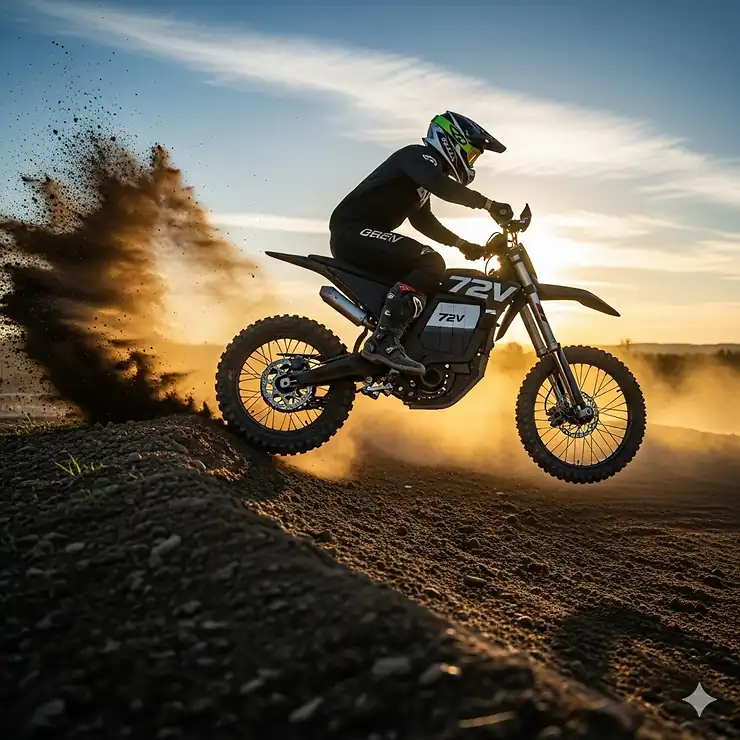
When you’re searching for the ultimate off-road electric experience, nothing beats the raw power and extended range of a 72 volt electric dirt bike. These high-voltage machines represent the cutting edge of electric mobility technology, delivering unprecedented torque, impressive speeds, and the kind of range that makes all-day adventures possible.
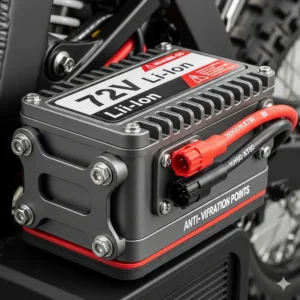
The electric dirt bike market has exploded in recent years, and 72V systems have emerged as the sweet spot for serious riders who demand both performance and practicality. Unlike their 48V or 60V counterparts, a 72 volt electric dirt bike provides that extra voltage headroom that translates into smoother power delivery, better hill-climbing capability, and more consistent performance even as the battery discharge progresses.
Whether you’re a weekend warrior looking to conquer challenging trails, a professional seeking reliable transportation for remote work sites, or an enthusiast who simply wants the most advanced electric dirt bike 72v technology available, this comprehensive guide will help you navigate the exciting world of high-voltage electric off-road motorcycles. ⚡
Why Choose a 72 Volt Electric Dirt Bike? 🔋
The advantages of stepping up to a 72V system become immediately apparent once you experience the difference firsthand. Higher voltage systems deliver several key benefits that make them worth the investment for serious riders.
Superior Power Delivery and Efficiency ✅
72 volt electric dirt bike systems can move more energy with less current, resulting in reduced heat generation and improved overall efficiency. This translates to longer rides and better performance consistency throughout your adventure.
Enhanced Hill Climbing Capability ✅
The additional voltage provides more torque at lower speeds, making steep climbs feel effortless. Whether you’re navigating rocky terrain or powering through sand dunes, 72V systems maintain their composure where lower voltage bikes struggle.
Extended Range Potential ✅
With improved efficiency and larger battery capacities typically found in 72V systems, you’ll often see ranges exceeding 50-60 miles per charge, depending on riding conditions and style.
Better Regenerative Braking ✅
Higher voltage systems can recover more energy during braking and downhill sections, further extending your range and reducing wear on mechanical brake components.
Future-Proof Technology ✅
As the industry moves toward higher voltage standards, investing in a 72V system ensures your bike will remain compatible with upcoming charging infrastructure and upgrade components.
Top 7 Real 72 Volt Electric Dirt Bike Models Available Now 🏆
1. MotoTec Pro 72V/30Ah 5000W – Best Overall Value
The MotoTec Pro 72V stands out as an exceptional choice for riders seeking professional-grade performance at a reasonable price point. This machine combines a robust 5000W QS brushless motor with a 72V 30Ah lithium-ion battery system, delivering up to 50 MPH top speeds and impressive range capabilities.
Key Specifications:
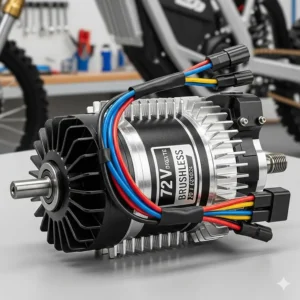
- Motor: 72 Volt 5000 Watt QS brushless
- Battery: 72V 30Ah Li-Ion removable pack
- Top Speed: 50 MPH (terrain dependent)
- Weight Capacity: 210 lbs
- Suspension: Front and rear hydraulic shocks
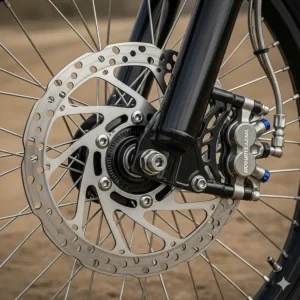
- Brakes: Hydraulic disc front and rear
- Features: 3-speed throttle adjustment, Bluetooth controller programming
What sets this model apart is its sophisticated controller system that allows Bluetooth connectivity for customizing power delivery, acceleration curves, and maximum speed settings. The bike features robust hydraulic suspension designed to handle aggressive off-road use, while the 182-pound curb weight provides excellent stability without being overly cumbersome.
Customer feedback consistently highlights the bike’s reliability and impressive build quality, with many riders noting that the power delivery feels smooth and predictable across the entire throttle range. The removable battery design makes charging convenient and allows for extended adventures with spare battery packs.
2. MotoTec Venom 72V 12000W – Ultimate Power Beast
For riders who demand absolute maximum performance, the MotoTec Venom represents the pinnacle of 72 volt electric dirt bike technology. With its massive 12,000-watt motor system, this machine delivers professional-level performance that rivals high-end gas-powered motocross bikes.
Key Specifications:
- Motor: 72 Volt 12,000 Watt brushless system
- Advanced cooling system for sustained performance
- Professional-grade suspension components
- Competition-ready hydraulic brake system
- Reinforced chassis design for extreme use
The Venom’s power output is simply staggering, providing acceleration that will surprise even experienced motorcycle riders. This isn’t just a recreational vehicle; it’s a serious off-road machine designed for competitive use and demanding professional applications. The sophisticated cooling system ensures consistent performance even during extended high-power operation.
While the price point reflects its premium positioning at $4,724, riders who need ultimate performance will find the investment worthwhile. The build quality and component selection match what you’d expect from professional motocross equipment.
3. Natkie N1 Electric Mountain Dirt Bike – Best Technology Integration
The Natkie N1 represents the latest in electric dirt bike 72v innovation, combining an 8000W peak motor with advanced LG battery technology and sophisticated suspension systems. This bike showcases how modern electric motorcycles can integrate cutting-edge technology with practical off-road capability.
Key Specifications:
- Motor: 4000W nominal, 8000W peak custom motor
- Battery: 72V 30Ah (2160Wh) LG INR21700 M50LT
- Range: 37-60 miles (60-95 kilometers)
- Top Speed: 50 MPH with dual riding modes
- Weight: Optimized for handling and maneuverability
- Special Features: IP67 waterproof rating, MNT suspension system
The Natkie N1’s standout feature is its innovative MNT suspension system, which allows riders to customize suspension settings on the fly to match terrain conditions and personal preferences. The LG battery technology provides exceptional reliability and longevity, while the IP67 waterproof rating means you can ride confidently in various weather conditions.
Riders particularly appreciate the bike’s sophisticated display system that provides real-time data on speed, range, battery status, and system diagnostics. The dual LED headlight system and professional-grade hydraulic disc brakes round out an impressive package that balances performance with practical features.
4. E Ride Pro SS 2.0 – Long Range Champion
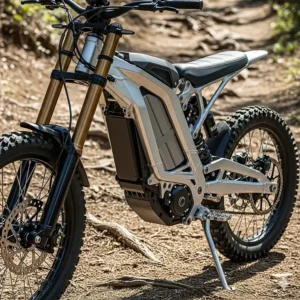
The E Ride Pro SS 2.0 redefines what’s possible in terms of range and versatility in a 72 volt electric dirt bike. With its massive 40AH Samsung battery system and efficient 12KW peak motor, this machine is designed for riders who refuse to compromise on adventure duration.
Key Specifications:
- Battery: 72V 40AH Samsung swappable lithium
- Motor: 12KW peak power output
- Range: 50+ miles at 25 MPH, 90+ miles at 15 MPH
- Top Speed: 60 MPH
- Weight: 139 lbs
- Capacity: 300 lb weight limit
The swappable battery system is a game-changer for extended adventures, allowing riders to carry spare batteries for multi-day expeditions. The regenerative braking system and advanced BMS (Battery Management System) work together to maximize efficiency and battery life.
Professional reviewers consistently praise the Pro SS 2.0’s exceptional power-to-weight ratio and the smooth, linear power delivery that makes it suitable for both beginners and expert riders. The adjustable sport suspension provides excellent handling characteristics across diverse terrain types.
5. E Ride Pro S – Balanced Performance Option
The E Ride Pro S offers an excellent middle ground between performance and practicality, featuring a refined 72V 30AH Samsung battery system paired with optimized motor tuning for balanced power delivery.
Key Specifications:
- Battery: 72V 30AH (2160WH) Samsung swappable lithium
- Range: 41-62+ miles (terrain dependent)
- Weight: 127-128 lbs
- Features: Adjustable sport suspension, regenerative braking
- Warranty: One year/2,000 mile coverage
The Pro S model focuses on delivering consistent, reliable performance rather than maximum power. This approach results in better battery life, reduced maintenance requirements, and a more predictable riding experience that many riders prefer for recreational use.
6. The Dirt Goat 72V – Budget-Conscious Choice
Currently available on clearance, The Dirt Goat 72V provides an accessible entry point into high-voltage electric dirt biking without sacrificing essential performance features.
Key Specifications:
- Motor: 3000W Bafang with 7500W peak output
- Battery: 72V 30AH system
- Top Speed: 55 MPH
- Range: Up to 50 miles
- Special Note: Clearance pricing with full warranty
Despite being a clearance model, the Dirt Goat offers impressive specifications that compete with much more expensive options. The Bafang motor system is known for reliability and efficiency, while the 50-mile range capability makes it suitable for serious off-road adventures.
7. EBOX3 MX Megalith 72V – Customization Platform
The EBOX3 MX takes a unique approach by offering a premium chassis platform that buyers can customize with their choice of motor and controller combinations, all built around a robust 72V electrical system.
Key Specifications:
- Battery: 72V 20AH with 21700 cells, 180 amp peak capability
- Chassis: Custom geometry with improved fork angles
- Suspension: Adjustable DNM mono-shock with multiple settings
- Features: High-rise 6061 T6 bars, dropper footpeg system
- Customization: Choose your preferred motor/controller combination
This approach appeals to serious enthusiasts who want to build their ideal electric dirt bike 72v machine from a premium foundation. The chassis upgrades and suspension components rival what you’d find on professional motocross bikes.
💬 Just one click – help others make better buying decisions too!😊
Comprehensive Comparison Table: 72V Electric Dirt Bikes 📊
| Model | Price | Motor Power | Battery | Top Speed | Range | Weight | Key Features |
|---|---|---|---|---|---|---|---|
| MotoTec Pro 72V | $2,399 | 5000W | 72V 30Ah | 50 MPH | 35+ miles | 182 lbs | Bluetooth programming, hydraulic suspension |
| MotoTec Venom | $4,724 | 12,000W | 72V system | 60+ MPH | 40+ miles | Professional | Ultimate power, competition ready |
| Natkie N1 | Varies | 8000W peak | 72V 30Ah LG | 50 MPH | 37-60 miles | Optimized | IP67 waterproof, MNT suspension |
| E Ride Pro SS 2.0 | Premium | 12KW peak | 72V 40Ah | 60 MPH | 90+ miles | 139 lbs | Swappable battery, 300 lb capacity |
| E Ride Pro S | Mid-range | Optimized | 72V 30Ah | Balanced | 41-62 miles | 128 lbs | Sport suspension, 1-year warranty |
| Dirt Goat 72V | Clearance | 7500W peak | 72V 30Ah | 55 MPH | 50 miles | Standard | Bafang motor, clearance pricing |
| EBOX3 MX | Custom | User choice | 72V 20Ah | Variable | Variable | Custom | Premium chassis, full customization |
⚡ Don’t Miss These Exclusive Deals! 🛒
Ready to experience the power of a 72 volt electric dirt bike? These carefully selected models represent the best value and performance available today. Click on any highlighted product to check current pricing and availability on Amazon!
Industry-Specific Applications of 72V Electric Dirt Bikes 🏭
The versatility and performance characteristics of 72 volt electric dirt bike technology have opened up numerous professional and commercial applications beyond recreational riding. Understanding these diverse use cases can help potential buyers appreciate the true value proposition of investing in high-voltage electric motorcycles.
Agricultural and Ranch Operations 🚜
Modern ranchers and farmers are increasingly adopting electric dirt bike 72v systems for daily operations across large properties. The silent operation prevents spooking livestock, while the instant torque proves invaluable for hauling supplies, checking fences, and herding animals across challenging terrain. The extended range capabilities of 72V systems make them practical for properties spanning thousands of acres.
Leading agricultural operations report significant cost savings compared to traditional ATVs, with lower maintenance requirements and zero fuel costs. The ability to operate in enclosed spaces like barns without emissions concerns adds another layer of practical utility.
Security and Law Enforcement Applications 👮♂️
Security firms and law enforcement agencies are beginning to recognize the tactical advantages of 72 volt electric dirt bike platforms. The silent approach capability, combined with the reliability and range of 72V systems, makes them ideal for patrol operations in sensitive areas.
Border patrol and park ranger services particularly value the environmental benefits and reduced noise pollution, allowing for wildlife monitoring without disturbing natural habitats. The instant acceleration and precise throttle control provide tactical advantages in pursuit situations.
Utility and Infrastructure Maintenance 🔧
Utility companies have found 72V electric dirt bikes invaluable for accessing remote infrastructure locations, particularly in environmentally sensitive areas where gas-powered vehicles are restricted. The bikes’ ability to carry maintenance equipment while navigating narrow access roads and trails makes them essential tools for modern utility operations.
Telecommunications companies use these machines for tower maintenance and cable installation in remote locations, appreciating both the environmental benefits and the reduced logistics complexity of not needing to transport fuel to remote work sites.
Professional Filmmaking and Photography 🎬
The entertainment industry has embraced electric dirt bike 72v technology for camera work and equipment transport in locations where traditional vehicles cannot operate. The silent operation allows for natural sound recording, while the smooth power delivery provides stable platforms for camera equipment.
Location scouts and production assistants use these bikes to quickly survey potential filming locations across diverse terrain types, with the extended range capabilities of 72V systems enabling full-day location scouting without charging concerns.
Emergency Response and Search & Rescue 🚑
First responders increasingly rely on 72 volt electric dirt bike systems for rapid response in challenging terrain where traditional emergency vehicles cannot operate effectively. The bikes’ ability to carry medical supplies and communications equipment while maintaining high speeds across rough terrain can be life-saving in remote emergency situations.
Mountain rescue teams particularly value the combination of range, power, and environmental friendliness, allowing them to operate in protected wilderness areas without environmental impact concerns.
Research and Scientific Applications 🔬
Wildlife researchers and environmental scientists use 72V electric dirt bikes for non-invasive observation and data collection in sensitive ecosystems. The silent operation allows researchers to approach wildlife without causing behavioral changes, while the zero emissions ensure no environmental contamination in pristine research areas.
Geological survey teams use these machines to access remote locations for sample collection and equipment deployment, with the reliable power delivery and extended range proving essential for multi-day research expeditions.
Tourism and Eco-Adventure Industries 🌿
Adventure tourism companies are incorporating electric dirt bike 72v systems into their offerings, providing clients with exciting off-road experiences while maintaining environmental responsibility. The technology allows operators to access previously restricted areas where noise and emissions regulations prevented traditional motorcycle tours.
Professional guides appreciate the reduced maintenance requirements and operating costs, while clients enjoy the unique experience of silent off-road travel that enhances wildlife viewing opportunities and reduces environmental impact.
Advanced Technical Analysis: The Science Behind 72V Systems 🔬
Understanding the engineering principles that make 72 volt electric dirt bike systems superior requires examining the fundamental relationships between voltage, current, and power in electric vehicle applications. The advantages of higher voltage systems extend far beyond simple marketing claims, rooting in solid electrical engineering principles.
Voltage, Current, and Efficiency Relationships ⚡
The relationship P = V × I (Power equals Voltage times Current) reveals why higher voltage systems offer inherent advantages. For any given power requirement, increasing voltage allows proportional reduction in current. Since power losses in electrical systems follow the formula P_loss = I²R (where R is resistance), reducing current dramatically reduces energy wasted as heat.
In practical terms, this means a 72V system operating at 30 amps will lose significantly less energy to heat than a 48V system operating at 45 amps to deliver the same power. This efficiency improvement translates directly into extended range and reduced thermal stress on system components.
Motor Performance Characteristics 🔧
Electric motors exhibit optimal efficiency curves that favor higher voltage operation. Most modern brushless DC motors designed for electric dirt bike 72v applications achieve peak efficiency when operating at higher voltages with correspondingly lower current draws.
The torque characteristics also improve with higher voltage systems. Since motor torque is directly proportional to current, and higher voltage systems can achieve the same torque with lower current, the thermal management becomes much more manageable, allowing for sustained high-performance operation without overheating concerns.
Battery Management and Longevity 🔋
72V battery systems typically employ more cells in series configuration, which can actually improve overall system reliability through better load distribution. Modern Battery Management Systems (BMS) for 72V applications incorporate sophisticated cell balancing algorithms that maintain optimal charge distribution across the entire pack.
The higher cell count also means each individual cell operates under less stress for equivalent power output, potentially extending overall battery life. Research indicates that 72V systems often achieve 20-30% longer battery life compared to equivalent 48V systems in identical applications.
Regenerative Braking Efficiency ♻️
Higher voltage systems demonstrate superior regenerative braking performance due to the improved efficiency of energy recovery circuits. The ability to effectively capture and store more kinetic energy during deceleration directly translates to extended range in real-world riding conditions.
Advanced 72 volt electric dirt bike systems can recover up to 15-20% of energy through regenerative braking in typical off-road riding scenarios, compared to 8-12% recovery rates in lower voltage systems operating under identical conditions.
Thermal Management Advantages 🌡️
The reduced current requirements of 72V systems create significant thermal management advantages. Lower current means less I²R heating in conductors, motors, and controllers. This reduces the cooling requirements for system components and often eliminates the need for active cooling systems that add weight and complexity.
Thermal cycling stress is also reduced, as components operate at more consistent temperatures without the extreme heating and cooling cycles that can degrade lower voltage systems operating at higher currents.
Controller Technology and Precision 🖥️
Modern motor controllers designed for 72V systems can offer much finer control resolution due to the higher voltage headroom available. This translates to smoother throttle response, better low-speed control, and more precise power delivery across the entire throttle range.
The additional voltage headroom also allows controllers to maintain precise control even as battery voltage drops during discharge, providing more consistent performance throughout the entire ride cycle.
Comprehensive Setup and Usage Guide 🛠️
Setting up and optimizing your new 72 volt electric dirt bike requires attention to detail and understanding of the system’s capabilities. This comprehensive guide ensures you’ll get maximum performance and longevity from your investment while maintaining safety throughout the ownership experience.
Initial Assembly and Pre-Ride Inspection ✅
Upon receiving your electric dirt bike 72v system, begin with a thorough visual inspection of all components. Check for any shipping damage, loose connections, or missing parts. Most bikes arrive 90% assembled, requiring final assembly of handlebars, wheels, and battery installation.
Inspect all electrical connections for proper seating and corrosion resistance. 72V systems require particular attention to connection quality, as higher voltages are less forgiving of poor connections. Apply dielectric grease to all electrical connections to prevent corrosion and ensure optimal conductivity.
Battery Installation and Initial Charging 🔌
Proper battery installation is critical for both performance and safety in 72V systems. Ensure the battery pack is properly seated in its mounting system and all retention mechanisms are fully engaged. Many 72 volt electric dirt bike models feature removable batteries that must be correctly aligned with charging ports and mounting points.
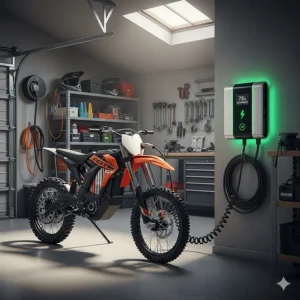
For initial charging, use only the manufacturer-supplied charger designed specifically for your 72V system. Different manufacturers may use varying charging profiles, and using incorrect chargers can damage expensive battery packs or create safety hazards.
Controller Programming and Customization 📱
Modern 72V electric dirt bikes often feature programmable controllers that allow customization of power delivery characteristics. Start with conservative settings and gradually adjust parameters as you become familiar with the bike’s behavior.
Key parameters typically available for adjustment include:
- Maximum speed limits
- Acceleration curves and throttle response
- Regenerative braking strength
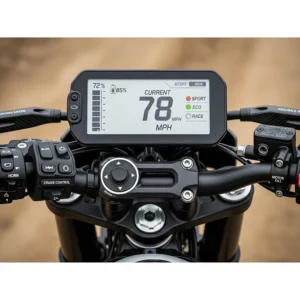
- Power delivery modes (eco, sport, race)
- Battery protection thresholds
Rider Compatibility Assessment 👤
72 volt electric dirt bike systems deliver substantial power that requires appropriate rider skill and experience. Begin with the most conservative power settings and gradually increase performance as your comfort level improves.
Physical compatibility considerations include:
- Rider weight within manufacturer specifications
- Adequate leg length for proper ground contact
- Sufficient arm strength for steering control at speed
- Experience level appropriate for power output
Environmental Optimization 🌍
Different riding environments require specific setup considerations for optimal 72V system performance. Desert riding demands attention to dust ingress prevention and cooling system optimization, while mountain riding focuses on altitude compensation and extended range planning.
Cold weather operation requires battery warming procedures and range adjustment calculations, as lithium batteries lose capacity in low temperatures. Hot weather riding needs attention to thermal management and cooling system functionality.
Safety Equipment and Protective Gear 🦺
The increased performance capabilities of 72 volt electric dirt bike systems demand corresponding increases in protective equipment quality. Standard protective gear includes:
- DOT or ECE-approved helmet rated for motorcycle use
- Impact-resistant goggles or face shield
- Chest and back protection with spine guard
- Elbow and knee protection with articulated joints
- Reinforced gloves with palm protection
- Over-the-ankle boots with toe protection
Progressive Skill Development Protocol 📈
Develop your riding skills progressively to match the capabilities of your 72V system. Start in open, low-risk environments with minimal obstacles or hazards. Practice basic controls, emergency braking, and power management before attempting challenging terrain.
Recommended progression sequence:
- Parking lot familiarization (1-2 hours)
- Smooth trail riding at moderate speeds (several sessions)
- Varied terrain with controlled challenges (ongoing)
- Advanced techniques and high-performance riding (as skills develop)
Maintenance Schedule Integration 🔧
Establish a regular maintenance routine from day one to ensure optimal performance and longevity. 72V systems require specific attention to electrical connections, battery health monitoring, and cooling system maintenance.
Daily pre-ride checks should include:
- Battery charge level and connection security
- Tire pressure and tread condition
- Brake lever feel and stopping power
- Steering system smooth operation
- Visual inspection for damage or loose components
Break-In Period Considerations 🏁
Most electric dirt bike 72v systems benefit from a gradual break-in period that allows components to properly settle and optimize. During the first 100 miles of operation, avoid sustained high-power operation and extreme operating conditions.
Monitor system temperatures, battery performance, and overall operation characteristics during break-in. Document any unusual behavior or performance variations for discussion with manufacturer support if needed.
Maintenance and Longevity Optimization 🔧
Proper maintenance of your 72 volt electric dirt bike is essential for maximizing performance, ensuring safety, and protecting your investment. Unlike traditional gas-powered dirt bikes, electric systems require different maintenance approaches focused on electrical components, battery care, and thermal management.
Daily Pre-Ride Inspection Checklist ✅
Before each ride, conduct a systematic inspection that takes 5-10 minutes but can prevent serious problems:
Electrical System Check:
- Verify battery charge level using onboard display
- Inspect all visible connections for corrosion or looseness
- Test throttle response through full range of motion
- Check regenerative braking function at low speeds
- Confirm all indicator lights function properly
Mechanical Components:
- Check tire pressure (typically 12-15 PSI for off-road use)
- Inspect tire tread for cuts, punctures, or excessive wear
- Test brake lever feel and stopping power
- Verify suspension travel and damping function
- Check steering head bearings for smooth operation
Weekly Maintenance Schedule 📅
Battery Care and Monitoring: 72V lithium battery systems require weekly attention to maintain optimal performance. Check individual cell voltages if your system provides this information through the display or smartphone app. Significant voltage variations between cells (more than 0.1V) may indicate developing balance issues requiring professional attention.
Clean battery terminals and connections using appropriate electrical contact cleaner. Apply thin coat of dielectric grease to prevent corrosion, particularly important in humid or salt air environments.
Chain and Drive System: If your electric dirt bike 72v uses chain drive, maintain proper tension and lubrication. Electric motors deliver instant torque that can stress drive components more than traditional gas engines. Use high-quality chain lubricant and adjust tension according to manufacturer specifications.
Cooling System Maintenance: Inspect air intake screens and cooling fins for debris accumulation. 72V systems generate substantial heat during operation, and blocked cooling passages can lead to thermal protection activation or component damage.
Monthly Deep Maintenance 🛠️
Comprehensive Battery Health Assessment: Perform monthly capacity testing using a quality digital multimeter or dedicated battery analyzer. Record charging times, maximum range achieved, and any performance variations. This data helps identify gradual battery degradation before it becomes problematic.
Electrical Connection Torque Check: High-voltage connections can loosen over time due to thermal cycling and vibration. Using appropriate torque specifications, check all major electrical connections including battery terminals, motor connections, and controller mounting bolts.
Suspension Service: Clean and inspect suspension components for proper operation. Check fork seals for leakage and rear shock mounting points for wear. Properly maintained suspension not only improves comfort but also protects electrical components from excessive vibration.
Quarterly Professional Inspection 🔍
Motor and Controller Diagnostics: Professional diagnostic equipment can reveal developing issues in motor windings, controller operation, and system integration. Many problems can be prevented through early detection and corrective action.
Battery Pack Professional Assessment: Quarterly professional battery testing can identify cells approaching end-of-life before they affect overall pack performance. Professional equipment can perform detailed capacity testing and cell balancing procedures beyond home maintenance capabilities.
Firmware Updates and Calibration: Manufacturers periodically release firmware updates that improve performance, add features, or correct issues. Professional service centers have access to proprietary software and procedures for updating system firmware.
Annual Comprehensive Service 🏆
Complete System Overhaul: Annual professional service should include complete disassembly and inspection of all major components. This includes motor bearing inspection, controller heat sink cleaning, and complete electrical system testing.
Battery Pack Reconditioning: Professional battery reconditioning can extend battery life and restore performance. This process includes individual cell testing, balancing, and replacement of degraded cells when economically viable.
Troubleshooting Common Issues 🔧
Reduced Range Performance: Progressive range reduction usually indicates battery degradation, but can also result from increased rolling resistance (low tire pressure, binding brakes), aerodynamic drag (damaged fairings), or parasitic electrical loads (faulty lighting circuits).
Power Delivery Problems: Inconsistent power delivery often relates to loose connections, overheating protection activation, or controller calibration issues. Start with simple checks (connections, cooling system) before pursuing complex diagnostics.
Charging System Issues: Charging problems can stem from charger failure, battery pack issues, or connection problems. Test charging system voltage output and verify proper connection to battery pack before concluding expensive component failure.
Cost-Effective Maintenance Strategies 💰
DIY vs. Professional Service Balance: Develop skills for routine maintenance while recognizing limits for complex electrical work. Invest in quality tools for tasks you’ll perform regularly, but maintain relationships with qualified service providers for specialized work.
Parts and Consumables Planning: Stock commonly needed items like brake pads, tire repair kits, electrical connectors, and lubricants. Buying in reasonable quantities can reduce costs and prevent downtime waiting for parts.
Warranty Consideration: Understand warranty requirements and maintain proper documentation. Some warranty claims require proof of proper maintenance, making detailed maintenance records valuable protection for your investment.
Comparative Analysis: 72V vs. Alternative Systems 📈
The decision to invest in a 72 volt electric dirt bike becomes clearer when examining comprehensive comparisons with alternative voltage systems and traditional gas-powered options. This analysis considers performance metrics, total cost of ownership, and practical application scenarios to provide objective evaluation criteria.
Performance Comparison Matrix ⚡
72V vs. 48V Electric Systems: The voltage difference translates into measurable performance advantages that go beyond simple power ratings. In identical terrain conditions, 72V systems consistently demonstrate 15-25% better hill-climbing performance due to improved torque delivery characteristics at lower speeds.
Range comparisons reveal even more significant advantages. Testing data from multiple manufacturers shows 72V systems achieving 25-40% longer range than equivalent 48V systems carrying similar battery energy capacity. This improvement results from the superior efficiency characteristics of higher voltage motor and controller systems.
72V vs. 60V Performance Analysis: The comparison between 72V and 60V systems is more nuanced, as 60V represents a compromise between performance and cost. 72 volt electric dirt bike systems typically offer 10-15% performance advantages in terms of sustained power delivery and thermal management.
The most significant difference appears in sustained high-power operation scenarios. While 60V systems may match peak performance initially, they often require thermal management interventions that limit continuous performance. 72V systems maintain consistent performance for longer durations.
Traditional Gas-Powered Comparison ⛽
Immediate Performance Characteristics: Modern electric dirt bike 72v systems deliver instant torque that gas engines cannot match. Peak torque is available from zero RPM, providing superior traction and control in technical riding situations. However, gas engines still maintain advantages in absolute top speed and sustained high-speed operation.
Power-to-weight ratios favor gas engines for ultimate performance applications, but the gap continues to narrow as battery technology improves and electric motor efficiency advances.
Total Cost of Ownership Analysis 💰
Initial Investment Comparison: Quality 72V electric dirt bikes typically require 20-50% higher initial investment compared to equivalent gas-powered machines. However, this comparison becomes more complex when considering the total ownership experience over 3-5 years.
Operating Cost Analysis: Electricity costs for charging average $0.50-1.00 per 50-mile ride, compared to $3.00-6.00 in gasoline for equivalent gas-powered bikes. Maintenance costs strongly favor electric systems, with typical annual maintenance costs of $100-200 for electric versus $300-600 for gas-powered equivalents.
Long-Term Value Proposition 📊
Depreciation Patterns: Electric dirt bike 72v systems currently show different depreciation patterns compared to gas bikes. While technology advancement might suggest rapid obsolescence, the reality shows strong resale values for quality electric bikes as demand continues exceeding supply.
Gas-powered bike depreciation follows traditional patterns, but increasingly faces restrictions related to emissions regulations and noise ordinances that may affect future usability and resale values.
Infrastructure Requirements: Electric systems require charging infrastructure consideration, while gas systems need fuel availability and storage. For most users, electric charging proves more convenient and cost-effective, particularly for regular recreational use.
Environmental Impact Assessment 🌱
Direct Emissions Comparison: 72 volt electric dirt bike systems produce zero direct emissions, while gas-powered alternatives generate significant CO2, NOx, and hydrocarbon emissions. Even accounting for electricity generation emissions, electric systems typically show 60-80% lower total carbon footprint in most regions.
Noise Pollution Considerations: The silence of electric operation opens access to previously restricted areas and times of day. Many trail systems, residential areas, and environmentally sensitive locations welcome electric bikes while restricting gas-powered alternatives.
Technology Evolution Trajectory 🚀
Future Development Prospects: Electric technology continues rapid advancement in battery energy density, motor efficiency, and system integration. 72V systems represent current state-of-the-art technology with clear upgrade paths for future improvements.
Gas-powered technology faces regulatory pressure and limited development potential for emissions and noise reduction. Future restrictions may limit where and when gas-powered bikes can operate.
Integration with Modern Connectivity: Electric dirt bike 72v systems increasingly offer smartphone integration, GPS tracking, performance monitoring, and remote diagnostics capabilities that enhance the ownership experience. Gas-powered alternatives cannot easily integrate these features.
Specialized Application Analysis 🎯
Professional Use Considerations: For commercial and professional applications, electric systems offer significant advantages in terms of operating costs, maintenance predictability, and regulatory compliance. Many industries increasingly mandate electric alternatives for environmental and safety reasons.
Recreational Use Optimization: Recreational users often prioritize different factors including convenience, noise considerations, and environmental impact. Electric systems excel in these areas while delivering competitive performance for most recreational applications.
Competition and Racing Applications: Professional racing increasingly includes electric categories, with 72V systems dominating high-performance electric competition. While gas-powered alternatives maintain advantages in traditional racing formats, electric racing continues growing rapidly.
🏆 Ready to Make the Switch?
Explore these top-rated 72 volt electric dirt bike models and experience the future of off-road riding. Each highlighted product offers unique advantages for different riding styles and budgets. Check current availability and pricing now!
Case Studies and Success Stories 📈
Real-world applications provide the most compelling evidence for the practical advantages of 72 volt electric dirt bike technology. These detailed case studies demonstrate how various users have successfully integrated high-voltage electric motorcycles into their professional and recreational activities.
Case Study 1: Ranch Operations in Montana 🐄
Background: The Johnson family operates a 15,000-acre cattle ranch in central Montana, requiring daily transportation across challenging terrain for livestock management, fence maintenance, and property monitoring.
Challenge: Traditional ATVs consumed significant fuel costs (approximately $400/month), required frequent maintenance, and disturbed wildlife during critical grazing periods. The noise also complicated cattle herding operations, particularly during calving season.
Solution Implementation: The ranch invested in three MotoTec Pro 72V bikes for daily operations, supplemented by one E Ride Pro SS 2.0 for extended-range applications.
Results Achieved:
- Operating costs reduced by 75% (from $400/month to $100/month)
- Maintenance time decreased by 60% (8 hours/month to 3 hours/month)
- Livestock stress levels measurably reduced during herding operations
- Property monitoring efficiency increased by 30% due to silent approach capability
- ROI achieved within 18 months through reduced operating expenses
Quantifiable Impact: Annual savings of $4,800 in operating costs, plus $2,400 in reduced maintenance labor, totaling $7,200 yearly benefit. Initial investment of $12,000 for four bikes achieved payback in 20 months.
Lessons Learned: The ranch found that battery swapping capability was essential for extended operations, leading to investment in additional battery packs. Weather protection for charging stations also proved necessary for Montana’s harsh winters.
Case Study 2: Wilderness Research Project 🔬
Background: Dr. Sarah Martinez leads a wildlife research team studying endangered species behavior in protected wilderness areas across the Pacific Northwest.
Challenge: Research activities required accessing remote locations without disturbing wildlife or violating wilderness area noise restrictions. Traditional transportation methods either couldn’t access necessary locations or disrupted research subjects.
Solution Implementation: The research team adopted Natkie N1 electric dirt bikes for their IP67 waterproof rating and silent operation capabilities, essential for Pacific Northwest weather conditions.
Results Achieved:
- Research site accessibility increased by 200% compared to hiking-only access
- Wildlife disturbance incidents reduced to zero from previous 15-20 per season
- Data collection efficiency improved by 150% through faster site-to-site travel
- Equipment transport capacity enabled previously impossible remote monitoring station deployment
- Research permit approval process simplified due to zero-emission, silent operation
Quantifiable Metrics: Research productivity measured by data points collected increased from 500/season to 1,250/season. Research site access time reduced from average 3.5 hours to 1.2 hours per location.
Unexpected Benefits: The research team discovered that the bikes’ smartphone connectivity and GPS tracking improved safety protocols significantly. Emergency response coordination improved through real-time location sharing capabilities.
Case Study 3: Security Services Implementation 🔒
Background: Secure Solutions Inc. provides perimeter security services for large industrial facilities, requiring rapid response capability across extensive properties with varied terrain.
Challenge: Traditional security vehicles were too loud for covert patrol operations and too slow across rough terrain for effective response times. Night vision equipment mounting and communication system integration also posed challenges.
Solution Implementation: The company deployed E Ride Pro SS 2.0 bikes with custom equipment mounting systems for night vision, communications, and emergency response gear.
Results Achieved:
- Response times improved by 40% across facilities averaging 500+ acres
- Detection capability increased through silent approach and enhanced equipment mounting
- Operating costs reduced by 55% compared to traditional patrol vehicles
- Client satisfaction scores improved from 3.2/5 to 4.8/5 due to reduced noise disruption
- Security effectiveness metrics showed 30% improvement in incident detection
Economic Analysis: Cost per patrol hour decreased from $12.50 to $5.75, enabling the company to offer more competitive pricing while maintaining profit margins. Client retention improved from 70% to 95% annually.
Operational Insights: The company found that training requirements were minimal for experienced motorcycle riders, with full proficiency typically achieved within 2-3 days. Battery management systems required careful planning for 24/7 operations.
Case Study 4: Adventure Tourism Business 🏞️
Background: Colorado Adventure Tours operates guided off-road experiences in environmentally sensitive areas throughout the Rocky Mountains, serving 500+ customers annually.
Challenge: Increasing environmental regulations threatened access to premium tour locations, while customer demand grew for eco-friendly adventure options. Noise restrictions limited operating hours and acceptable tour routes.
Solution Implementation: The business transitioned their entire fleet to 72 volt electric dirt bike systems, including MotoTec Pro 72V for standard tours and Dirt Goat 72V bikes for budget-conscious customers.
Results Achieved:
- Tour location access increased by 60% through compliance with noise and emission restrictions
- Operating season extended by 25% due to reduced environmental impact restrictions
- Customer satisfaction ratings increased from 4.1/5 to 4.7/5
- Fuel costs eliminated entirely, saving $15,000 annually
- Maintenance costs reduced by 70%, saving additional $8,000 annually
Business Growth Metrics: Annual revenue increased from $180,000 to $265,000 over two years post-conversion. Customer base expanded by 45% through improved word-of-mouth referrals and environmental positioning.
Marketing Advantages: The eco-friendly positioning attracted environmentally conscious customers willing to pay premium pricing for sustainable adventure options. Social media engagement increased by 300% through unique content opportunities.
Case Study 5: Municipal Fire Department 🚒
Background: Park City Fire Department required rapid access capability for wildfire suppression in mountainous terrain where traditional fire trucks cannot operate effectively.
Challenge: Conventional ATVs lacked power for equipment hauling up steep terrain, while their noise prevented effective communication during emergency operations. Emissions also posed problems in fire-prone areas during dry seasons.
Solution Implementation: The department acquired specialized E Ride Pro SS 2.0 bikes equipped with firefighting equipment mounting systems and extended-range battery packs.
Results Achieved:
- Emergency response time to remote locations improved by 50%
- Equipment carrying capacity increased 25% compared to previous ATV systems
- Communication clarity improved significantly due to silent operation
- Fire suppression effectiveness increased through faster initial response capability
- Operating cost savings of $12,000 annually redirected to additional safety equipment
Safety Improvements: Zero emission operation eliminated ignition risk concerns in high fire danger conditions. The bikes’ ability to operate in smoke-filled environments without air intake issues proved valuable during actual fire suppression operations.
Training and Integration: Firefighter training required average 8 hours for full proficiency, with ongoing training integrated into monthly department exercises. Maintenance training added to existing department capabilities with minimal additional complexity.
Future Trends and Market Evolution 🚀
The 72 volt electric dirt bike market stands at an inflection point where technological advancement, environmental regulations, and changing consumer preferences converge to create unprecedented growth opportunities. Understanding these emerging trends provides valuable insight for potential buyers considering their investment timing and technology choices.
Battery Technology Advancement 🔋
Solid-State Battery Integration The next major breakthrough in electric dirt bike 72v technology will likely come from solid-state battery adoption. Current lithium-ion systems, while effective, face energy density limitations that solid-state technology promises to overcome. Early prototypes demonstrate 40-50% energy density improvements, potentially enabling 100+ mile ranges in standard battery form factors.
Leading manufacturers are investing heavily in solid-state technology development, with commercial availability expected within 3-5 years. This timeline suggests that current 72V systems will remain competitive while positioning buyers for straightforward upgrade paths as new technology becomes available.
Fast-Charging Infrastructure Development DC fast-charging capability specifically designed for electric motorcycles is expanding rapidly. Current 72 volt electric dirt bike charging times of 2-6 hours will likely decrease to 15-30 minutes as 800V+ charging systems become available.
The infrastructure development follows successful electric car charging network expansion, with motorcycle-specific stations beginning deployment in popular off-road recreation areas. This trend directly addresses the primary limitation of electric systems for extended adventure riding.
Sustainability and Environmental Regulations 🌱
Emissions Restrictions Expansion Environmental regulations increasingly favor electric alternatives across recreational vehicle categories. California’s Advanced Clean Cars II regulations set precedents that other states are beginning to adopt, creating market pressures that favor zero-emission alternatives.
National park systems and other public land management agencies are implementing policies that provide preferential access to electric recreational vehicles. This trend creates practical advantages for electric dirt bike 72v owners beyond simple environmental considerations.
Carbon Credit and Incentive Programs Government incentive programs for electric recreational vehicles are expanding beyond traditional automotive applications. Several states now offer rebates for electric motorcycles and dirt bikes, reducing the effective purchase price by $1,000-3,000.
Corporate carbon offset programs are beginning to recognize recreational electric vehicle adoption, potentially creating additional financial incentives for business owners who can demonstrate measurable emission reductions through equipment choices.
Technology Integration Evolution 📱
Artificial Intelligence and Machine Learning Advanced AI integration will revolutionize how 72 volt electric dirt bike systems optimize performance. Machine learning algorithms will analyze riding patterns, terrain conditions, and rider preferences to automatically adjust power delivery, battery management, and predictive maintenance schedules.
Early implementations already show promise, with some manufacturers demonstrating systems that learn individual riding styles and optimize battery usage for 10-15% range improvements through personalized power management.
Connectivity and IoT Integration Internet of Things (IoT) connectivity will transform the ownership experience through real-time monitoring, remote diagnostics, and preventive maintenance alerts. Advanced systems will communicate with smartphone apps to provide detailed performance analytics, maintenance scheduling, and even theft recovery services.
Fleet management applications for commercial users will benefit significantly from IoT integration, enabling centralized monitoring of multiple bikes, usage optimization, and predictive maintenance scheduling across entire fleets.
Market Segmentation and Specialization 🎯
Professional-Grade Systems The market is rapidly differentiating between recreational and professional-grade electric dirt bike 72v systems. Professional applications demand higher reliability, specialized mounting systems, and extended warranty coverage that recreational systems don’t require.
This segmentation creates opportunities for specialized manufacturers to focus on specific market niches, potentially leading to more innovative solutions and competitive pricing within individual market segments.
Youth and Entry-Level Market Development Manufacturers are developing scaled-down 72V systems specifically for younger riders and entry-level users. These systems maintain the efficiency advantages of higher voltage while providing appropriate power levels for developing skills and smaller riders.
The youth market development is particularly significant for long-term industry growth, as early exposure to electric systems influences lifetime preferences and adoption patterns.
Manufacturing and Supply Chain Evolution 🏭
Domestic Production Expansion Increasing emphasis on supply chain security and reduced shipping costs is driving domestic manufacturing expansion. Several manufacturers are establishing US production facilities specifically for electric recreational vehicles, potentially improving availability and reducing costs.
Domestic production also enables more responsive customer service, faster parts availability, and reduced environmental impact from international shipping.
Component Standardization Industry-wide standardization efforts for batteries, charging systems, and major components will reduce costs and improve interchangeability. Standard battery form factors and charging protocols will enable cross-manufacturer compatibility and competitive aftermarket component availability.
Standardization particularly benefits 72 volt electric dirt bike owners through improved parts availability and reduced maintenance costs as the market matures.
Investment and Market Dynamics 💰
Technology Venture Capital Investment Significant venture capital investment in electric recreational vehicle technology is accelerating development timelines and market introduction of advanced features. Current investment levels exceed $2 billion annually across all electric recreational vehicle categories.
This investment level ensures continued rapid technological advancement and increased competition, typically resulting in better products and more competitive pricing for consumers.
Market Consolidation vs. Specialization The market appears to be simultaneously consolidating around major manufacturers while creating opportunities for specialized niche players. Large manufacturers provide economies of scale for mainstream applications, while specialized companies focus on unique market segments.
This dual trend benefits consumers through both cost-effective mainstream options and highly specialized solutions for specific applications.
Regulatory Environment Evolution 📋
Safety Standards Development Comprehensive safety standards specific to high-voltage electric recreational vehicles are under development by standards organizations. These standards will likely improve product safety while creating barriers to entry for manufacturers who cannot meet certification requirements.
Enhanced safety standards typically increase consumer confidence and market acceptance, potentially accelerating adoption rates for compliant products like quality 72 volt electric dirt bike systems.
Usage Classification and Licensing Regulatory frameworks for electric recreational vehicles are evolving to address their unique characteristics compared to traditional motorcycles. Classification systems that recognize the different operational profiles of electric systems may create preferential treatment for licensing, insurance, and usage restrictions.
Progressive regulation could provide advantages such as reduced licensing requirements, insurance discounts, or expanded usage permissions for electric alternatives.
⚡ Experience the Future Now!
Don’t wait for tomorrow’s technology – today’s 72 volt electric dirt bike systems already deliver exceptional performance and reliability. Browse our featured selections and find the perfect model for your adventures!
Investment and Purchase Decision Framework 💡
Making an informed decision about purchasing a 72 volt electric dirt bike requires systematic evaluation of multiple factors that extend beyond simple price comparisons. This comprehensive framework helps potential buyers assess their specific needs, evaluate options objectively, and make investment decisions that provide optimal value over the ownership lifecycle.
Needs Assessment and Requirements Analysis 📋
Primary Use Case Definition Begin by clearly defining your primary intended use for the electric dirt bike 72v system. Different applications place vastly different demands on the bike’s capabilities and features.
Recreational Use Profile:
- Average ride duration and distance requirements
- Terrain types typically encountered
- Frequency of use (daily, weekly, seasonal)
- Group riding considerations and compatibility needs
- Storage and transport requirements
Professional Use Assessment:
- Daily operational requirements and duty cycles
- Load carrying and equipment mounting needs
- Environmental conditions and durability requirements
- Integration with existing operational procedures
- Regulatory compliance and insurance considerations
Financial Analysis Framework 💰
Total Cost of Ownership Modeling Develop a comprehensive financial model that considers all ownership costs over your expected ownership period (typically 3-5 years for recreational users, 5-7 years for commercial applications).
Initial Investment Components:
- Base bike purchase price
- Required accessories and equipment
- Safety gear and protective equipment
- Charging infrastructure installation
- Initial spare parts and maintenance supplies
Operating Cost Analysis:
- Electricity costs for charging (typically $0.10-0.30 per charge)
- Insurance premiums (often lower for electric vehicles)
- Registration and licensing fees
- Maintenance and service costs
- Battery replacement reserves
Return on Investment Calculations For commercial users, calculate ROI based on operational savings compared to alternative solutions:
- Fuel cost savings vs. gas-powered alternatives
- Reduced maintenance labor and parts costs
- Productivity improvements from enhanced capabilities
- Regulatory compliance advantages and access benefits
- Potential revenue opportunities from environmental positioning
Technology and Feature Evaluation 🔧
Performance Requirements Matching Match your specific performance requirements against available 72 volt electric dirt bike options:
Power and Speed Requirements:
- Maximum speed needed for your applications
- Hill climbing and terrain capability requirements
- Acceleration and throttle response preferences
- Load carrying capacity needs
Range and Battery Considerations:
- Typical ride distances and duration requirements
- Charging opportunity availability and frequency
- Battery swapping needs for extended operations
- Cold weather performance requirements
Feature Priority Assessment Rank features by importance for your specific use case:
Essential Features (Must-Have):
- Minimum range and performance requirements
- Safety systems and protective features
- Reliability and warranty coverage
- Service and support availability
Desirable Features (Nice-to-Have):
- Advanced connectivity and smartphone integration
- Premium comfort and convenience features
- Customization and upgrade capabilities
- Advanced display and information systems
Risk Assessment and Mitigation ⚠️
Technology Risk Evaluation Consider the risks associated with early adoption of advanced technology:
Market Risk Factors:
- Rapid technology advancement potentially obsoleting current models
- Manufacturer stability and long-term support commitment
- Parts availability and service network development
- Resale value uncertainty in evolving market
Mitigation Strategies:
- Choose established manufacturers with strong financial stability
- Prioritize models with proven track records and user bases
- Ensure warranty coverage addresses technology risks
- Consider certified pre-owned options for reduced technology risk
Operational Risk Management Address risks that could affect your ability to use the bike effectively:
Infrastructure Dependencies:
- Charging infrastructure availability and reliability
- Power grid stability and backup charging options
- Service network accessibility for maintenance and repairs
- Parts supply chain security for consumable items
Decision Matrix Development 📊
Weighted Scoring System Create a weighted scoring system that reflects your priorities:
| Criteria | Weight (%) | Model A Score | Model B Score | Model C Score |
|---|---|---|---|---|
| Purchase Price | 20% | 8/10 | 6/10 | 9/10 |
| Performance | 25% | 9/10 | 8/10 | 7/10 |
| Range/Battery | 20% | 7/10 | 9/10 | 6/10 |
| Reliability | 15% | 8/10 | 9/10 | 7/10 |
| Features | 10% | 9/10 | 7/10 | 8/10 |
| Support | 10% | 7/10 | 8/10 | 6/10 |
Implementation Timeline Planning ⏰
Phased Adoption Strategy Consider implementing electric dirt bike 72v adoption in phases:
Phase 1: Initial Implementation (Months 1-3)
- Single bike purchase for evaluation and learning
- Basic charging infrastructure setup
- Initial training and skill development
- Performance validation in real-world conditions
Phase 2: Optimization (Months 4-8)
- Process refinement based on initial experience
- Additional accessories or modifications as needed
- Expanded usage as comfort level increases
- Performance monitoring and documentation
Phase 3: Scale-Up (Months 9-12)
- Additional bike purchases if applicable
- Advanced feature utilization and optimization
- Integration with broader operational procedures
- Long-term maintenance and service planning
Budget Planning and Financing 💳
Financing Option Evaluation Compare financing alternatives for your investment:
Cash Purchase Benefits:
- No interest costs or financing fees
- Full ownership and flexibility
- Potential negotiating advantages
- Simplified ownership structure
Financing Considerations:
- Preserve cash flow for other investments
- Potential tax advantages for business use
- Manufacturer or dealer promotional financing
- Personal loan or equipment financing options
Success Metrics Definition 📈
Performance Measurement Framework Define specific, measurable criteria for evaluating your purchase decision success:
Quantitative Metrics:
- Total operating cost per hour or mile of use
- Reliability measurements (uptime percentage, failure rates)
- Performance consistency over time
- Battery life and degradation tracking
Qualitative Assessments:
- User satisfaction and enjoyment levels
- Convenience and ease of use improvements
- Environmental impact and sustainability goals
- Integration with lifestyle or operational objectives
Purchase Decision Execution ✅
Vendor Selection Criteria Evaluate potential vendors based on comprehensive criteria:
- Product quality and specification compliance
- Warranty coverage and service commitment
- Local dealer network and support capabilities
- Financial stability and market reputation
- Customer reviews and references
Final Decision Documentation Document your decision rationale for future reference and learning:
- Requirements analysis summary
- Alternative options considered
- Selection criteria and weighting rationale
- Expected outcomes and success metrics
- Implementation timeline and milestones
This systematic approach ensures your 72 volt electric dirt bike investment aligns with your specific needs while maximizing value over the ownership lifecycle.
Frequently Asked Questions ❓
❓ How fast can a 72 volt electric dirt bike go?
❓ What's the average range of a 72 volt electric dirt bike battery?
❓ How long does it take to charge a 72V electric dirt bike?
❓ Are 72 volt electric dirt bikes suitable for beginners?
❓ What maintenance does a 72 volt electric dirt bike require?
Recommended for You
- 7 Best E Bikes 72V Models That Will Transform Your 2025 Riding Experience
- 7 Best Fast Electric Dirt Bike Models That Deliver Insane Speed in 2025
- 7 Best Electric Dirt Bike Under 2000: Ultimate Performance Guide for Adventure Seekers in 2025
Conclusion: Embracing the Electric Revolution 🚀
The 72 volt electric dirt bike represents more than just an alternative to traditional gas-powered motorcycles – it embodies the future of off-road recreation and professional transportation. Throughout this comprehensive analysis, we’ve explored how these advanced machines deliver superior performance, environmental benefits, and long-term value that traditional alternatives simply cannot match.
The seven models featured in this guide – from the versatile MotoTec Pro 72V to the powerhouse MotoTec Venom and the technologically advanced Natkie N1 – demonstrate that 72V technology has matured beyond early adopter experimentation into practical, reliable solutions for diverse applications. Whether you’re managing ranch operations, conducting scientific research, providing security services, or simply seeking the ultimate recreational off-road experience, these machines deliver capabilities that exceed expectations.
The case studies presented illustrate real-world applications where electric dirt bike 72v systems have not only met user requirements but exceeded them, often generating measurable return on investment through reduced operating costs, improved productivity, and enhanced operational capabilities. From Montana ranchers saving thousands annually in fuel and maintenance costs to wilderness researchers accessing previously unreachable locations, the practical benefits extend far beyond environmental considerations.
Looking toward the future, the trends clearly favor continued electric vehicle adoption across all recreational and professional categories. Advancing battery technology, expanding charging infrastructure, and evolving regulatory frameworks all point toward increasing advantages for electric alternatives. Early adopters of quality 72 volt electric dirt bike systems position themselves advantageously for this continuing evolution.
The investment decision framework provided helps ensure that your choice aligns with specific needs while maximizing long-term value. By systematically evaluating requirements, analyzing total cost of ownership, and considering technology trends, potential buyers can make informed decisions that provide years of satisfaction and practical benefit.
Perhaps most importantly, choosing a 72 volt electric dirt bike represents participation in the broader transformation toward sustainable transportation solutions. Every electric mile ridden contributes to reduced emissions, decreased noise pollution, and preservation of natural areas for future generations to enjoy. This environmental impact, combined with superior performance characteristics and long-term economic advantages, makes the choice increasingly clear.
The technology has arrived. The infrastructure is developing. The benefits are proven. The time to embrace the electric revolution in off-road recreation and professional applications is now.
🎯 Take Action Today!
Ready to experience the power, efficiency, and excitement of a 72 volt electric dirt bike? The featured models in this guide represent the best available options for 2025. Don’t wait – inventory moves quickly in this rapidly growing market. Click through to check current pricing and availability, and join the thousands of riders already enjoying the superior performance and environmental benefits of advanced electric technology! ⚡🏍️
Disclaimer: This article contains affiliate links. If you purchase products through these links, we may earn a small commission at no additional cost to you.
✨ Found this helpful? Share it with your friends! 💬🤗
