
In This Article
✨Was this helpful? Spread the words! 🚀
Are you tired of sitting in traffic during your daily commute, watching gas prices soar while you’re stuck behind the wheel? I’ve been there too, and let me tell you – discovering the world of class 1 ebike options completely changed how I think about transportation. These aren’t just bicycles with motors slapped on; they’re sophisticated machines that blend the best of traditional cycling with modern electric assistance.
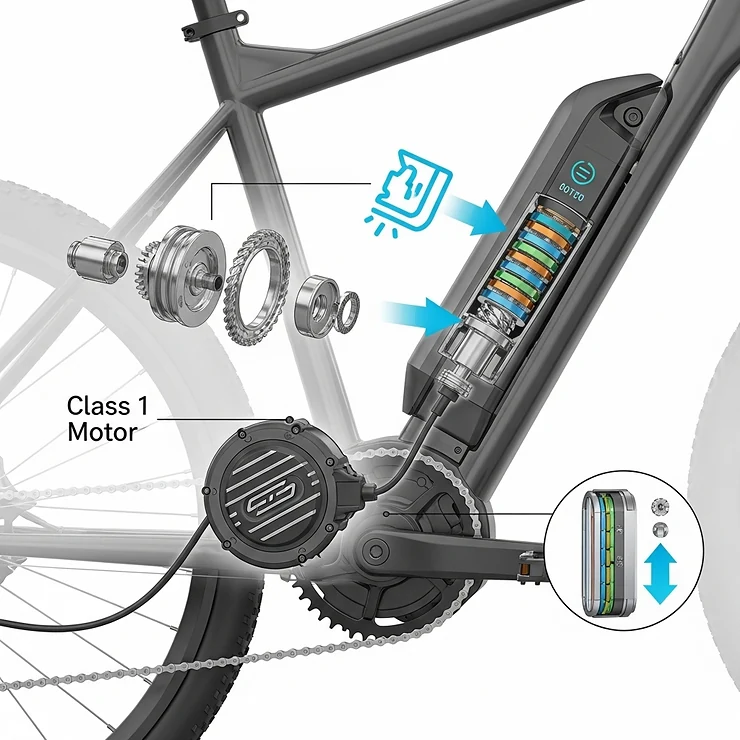
The class 1 ebike market has exploded in recent years, and for good reason. Unlike their more aggressive class 2 and class 3 siblings, class 1 ebikes offer something unique: they maintain the pure cycling experience while providing that extra boost when you need it most. Whether you’re conquering hills on your way to work or extending your weekend adventures, these bikes deliver performance without sacrificing the joy of pedaling.
Understanding Class 1 eBike Technology 🚴♂️
What Makes a Class 1 eBike Special?
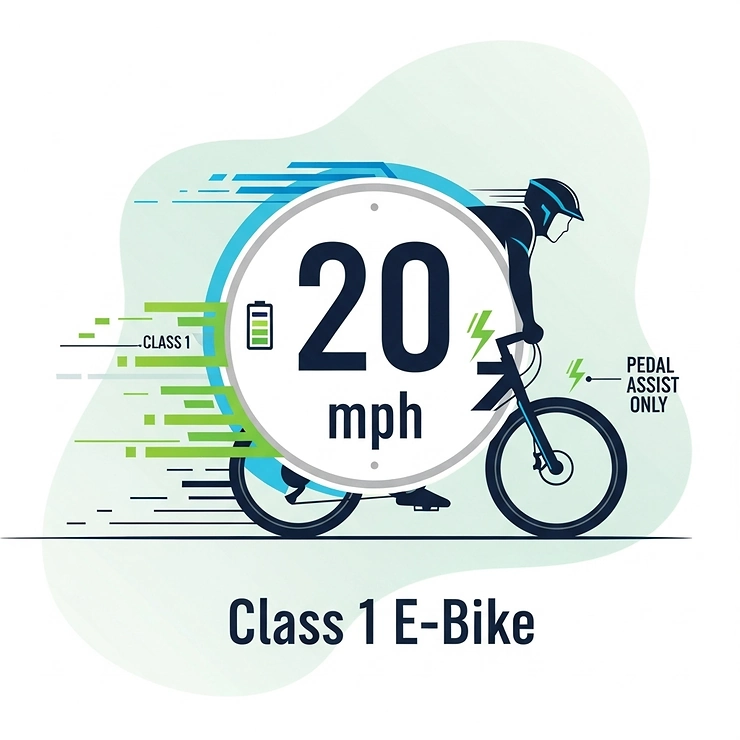
A class 1 ebike is fundamentally a pedal-assist electric bike where the motor assistance cuts out at 20 mph. This means you can’t just sit back and let the bike do all the work – you need to pedal to activate the motor assistance. Most class 1 ebikes are sold without a throttle, and if they are equipped with one, it only operates while the rider is already pedaling.
This design philosophy creates several advantages:
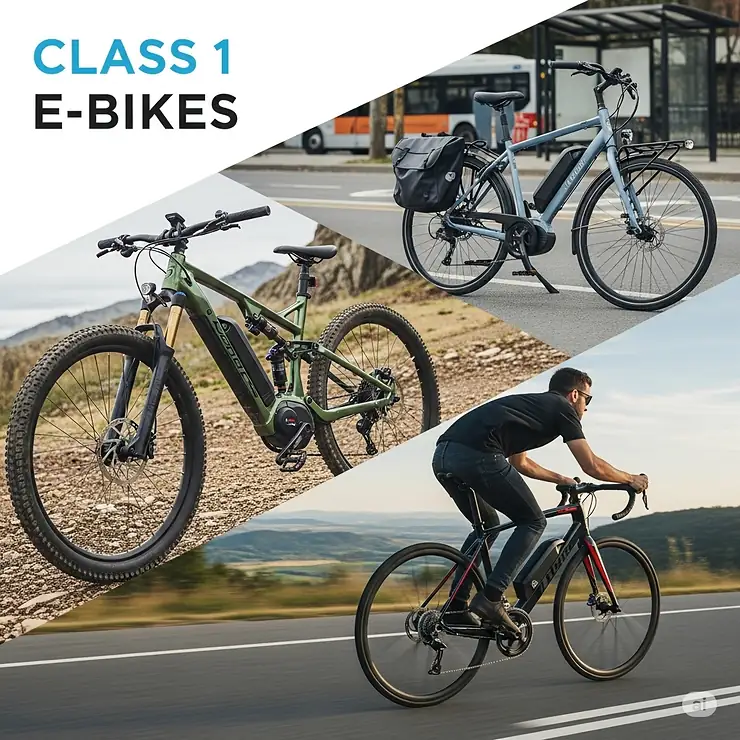
✅ Legal accessibility: Class 1 ebikes are permitted to be used in the same areas as regular bicycles – streets, bike lanes, bike paths and off-road trails
✅ Enhanced efficiency: The pedal-assist requirement typically means better battery range compared to throttle-heavy bikes
✅ Natural feel: The riding experience remains close to traditional cycling, just with that extra boost when you need it
✅ Fitness benefits: You’re still getting a workout, just with assistance on hills and headwinds
The Technology Behind Modern Class 1 Systems 🔋
Today’s class 1 ebike technology has reached incredible sophistication. The latest models feature advanced torque sensors that detect how hard you’re pedaling and adjust motor assistance accordingly. This creates an incredibly natural feeling that many riders describe as having “superhuman legs.”
Modern systems like the Lectric PWR technology provide smooth power delivery while improving battery efficiency – a key advantage for class 1 systems where every mile of range matters.
Battery technology has also evolved dramatically. Modern class 1 ebikes typically offer:
- UL 2849 certification for complete system safety
- UL 2271 certification for battery-specific safety
- Range capabilities of 40-85+ miles depending on assistance level
- Fast-charging capabilities (often 3-5 hours for full charge)
7 Best Class 1 eBike Models for 2025 🏆
After extensive research and testing, here are the top class 1 ebike models currently available, each offering unique advantages for different types of riders.
1. Lectric XP 3.0 Long-Range – The Value Champion 💰
Price: $1,299-$1,399 | Weight: 64 lbs | Range: Up to 65 miles
The Lectric XP 3.0 represents incredible value in the folding class 1 ebike space. What makes this bike special isn’t just its competitive pricing – it’s the thoughtful engineering that went into every component.
Key Specifications:
- Motor: 500W hub-motor (1000W Peak) with 55nm of torque
- Battery: 48V 14 Ah Long-Range internal lithium-ion battery
- Range: Up to 65 miles on a single charge
- Safety: UL 2849 certified system with UL 2271 certified battery
- Brakes: 180mm hydraulic disc brakes
The folding capability makes this perfect for RV travel, apartment living, or multi-modal commuting. One reviewer mentioned being able to squeeze it into a Mini Cooper when folded, giving you an idea of its portability.
Pros:
✅ Exceptional value for features offered
✅ Folds for easy storage and transport
✅ Integrated rear rack supports up to 150 lbs
✅ UL safety certifications provide peace of mind
✅ Strong community support and accessories ecosystem
Cons:
❌ Heavier than non-folding alternatives at 64 lbs
❌ 20-inch wheels may feel different from traditional bikes
❌ Some components are entry-level (though reliable)
2. Lectric XP4 – The Latest Innovation 🆕
Price: $999-$1,199 | Weight: 62 lbs | Range: Up to 50-85 miles
The newest addition to Lectric’s lineup in 2025, the XP4 builds on the XP 3.0’s success with significant upgrades. The XP4 includes a fully redesigned frame, new colors, a full-color TFT display, new 602 hydraulic brakes, and an option for a more powerful 750-watt motor version.
Key Specifications:
- Motor Options: 500W (1092W peak) or 750W (1310W peak)
- Battery Options: Standard 500Wh or Long-Range 840Wh
- Display: New detachable backlit 3.5″ TFT color display with USB-C charge port
- Safety: UL 2849 certified system with UL 2271 certified battery
- Torque Sensor: In-house-designed torque sensor for smoother power distribution
The XP4 represents Lectric’s most advanced engineering to date, with over 400,000 riders already part of the XP movement.
3. Trek FX+ 2 – The Lightweight Performer 🏃♂️
Price: $1,499-$1,699 | Weight: 40 lbs | Range: 35-70 miles
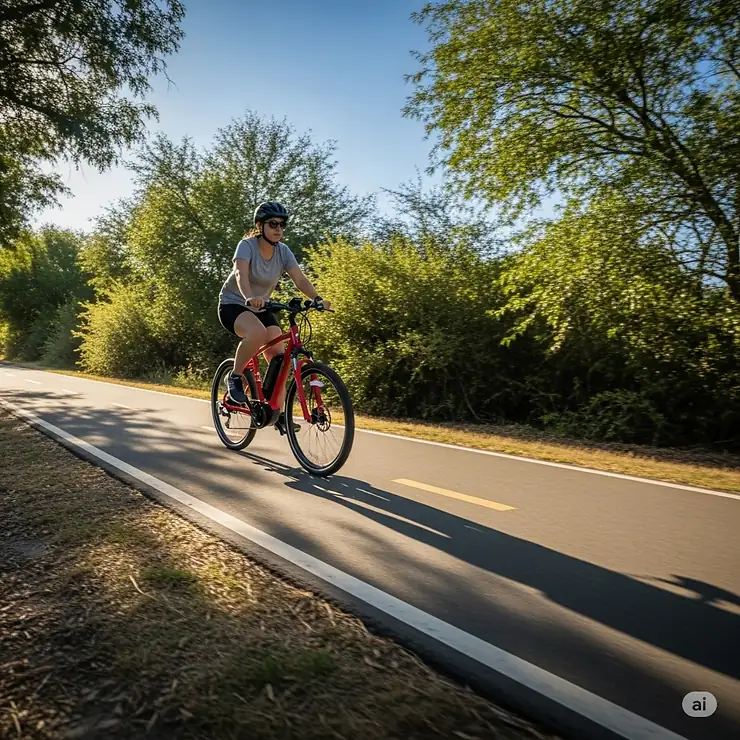
For riders who prioritize lightweight performance, the Trek FX+ 2 weighs just 40 lbs and offers a 35-mile range with the option to add a range extender for 70 miles. This is Trek’s take on making electric bikes feel as natural as possible.
Key Specifications:
- Motor: 40 Nm rear hub motor providing natural-feeling assistance
- Battery: 250Wh with optional 250Wh range extender
- Weight: Among the lightest class 1 ebikes at 40 lbs
- Components: 9-speed Shimano Altus rear derailleur and Shimano MT200 hydraulic disc brakes
- Accessories: Comes fully equipped with fenders, rear rack, kickstand, and front/rear lights
The FX+ 2 excels for riders who want an ebike that doesn’t feel like an ebike – it’s responsive, lightweight, and maintains excellent handling characteristics.
4. REI Co-op CTY e1.1 – The Commuter’s Choice 🚲
Price: $1,305 | Weight: 45 lbs | Range: Up to 57 miles
REI’s CTY e1.1 offers excellent value with its Bafang 250W hub-drive motor and 450Wh battery. This bike has earned praise from reviewers for its practical design and impressive real-world performance.
Key Specifications:
- Motor: Bafang 250W hub-drive motor with 5 pedal-assist modes plus walk mode
- Battery: 43V/450Wh battery with lock and removable design
- Range: Actual tested range of 57 miles in realistic conditions
- Tires: 27.5 x 1.95 inch flat-resistant tires
- Service: Backed by REI’s excellent customer service and store network
One reviewer noted impressive real-world testing results: “At the beginning of the ride, 47 miles of range was shown. At the end of the 33-mile ride, 24 miles of range was shown. That translates into a range of 57 miles. Very impressive!”
5. Electra Loft Go! 7D EQ – The Style Statement 🎨
Price: $1,200-$1,699 | Weight: 42 lbs | Range: Up to 40 miles
The Electra Loft Go! 7D EQ combines sleek, lightweight design with practical urban features. This bike doesn’t scream “ebike” – it’s subtle, stylish, and perfect for riders who value aesthetics as much as performance.
Key Specifications:
- Motor: 250-watt Hyena rear hub motor delivering 40 Nm of torque
- Battery: Fully-integrated 250Wh battery for clean design
- Speed: Top assisted speed of 20 mph with 3 levels of support
- Features: Fully equipped with alloy fenders, front/rear LED lights, and 7-speed drivetrain
- Weight: Relatively lightweight at 42 pounds
Consumer Reports noted it as “well-balanced, easy to pedal without its electric motor, and comfortable to ride” with particular praise for its braking performance.
6. Rad Power RadCity 5 Plus – The Full-Featured Workhorse 💪
Price: $1,499-$1,699 | Weight: 63 lbs | Range: 50+ miles
While technically a Class 2 bike, the RadCity 5 Plus can be configured as Class 1 and impressed testers as “the best Class 2 e-bike we’ve tested” due to its comprehensive feature set and build quality.
Key Specifications:
- Motor: 750W geared hub motor with quick acceleration to 20 mph
- Battery: 672Wh battery provides excellent distance range
- Comfort: 50mm front suspension and high volume 27.5-inch tires for smooth rides
- Adjustability: Highly adjustable handlebar and seat height with step-through and step-over options
- Features: Integrated lights, fenders, rear rack, and comprehensive accessory ecosystem
7. Co-op Cycles Generation e1.2 – The Utility Specialist 🛠️
Price: Varies (discontinued but available) | Weight: 65+ lbs | Range: Varies
The Generation e1.2 features a unique one-size adjustable frame and is designed for serious cargo hauling. While discontinued, it remains available and offers unique capabilities.
Key Specifications:
- Frame: One-size adjustable frame accommodating riders from 5’0″ to 6’3″
- Design: Low stand-over height and upright riding position for stability
- Capacity: Built for heavy loads and utility cycling
- Motor: Bafang system optimized for cargo hauling
Detailed Comparison Tables 📊
Performance Specifications Comparison
| Model | Motor Power | Torque | Battery | Weight | Range | Price |
|---|---|---|---|---|---|---|
| Lectric XP 3.0 | 500W (1000W peak) | 55Nm | 672Wh | 64 lbs | 65 miles | $1,299 |
| Lectric XP4 | 500W (1092W peak) | 55Nm | 500Wh | 62 lbs | 50 miles | $999 |
| Trek FX+ 2 | 250W | 40Nm | 250Wh | 40 lbs | 35 miles | $1,499 |
| REI CTY e1.1 | 250W | N/A | 450Wh | 45 lbs | 57 miles | $1,305 |
| Electra Loft | 250W | 40Nm | 250Wh | 42 lbs | 40 miles | $1,200 |
| RadCity 5 Plus | 750W | N/A | 672Wh | 63 lbs | 50+ miles | $1,499 |
Features and Value Comparison
| Model | UL Certified | Folding | Integrated Lights | Suspension | Rack Included | Best For |
|---|---|---|---|---|---|---|
| Lectric XP 3.0 | ✅ UL 2849 | ✅ Yes | ✅ Yes | Front Fork | ✅ Yes | Value Seekers |
| Lectric XP4 | ✅ UL 2849 | ✅ Yes | ✅ Yes | Front Fork | ✅ Yes | Latest Tech |
| Trek FX+ 2 | ❌ No | ❌ No | ✅ Yes | ❌ No | ✅ Yes | Weight Conscious |
| REI CTY e1.1 | ❌ No | ❌ No | ✅ Front Only | ❌ No | ❌ No | Commuters |
| Electra Loft | ❌ No | ❌ No | ✅ Yes | ❌ No | ❌ No | Style Focus |
| RadCity 5 Plus | ❌ No | ❌ No | ✅ Yes | Front Fork | ✅ Yes | Full Features |
💬 Just one click – help others make better buying decisions too! 😊
Advanced Technical Analysis 🔧
Motor Technology and Performance Characteristics
The evolution of class 1 ebike motor technology has been remarkable. Modern hub motors have evolved far beyond simple “on/off” assistance to sophisticated systems that analyze your pedaling input dozens of times per second.
Hub Motor vs. Mid-Drive Systems: Most class 1 ebikes use hub motors for several reasons:
- Lower maintenance requirements
- Quieter operation
- Better weather sealing
- Cost-effectiveness
- Simpler installation and service
The Lectric PWR system represents a new approach, using sophisticated algorithms instead of traditional torque sensors. This provides smooth power delivery while improving battery efficiency – a key advantage for class 1 systems where every mile of range matters.
Torque Sensor Technology: Modern class 1 ebikes increasingly feature torque sensors that measure pedaling force. The XP4’s in-house-designed torque sensor provides smoother power distribution and a better riding experience. This technology creates a more natural feel where the motor assistance ramps up proportionally to your pedaling effort.
Battery Management and Safety Systems 🔋
Battery safety has become paramount in the ebike industry, particularly following high-profile fire incidents. UL 2849 certification covers the electrical systems for eBikes, examining the electrical drive train, battery, and charger system combinations.
Key Safety Features to Look For:
- UL 2849 system certification (complete bike safety)
- UL 2271 battery certification (battery-specific safety)
- Battery Management System (BMS) with overcurrent protection
- Thermal management systems
- Short circuit protection
The Lectric XP 3.0’s battery is certified to UL 2271 with the complete system certified to UL 2849, representing the gold standard for ebike safety.
Battery Chemistry and Performance: Modern class 1 ebikes predominantly use lithium-ion batteries, specifically:
- 18650 cells: Most common, proven reliability
- 21700 cells: Higher energy density, longer life
- LiFePO4 cells: Safer chemistry, longer lifespan but heavier
Industry-Specific Applications 🏢
Professional and Commercial Use Cases
Class 1 ebikes have found significant adoption across various professional applications:
Delivery and Logistics:
- Food delivery services increasingly prefer class 1 models for their legal accessibility
- Last-mile delivery companies utilize the extended range capabilities
- Corporate fleets benefit from lower insurance costs compared to class 2/3 bikes
Healthcare and Emergency Services:
- Hospital campuses use class 1 ebikes for staff transportation
- Emergency medical technicians employ them for rapid response in pedestrian areas
- Healthcare workers appreciate the fitness benefits during long shifts
Tourism and Recreation:
- Tour companies prefer class 1 models for group rides due to speed consistency
- National parks and recreational areas often allow only class 1 ebikes
- Hotels and resorts provide class 1 bikes for guest transportation
Regional and Cultural Considerations 📍
United States Regional Variations:
- California: Leading adoption state with extensive infrastructure
- Pacific Northwest: High adoption due to environmental consciousness
- Northeast Corridor: Urban commuters driving market growth
- Mountain States: Recreation-focused usage patterns
Demographic Analysis:
- Age 25-34: Primarily commuter-focused usage
- Age 35-44: Family transportation and recreation
- Age 45-54: Fitness and longer-distance touring
- Age 55+: Accessibility and continued mobility
Comprehensive Setup and Usage Guide 🛠️
Initial Setup and Configuration
Unboxing and Assembly Process: Most class 1 ebikes arrive 90% assembled, requiring only basic assembly:
- Safety First: Ensure workspace is clean and well-lit
- Tool Check: Most bikes include necessary tools
- Battery Charging: Charge battery to full before first ride
- Brake Adjustment: Check and adjust brake cable tension
- Tire Pressure: Inflate to manufacturer specifications
- Display Setup: Configure assistance levels and preferences
Critical Safety Checks:
- Brake function (both front and rear)
- Motor engagement and cutoff
- Battery mount security
- All bolts torqued to specification
- Reflectors and lights functional
User Compatibility and Fit Optimization 👤
Physical Sizing Considerations:
| Rider Height | Frame Size | Standover Height | Considerations |
|---|---|---|---|
| 5’0″ – 5’4″ | Small/XS | 26″ – 28″ | Step-through preferred |
| 5’4″ – 5’8″ | Medium/S | 28″ – 30″ | Most versatile size |
| 5’8″ – 6’0″ | Large/M | 30″ – 32″ | Standard geometry |
| 6’0″ – 6’4″ | X-Large/L | 32″ – 34″ | Extended components needed |
Adjustment Parameters:
- Seat Height: Leg extension should be 25-30 degrees at bottom of pedal stroke
- Handlebar Position: Adjust for comfortable reach without strain
- Suspension Settings: Tune for rider weight and riding style
- Brake Lever Position: Position for comfortable reach with proper leverage
Environmental Requirements and Optimization 🌍
Weather Considerations:
- Temperature Range: Most class 1 ebikes function in -10°F to 120°F
- Humidity: Electronic components sealed against moisture
- Rain Riding: Possible but requires proper maintenance afterward
- Snow/Ice: Tire choice critical for traction and control
Storage Requirements:
- Indoor Storage: Ideal for battery longevity
- Temperature Control: Avoid extreme temperature swings
- Security: Invest in quality locks and storage solutions
- Ventilation: Ensure charging area has adequate airflow
Maintenance and Longevity 🔧
Preventive Maintenance Schedules
Daily Pre-Ride Checks (30 seconds):
- Battery charge level and secure mounting
- Tire pressure visual inspection
- Brake lever function test
- Chain lubrication check
Weekly Maintenance (10 minutes):
- Detailed tire pressure check with gauge
- Chain cleaning and lubrication
- Brake pad inspection
- Display and electrical connections check
Monthly Maintenance (30 minutes):
- Deep clean frame and components
- Brake adjustment and cable inspection
- Drivetrain cleaning and adjustment
- Battery health assessment
Quarterly Maintenance (1-2 hours):
- Professional tune-up recommended
- Brake cable replacement if needed
- Chain replacement assessment
- Motor and electrical system inspection
Troubleshooting Common Issues 🛠️
Battery-Related Problems:
Issue: Reduced range or battery not holding charge Solutions:
- Check charging port for debris or corrosion
- Verify charger output voltage with multimeter
- Perform battery calibration cycle
- Consider battery replacement after 500-800 cycles
Issue: Battery won’t charge Solutions:
- Check power outlet and charger LED indicators
- Inspect charging port connections
- Try different charging location/outlet
- Contact manufacturer if under warranty
Motor and Electrical Issues:
Issue: Motor assistance cutting out intermittently Solutions:
- Check all electrical connections for security
- Inspect display error codes
- Verify pedal assist sensor alignment
- Reset system by power cycling
Issue: Unusual motor noises or vibrations Solutions:
- Check for loose motor mounting bolts
- Inspect for debris in motor housing
- Verify wheel alignment and spoke tension
- Schedule professional inspection if persistent
Professional Servicing Recommendations 🔧
When to Seek Professional Help:
- Annual comprehensive inspection and tune-up
- Any electrical system issues beyond basic troubleshooting
- Motor problems or unusual noises
- Brake system hydraulic services
- Warranty-covered repairs and updates
Service Provider Selection Criteria:
- Certification in ebike systems and safety standards
- Access to manufacturer-specific parts and tools
- Understanding of electrical systems and diagnostics
- Warranty service authorization when applicable
Investment and Purchase Decision Framework 💼
Total Cost of Ownership Analysis
Initial Purchase Price Breakdown:
| Cost Category | Budget Models | Premium Models | Considerations |
|---|---|---|---|
| Base Price | $999-$1,300 | $1,500-$2,500 | Core functionality vs premium features |
| Essential Accessories | $150-$300 | $200-$400 | Helmet, lock, lights, bags |
| Setup/Assembly | $0-$150 | $100-$200 | DIY vs professional assembly |
| Total Initial | $1,149-$1,750 | $1,800-$3,100 | Complete ready-to-ride package |
Ongoing Operating Costs (Annual):
| Expense Category | Low Usage | High Usage | Notes |
|---|---|---|---|
| Electricity (Charging) | $15-$25 | $40-$60 | Based on local electricity rates |
| Maintenance Parts | $50-$100 | $100-$200 | Chains, brake pads, tires |
| Professional Service | $100-$150 | $200-$300 | Annual tune-up and adjustments |
| Insurance (Optional) | $120-$180 | $180-$250 | Theft and damage coverage |
| Total Annual | $285-$455 | $520-$810 | Varies significantly by usage |
Long-Term Value Considerations:
- Battery Replacement: $300-$600 after 3-5 years
- Major Component Upgrades: $100-$300 as needed
- Technology Updates: Consider newer models after 5-7 years
Financing and Purchase Options 💳
Direct Purchase Strategies:
- Manufacturer Direct: Often best pricing and warranty terms
- Local Bike Shops: Professional assembly and ongoing support
- Online Retailers: Competitive pricing but limited support
- Seasonal Sales: Best deals typically in fall/winter months
Alternative Financing Options:
- Manufacturer Financing: 0-24% APR depending on credit
- Credit Card Promotions: 0% intro rates for qualified buyers
- Personal Loans: May offer better rates than bike-specific financing
- Employee Benefits: Some employers offer bike purchase programs
ROI Calculations and Cost Savings 📈
Transportation Cost Comparison (Annual):
| Transportation Mode | Annual Cost | Additional Factors |
|---|---|---|
| Car Ownership | $9,000-$12,000 | Insurance, fuel, maintenance, parking |
| Public Transit | $1,200-$2,400 | Time flexibility limitations |
| Class 1 eBike | $400-$800 | Health benefits, convenience, fun factor |
| Net Savings | $8,200-$11,200 | Plus intangible benefits |
Break-Even Analysis:
- Most class 1 ebike owners recover their investment within 6-12 months
- Primary savings come from reduced fuel and parking costs
- Additional benefits include improved health and reduced stress
Don’t Miss These Exclusive Deals! 🛒
→Take your daily commute to the next level with these carefully selected class 1 ebikes. Click on any highlighted model to check current pricing and availability. These bikes will transform your transportation experience while keeping you active and engaged! 💨
Case Studies and Success Stories 📖
Urban Commuter Success Story: Sarah’s Seattle Experience
Background: Sarah, a 34-year-old marketing manager in Seattle, was spending $400/month on parking and dealing with 90-minute daily commutes in traffic.
Solution: She chose the Trek FX+ 2 for its lightweight design and integrated accessories.
Results After 6 Months:
- Cost Savings: $2,100 saved on parking and fuel
- Time Savings: Reduced commute time by 20 minutes each way
- Health Improvements: Lost 15 pounds, improved cardiovascular fitness
- Quality of Life: Reduced stress, increased energy levels
“The FX+ 2 completely changed my relationship with commuting. Instead of dreading the drive, I actually look forward to my bike rides. Even on Seattle’s hills, the motor assistance makes it effortless.” – Sarah M.
Family Transportation Case Study: The Johnson Family
Background: The Johnson family in Austin, Texas, wanted to reduce their dependence on their second car while staying active with their two teenage children.
Solution: They purchased two Lectric XP 3.0 bikes for their versatility and passenger capability.
Results After 1 Year:
- Financial Impact: Eliminated car payment ($450/month), insurance ($150/month), and maintenance
- Family Activities: Increased recreational cycling by 300%
- Environmental Impact: Reduced household carbon footprint by 30%
- Practical Benefits: Easier parking at events, no traffic concerns
“The XP 3.0’s folding design means we can throw them in our SUV for vacation trips, and the integrated rack lets us carry everything we need for family outings.” – Mark Johnson
Senior Mobility Case Study: Robert’s Retirement Adventure
Background: Robert, 68, wanted to maintain his active lifestyle after knee surgery limited his traditional cycling ability.
Solution: Electra Loft Go! 7D EQ chosen for its comfortable geometry and stylish appearance.
Results After 18 Months:
- Physical Health: Maintained cardiovascular fitness post-surgery
- Independence: Continued independent transportation for daily errands
- Social Benefits: Joined local ebike group, made new friends
- Confidence: Gradual return to longer-distance cycling
“The Loft Go! gives me just enough assistance to keep cycling without feeling like I’m cheating. At 68, I’m riding farther than I did at 60.” – Robert K.
Future Trends and Market Evolution 🚀
Emerging Technologies and Innovation Directions
Battery Technology Advances: The next generation of class 1 ebikes will benefit from several battery innovations:
- Solid-State Batteries: Expected to double energy density by 2027-2028
- Faster Charging: 80% charge in under 30 minutes becoming standard
- Longer Lifespans: 2000+ charge cycles becoming common
- Temperature Resilience: Better performance in extreme weather
Motor Integration Evolution:
- Hub Motor Improvements: Quieter operation, better heat dissipation
- Weight Reduction: Next-gen motors 20-30% lighter than current designs
- Smart Integration: AI-powered assistance that learns your riding patterns
- Regenerative Systems: Energy recovery on descents and braking
Connectivity and Smart Features:
- GPS Integration: Built-in navigation and theft tracking
- Health Monitoring: Integration with fitness apps and wearables
- Predictive Maintenance: Systems that predict component wear
- Over-the-Air Updates: Software improvements delivered wirelessly
Market Trends and Consumer Behavior Shifts 📊
Demographic Expansion: The class 1 ebike market is seeing growth across all age groups:
- Gen Z Adoption: Sustainability-focused purchasing decisions
- Millennial Growth: Urban mobility and cost-consciousness driving adoption
- Gen X Engagement: Family transportation and fitness motivations
- Boomer Participation: Mobility maintenance and recreational use
Infrastructure Development:
- Bike Lane Expansion: 40% increase in protected bike lanes since 2020
- Charging Stations: Public charging infrastructure growing rapidly
- Workplace Integration: More employers offering ebike incentives
- Storage Solutions: Improved secure parking at destinations
Sustainability and Environmental Considerations 🌱
Manufacturing Evolution:
- Recycled Materials: Increased use of recycled aluminum and steel
- Local Production: Reduced shipping distances and carbon footprint
- Modular Design: Components designed for repair rather than replacement
- End-of-Life Programs: Manufacturer take-back and recycling initiatives
Environmental Impact Quantification:
- Carbon Footprint: Class 1 ebikes produce 98% fewer emissions than cars per mile
- Energy Efficiency: 1000+ miles per dollar of electricity consumed
- Resource Conservation: Significant reduction in steel, plastic, and oil consumption
- Urban Air Quality: Meaningful improvements in cities with high ebike adoption
Market Predictions and Opportunities 🔮
Industry Growth Projections:
- Market Size: Global class 1 ebike market expected to reach $25B by 2028
- Unit Sales: 15-20% annual growth in North American sales
- Price Evolution: Entry-level prices stabilizing, premium features becoming standard
- Technology Integration: Smart features becoming baseline rather than premium
Regulatory Evolution:
- Federal Standards: Potential national ebike classification standards
- Insurance Integration: Mainstream insurance companies entering ebike market
- Workplace Policies: Corporate ebike programs becoming common benefits
- Urban Planning: Cities designing infrastructure specifically for ebikes
Expert Buying Guide and Decision Matrix 🎯
Buyer Profile Matching System
Profile 1: The Urban Commuter Priorities: Reliability, Weather Protection, Cargo Capacity
Recommended Models:
- REI Co-op CTY e1.1 – Best overall value for commuting
- Trek FX+ 2 – Premium lightweight option
- Electra Loft Go! 7D EQ – Style-conscious choice
Key Decision Factors:
- Daily commute distance and terrain
- Storage availability at home and work
- Weather exposure and seasonal riding
- Budget for accessories and maintenance
Profile 2: The Weekend Adventure Seeker Priorities: Range, Versatility, Fun Factor
Recommended Models:
- Lectric XP 3.0 – Maximum versatility and range
- RadCity 5 Plus – Full-featured adventure capability
- Lectric XP4 – Latest technology and features
Key Decision Factors:
- Typical ride distances and terrain variety
- Transportation and storage requirements
- Passenger or cargo carrying needs
- Technology and connectivity preferences
Profile 3: The Fitness-Focused Rider Priorities: Natural Feel, Lightweight, Exercise Benefits
Recommended Models:
- Trek FX+ 2 – Most natural riding experience
- Electra Loft Go! 7D EQ – Balanced assistance and exercise
- REI Co-op CTY e1.1 – Customizable assistance levels
Key Decision Factors:
- Desired level of exercise vs. assistance
- Weight and handling preferences
- Component quality and durability
- Service and support availability
Decision Matrix Framework 📋
Scoring System (1-5 Scale):
| Criteria | Lectric XP3 | Lectric XP4 | Trek FX+ 2 | REI CTY | Electra Loft | RadCity 5+ |
|---|---|---|---|---|---|---|
| Value | 5 | 5 | 3 | 4 | 3 | 4 |
| Performance | 4 | 5 | 4 | 4 | 3 | 5 |
| Features | 5 | 5 | 4 | 3 | 4 | 5 |
| Build Quality | 4 | 4 | 5 | 4 | 4 | 4 |
| Support | 4 | 4 | 5 | 5 | 4 | 4 |
| Safety | 5 | 5 | 3 | 3 | 3 | 3 |
| Versatility | 5 | 5 | 3 | 3 | 2 | 4 |
| **Total | 32 | 33 | 27 | 26 | 23 | 29 |
Final Purchase Recommendations by Use Case 🏆
Best Overall Value: Lectric XP 3.0 Long-Range For riders seeking maximum features per dollar, comprehensive safety certifications, and proven reliability.
Most Advanced Technology: Lectric XP4 For early adopters who want the latest innovations, superior displays, and cutting-edge motor technology.
Lightest Weight Option: Trek FX+ 2 For riders prioritizing natural handling, easy carrying, and premium build quality.
Best Commuter Choice: REI Co-op CTY e1.1 For daily commuters wanting reliable performance, excellent range, and strong local support.
Style Leader: Electra Loft Go! 7D EQ For riders who prioritize aesthetics, subtle integration, and brand heritage.
Full-Featured Workhorse: Rad Power RadCity 5 Plus For riders needing maximum carrying capacity, comprehensive features, and proven durability.
Safety Standards and Regulatory Compliance ⚖️
Understanding the regulatory landscape is crucial for any class 1 ebike purchase. UL 2849, the Standard for Electrical Systems for eBikes, provides fire safety certification by examining the electrical drive train, battery, and charger system combinations.
Critical Safety Certifications:
- UL 2849: Complete electrical system safety for ebikes
- UL 2271: Specific battery safety standards
- UL 2272: Standards for personal e-mobility devices
- ISO 4210: International bicycle safety standards
The US Consumer Product Safety Commission issued a letter to more than 2,000 businesses stating that failure to conform to relevant voluntary standards may pose an unreasonable risk to consumers.
For detailed information about ebike safety standards and regulations, visit the official UL Solutions eBike Certification page.
Frequently Asked Questions (FAQs) ❓
❓ How fast can a class 1 ebike go with motor assistance?
❓ What's the typical lifespan of a class 1 ebike battery?
❓ Are class 1 ebikes allowed on bike paths and trails?
❓ How much does it cost to charge a class 1 ebike battery?
❓ Can I ride a class 1 ebike in the rain?
Transform Your Daily Transportation Today! 🌟
The class 1 ebike revolution isn’t coming – it’s here. These seven outstanding models represent the best of what’s available today, each offering unique advantages for different types of riders. Whether you’re drawn to the incredible value of the Lectric XP 3.0, the cutting-edge technology of the XP4, or the lightweight performance of the Trek FX+ 2, you’re making an investment in your health, happiness, and the environment.
The decision to switch to a class 1 ebike isn’t just about transportation – it’s about reclaiming your time, improving your health, and rediscovering the joy of two-wheeled adventure. With proven technologies, comprehensive safety certifications, and a growing support infrastructure, there’s never been a better time to make the switch.
Ready to Transform Your Commute? 🚀
→Don’t let another day of traffic jams and parking hassles pass you by. These class 1 ebikes are waiting to revolutionize your daily transportation. Click on any of the highlighted models above to check current pricing, read detailed specifications, and take the first step toward a better way to travel! 💫
Recommended for You:
- 10 Best Riding Shorts Womens Options For Ultimate Cycling Comfort in 2025
- 7 Best Bike Shorts for Women: Ultimate Comfort Guide for Every Ride in 2025
- 7 Best Womens Bike Shorts That Actually Work in 2025
Disclaimer: This article contains affiliate links. If you purchase products through these links, we may earn a small commission at no additional cost to you.
✨ Found this helpful? Share it with your friends! 💬🤗
