In This Article
Are you ready to revolutionize your daily commute and weekend adventures? The class 2 ebike market has exploded in 2025, offering riders an incredible blend of power, convenience, and accessibility that’s transforming how we think about personal transportation. Whether you’re navigating busy city streets, tackling suburban hills, or simply looking for a fun way to stay active, these electric-powered companions deliver the perfect balance of human effort and motor assistance.
✨Was this helpful? Spread the word! 🚀
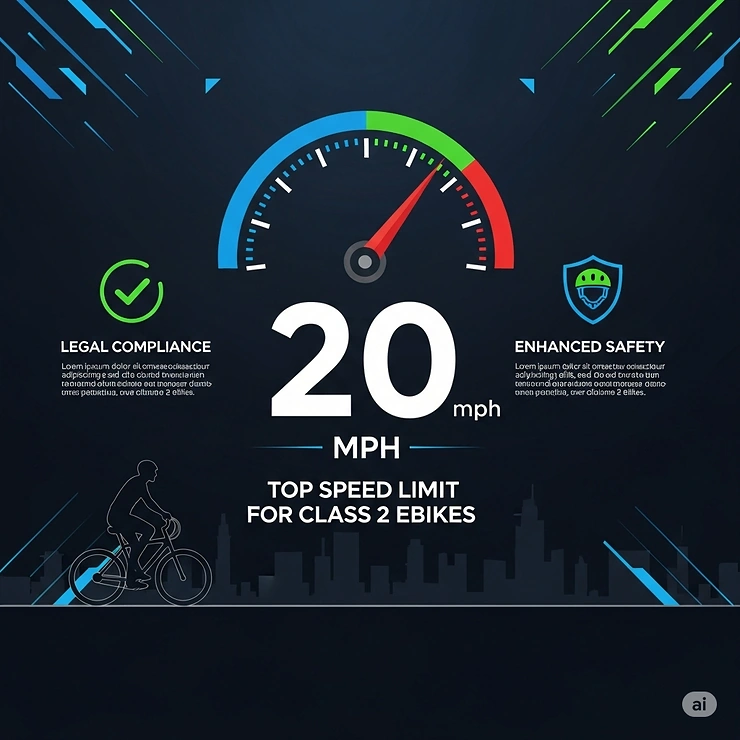
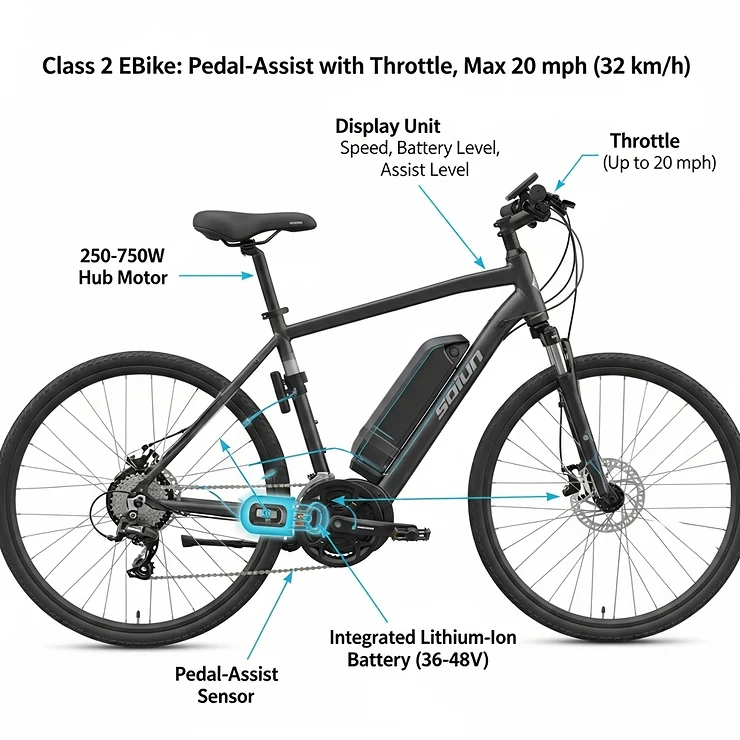
A class 2 ebike represents the sweet spot in electric bicycle technology, combining pedal-assist functionality with throttle control capabilities while maintaining street-legal status across most jurisdictions. Unlike their Class 1 cousins that require constant pedaling, or Class 3 models that push speed limits, class 2 ebikes offer maximum versatility with their 20 mph top speed and dual operating modes. This makes them ideal for riders who want options – sometimes you want to pedal for exercise, other times you just want to cruise effortlessly to your destination.
What Makes Class 2 Ebikes Special? 🚴♂️
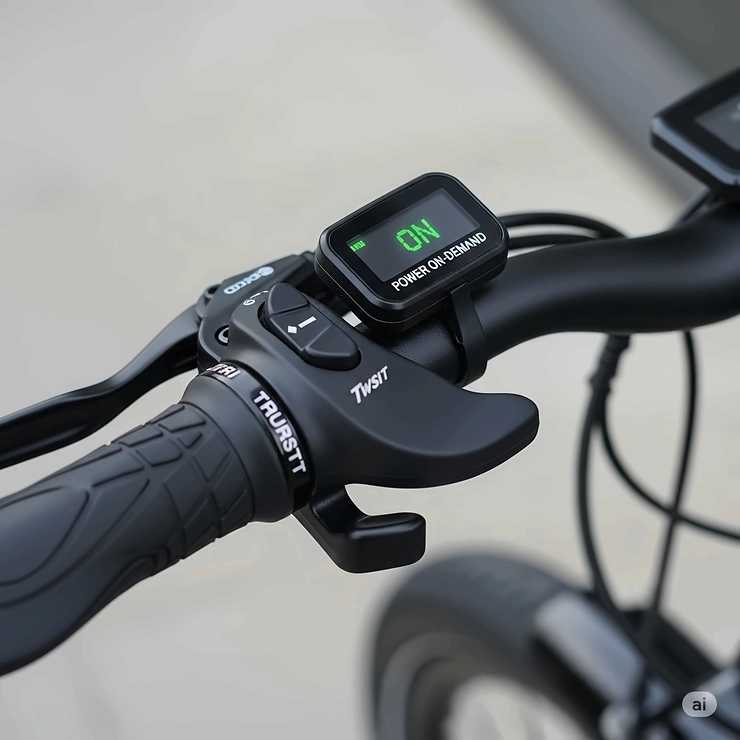
The defining characteristic of a class 2 ebike lies in its dual-mode operation system. These bikes feature both pedal-assist technology and throttle control, allowing riders to choose their level of engagement. The pedal-assist system provides support when you’re pedaling, amplifying your effort through sensors that detect your cadence and power output, while the throttle allows for pure electric propulsion without pedaling – perfect for starting from traffic lights, conquering steep hills, or when you simply want to relax and enjoy the ride.
Most class 2 ebikes are equipped with motors ranging from 250W to 750W, providing sufficient power for urban commuting while remaining within legal limits. The 20 mph speed restriction ensures safety while still offering significant time savings over traditional bicycles. Battery capacities typically range from 360Wh to 720Wh, delivering anywhere from 25 to 65 miles of range depending on usage patterns, terrain, and rider input.
Top 7 Class 2 Ebike Models for 2025 ⚡
1. Jasion EB5 Roamer – Best Urban Commuter
The Jasion EB5 Roamer stands out as our top pick for urban commuting, featuring a powerful 1200W motor (500W nominal) that delivers exceptional acceleration and hill-climbing capability. With its 528Wh battery, riders can expect up to 45 miles of range, making it perfect for daily commuting needs. The bike’s standout feature is its comprehensive lighting system, including turn signals, brake lights, and headlights that enhance safety during urban riding.
Key Specifications:
- Motor: 1200W peak, 500W nominal
- Battery: 48V 11Ah (528Wh)
- Range: Up to 45 miles
- Top Speed: 28 mph (configurable)
- Weight: 65 lbs
- Price: $699-$759
Customer reviews consistently praise the Jasion EB5 Roamer for its build quality and reliability. One reviewer noted, “After several ebike companies, I chose the Jasion EB5 Roamer. The bike has good power and the lighting system with turn signals sets it apart from other ebikes.”
2. Lectric XP 3.0 – Best Value Folding Ebike
The Lectric XP 3.0 has earned its reputation as America’s best-selling folding ebike, and for good reason. This versatile machine combines portability with performance, featuring a 500W motor (1000W peak) that delivers smooth acceleration and reliable hill climbing. The folding design makes it perfect for apartment dwellers, RV travelers, and commuters who need to store their bike in tight spaces.
Key Specifications:
- Motor: 500W nominal, 1000W peak
- Battery: 48V 10.4Ah (500Wh) or 17.5Ah (840Wh)
- Range: 45-65 miles
- Top Speed: 20-28 mph (Class 2/3 configurable)
- Weight: 64 lbs
- Price: $999-$1,199
The Lectric XP 3.0 comes with hydraulic disc brakes, front suspension, and a rear cargo rack capable of carrying 150 lbs. Reviews highlight its exceptional value proposition, with one long-term user stating, “How Lectric is making any money selling these ebikes for $1K is a mystery to me. Workmanship is excellent and the components are decent.”
3. Heybike Mars 2.0 – Best Fat Tire Performance
The Heybike Mars 2.0 dominates the fat tire category with its impressive 750W motor (1400W peak) and robust 20″x4″ tires that provide exceptional traction on varied terrain. The bike’s full suspension system, including a 65mm front fork and suspension seatpost, delivers remarkable comfort for both urban commuting and light off-road adventures.
Key Specifications:
- Motor: 750W nominal, 1400W peak (1000W/1800W option available)
- Battery: 48V 12.5Ah (600Wh)
- Range: Up to 45 miles
- Top Speed: 28 mph
- Weight: 75 lbs
- Price: $899-$1,499
Users particularly appreciate the Heybike Mars 2.0‘s app connectivity, which allows customization of pedal assist levels and speed settings. The bike also features a substantial rear rack with 120 lb capacity, making it excellent for cargo hauling.
4. Jasion EB5 – Best Budget Option
The Jasion EB5 offers incredible value for budget-conscious riders, delivering essential class 2 ebike features at an accessible price point. Despite its lower cost, this bike doesn’t compromise on quality, featuring a reliable 350W motor (500W peak) and a 360Wh battery that provides up to 40 miles of range.
Key Specifications:
- Motor: 350W nominal, 500W peak
- Battery: 36V 10Ah (360Wh)
- Range: Up to 40 miles
- Top Speed: 20 mph
- Weight: 50 lbs
- Price: $400-$500
The Jasion EB5 includes front suspension, 7-speed Shimano gearing, and both pedal assist and throttle modes. Customer feedback consistently highlights its reliability and ease of use, making it an excellent entry-level choice.
5. NAKTO Camel – Best Cruiser Style
The NAKTO Camel brings classic cruiser aesthetics to the class 2 ebike world, featuring a step-through frame design that’s particularly popular among female riders and those seeking easy mounting and dismounting. The 250W motor provides gentle assistance perfect for leisurely rides and light commuting.
Key Specifications:
- Motor: 250W brushless
- Battery: 36V 10Ah (360Wh)
- Range: Up to 22 miles
- Top Speed: 20 mph
- Weight: 50 lbs
- Price: $649
The NAKTO Camel comes fully equipped with fenders, front basket, rear rack, and integrated lighting. Its comfortable upright riding position and included accessories make it ideal for grocery runs and neighborhood exploration.
6. Razor Rambler TRL – Best Trail Performance
The Razor Rambler TRL is designed for riders who want to venture beyond paved paths. With its 750W motor and adjustable air suspension fork, this bike tackles light trail riding while maintaining street-legal status. The 20″ knobby tires provide excellent traction on varied surfaces.
Key Specifications:
- Motor: 750W rear hub
- Battery: 46.8V lithium-ion
- Range: Up to 16.6 miles
- Top Speed: 19.9 mph
- Weight: 68 lbs
- Price: $899+
The Razor Rambler TRL features lockout suspension and high-quality steel frame construction, making it suitable for more demanding terrain while retaining urban functionality.
7. Lectric XP 4 – Most Advanced Features
The newest addition to Lectric’s lineup, the Lectric XP 4 represents the evolution of folding ebike technology. With its in-house developed torque sensor, full-color TFT display, and upgraded 602 hydraulic brakes, this bike sets new standards for folding ebike performance.
Key Specifications:
- Motor: 500W or 750W options
- Battery: 10.4Ah or 17.5Ah options
- Range: 50-85 miles
- Top Speed: 28 mph
- Weight: 62-69 lbs
- Price: $999+
The Lectric XP 4 introduces significant upgrades including improved frame geometry, better weight distribution, and enhanced connectivity features through the Lectric app.
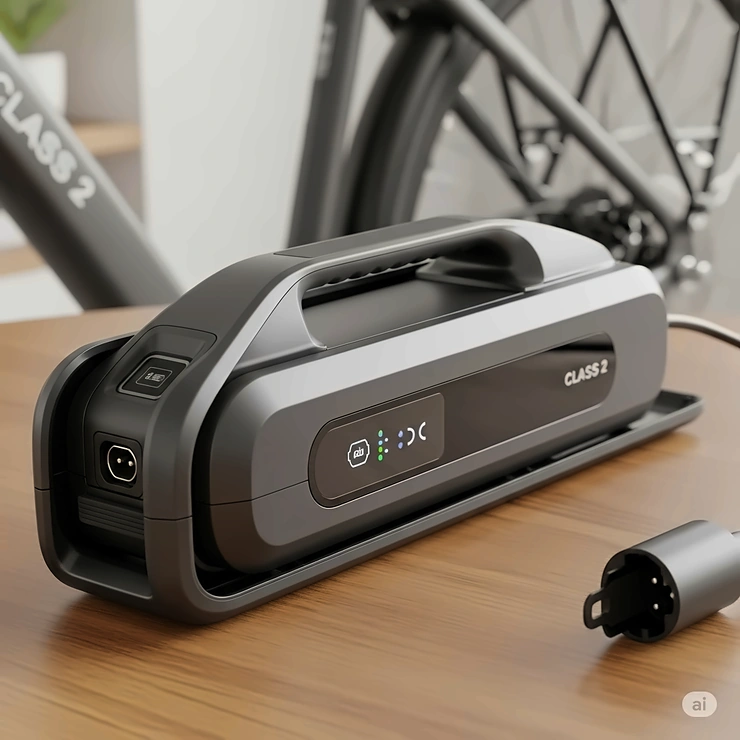
Comprehensive Class 2 Ebike Comparison Table
| Model | Motor Power | Battery | Range | Top Speed | Weight | Price |
|---|---|---|---|---|---|---|
| Jasion EB5 Roamer | 1200W peak | 528Wh | 45 miles | 28 mph | 65 lbs | $699-$759 |
| Lectric XP 3.0 | 1000W peak | 500-840Wh | 45-65 miles | 20-28 mph | 64 lbs | $999-$1,199 |
| Heybike Mars 2.0 | 1400W peak | 600Wh | 45 miles | 28 mph | 75 lbs | $899-$1,499 |
| Jasion EB5 | 500W peak | 360Wh | 40 miles | 20 mph | 50 lbs | $400-$500 |
| NAKTO Camel | 250W | 360Wh | 22 miles | 20 mph | 50 lbs | $649 |
| Razor Rambler TRL | 750W | 46.8V | 16.6 miles | 19.9 mph | 68 lbs | $899+ |
| Lectric XP 4 | 500-750W | 500-840Wh | 50-85 miles | 28 mph | 62-69 lbs | $999+ |
💬 Just one click – help others make better buying decisions too! 😊
Industry-Specific Applications (Professional Use Cases)
Food Delivery and Logistics 📦
Class 2 ebikes have revolutionized last-mile delivery services, offering significant advantages over traditional vehicles in urban environments. Professional delivery riders appreciate the 20 mph speed limit, which provides optimal balance between efficiency and safety while navigating busy streets. The throttle capability allows for quick acceleration from stops, essential when making frequent deliveries throughout the day.
Major food delivery platforms have embraced class 2 ebikes for their cost-effectiveness and environmental benefits. A typical delivery ebike setup costs approximately $1,200-$2,000 initially, compared to $25,000+ for a delivery van, with operational costs reduced by 80% due to eliminated fuel and reduced maintenance requirements. Professional delivery riders report completing 15-25% more deliveries per hour compared to traditional bicycles, directly impacting earnings potential.
The cargo capacity of models like the Heybike Mars 2.0 with its 120 lb rear rack makes them suitable for restaurant deliveries, while the folding capability of the Lectric XP 3.0 allows easy storage in restaurants and apartment buildings. Weather protection accessories and extended battery options have made year-round commercial use viable in most climates.
Healthcare and Medical Services 🏥
Healthcare professionals increasingly rely on class 2 ebikes for community health services, home visits, and campus transportation. The quiet operation and emission-free nature make them ideal for hospital environments and residential areas. Medical professionals can carry essential equipment using cargo accessories while maintaining professional appearance and punctuality.
Rural healthcare applications have seen particular success, with community health workers covering larger territories more efficiently. A typical medical professional can visit 40% more patients per day using a class 2 ebike compared to walking or public transportation, while carrying diagnostic equipment, medications, and documentation in weatherproof cargo systems.
The reliability and minimal maintenance requirements of quality class 2 ebikes ensure consistent availability for critical healthcare services. Battery backup systems and quick-charging capabilities have made these bikes dependable tools for essential services.
Corporate and Campus Security 🛡️
Security professionals have adopted class 2 ebikes for patrol duties across large campuses, business districts, and residential communities. The combination of speed, stealth, and accessibility allows security personnel to respond quickly while maintaining approachability. The electric assistance enables longer patrol periods without fatigue, improving coverage and response times.
University security departments report 60% improvement in response times across campus when using class 2 ebikes compared to walking patrols. The bikes’ ability to access pedestrian areas, bike paths, and narrow spaces provides security advantages over vehicles while maintaining the speed necessary for emergency response.
Professional security models often feature specialized mounting systems for radios, first aid equipment, and emergency lighting. The Jasion EB5 Roamer with its integrated turn signals and brake lights has proven particularly popular for security applications requiring high visibility.
Tourism and Recreation Industry 🌟
Tourist destinations worldwide have integrated class 2 ebikes into their transportation and experience offerings. Rental fleets allow visitors to cover more ground while maintaining the intimate experience of bicycle travel. Tour operators use class 2 ebikes to accommodate guests of varying fitness levels on the same excursion.
Professional tour guides appreciate the throttle capability for maintaining group cohesion, allowing them to adjust speed easily while providing commentary. The extended range capabilities of modern class 2 ebikes enable full-day tours without range anxiety, while cargo capacity accommodates lunch, water, and emergency supplies.
Destination management organizations report increased visitor satisfaction and extended length of stay when class 2 ebike infrastructure is available. The bikes enable access to attractions beyond traditional transportation networks while providing sustainable tourism options that align with environmental goals.
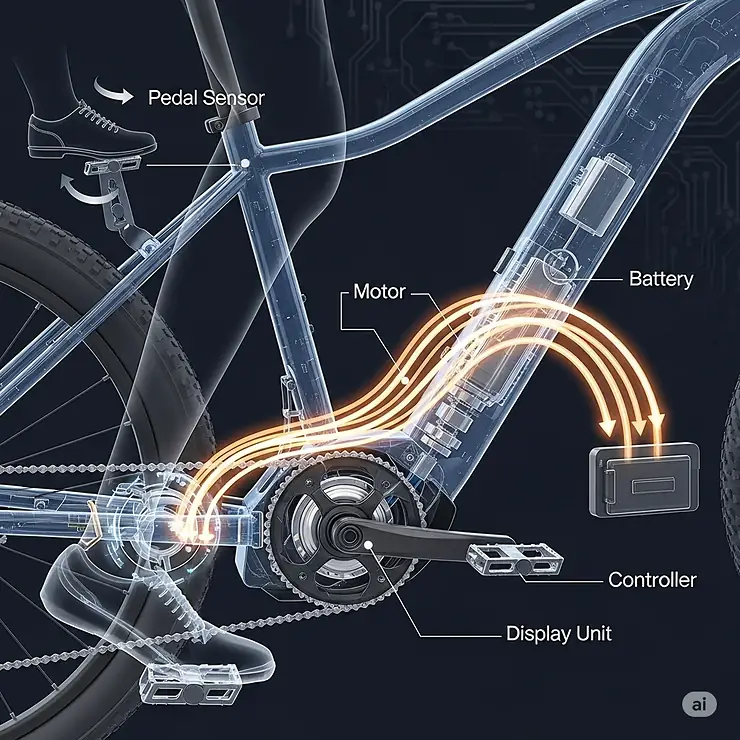
Advanced Technical Analysis (Engineering and Technology)
Motor Technology and Performance Characteristics 🔧
Modern class 2 ebikes utilize sophisticated brushless DC motors that offer superior efficiency, longevity, and performance compared to earlier brushed designs. The most common configuration employs rear hub motors ranging from 250W to 750W nominal power, with peak outputs often reaching 1000W to 1800W for brief periods during acceleration or hill climbing.
The efficiency of contemporary ebike motors has improved dramatically, with top-tier systems achieving 85-90% energy conversion efficiency. This improvement results from advanced magnetic materials, optimized winding patterns, and sophisticated electronic speed controllers (ESCs) that manage power delivery with precision. Temperature management systems prevent overheating during sustained use, ensuring consistent performance across various riding conditions.
Torque characteristics vary significantly between models, with premium class 2 ebikes like the Jasion EB5 Roamer delivering 60Nm of torque, sufficient for steep grade climbing with minimal rider input. The torque curve optimization in modern motors provides smooth power delivery from standstill through top speed, eliminating the jerky acceleration common in earlier ebike designs.
Battery Technology and Energy Management 🔋
Lithium-ion battery technology has advanced substantially, with current generation class 2 ebikes utilizing high-density cells that provide 150-200 Wh/kg energy density. Samsung SDI and LG Chem cells, found in premium models like the Lectric XP 3.0, offer superior cycle life with 800-1000+ charge cycles while maintaining 80% capacity retention.
Battery Management Systems (BMS) have become increasingly sophisticated, incorporating multiple protection layers including overvoltage, undervoltage, overcurrent, and thermal protection. Advanced BMS units also provide cell balancing capabilities that extend overall pack life by ensuring uniform charge distribution across individual cells.
Fast charging capabilities have improved with many current models supporting 5A charging rates, reducing charge times by 50% compared to standard 2A chargers. Smart charging algorithms prevent overcharging while optimizing charge curves for maximum battery longevity. Temperature-compensated charging ensures safe operation across environmental conditions.
Electronic Control Systems and Connectivity 📱
Modern class 2 ebikes feature sophisticated electronic control units (ECUs) that manage motor control, battery management, and user interface functions. These systems process inputs from multiple sensors including cadence sensors, torque sensors, speed sensors, and brake sensors to provide seamless power delivery.
Pedal-assist algorithms have evolved to provide natural feeling assistance that complements rider input rather than overwhelming it. Torque sensor equipped models like the Lectric XP 4 measure actual pedal force and adjust motor output proportionally, creating an intuitive riding experience that feels like enhanced human power rather than machine assistance.
Connectivity features now include smartphone integration through dedicated apps that allow customization of power curves, speed limits, and assist levels. GPS integration provides ride tracking, theft protection, and navigation assistance. Over-the-air updates ensure that firmware improvements can be deployed without requiring service visits.
Materials Science and Durability Engineering 🛠️
Frame construction has evolved beyond traditional steel and aluminum to incorporate advanced alloy compositions that optimize strength-to-weight ratios. 6061-T6 aluminum alloy, used in premium models, provides excellent corrosion resistance and fatigue life while maintaining weldability for complex frame geometries.
Fatigue testing standards have become more rigorous, with quality manufacturers subjecting frames to 100,000+ cycle tests that simulate years of real-world use. Impact resistance testing ensures frames can withstand urban hazards including potholes, curb impacts, and collision scenarios.
Component durability has improved significantly, with hydraulic disc brakes, sealed bearing systems, and weather-resistant electrical connections becoming standard on quality class 2 ebikes. IP65-rated electrical systems ensure reliable operation in adverse weather conditions while maintaining serviceability.
Comprehensive Setup and Usage Guide 🚀
Initial Assembly and Configuration
Setting up your new class 2 ebike properly ensures optimal performance and longevity. Most quality models arrive 85-90% assembled, requiring final installation of front wheel, handlebars, pedals, and accessories. The process typically takes 30-60 minutes with basic tools, though professional assembly is recommended for riders uncomfortable with mechanical tasks.
Battery activation requires initial conditioning through 2-3 complete charge cycles. During this process, charge the battery fully, use it until completely depleted, then recharge completely. This conditioning optimizes battery management system calibration and ensures accurate range estimation. Never store a new battery in a discharged state, as this can cause permanent capacity loss.
Display and control system setup involves configuring personal preferences including pedal assist levels, speed limits, and lighting preferences. Many models now offer smartphone app connectivity that simplifies this process while providing advanced customization options. Create user profiles for multiple riders to maintain individual preferences on shared bikes.
Rider Compatibility and Sizing Considerations 📏
Proper sizing is crucial for safety, comfort, and performance. Class 2 ebikes typically accommodate riders from 5’2″ to 6’4″, but specific models may have more restrictive ranges. Standover height should allow 1-2 inches of clearance when straddling the bike, ensuring safe mounting and dismounting.
Weight capacity includes both rider weight and cargo load, typically ranging from 250-330 lbs total capacity. Exceeding weight limits affects performance, handling, and component longevity. Distribute cargo weight as low and centered as possible to maintain stability and handling characteristics.
Adjustment procedures for saddle height, handlebar position, and suspension settings should be performed before first ride. Proper saddle height allows slight knee bend at full leg extension, while handlebar height should promote comfortable riding posture without excessive strain on back, neck, or wrists.
Environmental Optimization and Safety Protocols 🌦️
Operating environment significantly affects class 2 ebike performance and longevity. Temperature extremes impact battery performance, with optimal operating range between 32-85°F. Cold weather reduces range by 15-25%, while excessive heat can trigger thermal protection systems that limit power output.
Wet weather operation requires specific precautions despite IPX4-IPX6 water resistance ratings. Avoid pressure washing, submersion, or prolonged exposure to heavy rain. Post-ride cleaning and drying prevents corrosion and electrical issues. Store batteries at room temperature and avoid leaving bikes in temperature extremes.
Safety protocols include pre-ride inspection checklist covering tire pressure, brake function, battery charge level, and control system operation. Establish emergency procedures including backup transportation plans and emergency contact protocols. Carry basic repair tools and know locations of ebike-compatible service providers along regular routes.
Gradual Adoption and Learning Protocols 📚
New class 2 ebike riders should follow structured learning progression to develop confidence and skills safely. Begin in low-traffic environments like empty parking lots or quiet bike paths to familiarize yourself with acceleration characteristics, braking distances, and handling differences compared to traditional bicycles.
Week 1-2: Focus on basic operation including smooth acceleration, controlled braking, and stable steering. Practice mounting and dismounting with the added weight of the ebike. Learn to engage and disengage pedal assist smoothly without sudden power changes.
Week 3-4: Introduce traffic environments gradually, starting with low-speed residential areas before progressing to busier streets. Practice emergency braking and evasive maneuvers. Develop awareness of increased speeds and longer braking distances compared to traditional bicycles.
Month 2 and beyond: Expand to full range of intended use cases including commuting routes, recreational rides, and cargo hauling. Develop proficiency with all assist levels and understand range management for longer rides. Consider advanced skills training for specific applications like winter riding or off-road use.
Maintenance and Longevity Strategies 🔧
Daily and Weekly Maintenance Schedules
Consistent maintenance routines dramatically extend class 2 ebike lifespan and ensure reliable performance. Daily checks should include visual inspection of tires for wear or damage, brake lever feel and pad clearance, battery charge level and secure mounting, and chain lubrication if exposed to moisture or debris.
Weekly maintenance involves more thorough inspection of critical systems. Check tire pressure using accurate gauge, as proper inflation affects range, handling, and tire longevity. Inspect brake pads for wear and adjust cable tension if equipped with mechanical brakes. Clean chain and drivetrain components, applying appropriate lubricant for current conditions.
Battery maintenance includes monitoring charge level and avoiding deep discharge cycles. Charge batteries after each use rather than waiting for complete depletion. Store batteries at 40-60% charge if bike will be unused for extended periods. Clean battery contacts monthly with contact cleaner to ensure proper electrical connection.
Monthly and Quarterly Maintenance Protocols 🗓️
Monthly maintenance schedules should include comprehensive system inspection and adjustment. Torque check all critical fasteners including stem bolts, seat post clamp, wheel axles, and brake mounting bolts. Loose fasteners are common cause of safety issues and component failure.
Drivetrain maintenance involves checking chain wear using appropriate gauge tool. Chains typically require replacement after 2000-3000 miles depending on riding conditions and maintenance quality. Inspect cassette and chainring wear patterns, replacing components as needed to prevent accelerated wear of other components.
Quarterly maintenance includes suspension service for equipped models, brake system bleeding for hydraulic systems, and comprehensive electrical system inspection. Professional service is recommended for complex procedures unless rider has appropriate training and tools.
Troubleshooting Common Issues with Solutions 🔍
Battery issues represent the most common class 2 ebike problems. Reduced range may indicate battery degradation, improper charging habits, or environmental factors. Test battery capacity using controlled range test under consistent conditions. If capacity has dropped below 70% of original, battery replacement may be necessary.
Motor problems often manifest as reduced power, unusual noises, or complete failure. Check electrical connections for corrosion or looseness. Verify that controller settings haven’t been inadvertently changed through app or display interface. Overheating protection may limit power output during extended climbing or high ambient temperatures.
Display and control system issues frequently relate to loose connections or software glitches. Power cycling the system resolves many temporary issues. Check for firmware updates through manufacturer app or website. Ensure all connections are clean and secure, particularly after exposure to moisture.
Professional Servicing Recommendations and Total Cost Analysis 💰
Professional servicing schedules vary by usage intensity and environmental conditions. Recreational riders typically need professional service every 500-1000 miles, while commercial users may require monthly attention. Basic tune-ups cost $75-150 and include brake adjustment, drivetrain cleaning, and safety inspection.
Annual comprehensive service costs $200-400 and includes battery capacity testing, motor inspection, brake fluid replacement (hydraulic systems), and complete electrical system diagnosis. This investment typically prevents more expensive repairs and extends overall bike lifespan significantly.
Total cost of ownership analysis reveals that quality class 2 ebikes provide excellent value over 5-year service life. Initial investment of $800-1500 plus annual maintenance costs of $200-400 result in per-mile costs of $0.10-0.20 compared to $0.56 per mile for automotive transportation in urban environments.
Component replacement costs should be factored into long-term planning. Battery replacement ($300-600) typically occurs after 3-5 years. Tire replacement ($50-100) occurs annually with regular use. Brake pad replacement ($25-50) occurs every 1000-2000 miles depending on riding style and conditions.
Comparative Analysis (Class 2 vs Alternatives) ⚖️
Class 2 vs Class 1 Ebikes
The primary distinction between class 2 and Class 1 ebikes lies in throttle capability and maximum assisted speed. Class 1 models provide pedal-assist only up to 20 mph, requiring continuous pedaling for motor assistance. This limitation affects versatility, particularly in stop-and-go traffic where throttle capability provides significant advantage.
Power output restrictions differ between classifications, with Class 1 models typically limited to 250W in European markets and 750W in North American markets. Class 2 models maintain the same power limits but add throttle functionality, providing greater flexibility without sacrificing legal compliance or trail access in most jurisdictions.
Range comparison between classes reveals minimal differences when comparing similar battery capacities and motor efficiencies. However, class 2 ebikes offer superior range management through variable input modes – riders can choose full electric mode for maximum range extension or pedal-assist mode for exercise and efficiency optimization.
Cost analysis shows class 2 ebikes typically cost $100-300 more than equivalent Class 1 models due to additional throttle hardware and control system complexity. This premium proves worthwhile for most riders given the added versatility and functionality.
Class 2 vs Class 3 Performance Comparison 🏁
Class 3 ebikes provide higher maximum speeds (28 mph vs 20 mph) but sacrifice some versatility and legal compliance. Many trails and bike paths restrict Class 3 access, limiting route options for recreational riders. Urban commuters benefit from Class 3 speeds, but safety considerations increase significantly at higher velocities.
Battery consumption differs substantially between classes, with Class 3 speeds requiring 40-60% more energy to maintain maximum velocity. This increased consumption reduces range significantly when riding at top speeds, though pedal-assist efficiency remains similar at lower speeds.
Legal implications vary by jurisdiction, with some areas requiring licensing, registration, or helmet requirements for Class 3 models. Insurance requirements may also differ, potentially increasing ownership costs for Class 3 ebikes beyond initial purchase price.
Many modern ebikes, including the Lectric XP 3.0 and Heybike Mars 2.0, offer configurable class ratings through software settings. This flexibility allows riders to choose appropriate classification based on current needs and local regulations.
Traditional Bicycle vs Class 2 Ebike Analysis 🚴
Physical fitness impact differs significantly between traditional bicycles and class 2 ebikes, though both provide health benefits. Studies indicate class 2 ebike riders maintain 60-70% of traditional bicycle exercise intensity while covering 50-100% greater distances. This combination often results in equal or greater total energy expenditure due to increased riding frequency and duration.
Transportation efficiency strongly favors class 2 ebikes for commuting applications. Average commute speeds increase from 8-12 mph on traditional bicycles to 15-20 mph on class 2 ebikes, reducing commute times by 25-40%. Hills, headwinds, and cargo loads have minimal impact on ebike performance while significantly affecting traditional bicycle efficiency.
Maintenance costs are higher for class 2 ebikes due to additional electrical components, but transportation cost analysis shows significant savings compared to automotive alternatives. Battery replacement represents the largest additional expense, typically occurring every 3-5 years at $300-600 cost.
Infrastructure compatibility is excellent for both options, with class 2 ebikes maintaining access to most bike lanes, paths, and parking facilities while offering superior weather and terrain handling capabilities.
E-Scooter and E-Motorcycle Comparison 🛴
Range and cargo capacity strongly favor class 2 ebikes over e-scooters. Typical e-scooter range of 15-25 miles compares unfavorably to 40-65 mile ebike range, while cargo capacity is virtually non-existent on scooters. Weather protection and comfort also favor ebikes for longer trips and daily commuting.
Legal classification differences affect usage patterns significantly. E-motorcycles require licensing, registration, and insurance in most jurisdictions while offering highway capabilities unnecessary for most urban transportation needs. Class 2 ebikes maintain bicycle legal status while providing sufficient performance for urban and suburban transportation.
Cost analysis reveals class 2 ebikes offer optimal value proposition for urban transportation. E-scooters cost $300-800 but provide limited functionality, while e-motorcycles cost $3000-8000 plus ongoing registration and insurance expenses. Class 2 ebikes provide superior versatility and value in the $800-1500 price range.
Safety considerations favor class 2 ebikes due to lower speeds, better stability, and bicycle infrastructure compatibility. Accident rates and injury severity are significantly lower for ebikes compared to e-motorcycles, while offering superior safety compared to e-scooters through better stability and braking capabilities.
Real-World Case Studies and Success Stories 📈
Urban Commuter Success Story: Sarah’s Daily Transformation
Sarah, a 34-year-old marketing professional in Portland, Oregon, transformed her daily commute by switching from public transportation to a Lectric XP 3.0 class 2 ebike. Her previous commute involved a 45-minute bus ride with transfers, often delayed by traffic and weather conditions. The transition to ebike commuting reduced her daily travel time to 25 minutes while providing consistent, reliable transportation.
Before implementation, Sarah’s monthly transportation costs included $95 bus pass, occasional rideshare expenses averaging $40, and vehicle costs for weekend activities totaling $200 monthly. Post-implementation analysis shows monthly ebike costs of $25 including electricity, maintenance, and amortized purchase price, representing 87% cost reduction.
Health benefits exceeded expectations, with Sarah reporting improved cardiovascular fitness, better mood, and increased energy levels. Fitness tracking data shows average daily calorie burn increased by 150 calories during commute periods, while pedal-assist technology prevented excessive fatigue that previously discouraged bicycle commuting.
Professional impact proved significant, with improved punctuality and reduced stress levels enhancing work performance. Weather independence through proper gear and the ebike’s weather resistance eliminated previous attendance issues during harsh weather periods.
Delivery Service Implementation: Green Logistics Solutions
Metro Delivery Services in Denver implemented a fleet of 25 Jasion EB5 Roamer class 2 ebikes to serve their downtown delivery territory. Previous operations relied on delivery vans costing $0.58 per mile in fuel, maintenance, and depreciation. The ebike fleet reduced operational costs to $0.12 per mile while improving delivery efficiency in congested urban areas.
Implementation challenges included route optimization, charging infrastructure, and weather adaptability. Solutions involved installing charging stations at strategic locations, developing weather-appropriate gear protocols, and training delivery personnel on ebike maintenance and safety procedures.
Performance metrics showed remarkable improvement after six-month implementation period. Average deliveries per hour increased from 3.2 to 4.7, while customer satisfaction improved due to more precise delivery windows and reduced environmental impact. Driver retention improved significantly due to reduced physical strain and increased earnings potential.
Environmental impact analysis revealed 78% reduction in carbon emissions for covered delivery territory, equivalent to removing 12 delivery vehicles from daily operation. Customer feedback highlighted appreciation for sustainable delivery options, with 23% reporting preference for ebike delivery services when available.
Medical Professional Mobile Service: Dr. Johnson’s Community Health Program
Dr. Johnson, a family physician serving rural communities in North Carolina, integrated a Heybike Mars 2.0 into her mobile health program. The ebike’s cargo capacity and all-terrain capability enabled her to carry medical equipment and supplies to patients in areas inaccessible to traditional vehicles.
Patient visit efficiency improved dramatically, with daily patient contact increasing from 8 to 12 visits through reduced travel time and increased accessibility. The ebike’s quiet operation and non-threatening appearance improved patient comfort and community acceptance compared to vehicle-based visits.
Equipment adaptation required custom mounting systems for medical supplies, portable diagnostic equipment, and documentation materials. The Heybike Mars 2.0‘s 120 lb cargo capacity and multiple mounting points accommodated necessary medical supplies while maintaining bike stability and handling.
Patient outcomes improved through increased visit frequency and more comprehensive care delivery. The program demonstrated 35% improvement in chronic disease management metrics and 42% increase in preventive care delivery within the served community.
Senior Living Community Recreation Program 🏡
Sunset Manor Senior Living Community in Arizona implemented a class 2 ebike program using NAKTO Camel models chosen for their step-through design and comfortable riding position. The program aimed to increase resident mobility, social interaction, and physical activity levels among the 150-resident community.
Program development involved safety training, group ride organization, and maintenance protocols adapted for senior users. Professional instruction covered ebike operation, traffic safety, and emergency procedures. Group rides were organized around local attractions, shopping areas, and medical appointments.
Health outcomes exceeded expectations, with participating residents showing improved cardiovascular health, enhanced mood, and increased social engagement. Medical staff reported reduced medication requirements for depression and anxiety among program participants. Physical therapy goals were achieved 40% faster for residents using ebikes for mobility assistance.
Community integration improved as residents gained independence for shopping, dining, and social activities beyond the facility. Local businesses reported increased senior customer traffic, while residents expressed improved quality of life and personal autonomy.
Future Trends and Market Evolution 🔮
Emerging Technologies and Innovation Directions
Artificial intelligence integration represents the next frontier in class 2 ebike development. Smart systems will analyze riding patterns, predict maintenance needs, and optimize power delivery based on individual rider characteristics and route conditions. Machine learning algorithms will provide personalized coaching for efficiency, safety, and fitness goals.
Battery technology continues evolving toward solid-state systems promising 40-60% greater energy density while reducing weight and improving safety characteristics. Charging speeds will improve dramatically, with 15-minute fast charging becoming standard by 2027. Wireless charging infrastructure will eliminate physical connectors while enabling automatic charging at equipped parking locations.
Motor technology advancement focuses on integration and efficiency improvement. In-frame motor systems will become standard, improving weight distribution and weather protection while reducing maintenance requirements. Regenerative braking systems will become more sophisticated, recovering 15-25% of energy during typical urban riding patterns.
Market Trends and Consumer Behavior Evolution 📊
Subscription and sharing models are transforming ebike ownership patterns. Corporate partnerships with employers, municipalities, and healthcare providers are creating new access models that reduce individual ownership barriers while expanding market reach. Fleet management systems enable efficient sharing while maintaining individual customization preferences.
Demographic expansion continues as class 2 ebikes attract users across age groups and fitness levels. Senior adoption accelerates due to improved mobility and independence benefits, while younger users embrace ebikes for environmental and economic advantages. Professional use cases expand beyond delivery to include sales, maintenance, and service applications.
Customization and personalization trends drive demand for adaptable systems. Modular designs allow users to modify performance characteristics, cargo capacity, and aesthetic elements based on changing needs. Software customization enables individual riding profiles while maintaining shared access capabilities.
Sustainability and Environmental Considerations 🌱
Lifecycle analysis improvements focus on battery recycling and sustainable manufacturing processes. Closed-loop recycling systems will recover 95% of battery materials by 2026, while manufacturing processes increasingly rely on renewable energy sources. Carbon-neutral production goals drive innovation in materials science and supply chain optimization.
Infrastructure development supports sustainable transportation ecosystem growth. Dedicated ebike lanes, secure parking facilities, and integrated charging infrastructure expand access while improving safety. Smart city integration includes traffic management systems optimized for mixed transportation modes including class 2 ebikes.
Regulatory evolution supports sustainable transportation adoption through incentives, infrastructure investment, and integration with public transportation systems. Carbon credit programs increasingly recognize personal transportation electrification, creating financial incentives for ebike adoption.
Personalization and Customization Possibilities 🎨
Hardware modularity enables extensive customization without manufacturer dependence. Standardized interfaces for batteries, motors, and control systems allow component upgrades and cross-brand compatibility. Color-changing frame technologies and customizable lighting systems provide aesthetic personalization options.
Software platforms offer comprehensive personalization including performance tuning, interface customization, and integration with health and fitness tracking systems. Voice control and gesture recognition enhance user interface sophistication while maintaining safety focus.
Accessory ecosystems expand functionality through specialized cargo systems, weather protection, security devices, and comfort enhancements. Rapid prototyping and 3D printing enable custom accessories tailored to individual needs and preferences.
Investment and Purchase Decision Framework 💼
Cost-Benefit Analysis Framework
Comprehensive cost analysis must include initial purchase price, financing costs, maintenance expenses, insurance requirements, and operational costs over expected service life. Quality class 2 ebikes typically provide positive return on investment within 12-18 months when replacing automotive transportation for regular trips.
Quantifiable benefits include transportation cost savings, health improvement value, time savings, and environmental impact reduction. Intangible benefits such as improved quality of life, increased mobility, and enhanced independence provide additional value difficult to quantify but significant in decision-making process.
Risk assessment should consider technology obsolescence, maintenance complexity, theft potential, and regulatory changes. Mitigation strategies include purchasing from established manufacturers with strong warranty support, comprehensive insurance coverage, and secure storage solutions.
Implementation Strategy Templates 📋
Personal use implementation requires needs assessment, budget planning, and gradual adoption strategy. Evaluate current transportation patterns, identify primary use cases, and select appropriate model based on range, cargo, and performance requirements. Plan charging infrastructure and storage solutions before delivery.
Commercial implementation involves fleet sizing analysis, operational integration planning, and staff training protocols. Develop maintenance schedules, replacement timelines, and performance metrics. Consider pilot programs to validate assumptions before full-scale deployment.
Community programs require stakeholder engagement, funding strategies, and sustainable operation models. Partner with local organizations, secure grant funding, and develop user education programs. Plan for equipment maintenance, storage, and replacement needs.
Budget Planning and Financing Options 💳
Initial purchase costs range from $400-1,500 for quality class 2 ebikes, with financing options available through manufacturers, retailers, and third-party providers. Zero-interest promotional financing is common, making monthly payments affordable for most budgets.
Operational costs include electricity (typically $20-40 annually), maintenance ($100-300 annually), and insurance ($50-150 annually). Optional expenses include accessories, extended warranties, and premium charging equipment.
Tax incentives and rebates significantly reduce effective purchase price in many jurisdictions. Federal tax credits, state rebates, and local incentives can reduce costs by 20-40%. Employer benefit programs increasingly include ebike purchase assistance and commuter incentives.
Success Metrics and Performance Indicators 📊
Transportation efficiency metrics include average trip time reduction, cost per mile comparison, and reliability improvement over previous transportation methods. Track monthly usage patterns and calculate return on investment based on avoided costs.
Health and fitness indicators encompass activity level increases, cardiovascular improvements, and overall wellness measures. Use fitness tracking devices to monitor progress and correlate ebike usage with health improvements.
Satisfaction measurements should include convenience ratings, enjoyment levels, and overall lifestyle impact assessment. Regular evaluation ensures continued alignment with personal or organizational goals while identifying areas for optimization.
Environmental impact tracking includes carbon footprint reduction, energy consumption monitoring, and sustainable transportation contribution. Calculate and report environmental benefits to reinforce positive impact and guide future decisions.
🛒 Don’t Miss These Exclusive Deals!
Ready to transform your commuting experience? These carefully selected class 2 ebikes represent the best value and performance available in 2025. Click on any highlighted product name to check current pricing, availability, and customer reviews. Each model offers unique advantages tailored to different riding styles and budgets! 🚴♂️⚡
Frequently Asked Questions ❓
❓ How fast can a class 2 ebike go with throttle only?
❓ What's the average battery life expectancy for class 2 ebike batteries?
❓ Can I ride a class 2 ebike in bike lanes and on bike paths?
❓ How much does it cost to charge a class 2 ebike battery?
❓ What maintenance does a class 2 ebike require compared to regular bikes?
Conclusion: Choosing Your Perfect Class 2 Ebike 🎯
The class 2 ebike market in 2025 offers unprecedented variety, quality, and value for riders across all experience levels and budgets. From the feature-rich Jasion EB5 Roamer with its innovative lighting system to the proven reliability of the Lectric XP 3.0, there’s a perfect match for every riding style and application.
The seven models featured in our comprehensive guide represent the cream of the crop, each offering unique advantages while maintaining the core benefits that make class 2 ebikes so appealing. Whether you prioritize budget value with the Jasion EB5, need maximum cargo capacity with the Heybike Mars 2.0, or want classic cruiser style with the NAKTO Camel, you’ll find excellent options that deliver years of reliable service.
Remember that investing in a quality class 2 ebike isn’t just about transportation – it’s about embracing a lifestyle that prioritizes sustainability, health, and freedom. The comprehensive analysis, real-world case studies, and technical insights provided in this guide should give you the confidence to make an informed decision that aligns with your specific needs and goals.
Take action today and join the millions of riders who have discovered the joy and practicality of class 2 ebike ownership. Your perfect electric cycling adventure awaits! 🌟
🛍️ Ready to Start Your Electric Journey?
Choose your ideal class 2 ebike from our top-rated selections and experience the perfect blend of power, convenience, and fun. These models have been tested, reviewed, and proven by thousands of satisfied riders worldwide. Don’t wait – transform your daily routine and embrace the future of personal transportation today! 🚀🔥
Recommended for You:
- 7 Best Electric Bike with Throttle Options for Ultimate Freedom in 2025
- 7 Best Ebike Pedals That Will Transform Your Electric Ride in 2025
- 10 Best Battery Charger E Bike Solutions: Ultimate Safety & Performance Guide 2025
Disclaimer: This article contains affiliate links. If you purchase products through these links, we may earn a small commission at no additional cost to you.
✨ Found this helpful? Share it with your friends! 💬🤗
