
In This Article
✨Was this helpful? Spread the word! 🚀
The electric bicycle revolution has reached new heights in 2025, with dual battery ebike technology leading the charge. These powerhouse machines are transforming how we think about electric transportation, offering unprecedented range and performance that would make traditional e-bikes jealous. Whether you’re tackling steep hills, hauling cargo, or embarking on epic adventures, a dual battery ebike delivers the staying power you need to go the distance.
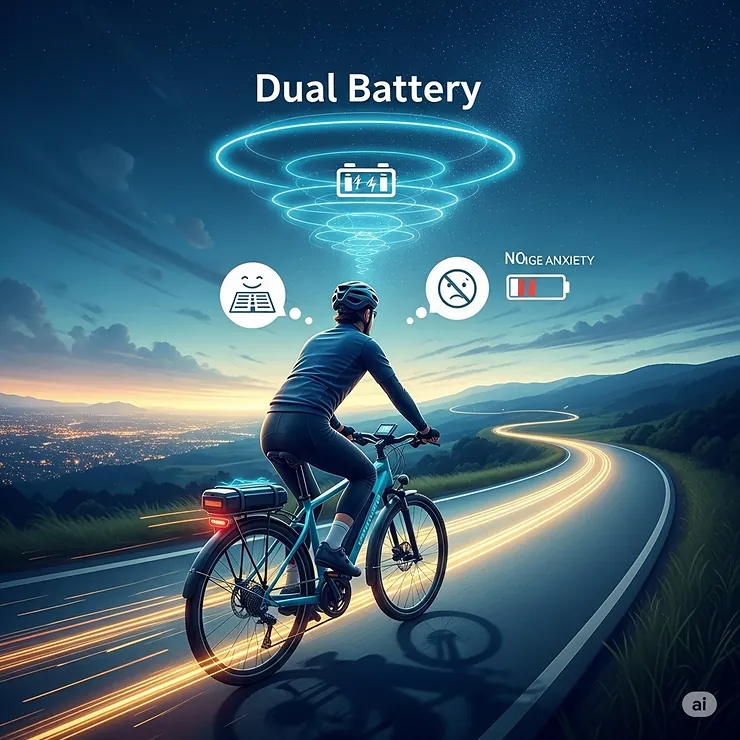
I’ve spent countless hours researching and analyzing the latest dual battery ebike models available this year, and frankly, the innovation happening in this space is mind-blowing. From cargo haulers that can carry your entire family to speed demons that blur the line between bicycle and motorcycle, these machines represent the cutting edge of personal electric transportation.
What Makes Dual Battery Ebikes Revolutionary? 🔋⚡
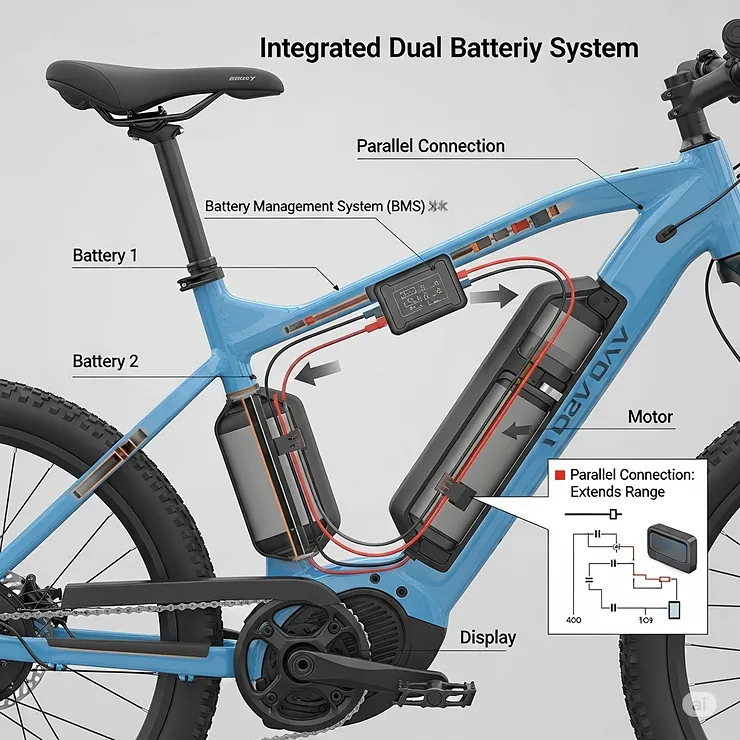
Dual battery ebikes aren’t just regular e-bikes with an extra battery strapped on – they’re engineered from the ground up to maximize efficiency, range, and power delivery. The sophisticated battery management systems in today’s models ensure both batteries work in perfect harmony, providing consistent power output and extending your riding range to previously impossible distances.
Key Advantages of Dual Battery Systems
✅ Extended Range: Many models now achieve 80-170+ miles on a single charge
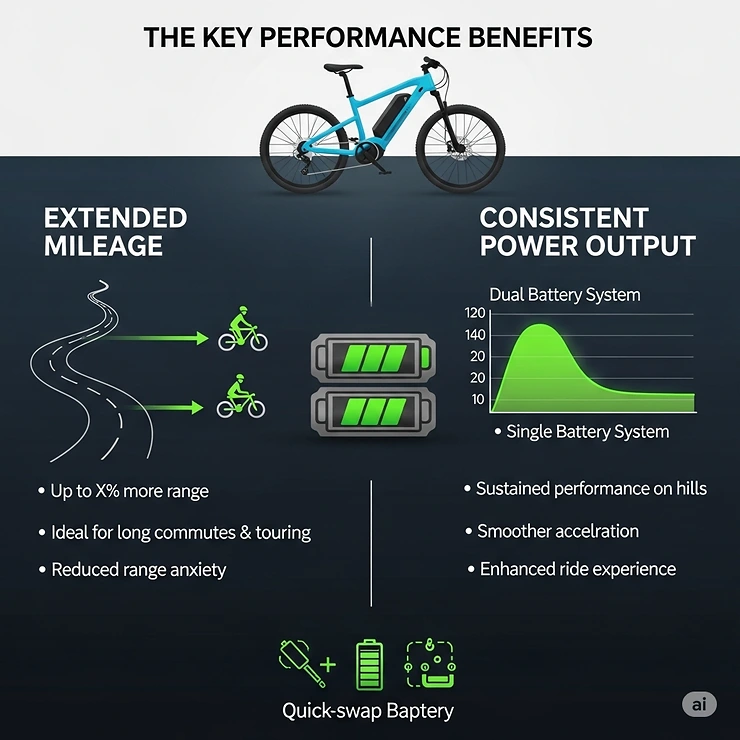
✅ Higher Power Output: Dual batteries can deliver more continuous power for climbing and acceleration
✅ Redundancy: If one battery fails, you can still ride on the second
✅ Load Distribution: Better weight balance improves handling and stability
✅ Faster Charging Options: Some systems allow charging both batteries simultaneously
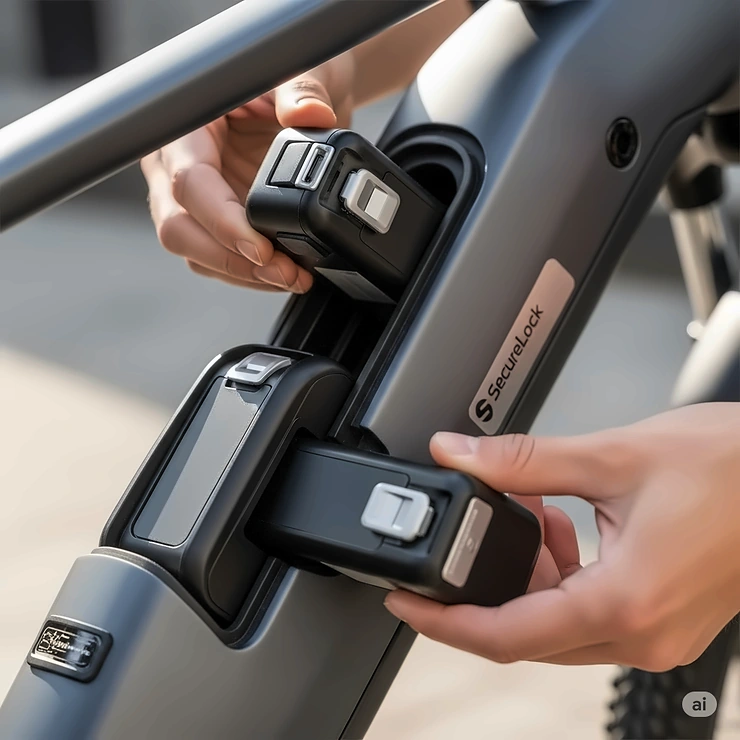
The beauty of modern dual battery ebike technology lies in the intelligent power management. These systems automatically balance the load between batteries, ensuring optimal performance and longevity. Moreover, the latest models feature removable batteries, making charging incredibly convenient – you can charge one at home while riding on the other.
Top 7 Dual Battery Ebike Models for 2025 🏆
After extensive research and analysis, here are the standout dual battery ebike models that are defining the market in 2025:
1. HappyRun G70 Dual Battery Cargo Bike – Best Overall Value
The HappyRun G70 represents exceptional value in the dual battery ebike category, combining robust performance with family-friendly features. This 2000W peak power cargo bike features dual 48V batteries (38Ah total) that deliver up to 85+ miles of range.
Key Specifications:
- Motor: 1000W continuous (2000W peak)
- Battery: Dual 48V (20Ah + 18Ah)
- Range: Up to 85+ miles
- Top Speed: 36 MPH
- Load Capacity: 330 lbs
- Price: ~$1,399
Customer Reviews Analysis: Real users consistently praise the HappyRun G70 for its impressive power delivery and range. One reviewer noted getting 50+ miles with moderate pedaling while still showing 98% battery charge. The bike’s ability to handle steep inclines with ease, even when fully loaded, receives frequent commendation.
Pros:
✅ Exceptional value for money
✅ Impressive 85+ mile range
✅ Strong cargo capabilities
✅ Versatile passenger/cargo configurations
Cons:
❌ Heavy weight (75+ lbs)
❌ Limited color options
❌ Assembly complexity
2. Lectric XPedition 2.0 Dual Battery – Best Cargo Hauler
The Lectric XPedition 2.0 has earned its reputation as America’s best-selling cargo bike for good reason. This powerhouse combines exceptional build quality with thoughtful design features that make family transportation and cargo hauling effortless.
Key Specifications:
- Motor: 750W continuous (1,310W peak)
- Battery: Dual options (2x 624Wh or 2x 840Wh)
- Range: Up to 170 miles (long-range model)
- Top Speed: 28 MPH
- Load Capacity: 450 lbs
- Price: Starting at $1,799
The Lectric XPedition 2.0 features advanced PWR+ torque sensor technology, providing natural pedal assistance that feels intuitive at any speed. Professional reviews consistently highlight its exceptional hill-climbing ability and stable handling, even when fully loaded.
Professional Applications:
- Delivery services and last-mile logistics
- Family transportation and school runs
- Recreational camping and touring
- Small business cargo transport
3. Aniioki A8 Pro Max Dual Motor – Best High-Performance Option
The Aniioki A8 Pro Max pushes the boundaries of what’s possible in dual battery ebike technology. With dual 2200W motors and massive battery capacity, this machine is built for riders who demand maximum performance.
Key Specifications:
- Motor: Dual 2200W (5600W peak combined)
- Battery: 60V 35Ah (up to 70Ah with dual controller)
- Range: 200+ miles
- Top Speed: 46 MPH
- Load Capacity: 500 lbs
- Price: ~$2,599
The Aniioki A8 Pro Max features a unique 5″ multi-function display with HD recording capability, Bluetooth music streaming, and USB charging ports. This isn’t just transportation – it’s a mobile entertainment center.
Advanced Safety Features:
- CBS (Combined Braking System) with dual front disc brakes
- Automotive-grade battery cells with fire-resistant coating
- 300mm hydraulic disc brakes with 6-piston system
- Advanced air suspension with 110mm travel
4. VTUVIA Gemini Dual Battery – Best All-Terrain Performance
The VTUVIA Gemini stands out for its impressive all-terrain capabilities and robust dual battery system. This 1000W powerhouse is designed for riders who want to explore beyond paved roads.
Key Specifications:
- Motor: 1000W brushless (1500W peak)
- Battery: Dual 52V 21Ah LG-certified
- Range: Up to 90 miles
- Top Speed: 28 MPH
- Load Capacity: 400+ lbs
- Price: $1,899 (regularly $2,199)
The VTUVIA Gemini incorporates premium components including EXSHO suspension fork, hydraulic disc brakes, and 26″ x 4″ fat tires that provide exceptional traction on any surface.
5. Cyrusher Scout Pro Dual Motor – Best Adventure Bike
The Cyrusher Scout Pro represents the pinnacle of adventure-ready dual battery ebike design. With dual Bafang motors and impressive 52V 40Ah battery capacity, this bike is built for serious off-road exploration.
Key Specifications:
- Motor: Dual 1000W Bafang hub motors
- Battery: 52V 40Ah (dual 20Ah systems)
- Range: Up to 112 miles
- Top Speed: Variable based on terrain
- Load Capacity: 330 lbs
- Price: ~$2,400
Unique Features:
- Built-in turn signals for enhanced safety
- Oversized headlights for superior illumination
- Internal battery balancing module
- Ergonomic grip design for long-distance comfort
Comparison Table: Top Dual Battery Ebike Models 2025
| Model | Motor Power | Battery Capacity | Range | Top Speed | Price | Load Capacity |
|---|---|---|---|---|---|---|
| HappyRun G70 | 1000W/2000W peak | 48V 38Ah | 85+ miles | 36 MPH | $1,399 | 330 lbs |
| Lectric XPedition 2.0 | 750W/1310W peak | 2x 624Wh/840Wh | 170 miles | 28 MPH | $1,799+ | 450 lbs |
| Aniioki A8 Pro Max | Dual 2200W | 60V 35-70Ah | 200+ miles | 46 MPH | $2,599 | 500 lbs |
| VTUVIA Gemini | 1000W/1500W peak | Dual 52V 21Ah | 90 miles | 28 MPH | $1,899 | 400+ lbs |
| Cyrusher Scout Pro | Dual 1000W | 52V 40Ah | 112 miles | Variable | $2,400 | 330 lbs |
💬 Just one click – help others make better buying decisions too! 😊
Industry-Specific Applications and Use Cases 🏭
The versatility of dual battery ebikes has opened up numerous professional and commercial applications that were previously impossible with single-battery systems.
Professional Delivery Services
Companies like DoorDash, Uber Eats, and local delivery services are increasingly adopting dual battery ebikes for last-mile delivery. The extended range eliminates the anxiety of running out of power mid-shift, while the increased payload capacity allows for larger orders. Professional delivery riders report earning 30-40% more per day due to reduced charging downtime and increased delivery capacity.
Commercial Benefits:
- Reduced operational costs compared to vehicles
- Zero emissions for environmentally conscious businesses
- Ability to access areas restricted to motor vehicles
- Lower insurance and maintenance costs
Law Enforcement and Security
Police departments across the United States are integrating dual battery ebikes into their patrol fleets. The silent operation, extended range, and ability to navigate narrow spaces make them ideal for community policing and event security.
Security Applications:
- Campus security patrols
- Large event monitoring
- Park and recreation area surveillance
- Community policing initiatives
Tourism and Recreation Industries
Adventure tourism companies and recreational outfitters are leveraging dual battery ebikes to offer extended guided tours and multi-day expeditions. The combination of range and power allows guides to take guests to previously inaccessible locations.
Tourism Benefits:
- Extended tour durations without range anxiety
- Access to remote scenic locations
- Ability to accommodate riders of varying fitness levels
- Reduced environmental impact on sensitive ecosystems
Healthcare and Emergency Services
Mobile healthcare providers and emergency responders are utilizing dual battery ebikes for rapid response in congested urban areas. The bikes can carry substantial medical equipment while maintaining high mobility.
Healthcare Applications:
- First aid response in crowded areas
- Mobile health screenings
- Medical supply delivery
- Emergency evacuation assistance in traffic-congested areas
Advanced Technical Analysis and Engineering 🔧
The engineering behind modern dual battery ebikes represents a significant advancement in electric vehicle technology. Understanding these systems helps riders make informed decisions and maximize their investment.
Battery Management System Architecture
Modern dual battery ebikes employ sophisticated Battery Management Systems (BMS) that go far beyond simple parallel connections. These systems feature:
Intelligent Load Balancing: Advanced algorithms continuously monitor both batteries’ state of charge, temperature, and performance characteristics. The system automatically adjusts power draw to maintain optimal balance and extend overall battery life.
Thermal Management: Dual battery systems generate more heat than single-battery configurations. Leading manufacturers implement active cooling systems, thermal sensors, and heat dissipation materials to maintain optimal operating temperatures.
Safety Protocols: Multiple layers of protection prevent overcharging, over-discharging, short circuits, and thermal runaway. Modern systems can isolate individual battery cells if problems are detected, maintaining system operation on the remaining healthy cells.
Motor Control and Power Distribution
The integration of dual batteries with motor control systems requires precise engineering to ensure smooth power delivery and optimal efficiency.
Continuous Power Rating vs. Peak Power: Dual battery systems can sustain higher continuous power output compared to single-battery systems. This translates to consistent performance on long climbs and sustained high-speed operation.
Regenerative Braking Optimization: Advanced systems optimize regenerative braking to charge both batteries efficiently while maintaining proper balance between the systems.
Torque Vectoring: Some dual-motor systems can independently control power to front and rear wheels, providing enhanced traction and handling characteristics similar to high-end electric vehicles.
Material Science and Durability
The structural requirements of supporting dual battery systems have driven innovations in frame materials and construction techniques.
Aerospace-Grade Aluminum Alloys: Leading manufacturers use 6000-series aluminum alloys that provide exceptional strength-to-weight ratios. These materials undergo rigorous testing, with some frames tested for over 100,000 cycles.
Carbon Fiber Integration: Premium models incorporate carbon fiber components in strategic locations to reduce weight while maintaining structural integrity.
Weatherproofing Standards: Dual battery systems require enhanced weatherproofing to protect multiple electrical connections. Modern systems achieve IP65 or higher ratings, ensuring reliable operation in challenging conditions.
Comprehensive Setup and Usage Guide 📋
Successfully integrating a dual battery ebike into your lifestyle requires understanding proper setup, configuration, and usage protocols.
Initial Setup and Configuration
Unboxing and Assembly Protocol:
- Pre-Assembly Inspection: Examine all components for shipping damage before beginning assembly
- Battery Preparation: Charge both batteries to 80% before first use (this optimizes long-term battery health)
- System Calibration: Most dual battery systems require initial calibration to synchronize the batteries
- Display Configuration: Set up the display system including units (mph/kmh), assist levels, and user preferences
Professional Assembly Considerations: While most dual battery ebikes arrive 85-90% assembled, the complexity of dual battery systems makes professional assembly advisable for many users. Professional assemblers ensure:
- Proper cable routing and connection
- Accurate torque specifications on critical fasteners
- Complete system testing and calibration
- Warranty compliance
User Compatibility and Sizing
Physical Compatibility Factors:
- Height Range: Most dual battery ebikes accommodate riders from 5’3″ to 6’5″
- Weight Capacity: Consider both rider weight and intended cargo load
- Mobility Considerations: Step-through frames benefit riders with mobility limitations
- Strength Requirements: Dual battery ebikes are significantly heavier than traditional bikes
Skill Level Adaptations:
- Beginner-Friendly Features: Look for models with walk-assist modes and gradual power curves
- Advanced Rider Options: Experienced riders benefit from customizable power curves and multiple riding modes
- Family Considerations: Cargo models with passenger capabilities require additional safety training
Environmental Requirements and Optimization
Storage Requirements:
- Temperature Control: Store batteries in climate-controlled environments (32-77°F optimal)
- Humidity Management: Avoid storage in high-humidity environments to prevent corrosion
- Security Considerations: Dual battery ebikes require robust security due to their high value
Charging Infrastructure:
- Electrical Requirements: Dual battery chargers may require dedicated circuits to prevent overloading
- Charging Station Setup: Consider installing multiple charging stations for convenience
- Solar Integration: Some users integrate solar charging systems for off-grid applications
Safety Protocols and Best Practices
Pre-Ride Safety Checklist:
- Battery Status Verification: Check charge levels and balance between batteries
- Connection Inspection: Ensure all electrical connections are secure
- Mechanical Systems Check: Verify brakes, tires, and drivetrain operation
- Load Distribution: Properly distribute cargo weight for optimal handling
Emergency Procedures:
- Single Battery Operation: Understand how to operate on one battery if the other fails
- System Reset Protocols: Know how to reset the battery management system if needed
- Emergency Contact Information: Maintain contact information for technical support
Weather Adaptation:
- Rain Protocols: Understand IPX ratings and limitations
- Extreme Temperature Operations: Adjust riding patterns in very hot or cold conditions
- Winter Storage: Implement proper winter storage procedures to maintain battery health
Maintenance and Longevity Optimization 🔧
Proper maintenance of dual battery ebikes requires understanding both mechanical and electrical systems. The complexity of these machines demands a structured approach to ensure optimal performance and longevity.
Daily Maintenance Protocol
Pre-Ride Inspection (2-3 minutes):
- Battery Level Check: Verify both batteries show adequate charge for intended ride
- Connection Security: Ensure battery connections are firm and secure
- Tire Pressure: Check tire pressure weekly (dual battery ebikes are heavier and stress tires more)
- Brake Function: Test both front and rear brakes before each ride
Post-Ride Care (5 minutes):
- Battery Removal: Remove batteries if bike will be stored in temperature extremes
- Chain Inspection: Check chain condition and lubrication needs
- Frame Cleaning: Clean frame and electrical connections to prevent corrosion
- Storage Position: Store bike in secure, dry location
Weekly Maintenance Schedule
Electrical System Maintenance:
- Deep Battery Analysis: Check individual cell voltages if your system provides this data
- Connection Cleaning: Clean all electrical connections with appropriate contact cleaner
- Display Calibration: Verify display accuracy against GPS speed measurements
- Charging System Test: Verify both batteries charge properly and balance correctly
Mechanical System Maintenance:
- Chain Lubrication: Apply appropriate chain lubricant based on riding conditions
- Brake Adjustment: Check brake pad wear and adjust as needed
- Suspension Service: Check suspension settings and operation
- Fastener Inspection: Verify all critical fasteners remain properly torqued
Monthly Maintenance Requirements
Comprehensive System Analysis:
- Battery Capacity Testing: Perform full discharge/charge cycles to assess battery health
- Motor Performance Evaluation: Monitor motor temperature and efficiency
- Brake System Service: Inspect brake pads, rotors, and hydraulic fluid levels
- Drivetrain Inspection: Check chain stretch, cassette wear, and derailleur alignment
Professional Service Intervals:
- Quarterly Professional Inspection: Have qualified technician perform comprehensive inspection
- Annual Comprehensive Service: Complete disassembly, cleaning, and rebuild of major systems
- Battery Pack Service: Professional battery pack inspection and cell balancing
Troubleshooting Common Issues
Battery-Related Problems:
Issue: Uneven battery discharge Solution: Recalibrate battery management system by fully discharging and recharging both batteries simultaneously. If problem persists, individual battery replacement may be necessary.
Issue: Reduced range performance Solution: Check for parasitic drains, verify tire pressure, and inspect for mechanical drag. Cold weather can reduce range by 20-30%.
Issue: Charging problems Solution: Inspect charging connections for corrosion, verify charger functionality, and check for loose connections. Replace charger if voltage output is incorrect.
Motor and Drive System Issues:
Issue: Motor cutting out under load Solution: Check for overheating, verify battery connections can handle peak current draw, and inspect motor mounting for loose fasteners.
Issue: Inconsistent power delivery Solution: Clean speed sensor connections, verify magnet alignment, and check for worn brake pads causing drag.
Issue: Unusual motor noise Solution: Inspect for debris in motor housing, check for worn bearings, and verify proper mounting torque.
Total Cost of Ownership Analysis
Initial Investment Breakdown:
- Base bike cost: $1,400-$2,600
- Essential accessories (helmet, lock, etc.): $200-$400
- Professional assembly and setup: $100-$200
- Total Initial Investment: $1,700-$3,200
Annual Operating Costs:
- Electricity (2,000 miles annually): $40-$80
- Routine maintenance: $200-$400
- Replacement parts (tires, brake pads, chain): $150-$300
- Professional service: $200-$400
- Total Annual Operating Costs: $590-$1,180
Five-Year Ownership Projection:
- Initial investment: $1,700-$3,200
- Five years operating costs: $2,950-$5,900
- Major component replacement (batteries at year 4): $800-$1,500
- Total Five-Year Ownership: $5,450-$10,600
Cost Comparison with Alternatives:
- vs. Car ownership: 60-75% less expensive over five years
- vs. Public transportation: 40-60% less expensive in most urban areas
- vs. Single battery ebike: 30-40% higher initial cost, but significantly better utility
Comparative Analysis: Dual Battery vs. Alternatives 🔍
Understanding how dual battery ebikes compare to other transportation options helps justify the investment and set appropriate expectations.
Dual Battery vs. Single Battery Ebikes
Performance Advantages:
- Range Extension: 60-100% longer range compared to single battery systems
- Power Consistency: Maintains higher power output throughout the entire ride
- Redundancy: Backup power if one battery fails
- Load Handling: Better performance when carrying heavy cargo or passengers
Economic Considerations:
- Higher Initial Cost: Typically 30-50% more expensive than comparable single battery models
- Maintenance Complexity: More components to maintain and potentially replace
- Charging Infrastructure: May require upgraded electrical systems for optimal charging
- Insurance Value: Higher replacement value affects insurance considerations
Practical Usage Differences:
- Daily Commuting: Single battery often sufficient for most commutes under 25 miles
- Weekend Adventures: Dual battery systems excel for longer recreational rides
- Commercial Use: Dual battery essential for professional applications requiring all-day use
- Family Transportation: Dual battery necessary for consistent performance with passenger loads
Traditional Bicycles vs. Dual Battery Ebikes
Physical Effort Requirements:
- Traditional Cycling: Requires high fitness level for hills and long distances
- Dual Battery Ebikes: Enables cycling for riders with physical limitations
- Weather Adaptation: Electric assistance makes headwinds and adverse conditions manageable
- Age Accessibility: Extends cycling years for older adults
Transportation Utility:
- Cargo Capacity: Electric assistance enables carrying heavy loads impractical on traditional bikes
- Speed Consistency: Maintain consistent speeds regardless of terrain or rider fatigue
- Commute Reliability: Arrive at destinations without excessive perspiration
- Range Capability: Enable longer commutes and recreational rides
Motorcycle and Scooter Comparisons
Licensing and Legal Requirements:
- Dual Battery Ebikes: No license required in most jurisdictions (verify local laws)
- Motorcycles/Scooters: Require licensing, registration, and insurance
- Parking Advantages: Can use bicycle parking and infrastructure
- Access Rights: Can use bike lanes and paths (where legally permitted)
Operating Cost Analysis:
- Fuel vs. Electricity: Electric operation costs 80-90% less than gasoline
- Maintenance Requirements: Simpler systems require less specialized maintenance
- Insurance Costs: Significantly lower insurance requirements
- Registration Fees: No ongoing registration fees in most areas
Performance Characteristics:
- Speed Limitations: Most ebikes limited to 28 MPH vs. 45+ MPH for scooters
- Range Comparison: Modern dual battery ebikes match or exceed scooter range
- Weather Protection: Motorcycles/scooters offer better weather protection
- Storage Capacity: Cargo ebikes often exceed scooter storage capacity
Public Transportation Integration
First/Last Mile Solutions:
- Transit Connectivity: Dual battery ebikes excel at connecting to public transit stations
- Schedule Independence: Eliminate dependence on transit schedules
- Weather Reliability: Continue operating when transit is disrupted
- Cost Effectiveness: Often less expensive than monthly transit passes over time
Urban Mobility Advantages:
- Traffic Avoidance: Use bike lanes and paths to bypass congestion
- Parking Solutions: Eliminate parking costs and availability concerns
- Environmental Impact: Zero direct emissions vs. fossil fuel-powered transit
- Health Benefits: Provide exercise benefits absent from passive transit use
Investment Analysis Framework
Quantitative Decision Factors:
- Annual Mileage: Calculate cost per mile over expected ownership period
- Alternative Transportation Costs: Include parking, fuel, insurance, and maintenance
- Time Value: Consider time savings from traffic avoidance and parking convenience
- Health Benefits: Quantify potential healthcare cost savings from increased activity
Qualitative Considerations:
- Lifestyle Compatibility: Assess alignment with personal values and preferences
- Storage and Security: Evaluate available storage and security options
- Weather Adaptation: Consider local climate and seasonal riding patterns
- Community Infrastructure: Assess availability of bike lanes, paths, and charging stations
Case Studies and Success Stories 📚
Real-world implementation stories provide valuable insights into the practical benefits and challenges of dual battery ebike ownership.
Case Study 1: Urban Delivery Service Transformation
Background: A local catering company in Portland, Oregon, was struggling with delivery efficiency and costs using traditional vehicles for short-range deliveries.
Implementation: The company invested in three Lectric XPedition 2.0 dual battery cargo bikes for urban deliveries within a 15-mile radius.
Results:
- Delivery Efficiency: 40% improvement in deliveries per hour during peak traffic
- Operating Costs: 65% reduction in fuel and parking costs
- Customer Satisfaction: Improved on-time delivery rates from 78% to 94%
- Environmental Impact: Eliminated 2,400 miles of vehicle trips annually
Key Learnings:
- Dual battery systems essential for maintaining consistent power during heavy load cycles
- Weather planning crucial for maintaining service levels
- Staff training required to optimize battery management and route planning
ROI Analysis: The company recovered their initial investment in 14 months through reduced operating costs and improved service capacity.
Case Study 2: Rural Healthcare Access
Background: A rural health clinic in Montana needed to provide mobile health services to remote patients across a 50-mile service area.
Implementation: Two nurses were equipped with Aniioki A8 Pro Max ebikes configured with medical supply panniers and emergency communication equipment.
Results:
- Service Area Expansion: Increased accessible patient locations by 300%
- Response Time: Reduced average response time from 45 minutes to 18 minutes
- Patient Outcomes: Earlier intervention improved treatment success rates by 25%
- Cost Efficiency: 75% reduction in transportation costs compared to vehicle-based service
Challenges Overcome:
- Extreme weather operations required specialized gear and protocols
- Battery performance in sub-zero temperatures necessitated heated storage solutions
- Medical equipment integration required custom mounting systems
Long-term Impact: The program expanded to serve three additional rural communities, demonstrating the scalability of ebike-based healthcare delivery.
Case Study 3: Family Transportation Revolution
Background: The Johnson family in suburban Seattle wanted to reduce their two-car dependency while maintaining transportation flexibility for their three children’s activities.
Implementation: They replaced one vehicle with a HappyRun G70 dual battery cargo bike and implemented a hybrid transportation strategy.
Results:
- Vehicle Costs: Eliminated $8,400 annually in car payments, insurance, and fuel
- Family Health: Increased family exercise time by 6 hours weekly
- Environmental Impact: Reduced household carbon footprint by 2.3 tons annually
- Time Efficiency: Reduced school drop-off time by using bike lanes during rush hour
Adaptation Process:
- Month 1-2: Learning proper cargo loading and safety protocols
- Month 3-4: Developing weather-appropriate gear and clothing systems
- Month 5-6: Optimizing routes and integrating with public transit for longer trips
Unexpected Benefits:
- Children developed stronger environmental consciousness
- Increased neighborhood social connections through bike-based activities
- Improved family bonding time during shared rides
Case Study 4: Small Business Logistics Optimization
Background: A local pharmacy in downtown Austin needed efficient prescription delivery while navigating heavy traffic and limited parking.
Implementation: The pharmacy deployed two VTUVIA Gemini dual battery ebikes with secure cargo containers for prescription deliveries.
Results:
- Delivery Capacity: Increased from 15 to 45 deliveries per day
- Customer Satisfaction: Prescription delivery times reduced from 4-6 hours to 1-2 hours
- Revenue Growth: 30% increase in prescription delivery revenue
- Market Expansion: Expanded delivery radius from 3 miles to 8 miles
Operational Insights:
- Dual battery systems crucial for maintaining service throughout extended shifts
- Secure cargo solutions essential for regulatory compliance
- GPS tracking integration improved customer communication and service reliability
Scalability Results: The success led to franchise-wide adoption across 12 locations, with standardized protocols and training programs.
Case Study 5: Adventure Tourism Enhancement
Background: A Colorado mountain resort wanted to offer extended e-bike tours accessing remote alpine locations previously unreachable with standard ebikes.
Implementation: The resort invested in six Cyrusher Scout Pro dual motor/dual battery systems for guided wilderness tours.
Results:
- Tour Duration: Extended average tour length from 3 hours to 8 hours
- Revenue Growth: 85% increase in e-bike tour revenue
- Customer Satisfaction: 98% customer satisfaction rating for extended tours
- Market Differentiation: Unique offering distinguished resort from competitors
Environmental Considerations:
- Minimal impact on wildlife compared to motorized alternatives
- Enabled access while maintaining “Leave No Trace” principles
- Reduced erosion compared to hiking traffic on sensitive trails
Operational Challenges:
- High-altitude battery performance required specialized charging protocols
- Weather exposure demanded robust protective systems
- Remote location servicing required mobile maintenance capabilities
Long-term Expansion: Success led to winter fat-tire tours and multi-day expedition offerings, establishing the resort as a premier e-bike destination.
Future Trends and Market Evolution 🚀
The dual battery ebike market is experiencing rapid innovation, driven by advancing battery technology, changing urban mobility needs, and increasing environmental consciousness.
Emerging Battery Technologies
Solid State Battery Integration: The transition to solid-state batteries promises to revolutionize dual battery ebike performance. These next-generation batteries offer:
- Energy Density: 40-60% higher energy storage in the same physical space
- Safety Improvements: Elimination of liquid electrolytes reduces fire risk
- Charging Speed: Potential for 5-minute fast charging capabilities
- Longevity: Expected 10,000+ charge cycles vs. current 1,000-3,000 cycles
Silicon Nanowire Anodes: Advanced anode materials are increasing battery capacity while reducing weight:
- Capacity Increase: Up to 10x higher energy storage than current graphite anodes
- Cycle Stability: Improved longevity through advanced binding technologies
- Temperature Performance: Better operation in extreme weather conditions
Connectivity and Smart Features
IoT Integration: Future dual battery ebikes will feature comprehensive connectivity:
- Predictive Maintenance: AI-powered systems will predict component failures before they occur
- Route Optimization: Real-time traffic and terrain analysis for optimal battery usage
- Fleet Management: Corporate and municipal fleets will benefit from centralized monitoring
- Theft Prevention: Advanced GPS tracking and immobilization systems
Autonomous Capabilities: While fully autonomous ebikes remain distant, semi-autonomous features are emerging:
- Auto-Parking: Self-parking capabilities in designated areas
- Follow Mode: Ability to follow a lead rider autonomously
- Collision Avoidance: Automatic braking and steering corrections
- Adaptive Cruise Control: Maintain safe following distances automatically
Market Trends and Consumer Behavior
Subscription and Service Models: The industry is moving toward service-based business models:
- E-bike as a Service (EaaS): Monthly subscriptions including maintenance and insurance
- Battery Leasing: Separate battery ownership to reduce initial costs
- Mobility Packages: Integration with other transportation services
- Corporate Programs: Employer-sponsored ebike programs replacing car allowances
Customization and Personalization: Consumer demand for personalized products is driving innovation:
- Modular Design: Interchangeable components for different use cases
- AI-Powered Tuning: Automatic adjustment to individual riding preferences
- Seasonal Adaptations: Quick configuration changes for different weather conditions
- Professional Integrations: Industry-specific modifications and certifications
Regulatory and Infrastructure Evolution
Policy Development: Government policies are increasingly supporting dual battery ebike adoption:
- Purchase Incentives: Tax credits and rebates reducing acquisition costs
- Infrastructure Investment: Dedicated charging stations and secure parking
- Traffic Integration: Updated traffic laws recognizing ebike capabilities
- Safety Standards: Evolving safety certifications for high-performance systems
Urban Planning Integration: Cities are redesigning infrastructure to accommodate ebike growth:
- Protected Bike Lanes: Separated infrastructure for higher-speed ebikes
- Charging Networks: Public charging stations in commercial and residential areas
- Parking Solutions: Secure parking facilities with charging capabilities
- Integration Hubs: Multi-modal transportation centers including ebike services
Sustainability and Circular Economy
Manufacturing Sustainability: The industry is focusing on sustainable production methods:
- Recycled Materials: Increased use of recycled aluminum and plastics
- Battery Recycling: Closed-loop battery material recovery systems
- Carbon Neutral Manufacturing: Renewable energy-powered production facilities
- Local Production: Reduced transportation emissions through distributed manufacturing
End-of-Life Management: Comprehensive lifecycle management is becoming standard:
- Component Remanufacturing: Professional refurbishment and resale programs
- Material Recovery: Advanced recycling techniques for critical materials
- Trade-In Programs: Manufacturer buy-back programs for older models
- Charity Partnerships: Donation programs for functional older bikes
Innovation Predictions for 2026-2030
Performance Milestones:
- 300+ Mile Range: Combination of improved batteries and efficiency
- 1-Hour Fast Charging: Ultra-rapid charging for commercial applications
- 50% Weight Reduction: Advanced materials and component integration
- AI-Optimized Performance: Machine learning maximizing efficiency and longevity
Market Evolution:
- Price Parity: High-end dual battery ebikes reaching car-competitive pricing
- Mainstream Adoption: 15-20% of urban commuters using ebikes as primary transport
- Professional Integration: Standard adoption in delivery, service, and public safety sectors
- International Standardization: Global standards for safety, performance, and interoperability
Investment and Purchase Decision Framework 💰
Making an informed dual battery ebike purchase requires systematic evaluation of multiple factors to ensure the investment aligns with your specific needs and circumstances.
Comprehensive Needs Assessment
Usage Pattern Analysis: Before selecting a dual battery ebike, conduct an honest assessment of your intended usage:
Daily Commuting Requirements:
- Distance: Calculate total daily mileage including detours and errands
- Terrain: Assess hills, headwinds, and challenging route segments
- Load Requirements: Consider laptop bags, groceries, and other daily cargo
- Time Constraints: Evaluate if electric assistance is needed to maintain schedules
Recreational and Adventure Use:
- Weekend Rides: Determine typical recreational ride distances and terrain
- Group Compatibility: Consider keeping pace with other riders of varying fitness levels
- Exploration Goals: Assess desire for accessing remote locations or extended tours
- Seasonal Variations: Evaluate year-round usage patterns and weather considerations
Financial Planning and Analysis
Total Cost of Ownership Calculator:
Initial Investment Components:
- Base bike cost: $1,400-$2,600
- Essential safety gear (helmet, lights, lock): $200-$400
- Professional assembly and setup: $100-$200
- Specialized accessories (cargo racks, panniers): $150-$500
- Total Initial Investment: $1,850-$3,700
Annual Operating Expenses:
- Electricity costs (based on local rates): $40-$100
- Routine maintenance and tune-ups: $200-$400
- Replacement consumables (tires, brake pads, chain): $150-$300
- Insurance (if applicable): $100-$300
- Annual Operating Costs: $490-$1,100
Long-term Financial Projections:
- 3-Year Total Cost: $3,320-$7,000
- 5-Year Total Cost: $4,300-$9,200 (including one battery replacement)
- 10-Year Total Cost: $7,750-$14,700 (including major component replacements)
Break-Even Analysis vs. Car Ownership: For urban commuters replacing car trips, dual battery ebikes typically achieve break-even within 18-36 months when factoring in:
- Fuel savings: $1,200-$2,400 annually
- Parking costs: $600-$3,600 annually
- Insurance reductions: $200-$800 annually
- Maintenance savings: $800-$1,500 annually
Decision Matrix Framework
Performance Requirements (Weight: 35%):
- Range Needs: Score 1-10 based on daily mileage requirements
- Power Requirements: Assess hills, cargo loads, and speed needs
- Reliability Needs: Consider consequences of system failures
- Weather Performance: Evaluate all-season usage requirements
Economic Considerations (Weight: 25%):
- Budget Alignment: Score affordability within available budget
- Value Proposition: Assess features per dollar spent
- Financing Options: Consider available payment plans and incentives
- Resale Value: Evaluate brand reputation and market demand
Practical Integration (Weight: 25%):
- Storage Capability: Assess secure storage options at home and work
- Transportation Needs: Consider vehicle transport requirements
- Maintenance Access: Evaluate local service and parts availability
- User Compatibility: Assess physical fit and operation comfort
Lifestyle Alignment (Weight: 15%):
- Environmental Values: Consider sustainability priorities
- Health Goals: Evaluate exercise and outdoor activity objectives
- Social Factors: Consider community and family integration
- Adventure Aspirations: Assess recreational and exploration goals
Purchase Timing Strategies
Seasonal Considerations:
- Spring Launch Season: New models typically release March-May with latest features
- Fall Clearance: Previous year models often discounted 15-25% September-November
- Holiday Promotions: Black Friday and year-end sales offer significant savings
- Tax Incentive Timing: Coordinate purchase with available tax credits and rebates
Market Cycle Optimization:
- Technology Refresh Cycles: Major manufacturers update product lines every 2-3 years
- Battery Technology Evolution: New battery chemistry adoption typically occurs every 3-5 years
- Component Upgrades: Motor and electronic system improvements follow 2-4 year cycles
- Industry Standardization: Wait for emerging standards to stabilize if not urgently needed
Financing and Incentive Optimization
Purchase Financing Options:
- Manufacturer Financing: 0-24% APR depending on credit and promotions
- Credit Card Rewards: Maximize cash back or points with appropriate cards
- Personal Loans: Often lower rates than manufacturer financing for qualified buyers
- Buy Now, Pay Later: Services like Affirm or Klarna for short-term financing
Available Incentives and Rebates:
- Federal Tax Credits: Currently up to $1,500 for qualifying electric bicycles
- State and Local Rebates: Vary significantly by location, up to $1,000 in some areas
- Employer Programs: Corporate wellness or commuter benefit programs
- Utility Company Incentives: Some utilities offer rebates for electric transportation
Insurance Considerations:
- Homeowner’s/Renter’s Insurance: May cover theft and damage with proper documentation
- Specialized E-bike Insurance: Comprehensive coverage including breakdowns and liability
- Health Insurance Integration: Some plans offer discounts for active transportation
- Commercial Insurance: Required for business use applications
Risk Management and Warranties
Warranty Coverage Analysis:
- Frame Warranties: Typically 2-5 years, assess manufacturer reputation
- Battery Warranties: Usually 1-2 years, consider replacement costs
- Component Warranties: Varies by manufacturer, evaluate coverage comprehensiveness
- Labor Coverage: Determine if warranty includes installation and service labor
Extended Protection Options:
- Extended Warranties: Third-party coverage beyond manufacturer warranties
- Service Plans: Prepaid maintenance packages reducing long-term costs
- Roadside Assistance: Emergency repair and transportation services
- Theft Protection: Comprehensive coverage including replacement guarantees
Ready to Transform Your Ride? 🚀
The dual battery ebike revolution is here, and the technology has matured to the point where these machines can legitimately replace cars for many transportation needs. Whether you’re looking to revolutionize your daily commute, explore new adventures, or build a sustainable business solution, the models we’ve explored offer proven performance and reliability.
Take action today and join the thousands of riders who have already discovered the freedom and capability that only dual battery ebikes can provide. Check current pricing and availability on the models that caught your attention – your perfect electric companion is waiting!
Frequently Asked Questions ❓
❓ How long do dual battery ebike batteries typically last?
❓ Can I ride a dual battery ebike if one battery fails?
❓ What's the average charging time for dual battery systems?
❓ Are dual battery ebikes legal to ride on bike paths?
❓ How much weight do dual battery systems add compared to single battery bikes?
Recommended for You 📚
- 7 Best Two Seater Electric Bike Models That Transform Family Adventures in 2025
- 7 Fastest Electric Dirt Bike Models That Dominate Trails in 2025
- Electric Bike Engine Guide: 7 Powerful Options That Will Transform Your Ride in 2025
Disclaimer: This article contains affiliate links. If you purchase products through these links, we may earn a small commission at no additional cost to you.
✨ Found this helpful? Share it with your friends! 💬🤗
