In This Article
You know that feeling when you’re stuck in traffic, watching cyclists breeze past you? Well, I’ve been there too—until I discovered the world of electric bikes. And let me tell you, not all e-bikes are created equal. If you’re hunting for an affordable, reliable ride that doesn’t require selling a kidney, an ecotric electric bike might just be your ticket to freedom.

Founded in 2017, Ecotric has carved out a reputation for delivering solid performance without the boutique price tag. These bikes aren’t trying to be Tesla on two wheels—they’re honest workhorses that get the job done. Whether you’re navigating city streets, hitting beach trails, or just trying to make your daily commute less soul-crushing, there’s probably an ecotric ebike that fits your lifestyle.
What makes these bikes special? For starters, most ecotric electric bike models hover between $650 and $1,600—that’s a fraction of what you’d pay for premium brands. But here’s the kicker: you’re not sacrificing quality for affordability. With motors ranging from 350W to 1000W, fat tire options, folding capabilities, and batteries that can handle 30-50 miles on a single charge, Ecotric delivers impressive value. According to the U.S. Department of Energy, e-bikes can reduce transportation costs by up to 75% compared to cars.
In this guide, I’ll walk you through the seven best models available in 2025, breaking down specs, real-world performance, and who each bike is actually for. No fluff, no corporate speak—just honest insights from someone who’s spent way too much time researching these machines.
✨Was this helpful? Spread the word! 🚀
Quick Comparison Table: Ecotric Electric Bike Models at a Glance
| Model | Motor Power | Battery | Price Range | Best For | Weight Capacity |
|---|---|---|---|---|---|
| Rocket Fat Tire | 500W | 36V 12.5AH | $850-$950 | Trail riding, snow | 265 lbs |
| Folding Fat Tire 20″ | 500W | 36V 12.5AH | $650-$750 | Urban commuting | 260 lbs |
| 26″ Fat Tire | 500W | 36V 12.5AH | $850-$950 | Beach, all-terrain | 260 lbs |
| Seagull Mountain | 1000W | 48V 13AH | $1,200-$1,400 | Mountain biking | 265 lbs |
| Hammer/Coolboy | 750W | 48V 12.5AH | $1,100-$1,300 | Off-road adventures | 260 lbs |
| Bison | 1000W | 48V 17.6AH | $1,400-$1,600 | Extreme terrain | 265 lbs |
| Peacedove City | 350W | 36V 10AH | $700-$850 | City cruising | 265 lbs |
💬 Just one click – help others make better buying decisions too!😊
Top 7 Ecotric Electric Bike Models: Expert Analysis
1. Ecotric Rocket Fat Tire Electric Bike 🚀
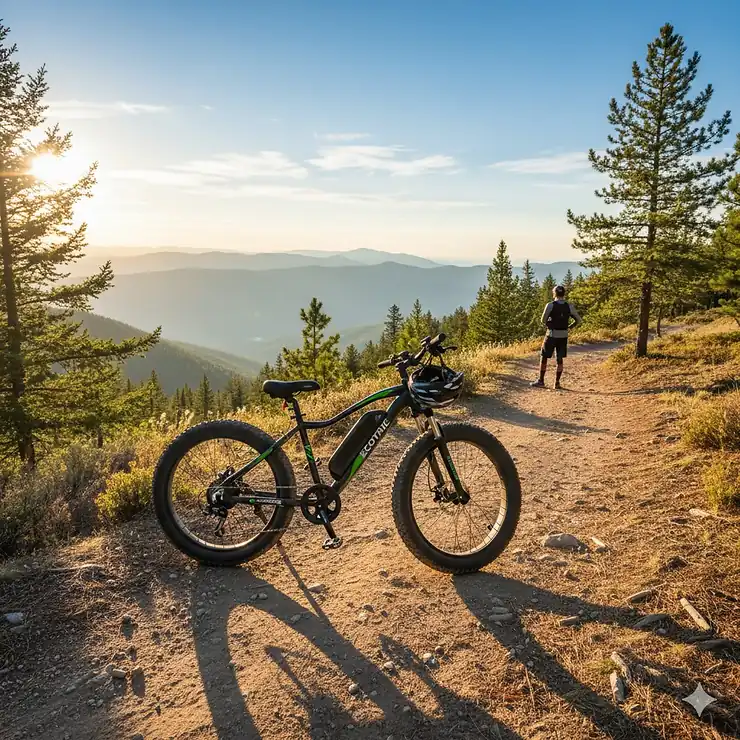
If you want a bike that looks like it means business, the Ecotric Rocket delivers. This 26-inch fat tire beast combines aggressive styling with legitimate off-road capability, and it won’t drain your bank account.
Key Specifications:
- 500W brushless rear hub motor
- 36V 12.5AH lithium battery
- 26″ x 4.0″ fat tires
- Shimano 7-speed transmission
- Maximum speed: 23.6 mph
- Range: 30-54 miles (varies by terrain)
Price Range: $850-$950
The Rocket features front suspension and those chunky fat tires that’ll make you feel invincible on sand, snow, or rocky trails. I’ve read countless reviews praising its stability—one rider mentioned taking it hunting through thick grass and sand without breaking a sweat. The bike comes 80-90% pre-assembled, which is a relief if you’re not mechanically inclined.
Real Customer Feedback: Users love the versatility and power, though several note the 55-pound weight can be challenging for some riders. The seat comfort gets mixed reviews—most folks end up swapping it out.
Pros:
✅ Excellent fat tire traction on challenging terrain
✅ Solid build quality for the price point
✅ Both pedal-assist and throttle modes
✅ 18-month warranty coverage
Cons:
❌ Heavy at 55 lbs
❌ Stock seat could be more comfortable
❌ Assembly instructions aren’t the clearest
2. Ecotric Folding Fat Tire 20″ Electric Bike (FAT20810) 📦
Here’s where Ecotric gets clever. The Folding Fat Tire model gives you all the benefits of fat tires plus the ability to actually fit your bike in a car trunk or store it in a small apartment. At just 52 pounds, it’s impressively light for a folding e-bike.
Key Specifications:
- 500W rear hub motor
- 36V 12.5AH removable battery
- 20″ x 4.0″ fat tires
- Folds for transport and storage
- 7-speed Shimano gearing
- Recommended for riders 5’1″ to 5’9″
Price Range: $650-$750
This little powerhouse punches above its weight class. The folding mechanism works smoothly, and those fat tires still provide excellent cushioning on rough roads. It’s particularly popular among RV owners and apartment dwellers who need space-efficient solutions.
Real Customer Feedback: Owners appreciate the portability and surprising power. However, some users report occasional motor and battery issues, and finding replacement parts can be tricky.
Pros:
✅ Compact folding design
✅ Lightweight at 52 lbs
✅ Perfect for shorter riders
✅ Great value under $750
Cons:
❌ Some reliability concerns reported
❌ Limited adjustability for taller riders
❌ Front wheel lock-up issues mentioned by few users
3. Ecotric 26″ Fat Tire Electric Bike ⚡
The classic 26″ Fat Tire model is Ecotric’s bread-and-butter offering. It’s the bike that put them on the map, and for good reason—it just works. No gimmicks, no unnecessary features, just reliable electric assist when you need it.
Key Specifications:
- 500W gear motor
- 36V 12.5AH removable lithium battery
- 26″ x 4.0″ puncture-resistant tires
- Suspension front fork
- S900 LCD display with USB charging
- Range: 30-54 km (18-33 miles)
Price Range: $850-$950
This model hits the sweet spot between capability and affordability. The fat tires absorb road vibrations like a champ, essentially giving you suspension even when the fork isn’t doing heavy lifting. The S900 display is intuitive, showing speed, battery life, and distance—plus you can charge your phone while riding.
Real Customer Feedback: According to reviews on Electrek, this bike exceeds expectations for its $850 price point. One reviewer called it “the best $850 I ever spent on an e-bike.”
Pros:
✅ Proven reliability in the field
✅ Excellent value proposition
✅ USB charging port on display
✅ 90% pre-assembled
Cons:
❌ Cadence-based pedal assist has slight delay
❌ Struggles on steep hills with throttle only
❌ Basic rigid fork (though fat tires compensate)
4. Ecotric Seagull Electric Mountain Bike 🦅
Now we’re getting serious. The Ecotric Seagull features a striking sloping frame design that actually looks good—a rarity in the budget e-bike world. But it’s not just about aesthetics; this 1000W beast means business.
Key Specifications:
- 1000W brushless motor
- 48V 13AH battery
- 26″ x 2.125″ low-drag tires
- Front and rear hydraulic disc brakes
- Shimano 7-speed system
- Unique sloping frame design
- Maximum speed: Around 25 mph
Price Range: $1,200-$1,400
The Seagull ditches fat tires for more traditional mountain bike rubber, prioritizing speed and efficiency over all-terrain capability. Those hydraulic brakes are a significant upgrade—they provide excellent stopping power with minimal hand effort. One owner reported putting 3,000 miles on their Seagull with minimal issues.
Real Customer Feedback: Riders rave about the elegant design and reliable performance. The main complaint? You guessed it—the stock seat isn’t winning any comfort awards.
Pros:
✅ Powerful 1000W motor for serious climbing
✅ Hydraulic brakes front and rear
✅ Distinctive, attractive frame design
✅ Excellent build quality
Cons:
❌ Higher price point
❌ Seat comfort needs improvement
❌ Heavier than casual riders might prefer

5. Ecotric Hammer/Coolboy Electric Bike 🔨
The Hammer (also sold as the Coolboy) delivers 750W of power in a beach cruiser package. If you want something that’ll handle sand and snow without looking like a mountain bike, this is your machine.
Key Specifications:
- 750W brushless hub motor
- 48V 12.5AH removable battery
- 26″ x 4.0″ fat tires
- Dual shock absorbers
- Hydraulic disc brakes
- Maximum speed: 25 mph
- Weight: 86 lbs
Price Range: $1,100-$1,300
This bike splits the difference between the 500W entry models and the 1000W Seagull. The dual suspension setup—front fork plus rear shock—provides exceptional comfort on rough terrain. It’s heavy, but that heft translates to stability.
Real Customer Feedback: Users love the smooth ride and powerful motor. The combination of fat tires and dual suspension creates a floating sensation even on choppy surfaces.
Pros:
✅ Excellent suspension system
✅ Powerful 750W motor
✅ Hydraulic brakes for premium stopping power
✅ Handles soft surfaces brilliantly
Cons:
❌ Very heavy at 86 lbs
❌ Premium pricing
❌ Overkill for casual flat-terrain riding
6. Ecotric Bison Electric Bike 🦬
The Bison lives up to its name—this thing is built like a tank. With a 1000W motor and the largest battery in the Ecotric lineup, it’s designed for riders who refuse to compromise.
Key Specifications:
- 1000W brushless motor
- 48V 17.6AH premium lithium battery
- 26″ x 4.8″ ultra-wide fat tires
- Hydraulic disc brakes
- Mozo hydraulic front suspension
- Range: Up to 60 km (37 miles)
- Maximum speed: 42 km/h (26 mph)
Price Range: $1,400-$1,600
Those 4.8-inch tires are wider than most competing models, providing incredible traction and stability. The larger battery capacity means you can venture farther from home without range anxiety. The frame geometry suggests Ecotric took notes from premium e-bike brands.
Real Customer Feedback: Owners describe it as unstoppable on any terrain. The hydraulic fork suspension and middle shock absorber work together beautifully. However, the weight and size make it less practical for casual riders.
Pros:
✅ Maximum battery capacity for extended range
✅ Ultra-wide tires for supreme stability
✅ Triple suspension system
✅ Premium components throughout
Cons:
❌ Highest price in Ecotric lineup
❌ Very heavy and bulky
❌ Overkill for urban commuting
7. Ecotric Peacedove Electric City Bike 🕊️
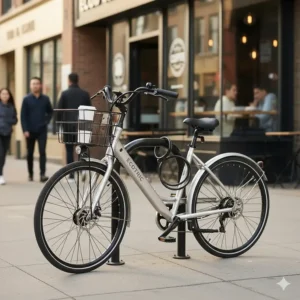
Finally, something completely different. The Peacedove is Ecotric’s answer to urban commuters and grocery-getters. It features a step-through frame, front basket, and rear rack—basically, it’s your bike-shaped minivan.
Key Specifications:
- 350W motor
- 36V 10AH lithium battery
- 26″ x 1.95″ city tires
- Step-through frame design
- Front basket and rear rack included
- Shimano 7-speed
- Weight: 59.5 lbs
Price Range: $700-$850
This bike prioritizes practicality over performance. The step-through frame makes mounting and dismounting effortless, especially if you’re wearing a dress or dealing with mobility issues. That front basket is legitimately useful for errands, and the rear rack can handle panniers or a cargo bag.
Real Customer Feedback: Multiple buyers mention purchasing their second or third Peacedove after being impressed with the first. One user put 3,000 miles on theirs with only routine maintenance. The ergonomic cushion gets specific praise for long-distance comfort.
Pros:
✅ Easy step-through mounting
✅ Included basket and rear rack
✅ Excellent for errands and commuting
✅ Very comfortable for city riding
✅ Great value under $850
Cons:
❌ Lowest power motor in lineup
❌ Not suitable for hills or off-road
❌ Limited range compared to other models
🎯 Ready to Ride? Don’t Wait—These Popular Models Sell Out Fast!
Looking for the perfect blend of power, affordability, and reliability? Click any of the highlighted ecotric electric bike models above to check real-time pricing and availability on Amazon. With free shipping and Prime delivery on many models, you could be cruising next week! ⚡🚴♂️
Understanding Ecotric Electric Bike Motor Systems
Let’s talk about what actually moves these machines. Ecotric uses brushless hub motors across their entire lineup, but the power outputs vary dramatically—from 350W in the Peacedove to 1000W in the Seagull and Bison. So what does that mean for you?
Power Output Demystified
Think of motor wattage like horsepower in a car. A 350W motor is your economy sedan—efficient, reliable, but not winning any drag races. It’ll handle flat terrain and gentle hills without complaint. Most cities and suburbs? You’re golden.
Step up to 500W, and you’ve got a solid all-rounder. These motors strike the perfect balance for recreational riders. They’ll climb moderate hills, handle heavier loads, and still give you 30-50 miles of range. It’s the Goldilocks zone—not too much, not too little.
Now, 750W and 1000W motors are different beasts entirely. These are for riders who refuse to walk their bike up hills or want to power through soft sand and snow. According to research from BikeRide, higher wattage motors also maintain better efficiency under load, meaning you actually get better range when carrying cargo or climbing.
Hub Motors vs. Mid-Drive: Why Ecotric Chose Hubs
You might’ve heard e-bike purists rave about mid-drive motors. They’re not wrong—mid-drives offer better weight distribution and climbing efficiency. But here’s the thing: they cost significantly more and require more maintenance.
Ecotric’s hub motors keep things simple. They’re sealed units that resist water and dirt, they’re cheaper to replace if something goes wrong, and they allow for throttle-only operation. For most riders, especially those new to e-bikes, hub motors just make more sense.
Battery Technology: How Far Can You Really Go?
Range anxiety is real, folks. Nothing kills the joy of an e-bike faster than watching that battery indicator drop to red when you’re still five miles from home. So let’s get real about ecotric electric bike batteries.
Battery Capacity Breakdown
Ecotric uses lithium-ion batteries ranging from 10AH to 17.6AH. Here’s what that means in actual miles:
36V 10AH (Peacedove): 20-30 miles depending on assist level. Perfect for short commutes and errands.
36V 12.5AH (Rocket, Fat Tire models): 30-40 miles with mixed pedaling and throttle. Add 10-15 miles if you’re actively pedaling with light assist.
48V 12.5AH (Hammer): 35-45 miles. The higher voltage system runs more efficiently.
48V 13AH (Seagull): 40-50 miles with good range even on challenging terrain.
48V 17.6AH (Bison): 50-60 miles. This is the long-haul champion.
But here’s the catch—these numbers assume ideal conditions. According to the Electric Bike Association, real-world factors can reduce range by 30-40%:
- Rider weight: Heavier riders use more power
- Terrain: Hills eat batteries for breakfast
- Weather: Cold temperatures reduce capacity
- Tire pressure: Soft tires increase resistance
- Assist level: Max assist drains batteries fast
Charging and Battery Lifespan
Every ecotric electric bike uses a removable battery—a huge convenience factor. You can charge at your desk, in your apartment, or in a hotel room. Full charge takes 6-8 hours, which sounds like a lot until you realize you can charge overnight.
Battery lifespan typically hits 400-600 charge cycles before capacity drops noticeably. That translates to 2-4 years for most riders. Replacement batteries run $250-$400 depending on capacity—not cheap, but reasonable considering you’re getting thousands of miles of use.
Fat Tires vs. Regular Tires: Which Ecotric E-Bike Is Right for You?
This might be the most important decision you’ll make when choosing an ecotric ebike. Fat tires look cool, but they’re not just a fashion statement.
Fat Tire Advantages
Those chunky 4.0″ or 4.8″ tires provide:
Traction on loose surfaces: Sand, gravel, snow, mud—fat tires bite where regular tires slip. If you live near beaches or ride in winter, this is huge.
Natural suspension: The large air volume acts like a shock absorber. Even without front suspension, fat tire bikes smooth out rough roads.
Stability: Wider contact patch means more control, especially at lower speeds or when navigating obstacles.
Fun factor: There’s something inherently satisfying about rolling over terrain that would stop a regular bike.
When Fat Tires Are Overkill
But fat tires aren’t perfect for everyone. They add weight—typically 5-10 pounds compared to regular wheels. Rolling resistance is higher, which reduces efficiency on pavement. And they look, well, cartoonish if you’re trying to blend in during a city commute.
If you’re riding primarily on pavement, the Seagull or Peacedove with regular tires makes more sense. You’ll get better efficiency, lighter weight, and a more conventional riding experience.
The Folding Factor
The folding fat tire models deserve special mention. Ecotric managed to combine portability with fat tire capability—no easy feat. These 20-inch models fold in seconds, fitting in car trunks or storage closets. Perfect for RV owners, boat enthusiasts, or anyone with limited space.
Ecotric Electric Bike Performance on Different Terrains
Let’s get specific about where these bikes shine and where they struggle.
City Streets and Paved Paths
Any ecotric electric bike handles pavement well. The Peacedove excels here with its comfortable upright position and practical accessories. The regular tire models like the Seagull feel more natural on smooth surfaces—less rolling resistance means better efficiency.
Best models: Peacedove, Seagull, Vortex
Beach and Sand
This is fat tire territory. The Rocket, Hammer, and Bison all devour soft sand. Riders report cruising beaches at 15-20 mph where regular bikes would bog down immediately. The key is tire pressure—drop it to 10-15 PSI for maximum flotation.
Best models: Rocket, Hammer, Bison
Snow and Ice
Fat tires strike again. Multiple owners mention winter riding with studded tires, transforming their ecotric ebike into a year-round vehicle. The wide stance prevents tippy-ness on packed snow.
Best models: 26″ Fat Tire, Hammer, Bison
Mountain Trails
The Seagull dominates here with its 1000W motor and proper mountain bike tires. The Rocket and Hammer also handle trails well, though the fat tires can feel sluggish on tight switchbacks. Technical single-track? These bikes are too heavy and unwieldy. Stick to fire roads and moderate trails.
Best models: Seagull, Hammer
Hills and Climbing
Power matters on climbs. The 350W Peacedove will struggle on anything steep, requiring significant pedaling effort. The 500W models handle moderate grades fine with pedal assist. But the 750W Hammer and 1000W Seagull and Bison? They’ll climb nearly anything without breaking a sweat.
Best models: Seagull, Bison, Hammer
Assembly and Setup: What to Expect When Your Ecotric Arrives
Here’s something nobody talks about enough—these bikes arrive 80-90% assembled, but that remaining 10-20% matters. Let me walk you through what you’re actually facing.
Out of the Box
Ecotric ships in large, well-packed boxes. Expect to spend 1-2 hours on assembly even if you’re mechanically inclined. Less if you’ve built bikes before, more if this is your first rodeo.
What’s pre-assembled:
- Frame and motor
- Wheels (usually)
- Electrical system
- Brakes (mostly)
What you’ll install:
- Handlebars
- Front wheel (sometimes)
- Pedals
- Seat and seatpost
- Front basket and rack (on applicable models)
Tools You’ll Need
Most ecotric electric bike models include basic tools, but they’re not great. I recommend having:
- A proper set of Allen keys
- Adjustable wrench
- Wire cutters (for zip-ties)
- Bike stand or helper to hold the bike
Common Assembly Pitfalls
Brake adjustment: This trips up most first-timers. The brake pads need fine-tuning to avoid rubbing. YouTube videos from Ecotric help enormously here.
Cable routing: Make sure no cables are pinched or twisted. Test the steering range before tightening everything down.
Seat height: Way more important than you’d think. Wrong height = discomfort and knee pain. Your leg should be nearly straight at the bottom of the pedal stroke.
Professional Assembly Option
Many people opt for bike shop assembly, typically running $75-$150. It’s worth considering if you’re not confident with tools. Most shops will also test ride and adjust the bike, ensuring everything works correctly.
According to data from REI, professionally assembled e-bikes have 30% fewer warranty claims in the first year—that peace of mind might be worth the cost.
Safety Features and Regulations You Need to Know
Let’s talk about the stuff that keeps you alive and legal.
Braking Systems
Ecotric uses three brake types across their lineup:
Mechanical disc brakes (entry models): Reliable and easy to maintain, though they require more hand force than hydraulic systems.
Hydraulic disc brakes (premium models): Found on the Seagull, Hammer, and Bison. These are significantly better—smooth, powerful, and require minimal effort. If you’re riding in hilly areas or at higher speeds, hydraulic brakes are worth the upgrade.
Brake cutoff sensors: All models include these. When you squeeze the brake lever, it automatically cuts motor power. This prevents the bike from fighting you during emergency stops.
Lighting and Visibility
Most ecotric electric bike models include basic front and rear lights powered by the main battery. They’re adequate but not amazing. If you ride at night regularly, invest in brighter aftermarket lights. Visibility can literally save your life.
Legal Classifications
In the United States, e-bikes fall into three classes:
Class 1: Pedal-assist only, 20 mph max. Allowed on most bike paths.
Class 2: Throttle-capable, 20 mph max. Some restrictions on bike paths.
Class 3: Pedal-assist to 28 mph. Often restricted from bike paths, treated more like mopeds.
Most Ecotric models are Class 2 with speeds capped around 20-25 mph. Check your local regulations—some cities have specific rules about where you can ride. The League of American Bicyclists maintains updated information on state-by-state e-bike laws.
Weight Limits
Ecotric rates most models for 260-265 pounds. That’s rider weight, not including cargo. Exceed this, and you risk frame damage and reduced battery range. If you’re a larger rider or plan to carry heavy loads, the Bison with its reinforced frame is your best bet.

Maintenance and Long-Term Ownership Costs
Okay, real talk—what’s this bike going to cost you over time?
Routine Maintenance Schedule
Weekly (if riding frequently):
- Check tire pressure (crucial for fat tires)
- Inspect brakes
- Clean chain
- Check that no bolts have loosened
Monthly:
- Lubricate chain
- Tighten all fasteners
- Check brake pad wear
- Clean bike thoroughly
Every 500-1000 miles:
- Replace brake pads
- New chain (maybe)
- Tire replacement (if worn)
- Derailleur adjustment
Common Replacement Parts and Costs
Here’s where budget planning matters:
Battery: $250-$400 (every 2-4 years)
Tires: $30-$60 each
Brake pads: $15-$25 per set
Chain: $15-$30
Display/Controller: $50-$100
Most riders spend $100-$200 annually on maintenance beyond routine chain lube and tire inflation. Not bad compared to car ownership—no insurance, registration, or gas.
Warranty Coverage
Ecotric provides an 18-month warranty covering frame, battery, motor, controller, and display. That’s better than many budget brands offering just one year. They exclude normal wear items like tires and brake pads, which is standard.
Customer service quality varies according to reviews. Email response is generally good (24-48 hours), but phone support can be hit-or-miss. Have your order number and photos ready when contacting them.
Comparing Ecotric to Other Budget E-Bike Brands
How does an ecotric electric bike stack up against competitors? Let’s be honest here.
| Feature | Ecotric | Rad Power | Ride1Up | Ancheer |
|---|---|---|---|---|
| Price Range | $650-$1,600 | $1,200-$2,000 | $1,000-$1,800 | $500-$800 |
| Motor Power | 350W-1000W | 500W-750W | 500W-750W | 250W-500W |
| Warranty | 18 months | 2 years | 1 year | 12 months |
| Customer Service | Good | Excellent | Very Good | Fair |
| Parts Availability | Moderate | Excellent | Good | Limited |
Versus Rad Power Bikes: Rad offers better support and longer warranty but costs significantly more. If budget is tight, Ecotric delivers 80% of the performance at 60% of the price.
Versus Ancheer: Cheaper upfront but less reliable. Ecotric’s extra $200-300 investment buys notably better components and longevity.
Versus Ride1Up: Closer competition. Ride1Up bikes often have slightly better components, but Ecotric’s fat tire selection is unmatched in this price range.
The verdict? Ecotric occupies the sweet spot—affordable without being cheap, capable without being overpriced.
Who Should Buy an Ecotric Electric Bike? (And Who Shouldn’t)
Perfect For:
Budget-conscious first-time e-bike buyers: You want to test the waters without dropping $3,000. An ecotric ebike lets you experience electric assist at a fraction of premium brand costs.
Beach and outdoor enthusiasts: Those fat tire models were made for you. Sand, snow, trails—these bikes handle it all.
Casual commuters: The 30-40 mile range covers most daily commutes with room to spare. Plus, you’ll save hundreds monthly on gas and parking.
RVers and boat owners: The folding models are game-changers for recreational vehicle owners. Compact storage, full-size performance.
Older riders or those with mobility issues: The step-through Peacedove makes mounting effortless, and the electric assist means you can still enjoy cycling despite physical limitations.
Not Ideal For:
Speed demons: These bikes top out at 20-26 mph. If you want 30+ mph, look elsewhere (and check local laws).
Serious mountain bikers: For hardcore trail riding, you need full suspension and premium components. Ecotric’s offerings are recreational-grade, not competition-ready.
Ultra-distance riders: The battery range maxes out around 50-60 miles. If you’re planning century rides, you’ll need something with bigger batteries or mid-drive efficiency.
Minimalists: These bikes are heavy (52-86 pounds). If you need to carry it upstairs daily, consider lighter alternatives.
Premium-seekers: Nothing wrong with wanting the best, but Ecotric isn’t playing in that space. If you want carbon fiber and cutting-edge tech, save up for a premium brand.
Tips for Getting the Most from Your Ecotric Electric Bike
After reading hundreds of owner reviews, certain patterns emerge. Here’s the collective wisdom of the ecotric community:
Optimization Tricks
1. Tire pressure is everything: Fat tire riders, start at 15-20 PSI and experiment. Lower for soft terrain, higher for pavement. This single adjustment can add 10+ miles to your range.
2. Break in your battery: The first 3-5 charges should be complete cycles (full discharge to full charge). This calibrates the battery management system for better accuracy.
3. Upgrade the seat immediately: Nearly everyone does it eventually. A comfortable saddle transforms the riding experience. Budget $50-$100 for a quality replacement.
4. Use pedal assist, not just throttle: Mixing pedaling with assist dramatically extends range. Throttle-only riding cuts range by 40-50%.
5. Store your battery properly: If not riding for extended periods, charge to 60-70% and store in moderate temperatures (not freezing, not hot).
Accessory Recommendations
Must-haves:
- Better seat (seriously)
- Quality lock ($50-$100 U-lock minimum)
- Phone mount
- Rear rack or panniers (if not included)
Nice-to-haves:
- Upgraded lights for night riding
- Fenders (many models need these)
- Cargo baskets
- Comfort grips
Winter riders:
- Studded tires
- Neoprene covers for battery
- Bar mitts to keep hands warm
Real-World Cost of Ownership: A 2-Year Projection
Let’s put some actual numbers on what owning an ecotric electric bike costs beyond the initial purchase.
Year 1:
- Initial purchase: $650-$1,600 (depending on model)
- Assembly (if professional): $75-$150
- Accessories: $100-$200
- Maintenance: $50-$100
- Total: $875-$2,050
Year 2:
- Maintenance: $100-$150
- Replacement parts: $50-$100
- Total additional: $150-$250
Over 24 months, assuming 3,000 miles ridden:
- Total cost: $1,025-$2,300
- Cost per mile: $0.34-$0.77
Compare that to car ownership:
- Gas alone (3,000 miles at 25 mpg, $3.50/gallon): $420
- Maintenance and insurance: $1,500+
- Total: $1,920+ (not counting depreciation)
The e-bike pays for itself within two years if you’re replacing car trips. Plus, there’s no gym membership needed—you’re getting exercise during your commute.

Frequently Asked Questions
❓ How fast can an ecotric electric bike go?
❓ Can I ride an ecotric ebike in the rain?
❓ What's the average battery replacement cost for ecotric electric bike models?
❓ Do ecotric electric bikes require a license or insurance?
❓ How difficult is it to find replacement parts for ecotric electric bike maintenance?
Conclusion: Finding Your Perfect Ecotric Electric Bike Match
Here’s the bottom line after diving deep into seven different models: there’s genuinely an ecotric electric bike for almost every rider and budget. Whether you’re dropping $650 on a folding model or stretching to $1,600 for the Bison, you’re getting legitimate value.
If I were buying today and money was tight? The Rocket Fat Tire at $850-950 represents the best all-around package. You get fat tire capability, decent power, and proven reliability. It’s the bike that’ll handle 90% of what you’ll throw at it.
Got a bigger budget and want maximum performance? The Seagull delivers 1000W of power and premium braking in a package that actually looks good. It’s worth the extra investment if you’re tackling serious hills or want something that’ll last for years.
Need ultimate portability? The Folding Fat Tire 20″ fits in your trunk and still handles trails. At under $750, it’s a no-brainer for space-constrained riders.
Remember, the best e-bike is the one you’ll actually ride. Don’t get caught up in spec sheets—think about how you’ll use it. Daily commutes on pavement? Beach adventures? Grocery runs? Match the bike to your lifestyle, and you’ll be thrilled with your decision.
These bikes aren’t perfect. They’re heavier than premium models, some components feel budget-grade, and you might upgrade that seat immediately. But they work, they’re reliable, and they won’t require a loan to purchase. In a world of $5,000 e-bikes, Ecotric proves you don’t need to spend a fortune to enjoy electric-assisted cycling.
The electric bike revolution is here, and with an ecotric ebike, you can join it without breaking the bank. So stop overthinking it—pick a model, click that buy button, and get ready to rediscover your neighborhood from the saddle. Trust me, your future self will thank you.
🌟 Ready to Transform Your Commute? Shop Top Ecotric Models Now!
Don’t let another day of traffic jams or expensive gas prices go by. These budget-friendly e-bikes sell out fast, especially during peak season. Click any highlighted ecotric electric bike model above to lock in today’s pricing before inventory runs low. Most models qualify for free shipping and arrive ready to ride in 7-10 days! 🚴♀️💨
Recommended for You
- 36V Battery Charger for Electric Bike: 7 Best Picks for 2025
- Electric Bike Charger 48V: 7 Best Options for 2025
- Electric Bike Charger: 7 Best Options That Actually Work
Disclaimer: This article contains affiliate links. If you purchase products through these links, we may earn a small commission at no additional cost to you.
✨ Found this helpful? Share it with your friends! 💬🤗
