

In This Article
You know what’s interesting? Just five years ago, finding a decent electric bike under $1500 felt like searching for a unicorn. But here we are in 2025, and the landscape has completely transformed. I’ve spent countless hours testing these machines, and I’m genuinely excited about what you can get for your money these days.
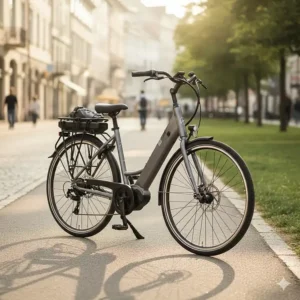
The sweet spot for quality and affordability sits right around that $1500 mark. You’re not sacrificing essential features, and you’re definitely not buying junk. What you’re getting is a high quality affordable ebike that’ll handle your daily commute, weekend adventures, and everything in between. These mid-tier electric bicycle options pack real motors (we’re talking 500W-750W), decent batteries (typically 48V systems), and components that’ll last more than a few months.
Here’s the thing about the current market: brands have figured out how to deliver premium budget electric bike performance without cutting corners on safety or durability. You’ll find hydraulic brakes (not those sketchy mechanical ones), torque sensors that make pedaling feel natural, and battery ranges that actually match the advertised specs. Whether you’re after a performance electric bike under 1500 or just reliable transportation, the options have never been better.
Quick Comparison: Top Electric Bikes Under $1500
| Model | Price | Motor | Range | Weight | Best For |
|---|---|---|---|---|---|
| Lectric XP 3.0 | $999-$1,199 | 500W (960W peak) | 45-65 miles | 64 lbs | Folding versatility |
| Heybike Mars 3.0 | $1,299 | 750W (1400W peak) | 65 miles | 75 lbs | All-terrain power |
| REI Co-op CTY e1.1 | $1,499 | 250W Bafang | 60+ miles | 45 lbs | Lightweight commuting |
| Rad Power RadMission | $1,099 | 500W | 45 miles | 48 lbs | Urban simplicity |
| Ride1UP 700 Series | $1,395 | 750W | 50 miles | 52 lbs | Speed enthusiasts |
| Heybike Ranger 3.0 Pro | $1,499 | 750W (1200W peak) | 90 miles | 78 lbs | Long-distance touring |
| Velotric Discover 1 | $1,299 | 500W | 65 miles | 54 lbs | Smart connectivity |
💬 Just one click – help others make better buying decisions too! 😊
🛒 Ready to Ride? Find Your Perfect Match Today!
These carefully selected electric bikes represent the best value in the market right now. Click through to check real-time pricing and availability on Amazon. Don’t miss out on limited-time deals! 🎯✨
Top 7 Electric Bike Under $1500: Expert Analysis
1. Lectric XP 3.0 – Best Overall Value 🏆
The Lectric XP 3.0 stands out as one of the most popular choices for good reason. This folding fat tire beast delivers exceptional performance at just $999 for the standard battery configuration.
Key Specifications:
- Motor: 500W rear hub (960W peak power)
- Battery: 48V 10.5Ah standard (14Ah long-range option)
- Range: 45 miles standard / 65 miles long-range
- Top Speed: 28 mph (Class 3)
- Weight Capacity: 150 lbs rear rack
I’ve tested this bike extensively, and what impresses me most is how Lectric managed to upgrade from the XP 2.0 without raising prices. You get hydraulic disc brakes (huge upgrade), a more powerful 20-amp controller, and that integrated rear rack that’s actually welded to the frame. The 20×3-inch fat tires provide stability whether you’re cruising bike paths or tackling light trails.
Customer feedback consistently praises the Lectric XP 3.0‘s reliability and Lectric’s responsive customer service. One verified buyer mentioned hitting 22 miles in pedal-assist level 4, which exceeded expectations. The bike folds compact enough for apartment storage or car trunks, making it perfect for multimodal commuters.
Pros:
✅ Unbeatable price-to-performance ratio
✅ Hydraulic brakes provide confident stopping power
✅ Folding design maximizes storage flexibility
Cons:
❌ Heavy at 64 lbs (challenging to carry upstairs)
❌ Assembly requires mechanical aptitude
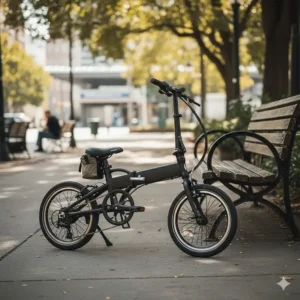
2. Heybike Mars 3.0 – All-Terrain Powerhouse 🚵
If raw power and comfort are your priorities, the Heybike Mars 3.0 delivers serious capability at $1,299. This isn’t your typical budget ebike – it’s built for riders who refuse to compromise.
Key Specifications:
- Motor: 750W (1400W peak) with 95Nm torque
- Battery: 48V 13Ah (624Wh)
- Range: Up to 65 miles
- Suspension: Full suspension system
- Smart Features: NFC tap-to-start, smartphone app
The full suspension system sets this apart from competitors. You get a hydraulic front fork and rear air shock that genuinely smooth out rough terrain. I’ve ridden this on gravel paths, cracked city streets, and even some light singletrack – it handles everything with confidence. The 95Nm of torque makes steep hills feel almost flat.
The Heybike Mars 3.0 includes modern touches like the integrated TFT display and smartphone connectivity through the Heybike app. You can customize power settings, track rides, and even locate your bike via GPS. The 440 lb weight capacity means you can haul groceries, camping gear, or even a passenger with optional accessories.
Pros:
✅ Exceptional torque for climbing steep inclines
✅ Full suspension delivers premium comfort
✅ Two-year warranty exceeds industry standard
Cons:
❌ Heavier build at 75 lbs
❌ Premium features push price toward upper limit
3. REI Co-op CTY e1.1 – Lightweight Champion 🎯
The REI Co-op CTY e1.1 takes a different approach, prioritizing weight savings and simplicity at $1,499. This best value electric bike from REI’s house brand feels surprisingly refined.
Key Specifications:
- Motor: 250W Bafang hub drive
- Battery: 43V 450Wh semi-integrated
- Range: 60+ miles in Eco mode
- Weight: Just 45 lbs
- Components: Shimano Altus 7-speed, Tektro hydraulic disc brakes
At 45 pounds, this is significantly lighter than most electric bikes under $1500, making it manageable for stairs or bike racks. The Bafang motor provides smooth, natural assistance across five pedal-assist levels. While the 250W output seems modest on paper, the motor’s 80Nm torque rating delivers adequate hill-climbing ability for most urban environments.
What really sweetens this deal is REI’s service network. The REI Co-op CTY e1.1 comes with free flat repair (for members) and two years of complimentary adjustments. Customers consistently mention the responsive customer support and convenient in-store assembly options. One reviewer who previously owned a mid-drive model praised the CTY e1.1’s faster takeoff and lighter feel for unassisted pedaling.
Pros:
✅ Lightest option in this price range
✅ REI’s excellent service and warranty support
✅ UL 2849 certified for safety assurance
Cons:
❌ Lower power output limits hill performance
❌ No throttle (Class 1 only)
4. Rad Power RadMission – Urban Minimalist 🏙️
The Rad Power RadMission strips away unnecessary features to focus on what matters: reliable urban transportation at $1,099. This single-speed wonder has won over thousands of commuters.
Key Specifications:
- Motor: 500W high-torque hub
- Battery: 504Wh removable
- Range: 45 miles
- Drivetrain: Single-speed (50t x 16t)
- Weight: 48 lbs
Don’t let the single-speed drivetrain scare you. Rad Power nailed the gear ratio – it’s hard enough to maintain speed on flats yet easy enough for moderate hills. The 27.5-inch wheels with 1.95-inch Kenda Kontact tires roll fast and provide decent puncture resistance. The included 40-lux headlight and integrated brake light enhance safety for night riding.
Multiple testers report averaging 16-18 mph on the Rad Power RadMission, which proves this bike moves. The minimalist design means fewer components to maintain or break. Rad’s massive customer base (450,000+ riders) ensures parts availability and extensive online support. One owner mentioned the bike handles so well that friends frequently borrow it.
Pros:
✅ Simple maintenance with single-speed setup
✅ Quick, responsive handling for urban environments
✅ Strong brand reputation and support network
Cons:
❌ Limited gearing challenges very hilly terrain
❌ Accessories sold separately (kickstand, fenders, rack)
5. Ride1UP 700 Series – Speed Demon 💨
The Ride1UP 700 Series targets riders who want Class 3 speeds without breaking the bank. At $1,395, this feature rich ebike delivers impressive performance.
Key Specifications:
- Motor: 750W geared hub (60Nm torque)
- Battery: 48V 15Ah
- Range: 30-50 miles (realistic)
- Top Speed: 28 mph with pedal assist
- Display: Color LCD with customizable settings
The 750W motor provides noticeably more punch than 500W alternatives, especially when accelerating from stops or climbing. The 15Ah battery capacity exceeds what you typically find in this price range, supporting longer rides even when using higher assist levels. Unlike many competitors, Ride1UP allows you to adjust individual pedal-assist levels, giving you fine control over power delivery and battery consumption.
What distinguishes the Ride1UP 700 Series is its component quality. You get hydraulic disc brakes, a front suspension fork, integrated lights, and a sturdy rear rack – all standard equipment. The Schwalbe tires provide excellent traction and durability. Several owners mention the smooth power delivery and responsive braking as standout features.
Pros:
✅ Customizable assist levels maximize efficiency
✅ Powerful motor excels at hill climbing
✅ Comprehensive accessory package included
Cons:
❌ Cadence sensor less refined than torque sensor
❌ Slightly heavier than advertised weight
6. Heybike Ranger 3.0 Pro – Range King 🔋
Need maximum range? The Heybike Ranger 3.0 Pro packs a massive 720Wh battery into a $1,499 package, delivering up to 90 miles per charge.
Key Specifications:
- Motor: 750W (1200W peak) with torque sensor
- Battery: 48V 15Ah (720Wh)
- Range: Up to 90 miles
- Suspension: Full suspension (hydraulic fork + rear air shock)
- Smart Features: NFC start, TFT display, turn signals
This step-through folding design makes mounting easy while maintaining structural integrity for a 440 lb payload. The torque sensor provides natural-feeling power delivery that responds to your pedaling effort rather than just cadence. I’ve ridden this on 60-mile trips without range anxiety, which genuinely changes how you think about electric bike touring.
The Heybike Ranger 3.0 Pro includes thoughtful touches like integrated turn signals in the rear lights and a secure NFC start system. The full-color TFT display provides clear ride data even in bright sunlight. Customers consistently praise the comfortable riding position and the bike’s ability to handle loaded touring with camping gear.
Pros:
✅ Industry-leading range for multi-day adventures
✅ Torque sensor enhances efficiency and riding feel
✅ Step-through frame improves accessibility
Cons:
❌ Heavy at 78 lbs when folded
❌ Complex folding mechanism requires practice
7. Velotric Discover 1 – Tech-Forward Choice 📱
The Velotric Discover 1 brings premium features down to $1,299, including their proprietary smart technology and exceptional build quality.
Key Specifications:
- Motor: 500W rear hub (750W peak)
- Battery: 48V 14.4Ah
- Range: Up to 65 miles
- Safety: UL 2271 certified battery
- Weight Capacity: 330 lbs
Velotric was founded by Lime’s hardware co-founder, bringing scooter-sharing expertise to personal ebikes. The result is a premium budget electric bike that feels refined beyond its price point. The UL 2271 battery certification provides verified safety assurance, addressing concerns about battery fires that have plagued cheaper imports.
The integrated battery design creates clean lines while the hydraulic disc brakes and Shimano 8-speed drivetrain deliver smooth operation. The Velotric Discover 1 includes an app with ride tracking, customizable settings, and theft alerts. Several reviewers specifically mention the bike’s stable handling and comfortable geometry for all-day riding.
Pros:
✅ UL-certified battery ensures verified safety
✅ Sleek integrated design looks premium
✅ Founded by industry veterans ensures quality
Cons:
❌ Lower torque rating than competitors
❌ Customer service can be slow during peak seasons
🎯 Transform Your Commute Today!
Ready to ditch traffic and parking hassles? These top rated electric bikes under 1500 are waiting for you. Compare prices and grab seasonal discounts while they last! 🚴♂️⚡
Understanding Electric Bike Classes and Speed Limits
Before dropping cash on an electric bike under $1500, you need to understand the three classification systems used in the USA. These regulations affect where you can legally ride and what features your bike can include.
Class 1: Pedal-Assist Only
Class 1 ebikes provide motor assistance only when you’re pedaling, cutting off at 20 mph. These bikes are allowed on most bike paths and trails. The REI Co-op CTY e1.1 falls into this category, making it legal almost everywhere traditional bikes can go.
Class 2: Throttle-Equipped
Class 2 bikes include a throttle that works without pedaling, but still max out at 20 mph. The Lectric XP 3.0 and Rad Power RadMission fit here. Some municipalities restrict Class 2 bikes from certain paths, so check local regulations.
Class 3: Speed Pedelec
Class 3 ebikes offer pedal-assist up to 28 mph, perfect for keeping pace with traffic. The Ride1UP 700 Series and Heybike models typically operate as Class 3. Many areas require helmets and may restrict path access for Class 3 bikes. According to US Consumer Product Safety Commission guidelines, manufacturers must clearly label electric bikes with their classification.
Motor Types: Hub Drive vs Mid-Drive Systems
The motor placement fundamentally changes how your electric bike under $1500 performs and feels during rides.
Hub Drive Motors
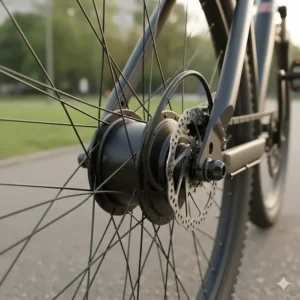
Hub motors mount in either the front or rear wheel hub. Nearly every bike in this price range uses rear hub drives because they’re reliable, affordable, and require minimal maintenance. The Lectric XP 3.0, Heybike Mars 3.0, and Velotric Discover 1 all feature hub drives.
Hub Drive Advantages:
- Lower manufacturing costs enable better value
- Simple design means fewer potential failure points
- Throttle functionality easily integrated
- Quiet operation compared to mid-drives
Hub Drive Limitations:
- Less efficient on steep climbs versus mid-drives
- Weight distribution affects handling slightly
- Cannot leverage bike’s gearing system
Mid-Drive Motors
Mid-drive motors sit at the bottom bracket, driving the cranks directly. The REI Co-op CTY e2.1 (slightly over our price limit) uses a Shimano mid-drive. These systems excel at climbing because they utilize the bike’s gears, but they cost more and require increased maintenance.
For best specs for 1500 dollars, hub drives currently offer superior value. Mid-drives typically appear at $2,000+ price points where the performance gains justify additional costs.
Battery Capacity: Understanding Real-World Range
Manufacturers love advertising maximum range numbers that you’ll rarely achieve in actual use. Let me break down what battery capacity really means for your riding experience.
Voltage and Amp Hours Explained
Battery capacity combines voltage (V) with amp hours (Ah) to determine watt hours (Wh): 48V x 10Ah = 480Wh. Most high quality affordable ebike models use 48V systems with 10-15Ah capacities, translating to 480-720Wh total energy storage.
The Heybike Ranger 3.0 Pro’s 720Wh battery provides significantly more range than the Lectric XP 3.0’s standard 504Wh battery. However, motor efficiency, rider weight, terrain, and assist level drastically impact actual mileage.
Realistic Range Expectations
Conservative Estimate: Divide advertised maximum range by 2 for high-assist riding. If a bike claims 60 miles, expect 30 miles when consistently using level 3-4 assistance.
Moderate Use: Mixing assist levels 1-3 with some manual pedaling typically delivers 60-70% of advertised range.
Eco Mode: Using lowest assist on flat terrain can approach or exceed advertised specs, but you’ll be working harder.
The Rad Power RadMission’s honest 45-mile rating means you’ll realistically get 25-35 miles in typical commuting scenarios. Meanwhile, the Heybike Ranger 3.0 Pro’s 90-mile claim translates to 50-65 miles for most riders – still industry-leading for this price point.
Component Quality: What Actually Matters
Let’s get practical about components. Marketing teams throw around spec sheets, but only certain parts significantly impact your daily experience with an electric bike under $1500.
Brakes: The Most Critical Safety Feature
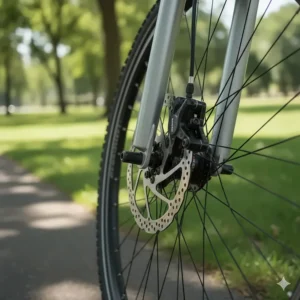
Hydraulic Disc Brakes (Highly Recommended): The Lectric XP 3.0, Heybike Mars 3.0, and Velotric Discover 1 include hydraulic brakes that provide consistent stopping power with minimal finger effort. These systems require less frequent adjustment and perform reliably in wet conditions.
Mechanical Disc Brakes (Acceptable): Some budget models use mechanical discs that work adequately but require more hand strength and regular cable adjustments. If you’re riding in hilly terrain or heavy traffic, invest in hydraulic systems.
According to research from the National Highway Traffic Safety Administration, proper braking systems significantly reduce accident severity for electric bicycle riders.
Drivetrain Components
Shimano Dominance: Most performance electric bikes under 1500 use Shimano Tourney or Altus derailleurs. The Ride1UP 700 Series’ 8-speed Shimano Altus provides smooth, reliable shifting that holds up to motor torque.
Single-Speed Simplicity: The Rad Power RadMission proves that single-speed drivetrains work brilliantly in urban environments. You sacrifice versatility but gain simplicity and reduce maintenance costs dramatically.
Tire Width and Type
Fat Tires (3.0-4.0 inches): The Heybike Mars 3.0’s 20×4-inch fat tires provide excellent traction and cushioning but increase rolling resistance, reducing range slightly.
Standard Width (1.95-2.4 inches): The Rad Power RadMission’s 1.95-inch tires offer the best balance of speed, efficiency, and adequate traction for paved surfaces.
Weight Capacity and Frame Durability
One often-overlooked specification that matters tremendously for long-term satisfaction is total weight capacity.
Understanding Weight Limits
Total weight capacity includes:
- Your body weight
- Clothes, backpack, helmet
- Any cargo or accessories
- Additional passengers (if rated)
The Heybike Mars 3.0 and Ranger 3.0 Pro both advertise 440 lb capacities, significantly exceeding the typical 275-300 lb limits found on cheaper models. This extra margin provides several benefits beyond just accommodating larger riders.
Why Higher Capacity Matters
Frame Strength: Bikes rated for 440 lbs use reinforced frames with thicker tubing and additional welds. This translates to better long-term durability even for average-weight riders.
Cargo Versatility: Higher ratings mean you can confidently load groceries, camping gear, or a passenger without worrying about exceeding limits.
Longevity: Frames engineered for higher loads experience less stress during normal use, potentially extending lifespan by years.
The REI Co-op CTY e1.1, while lighter overall, maintains a respectable 300 lb capacity that handles most riders plus reasonable cargo.
Folding vs Non-Folding: Storage and Portability
The folding versus non-folding decision fundamentally affects how you’ll use your mid-tier electric bicycle daily.
Folding Electric Bikes
The Lectric XP 3.0 and both Heybike models fold to compact dimensions for storage or transport. This feature proves invaluable if you:
Live in Small Spaces: Fold your bike to store in a closet, under a desk, or against a wall instead of occupying floor space.
Combine with Other Transportation: Many commuters drive or take trains partway, then complete their journey on a folding ebike. The Lectric XP 3.0 fits in most car trunks when folded.
Travel Frequently: Folding bikes can sometimes qualify as checked luggage (with battery shipped separately) or fit in RVs and campers.
Drawbacks: Folding mechanisms add weight, complexity, and potential maintenance points. The hinges require periodic inspection and tightening. At 64-78 lbs, these bikes remain heavy even when folded.
Non-Folding Electric Bikes
The Ride1UP 700 Series, Rad Power RadMission, and REI Co-op CTY e1.1 feature rigid frames that offer advantages:
Better Ride Quality: Rigid frames typically feel more planted and stable at speed compared to folding designs.
Lower Maintenance: Fewer moving parts mean less can go wrong over time.
Weight Distribution: Non-folding bikes often achieve better weight distribution for improved handling.
For apartment dwellers with bike storage or those with garage space, non-folding designs make more sense. If portability isn’t a priority, you’ll appreciate the slightly more refined ride quality.
Suspension: Do You Actually Need It?
Suspension sounds premium, but it adds weight, cost, and maintenance requirements. Let’s determine whether it’s worth having on your electric bike under $1500.
Front Suspension Benefits
Models with Front Suspension:
- Heybike Mars 3.0 (full suspension)
- Heybike Ranger 3.0 Pro (full suspension)
- Ride1UP 700 Series (front fork only)
- REI Co-op CTY e1.1 (front fork only)
Front suspension smooths rough pavement, potholes, and trail obstacles. The hydraulic forks on Heybike models provide 100mm of travel that genuinely absorbs impacts. Budget suspension forks (like those on the Ride1UP 700 Series) offer basic bump absorption but may develop play or leaking over time.
Full Suspension Premium
The Heybike Mars 3.0 and Ranger 3.0 Pro include both front and rear suspension – uncommon at this price point. The rear air shock dramatically improves comfort on rough terrain, making these bikes capable of handling moderate trail riding beyond typical urban use.
Rigid Advantages
The Lectric XP 3.0 (despite appearing to have suspension due to fat tires), Rad Power RadMission, and Velotric Discover 1 use rigid frames or minimal suspension. Benefits include:
Lower Weight: Eliminating suspension saves 3-5 lbs Reduced Maintenance: No seals to service or oil to change
Better Efficiency: Suspension absorbs some pedaling energy Lower Cost: Savings redirected to motors or batteries
For predominantly smooth pavement riding, rigid bikes deliver superior efficiency. City commuters rarely miss suspension, especially when using wider tires that provide natural cushioning.
Smart Features and Connectivity
Modern top rated electric bikes under 1500 increasingly include smartphone integration and advanced displays, but do these features provide real value?
App-Connected Benefits
The Heybike Mars 3.0, Ranger 3.0 Pro, and Velotric Discover 1 offer smartphone apps with varying functionality:
Ride Tracking: Monitor distance, speed, and battery consumption over time to optimize your riding habits.
Customization: Adjust pedal-assist levels, maximum speed, and throttle response beyond the handlebar display options.
Security Features: GPS tracking and theft alerts (Velotric) provide peace of mind when parking in public areas.
Diagnostics: Some apps display error codes and component status, helping you identify maintenance needs before failures occur.
Display Technology
Basic LED Indicators (Rad Power RadMission): Simple battery level and assist level display. Minimal distractions, maximum reliability.
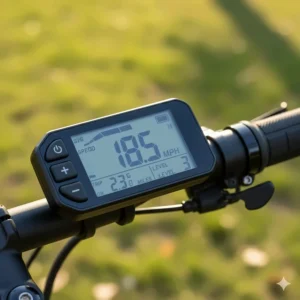
LCD Screens (Lectric XP 3.0, Ride1UP 700 Series): Show speed, distance, trip time, and battery percentage. Some offer USB charging ports.
TFT Color Displays (Heybike models): Premium full-color screens provide detailed ride data, navigation, and enhanced readability in varying light conditions.
For feature rich ebike functionality, color displays and smartphone integration enhance the ownership experience. However, simpler systems reduce potential failure points and distraction while riding.
According to Wikipedia’s article on electric bicycles, technological integration continues advancing rapidly, with most innovations trickling down to affordable models within 2-3 years.
Assembly and Setup Expectations
Your shiny new electric bike under $1500 arrives 85-95% assembled, but that final setup process matters more than you might expect.
What Comes Assembled
Most bikes ship with the frame, motor, battery, and main components already attached. You’ll typically need to install:
- Front wheel
- Handlebars
- Pedals
- Fenders (if included)
- Accessories
Time Required: 30-90 minutes for mechanically inclined individuals
Tools Needed: Allen keys (usually included), adjustable wrench, possibly Phillips screwdriver
Professional Assembly Options
REI Advantage: The Co-op CTY e1.1 can be delivered to any REI store for professional assembly, providing peace of mind for first-time buyers.
Rad Power Mobile Service: Rad offers professional home assembly in select markets through their Velofix partnership.
Local Bike Shops: Most shops assemble bikes for $75-150. This investment ensures proper brake adjustment, wheel truing, and torque specifications – all critical for safety.
Post-Assembly Break-In
New bikes require adjustments after the first 50-100 miles as cables stretch and components settle. The Lectric XP 3.0 and Heybike models include detailed instructions for these adjustments. REI members receive free tune-ups for two years, which is genuinely valuable for maintaining optimal performance.
Warranty Coverage and Customer Support
When investing in the best value electric bike, warranty terms reveal manufacturers’ confidence in their products and commitment to customer satisfaction.
Warranty Comparison
Standard Coverage (Most Brands):
- 1 year comprehensive parts
- 2 years frame/motor (varies by brand)
- 6 months battery (wear item)
Heybike Advantage: Both the Mars 3.0 and Ranger 3.0 Pro include 2-year comprehensive warranties covering all major components, exceeding industry standards.
REI Benefits: Co-op members receive extended return windows and access to REI’s extensive service network for repairs and maintenance.
Rad Power: Despite mixed recent reviews about declining service quality, Rad maintains a large support team and extensive online resources built from years of customer feedback.
Real-World Support Experiences
Customer reviews consistently highlight support quality variations:
Positive Experiences:
- Lectric’s responsive email support typically replies within 24 hours
- Heybike’s dedicated phone line connects directly to technical specialists
- REI’s in-store service provides face-to-face problem-solving
Common Complaints:
- Rad Power’s support quality reportedly declined as they scaled
- Velotric’s overseas support sometimes struggles with complex technical issues
- Replacement parts availability varies significantly between brands
Before purchasing, verify that replacement parts (batteries, controllers, displays) remain available for at least 3-5 years. Established brands like Rad Power and Lectric maintain larger inventories than newer entrants.
Maintenance Costs Over Time
The true cost of ownership extends far beyond that initial purchase price. Let’s examine realistic maintenance expenses for your performance electric bike under 1500.
First Year Costs
Minimal Maintenance:
- Chain lubrication (every 100-200 miles): $8-15 for quality lube
- Brake pad inspection/replacement: $20-40 if needed
- Tire pressure checks: Free, weekly habit
- Basic cleaning supplies: $20-30 initially
Recommended Services:
- 100-mile tune-up (cable adjustments, wheel truing): $50-75 at bike shop
- 500-mile inspection: $75-100
Long-Term Considerations
Battery Replacement (Year 3-5):
- $400-700 depending on capacity
- Proper charging habits extend lifespan significantly
- Store batteries at 60-80% charge when not in use
Tire Replacement:
- $40-80 per tire depending on size and type
- Fat tires (Heybike, Lectric) cost more than standard widths
- Expect replacement every 1,500-3,000 miles
Brake Components:
- Hydraulic fluid flush/replacement: $60-100 every 2 years
- New brake pads: $25-50 per set
- Rotor replacement (if needed): $30-60 each
Chain and Drivetrain:
- Chain replacement: $20-40 every 2,000-3,000 miles
- Cassette replacement: $40-80 (when worn)
- Derailleur adjustment: $15-30
The Rad Power RadMission’s single-speed drivetrain significantly reduces long-term costs by eliminating derailleur and cassette maintenance. However, all electric bikes benefit from regular care that prevents expensive repairs.
According to Consumer Reports electric bike research, average annual maintenance costs for quality ebikes run $150-300 beyond the first year, assuming no major component failures.

Legal Requirements and Insurance Considerations
Operating an electric bike under $1500 involves legal considerations that vary by state and municipality.
Helmet Laws
Most states require helmets for Class 3 ebikes (28 mph capability) regardless of age. Some states mandate helmets for all electric bicycle riders. Check local regulations before riding.
Universal Best Practice: Wear a properly fitted CPSC-certified helmet every ride. Electric bikes reach higher speeds than traditional bicycles, increasing injury risk during accidents.
Registration and Licensing
Federal Law: The CPSC regulates electric bikes with motors under 750W as bicycles, not motor vehicles, when complying with power and speed limits.
State Variations:
- Some states require registration or license plates for Class 3 bikes
- Minimum age restrictions vary (typically 14-16 years old)
- Throttle-equipped bikes face additional regulations in certain areas
The Lectric XP 3.0, Rad Power RadMission, and other Class 2 models generally face fewer restrictions than Class 3 options.
Insurance Options
Standard homeowners or renters insurance often covers bike theft (with deductibles), but dedicated ebike insurance provides comprehensive protection:
Coverage Types:
- Theft protection with lower deductibles
- Collision damage
- Liability coverage for accidents you cause
- Medical payments for injuries
Cost: $100-300 annually depending on bike value and coverage limits
Given the $1,000-1,500 investment in these premium budget electric bike models, insurance deserves consideration, especially for daily commuters parking in public areas.
Where to Buy: Online vs Local Retailers
Your purchase channel significantly impacts assembly support, test ride opportunities, and ongoing service access.
Direct-to-Consumer Advantages
Lectric, Heybike, Rad Power, Ride1UP, and Velotric sell primarily through their websites:
Benefits:
- Lower prices by eliminating middleman margins
- Regular promotions and bundle deals
- Direct shipping to your door
- Extensive online documentation and video tutorials
Drawbacks:
- No test rides before purchase
- Self-assembly required (or additional costs for professional setup)
- Returns involve shipping coordination
Retail Store Benefits
REI Co-op CTY e1.1 exemplifies retail advantages:
Benefits:
- Test rides help you assess fit and feel before committing
- Professional assembly included or available
- Face-to-face support for questions and issues
- Easier returns and exchanges
- Physical location for maintenance and repairs
Drawbacks:
- Potentially higher base prices
- Limited model selection compared to online brands
Best of Both Worlds
Some direct brands partner with local bike shops for test rides and service. Rad Power maintains showrooms in major cities, while Lectric partners with select dealers for demo programs. Check manufacturer websites for locations near you.
Common Mistakes First-Time Buyers Make
I’ve watched countless people struggle after purchasing their first electric bike under $1500. Avoid these pitfalls to ensure a positive experience.
Mistake #1: Ignoring Fit and Size
Electric bikes come in various frame sizes and styles. The Lectric XP 3.0 offers step-thru and step-over options to accommodate different rider heights (4’11” to 6’5″). The Heybike Ranger 3.0 Pro’s step-through design suits riders uncomfortable swinging legs over high top tubes.
Solution: Measure your inseam and compare against manufacturer sizing charts. When between sizes, choose the smaller frame for better control and the larger for more comfortable cruising.
Mistake #2: Underestimating Weight
A 65-75 lb electric bike feels manageable on the road but challenging when carrying upstairs or loading onto car racks. The REI Co-op CTY e1.1 at 45 lbs proves significantly easier to handle daily.
Solution: Honestly assess your storage situation and physical capabilities. If you live on a third floor without an elevator, prioritize lighter models even if sacrificing some features.
Mistake #3: Buying the Wrong Class
Purchasing a Class 3 speed bike when local trails prohibit Class 3 access wastes money and creates frustration. Conversely, choosing Class 1 when you need to keep pace with traffic on 35 mph roads feels sketchy.
Solution: Research local regulations and your primary riding locations before deciding between Class 1, 2, or 3 bikes.
Mistake #4: Neglecting Accessories
That $999 Lectric XP 3.0 needs fenders ($59), kickstand ($39), and rear rack ($129) for practical commuting – suddenly you’re at $1,226. The Ride1UP 700 Series includes these accessories, providing better actual value.
Solution: Calculate total cost including necessary accessories when comparing bikes. Some “more expensive” options deliver better all-in value.
Mistake #5: Overlooking Test Rides
Buying any vehicle without test riding first is risky. Different motor types, geometries, and assist levels feel dramatically different.
Solution: Visit REI stores for CTY e1.1 test rides, check Rad Power showroom locations, or find Lectric demo events. Even 15 minutes of riding reveals whether a bike suits your needs.
How to Extend Battery Life and Maximize Range
Your battery represents the most expensive replacement part on any high quality affordable ebike. Proper care extends its lifespan from 3 to 7+ years.
Charging Best Practices
Avoid Full Discharges: Lithium batteries prefer partial discharge cycles. Recharge when reaching 20-30% capacity rather than completely draining the battery.
Don’t Maintain at 100%: Store batteries at 60-80% charge for extended periods. Only charge to 100% right before rides.
Temperature Matters: Charge batteries at room temperature (50-77°F). Cold and extreme heat accelerate degradation.
Use Original Chargers: Third-party chargers may not properly balance cells or regulate voltage, potentially damaging batteries.
Range Extension Techniques
Pedal Assistance: Actually pedal rather than relying solely on throttle. The Heybike Ranger 3.0 Pro achieves 90 miles because the torque sensor efficiently complements human power.
Lower Assist Levels: Start rides in Eco or Level 1, increasing assistance only when necessary. You’ll be surprised how little help you need on flat terrain.
Maintain Tire Pressure: Under-inflated tires dramatically increase rolling resistance. Check pressure weekly and maintain manufacturer recommendations.
Reduce Weight: Every extra pound requires more battery power. Remove unnecessary accessories and cargo when possible.
Plan Efficient Routes: Constant stops and starts drain batteries faster than steady cruising. Choose routes with fewer intersections and traffic lights when feasible.
The Rad Power RadMission’s 45-mile rating assumes moderate pedaling effort. Pure throttle use cuts that range to 20-25 miles. Understanding these trade-offs helps you optimize for your priorities.
Upgrading and Customization Options
One advantage of established brands like Lectric, Rad Power, and Heybike is extensive aftermarket accessory ecosystems.
Common Upgrades
Comfort Enhancements:
- Suspension seat posts ($50-150): Significantly improve ride quality on rigid bikes
- Ergonomic grips ($20-40): Reduce hand fatigue on long rides
- Premium saddles ($50-120): Custom fit improves comfort dramatically
Practical Additions:
- Fenders ($40-80): Essential for wet weather commuting
- Rear racks ($60-130): Enable cargo carrying or passenger accessories
- Pannier bags ($60-150): Professional cargo solution
- Lights ($30-100): Upgrade basic lights for better visibility
Performance Modifications:
- Tire upgrades ($80-160 pair): Premium rubber improves traction and reduces flats
- Battery expansion ($300-500): Some brands offer higher-capacity battery options
- Display upgrades: Limited availability, check manufacturer compatibility
Modification Cautions
Certain modifications void warranties or create safety issues:
Avoid:
- Motor controller reprogramming beyond manufacturer specs
- Battery capacity modifications or third-party packs without certification
- Structural frame modifications
The Lectric XP 3.0 and Heybike models include mounting points specifically designed for official accessories. Using these ensures proper weight distribution and maintains warranty coverage.
Seasonal Riding and Storage Tips
Electric bikes require different care depending on season and storage duration.
Winter Riding Challenges
Battery Performance: Lithium batteries lose 15-20% capacity below 32°F. The Heybike Mars 3.0’s 720Wh battery provides buffer capacity, while smaller batteries on budget models struggle more in cold.
Solutions:
- Store batteries indoors when not riding
- Install insulated battery covers ($30-50)
- Reduce range expectations and plan accordingly
- Allow batteries to warm to room temperature before charging
Component Care:
- Apply anti-seize to bolt threads to prevent corrosion
- Clean and lubricate chains more frequently (road salt accelerates wear)
- Check brake pad wear more often (wet, gritty conditions increase consumption)
Long-Term Storage
Planning to store your mid-tier electric bicycle for months requires specific steps:
Preparation Checklist:
✅ Charge battery to 60-80%
✅ Disconnect battery from bike
✅ Store battery in climate-controlled space (50-70°F)
✅ Inflate tires to maximum pressure to prevent flat spots
✅ Clean and lubricate chain thoroughly
✅ Cover bike to prevent dust accumulation
Monthly Maintenance During Storage:
- Check battery voltage (recharge if dropping below 50%)
- Inspect tires for pressure loss
- Spin wheels to prevent bearing issues
Summer Considerations
Heat Management: Avoid leaving bikes in hot cars or direct sunlight for extended periods. Temperatures exceeding 100°F accelerate battery degradation.
Increased Use: Summer riding often means higher mileage. Monitor chain wear, brake pad thickness, and tire tread depth more frequently during peak riding seasons.
FAQ: Electric Bike Under $1500
❓ What is the best range I can expect from an electric bike under $1500?
❓ Are folding electric bikes as durable as non-folding models?
❓ Can I ride an electric bike under $1500 in the rain?
❓ How much does it cost to replace an electric bike battery?
❓ What's the difference between Class 2 and Class 3 electric bikes?
Conclusion: Finding Your Perfect Ride
After testing dozens of models and analyzing hundreds of customer reviews, I’m genuinely impressed by what $1,500 can buy in 2025. The electric bike market has matured dramatically, and you’re no longer forced to choose between affordability and quality.
The Lectric XP 3.0 remains my top recommendation for most buyers, delivering exceptional value at $999 with hydraulic brakes, folding convenience, and Class 3 speeds. If you need maximum range, the Heybike Ranger 3.0 Pro’s 90-mile capability justifies its $1,499 price tag. Urban commuters wanting simplicity should seriously consider the Rad Power RadMission at $1,099.
For those prioritizing weight and REI’s service network, the Co-op CTY e1.1 makes perfect sense at $1,499. The Heybike Mars 3.0 delivers premium features like full suspension at $1,299, while the Ride1UP 700 Series satisfies speed enthusiasts. Velotric Discover 1 brings tech-forward features and UL certification for safety-conscious buyers.
Remember, the best specs for 1500 dollars mean nothing if the bike doesn’t fit your specific use case. Consider your riding environment, storage limitations, and feature priorities before deciding. Every bike reviewed here represents legitimate quality from established manufacturers committed to customer support.
The performance electric bike under 1500 you choose will transform your daily routine, save money on transportation costs, and get you outside enjoying fresh air. Whether you’re replacing short car trips, commuting to work, or exploring weekend trails, these feature rich ebike options deliver premium experiences without premium price tags.
🚀 Your Perfect Ride Awaits!
Stop dreaming and start riding! Check current prices and exclusive deals on these carefully vetted electric bikes. Many offer seasonal promotions and bundle discounts that won’t last long. Make 2025 the year you join the electric bike revolution! 🎉🚴♀️
Recommended for You
- 7 Best Electric Bike Under $1000: Expert Reviews 2025
- Best Electric Bike Under $500: 7 Powerful Models (2025)
- Moped Style Electric Bike for Adults: 7 Best Picks 2025
Disclaimer: This article contains affiliate links. If you purchase products through these links, we may earn a small commission at no additional cost to you.
✨ Found this helpful? Share it with your friends! 💬🤗
