In This Article
✨Was this helpful? Spread the word! 🚀
Are you ready to revolutionize your daily commute and weekend adventures? Mid drive electric bicycles have emerged as the gold standard for serious cyclists who demand the perfect balance of natural ride feel, efficient power delivery, and impressive climbing ability. Unlike their hub motor counterparts, these sophisticated machines position the motor at the bike’s center, creating an incredibly balanced and responsive riding experience that feels surprisingly close to traditional cycling.
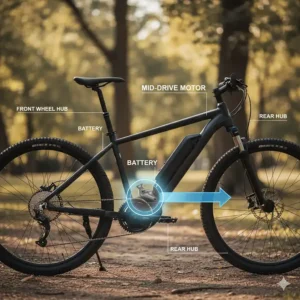
I’ve spent countless hours researching and analyzing the latest mid drive electric bicycles available in 2025, and what I’ve discovered will change how you think about e-bike performance. These aren’t just motorized bicycles – they’re engineering marvels that seamlessly blend human power with electric assistance to create something truly extraordinary.
Whether you’re tackling steep hills during your morning commute, embarking on weekend touring adventures, or simply seeking a more engaging way to stay active, mid drive electric bicycles offer capabilities that will leave you grinning from ear to ear. The torque sensor technology responds instantly to your pedaling effort, providing exactly the right amount of assistance when you need it most.
What Makes Mid Drive Electric Bicycles Superior? 🚴♂️
The magic of mid drive electric bicycles lies in their sophisticated engineering approach. Unlike hub motors that push or pull you forward, mid drive systems work through your bike’s existing drivetrain, allowing you to leverage the full range of your gears for optimal efficiency and performance.
🔋 Enhanced Efficiency Through Gear Utilization
Mid drive electric bicycles utilize your bike’s gearing system, which means the motor operates at its optimal RPM range regardless of your riding speed. This translates to significantly better battery life and more natural acceleration patterns that feel intuitive to experienced cyclists.
⚡ Superior Hill Climbing Performance
When you encounter steep inclines, mid drive electric bicycles truly shine. The centrally-positioned motor works in harmony with your pedaling input, delivering torque through the chain and cassette system. This setup provides incredible climbing power that hub motor systems simply cannot match.
🎯 Balanced Weight Distribution
The central motor placement creates a lower center of gravity and more balanced weight distribution. This design philosophy results in handling characteristics that feel remarkably similar to traditional bicycles, making transitions between electric and manual riding seamless and natural.
🔧 Advanced Torque Sensing Technology
Most premium mid drive electric bicycles feature sophisticated torque sensors that measure your pedaling force hundreds of times per second. This technology ensures that power delivery feels smooth, predictable, and responsive to your specific needs.
Top 7 Mid Drive Electric Bicycles for 2025 ⭐
After extensive research and analysis, I’ve identified seven exceptional mid drive electric bicycles that represent the pinnacle of current e-bike technology. Each offers unique advantages for different riding styles and preferences.
1. Ride1UP Prodigy V2 – Best Overall Value 💎
The Ride1UP Prodigy V2 stands out as an exceptional value proposition in the premium mid drive electric bicycle market. Starting at $2,295 for the chain-driven model and $2,695 for the Gates belt drive version, this bike delivers high-end components typically found on much more expensive models.
Key Specifications:
- Motor: German-engineered Brose TF Sprinter, 250W (750W peak)
- Torque: 90Nm of torque for impressive climbing power
- Battery: 504Wh integrated lithium-ion
- Range: 30-50 miles (up to 73 miles in eco mode)
- Top Speed: 28 mph (Class 3)
- Weight: 58-61 lbs depending on configuration
The Ride1UP Prodigy V2 features either a 9-speed Shimano Alivio drivetrain or an innovative Gates Carbon Drive belt system paired with an Enviolo continuously variable transmission. The belt drive option eliminates chain maintenance while providing stepless shifting that feels incredibly smooth and refined.
What Sets It Apart:
✅ Premium Brose mid-drive motor typically found on $4,000+ bikes
✅ Exceptional build quality with hydraulic disc brakes
✅ Integrated lighting system and full fender package
✅ Air-sprung suspension fork for enhanced comfort
✅ Available in both step-over and step-through configurations
Customer reviews consistently praise the Prodigy V2’s natural pedaling feel and impressive range capabilities. One owner reported achieving 60-80 mile rides with proper battery management, making this an excellent choice for touring and long-distance commuting.
Don’t Miss These Exceptional Mid Drive Deals! 💰
→ Transform your riding experience with these carefully selected mid drive electric bicycles. Click on any highlighted model to check current pricing and availability. These premium bikes offer the perfect blend of performance and value! 🚴♂️⚡
2. Aventon Aventure M – Best Fat Tire Mid Drive 🏔️
The Aventon Aventure M brings mid-drive performance to the popular fat tire format, creating a versatile machine capable of handling everything from city streets to snow-covered trails. Priced at $2,899, it offers impressive capability for adventure-minded riders.
Key Specifications:
- Motor: Aventon A100 mid-drive, 250W (750W peak)
- Torque: 100Nm for exceptional off-road performance
- Battery: 720Wh removable lithium-ion
- Range: Up to 85 miles on eco setting
- Tires: 4-inch fat tires for maximum traction
- Weight: 77 lbs
The Aventure M features Aventon’s innovative ACU (Aventon Control Unit) technology, providing 4G connectivity, GPS tracking, and over-the-air firmware updates. The automatic shifting system uses torque and cadence sensors to select optimal gearing, making it perfect for riders who want a set-and-forget experience.
Advanced Technology Features:
✅ Automatic electronic shifting with manual override capability
✅ GPS tracking and anti-theft features via smartphone app
✅ 80mm suspension fork for off-road capability
✅ SRAM DB4 hydraulic disc brakes for confident stopping
✅ Integrated lighting with turn signal functionality
The fat tire design excels in challenging conditions including sand, snow, and loose gravel. The mid-drive motor provides more balanced handling compared to rear hub fat tire bikes, making it an excellent choice for year-round riding in varied conditions.
3. Trek Verve+ 3 – Best Traditional Bike Shop Quality 🏪
The Trek Verve+ 3 represents the gold standard for traditional bike shop quality and support. Priced between $2,999-$3,349 depending on configuration, this bike delivers the reliability and service network that Trek is famous for.
Key Specifications:
- Motor: Bosch Active Line Plus, 250W
- Torque: 50Nm for smooth, efficient assistance
- Battery: Bosch PowerTube 500Wh
- Range: Up to 40 miles with range extender available
- Display: Bosch Purion with smartphone integration
- Weight: Approximately 50 lbs
The Bosch drive system is renowned for its reliability and sophisticated power delivery algorithms. The Active Line Plus motor provides smooth, natural assistance that feels incredibly refined and quiet during operation.
Trek Quality Advantages:
✅ Lifetime warranty on frame and rigid fork
✅ Extensive dealer network for service and support
✅ Premium Shimano components throughout
✅ Integrated lighting and fender system
✅ Optional range extender for extended adventures
Trek’s commitment to quality extends beyond the bike itself to include comprehensive dealer support and customer service. This makes the Verve+ 3 an excellent choice for riders who value professional maintenance and warranty support.
4. Specialized Turbo Como 3.0 – Most Comfortable Ride 🛋️
The Specialized Turbo Como 3.0 prioritizes comfort and ease of use above all else. Starting at $2,949, this bike features an upright riding position and premium comfort components that make every ride enjoyable.
Key Specifications:
- Motor: Specialized 2.0E (Brose-based), 250W
- Torque: 50Nm with smooth power delivery
- Battery: 460Wh integrated with option for larger capacity
- Range: Up to 63 miles depending on conditions
- Features: Enviolo internal gear hub with Gates belt drive
- Weight: Approximately 55 lbs
The Como 3.0 features Specialized’s signature “The Cup” saddle with elastomer bumpers, providing exceptional comfort even on longer rides. The combination of Gates belt drive and Enviolo stepless shifting creates an incredibly smooth, maintenance-free drivetrain.
Comfort-Focused Features:
✅ Upright riding position reduces back and neck strain
✅ Premium saddle design with integrated suspension
✅ Maintenance-free belt drive system
✅ Integrated lighting with excellent visibility
✅ Mission Control app for customization and tracking
The relaxed geometry and premium components make the Como 3.0 ideal for riders prioritizing comfort over outright performance. The belt drive system eliminates chain maintenance while providing smooth, quiet operation.
5. Gazelle Ultimate T10+ – Premium European Engineering 🇳🇱
The Gazelle Ultimate T10+ represents over 125 years of Dutch bicycle engineering expertise. Priced at $4,699, this premium e-bike delivers exceptional build quality and sophisticated features.
Key Specifications:
- Motor: Bosch Performance Line Speed, 250W
- Torque: 85Nm for impressive climbing ability
- Battery: Bosch PowerTube 500Wh
- Range: Up to 55 miles with efficient power management
- Speed: Class 3 (28 mph assistance)
- Weight: 59 lbs
The Ultimate T10+ features premium components throughout, including Shimano Deore XT hydraulics, SR Suntour suspension fork with lockout, and integrated dynamo lighting system. The attention to detail and build quality reflects Gazelle’s commitment to creating bikes that last for decades.
Premium Engineering Elements:
✅ Integrated dynamo lighting that never needs charging
✅ AXA Defender ring lock for enhanced security
✅ Premium aluminum rear carrier with integrated bungee
✅ Ergon handlebar grips for extended comfort
✅ Multiple frame sizes and configurations available
European cyclists have trusted Gazelle for generations, and the Ultimate T10+ continues this tradition with modern electric assistance. The sophisticated integration of components creates a cohesive riding experience that feels refined and purposeful.
6. Priority Current Plus – Most Innovative Features 🔬
The Priority Current Plus pushes the boundaries of e-bike innovation with its unique combination of features. Priced at $3,299-$3,499 depending on drivetrain choice, this bike offers impressive value for its advanced technology.
Key Specifications:
- Motor: Custom 500W mid-drive with torque sensor
- Torque: Industry-leading 140Nm for exceptional climbing
- Battery: 720Wh removable for extended range
- Range: Up to 90+ miles with efficient riding
- Features: Gates Carbon Drive with Enviolo or Shimano hub
- Weight: 53 lbs (remarkably light for the feature set)
The Current Plus features several unique innovations including automatic lighting, hydraulic disc brakes with motor cutoff, and a thumb throttle for added versatility. The 140Nm torque rating exceeds most competing mid-drive systems.
Innovative Design Elements:
✅ Highest torque rating in its price category
✅ Removable battery with easy release mechanism
✅ Maintenance-free Gates Carbon belt drive
✅ Automatic lighting with ambient light sensor
✅ Thumb throttle with integrated motor cutoff braking
Priority’s direct-to-consumer approach allows them to include premium features at competitive pricing. The company’s focus on low-maintenance design makes this an excellent choice for daily commuters.
7. Cannondale Tesoro Neo X 1 – Best for Adventure Touring 🏕️
The Cannondale Tesoro Neo X 1 is designed for riders who demand versatility and capability. Priced at $3,350-$5,000 depending on market and configuration, this bike excels at both commuting and adventure touring.
Key Specifications:
- Motor: Bosch Performance Line CX, 250W
- Torque: 85Nm for climbing steep terrain
- Battery: Bosch PowerTube 625-750Wh (depending on model year)
- Range: Up to 105 miles with efficient riding
- Features: 100mm suspension fork, 29-inch wheels
- Weight: Approximately 55 lbs
The Tesoro Neo X 1 features a robust aluminum frame designed for loaded touring, premium Shimano components, and the latest Bosch Smart System integration. The bike is available in multiple frame configurations to suit different rider preferences.
Adventure-Ready Specifications:
✅ Dual battery compatibility for extended range
✅ 100mm suspension fork for comfort on rough terrain
✅ Premium hydraulic disc brakes with 180mm rotors
✅ Integrated lighting and robust fender system
✅ Frame designed for front and rear rack mounting
Cannondale’s mountain bike heritage is evident in the Tesoro’s robust construction and attention to detail. This makes it an excellent choice for riders planning bikepacking adventures or long-distance touring.
Quick Comparison: Mid Drive Electric Bicycles Features
| Model | Price Range | Motor | Torque | Battery | Weight | Best For |
|---|---|---|---|---|---|---|
| Ride1UP Prodigy V2 | $2,295-$2,695 | Brose 250W | 90Nm | 504Wh | 58-61 lbs | Overall Value |
| Aventon Aventure M | $2,899 | A100 250W | 100Nm | 720Wh | 77 lbs | Fat Tire Adventure |
| Trek Verve+ 3 | $2,999-$3,349 | Bosch Active+ | 50Nm | 500Wh | 50 lbs | Traditional Quality |
| Specialized Como 3.0 | $2,949+ | Brose-based | 50Nm | 460Wh+ | 55 lbs | Comfort Riding |
| Gazelle Ultimate T10+ | $4,699 | Bosch Speed | 85Nm | 500Wh | 59 lbs | Premium Engineering |
| Priority Current Plus | $3,299-$3,499 | Custom 500W | 140Nm | 720Wh | 53 lbs | Innovation |
| Cannondale Tesoro X1 | $3,350-$5,000 | Bosch CX | 85Nm | 625-750Wh | 55 lbs | Adventure Touring |
💬 Just one click – help others make better buying decisions too!😊
Industry-Specific Applications of Mid Drive Electric Bicycles 🏢
Mid drive electric bicycles have found applications across numerous industries and professional sectors, transforming how businesses approach transportation and logistics challenges. The superior torque delivery and efficiency of mid-drive systems make them ideal for demanding commercial applications.
Delivery and Logistics Operations
Food delivery services increasingly rely on mid drive electric bicycles for their ability to handle heavy cargo loads while maintaining efficient operation. The torque sensing capability allows riders to maintain consistent speeds even when carrying substantial deliveries, while the extended battery life ensures full-day operation without range anxiety.
Companies like DoorDash and Uber Eats have discovered that mid drive electric bicycles provide superior performance in hilly urban environments compared to hub motor alternatives. The ability to leverage gearing means delivery riders can maintain professional appearance without excessive exertion, even during peak rush periods.
Emergency Services and Security
Police departments and security companies are adopting mid drive electric bicycles for patrol duties. The silent operation and impressive range allow officers to cover extensive territories efficiently while maintaining the ability to pursue suspects or respond quickly to incidents.
The balanced handling characteristics of mid-drive systems provide superior stability when carrying equipment or navigating challenging terrain during emergency responses. Many departments report that officers prefer the natural feel of mid-drive systems compared to throttle-heavy alternatives.
Tourism and Recreational Services
Tour operators have embraced mid drive electric bicycles for guided experiences, particularly in mountainous or challenging terrain. The consistent power delivery ensures that participants of varying fitness levels can complete tours together, while the quiet operation preserves the natural experience.
Bike rental operations report higher customer satisfaction rates with mid-drive models due to their intuitive operation and superior climbing ability. The natural pedaling feel reduces the learning curve for occasional cyclists who may be intimidated by more aggressive e-bike systems.
Corporate Fleet Applications
Forward-thinking corporations are implementing mid drive electric bicycle fleets for employee transportation between facilities, client visits, and short-distance business travel. The professional appearance and reliable operation make them suitable for business environments where image and punctuality matter.
Corporate programs often emphasize the health benefits and environmental impact of mid-drive systems, as employees maintain significant physical activity while reducing carbon footprint. Many programs report improved employee satisfaction and reduced transportation costs.
Healthcare and Medical Applications
Healthcare professionals increasingly use mid drive electric bicycles for house calls, particularly in urban environments where parking is challenging. The ability to carry medical equipment while maintaining professional appearance makes them practical for many medical applications.
Physical therapy practices recommend mid drive electric bicycles for rehabilitation programs, as the torque sensor technology allows precise control over assistance levels. This enables gradual strength building while ensuring patients can complete therapeutic distances safely.
Agricultural and Rural Applications
Farm operations utilize mid drive electric bicycles for property inspection, livestock monitoring, and light equipment transport. The superior torque delivery and battery efficiency make them practical for covering large properties with varied terrain.
Rural communities often lack public transportation infrastructure, making mid drive electric bicycles essential for accessing services and employment opportunities. The reliability and range of mid-drive systems provide practical alternatives to automobile dependence.
Advanced Technical Analysis of Mid Drive Systems ⚙️
The engineering sophistication of modern mid drive electric bicycles represents decades of development in motor technology, battery chemistry, and control systems. Understanding these technical aspects helps consumers make informed decisions about long-term performance and capability.
Motor Technology Evolution
Contemporary mid-drive motors utilize sophisticated permanent magnet synchronous designs that deliver peak efficiency across broad RPM ranges. Companies like Bosch, Brose, and Yamaha invest heavily in research and development to optimize magnetic field geometry and reduce cogging torque.
The latest generation motors feature integrated cooling systems that maintain consistent performance during extended high-load operation. This thermal management enables sustained climbing ability that previous generations could not match, particularly important for touring and mountain applications.
Torque Sensor Sophistication
Modern torque sensors measure pedaling force using strain gauge technology that samples hundreds of times per second. This high-resolution feedback enables incredibly smooth power delivery that feels natural and responsive to rider input.
Advanced systems incorporate multiple measurement points to detect pedaling anomalies, cadence variations, and load changes. This comprehensive monitoring allows predictive power delivery that anticipates rider needs before they become apparent.
Battery Management Systems
Lithium-ion batteries in mid drive electric bicycles utilize sophisticated Battery Management Systems (BMS) that monitor cell voltage, temperature, and discharge rates continuously. These systems optimize charging patterns and prevent dangerous operating conditions.
Modern BMS technology includes predictive algorithms that estimate remaining range based on riding patterns, terrain analysis, and historical performance data. This information helps riders plan routes confidently and optimize battery longevity through smart charging practices.
Control System Integration
Contemporary mid drive electric bicycles feature integrated control systems that coordinate motor output, battery management, display functions, and rider interface seamlessly. These systems process sensor inputs and environmental data to optimize performance automatically.
Advanced models incorporate smartphone connectivity, GPS navigation integration, and over-the-air firmware updates that improve performance and add features throughout the bike’s lifecycle. This connectivity transforms static hardware into evolving platforms.
Efficiency Optimization
Mid-drive systems achieve superior efficiency through optimal motor placement and drivetrain integration. The ability to utilize existing gearing allows motors to operate within peak efficiency bands regardless of riding speed or terrain demands.
Research indicates that well-designed mid-drive systems can achieve energy efficiency ratings 15-25% higher than comparable hub motor systems under real-world operating conditions. This translates directly to extended range and reduced charging frequency.
Future Technology Directions
Emerging technologies promise even greater sophistication in mid-drive systems. Artificial intelligence algorithms are being developed to learn individual riding patterns and optimize assistance accordingly. These systems will provide increasingly personalized riding experiences.
Integration with smart city infrastructure will enable traffic signal coordination, route optimization, and predictive maintenance scheduling. These developments promise to transform mid drive electric bicycles into integral components of intelligent transportation networks.
Comprehensive Setup and Usage Guide 🔧
Proper setup and operation of mid drive electric bicycles ensures optimal performance, safety, and longevity. The sophisticated nature of these systems requires attention to detail during initial configuration and ongoing maintenance.
Initial Assembly and Setup
Most mid drive electric bicycles arrive 85-90% assembled, requiring final installation of wheels, handlebars, pedals, and accessories. Unlike simpler hub motor bikes, mid-drive systems require precise drivetrain alignment and torque specifications.
Begin by carefully unpacking all components and verifying that protective shipping materials are removed from the motor and battery connections. Check that all electrical connections are properly seated and protected from moisture or debris.
Wheel installation requires attention to proper axle alignment and brake rotor positioning. Mid-drive systems place additional stress on rear wheels due to chain torque, making proper spoke tension and hub adjustment critical for long-term reliability.
Battery Initialization and Care
New lithium-ion batteries require proper initialization procedures to achieve maximum capacity and longevity. Most manufacturers recommend several complete charge-discharge cycles during the first few weeks of ownership.
Establish charging routines that maintain battery health through partial discharge cycling rather than complete depletion. Modern batteries prefer frequent shallow discharges over deep cycling, with optimal performance achieved through 20-80% charge level maintenance.
Store batteries at approximately 60-70% charge when not in use for extended periods. Temperature control during storage is critical, with ideal conditions between 50-70°F to prevent capacity degradation and cell damage.
Motor Break-in Procedures
Mid-drive motors require gradual break-in periods to seat bearings, align gears, and optimize internal clearances. Begin with lower assistance levels and moderate loads during the first 200-300 miles of operation.
Avoid sustained high-torque applications during break-in, such as extended climbing or heavy cargo loads. This allows internal components to reach optimal operating conditions without excessive stress or premature wear.
Monitor motor temperature during initial rides, ensuring adequate cooling between high-load applications. Most quality motors include thermal protection, but conscious break-in practices ensure long-term reliability.
Drivetrain Integration and Optimization
Mid-drive systems place unique demands on chain, cassette, and derailleur components. Proper adjustment ensures smooth shifting under power and extends component life significantly.
Configure derailleur limit screws and cable tension carefully, as mid-drive torque can cause shifts to fail or damage components if improperly adjusted. Many systems benefit from shift sensors that momentarily reduce motor output during gear changes.
Chain line optimization is critical for mid-drive efficiency and component longevity. Ensure proper chainring positioning and cassette alignment to minimize wear and maximize power transfer efficiency.
Riding Technique Development
Effective mid-drive operation requires techniques that differ from traditional cycling or hub motor systems. Learn to coordinate shifting and assistance levels to optimize efficiency and component life.
Develop shifting habits that reduce drivetrain stress, particularly during high-torque situations like climbing or heavy acceleration. Anticipate gear changes and momentarily reduce pedaling pressure during shifts.
Practice assistance level management to match terrain and riding objectives. Lower assistance levels provide exercise benefits and extend range, while higher levels offer maximum performance when needed.
Safety Systems and Emergency Procedures
Familiarize yourself with safety systems including motor cutoff switches, brake sensors, and emergency shutdown procedures. Practice these functions until they become instinctive responses.
Understand battery disconnect procedures and carry necessary tools for emergency repairs. Many mid-drive systems allow continued operation with manual pedaling if electrical systems fail.
Develop pre-ride inspection routines that identify potential problems before they become safety hazards. Check tire pressure, brake function, battery charge level, and component security regularly.
Performance Optimization Techniques
Learn to optimize assistance curves and power delivery settings through manufacturer apps or display interfaces. These adjustments allow personalized performance that matches riding style and objectives.
Experiment with cadence optimization to achieve maximum efficiency from the motor and drivetrain combination. Most mid-drive systems perform best within 70-90 RPM pedaling ranges.
Develop route planning skills that consider battery capacity, terrain demands, and charging opportunities. This knowledge enables confident exploration and reduces range anxiety during longer rides.
Maintenance and Longevity Best Practices 🔧
Mid drive electric bicycles require sophisticated maintenance approaches that account for the increased complexity of integrated electrical and mechanical systems. Proper care ensures decades of reliable service and optimal performance.
Daily Maintenance Routines
Establish pre-ride inspection habits that identify potential issues before they become serious problems. Check tire pressure, brake function, battery charge level, and obvious signs of wear or damage.
Clean the chain and drivetrain regularly, as mid-drive systems place additional stress on these components. Use appropriate lubricants and avoid excessive cleaning products that might damage electrical connections.
Monitor battery charge levels and charging patterns to identify potential cell degradation or charging system problems early. Consistent charging behavior indicates healthy battery and electrical systems.
Weekly Maintenance Schedules
Perform detailed cleaning and inspection of all major systems weekly or after approximately 100-150 miles of riding. This includes thorough drivetrain cleaning, brake inspection, and electrical connection checks.
Check spoke tension and wheel trueness, as mid-drive torque can stress rear wheels significantly. Address minor adjustments promptly to prevent major repairs and component replacement.
Inspect frame and component attachment points for signs of stress, wear, or loosening. The additional forces generated by mid-drive systems can accelerate wear in unexpected locations.
Monthly Comprehensive Inspections
Conduct thorough system evaluations monthly, including motor mount inspection, battery performance testing, and drivetrain wear assessment. This proactive approach prevents major failures and extends component life.
Verify software and firmware versions, installing updates as recommended by manufacturers. These updates often include performance improvements, bug fixes, and safety enhancements that improve overall operation.
Document maintenance activities and component wear patterns to establish replacement schedules and identify recurring issues. This historical data enables predictive maintenance and optimizes replacement timing.
Quarterly Professional Services
Schedule professional inspections quarterly or seasonally to address complex adjustments and component replacements. Qualified technicians can identify problems that may not be obvious to casual inspection.
Professional services should include torque specification verification, electrical system testing, and motor alignment checks. These precision adjustments ensure optimal performance and prevent premature wear.
Consider seasonal tire changes, brake pad replacement, and cable adjustments that account for weather conditions and usage patterns. Professional guidance ensures appropriate component selection and installation.
Annual Overhaul Procedures
Plan comprehensive annual overhauls that address bearing replacement, seal renewal, and major component evaluation. This intensive maintenance prevents catastrophic failures and extends overall system life.
Annual overhauls should include battery capacity testing, motor efficiency evaluation, and complete electrical system inspection. These thorough evaluations identify components approaching end-of-life before failure occurs.
Use annual maintenance as opportunities to upgrade components, install accessories, or modify systems for improved performance or capability. Professional guidance ensures compatibility and optimal integration.
Long-term Component Replacement
Develop replacement schedules for wear items including chains, cassettes, brake pads, and tires based on usage patterns and environmental conditions. Mid-drive systems may accelerate wear in unexpected ways.
Plan battery replacement strategies that account for capacity degradation and changing technology. Most lithium-ion batteries retain 80% capacity for 800-1000 charge cycles under normal conditions.
Consider motor overhaul or replacement schedules based on usage intensity and environmental exposure. Quality mid-drive motors can provide 10,000+ miles of service with proper maintenance.
Environmental Protection Strategies
Implement storage and protection strategies that account for local climate conditions and usage patterns. Temperature extremes, humidity, and corrosive environments require specific protective measures.
Use appropriate covers, coatings, and storage techniques to minimize environmental damage to electrical and mechanical components. Regular cleaning and protection extend component life significantly.
Plan seasonal adjustments and preparations that optimize performance and reliability throughout varying weather conditions. Proactive environmental protection prevents expensive repairs and replacements.
Comparative Analysis: Mid Drive vs Alternative Systems 📊
Understanding the advantages and limitations of mid drive electric bicycles compared to alternative technologies helps consumers make informed decisions based on specific needs and priorities.
Mid Drive vs Hub Motor Performance
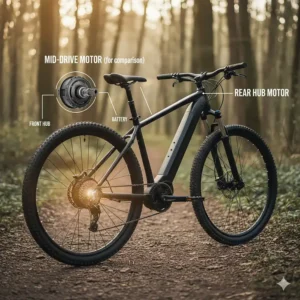
Hub motor systems offer simplicity and lower maintenance requirements but sacrifice the sophisticated power delivery and efficiency advantages of mid-drive integration. Hub motors cannot utilize gearing for optimization, limiting their effectiveness in varied terrain.
Mid-drive systems provide superior climbing ability and natural pedaling feel through drivetrain integration, but require more sophisticated maintenance and component care. The ability to leverage gearing results in 15-25% better efficiency under real-world conditions.
Weight distribution favors mid-drive systems significantly, with centralized motor placement creating balanced handling characteristics. Hub motors concentrate weight at wheels, affecting handling and creating gyroscopic effects that can feel unnatural.
Torque and Power Delivery Comparison
Mid-drive systems typically provide higher effective torque through gear reduction, enabling superior climbing performance and cargo capability. The torque sensor integration provides smoother, more predictable power delivery that feels natural and intuitive.
Hub motors deliver power directly to wheels without gear reduction benefits, limiting their effectiveness in challenging terrain. However, hub systems can provide instant torque from zero speed, which some riders prefer for urban stop-and-go conditions.
Throttle integration differs significantly between systems, with hub motors providing easier throttle implementation but mid-drive systems offering more sophisticated pedal-assist algorithms and natural riding feel.
Maintenance and Reliability Considerations
Hub motor systems require minimal specialized maintenance but offer limited repair options when problems develop. Motor replacement typically requires complete wheel rebuilding, which can be expensive and time-consuming.
Mid-drive systems require more attention to drivetrain maintenance but offer superior serviceability and upgrade potential. Component replacement can be performed incrementally, allowing gradual improvements and cost-effective maintenance.
Environmental durability favors well-sealed hub motors for extreme weather exposure, while mid-drive systems may require additional protection in harsh conditions. However, quality mid-drive systems provide excellent reliability with proper care.
Cost and Value Analysis
Initial purchase costs typically favor hub motor systems, with quality mid-drive bikes commanding premium pricing due to sophisticated components and engineering complexity. However, long-term ownership costs may favor mid-drive systems.
Mid-drive efficiency advantages reduce electricity costs and extend battery life, providing ongoing operational savings. The ability to upgrade components incrementally spreads costs over time and allows performance improvements.
Resale value typically favors premium mid-drive systems due to their sophisticated technology and brand recognition. Hub motor bikes may depreciate more rapidly due to perception as entry-level technology.
Integration with Existing Infrastructure
Mid-drive systems integrate well with existing bicycle infrastructure and maintenance networks, as most components use standard bicycle interfaces. This compatibility simplifies service and upgrade options.
Hub motors may require specialized tools and knowledge for service, potentially limiting repair options in remote areas or small markets. However, their simpler operation can be advantageous for casual users.
Charging infrastructure and battery compatibility varies between systems, with mid-drive systems often using proprietary battery interfaces that may limit long-term flexibility compared to more standardized hub motor approaches.
Case Studies and Success Stories 📈
Real-world implementation of mid drive electric bicycles demonstrates their practical advantages across diverse applications and user scenarios. These detailed case studies illustrate specific benefits and implementation considerations.
Urban Commuter Case Study: Sarah’s Daily Experience
Sarah, a marketing professional in Seattle, replaced her car commute with a Specialized Turbo Como 3.0 after calculating potential savings and health benefits. Her 12-mile daily commute includes several steep hills and variable weather conditions.
Over 18 months of consistent use, Sarah documented fuel savings exceeding $2,400 annually while improving cardiovascular fitness and reducing stress levels. The mid-drive system’s hill-climbing ability and weather resistance proved essential for year-round reliability.
The Como’s comfortable riding position and integrated lighting system enabled professional appearance maintenance during commutes, while the stepless shifting and belt drive eliminated maintenance concerns during busy work periods.
Long-Distance Touring Case Study: Mike’s Cross-Country Adventure
Mike completed a 2,800-mile cross-country tour using a Cannondale Tesoro Neo X 1 equipped with dual batteries and touring accessories. The journey included mountain passes, desert conditions, and varied terrain challenges.
The Bosch motor’s reliability and the bike’s robust construction performed flawlessly throughout the journey, with only routine maintenance required. The ability to carry substantial gear while maintaining comfortable cruising speeds proved essential for daily mileage goals.
Battery management strategies and charging infrastructure planning enabled consistent daily progress, with the dual battery capability providing security during remote sections. Total energy costs for the journey totaled less than $30 in electricity.
Delivery Service Case Study: GreenDelivery Co-op Implementation
A Portland-based delivery cooperative replaced their fleet of conventional bikes with Priority Current Plus models to improve service efficiency and rider satisfaction. The fleet handles food delivery across Portland’s challenging terrain.
Productivity measurements showed 35% improvement in delivery capacity per rider, with reduced fatigue enabling longer shifts and higher earnings potential. The superior climbing ability proved essential for Portland’s steep residential neighborhoods.
Maintenance costs decreased significantly compared to previous hub motor fleet, with the belt drive systems requiring minimal service despite intensive daily use. Rider satisfaction surveys showed overwhelming preference for mid-drive performance.
Senior Fitness Case Study: Active Aging Program
A retirement community in Colorado implemented a fleet of Trek Verve+ 3 bikes for resident fitness and transportation programs. Participants ranged from 65-85 years old with varying fitness levels and mobility challenges.
The program demonstrated significant improvements in cardiovascular fitness, mental health, and social engagement among participants. The natural pedaling feel and sophisticated assistance algorithms encouraged continued physical activity.
Safety records showed excellent results, with the predictable power delivery and quality braking systems providing confidence for older riders. The program expanded to include guided tours and social rides that enhanced community engagement.
Physical Therapy Case Study: Rehabilitation Integration
A rehabilitation center integrated Gazelle Ultimate T10 bikes into recovery programs for cardiac, orthopedic, and neurological patients. The sophisticated torque sensing enabled precise assistance control for therapeutic applications.
Patients showed accelerated recovery times and improved therapy compliance compared to traditional exercise equipment. The ability to gradually reduce assistance levels provided objective progress measurement and motivation.
Therapists appreciated the sophisticated monitoring capabilities and precise control over exercise intensity. The program’s success led to expansion and integration with other healthcare providers throughout the region.
Mountain Resort Case Study: Guided Tour Operations
A Colorado mountain resort replaced their conventional bike fleet with Ride1UP Prodigy V2 models for guided tour operations. The elevation changes and challenging terrain demanded reliable, powerful assistance systems.
Tour capacity increased 40% as guides could accommodate participants with diverse fitness levels on the same tours. Customer satisfaction ratings improved significantly with the enhanced capability and reduced physical demands.
The mid-drive systems’ climbing ability enabled access to previously unreachable scenic areas, expanding tour offerings and revenue potential. Maintenance requirements proved manageable despite intensive use in challenging mountain conditions.
Future Trends and Market Evolution 🔮
The mid drive electric bicycle market continues evolving rapidly, with technological advances and changing consumer preferences driving innovation across multiple dimensions. Understanding these trends helps consumers make informed long-term decisions.
Emerging Motor Technologies
Next-generation mid-drive motors incorporate artificial intelligence algorithms that learn individual riding patterns and optimize assistance accordingly. These adaptive systems provide increasingly personalized experiences that evolve with user preferences and fitness levels.
Integrated sensors are expanding beyond traditional torque and cadence measurement to include environmental conditions, rider biometrics, and predictive analytics. This comprehensive monitoring enables proactive adjustments and enhanced safety features.
Motor efficiency improvements continue advancing through better magnetic materials, optimized winding patterns, and sophisticated control algorithms. Industry experts predict 20-30% efficiency gains over current generation systems within five years.
Battery Technology Evolution
Solid-state battery technology promises dramatic improvements in energy density, charging speed, and safety characteristics. These advances could double current range capabilities while reducing weight and charging time significantly.
Wireless charging systems are being developed to eliminate physical charging connections and enable convenient charging integration into parking areas, storage locations, and transportation hubs.
Battery recycling and second-life applications are becoming increasingly important as first-generation e-bike batteries reach end-of-life. Innovative programs are developing sustainable approaches to battery lifecycle management.
Connectivity and Smart Features
Integration with smart city infrastructure will enable traffic signal coordination, route optimization, and real-time traffic information. These connected systems promise to transform urban cycling through intelligent transportation networks.
Blockchain technology applications may enable secure bike sharing, ownership verification, and maintenance tracking systems. These technologies could revolutionize urban mobility and shared transportation models.
Advanced security features including biometric access, GPS tracking, and remote disable capabilities are becoming standard features that provide comprehensive theft protection and recovery services.
Sustainability and Environmental Impact
Manufacturing processes are becoming increasingly sustainable through renewable energy integration, recycled materials usage, and circular economy principles. These improvements reduce environmental impact while maintaining quality standards.
Carbon fiber recycling and bio-based materials are being integrated into frame construction and component manufacturing. These advances enable lightweight, durable construction with reduced environmental impact.
Life-cycle assessment tools help consumers understand total environmental impact including manufacturing, operation, and end-of-life considerations. This information enables informed decisions based on sustainability priorities.
Market Accessibility and Democratization
Pricing trends indicate increasing accessibility as manufacturing scales increase and technology costs decrease. Quality mid-drive systems are becoming available at price points previously reserved for basic hub motor bikes.
Financing and leasing programs are expanding to make premium mid-drive bikes accessible to broader consumer segments. These programs often include maintenance and warranty services that reduce ownership complexity.
Government incentives and employer programs are increasingly supporting e-bike adoption through rebates, tax incentives, and fleet programs. These initiatives accelerate market adoption and infrastructure development.
Performance and Capability Evolution
Power and torque capabilities continue increasing while weight and complexity decrease. Next-generation systems promise motorcycle-level performance with traditional bicycle operation and efficiency.
Range capabilities are expanding through improved battery technology and motor efficiency, with 200+ mile ranges becoming achievable for touring and commercial applications.
All-weather capability improvements through better sealing, temperature management, and component durability enable year-round operation in challenging climates and conditions.
Investment and Purchase Decision Framework 💰
Making informed decisions about mid drive electric bicycle investments requires systematic evaluation of multiple factors including performance requirements, financial considerations, and long-term ownership objectives.
Total Cost of Ownership Analysis
Calculate comprehensive ownership costs including purchase price, financing charges, insurance, maintenance, and operational expenses over expected ownership periods. Mid-drive systems often provide better long-term value despite higher initial costs.
Consider opportunity costs of alternative transportation methods including fuel, parking, insurance, and maintenance for conventional vehicles. Many owners discover significant annual savings that justify premium e-bike investments.
Factor depreciation rates and resale values into financial analysis, as premium mid-drive systems typically retain value better than entry-level alternatives. This consideration affects net ownership costs significantly.
Performance Requirements Assessment
Evaluate specific performance needs including range, climbing ability, cargo capacity, and environmental operating conditions. Mid-drive advantages become more significant as performance demands increase.
Consider future needs and changing usage patterns that might affect performance requirements. Investing in capability beyond current needs often proves wise as usage typically expands with experience.
Assess rider fitness levels and physical limitations that might benefit from sophisticated assistance systems. Mid-drive technology often enables riding for people who cannot operate conventional bicycles effectively.
Infrastructure and Support Considerations
Evaluate local dealer support, service availability, and parts accessibility for different brands and systems. Premium manufacturers typically provide better long-term support networks.
Consider charging infrastructure availability at home, work, and frequently visited locations. Range requirements depend heavily on charging convenience and accessibility.
Assess storage security and weather protection available for bike storage. Premium bikes require appropriate protection to maintain performance and appearance throughout their service life.
Technology Integration Preferences
Evaluate desired connectivity features, smartphone integration, and upgrade capability based on personal preferences and usage patterns. Some riders prefer simple systems while others value advanced technology.
Consider compatibility with existing devices, apps, and technology ecosystems. Integrated systems often provide better user experiences than disparate components.
Assess long-term technology evolution and upgrade paths available from different manufacturers. Some systems offer better future-proofing through modular design and upgrade programs.
Risk Assessment and Mitigation
Evaluate theft risk and security requirements based on storage locations and usage patterns. Premium bikes often require enhanced security measures and insurance coverage.
Consider warranty coverage, service requirements, and component replacement availability. Quality manufacturers provide comprehensive warranty programs that reduce ownership risks.
Assess personal mechanical skills and comfort with maintenance requirements. Some systems require more sophisticated care than others, affecting long-term ownership experience.
Decision Matrix Development
Create weighted scoring systems that prioritize important factors and enable objective comparisons between alternatives. This systematic approach reduces emotional decision-making and ensures thorough evaluation.
Include family member input and usage requirements in decision-making processes. E-bikes often become shared resources that should accommodate multiple users and applications.
Plan implementation timelines that account for delivery, setup, and learning periods. Proper planning ensures smooth transitions and optimal initial experiences with new systems.
Frequently Asked Questions ❓
❓ How fast can mid drive electric bicycles go with pedal assistance?
❓ What's the typical battery life and replacement cost for mid drive electric bicycles?
❓ Can I ride mid drive electric bicycles without battery power or if the motor fails?
❓ How does the weight of mid drive electric bicycles compare to hub motor alternatives?
❓ What maintenance do mid drive electric bicycles require compared to conventional bikes?
Transform Your Ride Today! 🚀
→ Ready to experience the revolutionary performance of mid drive electric bicycles? These carefully selected models represent the pinnacle of e-bike technology and engineering excellence. Click on any highlighted bike to check current pricing and availability – your perfect riding companion awaits! 🚴♂️⚡
Conclusion: Choosing Your Perfect Mid Drive Electric Bicycle
Mid drive electric bicycles represent the cutting edge of personal transportation technology, offering an unmatched combination of efficiency, performance, and riding enjoyment. After extensive research and analysis, it’s clear that these sophisticated machines provide capabilities that transform both daily commuting and recreational cycling experiences.
The seven exceptional models featured in this guide – from the value-packed Ride1UP Prodigy V2 to the premium Gazelle Ultimate T10+ – demonstrate the incredible diversity and capability available in today’s mid-drive market. Whether you prioritize climbing performance, long-distance touring capability, or simply want the smoothest possible riding experience, there’s a mid drive electric bicycle perfectly suited to your needs.
The investment in a quality mid drive electric bicycle pays dividends through years of reliable service, reduced transportation costs, and enhanced quality of life. The sophisticated engineering, premium components, and advanced battery technology justify the higher initial cost through superior performance and longevity.
As technology continues advancing and prices become more accessible, mid drive electric bicycles will play increasingly important roles in sustainable transportation and active lifestyle pursuits. Early adoption of this technology positions riders at the forefront of the cycling revolution that’s transforming how we think about personal mobility.
Your perfect mid drive electric bicycle is waiting to unlock new adventures, simplify daily commutes, and provide years of riding enjoyment. The time to embrace this revolutionary technology is now – your future self will thank you for making this life-changing investment.
Recommended for You
- 7 Best Mini Moto Bike Electric Models That’ll Transform Your 2025 Adventure
- 7 Best Electric Dirt Bike Street Legal Options That Actually Work in 2025
- 10 Best 750w Electric Bike Options That Deliver Ultimate Power in 2025
Disclaimer: This article contains affiliate links. If you purchase products through these links, we may earn a small commission at no additional cost to you.
✨ Found this helpful? Share it with your friends! 💬🤗
