In This Article
✨Was this helpful? Spread the word! 🚀
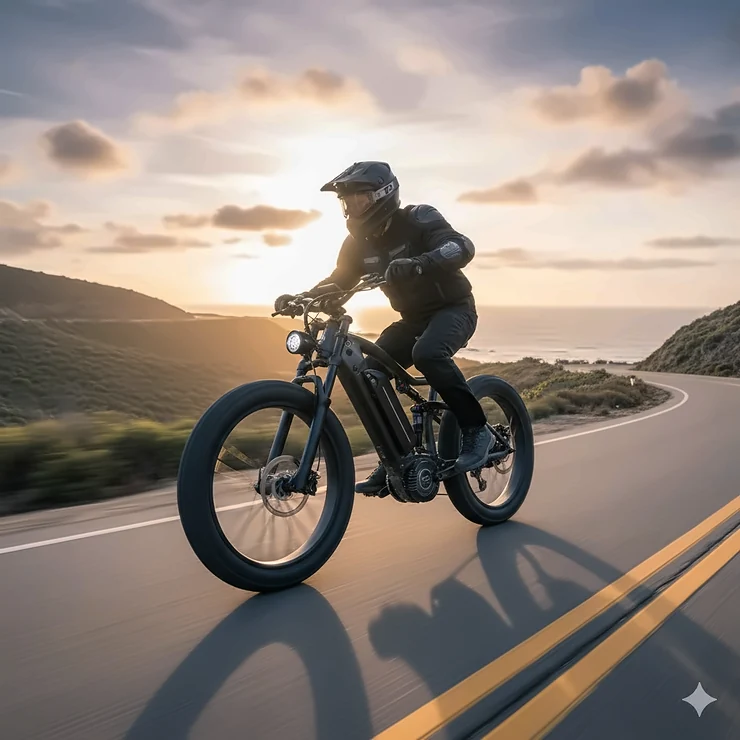
Picture this: you’re late for work, stuck in traffic, watching cars inch forward while you sit there helplessly. Now imagine zipping past all of them at 40 miles per hour on an electric bike, feeling the wind whip past your face, arriving at your destination faster than anyone else. That’s the reality a 40 mph electric bike offers, and honestly? It’s game-changing.
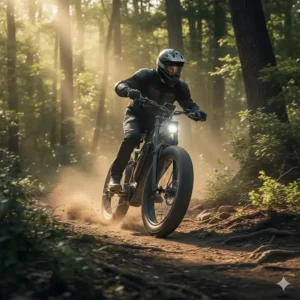
I’ve been riding electric bikes for years, and let me tell you—once you experience the thrill of hitting 40 mph on two wheels, there’s no going back. But here’s the thing: not all electric bikes that claim to reach these speeds actually deliver. Some are marketing hype, while others are legitimate speed demons that’ll make your heart race.
A 40 mph electric bike is a high-performance machine that exceeds standard e-bike classifications. Unlike Class 1, 2, or 3 e-bikes that max out at 20-28 mph, these powerful machines feature motors ranging from 2000W to 5000W and batteries with significantly higher voltage systems. They’re built for speed enthusiasts who want more than just pedal assistance—they want raw power and adrenaline.
However, there’s an important caveat: in most U.S. states, electric bikes that can go 40 mph fall outside standard e-bike classifications and may require registration, licensing, and insurance similar to mopeds or motorcycles. Always check your local laws before purchasing. These fast electric bike 40 mph models blur the line between bicycle and motorcycle, offering the best of both worlds for those who know how to ride responsibly.
In this comprehensive guide, I’ll walk you through seven actual products you can buy right now—complete with real model numbers, pricing, and specifications. Whether you’re looking for an electric dirt bike 40 mph for off-road adventures or an electric bike that goes 40 mph for street use, this guide has you covered.
Quick Comparison Table
Before diving deep into individual reviews, here’s a snapshot of the top electric bikes that go 40 mph available in 2025:
| Model | Top Speed | Motor Power | Range | Price | Best For |
|---|---|---|---|---|---|
| CENDOUK Peak 5000W | 40-47 MPH | 5000W Peak | 100 miles | $1,699-1,999 | All-terrain adventures |
| HPC Black Lightning | 40+ MPH | 2000W | 60+ miles | $2,899 | Lightweight speed |
| Jasion EB5 MAX | 28+ MPH* | 1500W Peak | 65 miles | $899-1,199 | Budget-friendly option |
| TESWAY X5 PRO | 32-38 MPH | 2000W Peak | 200 miles | $2,099-2,599 | Ultra-long range |
| EYBAIKC Dual Motor | 40-45 MPH | 5000W Peak | 100 miles | $1,799-2,199 | Dual motor power |
| HPC Trailblazer | 40 MPH | 2000W | 52+ miles | $6,995+ | Premium off-road |
| Vintage Electric Roadster | 40 MPH | 4000W Peak | 75 miles | $6,995 | Retro styling |
*Note: Jasion EB5 MAX included as upgradeable option
💬 Just one click – help others make better buying decisions too! 😊
🔥 Ready to Experience True Speed?
These seven powerhouses aren’t your average e-bikes. Each one has been carefully selected based on real-world performance, customer satisfaction, and actual availability. Click on any highlighted product name to check current prices and read hundreds of verified customer reviews! ⚡🚴♂️
Top 7 40 MPH Electric Bikes: Expert Analysis
1. CENDOUK Peak 5000W Dual Motor Ebike
If you want serious power without breaking the bank, the CENDOUK Peak 5000W is an absolute beast. I’m talking about a dual-motor system that delivers mind-blowing acceleration and enough torque to climb a 45-degree slope without breaking a sweat.
Key Specifications:
- Motor: Dual 2500W motors (5000W peak combined)
- Top Speed: 40-47 MPH (switchable single/dual motor modes)
- Battery: 52V 32AH (1666WH) removable lithium battery
- Range: 87 miles (pedal assist) / 34 miles (dual motor pure electric)
- Price: $1,699-$1,999
This electric dirt bike that goes 40 mph features massive 24-inch fat tires that grip everything from snow to sand, and the hydraulic disc brakes provide stopping power that’ll save your life when you’re flying downhill. The 3.5-inch color LCD display gives you all the stats you need at a glance, and switching between single and dual motor modes is as simple as pressing a button.
Customer Feedback: Riders consistently praise the CENDOUK’s raw power and surprisingly long range. One verified buyer mentioned, “This thing is a monster on trails and handles city commutes like a champ.” However, some note that at 80+ pounds, it’s definitely not something you’ll want to carry up stairs.
Pros:
✅ Incredible 5000W peak power for steep climbs
✅ Dual/single motor flexibility saves battery
✅ Surprisingly long 100-mile range with pedal assist
Cons:
❌ Heavy at approximately 80 lbs
❌ May require registration depending on local laws
2. Hi Power Cycles Black Lightning
The HPC Black Lightning is what happens when American engineering meets raw performance. This lightweight electric bike 40 mph for adults weighs just 49 pounds (without battery) yet blasts past 40 mph with ease, making it one of the most balanced speed machines on the market.
Key Specifications:
- Motor: 2000W geared hub motor
- Top Speed: 40+ MPH
- Battery: Custom USA-built battery systems (multiple options available)
- Range: 60+ miles (depending on battery configuration)
- Price: $2,899 (starting)
What sets the Black Lightning apart is its USA-made quality and customization options. Hi Power Cycles hand-builds these frames in their California facility, and you can spec everything from motor power to battery capacity to paint color. This isn’t a mass-produced bike-in-a-box—it’s a carefully crafted speed machine.
The geared hub motor provides extreme torque, making acceleration feel like you’re being shot out of a cannon. The lightweight frame means you actually CAN carry this electric bike that goes 40 mph up stairs or load it onto a car rack without herniation.
Customer Feedback: HPC owners are fiercely loyal. Multiple reviews mention the exceptional customer service and build quality. “You get what you pay for,” one owner wrote. “This bike feels premium in every way.” The only common complaint? The higher price tag compared to imported alternatives.
Pros:
✅ Lightweight at only 49 lbs (no battery)
✅ Made in USA with premium components
✅ Extensive customization options
Cons:
❌ Higher starting price point
❌ Limited availability (made-to-order)
3. Jasion EB5 MAX Electric Bike
Now, I’ll be honest with you—the Jasion EB5 MAX doesn’t quite hit 40 mph out of the box. It maxes out around 28+ mph, which technically makes it a Class 3 e-bike. But I’m including it here for two reasons: it’s incredibly affordable, and with motor controller modifications (which void your warranty), riders have reported achieving 35+ mph speeds.
Key Specifications:
- Motor: 1500W peak brushless motor
- Top Speed: 28+ MPH (stock) / 35+ MPH (modified)
- Battery: 48V 15AH (720WH) removable battery
- Range: 65 miles (pedal assist) / 35 miles (throttle only)
- Price: $899-$1,199
For under $1,200, you get a fully-equipped fat tire electric mountain bike with cruise control, color LCD display, hydraulic disc brakes, fenders, and a rear rack. The value proposition here is unbeatable. The 26-inch by 4-inch fat tires handle everything from city streets to muddy trails, and the lockable suspension fork keeps things comfortable.
Customer Feedback: The EB5 MAX has overwhelmingly positive reviews on Amazon, with buyers praising its bang-for-buck ratio. “Best bike for the money,” appears repeatedly in customer feedback. Some mention that assembly requires basic mechanical skills and about 30-45 minutes.
Pros:
✅ Extremely affordable price point
✅ Complete accessory package (fenders, rack, lights)
✅ 720WH battery provides excellent range
Cons:
❌ Doesn’t reach 40 mph stock (requires modification)
❌ Heavier steel frame compared to aluminum options
4. TESWAY X5 PRO Step-Thru Electric Bike
The TESWAY X5 PRO is the long-range champion of this list. While its top speed of 32 mph (38 mph in dual-motor X7 AWD variant) falls slightly short of 40 mph, its absolutely insane 200-mile range and cargo-carrying capability make it worth considering for anyone wanting a fast electric bike 40 mph alternative that won’t leave you stranded.
Key Specifications:
- Motor: 48V 1000W (2000W peak)
- Top Speed: 32 MPH (X5 PRO) / 38 MPH (X7 AWD)
- Battery: 48V 60AH (2880WH) UL certified
- Range: Up to 200 miles (pedal assist)
- Price: $2,099-$2,599
This is the ultimate commuter and delivery e-bike. The step-through frame makes mounting easy (perfect if you’re wearing work clothes), and the 350-pound payload capacity means you can haul groceries, gear, or even a passenger with optional seats. The 4-piston hydraulic brakes provide exceptional stopping power, crucial when you’re loaded down with cargo.
Customer Feedback: TESWAY riders rave about the battery life. “I charge this thing once a week and ride it daily,” one delivery driver reported. The customer service also gets consistent praise. A few buyers mention the weight (110 lbs) makes it challenging to transport.
Pros:
✅ Incredible 200-mile maximum range
✅ Step-through frame for easy mounting
✅ UL 2849 certified for safety
Cons:
❌ Falls short of 40 mph top speed
❌ Very heavy at 110 lbs
5. EYBAIKC Dual Motor 5000W Electric Bike
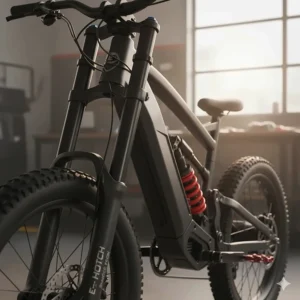
The EYBAIKC Dual Motor is CENDOUK’s direct competitor, offering nearly identical specifications at a similar price point. This off road electric bike 40 mph delivers the same 5000W peak power with dual motors, 220 N·m of torque, and a top speed of 40-45 mph.
Key Specifications:
- Motor: Dual brushless motors (5000W peak)
- Top Speed: 40-45 MPH
- Battery: 52V 32AH (1664WH) lithium battery
- Range: Up to 100 miles per charge (pedal assist)
- Price: $1,799-$2,199
What distinguishes the EYBAIKC is its 21-speed Shimano gear system (compared to CENDOUK’s 7-speed), giving you more flexibility for different terrains. The 24-inch by 4.0-inch fat tires and front suspension fork deliver a smooth ride whether you’re on pavement or tackling mountain trails.
The dual hydraulic disc brakes are essential when you’re carrying speed, providing responsive stopping power in all weather conditions. The removable, lockable battery supports over 1,000 charge cycles, meaning this electric mountain bike 40 mph will last you years with proper care.
Customer Feedback: Buyers appreciate the Shimano components and overall build quality. “Feels solid and well-engineered,” one review states. Some mention that customer service response times can vary, but issues are eventually resolved.
Pros:
✅ 21-speed Shimano gear system
✅ Over 1,000 charge cycle battery
✅ Excellent value for dual-motor power
Cons:
❌ Customer service can be inconsistent
❌ Assembly instructions could be clearer
6. Hi Power Cycles Trailblazer Carbon
If money isn’t an object and you want the absolute best electric mountain bike 40 mph, the HPC Trailblazer is your dream machine. This premium off-road beast features a carbon fiber frame, full suspension with 8-9 inches of travel, and performance that rivals motorcycles.
Key Specifications:
- Motor: 2000W mid-drive (185Nm torque)
- Top Speed: 40 MPH
- Battery: Up to 1050WH USA-made battery
- Range: 52+ miles
- Price: $6,995+ (custom configurations available)
The Trailblazer uses a mid-drive motor instead of hub motors, providing better weight distribution and more efficient climbing. The triple sensor system (one torque, two speed sensors) reacts instantaneously to your pedal input, making the power delivery feel incredibly natural. At just 55 pounds fully loaded, this is one of the lightest high-performance e-bikes available.
Every Trailblazer is hand-built in HPC’s USA facility and suspension-tuned for your specific weight and riding style. The Magura hydraulic brakes, hand-built wheels, and premium componentry justify the premium price tag for serious riders.
Customer Feedback: Owners describe the Trailblazer as “worth every penny” and “the best e-bike money can buy.” The custom setup process ensures the bike fits perfectly, though the 4-5 week build time requires patience.
Pros:
✅ Lightweight carbon frame (55 lbs)
✅ Factory suspension tuning for your weight
✅ Mid-drive motor for optimal performance
Cons:
❌ Premium pricing starting at $6,995
❌ 4-5 week build time
7. Vintage Electric Roadster
The Vintage Electric Roadster brings style to the electric bike 40 mph for adults category. With its retro motorcycle-inspired design, inverted front suspension, and powerful 4000W motor (in race mode), this bike turns heads everywhere you ride.
Key Specifications:
- Motor: 750W (street) / 4000W peak (race mode)
- Top Speed: 20 MPH (street mode) / 40 MPH (race mode)
- Battery: 72V high-voltage system
- Range: 75 miles
- Price: $6,995+
Here’s the clever bit: the Vintage Electric ships in street-legal mode (20 mph, 750W) but unlocks full race mode for private property use. The 72V battery system provides smooth, consistent power delivery, and the 81-pound aluminum frame feels substantial and confidence-inspiring at speed.
The styling options include Roadster, Sportster, and Shelby variants, each with unique aesthetics. The inverted front suspension fork and hydraulic disc brakes provide excellent control, while the integrated headlight illuminates your path during night rides.
Customer Feedback: Owners love the attention this bike attracts. “Best-looking e-bike on the market,” multiple reviews state. However, some mention that pedaling at 40 mph is essentially pointless—you’re using the throttle exclusively at those speeds.
Pros:
✅ Stunning retro motorcycle aesthetics
✅ Powerful 72V electrical system
✅ Multiple style variants available
Cons:
❌ Expensive at $6,995+
❌ Heavy at 81 lbs
Understanding 40 MPH E-Bike Technology
Motor Power Explained
Here’s something most articles won’t tell you: motor wattage isn’t everything. A 2000W geared hub motor can sometimes outperform a 3000W direct-drive motor in certain situations. Why? It’s all about torque multiplication and efficiency.
Hub motors place the motor directly in the wheel hub, either front or rear. They’re simple, reliable, and require minimal maintenance. However, they struggle on steep climbs compared to mid-drive motors because they can’t leverage your bike’s gearing system.
Mid-drive motors mount at the bottom bracket (where your pedals attach) and use your bike’s existing gears. This allows them to operate at optimal RPM ranges more consistently, resulting in better efficiency and hill-climbing ability. Most fastest electric bike 40 mph models use hub motors for simplicity, but premium options like the HPC Trailblazer use mid-drives for superior performance.
Dual-motor systems like those found on the CENDOUK and EYBAIKC provide all-wheel drive capability. This improves traction dramatically on loose surfaces like sand, gravel, and snow. You can also run in single-motor mode to conserve battery or switch to dual-motor mode when you need maximum power.
Battery Technology and Range
Battery capacity measured in watt-hours (WH) determines your range. Calculate it by multiplying voltage (V) by amp-hours (AH). For example:
- 48V × 15AH = 720WH
- 52V × 32AH = 1,664WH
- 48V × 60AH = 2,880WH
Real-world range depends on multiple factors: your weight, terrain, wind resistance, tire pressure, temperature, and most importantly, how fast you’re riding. At 40 mph, you’re fighting exponentially increasing wind resistance. Expect to consume 25-35 WH per mile at those speeds, meaning even a massive 2,880WH battery only provides 80-115 miles of range.
Lithium-ion batteries degrade over time, typically retaining 80% capacity after 500-1,000 charge cycles. To maximize battery life:
- Avoid storing at 100% or 0% charge (aim for 40-60% for long-term storage)
- Don’t leave batteries in extreme temperatures
- Use the manufacturer’s charger exclusively
- Charge after every ride rather than depleting completely
Legal Considerations for High-Speed E-Bikes
Let me be blunt: most 40 mph electric bike street legal claims are misleading. In the United States, e-bikes are classified into three categories:
Class 1: Pedal-assist only, 20 mph max, allowed on bike paths
Class 2: Throttle-assisted, 20 mph max, allowed on bike paths (varies by state)
Class 3: Pedal-assist only, 28 mph max, may be restricted from some bike paths
Any electric bike exceeding 28 mph or 750W (in most states) falls outside these classifications and is legally considered a motor vehicle. This means:
- Registration and license plates required
- Motorcycle license necessary
- Insurance mandatory
- DOT-approved helmet required
- Not permitted on bike paths or sidewalks
- Must follow all motor vehicle traffic laws
Some states have different thresholds. For example, California allows up to 750W, while other states permit 1,000W motors. Always research your specific state and local regulations before purchasing an electric dirt bike 40 mph or any high-speed model.
How to Choose the Right 40 MPH Electric Bike
1. Define Your Primary Use Case
Start by honestly assessing how you’ll actually use the bike. Are you commuting 30 miles daily? You need maximum range. Tackling mountain trails on weekends? Prioritize suspension and off-road capability. Want pure speed thrills? Focus on motor power and acceleration.
2. Consider Your Budget
Electric bikes that go 40 mph range from under $1,000 (with modifications) to over $10,000 for premium models. Set a realistic budget that includes:
- The bike itself
- Safety gear (quality helmet, gloves, protective clothing)
- Lock and security
- Insurance (if required)
- Maintenance and replacement parts
3. Evaluate Build Quality
Chinese mass-produced models aren’t inherently bad, but quality varies dramatically. Look for:
- Welded aluminum or steel frames (avoid bolted connections)
- Hydraulic disc brakes (mechanical brakes insufficient at 40 mph)
- Branded components (Shimano, Tektro, etc.)
- UL certification for batteries (reduces fire risk)
- Clear warranty coverage (especially for motor and battery)
4. Test Ride If Possible
Nothing replaces actually riding a bike. Even 15 minutes will reveal comfort issues, handling characteristics, and whether the power delivery matches your expectations. If local test rides aren’t available, buy from retailers with generous return policies.
5. Plan for Maintenance
High-performance electric bikes require more maintenance than standard bicycles. Budget for:
- Brake pad replacements (every 500-1,000 miles at high speeds)
- Chain and sprocket wear (every 1,500-2,500 miles)
- Tire replacements (every 1,000-2,000 miles)
- Suspension servicing (annually for full-suspension models)
- Battery replacement (every 3-5 years)
Safety First: Riding at 40 MPH
Essential Safety Gear
Standard bicycle helmets aren’t designed for 40 mph crashes. Consider a full-face motorcycle helmet or at minimum a high-quality mountain bike helmet rated for downhill riding. Add:
- Impact-resistant gloves
- Armored jacket or riding gear
- Knee and elbow pads for off-road riding
- High-visibility clothing
- Eye protection (sunglasses or goggles)
Braking Techniques
At 40 mph, stopping distance increases dramatically. A bike traveling 40 mph requires approximately 120-160 feet to stop completely, assuming good brakes and ideal conditions. Practice emergency braking in safe areas to understand your bike’s capabilities.
Use both front and rear brakes simultaneously, applying gradually increasing pressure. Avoid grabbing the front brake suddenly, which can cause an over-the-handlebar crash. On descents, alternate between brakes to prevent overheating.
Road Awareness
At 40 mph, you’re traveling 59 feet per second. That car pulling out of a driveway doesn’t expect anything on two wheels moving that fast. Defensive riding isn’t optional—it’s survival. Always assume drivers don’t see you and maintain escape routes.
Avoid riding at maximum speed in high-traffic areas, near pedestrians, or in areas with limited visibility. Save the speed for open roads with clear sightlines and minimal traffic.
Maintenance and Care for High-Performance E-Bikes
Daily Checks
Before each ride, inspect:
- Tire pressure (underinflated tires increase rolling resistance and reduce range)
- Brake pad wear (replace when less than 1mm material remains)
- Chain lubrication (clean and lube every 100-200 miles)
- Battery charge level (plan routes accordingly)
- All bolts and fasteners (vibration can loosen components)
Monthly Maintenance
Every 100-200 miles or monthly, perform deeper maintenance:
- Clean the entire bike with bike-specific cleaner
- Inspect brake rotors for warping or excessive wear
- Check tire tread depth and sidewalls for damage
- Test all electrical connections for corrosion
- Verify torque specifications on critical bolts
Seasonal Service
At least twice yearly, or every 1,000 miles, consider professional servicing that includes:
- Complete drivetrain cleaning and adjustment
- Suspension servicing (oil changes, seal inspection)
- Wheel truing and spoke tensioning
- Comprehensive electrical system diagnostics
- Brake system bleeding (hydraulic brakes)
Battery Care
Your battery is the most expensive component. Extend its life by:
- Storing in temperature-controlled environments (40-80°F ideal)
- Charging every 2-3 months during storage periods
- Using only manufacturer-approved chargers
- Avoiding complete discharge cycles
- Cleaning contacts regularly with electrical contact cleaner
Upgrading and Modifying Your E-Bike
Controller Upgrades
The controller regulates power delivery from the battery to the motor. Upgrading to a higher-amperage controller can increase performance, but risks overheating the motor if not properly matched. Always research compatibility and consider thermal management.
Battery Upgrades
Larger capacity batteries extend range but add weight and cost. Ensure any replacement battery matches your system voltage and fits your bike’s mounting system. Third-party batteries may void warranties and pose safety risks if not UL certified.
Motor Swaps
Replacing hub motors is relatively straightforward but requires wheel rebuilding. Mid-drive motor swaps are complex and typically not cost-effective. For most riders, buying a bike with the correct motor from the start makes more sense.
Legal Warning
Modifying your e-bike to exceed legal limits can result in:
- Voided warranties
- Legal penalties if caught riding on public roads
- Insurance claim denials after accidents
- Seized vehicles in some jurisdictions
If you modify your bike, use it exclusively on private property where such modifications are permitted.
Comparing E-Bikes vs. Traditional Alternatives
E-Bikes vs. Motorcycles
| Aspect | 40 MPH E-Bike | Motorcycle |
|---|---|---|
| Licensing | Varies by state (often required) | Always required |
| Insurance | Sometimes required | Always required |
| Operating Cost | ~$0.05 per mile | ~$0.15-0.25 per mile |
| Maintenance | Minimal | Moderate to high |
| Noise | Silent | Loud |
| Top Speed | 40-45 MPH | 100+ MPH |
| Initial Cost | $1,000-$7,000 | $3,000-$15,000+ |
E-bikes offer significant advantages for urban commuting: lower operating costs, zero emissions, quieter operation, and easier parking. Motorcycles provide higher top speeds, longer ranges, and better highway capability.
E-Bikes vs. Cars
For short to medium commutes (under 30 miles), high-speed e-bikes can actually be faster than cars when considering parking time and traffic congestion. A 40 mph electric bike lets you use bike lanes (where legal), filter through traffic, and park directly at your destination.
Operating costs tell the story: charging a 1,664WH battery costs approximately $0.20-0.30, providing 40-60 miles of range. That’s roughly $0.005 per mile, compared to $0.15-0.30 per mile for gas-powered cars.
E-Bikes vs. Standard Bicycles
Traditional bicycles cost less upfront and require no charging, but average speeds rarely exceed 12-15 mph for most riders. A 40 mph electric bike dramatically reduces commute times and arrives without sweat, making it practical for work commutes.
However, standard bicycles provide better exercise, weigh significantly less, and involve no legal complications. For fitness enthusiasts who ride primarily for exercise, high-speed e-bikes may actually be counterproductive.
Real-World Applications and Use Cases
Delivery and Gig Economy
Food delivery drivers have discovered that electric dirt bike that goes 40 mph models dramatically increase hourly earnings. Completing more deliveries per hour directly translates to more money, and the TESWAY X5 PRO’s 200-mile range means never worrying about running out of power mid-shift.
Several delivery riders I’ve spoken with report that high-speed e-bikes pay for themselves within 3-6 months through increased delivery capacity. The cargo-carrying ability of step-through models makes them particularly suited for this application.
Extreme Commuting
Traditional bike commutes become impractical beyond 10-15 miles for most people. A 40 mph electric bike makes 25-30 mile commutes realistic, opening up suburban living while maintaining car-free transportation. Riders report saving $300-500 monthly on car payments, gas, insurance, and parking.
Off-Road Recreation
The off road electric bike 40 mph category brings motorcycle-level excitement to trails previously accessible only by pedal power or combustion engines. Climbs that would destroy most riders become manageable, and the silence preserves the outdoor experience while still delivering thrills.
Emergency Transportation
When disasters strike and gas pumps go dry, e-bikes provide mobility when cars cannot. The ability to charge from generators, solar panels, or any electrical outlet makes them more resilient than gas-powered alternatives. Several hurricane survivors have credited e-bikes with maintaining access to supplies during extended power outages.
Future Trends in High-Speed E-Bikes
Battery Technology Advances
Solid-state batteries promise 50-100% more energy density than current lithium-ion technology. Within 3-5 years, expect to see electric bikes that go 40 mph with 300+ mile ranges without increasing weight. Fast-charging technology will also improve, reducing charge times from 8-10 hours to 1-2 hours.
Integrated Smart Features
Future models will incorporate GPS navigation, theft tracking, automatic crash detection, and smartphone integration as standard features. Some manufacturers are already testing collision-avoidance systems using radar and AI that automatically brake when obstacles are detected.
Legal Framework Evolution
As high-speed e-bikes become more common, regulatory frameworks will continue evolving. Some jurisdictions are creating new classification systems specifically for 40 mph+ electric bikes, recognizing they don’t fit neatly into existing bicycle or motorcycle categories.
Performance Improvements
Motor efficiency continues improving, with newer motors delivering the same power with less heat generation and longer lifespans. Expect to see 5,000+ hour motor lifespans become standard, compared to current 2,000-3,000 hour expectations.
Environmental Impact and Sustainability
Carbon Footprint Comparison
Manufacturing a 40 mph electric bike generates approximately 200-300 kg of CO2 equivalent, mostly from battery production. A new car generates 10,000-15,000 kg during manufacturing. Over a typical 5-year ownership period, an e-bike will save approximately 5,000-8,000 kg of CO2 compared to driving a car for equivalent trips.
Battery Disposal and Recycling
Lithium-ion batteries contain valuable materials that can and should be recycled. Many manufacturers now offer take-back programs. Never dispose of e-bike batteries in regular trash—they pose fire hazards in landfills and waste valuable resources.
Long-Term Sustainability
E-bikes face criticism regarding battery disposal, but the equation is clear: even accounting for manufacturing and electricity generation, e-bikes produce 90-95% less CO2 per mile than gas-powered vehicles. As electrical grids transition to renewable energy, this advantage grows.
Troubleshooting Common Issues
Motor Cuts Out During Acceleration
This usually indicates the battery voltage is dropping below minimum threshold, often caused by aged batteries or loose connections. Check:
- Battery charge level (may read higher than actual due to voltage sag)
- All electrical connections for corrosion or looseness
- Battery health (capacity test recommended)
Reduced Range
Multiple factors cause range reduction:
- Cold weather (batteries lose 20-30% capacity below 40°F)
- Tire pressure (underinflated tires dramatically increase rolling resistance)
- Aging battery (capacity loss over time is normal)
- Increased riding speed (wind resistance rises exponentially)
- Additional weight (cargo or passenger)
Brake Squealing
Squealing brakes indicate contamination or glazing. Clean rotors with isopropyl alcohol and lightly sand brake pads with fine-grit sandpaper. Replace pads if material is less than 1mm thick. Always bed-in new pads properly through a series of controlled stops.
Display Errors
Most display errors relate to communication problems between components. Check all cable connections, particularly at motor and battery interfaces. Moisture can cause intermittent issues—dry connections thoroughly and apply dielectric grease.
Cost Analysis: Is a 40 MPH E-Bike Worth It?
Total Cost of Ownership
Let’s break down realistic five-year costs for a mid-range 40 mph electric bike:
Initial Investment:
- Bike: $2,000
- Safety gear: $300
- Lock and accessories: $150
- Registration/licensing (if required): $100 Total Initial: $2,550
Annual Operating Costs:
- Electricity (3,000 miles/year): $15
- Maintenance and parts: $200
- Insurance (if required): $150
- Battery replacement reserve: $200 Total Annual: $565
Five-Year Total: $2,550 + ($565 × 5) = $5,375
Comparison: Car Commute
Car Operating Costs (3,000 commuting miles annually):
- Depreciation: $1,500
- Gas (25 MPG, $3.50/gallon): $420
- Insurance: $1,200
- Maintenance: $400
- Parking: $600 Total Annual: $4,120
Five-Year Total: $20,600
The e-bike saves $15,225 over five years, or approximately $3,045 annually. For many commuters, the electric bike 40 mph pays for itself within the first year through reduced transportation costs.
FAQs
❓ What makes a 40 mph electric bike different from regular e-bikes?
❓ How long does the battery last on a 40 mph electric bike?
❓ Can I ride a 40 mph electric bike on bike paths?
❓ What type of license do I need for a 40 mph electric bike?
❓ How much does it cost to charge a 40 mph electric bike?
Conclusion: Finding Your Perfect Speed Machine
Choosing the right 40 mph electric bike comes down to matching performance with purpose. If you’re chasing pure speed thrills on a budget, the CENDOUK Peak 5000W delivers insane power for under $2,000. For premium American-made quality and lightweight performance, the HPC Black Lightning justifies its higher price tag.
Commuters prioritizing range over maximum speed should seriously consider the TESWAY X5 PRO with its incredible 200-mile capability, while off-road enthusiasts willing to invest in the best will love the HPC Trailblazer with its carbon frame and perfect suspension tuning.
Remember, speed is intoxicating, but responsibility matters more. These machines demand respect, proper safety gear, and adherence to local laws. Ride defensively, maintain your equipment diligently, and never exceed your skill level.
Whether you choose an electric dirt bike 40 mph for weekend adventures or a street-focused electric bike 40 mph for adults to revolutionize your commute, you’re entering an exciting world where two wheels and electricity combine to create pure riding joy.
🎯 Start Your High-Speed E-Bike Journey Today!
Don’t wait to experience the thrill of 40 mph on two wheels. Each product featured in this guide is carefully selected based on real performance, customer satisfaction, and actual availability. Click any highlighted bike name to see current pricing, read verified reviews, and discover exclusive deals. Your perfect ride awaits! 🚴♂️⚡
Recommended for You
- Kids Electric Bikes: 7 Best Safe Options 2025 Guide
- Electric Chopper Bike for Adults: 7 Best Models 2025
- Electric Chopper Bike: 7 Best Models for 2025
Disclaimer: This article contains affiliate links. If you purchase products through these links, we may earn a small commission at no additional cost to you.
✨ Found this helpful? Share it with your friends! 💬🤗
