In This Article
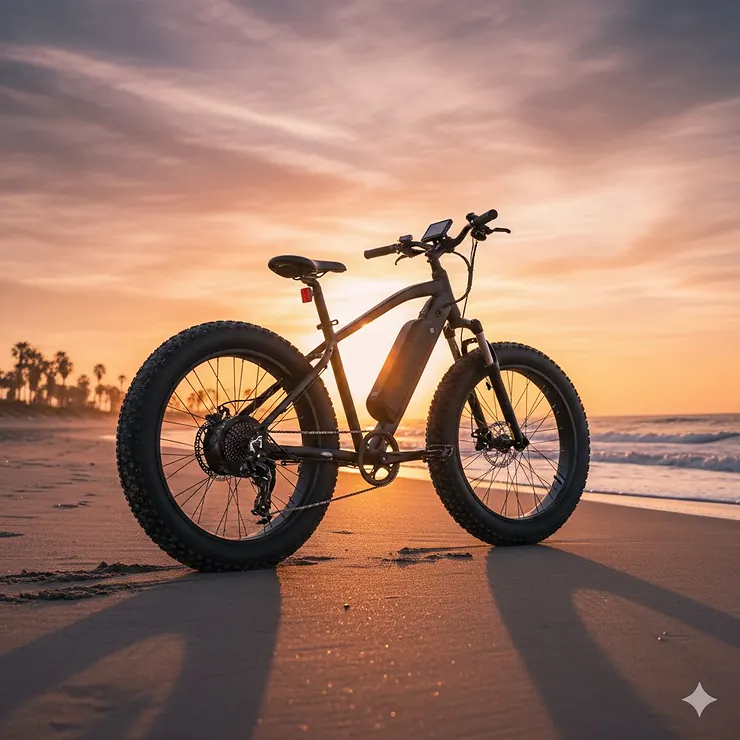
Picture this: you’re cruising down a sandy beach at sunset, or powering through fresh snow on mountain trails, all while barely breaking a sweat. That’s the magic of an electric fat tire bike—your ticket to exploring terrain that traditional bikes can’t touch.
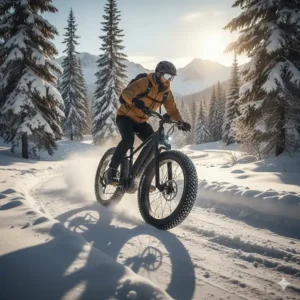
Electric fat tire bikes have exploded in popularity over the past few years, and for good reason. These beasts combine ultra-wide tires (typically 4 inches or more) with powerful electric motors to create the ultimate all-terrain adventure machine. Whether you’re a daily commuter tired of pothole-riddled streets, a weekend warrior seeking off-road thrills, or someone who simply wants a more stable, comfortable ride, fat tire ebikes deliver an experience unlike any other.
What makes an electric fat tire bike special? The wide tire electric bike design provides exceptional traction and stability on surfaces like sand, snow, mud, gravel, and even ice—conditions that would stop a regular bike in its tracks. Add an electric motor to the mix, and you’ve got a stable fat tire bicycle that can tackle steep hills and long distances without leaving you exhausted.
In this comprehensive guide, I’ll walk you through the 7 best fat tire electric bikes available in 2026, covering everything from budget-friendly options to premium all-terrain fat tire ebikes. You’ll discover which models excel at beach cruiser fat tire riding, which dominate in snow riding electric bike scenarios, and which offer the best value for your hard-earned money. Let’s dive in and find your perfect ride! 🚴♂️⚡
Quick Comparison Table: Top Electric Fat Tire Bikes 2026
| Model | Motor | Battery | Range | Top Speed | Price Range | Best For |
|---|---|---|---|---|---|---|
| Lectric XP 4.0 | 500W/750W | 10.4-17.5Ah | 50-85 miles | 28 mph | $999-$1,299 | Budget folding |
| Heybike Ranger S | 750W/1000W | 14.4Ah (692Wh) | 55 miles | 28-32 mph | $999-$1,499 | Versatile commuting |
| ECOTRIC 26″ Fat Tire | 500W | 12.5Ah (450Wh) | 33-54 miles | 23.6 mph | $599-$799 | Entry-level riders |
| Aventon Aventure 3 | 750W | 20Ah (733Wh) | 65 miles | 28 mph | $1,799-$1,999 | Smart features & premium |
| Velotric Nomad 2 | 750W | 14.7Ah (705.6Wh) | 65 miles | 28 mph | $1,999 | All-terrain comfort |
| ANCHEER RoverH | 750W (1000W peak) | 15Ah (720Wh) | 40-60 miles | 28 mph | $839-$999 | Value performance |
| Velotric Nomad 2X | 750W (1400W peak) | 14.7Ah (dual capable) | 65+ miles | 28 mph | $2,499+ | Full suspension premium |
Just one click – help others make better buying decisions too! 😊
Top 7 Electric Fat Tire Bikes – Expert Analysis
1. Lectric XP 4.0 – Best Budget Folding Electric Fat Bike
The Lectric XP 4.0 represents incredible value in the folding fat tire category. This 4-inch tire electric bike has become America’s best-selling electric fat tire bike for good reason—it packs premium features into an affordable package.
Key Specifications:
- Motor: 500W rear hub (1092W peak) or 750W option (1310W peak)
- Battery: 48V 10.4Ah (500Wh) or 17.5Ah (840Wh) long-range
- Top Speed: 28 mph (Class 3 capable)
- Range: Up to 50 miles (500W) or 85 miles (750W)
- Weight Capacity: 330 lbs
- Bike Weight: 62 lbs (without battery)
What Makes It Special:
The Lectric XP 4.0 features a completely redesigned frame with improved geometry, making it sturdier and more comfortable than previous models. The addition of an in-house developed torque sensor provides smoother pedal assist—a feature rarely found at this price point. The full-color TFT display, hydraulic brakes, and integrated turn signals add a premium feel to an already impressive bike.
Real Customer Feedback:
Users consistently praise the bike’s exceptional value and versatility. One customer noted, “I did a lot of research before purchasing and kept coming back to Lectric as the top choice. We’re so happy with our purchase!” The folding design makes it perfect for RV travelers and apartment dwellers.
Pros:
✅ Unbeatable value with torque sensor at $999
✅ Folds compactly for storage and transport
✅ Multiple motor and battery options
Cons:
❌ Heavy for a folder at nearly 70 lbs
❌ Assembly required (though 85% pre-assembled)
Price: Starting at $999 (500W) / $1,299 (750W Long-Range)
2. Heybike Ranger S – Best Mid-Range All-Terrain Electric Bike
The Heybike Ranger S strikes an excellent balance between power, features, and affordability. This sand riding ebike offers two motor options and smart connectivity features that punch well above its price class.
Key Specifications:
- Motor: 750W (1400W peak) or 1000W (1800W peak)
- Battery: 48V 14.4Ah (692Wh) removable
- Top Speed: 28 mph (750W) or 32 mph (1000W)
- Range: Up to 55 miles on single charge
- Weight Capacity: 400 lbs
- Tire Size: 20″ x 4.0″ fat tires
What Makes It Special:
The Heybike Ranger S features a step-through design that makes mounting and dismounting effortless, especially important given its robust build. The integrated Heybike app provides anti-theft features, ride statistics, and remote locking/unlocking. The dual hydraulic disc brakes and front suspension ensure confident handling on any terrain.
Real Customer Feedback:
Riders love the versatility and power. One reviewer shared, “Fast, powerful, and so much fun! The 750W motor delivers plenty of power, making hills and longer rides effortless. Every ride feels exciting!” The bike’s ability to conquer sand, snow, gravel, and rough terrain consistently impresses users.
Pros:
✅ Powerful 1800W peak motor option available
✅ Smart app integration and anti-theft features
✅ Impressive 400 lb payload capacity
Cons:
❌ Smaller 20″ wheels compared to 26″ models
❌ Folding mechanism adds complexity
Price: $999 (750W sale price) / $1,199 (1000W sale price)
3. ECOTRIC 26″ Fat Tire – Best Entry-Level Budget Option
The ECOTRIC 26″ Fat Tire electric bike proves that quality doesn’t have to break the bank. This beach cruiser fat tire bike offers reliable performance for newcomers to the electric fat bike world.
Key Specifications:
- Motor: 500W rear hub brushless motor
- Battery: 36V 12.5Ah removable lithium-ion
- Top Speed: 23.6 mph (adjustable)
- Range: 33-54 miles depending on mode
- Weight Capacity: 265 lbs
- Tire Size: 26″ x 4.0″ puncture-resistant
What Makes It Special:
ECOTRIC has been producing utility ebikes since 2017, focusing on quality at accessible price points. This model comes 90% pre-assembled with Shimano 7-speed gearing and front suspension. The S900 LCD display can even charge your mobile phone via USB—a thoughtful touch for long rides.
Real Customer Feedback:
Budget-conscious buyers appreciate the value proposition. Users report the bike handles snow, sand, and mountain terrain admirably for the price. The 18-month warranty on frame, battery, motor, controller, and display provides peace of mind.
Pros:
✅ Extremely affordable entry point under $800
✅ 26″ wheels provide better rollover capability
✅ USB charging port on display
Cons:
❌ Lower power output compared to premium models
❌ Basic mechanical disc brakes (not hydraulic)
Price: $599-$799 depending on sales
4. Aventon Aventure 3 – Best Premium Smart Electric Fat Bike
The Aventon Aventure 3 represents the cutting edge of wide tire electric bike technology. With advanced 4G/GPS capabilities and premium components throughout, this is the best fat tire electric bike for tech-savvy riders who won’t compromise on features.
Key Specifications:
- Motor: 750W rear hub (1188W peak)
- Battery: 36V 20Ah (733Wh) LG cells
- Top Speed: 28 mph (Class 3)
- Range: Up to 65 miles
- Weight Capacity: 400 lbs
- Tire Size: 4″ fat tires with suspension fork
What Makes It Special:
The Aventon Aventure 3 integrates the revolutionary Aventon Control Unit (ACU) with 4G cellular and GPS capabilities. This enables real-time GPS tracking, geofencing, remote motor disabling, and motion detection alarms—security features typically found on bikes costing $3,000+. The Ride Tune customization allows you to adjust pedal assist levels, maximum torque, and pedal response through the app.
Real Customer Feedback:
Expert reviewers consistently rank this as one of the best fat tire ebikes of 2026. One tester noted, “This is one of the best riding e-bikes you’ll be able to find in 2026.” The gravity-cast frame, torque sensor, and cruise control add to the premium experience.
Pros:
✅ Advanced 4G/GPS smart features and anti-theft
✅ Exceptional 65-mile range with quality LG cells
✅ Cruise control and customizable ride modes
Cons:
❌ Heavier at 77 lbs
❌ 4G subscription costs $20/year after first year
Price: $1,799 (currently on sale from $1,999)
5. Velotric Nomad 2 – Best All-Terrain Comfort Cruiser
The Velotric Nomad 2 delivers exceptional comfort and versatility with its innovative SensorSwap technology. This all-terrain fat tire ebike is perfect for riders who demand customization and premium build quality.
Key Specifications:
- Motor: 750W rear hub (1300W peak), 90Nm torque
- Battery: 48V 14.7Ah (705.6Wh) Samsung/LG cells
- Top Speed: 28 mph adjustable (12-28 mph range)
- Range: 65 miles (pedal assist) / 45 miles (throttle)
- Weight Capacity: 505 lbs
- Towing Capacity: 1,000 lbs
What Makes It Special:
The Velotric Nomad 2 introduces SensorSwap™ technology, allowing riders to switch between torque and cadence sensors with a simple app selection or button press. This unique feature lets you optimize for smooth city commuting (cadence) or responsive trail riding (torque). The RST hydraulic suspension fork with 100mm travel and lockout provides excellent comfort.
Real Customer Feedback:
An 82-year-old rider shared, “The Velotric Nomad 2 is exactly what an electric bike should be. I’ve been riding it almost daily. Older people will enjoy this bike because of its power assist. I don’t think I’ll ever be stranded riding this bike anywhere.” The ComfortMax™ saddle and suspension seatpost receive consistent praise.
Pros:
✅ Unique SensorSwap for torque/cadence switching
✅ Massive 505 lb payload and 1,000 lb towing capacity
✅ 15 levels of pedal assist (3 modes x 5 levels)
Cons:
❌ Heavy at 75 lbs
❌ Assembly required for online purchases
Price: $1,999 (regular price $2,199 at some retailers)
6. ANCHEER RoverH – Best Value Performance Electric Bike
The ANCHEER RoverH offers impressive specifications at a budget-friendly price point. This snow riding electric bike delivers UL-certified safety and 750W of power without the premium price tag.
Key Specifications:
- Motor: 750W brushless (1000W peak)
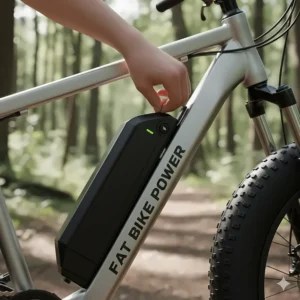
- Battery: 48V 15Ah (720Wh) removable
- Top Speed: 28 mph
- Range: 40-60 miles depending on conditions
- Weight Capacity: 260 lbs
- Tire Size: 26″ x 4.0″ puncture-resistant
What Makes It Special:
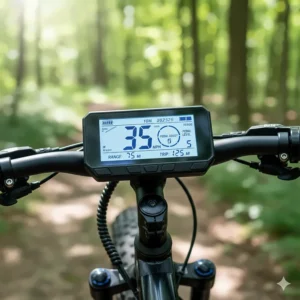
ANCHEER has achieved UL2849 certification (whole ebike) and UL2271 battery certification, ensuring safety standards that more expensive bikes sometimes lack. The IPX5 waterproof rating makes this bike suitable for year-round riding. The advanced LCD display shows speed, battery level, mileage, and riding mode at a glance.
Real Customer Feedback:
Value-conscious buyers consistently praise the quality-to-price ratio. One rider noted, “This Fat Tire Electric Bike is an absolute joy to ride! The powerful motor gives smooth acceleration, and the fat tires combined with front suspension make every ride stable and comfortable.” The 90% pre-assembly makes setup straightforward.
Pros:
✅ Excellent value with UL certifications
✅ Large 15Ah battery provides solid range
✅ Professional 180mm brake rotors for better stopping
Cons:
❌ Lower weight capacity than competitors
❌ Basic LCD display vs. color TFT
Price: $839-$999 depending on promotions
7. Velotric Nomad 2X – Best Full-Suspension Premium Electric Bike
The Velotric Nomad 2X represents the pinnacle of fat tire electric bike engineering. With full air suspension, dual-battery capability, and 1400W peak power, this is the ultimate best fat tire electric bike for serious off-road enthusiasts.
Key Specifications:
- Motor: 750W (1400W peak), 105Nm torque
- Battery: 48V 14.7Ah (dual-battery capable)
- Suspension: 120mm front air fork + 80mm rear travel
- Top Speed: 28 mph (Class 3)
- Range: 65+ miles (120+ with dual battery)
- Weight Capacity: 560 lbs
What Makes It Special:
The Velotric Nomad 2X features full air suspension—both 120mm travel adjustable front air fork and tunable rear shock with rebound and compression damping. This premium setup delivers unmatched comfort on the roughest terrain. The Stealth Mode turns off all lights and limits speed for hunting or backcountry camping. The bike meets IPX6 waterproof standards for all-weather reliability.
Real Customer Feedback:
Enthusiasts rave about the ride quality. One reviewer exclaimed, “One of the nicest full-suspension fat-tire bikes I’ve ridden—air fork and plush rear shock deliver amazing comfort and control!” Another noted, “Finally found an ebike that checks all the boxes—power, comfort, suspension, and versatility.”
Pros:
✅ Full air suspension front and rear
✅ Dual-battery capability for extended range
✅ Premium hydraulic brakes and components
Cons:
❌ Premium pricing reflects advanced features
❌ Complex suspension requires some tuning knowledge
Price: $2,499+ (pricing varies by configuration)
✨ Don’t Miss These Exclusive Deals!
🔍 Take your all-terrain adventures to the next level with these carefully selected products. Click on any highlighted item above to check current pricing and availability. These bikes will help you create authentic outdoor memories your family will cherish for years! Whether you’re tackling beach sand, mountain snow, or urban streets, there’s a perfect electric fat tire bike waiting for you.
What is an Electric Fat Tire Bike? Understanding the Basics
An electric fat tire bike is a specialized bicycle that combines two game-changing technologies: ultra-wide tires (typically 3.8 to 5 inches wide) and an electric motor system. This unique combination creates a versatile machine capable of conquering terrain that would stop traditional bikes cold.
The defining feature—those massive fat tires—originally emerged in Alaska and New Mexico during the 1990s as enthusiasts sought ways to ride on snow and sand. The wide tire electric bike design works by distributing the rider’s weight over a much larger surface area, preventing the bike from sinking into soft surfaces. Think of it like wearing snowshoes instead of regular boots in deep snow.
When you add an electric motor to this stable platform, you get a stable fat tire bicycle that can:
- Float over soft surfaces like sand, snow, mud, and loose gravel
- Absorb bumps and vibrations naturally through tire flex
- Provide exceptional traction in wet or slippery conditions
- Climb steep hills with electric assistance
- Cover long distances without exhausting the rider
Modern electric fat tire bikes typically feature hub motors (rear or mid-drive) ranging from 500W to 1000W+ peak power, paired with lithium-ion batteries offering 500Wh to 800Wh+ capacity. Most quality models include pedal assist systems (PAS) with multiple levels, allowing you to choose how much electric help you receive.
The beauty of a fat tire ebike lies in its approachability. The extra stability makes these bikes excellent for new riders, heavier riders, or anyone who values a planted, forgiving ride. Whether you’re commuting on pothole-riddled city streets or exploring backcountry trails, an electric fat tire bike transforms challenging rides into enjoyable adventures. 🌟
Benefits of Electric Fat Tire Bikes for Different Terrains
Sand and Beach Riding Excellence
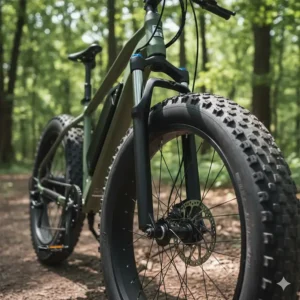
Fat tire electric bikes absolutely dominate beach environments. The wide 4-inch tire electric bike design prevents sinking into soft sand by distributing weight over a larger contact patch. I’ve ridden beach cruiser fat tire bikes where regular bikes would bog down immediately. The electric motor provides the consistent power needed to maintain momentum through sand—something that’s nearly impossible with leg power alone.
Snow and Winter Performance
For snow riding electric bike enthusiasts, fat bikes were literally born for this. Operating at lower tire pressures (10-20 PSI), fat tires essentially “float” on top of snow rather than cutting through. The electric motor ensures you don’t lose momentum when hitting deeper drifts or climbing snowy hills. According to recent industry analysis, fat tire bikes with electric motors have made winter cycling accessible to riders who previously stored their bikes for months.
Gravel and Trail Versatility
All-terrain fat tire ebikes excel on unpredictable gravel roads and mountain trails. The wide tires provide multiple benefits:
- Better shock absorption reducing fatigue on rough surfaces
- Increased contact patch improving cornering confidence
- Lower pressure capability enhancing comfort without sacrificing speed
- Puncture resistance from the tire’s larger volume of air
Urban Commuting Advantages
Don’t overlook fat tire bikes for city riding! The stable fat tire bicycle design smooths out pothole-riddled streets, trolley tracks, and uneven pavement. Many riders discover their electric fat tire bike becomes their most-used vehicle for:
- Grocery runs (most models have cargo racks)
- Daily commutes (the electric assist eliminates arrival sweat)
- Mixed-surface routes (ride through parks, then hop on streets)
- All-weather reliability (rain, snow, or shine)
The U.S. Department of Transportation encourages electric bike adoption for reducing urban congestion, and fat tire models make this transition particularly easy for hesitant riders.
Motor Power and Battery Capacity: Finding Your Sweet Spot
Understanding Wattage and Real-World Performance
Motor power in electric fat tire bikes typically ranges from 500W to 1000W (nominal), with peak power often reaching 1400W-1800W during acceleration or hill climbing. But what do these numbers actually mean for your riding?
500-750W motors provide:
- Sufficient power for most flat terrain and moderate hills
- Better battery efficiency and longer range
- Compliance with Class 1/2 regulations in most areas
- Ideal for casual riders and commuters
750-1000W+ motors deliver:
- Aggressive hill climbing on steep grades (25-35°)
- Faster acceleration with cargo or heavier riders
- Better performance in challenging terrain (deep sand, snow)
- Maximum capability for adventure seekers
According to electric bike testing standards, a 750W motor provides approximately 1 horsepower of assistance—enough to make a 60-pound bike feel almost weightless on hills.
Battery Capacity: The Range Equation
Battery capacity, measured in watt-hours (Wh), directly impacts your riding range. Here’s what real-world testing shows:
| Battery Size | Typical Range | Best Use Case |
|---|---|---|
| 400-500Wh | 20-40 miles | Short commutes, neighborhood rides |
| 600-700Wh | 40-60 miles | Daily commuting, weekend adventures |
| 800Wh+ | 60-85+ miles | Long-distance touring, multi-day trips |
Important factors affecting range:
- Rider weight (heavier riders see 10-20% reduction)
- Terrain (hills consume 30-40% more power)
- Assist level (high PAS levels reduce range by 50%)
- Tire pressure (under-inflated tires decrease efficiency)
- Weather (cold weather can reduce battery performance by 20%)
The best fat tire electric bike balances power and range for your specific needs. For commuting 10 miles each way, a 500Wh battery works perfectly. For weekend exploration covering 40+ miles, invest in 700Wh or larger.
Frame Design and Build Quality Considerations
Material Matters: Aluminum vs. Steel
The overwhelming majority of quality electric fat tire bikes use aluminum alloy frames for good reasons:
Aluminum advantages:
- Lightweight (compared to steel)
- Rust-resistant for beach and winter riding
- Good strength-to-weight ratio
- Lower overall bike weight (important when bikes already exceed 65 lbs)
Steel frames occasionally appear on budget models:
- More durable against impact
- Easier to repair if damaged
- Heavier overall
- Requires paint protection against rust
Premium models like the Aventon Aventure 3 use advanced gravity-cast aluminum construction, creating stronger frame joints than traditional welded designs.
Step-Through vs. Step-Over: Choosing Your Style
Step-through frames (low bar or no top tube):
✅ Easier mounting/dismounting
✅ Ideal for riders with mobility concerns
✅ Perfect for frequent stop-and-go riding
✅ More approachable for new riders
Step-over frames (traditional diamond):
✅ Greater structural rigidity
✅ Better weight distribution on technical terrain
✅ Traditional appearance some riders prefer
✅ More standover clearance adjustment
Many manufacturers now offer both options in the same model (like the Velotric Nomad 2), letting you choose based on personal preference rather than compromise.
Weight Capacity and Cargo Capability
Pay close attention to maximum payload ratings:
- 250-330 lbs: Entry-level bikes, solo riders only
- 350-400 lbs: Standard capacity for rider + moderate cargo
- 450-560 lbs: Premium capacity for heavy riders or significant cargo
The Velotric Nomad 2 stands out with its exceptional 505 lb payload capacity and 1,000 lb towing capability—you could literally tow a small camper trailer behind it for bikepacking adventures!
Suspension Systems: Do You Really Need Them?
Front Suspension Benefits
Nearly all quality electric fat tire bikes include front suspension forks, typically offering 80-120mm of travel. But here’s the interesting question: do you actually need suspension when fat tires themselves act as natural shock absorbers?
The truth: Fat tires alone provide considerable cushioning, but suspension adds a noticeable comfort improvement, especially:
- When riding at higher speeds (20+ mph)
- On particularly rough or rocky terrain
- During longer rides where fatigue accumulates
- If you prefer running higher tire pressures (which reduces the natural cushioning effect)
According to comprehensive mountain biking studies, suspension fork technology has evolved dramatically. Modern hydraulic forks like those on the Velotric Nomad 2 (RST with 100mm travel and lockout) provide adjustable damping to match your terrain.
Lockout features let you firm up the suspension for efficient pedaling on smooth sections, then release it for rough descents—giving you the best of both worlds.
Full Suspension: Worth the Premium?
The Velotric Nomad 2X represents the pinnacle with full air suspension—120mm front travel and 80mm rear. Is it worth the extra cost?
Full suspension excels when:
- Riding extremely technical mountain bike trails
- Spending hours on rough terrain
- Seeking maximum comfort on multi-day adventures
- You prioritize ride quality over budget
Suspension seatposts offer a middle-ground solution found on models like the Lectric XP 4.0. These 30-40mm travel posts absorb smaller bumps and reduce fatigue during longer rides, without the complexity or weight of full suspension.
Tire Size and Tread Patterns Explained
The 4-Inch Standard and Variations
While called “fat tire” bikes, actual widths vary:
20″ x 4.0″ tires (folding models):
- More compact overall package
- Better maneuverability in tight spaces
- Suitable for shorter riders
- Found on Heybike Ranger S and Lectric XP 4.0
26″ x 4.0″ tires (traditional size):
- Better rollover capability on obstacles
- More comfortable on longer rides
- Faster rolling on pavement
- Featured on ECOTRIC, ANCHEER, and Aventon models
26″ x 4.5-4.8″ tires (extra-wide):
- Maximum flotation in snow and sand
- Ultimate stability
- Slightly slower acceleration
- Found on premium models
Tread Patterns for Different Conditions
Smooth/minimal tread:
- Best for pavement and hard-packed trails
- Lower rolling resistance
- Quieter operation
- Faster on roads
Aggressive knobby tread:
- Superior grip in mud, snow, and loose terrain
- Better braking traction on descents
- More rolling resistance on pavement
- Noisier on hard surfaces
Hybrid tread (most common):
- Center strip for efficient rolling
- Side knobs for cornering grip
- Balanced all-around performance
- Best choice for varied riding
The Velotric Nomad 2 uses Kenda 26×4.0″ puncture-resistant tires with hybrid tread—an excellent all-rounder that performs well from city streets to moderate trails.
Braking Systems and Safety Features
Hydraulic vs. Mechanical Disc Brakes
Braking becomes critically important when you’re piloting a 65-75 lb electric bike at 28 mph. Here’s the breakdown:
Hydraulic disc brakes (premium choice):
✅ Superior stopping power with less hand effort
✅ Self-adjusting as pads wear
✅ Better modulation (control over braking force)
✅ More consistent performance in wet conditions
✅ Featured on Aventon Aventure 3, Velotric Nomad 2, Heybike Ranger S
Mechanical disc brakes (budget option):
✅ Lower cost
✅ Easier to service yourself
✅ Adequate for casual riding
❌ Require periodic cable adjustment
❌ Less powerful stopping force
❌ Found on ECOTRIC entry-level models
Professional-grade rotors make a difference too. The ANCHEER RoverH features 180mm brake rotors (vs. standard 160mm), significantly reducing stopping distance at speeds over 20 mph.
Essential Safety Features to Look For
Modern electric fat tire bikes integrate numerous safety technologies:
Integrated lighting systems:
- Bright front headlights (500+ lumens preferred)
- Brake lights that intensify when stopping
- Turn signals (found on Lectric XP 4.0 and Aventon Aventure 3)
Smart safety features:
- GPS tracking (Aventon Aventure 3 with 4G/GPS)
- Motion detection alarms
- Remote motor disabling
- Geofencing capabilities
Reflective elements:
- Reflective sidewalls on tires
- Frame decals
- Pedal reflectors
The National Highway Traffic Safety Administration recommends using lights and reflectors for visibility, especially crucial for faster electric bikes.
Display and Control Systems: Modern Technology
LCD vs. Color TFT Displays
The display serves as your bike’s command center, showing critical ride information:
Basic LCD displays (budget models):
- Speed, battery level, PAS level
- Simple button controls
- Good visibility in sunlight
- Found on ECOTRIC and entry ANCHEER models
Color TFT displays (premium):
- Vivid graphics and intuitive interface
- Trip computer functions
- USB charging ports
- Bluetooth connectivity
- Featured on Lectric XP 4.0, Velotric Nomad 2, Aventon Aventure 3
The Aventon Aventure 3 takes this further with its advanced ACU (Aventon Control Unit), integrating 4G cellular communication for remote features you’d expect on a car, not a bike!
App Connectivity and Smart Features
Modern electric fat tire bikes increasingly offer smartphone integration:
Standard app features:
- Ride statistics and mapping
- Battery health monitoring
- Firmware updates
- Customized PAS settings
Advanced capabilities:
- Velotric Nomad 2: SensorSwap™ mode switching
- Heybike Ranger S: Auto lock/unlock proximity detection
- Aventon Aventure 3: GPS tracking and geofencing
- Lectric XP 4.0: Ride mode customization
These smart features transform your bike from simple transportation to a connected piece of technology that adapts to your preferences and protects your investment.
Folding vs. Non-Folding: Storage and Portability
The Folding Advantage
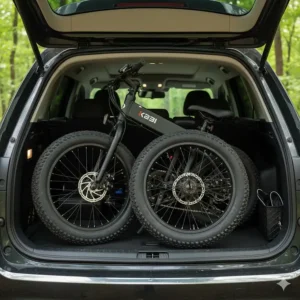
Folding electric fat tire bikes solve critical storage problems:
Compact storage:
- Typical folded dimensions: 40″ x 24″ x 31″
- Fits in car trunks, closets, RVs
- Perfect for apartment living
- Featured models: Lectric XP 4.0, Heybike Ranger S
Portability benefits:
- Take on public transportation
- Store at office or workplace
- Combine with car trips (drive to trailhead, then ride)
- Easier to lift into vehicles
Trade-offs to consider:
❌ Additional folding mechanism adds weight and complexity
❌ Some structural rigidity sacrificed
❌ Typically limited to 20″ wheels
❌ More expensive than equivalent non-folding bikes
Non-Folding Stability and Performance
Traditional rigid frames offer advantages:
Superior structural integrity:
- Stiffer frame for better power transfer
- Usually lighter than folding equivalents
- Simpler maintenance with fewer pivot points
- Preferred for serious off-road riding
Larger wheel options:
- 26″ wheels roll over obstacles more easily
- More tire options available
- Better geometry for taller riders
- Models: Aventon Aventure 3, Velotric Nomad 2/2X, ECOTRIC 26″, ANCHEER RoverH
Your decision depends on storage constraints and primary use. If you have a garage and don’t need to transport the bike frequently, non-folding provides better performance. If space is limited or portability is crucial, the folding design’s convenience outweighs the compromises.
Price Ranges and Value Analysis
Budget Tier ($599-$999)
Representative models: ECOTRIC 26″ Fat Tire, ANCHEER folding models
What you get:
- 500W motors
- 400-500Wh batteries
- Mechanical disc brakes
- Basic LCD displays
- 30-40 mile range
Perfect for:
- First-time ebike buyers
- Casual recreational riders
- Short commutes under 10 miles
- Those wanting to test electric fat bikes
Limitations:
- Lower quality components
- Shorter warranty periods
- Less refined ride quality
- Basic features only
Mid-Range ($1,000-$1,500)
Representative models: Lectric XP 4.0, Heybike Ranger S, ANCHEER RoverH
What you get:
- 750W motors with higher peak power
- 600-750Wh batteries
- Hydraulic disc brakes
- Color displays
- Smart connectivity features
- 50-60+ mile range
- Better component quality
Perfect for:
- Regular commuters
- Weekend adventurers
- Riders who want solid performance without premium prices
- Those valuing features like folding capability
The sweet spot: This category offers the best value proposition. You’re getting 80% of the performance of premium bikes at 50% of the cost.
Premium Tier ($1,800-$2,500+)
Representative models: Aventon Aventure 3, Velotric Nomad 2, Velotric Nomad 2X
What you get:
- Advanced motor technology (torque sensors standard)
- Premium batteries (700Wh+, top-tier cells)
- Advanced safety and security features
- Superior component quality throughout
- Extended warranties
- Full suspension options
- 65+ mile range
Perfect for:
- Serious enthusiasts
- Those replacing a car for commuting
- Riders demanding the best technology
- Long-distance touring
Worth the premium when:
- You ride frequently (5+ times per week)
- Features like GPS tracking matter for security
- You need maximum range and reliability
- Build quality and refinement are priorities
How to Choose the Best Electric Fat Tire Bike for Your Needs
Step 1: Define Your Primary Use Case
Be honest about how you’ll actually use the bike:
Urban commuting:
- Prioritize: Range, fenders, lights, cargo rack
- Consider: Folding models for storage
- Recommended: Heybike Ranger S, Lectric XP 4.0
Trail and adventure riding:
- Prioritize: Suspension, motor power, tire tread
- Consider: Full suspension for rough terrain
- Recommended: Velotric Nomad 2X, Aventon Aventure 3
Beach and sand:
- Prioritize: Wide tires (4″+), good clearance
- Consider: Waterproof ratings
- Recommended: Velotric Nomad 2, ANCHEER RoverH
Snow and winter:
- Prioritize: Battery heating, fenders, waterproofing
- Consider: Studded tire compatibility
- Recommended: Any model with IPX5+ rating
Step 2: Match Motor Power to Terrain
Use this simple formula:
Flat terrain with occasional hills: 500-750W sufficient
Hilly terrain (15-25° grades): 750W minimum
Steep hills or heavy loads: 750W+ with high peak power (1400W+)
Sand, snow, or soft surfaces: More power always helps
The Heybike Ranger S 1000W variant provides 1800W peak power—absolute overkill for flat terrain but perfect for conquering 35° inclines with cargo.
Step 3: Calculate Required Range
Daily commute: (One-way distance × 2) + 25% buffer
Example: 8-mile commute = 20-mile minimum range
Weekend adventures: Expected ride distance × 1.5
Example: 30-mile trail loop = 45-mile minimum range
Touring: Look for 60+ mile range or dual-battery options
Remember that manufacturer claims assume ideal conditions (flat terrain, light rider, moderate assist). Real-world range typically runs 60-70% of advertised maximums under mixed conditions.
Step 4: Set Your Budget
Determine total cost including accessories:
Initial investment:
- Bike cost
- Sales tax (varies by state)
- Assembly fees if needed
Essential accessories ($200-400):
- Quality helmet ($60-150)
- Sturdy lock ($50-100)
- Lights if not included ($40-80)
- Phone mount ($20-30)
- Repair kit ($30-40)
Optional upgrades:
- Extended warranty
- Upgraded saddle
- Panniers or baskets
- Fenders if not included
Step 5: Consider Long-Term Support
Warranty coverage:
- Frame: 2-5 years (lifetime on some premium models)
- Electronics: 1-2 years standard
- Battery: 1-2 years (note cycle count limits)
Service availability:
- Local bike shops familiar with the brand?
- Direct manufacturer support?
- Replacement parts easily sourced?
Brands like Velotric and Aventon have extensive dealer networks across the U.S., making local service more accessible than direct-to-consumer-only brands.
Maintenance Tips for Long-Term Performance
Battery Care: Maximizing Lifespan
Lithium-ion batteries represent your bike’s most expensive component. Proper care extends lifespan significantly:
Optimal storage conditions:
- Keep battery at 40-60% charge for long-term storage
- Store in cool, dry location (50-70°F ideal)
- Never leave battery in freezing temperatures
- Remove from bike if storing for weeks
Charging best practices:
- Charge after each ride rather than waiting for complete depletion
- Use only manufacturer-supplied chargers
- Avoid charging in extreme temperatures
- Let battery reach room temperature before charging if cold
According to battery technology research, following these guidelines can extend battery life from 500-1000 charge cycles (typical) to 800-1200 cycles.
Tire Maintenance and Pressure Optimization
Fat tires require different care than standard bicycle tires:
Pressure ranges by use:
- Pavement: 20-30 PSI (higher = faster, less cushioning)
- Mixed terrain: 15-20 PSI (balanced performance)
- Sand/snow: 8-12 PSI (maximum flotation)
- Mud: 10-15 PSI (prevents packing in treads)
Weekly checks:
- Inspect for embedded objects (glass, thorns)
- Check tread wear
- Verify pressure with accurate gauge
- Examine sidewalls for cracks or damage
Seasonal changes:
- Tire pressure drops ~1 PSI per 10°F temperature decrease
- Check more frequently in winter months
Drivetrain and Brake Servicing
Chain maintenance (every 100-200 miles):
- Clean with degreaser and brush
- Lubricate with bike-specific chain lube
- Wipe excess to prevent dirt attraction
- Check for wear with chain checker tool
Brake adjustments:
- Hydraulic brakes: Minimal maintenance, occasional fluid replacement
- Mechanical brakes: Cable tension adjustments every month
- Pad inspection: Replace when less than 1mm material remains
- Rotor cleaning: Isopropyl alcohol removes contamination
Professional service recommended:
- Annual full inspection and tune-up
- Hydraulic brake bleeding (every 12-18 months)
- Spoke tension and wheel truing
- Motor and electrical system checks
Legal Considerations and Classification
Understanding E-Bike Classes
The U.S. has largely standardized electric bike regulations into three classes:
Class 1 (Pedal Assist Only):
- Motor assists only while pedaling
- Stops at 20 mph
- Allowed on most bike paths and trails
- No license or registration required
Class 2 (Throttle Capable):
- Can operate with throttle without pedaling
- Maximum speed 20 mph
- Some trail restrictions may apply
- No license or registration required
Class 3 (Speed Pedelec):
- Pedal assist up to 28 mph
- May include throttle (up to 20 mph)
- Sometimes restricted from certain bike paths
- Helmet required in most states
Most electric fat tire bikes reviewed here offer switchable class modes, letting you toggle between Class 1, 2, and 3 depending on local regulations and trail requirements.
State and Local Regulations
While federal consumer product safety rules govern manufacturing, state and local laws regulate usage. Key variations include:
Helmet requirements:
- Some states require helmets for Class 3 only
- Others mandate helmets for all classes under age 18
- Local municipalities may have stricter rules
Age restrictions:
- Most states set minimum age at 14-16 years
- Class 3 bikes often restricted to 16+
Trail access:
- National Parks: Generally follow class system
- State Parks: Varies widely by state
- Local trails: Check with land managers
The PeopleForBikes organization provides state-by-state electric bike law summaries—essential reading before purchasing.
FAQ About Electric Fat Tire Bikes
❓ How long do electric fat tire bike batteries last on a single charge?
❓ Can you ride an electric fat tire bike in the rain or snow?
❓ How fast can an electric fat tire bike go?
❓ Are electric fat tire bikes good for beginners?
❓ How much maintenance do electric fat tire bikes require?
Conclusion: Finding Your Perfect Electric Fat Tire Bike
After examining the top electric fat tire bikes of 2026, one thing becomes crystal clear: there’s never been a better time to join the fat tire revolution. Whether you’re drawn to the budget-friendly versatility of the Lectric XP 4.0, the smart technology of the Aventon Aventure 3, or the premium full-suspension experience of the Velotric Nomad 2X, today’s market offers exceptional options across every price point and use case.
Remember these key takeaways as you make your decision:
🎯 Match motor power to your terrain – 500W works for flats, but 750W+ transforms hilly commutes
🎯 Prioritize battery capacity – Larger batteries (700Wh+) provide worry-free range
🎯 Don’t skimp on brakes – Hydraulic disc brakes offer superior safety on heavy ebikes
🎯 Consider folding if space is limited – Models like the Heybike Ranger S pack serious capability into a compact package
🎯 Invest in quality if you’ll ride frequently – Premium bikes like the Velotric Nomad 2 deliver refined experiences that make every ride enjoyable
The beauty of electric fat tire bikes lies in their transformative power. They convert daunting commutes into enjoyable rides, transform off-limits terrain into accessible adventure, and turn “maybe someday” cycling dreams into everyday reality. The wide tire electric bike design forgives mistakes, inspires confidence, and invites exploration in ways traditional bikes simply cannot match.
As we’ve seen throughout this guide, the best fat tire electric bike for you depends on your specific needs, terrain, and budget. The entry-level ECOTRIC might be perfect for weekend beach cruising, while serious off-road enthusiasts will appreciate the capability of the Velotric Nomad 2X. Budget-conscious commuters can’t go wrong with the feature-packed Lectric XP 4.0, and tech enthusiasts will love the advanced capabilities of the Aventon Aventure 3.
Whatever model you choose, you’re joining a growing community of riders who’ve discovered that electric fat tire bikes represent more than just another way to get around—they’re a ticket to adventure, a tool for health, and a smile-inducing machine that makes every ride feel like the first time.
Ready to take the leap? Start by test-riding a few models if possible. Feel the difference between a 500W and 750W motor. Experience the smoothness of hydraulic brakes. Test the comfort of different suspension setups. Your perfect all-terrain fat tire ebike is out there waiting—and now you have the knowledge to find it! 🚴♂️⚡🌟
Recommended for You: More Electric Bike Resources
- 7 Best Full Suspension Electric Mountain Bikes 2026
- 7 Best Electric Mountain Bikes 2026: Expert Reviews & Guide
- 7 Best Folding Electric Bikes 2026 – Ultimate Compact Ebike Guide
Disclaimer: This article contains affiliate links. If you purchase products through these links, we may earn a small commission at no additional cost to you.
✨ Found this helpful? Share it with your friends! 💬🤗
