In This Article
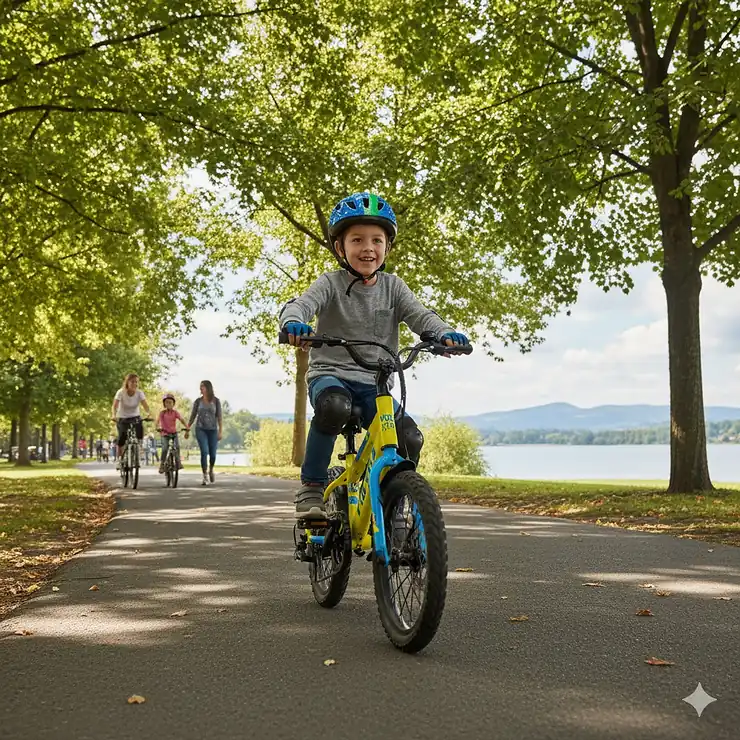
Remember when you got your first bike? That incredible feeling of freedom as you pedaled down the street? Now imagine that same joy, but with an electric boost that makes hills disappear and longer rides totally doable. That’s what electric bikes for kids are all about.
I’ve spent countless weekends watching my nephew zoom around the neighborhood on his e-bike, and honestly, I’m a little jealous. These aren’t your typical training-wheel situations. We’re talking about legitimate electric bikes for kids that combine safety features with genuine performance. Whether your little one is three years old learning balance or a teen ready for trail adventures, there’s a kids electric bike designed specifically for their skill level and size.
The market has exploded in recent years, which is both exciting and overwhelming. From balance bikes with electric assist to full-on dirt bikes that can handle serious terrain, the options seem endless. But here’s the thing – not all electric bike kids models are created equal. Some prioritize safety with speed limiters and training modes, while others focus on range and power. Some cost less than $200, others push past $2,000. How do you choose?
✨Was this helpful? Spread the word! 🚀
That’s exactly what we’re diving into today. I’ve researched dozens of models, compared specifications, read hundreds of customer reviews, and talked to actual parents whose kids ride these bikes daily. This guide cuts through the marketing fluff to show you what really matters when choosing an electric bike for kids. You’ll discover which models offer the best value, which brands prioritize safety, and which features actually make a difference in real-world riding.
Quick Comparison: Top Electric Bikes for Kids at a Glance
| Product | Age Range | Top Speed | Battery Life | Price Range | Best For |
|---|---|---|---|---|---|
| STACYC 12eDRIVE | 3-5 years | 8 mph | 30-60 min | $799 | Beginners learning balance |
| Hiboy BK1 | 3-5 years | 9 mph | 4.9 miles | $199-$399 | Budget-conscious parents |
| STACYC 16eDRIVE Brushless | 5-7 years | 12 mph | 30-60 min | $899-$1,049 | Growing riders with experience |
| Gotrax V14 | 5-8 years | 12 mph | 15.5 miles | $419-$449 | Long-range family rides |
| Hiboy DK1 | 3-10 years | 15.5 mph | 13.7 miles | $361-$609 | Versatile 3-speed control |
| Razor MX350 | 8-13 years | 14 mph | 30 minutes | $300-$400 | Dirt bike experience |
| Razor MX650 | 16+ years | 17 mph | 40 minutes | $500-$700 | Older teens, off-road |
💬 Just one click – help others make better buying decisions too!😊
Top 7 Electric Bikes for Kids: Expert Analysis
1. STACYC 12eDRIVE – The Gold Standard for Tiny Rippers
STACYC 12eDRIVE kicks off our list as the premium choice for kids ages 3-5. This isn’t just another balance bike – it’s a carefully engineered introduction to powered riding that’s helped thousands of toddlers master two wheels.
The 12eDRIVE features three power modes: non-powered for initial learning, low-powered for building confidence, and medium-powered for experienced riders. The 100W motor provides smooth acceleration up to 8 mph, which sounds slow until you watch a four-year-old giggling their way down the driveway. The 20V lithium-ion battery delivers 30-60 minutes of ride time, and the power-tool-style interface makes battery swaps incredibly easy.
What really sets STACYC 12eDRIVE apart is its focus on proper riding technique. The race-inspired geometry teaches kids correct body positioning from day one. The seat height adjusts from 13-16 inches, accommodating kids with a 16-inch minimum inseam. At just under 17 pounds, even young children can pick it up when they inevitably tip over during the learning phase.
Pros:
✅ Three progressive power modes grow with your child
✅ Lightweight aluminum frame (17 lbs) for easy handling
✅ Twist throttle teaches proper control (not an on/off button)
Cons:
❌ Premium price point at $799
❌ Battery sold separately increases initial cost
Customers consistently praise the build quality and customer support. One parent noted, “As soon as we got our kids on STACYC, they didn’t want to stop!” The company offers extensive replacement parts and accessories, ensuring this bike can handle years of use.
2. Hiboy BK1 – Budget-Friendly Balance Bike Champion
Looking for value without sacrificing quality? The Hiboy BK1 Electric Balance Bike delivers impressive performance at a fraction of STACYC’s price. At $199-$399 depending on sales, this bike proves that electric bike for kids doesn’t have to drain your savings account.
The Hiboy BK1 features a 100W rear motor that reaches speeds up to 9 mph, powered by a 21.6V 2.6Ah battery providing up to 4.9 miles of range. The 12-inch pneumatic tires absorb bumps surprisingly well, and the adjustable seat height (13.4-16.5 inches) accommodates growing riders. The bike weighs approximately 20 pounds, making it manageable for young children to maneuver.
Safety features include a classical brake lever on the front wheel and an e-brake on the rear motor wheel, providing dual stopping power. The anti-slip handles and foot pedals add extra security. The bike supports riders up to 77 pounds, covering most kids ages 3-5.
Pros:
✅ Excellent value at under $200 on sale
✅ Dual brake system for confident stopping
✅ Good customer service with quick warranty responses
Cons:
❌ Shorter battery life compared to premium options
❌ Some reports of charger issues (quickly resolved by support)
Real-world feedback shows kids master balance in impressively short time. One parent reported, “In literally 1:30 hours they were running at full speed and turning in circles all on their own.”
3. STACYC 16eDRIVE Brushless – The Upgrade Path
When your child outgrows the 12eDRIVE or already has balance bike experience, the STACYC 16eDRIVE Brushless represents the next level. Priced at $899-$1,049, this model features a high-output brushless motor that’s 20% more powerful and 10% more efficient than the original 16eDRIVE.
The STACYC 16eDRIVE Brushless accommodates kids ages 5-7 with a 17-inch minimum inseam and supports riders up to 75 pounds. The 16-inch composite wheels with pneumatic tires handle more aggressive terrain, while the aluminum TIG-welded frame ensures durability. The brushless motor provides additional low-end torque, perfect for trails and varied terrain.
Like its smaller sibling, this bike offers three power selection modes and the same intuitive twist throttle. The 20V battery provides 30-60 minutes of runtime, with quick disconnect capability for easy swapping. Thermal protection for the motor and controller prevents overheating during extended sessions.
Pros:
✅ Brushless motor offers superior power and efficiency
✅ Larger 16-inch wheels for bigger kids and rougher terrain
✅ Durable aluminum frame construction
Cons:
❌ Higher price point around $900-$1,000
❌ May be too powerful for completely inexperienced riders
Parents appreciate how this bike grows with their child’s confidence. The transition from low to high power modes provides months of progression without needing a new bike.
4. Gotrax V14 – Range King for Family Adventures
The Gotrax V14 Electric Balance Bike stands out with its exceptional 15.5-mile maximum range, making it perfect for families who want to ride together. Priced at $419-$449, it offers an attractive middle ground between budget and premium options.
The Gotrax V14 features a 250W motor reaching speeds up to 12 mph, powered by a substantial 36V 5.2Ah battery. This capacity dwarfs most competitors, ensuring your child won’t run out of juice halfway through a ride. The 14-inch pneumatic tires provide excellent shock absorption and grip on various surfaces including dirt roads, uphills, and grass.
The bike’s thumb throttle is easy for kids to operate, while EABS (Electronic Anti-lock Braking System) and rear disc brake deliver sensitive, fast stopping power. The seat adjusts from 19.3 to 20.9 inches, accommodating kids ages 5-8 as they grow. Dimensions measure 45″ x 20″ x 24″, with a charge time of approximately 5 hours.
Pros:
✅ Industry-leading 15.5-mile range for extended adventures
✅ UL-2272 certified for safety compliance
✅ 1-year warranty coverage from trusted brand
Cons:
❌ Longer 5-hour charge time
❌ Slightly heavier due to larger battery
Reviews consistently highlight the impressive range. One parent noted, “Worth every penny! When compared to most balance bikes available, its speed, durability, and mile range are quite remarkable.”

5. Hiboy DK1 – The Versatile Three-Speed Wonder
For families wanting one bike that spans multiple years and skill levels, the Hiboy DK1 Electric Dirt Bike offers unmatched versatility. Currently priced at $361-$609 (often with promotional codes), this dirt-style electric bike kids model features three distinct speed modes suitable for ages 3-10.
The Hiboy DK1 sports a 300W motor with three selectable speeds: Low (5 mph), Medium (7.5 mph), and High (15.5 mph). This range means you can start a 3-year-old on the lowest setting and gradually increase speed as they gain experience over the years. The 36V 4Ah battery provides up to 13.7 miles of range on a single charge, with only 4-5 hours needed for full recharge.
The bike includes spring and hydraulic shock absorption for smooth rides over uneven terrain. The 14-inch pneumatic tires bite well into dirt and grass. The twist-grip throttle provides intuitive control, while dual braking systems ensure safe stops. The bike weighs around 40 pounds and supports riders up to 60 inches tall.
Pros:
✅ Three speed modes accommodate years of growth
✅ Impressive 13.7-mile range for the price point
✅ Excellent suspension system for comfort
Cons:
❌ Weight of 40 lbs makes it harder for young kids to handle when not riding
❌ Assembly required (though straightforward)
Customer feedback shows this bike exceeding expectations. As one reviewer put it, “My 6-year-old drives it fine even on the high speed. For the price it feels solid and the battery lasts a lot longer than expected.”
6. Razor MX350 Dirt Rocket – The Classic Entry to Motocross
The Razor MX350 Dirt Rocket has been introducing kids to off-road riding for years. This scaled-down electric dirt bike remains one of the most popular options for kids ages 8-13, typically priced around $300-$400.
The Razor MX350 features a high-torque, chain-driven 350W motor reaching speeds up to 14 mph. The 24V rechargeable battery system provides approximately 30 minutes of continuous use or up to 10 miles per charge. The authentic motocross frame geometry, complete with 12-inch pneumatic knobby tires, gives kids a taste of real dirt bike experience.
The bike includes rear-wheel drive for better traction and balance control, adjustable riser handlebars, retractable kickstand, and hand-operated rear brake. It accommodates riders up to 140 pounds and requires roughly 8 hours for a full charge. The steel frame construction ensures durability despite the affordable price.
Pros:
✅ Affordable entry point to electric dirt bikes
✅ Authentic motocross styling and geometry
✅ High/low speed switch for safety control
Cons:
❌ Shorter 30-minute battery life
❌ Long 8-hour charge time
The Razor MX350 consistently receives praise for being the perfect first dirt bike. During testing, a 9-year-old rider had “no trouble getting comfortable within minutes.” The bike works best for backyard tracks or neighborhood dirt patches rather than extensive trail riding.
7. Razor MX650 Dirt Rocket – Teen-Ready Power Machine
For older teens ready for serious off-road adventures, the Razor MX650 Dirt Rocket delivers impressive performance at $500-$700. This is Razor’s flagship dirt bike, designed for riders 16 and older.
The Razor MX650 features a variable-speed, high-torque motor reaching speeds up to 17 mph – fast enough to feel legitimate without being dangerous. The 36V rechargeable battery system (three 12V batteries) provides up to 40 minutes of continuous ride time or approximately 10 miles per charge. The larger 16-inch front and 14-inch rear pneumatic knobby tires bite into dirt, gravel, and grass for superior traction.
The bike boasts authentic motocross features including dual suspension (front inverted fork and rear adjustable), adjustable riser handlebars, hand-operated dual disc brakes, and twist-grip acceleration. It supports riders up to 220 pounds, making it suitable for adults too. The Supercross-inspired design includes shatter-resistant fairings and folding metal foot pegs.
Pros:
✅ Genuine off-road capability with dual suspension
✅ Higher 220-pound weight capacity
✅ 17 mph top speed for thrilling rides
Cons:
❌ Higher price point at $500-$700
❌ Weight and size make it impractical for younger children
Reviews highlight the bike’s ability to handle real trails and hills. Parents appreciate that the MX650 can grow with their teen or even be enjoyed by adults for quick rides around the property.
🔥 Ready to Find Your Perfect Match?
These seven electric bikes for kids represent the best options across different ages, budgets, and riding styles. Whether you’re introducing a toddler to two wheels or outfitting a teen for trail adventures, there’s a bike here that’ll work. Click any product name above to check current pricing and availability – many retailers offer seasonal discounts worth grabbing! 🚴♂️⚡
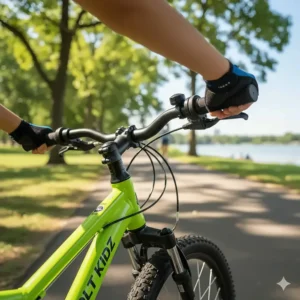
Understanding Electric Bikes for Kids: What Parents Need to Know
What Are Electric Bikes for Kids?
Electric bikes for kids, also known as e-bikes or power-assisted bicycles, are pedal bikes (or balance bikes) equipped with an electric motor that provides assistance when riding. Unlike motorcycles, most kids electric bike models require some form of rider input – either pedaling with pedal-assist or balance with throttle control. These bikes bridge the gap between traditional bicycles and motorized vehicles, offering young riders independence while maintaining manageable speeds and safety features.
According to the Consumer Product Safety Commission, e-bikes designed for children typically feature weaker motors than adult versions, with most ranging from 100W to 350W. They include speed limiters, progressive power modes, and enhanced braking systems. The goal is to enhance the cycling experience without overwhelming young riders or creating dangerous situations.
The technology has evolved significantly since early models. Modern electric bike kids options feature lithium-ion batteries (replacing heavy lead-acid versions), brushless motors for efficiency, and sophisticated controllers that provide smooth power delivery. Some models even connect to smartphone apps for parental controls and ride tracking.
How Do Kids Electric Bikes Work?
Most electric bikes for kids operate using one of three systems: throttle-only, pedal-assist, or hybrid. Balance bikes for younger children (ages 2-7) typically use throttle-only systems where twisting a grip accelerates the motor. This teaches throttle control and helps kids maintain balance at speeds sufficient for stability without requiring pedaling coordination.
For older children on traditional bike frames, pedal-assist systems engage the motor when the rider pedals, multiplying their effort. This makes hills easier and extends ride distances without completely eliminating exercise. The level of assistance usually adjusts through handlebar controls, allowing parents to set appropriate power levels.
The battery stores electrical energy, typically ranging from 100Wh to 400Wh capacity. When activated, the controller regulates power flow from the battery to the motor based on throttle input or pedal sensor data. Motors mount in three locations: rear hub (most common for kids bikes), front hub, or mid-drive (rare on children’s models but offers better balance). Regenerative braking, where the motor helps slow the bike while recharging the battery, appears on some premium models.
Understanding these basics helps parents troubleshoot issues and make informed decisions. For example, knowing that a 250W motor provides adequate power for flat terrain but might struggle on steep hills influences which bike suits your local geography.
Why Choose an Electric Bike for Your Child?
The benefits extend far beyond “it’s fun” (though that’s certainly valid). Electric bikes for kids help bridge the physical capability gap between children and adults. When families ride together, young riders often struggle to keep pace with parents, leading to frustration and shortened outings. An electric bike kids model with pedal-assist or throttle support levels the playing field, enabling genuinely shared experiences.
For children who lack confidence on traditional bikes, the electric assist provides crucial momentum. Balance becomes much easier at 6-8 mph than at 2-3 mph, helping kids master two-wheel riding faster. Research from cycling education programs shows that electric balance bikes can reduce the learning curve by 40-60% compared to traditional methods.
Kids electric bike options also promote outdoor activity in an increasingly digital world. The excitement of powered riding motivates children to choose biking over screen time. Parents report that kids who previously resisted bike rides actively request to go out once they have an e-bike. This translates to more exercise, fresh air, and family bonding time.
There’s also an environmental education component. The EPA notes that introducing children to electric transportation early fosters awareness of sustainable alternatives to gas-powered vehicles. Kids learn that fun and eco-friendly aren’t mutually exclusive.
For families living in hilly areas, e-bikes make cycling accessible where it previously wasn’t. Instead of avoiding bikes altogether due to challenging terrain, children can confidently tackle slopes that would otherwise be impossible. This geographic flexibility opens up more recreational opportunities.
Safety First: Essential Guidelines for Electric Bike Kids Riding
Age-Appropriate Selection Matters
Matching the bike to your child’s age, size, and skill level is paramount. Don’t fall into the “they’ll grow into it” trap that works for clothes but fails spectacularly with bikes. An oversized electric bike for kids creates multiple hazards: feet don’t reach the ground for stopping, controls are too far to grip properly, and the weight becomes unmanageable.
Most manufacturers provide detailed sizing charts including minimum inseam measurements, which matter more than age ranges. For balance bikes, kids should stand flat-footed with a slight knee bend when seated. Traditional e-bikes require riders to touch the ground with at least their tiptoes when seated.
Skill level counts as much as size. A cautious 10-year-old might do better starting on a lower-powered model despite being physically large enough for more powerful options. Conversely, an experienced 8-year-old rider might handle a higher-performance bike safely. Consider your child’s coordination, decision-making ability, and prior cycling experience.
Start with lower power settings regardless of the bike’s capabilities. Most qualit
y electric bikes for kids include multiple power modes for this reason. Begin in the lowest setting and require your child to demonstrate mastery before unlocking higher speeds. This progressive approach builds skills incrementally and helps identify any issues before speed becomes a factor.
Required Safety Gear and Equipment
A properly fitted helmet is non-negotiable. Period. Look for helmets meeting CPSC safety standards specifically designed for cycling (not general sports helmets). The helmet should sit level on the head, not tilted back, with the front edge one to two finger-widths above the eyebrows. Side straps should form a “V” under each ear, and the chin strap should be snug enough that you can’t fit more than two fingers between strap and chin.
Beyond helmets, consider additional protective gear based on riding environment and bike type. For dirt-style electric bike kids models like the Razor MX series, knee and elbow pads provide valuable protection during the inevitable learning-curve tumbles. Gloves protect hands and improve grip, especially useful for models with hand brakes.
Visibility gear becomes crucial for riding near roads or in low-light conditions. Bright-colored clothing, reflective strips, and bike lights (many bikes include front LEDs) make riders visible to drivers. Some parents add bike flags for extra conspicuousness, particularly for smaller riders on balance bikes.
Proper footwear matters more than you might think. Closed-toe shoes with good grip are essential – sandals, flip-flops, and smooth-soled shoes all pose dangers. Athletic shoes or dedicated cycling shoes provide the traction needed for foot braking and stable footing when stopped.
Establishing Safe Riding Zones and Rules
Create clear boundaries about where riding is permitted. For younger children on balance bikes, start in controlled environments like driveways, quiet cul-de-sacs, or empty parking lots. These spaces minimize traffic hazards while providing room to practice. As skills develop, gradually expand the permitted area.
Establish specific rules about riding near roads, driveways, and intersections. Many parents implement a “stop at every driveway” rule regardless of visible traffic. This creates automatic habits that enhance safety as independence increases. Practice these rules consistently until they become second nature.
For kids electric bike models capable of higher speeds, consider designating specific trails or paths as approved riding zones. Many communities have paved multi-use paths ideal for e-bikes – they offer space to ride while remaining separate from vehicle traffic. Research local regulations, as some areas restrict e-bikes on certain trails.
Set clear expectations about riding with friends. While social riding adds fun, group dynamics sometimes encourage risky behavior. Younger riders should stick to family rides initially, with friend riding privileges earned through demonstrated responsibility.
Weather conditions affect safety significantly. Wet surfaces reduce traction, making braking distances longer and falls more likely. Consider establishing weather-based riding restrictions (no riding in rain or when surfaces are wet from recent precipitation).
Teaching Proper Riding Techniques
Before allowing your child on an electric bike for kids, ensure they master basic non-powered riding if the bike supports it. Balance, steering, and braking should be comfortable before introducing throttle or pedal-assist. For balance bikes, start in non-powered mode and require proficiency there first.
Teach the “ready position” – standing on pedals (or footrests) with slightly bent knees and elbows, weight centered over the bike. This stance provides better control and stability, especially on uneven terrain or when encountering obstacles.
Braking technique is critical. Kids often instinctively grab the front brake hard, which can flip the bike forward. Practice gentle, progressive braking using both front and rear brakes together. Set up controlled stopping drills with cones or markers at various distances.
Teach looking where you want to go rather than at obstacles. This seems counterintuitive but dramatically improves steering control. The bike naturally follows the rider’s gaze, so looking at a rock usually results in hitting that rock, while looking at the clear path beside it results in missing the obstacle.
For electric bike kids models with multiple speed settings, establish proficiency at lower speeds before allowing transitions upward. Consider using a reward system where demonstrating specific skills unlocks the next power level. This gamifies skill development while ensuring progressive learning.

Legal Considerations: Where Can Kids Ride Electric Bikes?
State and Local Regulations
Electric bike regulations vary significantly by state and municipality, creating a patchwork of rules that can confuse parents. Currently, only ten U.S. states have specific age restrictions preventing children from riding electric bikes: Alabama, Alaska, Delaware, Georgia, Kansas, Massachusetts, Missouri, North Dakota, Oregon, and Virginia. These states require riders to be 14, 15, 16, or 18 depending on the specific state law.
The remaining states generally allow children to ride kids electric bike models without age restrictions, though local municipalities sometimes impose additional rules. Cities may designate certain paths or trails as e-bike-free zones or require riders under specific ages to wear helmets (which should be mandatory anyway).
Most states that regulate e-bikes use a three-class system developed by People for Bikes, a cycling advocacy organization. Class 1 e-bikes provide pedal-assist only (no throttle) up to 20 mph. Class 2 bikes include throttle-assist up to 20 mph. Class 3 bikes provide pedal-assist up to 28 mph. Most electric bikes for kids fall into Class 1 or 2, as Class 3’s higher speeds aren’t appropriate for younger riders.
Before purchasing, research your specific location’s regulations. Check both state and local ordinances, as they may differ. Some homeowners’ associations or community bylaws also restrict e-bikes on private trails or common areas.
Where Are Electric Bikes for Kids Allowed?
Generally, electric bike for kids riding is permitted on sidewalks, bike paths, and trails where traditional bicycles are allowed, though this varies by jurisdiction. Most areas treat low-powered kids electric bikes (under 750W motors) similarly to regular bicycles for access purposes.
Public roads present more complexity. While technically legal in most areas, common sense suggests keeping younger children off busy streets. Many parents establish rules restricting road riding until specific ages or skill levels regardless of legal permissions. When road riding becomes appropriate, choose routes with bike lanes or low traffic volume.
Parks and recreational areas typically welcome e-bikes on paved paths but may restrict them from natural surface trails due to trail degradation concerns. Always check posted signage or contact park management when uncertain. National and state parks often have specific e-bike policies posted on their websites.
Private property is at the owner’s discretion. Apartment complexes, neighborhoods, and private parks may establish their own rules. Respect these restrictions even if you disagree – being a responsible e-bike community helps ensure continued access for everyone.
School properties often prohibit motorized vehicles including e-bikes, regardless of rider age. Check with your school district before allowing your child to ride to school, and secure proper storage if permitted.
Key Features to Consider When Buying Electric Bikes for Kids
Motor Power and Performance
Motor wattage indicates power output, but higher numbers don’t automatically mean better. For young children (ages 3-7) on balance bikes, 100-250W motors provide sufficient power. These deliver speeds of 6-12 mph – fast enough to be exciting but slow enough to remain controlled. Models like the Hiboy BK1 (100W) and Gotrax V14 (250W) exemplify appropriate power levels for this age group.
Older children on dirt bike-style electric bikes for kids benefit from 300-500W motors. These provide the torque needed to handle hills and rough terrain while reaching speeds of 12-17 mph. The Razor MX650’s variable-speed motor demonstrates how mid-range wattage delivers satisfying performance without excessive speed.
Beyond raw wattage, motor type affects performance. Hub motors mount in the wheel hub (usually rear) and provide direct power to that wheel. They’re simple, reliable, and common on kids’ bikes. Mid-drive motors mount near the pedals and transfer power through the chain, offering better balance and hill-climbing ability but adding complexity. For electric bike kids applications, hub motors generally suffice.
Brushed versus brushless motors represent another consideration. Brushless motors (like on the STACYC 16eDRIVE Brushless) last longer, run more efficiently, and require less maintenance. They cost more initially but prove worthwhile for bikes you expect to use extensively.
Battery Capacity and Range
Battery capacity, measured in watt-hours (Wh) or amp-hours (Ah), directly affects how far your child can ride. For young kids on balance bikes, 100-200Wh batteries providing 30-60 minutes of continuous use work fine since attention spans and leg endurance limit sessions anyway. The STACYC 12eDRIVE’s 20V battery exemplifies this category.
Larger bikes for older children benefit from 250-400Wh batteries offering extended range. The Hiboy DK1’s 36V 4Ah battery (approximately 144Wh) provides impressive 13.7-mile range, while the Gotrax V14’s 36V 5.2Ah battery (187Wh) reaches up to 15.5 miles. These capacities support longer family rides without range anxiety.
Real-world range depends on multiple factors beyond battery capacity. Rider weight, terrain, assist level, and riding style all affect performance. Manufacturers’ range claims assume ideal conditions (lightweight rider, flat terrain, moderate assist), so expect 60-75% of advertised range in typical use.
Charging time matters for active families. Most kids electric bike batteries require 3-6 hours for full charges. The Gotrax V14’s 5-hour charge time is reasonable, while the Razor MX350’s 8-hour requirement can be inconvenient for daily use. Consider purchasing an extra battery for bikes with swappable power systems like STACYC models.
Battery longevity affects long-term cost. Quality lithium-ion batteries maintain 80% capacity after 500-1000 charge cycles (roughly 2-4 years of regular use). Some manufacturers offer prorated battery warranties, providing partial credit toward replacement after the full warranty expires.
Build Quality and Durability
Frame material significantly impacts weight, durability, and cost. Steel frames (common on budget models) are strong and inexpensive but heavy and prone to rust. Aluminum frames offer the best strength-to-weight ratio for most electric bikes for kids, resisting corrosion while keeping weight manageable. Premium models like STACYC bikes use heat-treated aluminum for exceptional durability.
Wheel size and tire type affect ride quality and capabilities. Smaller 12-14 inch wheels (found on balance bikes) lower the center of gravity for stability and are easier for young children to manage. Larger 16-20 inch wheels (on dirt bikes and traditional e-bikes) roll over obstacles more easily and suit bigger kids.
Pneumatic (air-filled) tires provide superior shock absorption and traction compared to solid tires. They require occasional inflation and can get flats, but the improved ride quality justifies the minimal maintenance. Look for sealed bearings in wheel hubs – they last longer and resist water intrusion better than basic bearings.
Brake systems vary from simple coaster brakes (backpedal to stop) to hand-operated disc brakes. Coaster brakes work well for very young children who lack hand strength for lever operation. Disc brakes (either mechanical or hydraulic) provide superior stopping power and work better in wet conditions, making them ideal for older kids and more powerful bikes.
Suspension systems distinguish entry-level from premium models. Basic kids electric bike options use rigid frames (no suspension), which work fine on smooth surfaces. Dirt bikes for rougher terrain benefit from front suspension forks or full suspension (front and rear). The Razor MX650’s dual suspension enables serious off-road riding, while balance bikes typically forego suspension to minimize weight.
Safety Features and Controls
Speed limiters or multiple power modes provide crucial safety. The ability to cap maximum speed as children develop skills gradually builds competence without overwhelming them. Look for bikes offering at least two power settings, with three being ideal. The Hiboy DK1’s three distinct speed modes (5, 7.5, and 15.5 mph) exemplify excellent progressive design.
Braking systems deserve careful evaluation. Dual braking (front and rear) provides more stopping power and redundancy compared to single-brake systems. Motor inhibitor switches cut power when brakes engage, preventing the motor from fighting against braking and reducing stopping distance. This feature appears on most quality electric bike for kids models but verify before purchasing.
Throttle type affects control ease. Twist-grip throttles (like motorcycle controls) provide smooth, progressive acceleration but require enough hand strength and coordination to operate. Thumb throttles are easier for younger children to use but offer less precise control. For balance bikes, twist throttles teach proper technique and work well for ages 4+, while thumb throttles suit ages 5-8.
Display features range from simple battery level indicators to full LCD screens showing speed, distance, and power mode. Complex displays aren’t necessary for young children but become useful for older kids tracking rides. At minimum, ensure clear battery level indication so riders know when charging is needed.
Emergency stop mechanisms differ by model. Some bikes feature automatic power cutoff if the bike tips over or loses rider input for several seconds. While not essential, these features add safety layers worth considering.
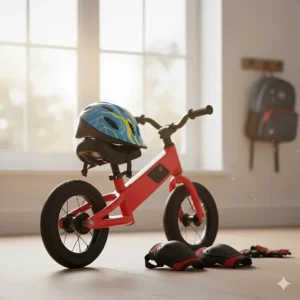
Maintenance Tips for Long-Lasting Electric Bike Kids Adventures
Regular Inspection Checklist
Establish a pre-ride inspection routine checking critical components before each outing. This five-minute process prevents most issues and teaches children responsibility for their equipment. Check tire pressure first – properly inflated tires ensure smooth rolling, good traction, and battery efficiency. Most kids electric bike tires require 20-40 PSI; verify specific requirements on the tire sidewall.
Inspect brakes by squeezing levers (or backpedaling for coaster brakes) and ensuring firm, responsive action. Brake pads on disc systems should show minimal wear. If brake levers pull all the way to the handlebar or braking feels spongy, adjustment or replacement is needed before riding.
Check all nuts and bolts for tightness, especially on handlebars, seat, and wheel axles. Vibration during riding gradually loosens fasteners, potentially creating dangerous situations. A quick visual inspection and test-wiggle of major components identifies problems before they become serious.
Examine the chain (if equipped) for proper tension and lubrication. The chain should have slight slack – about 1/2 inch of vertical play at its midpoint. Too loose risks jumping off the sprocket; too tight causes excessive wear. Apply bicycle-specific chain lubricant every 100 miles or whenever the chain appears dry.
Verify battery connection security. Loose connections cause intermittent power delivery or no power at all. Most electric bikes for kids use tool-free battery connections that should click firmly into place. If the bike shows inconsistent power, reseat the battery first before suspecting larger problems.
Cleaning and Care
Regular cleaning extends your electric bike kids investment substantially. After muddy or wet rides, wipe down the frame, wheels, and motor with a damp cloth. Avoid pressure washers or direct hose spraying at electrical components – water intrusion can damage controllers and connections. If the bike got particularly dirty, use a bucket of soapy water and soft brush for thorough cleaning, then dry completely.
Pay special attention to the chain and drivetrain. Accumulated grit accelerates wear dramatically. Use an old toothbrush to scrub chain links, sprockets, and derailleurs (if equipped). After cleaning, apply fresh lubricant to prevent rust and ensure smooth operation.
Battery care requires minimal effort but significant attention. Store batteries at moderate temperatures (50-77°F ideal) rather than in hot garages or freezing sheds. Extreme temperatures degrade battery chemistry and reduce lifespan. If storing the bike for extended periods (more than a month), charge the battery to approximately 50-60% rather than full. This level minimizes stress on battery cells during storage.
Tire maintenance goes beyond pressure checks. Inspect tread for cuts, embedded objects, or excessive wear. Remove small rocks or glass pieces before they work through to cause flats. Check for sidewall cracks indicating age-related deterioration requiring replacement.
Electrical connections benefit from occasional cleaning. Disconnect the battery and spray electrical contact cleaner on connection points, then reconnect firmly. This removes corrosion and oxidation that increase resistance and reduce performance.
Storage Best Practices
Indoor storage protects your investment from weather damage. Even models claiming water resistance suffer from prolonged moisture exposure. Store bikes in garages, sheds, or basements where temperatures remain moderate and exposure to elements is minimal.
If indoor storage isn’t possible, use a quality waterproof cover designed for bicycles. Ensure the cover extends fully over the bike and secure it to prevent wind displacement. Elevate the bike off damp ground if possible – hang it on wall hooks or rest it on dry pallets.
Battery storage during off-seasons requires special consideration. Remove batteries from the bike and store separately in temperature-controlled spaces. Charge to 50-60% and check monthly, recharging as needed to maintain that level. Allowing batteries to discharge completely during storage permanently damages their capacity.
Position stored bikes to avoid pressure on tires. Hanging bikes by the frame or front wheel prevents flat spots on tires from prolonged weight bearing. If hanging isn’t practical, slightly over-inflate tires by 5-10 PSI during storage, then adjust to proper pressure when riding resumes.
Comparing Electric Bikes for Kids vs. Traditional Bicycles
| Feature | Electric Bikes for Kids | Traditional Bicycles |
|---|---|---|
| Learning Curve | Shorter – motor assists balance | Longer traditional learning period |
| Distance Capability | 5-15+ miles easily | Limited by child’s endurance (1-5 miles typically) |
| Hill Climbing | Effortless with motor assist | Challenging or impossible for young riders |
| Exercise Value | Moderate (still requires input) | Maximum physical exertion |
| Initial Cost | $200-$2,000+ | $100-$500 typically |
| Maintenance | Moderate (battery care, electrical) | Minimal (basic mechanical only) |
| Weight | 15-45 lbs (heavier due to motor/battery) | 10-25 lbs (lighter, easier to transport) |
| Family Ride Compatibility | Excellent – kids keep pace with adults | Challenging – speed gap creates frustration |
| Safety Considerations | Speed control features, but higher speeds possible | Slower speeds, rider-powered only |
The truth is, you don’t have to choose exclusively. Many families own both types, using traditional bikes for neighborhood rides and electric bikes for kids when tackling longer family adventures or challenging terrain. This approach maximizes benefits while teaching children to appreciate human-powered cycling alongside electric-assisted riding.
Troubleshooting Common Issues
Bike Won’t Turn On or Lost Power
Before panicking, check the obvious culprits. Is the battery charged? Many batteries include LED indicators showing charge level. Plug in the charger and verify it’s working (indicator lights should illuminate). If the battery appears charged but the bike won’t power on, check all connection points. Disconnect and reconnect the battery firmly, ensuring a solid click.
Verify the power switch is in the “on” position. This sounds silly, but it’s easy to accidentally switch off or have a child do so unintentionally. Some kids electric bike models include key switches for security – ensure the key is fully inserted and turned.
Check for blown fuses if the bike includes accessible fuse holders. Consult your owner’s manual for fuse location and specifications. Replacing a blown fuse costs pennies and takes minutes but often solves seemingly complex problems.
If power cuts out during riding, motor overheating might trigger automatic shutdown. Most quality electric bikes for kids include thermal protection preventing motor damage. Allow 10-15 minutes for cooling, then try again. Frequent overheating suggests either overloading (rider too heavy) or mechanical resistance (brake rubbing, tight chain, flat tire).
Reduced Range or Performance
Battery degradation is inevitable but premature capacity loss suggests problems. If a bike that previously delivered 10 miles now barely reaches 5, first verify you’re comparing similar conditions. Heavy riders, constant max speed, hilly terrain, and headwinds all reduce range compared to ideal conditions.
Check tire pressure – low tires dramatically increase rolling resistance, forcing the battery to work harder. Properly inflated tires can improve range by 20-30%. Similarly, verify brakes aren’t dragging. Spin each wheel by hand; they should rotate freely for several revolutions.
Battery age factors into performance. After 500-800 charge cycles, lithium-ion batteries retain only 70-80% of original capacity. For bikes used heavily (charged daily), this degradation appears after 1.5-2.5 years. At that point, battery replacement becomes necessary to restore performance.
Electrical resistance from dirty or corroded connections reduces power delivery. Clean battery terminals and bike-side contacts with electrical contact cleaner and a cotton swab. Ensure tight connections eliminating air gaps that cause resistance.
Mechanical Problems
Strange noises during riding usually indicate mechanical issues rather than electrical ones. Clicking or grinding from the drivetrain suggests chain problems – improper tension, dirt buildup, or worn sprockets. Clean and lubricate the chain first; if noise persists, examine sprockets for hooked or damaged teeth requiring replacement.
Squealing brakes indicate either contaminated brake pads/rotors or excessive wear. Clean disc brake rotors with rubbing alcohol. If squealing continues, inspect pad thickness (most have wear indicators). Worn pads need replacement before metal contacts metal and damages rotors.
Wobbly wheels suggest loose spokes or damaged rims. Spin the wheel slowly while watching the rim’s path – it should remain centered between brake pads (if rim brakes) or within a few millimeters side-to-side. Significant wobble requires professional wheel truing. Check spoke tension by squeezing pairs together; they should feel similarly tight throughout the wheel.
Flat tires are inevitable. Keep a spare inner tube, tire levers, and pump with your electric bike kids setup. Learning to change flats yourself saves time and teaches children mechanical skills. YouTube provides excellent tutorials for specific bike models if you’re unsure about the process.
Making the Most of Your Electric Bike for Kids Investment
Growing with the Rider
Smart purchasing considers longevity and adjustability. Look for bikes with substantial seat height ranges and adjustable handlebars accommodating years of growth. The Hiboy DK1’s three speed modes exemplify designs that adapt as skills develop, eliminating the need to purchase new bikes every 1-2 years.
Consider resale value when investing in premium brands. STACYC bikes, despite higher initial costs, maintain strong used markets due to their reputation and durability. Many parents recoup 50-70% of purchase price when selling, effectively reducing ownership cost to $250-300 annually.
Plan for siblings or multiple children. A quality electric bike for kids passed between children delivers exceptional value. Ensure proper maintenance preserving condition for successive riders. Some families treat the first bike as a learning model (cheaper, acceptable if damaged) while investing more heavily in the follow-up bike once children demonstrate commitment.
Encouraging Responsible Ownership
Make your child part of the maintenance process. Even young children can help with pre-ride checks, learning to identify issues before riding. As they age, teach them to perform simple maintenance like tire inflation, chain lubrication, and cleaning. This develops mechanical aptitude while fostering pride of ownership.
Establish earning systems for upgrades or accessories. If your child wants a cargo rack, custom grips, or decorative stickers, have them contribute through chores or allowance savings. This investment encourages careful treatment compared to items simply given.
Set expectations about repairs and damage. Accidents happen, but careless riding resulting in damage should have consequences. Consider requiring children to contribute to repair costs (age-appropriately) so they understand that actions have financial implications.
Track rides using odometer functions or smartphone apps. Set mileage goals offering rewards for achievement – this gamifies the experience while encouraging regular use. Some families have “earned the bike” milestones where children must log specific miles before unlocking higher speed modes or extended privileges.
🚴 Ready to Start Your E-Bike Adventure?
You’ve got all the information – now it’s time to make that choice! Whether you’re eyeing the budget-friendly Hiboy BK1 or the premium STACYC models, remember that the best electric bike for kids is the one your child will actually ride. Click through to check current prices and remember that many of these bikes sell out during holiday seasons, so don’t wait too long! ⚡🎉

Frequently Asked Questions
❓ What age can kids start riding electric bikes?
❓ How fast do kids electric bikes go?
❓ Do electric bikes for kids require assembly?
❓ How long do batteries last on kids electric bike models?
❓ Are electric bikes for kids safe?
Conclusion: Choosing Your Perfect Electric Bike for Kids
The electric bikes for kids landscape offers incredible variety, ensuring there’s a perfect match for every child regardless of age, experience level, or budget. From the budget-friendly Hiboy BK1 at under $200 to premium STACYC models approaching $1,000, the market accommodates diverse needs and financial situations.
Remember that the “best” bike isn’t necessarily the most expensive or most powerful. The ideal kids electric bike matches your child’s current capabilities while offering room to grow. A 4-year-old will have years of enjoyment from a STACYC 12eDRIVE or Hiboy BK1, while a confident 10-year-old might be ready for the Razor MX350’s dirt bike experience. Match the bike to the child, not your aspirations for what they might eventually do.
Safety remains paramount regardless of which electric bike for kids you choose. No bike’s features substitute for proper helmets, appropriate riding environments, and active supervision. The technology exists to make riding accessible and exciting, but parents must still enforce rules and teach responsible operation.
Think beyond the immediate purchase. Consider your child’s likely progression over the next 2-3 years. Models with adjustable seats and multiple power modes deliver extended value, potentially serving multiple children over time. Factor in maintenance requirements and parts availability – established brands typically offer better long-term support than unknown manufacturers.
The kids electric bike market continues evolving with improved battery technology, lighter weight materials, and enhanced safety features appearing constantly. However, current options already deliver exceptional experiences, and waiting for “the next big thing” means missing riding opportunities today.
Start with research, but don’t overthink it. At some point, you need to make a decision based on available information. The bikes profiled in this guide represent proven performers with solid track records and satisfied customers. Pick one that fits your situation, order it, and get your child riding. The memories created exploring your neighborhood together far outweigh any minor specification differences between models.
The electric revolution in children’s cycling creates unprecedented opportunities for families to ride together, for children to develop independence, and for outdoor play to compete with screen time. Whether your child becomes a lifelong cyclist or simply enjoys a few years of electric-assisted adventures, you’re giving them experiences and memories that last far longer than any toy.
Recommended for You
- Electric Bike Wheel: 7 Best Kits That Transform Your Ride
- Electric Bike Light: 7 Powerful Options for Safer Rides 2025
- 26 Inch Electric Bike: 7 Best Picks & Buying Guide 2025
Disclaimer: This article contains affiliate links. If you purchase products through these links, we may earn a small commission at no additional cost to you.
✨ Found this helpful? Share it with your friends! 💬🤗
