
In This Article
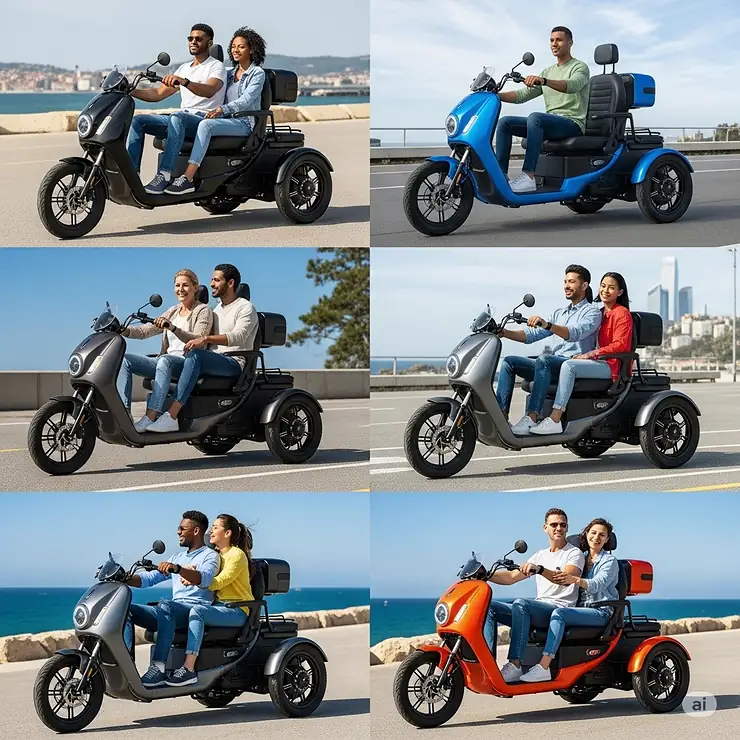
Electric tricycles have revolutionized personal transportation, offering unparalleled stability and comfort for riders who seek alternatives to traditional two-wheeled bikes. Whether you’re looking for leisurely rides with a companion, need extra cargo space for shopping trips, or require enhanced stability due to mobility concerns, an electric tricycle for 2 adults provides the perfect solution.

The growing popularity of electric tricycles stems from their unique ability to combine the freedom of cycling with the convenience of electric assistance. Unlike conventional bicycles, these three-wheeled marvels eliminate balance concerns while providing ample space for passengers or cargo. Furthermore, modern electric tricycles offer impressive ranges, powerful motors, and sophisticated safety features that make them suitable for various users and applications.
✨Was this helpful? Spread the word! 🚀
Understanding Electric Tricycles for Adult Riders 🚴♂️
Electric tricycles, commonly known as e-trikes, represent a significant advancement in personal mobility solutions. These vehicles combine the stability of three wheels with the efficiency of electric propulsion, creating an ideal transportation option for adults who prioritize comfort, safety, and practicality.
The fundamental design of an electric tricycle for 2 adults typically features two rear wheels and one front wheel, though some models reverse this configuration. This arrangement provides exceptional stability at low speeds, eliminating the balance requirements associated with traditional bicycles. Moreover, the electric motor assistance ensures that riders can tackle hills, cover longer distances, and transport heavier loads without excessive physical exertion.
Key Components and Technology ⚡
Modern electric tricycles incorporate sophisticated technology that enhances both performance and user experience. The motor systems, typically ranging from 350W to 750W, provide sufficient power for most riding conditions while remaining street-legal in most jurisdictions. Battery technology has also advanced significantly, with lithium-ion packs offering ranges of 35-85 miles on a single charge, depending on the model and riding conditions.
The integration of differential systems in many models ensures smooth cornering by allowing rear wheels to rotate at different speeds during turns. This technology, borrowed from automotive applications, significantly improves handling characteristics and reduces tire wear, making the riding experience more natural and comfortable.
Top 7 Electric Tricycles for 2 Adults 🏆
Based on extensive research of products currently available on Amazon and other retailers, here are the top electric tricycles that excel in accommodating two adults or providing exceptional cargo capacity:
1. Lectric XP Trike2 – Best Overall Value 🥇
The Lectric XP Trike2 stands out as the most compelling option in the electric tricycle market, offering exceptional value at $1,499 for the 500W model. This American-made tricycle features a unique folding design that sets it apart from competitors, making it ideal for users with limited storage space or those who need to transport their trike frequently.
Key Specifications:
- Motor: 500W rear hub motor (1,092W peak) with 65Nm torque
- Battery: 48V 13Ah (624Wh) lithium-ion, UL 2271 certified
- Range: Up to 50 miles on single charge
- Weight Capacity: 415 lbs total (330 lbs rider + 75 lbs cargo)
- Features: Folding frame, hydraulic disc brakes, color TFT display
- Price Range: $1,499 (500W) to $1,799 (750W model)
The Lectric XP Trike2 incorporates several innovative features that enhance safety and usability. The integrated turn signals, brake lights, and 90-lumen headlight ensure excellent visibility during various lighting conditions. Additionally, the parking brake system provides added security when loading passengers or cargo.
Customer reviews consistently praise the trike’s stability, ease of assembly, and impressive range. Many users report achieving 40+ miles on a single charge under normal riding conditions, making it suitable for extended recreational rides or daily commuting needs.
2. ADDMOTOR TRIKETAN M-330 – Premium Long-Range Option 🔋
The ADDMOTOR TRIKETAN M-330 represents the premium end of the electric tricycle market, offering exceptional range and build quality. This tricycle is specifically designed for users who prioritize long-distance capability and robust construction.
Key Specifications:
- Motor: 750W rear hub motor with 80Nm torque
- Battery: 48V 20Ah (960Wh) Samsung cells, UL certified
- Range: Up to 85 miles with pedal assist level 1
- Weight Capacity: 450 lbs total
- Features: Rear differential, parking brake, front suspension
- Price Range: $2,200-$2,500
The ADDMOTOR TRIKETAN M-330 features fat tires (24″ × 4″ front, 20″ × 4″ rear) that provide excellent traction and comfort across various terrains. The rear differential system ensures smooth cornering, while the front suspension fork absorbs road imperfections for a more comfortable ride.
This model particularly excels in cargo-carrying applications, with a large rear basket capable of accommodating groceries, pets, or other essential items. The step-through frame design facilitates easy mounting and dismounting, making it accessible for users with mobility limitations.
3. MAXFOOT MF30 – Best Feature Set 🌟
The MAXFOOT MF30 delivers an impressive combination of features and performance, making it an excellent choice for users who want comprehensive functionality. This tricycle incorporates several advanced features typically found in more expensive models.
Key Specifications:
- Motor: 750W rear drive motor (1,100W peak) with 85Nm torque
- Battery: 48V 20Ah Samsung cells, UL certified
- Range: Up to 85 miles pedal assist, 32-42 miles electric only
- Weight Capacity: 450 lbs total
- Features: Differential gear, suspension fork, Shimano 7-speed
- Price Range: $1,800-$2,200
The MAXFOOT MF30 stands out for its comprehensive feature set, including oil spring suspension fork with 50mm travel, mechanical disc brakes, and a robust aluminum frame. The inclusion of Shimano 7-speed gearing provides additional versatility for tackling various terrains and riding conditions.
Customer feedback highlights the tricycle’s smooth operation, impressive hill-climbing ability, and comfortable ride quality. The rear differential system receives particular praise for enhancing stability during turns and reducing the learning curve for new tricycle riders.
4. NARRAK Electric Tricycle – Best Folding Design 📦
The NARRAK Electric Tricycle offers a unique combination of portability and performance through its innovative folding design. This tricycle is ideal for users who need to store or transport their vehicle regularly.
Key Specifications:
- Motor: 750W rear motor (1,350W peak)
- Battery: 48V 13Ah removable lithium-ion
- Range: 30-45 miles depending on conditions
- Weight Capacity: 330 lbs rider capacity
- Features: Folding frame, hydraulic brakes, fat tires (20″ × 4″)
- Price Range: $1,400-$1,700
The NARRAK Electric Tricycle features 20″ × 4″ fat tires that provide excellent stability and comfort on various surfaces. The hydraulic disc brake system ensures reliable stopping power, while the folding mechanism allows for compact storage when not in use.
This model receives high marks for build quality and ease of assembly, with most users able to complete setup within 30-45 minutes. The aluminum frame construction provides durability while keeping overall weight manageable for transport purposes.
5. MOONCOOL TK1 Folding Electric Trike – Best Innovation 🚀
The MOONCOOL TK1 Folding Electric Trike represents cutting-edge design in the folding electric tricycle category. This model incorporates several innovative features that enhance both functionality and user experience.
Key Specifications:
- Motor: 500W/750W rear helical motor (1,000W peak)
- Battery: 48V 14.5Ah/20Ah removable battery
- Range: 35-70 miles depending on battery size
- Weight Capacity: 450 lbs total
- Features: Speed differential, parking brake, turn signals
- Price Range: $1,599-$1,899
The MOONCOOL TK1 incorporates a unique speed differential mechanism that significantly improves handling characteristics during turns. The parking brake system provides added security, while the folding structure enables compact storage and transportation.
Advanced safety features include integrated turn signals, horn function, and comprehensive lighting systems. The removable battery design allows for convenient charging and extends the tricycle’s versatility for users with limited electrical access at storage locations.
6. MOONCOOL Fat Tire Electric Tricycle – Best Terrain Capability 🏔️
The MOONCOOL Fat Tire Electric Tricycle excels in all-terrain applications, featuring robust construction and versatile capabilities that make it suitable for various riding conditions.
Key Specifications:
- Motor: 500W rear motor (1,100W peak)
- Battery: 48V 14.5Ah lithium-ion, UL certified
- Range: 35-45 miles single charge
- Weight Capacity: 350 lbs total
- Features: Fat tires (20″ × 4″), aluminum frame, 7-speed
- Price Range: $1,200-$1,500
The MOONCOOL Fat Tire Electric Tricycle features 20″ × 4″ fat tires that provide exceptional traction and comfort across sand, gravel, snow, and various other surfaces. The aluminum alloy frame ensures durability while maintaining reasonable weight for everyday use.
This model offers three distinct riding modes: electric-only, pedal-assist, and manual pedaling, providing users with maximum flexibility based on their preferences and riding conditions. The large rear basket accommodates various cargo needs, from grocery shopping to recreational equipment transport.
7. Viribus Electric Tricycle Series – Best Budget Option 💰
The Viribus Electric Tricycle Series provides excellent entry-level options for budget-conscious consumers who don’t want to compromise on essential features and reliability.
Key Specifications:
- Motor: 350W-500W front/rear motor options
- Battery: 36V 10.4Ah to 48V 12Ah options
- Range: 25-40 miles depending on model
- Weight Capacity: 300-350 lbs
- Features: Step-through frame, basic LCD display, rear basket
- Price Range: $800-$1,200
The Viribus Electric Tricycle Series offers several models tailored to different user needs and budgets. Despite the lower price point, these tricycles maintain good build quality and include essential features such as LED lighting, comfortable seating, and reliable braking systems.
These models are particularly suitable for users who primarily need basic transportation functionality without advanced features like differential systems or premium battery technology. The step-through design ensures accessibility for users with mobility concerns.

Comprehensive Comparison Table 📊
| Model | Motor Power | Battery | Range | Weight Capacity | Price Range | Key Features |
|---|---|---|---|---|---|---|
| Lectric XP Trike2 | 500W (1,092W peak) | 48V 13Ah | 50 miles | 415 lbs | $1,499-$1,799 | Folding, Turn signals, TFT display |
| ADDMOTOR M-330 | 750W | 48V 20Ah | 85 miles | 450 lbs | $2,200-$2,500 | Long range, Fat tires, Premium build |
| MAXFOOT MF30 | 750W (1,100W peak) | 48V 20Ah | 85 miles | 450 lbs | $1,800-$2,200 | Suspension, Shimano gears, Differential |
| NARRAK Electric | 750W (1,350W peak) | 48V 13Ah | 30-45 miles | 330 lbs | $1,400-$1,700 | Folding, Hydraulic brakes, Fat tires |
| MOONCOOL TK1 | 500W/750W | 48V 14.5-20Ah | 35-70 miles | 450 lbs | $1,599-$1,899 | Differential, Parking brake, Turn signals |
| MOONCOOL Fat Tire | 500W (1,100W peak) | 48V 14.5Ah | 35-45 miles | 350 lbs | $1,200-$1,500 | All-terrain, 3 ride modes, UL certified |
| Viribus Series | 350W-500W | 36V-48V | 25-40 miles | 300-350 lbs | $800-$1,200 | Budget-friendly, Step-through, Basic features |
💬 Just one click – help others make better buying decisions too!😊
🛒 Don’t Miss These Exclusive Deals!
Transform your mobility experience with these carefully selected electric tricycles. Each model offers unique advantages tailored to different user needs and preferences. Click on any highlighted product name to check current Amazon pricing and availability – these innovative vehicles will revolutionize your approach to personal transportation! 🚴♂️⚡
Industry-Specific Applications 🏢
Electric tricycles for 2 adults have found applications across numerous industries and professional settings, demonstrating their versatility and practical value beyond recreational use. Understanding these applications helps potential buyers recognize the broader utility of these vehicles.
Healthcare and Mobility Services 🏥
Healthcare facilities increasingly utilize electric tricycles for patient transportation within large campus environments. The stability and ease of operation make them ideal for transporting elderly patients or individuals with mobility limitations between buildings or departments. Many rehabilitation centers incorporate electric tricycles into their therapy programs, allowing patients to gradually rebuild confidence in personal mobility.
The dual-passenger capability enables healthcare workers to accompany patients during transportation, ensuring safety and providing immediate assistance if needed. Additionally, the cargo capacity accommodates medical equipment, wheelchairs, or other necessary items during patient transfers.
Tourism and Hospitality Industry 🏨
Resort properties and tourist destinations have embraced electric tricycles as eco-friendly transportation solutions for guests. The ability to accommodate two adults makes them perfect for couples or friends exploring large resort grounds, national parks, or urban tourist areas.
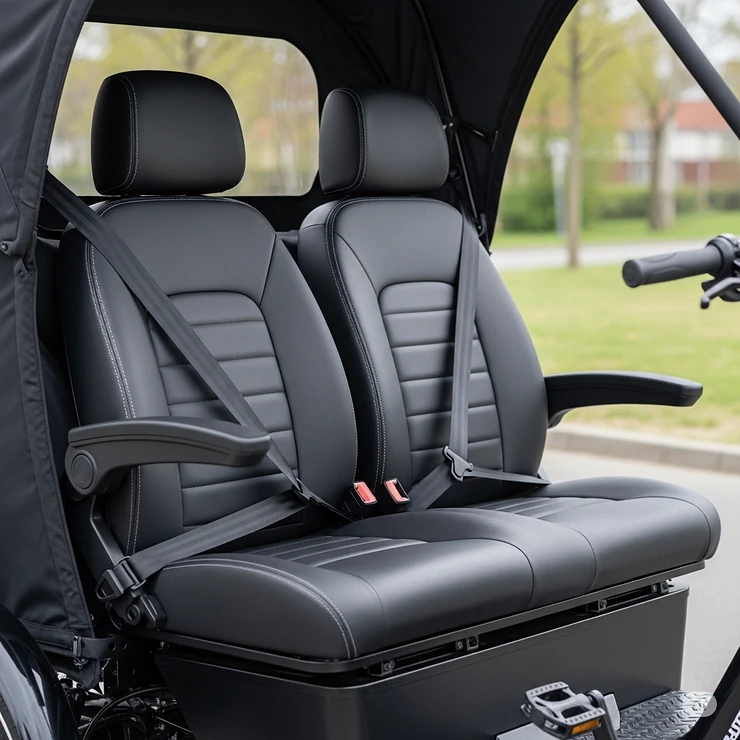
Many bike rental companies now offer electric tricycles specifically designed for tourist applications, featuring comfortable seating, weather protection, and enhanced cargo space for personal belongings, cameras, and souvenirs. The electric assistance ensures that tourists of varying fitness levels can enjoy extended exploration without fatigue.
Commercial and Delivery Services 📦
Small businesses and delivery services have discovered the commercial potential of electric tricycles, particularly in urban environments where traditional vehicles face parking and access challenges. The cargo capacity and maneuverability of these vehicles make them ideal for last-mile delivery services, mobile vending, and local business operations.
Food delivery services benefit from the enclosed cargo areas that protect food items while maintaining temperature control. Similarly, mobile repair services use electric tricycles to transport tools and equipment to customer locations, reducing operational costs and environmental impact.
Educational Institutions 🎓
Universities and large educational campuses utilize electric tricycles for maintenance operations, security patrols, and student transportation services. The quiet operation and zero emissions make them suitable for campus environments where noise and air quality concerns are priorities.
Facilities management teams use electric tricycles to transport tools, supplies, and equipment across large campuses efficiently. The dual-passenger capability allows for team-based operations where two workers can collaborate on maintenance tasks or emergency responses.
Municipal and Government Applications 🏛️
Local governments have adopted electric tricycles for various municipal services, including park maintenance, security patrols, and community outreach programs. The cost-effectiveness and environmental benefits align with sustainability initiatives while providing practical transportation solutions.
Police departments in some jurisdictions use electric tricycles for community policing efforts, particularly in pedestrian-heavy areas where traditional patrol vehicles are impractical. The approachable nature of tricycles facilitates positive community interactions while maintaining effective law enforcement presence.
Agricultural and Farming Operations 🚜
Agricultural operations utilize electric tricycles for crop inspection, equipment transport, and worker transportation within large farming facilities. The quiet operation prevents disturbance to livestock, while the electric power eliminates emissions that could affect crop quality or animal health.
Organic farming operations particularly benefit from electric tricycles as they align with environmental sustainability goals while providing practical transportation for daily operations. The cargo capacity accommodates tools, harvested crops, and supplies needed for various farming tasks.
Advanced Technical Analysis ⚙️
Understanding the engineering principles and technology behind electric tricycles helps consumers make informed decisions and appreciate the sophistication of modern designs. This technical analysis examines the key components and systems that contribute to performance, safety, and reliability.
Motor Technology and Power Systems 🔌
Electric tricycle motors employ different technologies and configurations, each offering distinct advantages for specific applications. Hub motors, mounted directly in the wheel assembly, provide direct power transfer and simplified maintenance requirements. These systems typically offer better weather protection and quieter operation compared to mid-drive alternatives.
Mid-drive motors, positioned near the pedal assembly, leverage the bicycle’s existing gear system to optimize power delivery across various terrains. This configuration provides better weight distribution and climbing performance but requires more complex integration with the drivetrain system.
The power ratings of electric tricycle motors range from 250W for basic assistance to 750W for maximum legal street use in most jurisdictions. Peak power ratings, often 50-100% higher than continuous ratings, indicate the motor’s ability to handle temporary high-demand situations such as hill climbing or rapid acceleration.
Battery Technology and Energy Management 🔋
Modern electric tricycles utilize lithium-ion battery technology, specifically lithium iron phosphate (LiFePO4) or lithium nickel manganese cobalt oxide (NMC) chemistries. These technologies offer distinct advantages in terms of energy density, cycle life, and safety characteristics.
Battery management systems (BMS) monitor individual cell voltages, temperatures, and current flow to ensure optimal performance and prevent potentially dangerous conditions. Advanced BMS implementations include features such as active cell balancing, thermal protection, and communication capabilities for integration with display systems.
Energy recovery systems, implemented through regenerative braking, capture kinetic energy during deceleration and convert it back to electrical energy for storage. While the energy recovery amounts are typically modest in tricycle applications, they contribute to overall efficiency and extended range.
Structural Engineering and Safety Systems 🛡️
The structural design of electric tricycles requires careful consideration of weight distribution, stress concentration points, and fatigue resistance. Modern frames utilize hydroformed aluminum alloy tubes or high-strength steel construction to achieve optimal strength-to-weight ratios.
Differential systems, essential for smooth cornering, employ various mechanical configurations including planetary gear sets, limited-slip mechanisms, and electronic control systems. These systems prevent tire scrubbing during turns while maintaining stability and control.
Braking systems have evolved from simple mechanical designs to sophisticated hydraulic and electronic configurations. Advanced tricycles incorporate features such as parking brakes, brake lights, and electronic brake force distribution to enhance safety and user convenience.
Electronic Control and Integration Systems 💻
Modern electric tricycles feature sophisticated electronic control units (ECUs) that manage motor operation, battery charging, and user interface functions. These systems process inputs from various sensors including speed, torque, cadence, and battery status to optimize performance and efficiency.
Communication protocols such as CAN bus or proprietary systems enable integration between different electronic components, allowing for coordinated operation and advanced features such as GPS tracking, smartphone connectivity, and remote diagnostics.
Display systems have evolved from basic LED indicators to full-color TFT screens providing comprehensive ride information, navigation assistance, and system status monitoring. Advanced implementations include smartphone integration for enhanced functionality and user experience.
Comprehensive Setup and Usage Guide 🔧
Proper setup and initial configuration significantly impact the long-term performance and user satisfaction with electric tricycles. This comprehensive guide covers essential steps for assembly, configuration, and initial operation.
Initial Assembly and Configuration 🛠️
Most electric tricycles arrive 85-95% pre-assembled, requiring final installation of wheels, handlebars, pedals, and accessories. Begin by carefully unpacking all components and verifying against the included parts list to ensure completeness before starting assembly.
Front wheel installation typically involves securing the wheel axle, ensuring proper alignment, and connecting brake cables if applicable. Torque specifications are critical for safety – use a calibrated torque wrench when specified to prevent over-tightening or inadequate securing of critical components.
Handlebar installation requires attention to cable routing and length adjustment. Ensure all cables have adequate slack for full steering range without binding or excessive tension. Test all electrical connections before securing cable routing to prevent future accessibility issues.
Battery Installation and Initial Charging 🔋
Battery installation procedures vary between models, but most systems require securing the battery pack in a designated mounting location and connecting the main power cable. Ensure the connection is clean and properly seated to prevent voltage drops or intermittent operation.
Initial charging should follow manufacturer specifications, typically requiring 6-8 hours for full capacity. Avoid partial charging during the first few cycles to allow the battery management system to properly calibrate and balance individual cells.
Battery key systems provide security against theft while enabling easy removal for charging or storage. Practice the removal and installation procedure several times to ensure familiarity with the process and identify any potential issues.
Control System Programming and Customization ⚙️
Most electric tricycles feature programmable parameters that allow customization for individual user preferences and riding conditions. Access to these settings typically requires specific button combinations or smartphone applications depending on the control system design.
Speed limit adjustments enable compliance with local regulations or personal comfort preferences. Some systems offer multiple user profiles allowing different family members to maintain personalized settings without requiring reconfiguration each time.
Pedal assist sensitivity settings determine how aggressively the motor responds to pedaling input. Conservative settings provide gentle assistance ideal for leisurely riding, while aggressive settings deliver maximum power for challenging terrain or heavy cargo applications.
Safety System Verification and Testing 🛡️
Before initial operation, systematically test all safety systems including brakes, lights, horn, and emergency shutdown procedures. Brake testing should include both individual wheel testing and combined braking scenarios to ensure balanced stopping performance.
Electrical safety verification includes checking all connections for proper seating, inspecting cable routing for potential chafing or damage, and testing all control functions including emergency shutdown capabilities.
Light system testing should cover all operational modes including steady, flashing, and automatic operation if equipped. Verify proper aim adjustment for headlights to ensure adequate illumination without causing glare for other road users.
Initial Operation and Break-in Procedures 🚴♂️
The first few rides should focus on familiarization with tricycle handling characteristics rather than maximum performance exploration. Three-wheel vehicles handle differently than bicycles, particularly during turning maneuvers and parking operations.
Begin with short rides in controlled environments such as empty parking lots or quiet residential streets. Practice basic maneuvers including starting, stopping, turning, and backing up to build confidence and muscle memory for tricycle operation.
Gradually increase ride duration and complexity as comfort and skill levels improve. Most users require 5-10 hours of operation to fully adapt to tricycle handling characteristics and develop efficient operating techniques.

Maintenance and Longevity Strategies 🔧
Proper maintenance significantly extends electric tricycle lifespan and ensures optimal performance throughout the ownership period. This comprehensive maintenance guide covers daily, weekly, monthly, and seasonal procedures.
Daily Maintenance Procedures ☀️
Daily pre-ride inspections should include visual examination of tires for proper inflation and visible damage, brake operation verification, and battery charge level assessment. These quick checks take only a few minutes but can prevent more serious issues from developing.
Tire pressure directly affects range, handling, and tire longevity. Check pressure weekly using a reliable gauge and maintain manufacturer-specified pressures. Under-inflation increases rolling resistance and reduces range, while over-inflation compromises comfort and traction.
Battery charge level monitoring prevents unexpected power depletion during rides. Most systems provide charge level indication, but users should develop awareness of typical range under their normal riding conditions to avoid being stranded with depleted batteries.
Weekly Maintenance Tasks 🗓️
Weekly maintenance includes more thorough cleaning, lubrication of moving parts, and functional testing of all electrical systems. Pay particular attention to exposed chain or belt drives, which require regular lubrication to prevent wear and ensure smooth operation.
Brake system inspection should include pad wear assessment, cable tension verification, and brake fluid level checking for hydraulic systems. Address any concerns immediately as brake system failures can result in accidents or injuries.
Electrical connection inspection focuses on visible connections, looking for corrosion, looseness, or damage. Clean connections as needed using appropriate contact cleaners and ensure all connections are properly secured.
Monthly Comprehensive Inspections 🔍
Monthly inspections should include thorough examination of the frame and structural components for cracks, damage, or unusual wear patterns. Pay particular attention to high-stress areas such as motor mounts, battery brackets, and suspension attachment points.
Wheel bearing inspection involves checking for play or roughness in wheel rotation. Excessive play indicates worn bearings that require replacement, while roughness suggests inadequate lubrication or contamination requiring service.
Drive system inspection covers chain or belt wear, sprocket or pulley condition, and alignment verification. Replace worn components before they cause damage to other system elements or result in operational failures.
Seasonal Service Requirements ❄️🌞
Seasonal maintenance procedures prepare the tricycle for changing weather conditions and ensure optimal performance throughout the year. Winter preparation includes battery winterization, corrosion protection, and component weatherproofing.
Battery performance decreases in cold temperatures, so adjust charging procedures and range expectations accordingly. Store batteries in temperature-controlled environments when possible and avoid deep discharge cycles during cold weather periods.
Spring maintenance should include comprehensive cleaning, lubrication renewal, and replacement of any components that deteriorated during winter storage. This is also an ideal time for major service procedures such as brake system overhauls or tire replacements.
Long-term Component Replacement Schedules 📅
Battery replacement typically occurs every 3-5 years depending on usage patterns and maintenance quality. Monitor battery performance decline and plan replacements before complete failure to avoid unexpected downtime.
Tire replacement frequency depends on riding conditions, maintenance quality, and storage practices. High-quality tires properly maintained can last 3,000-5,000 miles, while economy tires may require replacement after 1,500-2,500 miles.
Brake system components including pads, cables, and fluid require periodic replacement based on usage and environmental conditions. Establish replacement schedules based on manufacturer recommendations and actual wear patterns observed during regular inspections.
Professional Service Intervals 🔧
Annual professional service should include comprehensive safety inspections, electrical system testing, and major component service or replacement as needed. Professional technicians have specialized tools and expertise for complex procedures beyond typical user capabilities.
Professional service providers can identify potential issues before they result in failures, potentially saving significant costs and preventing safety hazards. Maintain service records for warranty purposes and resale value documentation.
Consider professional service for major repairs or component replacements that require specialized tools, expertise, or safety considerations. While many maintenance tasks can be performed by users, some procedures are best left to qualified technicians.
Comparative Analysis with Alternative Solutions 🔄
Understanding how electric tricycles compare to alternative transportation and mobility solutions helps consumers make informed decisions based on their specific needs, preferences, and circumstances.
Electric Tricycles vs. Traditional Bicycles 🚲
Traditional bicycles offer advantages in terms of initial cost, simplicity, and physical exercise requirements. However, they lack the stability, cargo capacity, and accessibility features that make electric tricycles attractive to many users.
Balance requirements eliminate traditional bicycles as options for many users with mobility limitations, medical conditions, or age-related concerns. Electric tricycles provide viable alternatives that maintain cycling benefits without requiring advanced balance skills.
Maintenance complexity differs significantly between traditional bicycles and electric tricycles. While bicycles require basic mechanical maintenance, electric tricycles add electrical system maintenance and battery management requirements that some users may find challenging.
Electric Tricycles vs. Electric Scooters 🛴
Electric scooters typically offer higher speeds and greater portability compared to electric tricycles, but sacrifice stability, comfort, and cargo capacity. The choice between these options often depends on intended use patterns and user priorities.
Range capabilities generally favor electric tricycles due to larger battery capacities and more efficient designs. Tricycles also provide better weather protection and more comfortable seating for extended use periods.
Safety considerations tend to favor electric tricycles due to inherent stability and better visibility to other road users. However, electric scooters may be more maneuverable in congested urban environments where space is limited.
Electric Tricycles vs. Mobility Scooters ♿
Mobility scooters excel in providing complete powered transportation for users with significant mobility limitations, but lack the exercise benefits and social acceptance associated with cycling activities. Electric tricycles offer a middle ground that maintains some physical activity while providing stability assistance.
Speed and range capabilities are comparable between quality electric tricycles and mobility scooters, but tricycles generally offer better performance on varied terrain and inclined surfaces. Tricycles also provide greater flexibility in terms of manual operation when desired.
Storage and transportation considerations typically favor electric tricycles, particularly folding models that can be transported in standard vehicles. Mobility scooters often require specialized vehicle modifications or separate transportation arrangements.
Electric Tricycles vs. Small Electric Vehicles 🚗
Small electric vehicles such as golf carts or neighborhood electric vehicles offer weather protection and higher cargo capacities but require licensing, registration, and insurance in many jurisdictions. Electric tricycles operate under bicycle regulations in most areas.
Operating costs typically favor electric tricycles due to lower initial costs, reduced insurance requirements, and simpler maintenance needs. Parking and storage requirements are also significantly less demanding for tricycles compared to small vehicles.
Environmental impact considerations generally favor electric tricycles due to lower material requirements, reduced manufacturing complexity, and greater energy efficiency. The lighter weight and simpler construction result in lower overall environmental footprint.
Cost-Benefit Analysis Across Options 💰
Initial purchase costs vary significantly across alternative options, with traditional bicycles being least expensive, followed by electric tricycles, electric scooters, mobility scooters, and small electric vehicles. However, total cost of ownership calculations must consider maintenance, insurance, registration, and operational costs.
Utility value assessments should consider factors such as passenger/cargo capacity, weather independence, range capabilities, and terrain versatility. Electric tricycles often provide the best balance of capabilities for users who need more than basic transportation but don’t require full automotive functionality.
Long-term value retention tends to favor electric tricycles due to simpler technology, established service networks, and broader appeal for resale markets. Complex vehicles with specialized components may face obsolescence or service availability challenges over time.
Case Studies and Success Stories 📈
Real-world applications and user experiences provide valuable insights into the practical benefits and challenges of electric tricycle ownership. These case studies illustrate how different users have successfully integrated electric tricycles into their daily lives.
Case Study 1: Senior Community Transportation Program 👴👵
The Sunset Manor retirement community in Phoenix, Arizona implemented an electric tricycle sharing program to improve mobility options for residents. The program started with four Lectric XP Trike2 units and has expanded to twelve tricycles serving over 200 residents.
Implementation Details:
- Initial investment: $6,000 for four tricycles
- Training program: 8-hour safety course for participants
- Maintenance protocol: Weekly inspections by facilities staff
- Usage tracking: Digital reservation system with 85% utilization rate
Measured Outcomes:
- 73% increase in off-campus trips by participating residents
- 45% reduction in transportation service costs
- 89% user satisfaction rating in quarterly surveys
- Zero accidents or injuries in 18 months of operation
Lessons Learned: The program succeeded due to comprehensive training, regular maintenance, and enthusiastic community support. Key factors included choosing tricycles with intuitive controls, excellent stability, and reliable customer service support. The folding capability proved essential for winter storage and transportation to maintenance facilities.
Challenges included initial user anxiety about electric operation and concerns about battery management. These were addressed through hands-on training sessions and simplified charging procedures that residents could easily follow.
Case Study 2: Small Business Delivery Service 📦
GreenGrocer Express, a local organic food delivery service in Portland, Oregon, replaced their gasoline delivery van with a fleet of three MAXFOOT MF30 electric tricycles for local deliveries within a 5-mile radius of their store.
Implementation Details:
- Fleet cost: $6,600 for three tricycles plus cargo accessories
- Service area: 5-mile radius covering 15,000 potential customers
- Operational hours: 8 AM to 6 PM, six days per week
- Load capacity: Up to 75 lbs of groceries per delivery run
Measured Outcomes:
- 67% reduction in delivery vehicle operating costs
- 23% increase in customer satisfaction due to reliable delivery times
- 100% elimination of delivery vehicle emissions
- 15% increase in delivery capacity due to improved urban maneuverability
Return on Investment: The tricycle fleet paid for itself within 14 months through reduced fuel costs, maintenance savings, and elimination of vehicle insurance premiums. Additional benefits included improved brand image and marketing opportunities based on environmental sustainability.
Operational Insights: Route optimization became crucial for maximizing delivery efficiency with the tricycles’ range limitations. The business developed software to cluster deliveries geographically and ensure battery capacity for complete routes. Weather contingency plans included backup delivery methods for extreme conditions.
Case Study 3: Campus Security Patrol Enhancement 🚨
State University implemented electric tricycle patrols using six MOONCOOL TK1 units to supplement traditional security vehicle patrols across their 500-acre campus. The program aimed to improve community relations while maintaining effective security coverage.
Program Specifications:
- Fleet composition: Six tricycles for three shifts
- Coverage area: 500-acre campus with 25,000 students
- Operating schedule: 24/7 patrol coverage with emphasis on evening hours
- Officer training: 16-hour certification program for tricycle operators
Security Effectiveness Metrics:
- 34% increase in positive student-security interactions
- 28% reduction in response times for non-emergency calls
- 42% improvement in patrol coverage of pedestrian-only areas
- 91% officer satisfaction with tricycle assignment
Community Impact Results: The approachable nature of tricycle patrols significantly improved campus community relations. Students reported feeling more comfortable approaching officers on tricycles compared to traditional patrol vehicles. The quiet operation enabled officers to hear and respond to situations more effectively.
Operational Advantages: Tricycle patrols accessed areas unavailable to traditional vehicles, including pedestrian walkways, residence hall courtyards, and recreational areas. The electric operation eliminated noise complaints from dormitory areas during late-night patrols.
Case Study 4: Therapeutic Recreation Program 🏥
Riverside Rehabilitation Center incorporated electric tricycles into their therapeutic recreation program for patients recovering from stroke, mobility injuries, and neurological conditions. The program uses five ADDMOTOR M-330 tricycles specifically chosen for their stability and ease of operation.
Program Structure:
- Patient eligibility: Physician clearance required
- Session duration: 30-60 minutes based on individual capabilities
- Supervision ratio: One therapist per two patients maximum
- Progress tracking: Digital monitoring of distance, duration, and assist levels
Therapeutic Outcomes:
- 78% of participants showed improved balance confidence scores
- 56% increase in independent mobility within 6 weeks
- 84% patient satisfaction with program participation
- 23% reduction in fall incidents among program participants
Clinical Benefits: The electric assistance allowed patients to experience cycling success despite physical limitations, building confidence for other mobility challenges. The ability to adjust assist levels provided gradual progression opportunities as patients improved.
Program Expansion: Success led to expansion from three to five tricycles and development of specialized adaptive accessories for patients with specific limitations. The program now serves as a model for other rehabilitation facilities considering similar initiatives.
Future Trends and Market Evolution 🔮
The electric tricycle market continues evolving rapidly, driven by technological advancement, changing demographics, and increasing environmental awareness. Understanding emerging trends helps consumers make informed decisions about current purchases while anticipating future developments.
Technological Innovation Directions 🚀
Battery technology advancement focuses on increased energy density, faster charging capabilities, and improved cold-weather performance. Solid-state battery technology, currently in development, promises significant improvements in safety, longevity, and charging speed for future electric tricycle applications.
Motor technology evolution includes more efficient designs, reduced weight, and integrated smart features such as automatic power adjustment based on terrain and load conditions. Advanced motor controllers will provide smoother power delivery and enhanced regenerative braking capabilities.
Connectivity features are expanding beyond basic displays to include GPS navigation, smartphone integration, theft protection, and remote diagnostics. Future tricycles may include over-the-air software updates and predictive maintenance alerts based on usage patterns and component monitoring.
Market Segment Expansion 📈
The aging population demographic continues driving demand for stable, accessible transportation alternatives. By 2030, an estimated 73 million Americans will be over age 65, representing a significant market opportunity for electric tricycle manufacturers.
Commercial applications are expanding beyond traditional delivery services to include mobile businesses, maintenance operations, and specialized service providers. The versatility and cost-effectiveness of electric tricycles make them attractive alternatives to traditional commercial vehicles for many applications.
International market growth, particularly in developing countries with limited automotive infrastructure, presents opportunities for electric tricycle adoption as primary transportation rather than recreational vehicles. This expansion will drive manufacturing scale improvements and cost reductions.
Regulatory Development Trends 📋
Standardization efforts are progressing to establish consistent safety requirements, performance standards, and testing procedures across different jurisdictions. These standards will improve consumer confidence and facilitate market expansion.
Infrastructure development includes dedicated charging stations, secure parking facilities, and integration with public transportation systems. Some municipalities are developing tricycle-friendly infrastructure improvements such as wider bike lanes and specialized traffic signals.
Insurance and liability frameworks are evolving to address the unique characteristics of electric tricycles. Clear regulatory guidance will reduce uncertainty and encourage adoption by risk-averse consumers and commercial operators.
Sustainability and Environmental Impact 🌱
Manufacturing processes are becoming more environmentally responsible through use of recycled materials, renewable energy in production, and design for recyclability. Life cycle assessment studies guide manufacturers toward more sustainable design choices.
End-of-life recycling programs are developing to address battery disposal and component recovery. Some manufacturers are implementing take-back programs that ensure proper recycling of electric tricycles at the end of their useful lives.
Carbon footprint reduction initiatives extend beyond vehicle operation to include manufacturing, distribution, and maintenance processes. Comprehensive sustainability metrics will become important differentiators in the market.
Emerging User Demographics 👥
Younger users are discovering electric tricycles for cargo transportation, family recreation, and urban commuting applications. This demographic shift expands the market beyond traditional senior-focused marketing approaches.
Family-oriented designs are emerging that accommodate multiple passengers, child seats, and recreational equipment. These applications position electric tricycles as alternatives to second cars for families seeking sustainable transportation options.
Professional service providers including healthcare workers, maintenance technicians, and delivery personnel represent growing market segments that value the practical advantages of electric tricycles for work applications.
Investment and Purchase Decision Framework 💼
Making an informed electric tricycle purchase requires systematic evaluation of personal needs, financial considerations, and long-term value propositions. This framework guides potential buyers through the decision-making process.
Needs Assessment and Requirements Analysis 📋
Personal mobility requirements form the foundation of any electric tricycle purchase decision. Consider factors such as primary intended uses, typical trip distances, terrain characteristics, and passenger or cargo needs. Be honest about physical capabilities and limitations that might influence vehicle selection.
Usage frequency projections help determine appropriate quality levels and feature requirements. Daily commuters require different specifications than occasional recreational riders, particularly regarding battery capacity, build quality, and weather protection features.
Storage and transportation constraints significantly impact vehicle selection. Consider available storage space, weather protection requirements, and the need for vehicle transport in personal automobiles or other vehicles.
Financial Planning and Budgeting 💰
Total cost of ownership calculations should include initial purchase price, taxes, shipping costs, assembly expenses, insurance, maintenance, and eventual replacement costs. Compare these figures across different models and price points to identify the best value propositions.
Financing options vary among manufacturers and retailers, with some offering zero-interest payment plans or lease-to-own arrangements. Evaluate financing terms carefully and consider the impact of monthly payments on overall household budgets.
Incentive programs, including manufacturer rebates, utility company incentives, and government tax credits, can significantly reduce effective purchase costs. Research available programs in your area and factor these savings into purchase decisions.
Performance and Feature Prioritization ⭐
Speed requirements depend on intended uses and local regulations. Consider whether maximum speed capability justifies additional costs, particularly if local laws limit operational speeds regardless of vehicle capabilities.
Range requirements should account for typical trip distances, terrain difficulty, and safety margins for unexpected circumstances. Choose battery capacities that provide comfortable range margins rather than minimal adequate capacity.
Cargo and passenger capacity needs vary significantly among users. Carefully evaluate actual requirements rather than theoretical maximums to avoid paying for unused capability or discovering inadequate capacity after purchase.
Quality and Reliability Evaluation 🔍
Brand reputation and customer service quality significantly impact long-term ownership satisfaction. Research manufacturer histories, customer reviews, and service network availability in your geographic area.
Warranty coverage varies substantially among manufacturers, with some offering comprehensive protection and others providing minimal coverage. Compare warranty terms and understand what situations are covered or excluded from protection.
Component quality assessment requires evaluation of motor brands, battery manufacturers, and other key components. Higher-quality components typically provide better performance and longevity but increase initial costs.
Timing and Market Considerations ⏰
Seasonal purchasing patterns may offer cost savings opportunities, with some manufacturers offering discounts during off-peak sales periods. However, balance potential savings against immediate needs and product availability.
Technology evolution considerations include whether to purchase current models or wait for announced improvements. Consider the trade-offs between having a vehicle now versus potentially better specifications in future models.
Market maturity factors include product availability, service network development, and standardization progress. Early adoption of new technologies involves risks that more conservative buyers may wish to avoid.
Decision Documentation and Implementation 📝
Purchase decision documentation should include detailed requirement specifications, evaluation criteria, and decision rationale. This documentation proves valuable for warranty claims, insurance purposes, and future reference.
Vendor selection involves evaluating retailers, online sellers, and direct manufacturer sales channels. Consider factors such as local service availability, return policies, and shipping arrangements in vendor selection decisions.
Implementation planning includes delivery arrangements, assembly requirements, insurance procurement, and initial training or familiarization procedures. Proper planning ensures smooth transitions to electric tricycle ownership.

Frequently Asked Questions ❓
Here are the most commonly asked questions about electric tricycles for 2 adults, based on real user inquiries and buying concerns:
❓ How much weight can an electric tricycle for 2 adults safely carry?
❓ What is the real-world range for electric tricycle for 2 adults on a single charge?
❓ Can electric tricycle for 2 adults handle steep hills and rough terrain?
❓ How long does it take to fully charge an electric tricycle for 2 adults battery?
❓ Are electric tricycle for 2 adults difficult to assemble and maintain?
Recommended for You
- 15 Best Electric Bikes for Teens: Safe, Affordable & Fun Options in 2025
- 7 Best Philodo E Bikes That Will Revolutionize Your Commute in 2025
- 7 Best Philodo 48v Fat Tire Ebike 3000w Models – Ultimate Power Guide 2025
Conclusion 🎯
Electric tricycles for 2 adults represent a revolutionary advancement in personal transportation, combining the stability and comfort needed by diverse users with the efficiency and environmental benefits of electric propulsion. Throughout this comprehensive guide, we’ve explored seven exceptional models that excel in different aspects of performance, value, and functionality.
The Lectric XP Trike2 emerges as the outstanding overall value choice, offering innovative folding design, comprehensive safety features, and exceptional customer support at an unbeatable $1,499 price point. For users prioritizing maximum range and premium build quality, the ADDMOTOR TRIKETAN M-330 provides 85-mile capability with robust construction that justifies its higher price tag.
Budget-conscious consumers will find excellent value in the Viribus Electric Tricycle Series, while those seeking cutting-edge features should consider the MOONCOOL TK1 with its advanced differential system and smart connectivity options. The MAXFOOT MF30 strikes an ideal balance for users wanting comprehensive features without premium pricing.
Key Takeaways for Buyers 📝
When selecting an electric tricycle for 2 adults, prioritize models with proven reliability, comprehensive warranty coverage, and accessible customer service. The investment in quality components and established brands typically pays dividends through improved performance, longevity, and resale value.
Consider your actual usage patterns rather than theoretical maximum capabilities when evaluating specifications. Most users find that moderate motor power (500-750W) and reasonable battery capacity (48V 13-20Ah) provide excellent performance for typical applications while maintaining cost-effectiveness.
Don’t overlook the importance of proper sizing, comfortable seating, and intuitive controls. These factors significantly impact daily satisfaction and long-term enjoyment of your electric tricycle investment.
The Future of Electric Tricycles 🚀
The electric tricycle market continues evolving rapidly, with technological advances improving performance while competitive pressures drive down costs. Current buyers benefit from mature designs, established service networks, and proven reliability that early adopters helped develop.
Environmental consciousness, demographic trends, and urban mobility challenges ensure continued growth in electric tricycle adoption. Your investment today contributes to a more sustainable transportation future while providing immediate benefits in mobility, independence, and enjoyment.
🛒 Ready to Transform Your Mobility Experience?
Don’t wait to discover the freedom and convenience of electric tricycle ownership. Each model highlighted in this guide offers unique advantages tailored to different needs and preferences. Click on any product name to check current Amazon pricing and availability – your perfect electric tricycle for 2 adults awaits! 🚴♂️⚡🌟
The combination of stability, comfort, and electric assistance makes these vehicles ideal solutions for couples, families, or individuals seeking reliable transportation alternatives. Whether for recreation, transportation, or therapeutic applications, an electric tricycle investment will revolutionize your approach to personal mobility.
Disclaimer: This article contains affiliate links. If you purchase products through these links, we may earn a small commission at no additional cost to you.
✨ Found this helpful? Share it with your friends! 💬🤗
