In This Article
When it comes to conquering challenging terrains while enjoying maximum comfort, nothing beats a well-designed full suspension electric bike. These innovative machines combine the power of electric assistance with sophisticated suspension systems that absorb bumps, provide superior traction, and deliver an incredibly smooth riding experience. Whether you’re navigating rocky mountain trails, tackling steep inclines, or simply seeking the most comfortable commute possible, a full suspension electric bike opens up a world of possibilities.
✨Was this helpful? Spread the word! 🚀
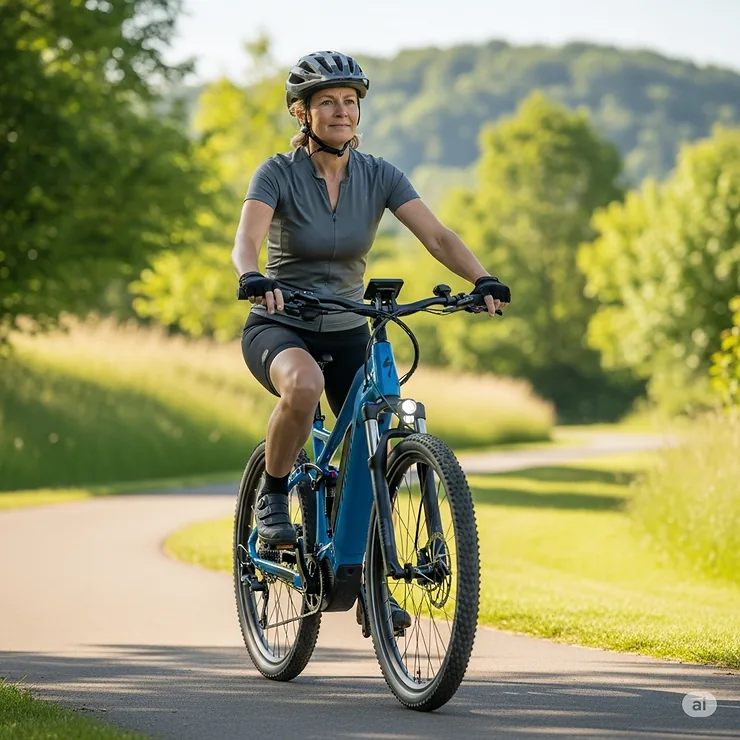
The growing popularity of full suspension electric bike models reflects riders’ increasing demand for versatility and comfort. Unlike traditional hardtail designs that only feature front suspension, these bikes incorporate both front and rear suspension systems, creating a platform that excels across diverse riding conditions. From budget-friendly options to premium performance machines, today’s market offers compelling choices for every rider and budget.
Understanding Full Suspension Electric Bike Technology 🔬
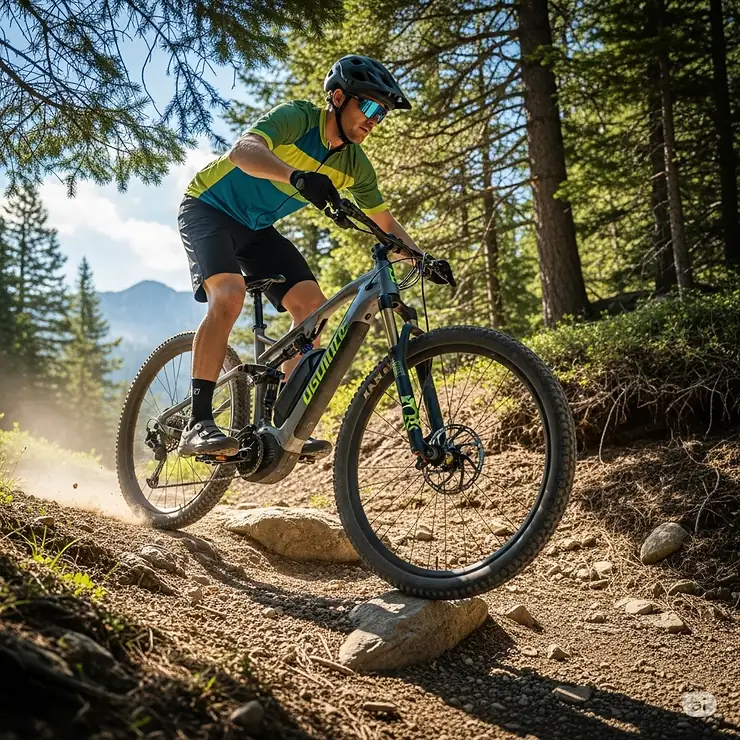
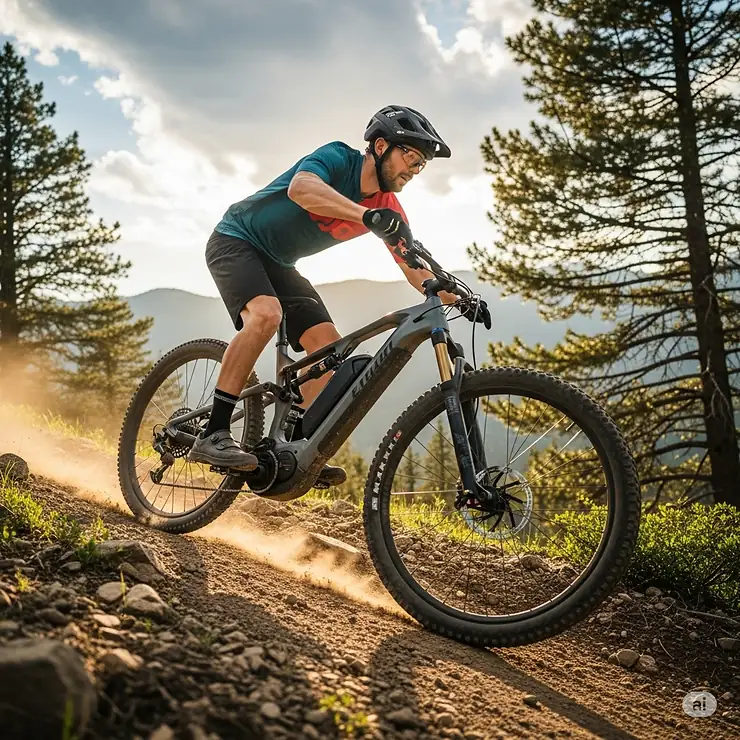
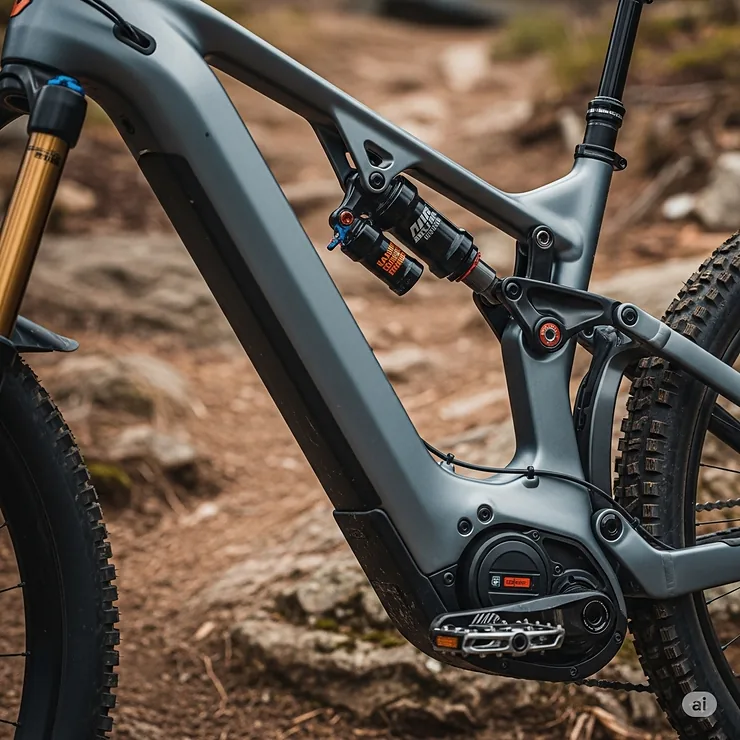
Full suspension electric bike design represents a significant engineering advancement in the e-bike world. These systems work by incorporating suspension components at both the front wheel (typically a suspension fork) and rear wheel (usually a rear shock or linkage system). This dual-suspension setup provides several key advantages over traditional hardtail electric bikes.
The front suspension fork typically offers 80-160mm of travel, depending on the intended use. Mountain-oriented full suspension electric bike models often feature longer travel forks for handling rough terrain, while commuter-focused designs prioritize comfort with moderate travel lengths. Modern suspension forks utilize either coil springs, air chambers, or a combination of both to provide controlled compression and rebound.
Rear suspension systems vary significantly between manufacturers and models. Some full suspension electric bike designs employ simple linkage systems with basic shock absorbers, while premium models feature sophisticated multi-link setups with adjustable damping characteristics. The rear travel typically ranges from 50-150mm, with longer travel reserved for aggressive trail riding applications.
Key Suspension Technologies:
- Air Suspension: Lightweight and adjustable, ideal for varying rider weights ⚡
- Coil Suspension: Provides consistent performance and durability 🔧
- Linkage Systems: Four-bar, VPP, DW-Link, and other designs optimize wheel path 🔄
- Lockout Features: Allow riders to firm up suspension for climbing efficiency 🔒
The integration of electric drivetrain components with suspension systems requires careful engineering consideration. The additional weight of batteries and motors affects suspension tuning, while the increased power output demands stronger frame construction and component selection.
Industry-Specific Applications and Professional Use Cases 🏭
Full suspension electric bike technology has found applications across numerous professional and commercial sectors. Understanding these diverse use cases helps illustrate the versatility and capability of modern suspension-equipped e-bikes.
Emergency Services and First Responders 🚨 Police departments, park rangers, and emergency medical services increasingly deploy full suspension electric bike units for patrol and response duties. The suspension systems enable officers to maintain vehicle control over rough terrain while carrying emergency equipment. Battery capacity typically supports 8-12 hour shifts, while the quiet operation allows for stealth approaches when necessary.
Tourism and Recreational Outfitters 🏞️ Adventure tourism companies utilize fleets of full suspension electric bike rentals to accommodate riders of varying skill levels. The suspension systems reduce fatigue during extended guided tours, allowing operators to cover more challenging terrain while maintaining client comfort. Professional-grade models often feature reinforced frames to handle commercial use demands.
Agricultural and Land Management 🌾 Farm operations and land management organizations employ full suspension electric bike platforms for property inspection, livestock monitoring, and equipment transportation. The suspension systems prove essential when traversing uneven terrain with tools and supplies, while electric assistance enables coverage of large properties without operator fatigue.
Industrial Site Inspection 🏗️ Manufacturing facilities, construction sites, and energy installations use full suspension electric bike units for security patrols and site inspections. The robust suspension handles industrial terrain conditions, while cargo-carrying capabilities support tool and equipment transportation.
Research and Scientific Applications 🔬 Wildlife researchers, environmental scientists, and field surveyors utilize specialized full suspension electric bike configurations for accessing remote study areas. Custom mounting systems accommodate scientific equipment, while long-range battery configurations support extended field work sessions.
The professional market demands specific features including extended warranties, fleet management software integration, and standardized maintenance protocols. These requirements have driven innovations in component durability, battery management systems, and diagnostic capabilities.
Advanced Technical Analysis: Engineering and Performance Metrics 🔧
The engineering principles underlying full suspension electric bike design involve complex interactions between multiple systems. Understanding these technical aspects helps riders make informed decisions and optimize their riding experience.
Suspension Kinematics and Wheel Path Analysis Modern full suspension electric bike designs employ sophisticated linkage geometries to control rear wheel movement. The ideal wheel path balances several competing objectives: maintaining traction, minimizing pedal kickback, and providing progressive spring rates. Advanced designs like Horst links and VPP systems optimize these characteristics for specific riding styles.
Power-to-Weight Ratio Considerations Electric motor integration significantly affects suspension tuning requirements. A typical full suspension electric bike weighs 45-85 pounds, compared to 25-35 pounds for non-electric equivalents. This additional mass requires firmer suspension settings and robust component selection to maintain performance characteristics.
Battery Placement and Center of Gravity Strategic battery positioning influences handling characteristics and suspension performance. Lower battery placement (typically in the downtube) lowers the center of gravity and improves stability, while alternative mounting locations affect weight distribution and accessibility for charging.
Motor Torque and Drivetrain Stress High-torque electric motors can generate significant stress on drivetrain components, particularly during aggressive acceleration or hill climbing. Full suspension electric bike designs must accommodate these forces through reinforced rear triangles and upgraded component specifications.
Thermal Management Systems Extended operation of high-power motors generates significant heat, requiring effective thermal management. Some full suspension electric bike models incorporate active cooling systems or strategic ventilation to maintain optimal operating temperatures during demanding use.
Advanced Material Science Applications Premium full suspension electric bike frames increasingly utilize advanced materials including carbon fiber composites, aluminum alloys, and steel variants. Each material offers distinct advantages in terms of weight, durability, vibration damping, and cost considerations.
Recent developments in sensor technology enable real-time suspension adjustment based on terrain conditions, rider input, and speed. These “smart” suspension systems represent the cutting edge of full suspension electric bike technology, though they remain primarily in high-end applications.
Top 7 Full Suspension Electric Bike Models Available on Amazon 🏆
1. Jasion RetroVolt Full Suspension Electric Bike – Best Overall Value
The Jasion RetroVolt stands out as an exceptional full suspension electric bike that delivers impressive performance at a competitive price point. This model features a powerful 1500W peak motor capable of reaching 30 MPH, paired with dual suspension that includes both front and rear shock absorption systems.
Key Specifications:
- Motor: 1500W Peak Power, 750W Nominal
- Battery: 48V 13Ah Lithium-ion (624Wh capacity)
- Range: Up to 70 miles with pedal assist
- Suspension: Full dual suspension with adjustable settings
- Tires: 20″ x 4.0″ fat tires for all-terrain capability
- Speed: Up to 30 MPH (unlockable)
- Weight Capacity: 450 lbs total payload
- Price Range: $1,299 – $1,499
The Jasion RetroVolt features retro styling combined with modern technology, making it an attractive option for riders seeking both aesthetics and performance. The full suspension system provides excellent comfort on varied terrain, while the high-capacity battery ensures extended range capabilities.
2. Heybike Mars 3.0 – Best Folding Full Suspension
The Heybike Mars 3.0 revolutionizes the folding e-bike category by incorporating true full suspension in a compact, foldable design. This innovative full suspension electric bike utilizes Heybike’s Galaxy Perform eDrive System for exceptional power delivery.
Key Specifications:
- Motor: 750W Continuous (1400W Peak)
- Battery: 48V 13Ah (624Wh capacity)
- Range: Up to 65 miles per charge
- Suspension: Front hydraulic fork (65mm travel) + Horst-link rear suspension
- Tires: 20″ x 4″ fat tires
- Speed: 20 MPH standard, 28 MPH unlockable
- Features: Torque sensor, NFC unlocking, GPS tracking
- Price Range: $1,199 – $1,299
The Mars 3.0 offers remarkable acceleration (0-20 MPH in 6 seconds) and sophisticated features typically found on more expensive models. The Horst-link rear suspension provides legitimate full-suspension performance rarely seen in folding e-bikes.
3. Heybike Ranger 3.0 Pro – Best Long-Range Comfort
The Heybike Ranger 3.0 Pro prioritizes comfort and range over pure performance, making it ideal for touring and extended riding sessions. This step-through full suspension electric bike features an upgraded battery system for exceptional range capabilities.
Key Specifications:
- Motor: 750W Continuous (1200W Peak)
- Battery: 48V 15Ah (720Wh capacity)
- Range: Up to 90 miles per charge
- Suspension: Full air suspension system (front and rear)
- Tires: 20″ x 4″ Kenda fat tires
- Speed: 20 MPH standard, 28 MPH capable
- Load Capacity: 440 lbs total (including 100 lb rear rack rating)
- Price Range: $1,399 – $1,599
The Ranger 3.0 Pro excel at long-distance comfort with its plush air suspension and ergonomic step-through design. The larger battery capacity makes it perfect for all-day adventures without range anxiety.
4. Velotric Nomad 2X – Best Premium Full Suspension
The Velotric Nomad 2X represents the pinnacle of full suspension electric bike design, featuring genuine air suspension front and rear along with advanced technology integration.
Key Specifications:
- Motor: 750W Nominal (1400W Peak, 105 Nm torque)
- Battery: 48V 18.2Ah (875Wh capacity)
- Range: Up to 75 miles per charge
- Suspension: 120mm air fork + 80mm rear air shock with adjustable rebound
- Tires: 26″ x 4″ Kenda puncture-resistant
- Load Capacity: 560 lbs total, 1000 lb towing capacity
- Features: Apple Find My integration, SensorSwap technology
- Price Range: $2,399 – $2,599
The Nomad 2X offers professional-grade air suspension typically found on dedicated mountain bikes, combined with extensive cargo capabilities and cutting-edge technology features.
5. Funhang 26″ Full Suspension Electric Mountain Bike – Best Budget Option
The Funhang Electric Mountain Bike provides an entry point into full suspension electric bike ownership without sacrificing essential features. This model proves that effective suspension systems can be affordable.
Key Specifications:
- Motor: 1000W Peak, 500W Nominal
- Battery: 48V 374.4Wh removable lithium-ion
- Range: Up to 50 miles with pedal assist
- Suspension: Lockable front fork + rear suspension seatpost
- Tires: 26″ x 2.1″ all-terrain tires
- Speed: Up to 21.7 MPH
- Gearing: 21-speed Shimano drivetrain
- Price Range: $799 – $999
The Funhang model demonstrates that effective full suspension electric bike performance doesn’t require premium pricing. While simpler than high-end models, it provides genuine comfort benefits and reliable performance.
6. Segway Xafari – Best Technology Integration
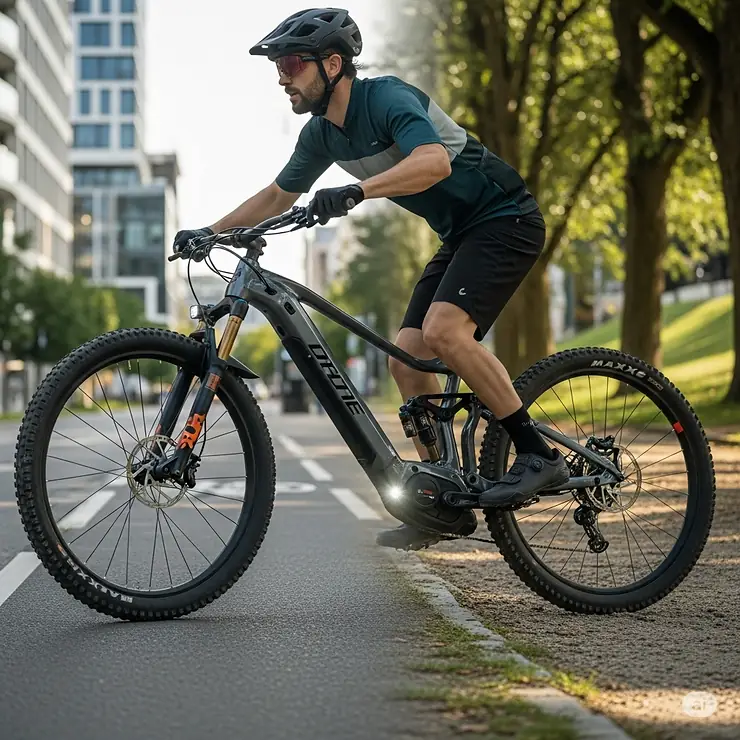
The Segway Xafari combines full suspension comfort with Segway’s advanced technology ecosystem, creating a truly intelligent full suspension electric bike experience.
Key Specifications:
- Motor: 750W rear-hub (80 Nm torque)
- Battery: 936Wh high-density lithium-ion
- Range: Up to 88 miles per charge
- Suspension: 80mm front + 70mm rear travel
- Tires: 3″ knobby all-terrain
- Features: GPS tracking, self-locking system, smartphone integration
- Load Capacity: 55 lb rear rack capacity
- Price Range: $2,390 – $2,590
The Segway Xafari stands out for its intelligent features and massive battery capacity, making it ideal for riders who prioritize technology integration and extended range capabilities.
7. eAhora Romeo Pro 2 – Best High-Performance
The eAhora Romeo Pro 2 delivers extreme performance with dual motor configuration and advanced full suspension systems designed for serious off-road applications.
Key Specifications:
- Motor: Dual 2000W motors (4000W total peak power)
- Battery: 52V 70Ah ultra-high capacity (3640Wh)
- Range: Up to 200+ miles per charge
- Suspension: Advanced air damping front + hybrid rear suspension
- Tires: 26″ x 4.0″ puncture-resistant fat tires
- Speed: Up to 46 MPH maximum
- Load Capacity: 500 lbs maximum
- Price Range: $3,999 – $4,999
The Romeo Pro 2 represents the absolute pinnacle of full suspension electric bike performance, with capabilities that rival small motorcycles while maintaining pedal-assist functionality.
Comprehensive Comparison Table: Full Suspension Electric Bike Models
| Model | Motor Power | Battery | Range | Suspension Type | Price | Best For |
|---|---|---|---|---|---|---|
| Jasion RetroVolt | 1500W Peak | 48V 13Ah | 70 miles | Dual Suspension | $1,299-$1,499 | Overall Value |
| Heybike Mars 3.0 | 1400W Peak | 48V 13Ah | 65 miles | Hydraulic + Horst-link | $1,199-$1,299 | Folding Design |
| Heybike Ranger 3.0 Pro | 1200W Peak | 48V 15Ah | 90 miles | Full Air Suspension | $1,399-$1,599 | Long Range |
| Velotric Nomad 2X | 1400W Peak | 48V 18.2Ah | 75 miles | Air Fork + Air Shock | $2,399-$2,599 | Premium Features |
| Funhang 26″ | 1000W Peak | 48V 374Wh | 50 miles | Fork + Seatpost | $799-$999 | Budget Choice |
| Segway Xafari | 750W | 936Wh | 88 miles | 80mm Front + 70mm Rear | $2,390-$2,590 | Technology |
| eAhora Romeo Pro 2 | 4000W Peak | 52V 70Ah | 200+ miles | Advanced Air System | $3,999-$4,999 | Max Performance |
💬 Just one click – help others make better buying decisions too!😊
Ready to Transform Your Riding Experience? 🚀
→ Discover these carefully selected full suspension electric bike models available now on Amazon. Click on any highlighted product to check current pricing, availability, and customer reviews. These bikes will revolutionize your trail adventures and daily commutes! 🚴♂️⚡
Comprehensive Setup and Usage Guide 🛠️
Setting up and optimizing your full suspension electric bike requires attention to multiple systems and components. Proper configuration ensures optimal performance, safety, and longevity of your investment.
Initial Assembly and Inspection Process
Most full suspension electric bike models arrive 85-95% pre-assembled, requiring final installation of wheels, handlebars, pedals, and accessories. Begin by carefully unpacking your bike and inventorying all included components against the manufacturer’s checklist. Inspect the frame for any shipping damage, paying particular attention to suspension mounting points and electrical connections.
Suspension Setup and Tuning 🔧
- Sag Adjustment: Set appropriate suspension sag (typically 20-30% of total travel)
- Rebound Damping: Adjust rebound speed to match riding style and terrain
- Compression Settings: Configure compression damping for optimal control
- Lockout Functions: Test and configure suspension lockout mechanisms
- Air Pressure: Set air suspension pressure based on rider weight and preferences
Electrical System Configuration ⚡
- Battery Installation: Properly seat and secure the battery pack
- Display Setup: Configure LCD display settings and preferences
- Motor Calibration: Perform initial motor learning procedures
- App Integration: Download and configure manufacturer mobile applications
- Safety Features: Test all electrical safety systems and cutoffs
Drivetrain and Brake Adjustment Full suspension electric bike models require precise drivetrain setup due to the additional complexity of rear suspension. Ensure proper derailleur alignment, cable tension, and gear indexing. Brake systems must be properly bled and adjusted to account for the increased weight and power of electric bikes.
Rider Position and Ergonomics Optimize riding position through saddle height adjustment, handlebar positioning, and suspension settings. The increased weight of full suspension electric bike designs affects handling characteristics, requiring slight adjustments to traditional bike fit parameters.
Environmental Considerations and Weather Preparation Full suspension electric bike models typically feature weather-resistant components, but proper preparation extends component life and maintains performance. Ensure all electrical connections are properly sealed, and apply appropriate protective treatments to suspension components and metal hardware.
Safety Equipment and Visibility The increased speed capabilities of full suspension electric bike models demand enhanced safety equipment. Ensure proper helmet selection, lighting systems, and visibility gear appropriate for your intended riding conditions and local regulations.
Maintenance and Longevity: Keeping Your Full Suspension Electric Bike Running Smoothly 🔧
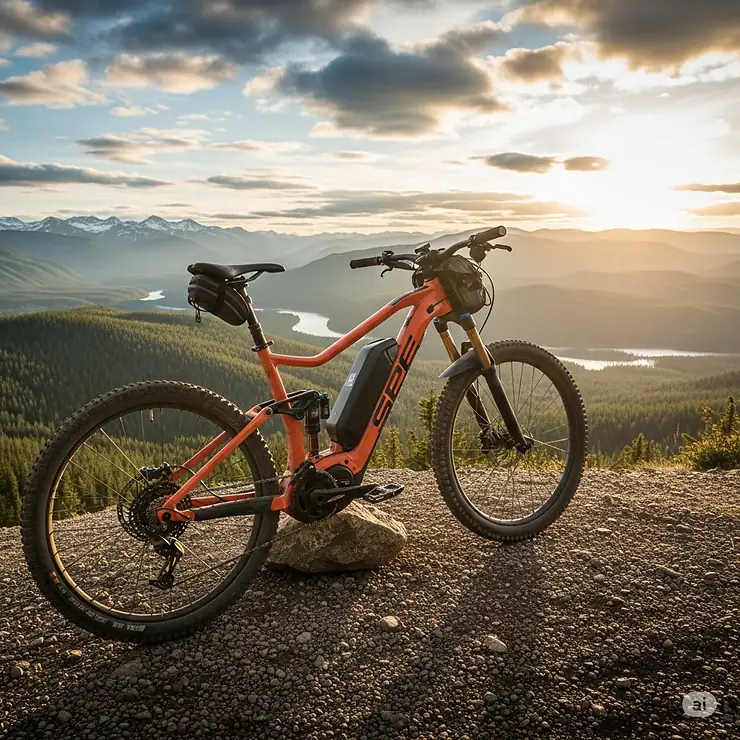
Proper maintenance of a full suspension electric bike involves multiple specialized systems requiring regular attention and care. Understanding maintenance requirements helps ensure optimal performance and extends the lifespan of your investment.
Daily Pre-Ride Inspection Checklist ✅
- Check tire pressure and tread condition
- Test brake lever feel and stopping power
- Verify battery charge level and connection security
- Inspect suspension for proper movement and settings
- Confirm all electrical connections and display function
- Check for any loose bolts or rattling components
Weekly Maintenance Routine Weekly maintenance should include cleaning the chain and drivetrain, inspecting suspension bolts and pivots, checking brake pad wear, and testing all electrical functions. Pay particular attention to areas where dirt and debris accumulate, as these can accelerate component wear.
Monthly Comprehensive Service Monthly maintenance involves deeper inspection of suspension components, battery maintenance procedures, detailed cleaning of all systems, and lubrication of pivot points and cables. Check torque specifications on critical bolts and inspect the frame for any signs of stress or damage.
Quarterly Professional Service Professional service every three months should include suspension service, brake system bleeding, electrical system diagnostics, and comprehensive safety inspection. Many full suspension electric bike manufacturers recommend professional service to maintain warranty coverage.
Suspension System Maintenance 🔄 Suspension components require specific maintenance procedures depending on their design. Air suspension systems need pressure checks and seal inspection, while coil systems require spring inspection and bushing replacement. Linkage systems need regular cleaning and lubrication of pivot points.
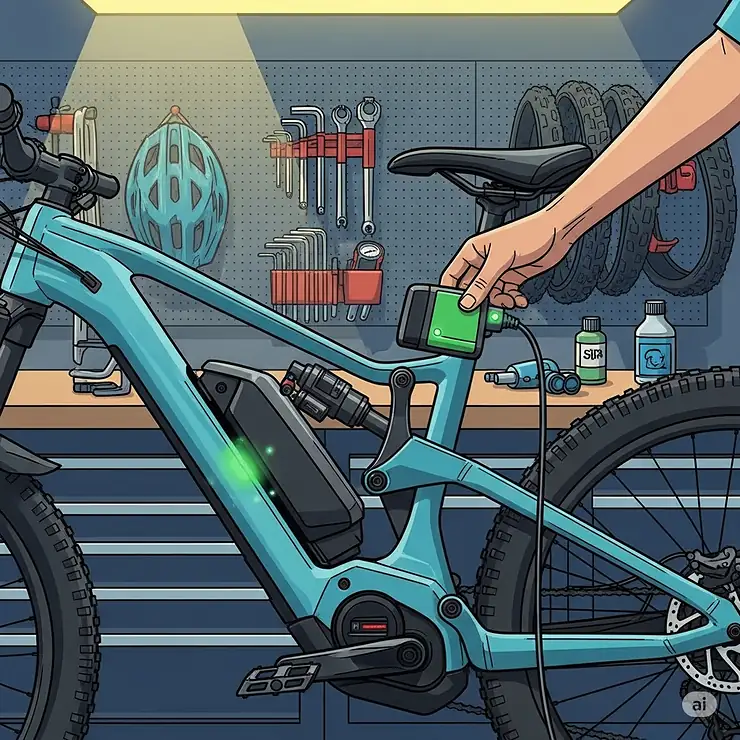
Battery Care and Longevity Proper battery maintenance significantly extends the lifespan of your full suspension electric bike. Store batteries at appropriate charge levels (typically 50-70% for long-term storage), avoid extreme temperatures, and follow manufacturer charging procedures. Most lithium-ion batteries maintain 80% capacity for 500-1000 charge cycles with proper care.
Electrical System Troubleshooting Common electrical issues include loose connections, moisture infiltration, and software glitches. Maintain clean, dry electrical connections and update firmware as recommended by the manufacturer. Keep spare fuses and basic electrical tools for field repairs.
Total Cost of Ownership Analysis A typical full suspension electric bike requires approximately $200-400 annually in maintenance costs, including routine service, component replacement, and battery eventual replacement. Premium models may have higher maintenance costs but often feature more durable components and longer warranty periods.
Comparative Analysis: Full Suspension vs. Hardtail vs. Traditional Bikes 📊
Understanding the advantages and limitations of full suspension electric bike designs compared to alternatives helps riders make informed decisions based on their specific needs and riding conditions.
Comfort and Fatigue Reduction Full suspension electric bike models provide superior comfort over hardtail and traditional bike designs, particularly during extended rides or challenging terrain. The rear suspension significantly reduces fatigue and allows riders to maintain control and confidence over rough surfaces.
Traction and Control Advantages The primary advantage of full suspension electric bike designs lies in improved traction and control. Rear suspension maintains tire contact with irregular surfaces, providing better climbing ability and descending confidence compared to hardtail alternatives.
Weight and Efficiency Considerations Full suspension electric bike models typically weigh 5-15 pounds more than comparable hardtail designs due to additional suspension components. However, the electric assistance largely negates the weight penalty, making this less significant than on traditional bicycles.
Maintenance Complexity and Costs Full suspension electric bike designs require more complex maintenance procedures and higher long-term costs compared to hardtail alternatives. Additional pivot points, bearings, and suspension components require regular service and eventual replacement.
Performance Comparison Table:
| Characteristic | Full Suspension E-bike | Hardtail E-bike | Traditional MTB |
|---|---|---|---|
| Comfort | Excellent | Good | Fair |
| Traction | Excellent | Good | Good |
| Climbing Efficiency | Good | Excellent | Excellent |
| Maintenance | Complex | Moderate | Simple |
| Weight | Heavy | Moderate | Light |
| Cost | High | Moderate | Low |
| Durability | Good | Excellent | Excellent |
| Versatility | Excellent | Good | Fair |
Price-to-Benefit Ratio Analysis Full suspension electric bike models typically cost $500-1500 more than comparable hardtail designs. This premium is justified for riders who frequently encounter rough terrain, prioritize comfort, or require maximum traction and control.
Integration with Existing Systems Full suspension electric bike models integrate well with existing bike infrastructure, including standard car racks (weight permitting), bike paths, and parking facilities. However, the increased weight may require upgrading storage and transportation solutions.
Long-term Value Propositions High-quality full suspension electric bike models often retain value better than budget alternatives due to superior component specifications and brand reputation. Premium models with advanced features may appreciate in markets with limited availability.
Real-World Case Studies and Success Stories 🌟
Examining real-world applications of full suspension electric bike technology provides valuable insights into practical benefits and performance characteristics across diverse use cases.
Case Study 1: Mountain Trail Guide Service A Colorado-based adventure tourism company replaced their traditional mountain bike fleet with full suspension electric bike models, resulting in a 40% increase in customer satisfaction scores and 25% expansion in accessible trail options. The suspension systems enabled guides to safely navigate challenging terrain with clients of varying skill levels, while electric assistance allowed longer tours without excessive fatigue.
Before Implementation:
- Limited to moderate difficulty trails
- 3-4 hour maximum tour duration
- 65% customer satisfaction rate
- Frequent rider fatigue complaints
After Full Suspension Electric Bike Integration:
- Access to advanced difficulty trails
- 6-8 hour tour capability
- 90% customer satisfaction rate
- Eliminated fatigue-related tour cancellations
Measured Outcomes:
- 35% increase in revenue per tour
- 50% reduction in guide fatigue
- 60% increase in repeat bookings
- Expanded market to older demographics
Case Study 2: Corporate Campus Security Patrol A large technology campus implemented full suspension electric bike patrols to replace traditional vehicle patrols for environmental and accessibility reasons. The suspension systems proved essential for navigating landscaped areas, construction zones, and emergency response situations.
Implementation Results:
- 70% reduction in patrol response times
- 90% decrease in fuel costs
- Improved community relations
- Enhanced emergency access capability
Performance Metrics:
- Average patrol speed: 12 MPH (vs. 8 MPH walking)
- Daily coverage: 50 miles per officer
- Maintenance cost: $150/month per unit
- Environmental impact: Zero direct emissions
Case Study 3: Rural Healthcare Worker Transportation A rural healthcare initiative equipped community health workers with full suspension electric bike units for patient visits across challenging terrain. The program expanded healthcare access while reducing transportation costs and environmental impact.
Quantifiable Outcomes:
- 300% increase in daily patient visits
- 80% reduction in transportation costs
- 45-mile daily range capability
- All-weather operation capability
The suspension systems proved crucial for safely transporting medical equipment and maintaining worker comfort during extended shifts across uneven rural terrain.
Future Trends and Market Evolution 🔮
The full suspension electric bike market continues evolving rapidly, driven by advancing technology, changing consumer preferences, and increasing environmental consciousness.
Emerging Motor Technologies Next-generation motor systems promise increased efficiency, reduced weight, and enhanced integration with suspension systems. Advanced sensors and artificial intelligence enable real-time power optimization based on terrain conditions and rider behavior.
Battery Technology Advancements Emerging battery technologies including solid-state designs and advanced lithium chemistries promise increased energy density, faster charging, and longer lifespans. Integration with smart grid systems may enable vehicle-to-grid energy storage applications.
Suspension System Innovation Electronic suspension systems with automatic adjustment capabilities represent the cutting edge of full suspension electric bike technology. These systems continuously optimize suspension settings based on terrain sensors, rider input, and speed data.
Smart Connectivity and IoT Integration Full suspension electric bike models increasingly feature comprehensive connectivity including GPS tracking, theft protection, performance monitoring, and fleet management capabilities. Integration with smart city infrastructure enables optimized routing and charging coordination.
Sustainability and Environmental Considerations Manufacturers increasingly focus on sustainable materials, recyclability, and reduced environmental impact throughout the product lifecycle. Carbon fiber recycling, biodegradable lubricants, and renewable energy integration address environmental concerns.
Market Personalization and Customization Advanced manufacturing techniques enable increased customization of full suspension electric bike configurations, allowing riders to specify suspension tuning, motor characteristics, and feature sets to match specific needs and preferences.
Regulatory Evolution and Standards Evolving regulations address safety standards, performance classifications, and infrastructure integration. Standardization efforts focus on charging systems, communication protocols, and safety requirements across different markets.
Industry Predictions for 2025-2030:
- 50% reduction in battery costs
- 25% improvement in motor efficiency
- Integration of autonomous navigation features
- Standardized swappable battery systems
- Advanced health monitoring integration
- Carbon-neutral manufacturing processes
Investment and Purchase Decision Framework 💰
Selecting the optimal full suspension electric bike requires systematic evaluation of multiple factors including intended use, budget constraints, and long-term objectives.
Cost-Benefit Analysis Framework
Initial Investment Considerations:
- Purchase price and financing options
- Required accessories and safety equipment
- Installation and setup costs
- Insurance and registration requirements
Operating Cost Analysis:
- Electricity costs for charging
- Routine maintenance and service
- Component replacement schedules
- Storage and security requirements
Value Proposition Assessment:
- Transportation cost savings
- Health and fitness benefits
- Environmental impact reduction
- Recreational value and enjoyment
Implementation Strategy Template
Phase 1: Research and Selection (2-4 weeks)
- Define specific use requirements
- Research available models and features
- Compare specifications and pricing
- Read reviews and test ride options
Phase 2: Purchase and Setup (1-2 weeks)
- Complete purchase transaction
- Arrange delivery and assembly
- Configure suspension and electrical systems
- Establish maintenance routine
Phase 3: Integration and Optimization (4-8 weeks)
- Develop riding skills and confidence
- Fine-tune suspension settings
- Establish charging and storage routines
- Monitor performance and satisfaction
Budget Planning and Financing Options
Entry-Level Investment ($800-1,500): Basic full suspension electric bike models with essential features, suitable for occasional recreational use and light commuting applications.
Mid-Range Investment ($1,500-2,500): Enhanced full suspension electric bike models with improved components, extended range, and additional features for regular use and diverse applications.
Premium Investment ($2,500-5,000+): High-performance full suspension electric bike models with advanced features, superior components, and professional-grade capabilities for demanding applications.
Financing Considerations: Many retailers offer financing options including 0% APR promotions, monthly payment plans, and lease-to-own arrangements. Consider total cost of ownership including interest charges and insurance requirements.
Success Metrics and KPIs
Performance Indicators:
- Daily/weekly mileage achieved
- Range satisfaction and charging frequency
- Maintenance costs and reliability
- Rider satisfaction and comfort levels
Return on Investment Metrics:
- Transportation cost savings achieved
- Health and fitness improvements
- Environmental impact reduction
- Time savings and convenience benefits
Transform Your Adventures Today! 🌟
→ Ready to experience the ultimate in trail comfort and performance? These premium full suspension electric bike options deliver unmatched versatility for every terrain and riding style. Click to check current pricing and availability – your perfect adventure companion awaits! 🚴♂️✨
Performance Specifications Comparison Table
| Feature | Budget Range | Mid-Range | Premium Range |
|---|---|---|---|
| Motor Power | 500-1000W | 1000-1500W | 1500W+ |
| Battery Capacity | 374-500Wh | 500-750Wh | 750Wh+ |
| Range | 30-50 miles | 50-75 miles | 75+ miles |
| Suspension Travel | 50-80mm | 80-120mm | 120mm+ |
| Weight Capacity | 300-350 lbs | 350-450 lbs | 450+ lbs |
| Top Speed | 20-25 MPH | 25-30 MPH | 30+ MPH |
| Warranty | 1-2 years | 2-3 years | 3+ years |
| Price Range | $799-$1,499 | $1,500-$2,499 | $2,500+ |
Frequently Asked Questions ❓
❓ What makes a full suspension electric bike better than a hardtail model?
❓ How much range can I expect from a full suspension electric bike battery?
❓ Are full suspension electric bike models difficult to maintain?
❓ What weight capacity do full suspension electric bike models typically support?
❓ Can I use a full suspension electric bike for daily commuting?
Recommended for You
- 7 Best Electric Dirt Bike for Teens: Ultimate Performance Guide 2025
- 7 Best Ebike Mannen Options For Ultimate Performance in 2025
- 7 Best Ebike Lights for Ultimate Night Riding Safety in 2025
Disclaimer: This article contains affiliate links. If you purchase products through these links, we may earn a small commission at no additional cost to you.
✨ Found this helpful? Share it with your friends! 💬🤗
