In This Article
✨Was this helpful? Spread the word! 🚀
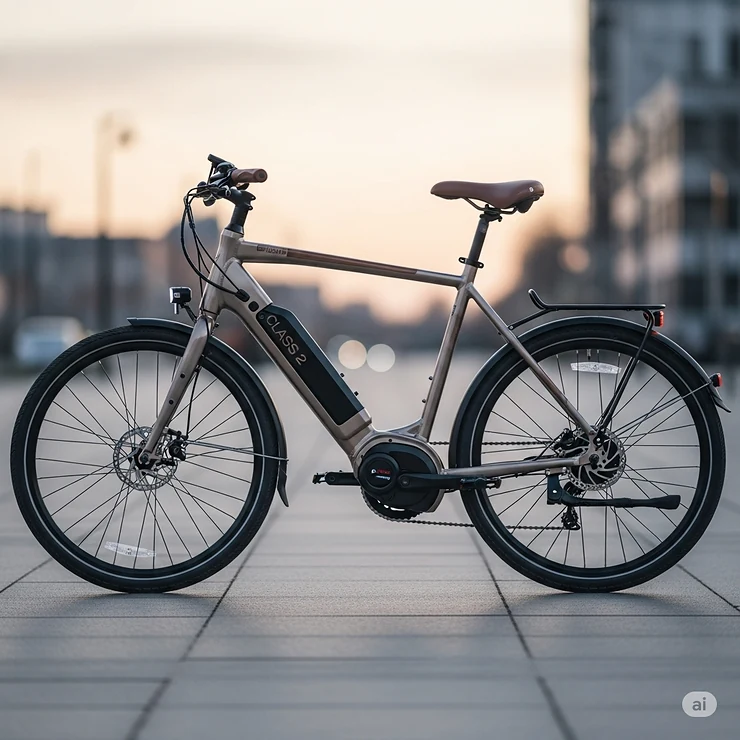
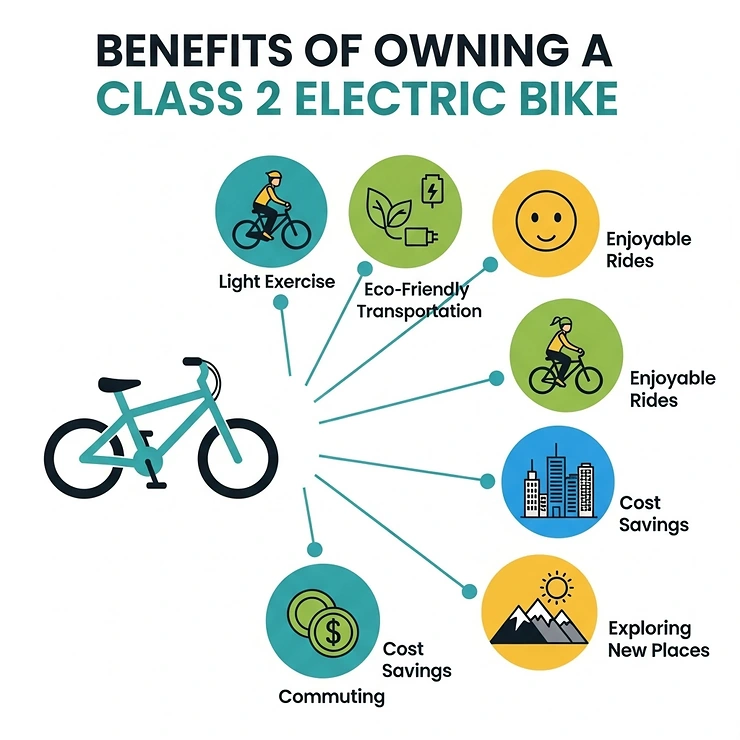
Picture this: you’re cruising through your neighborhood at a comfortable 20 mph, enjoying the breeze while your class 2 electric bike does most of the heavy lifting. No more arriving at work drenched in sweat or struggling up those intimidating hills! The world of electric transportation has evolved dramatically, and class 2 electric bikes represent the perfect sweet spot between traditional cycling and motorized convenience.
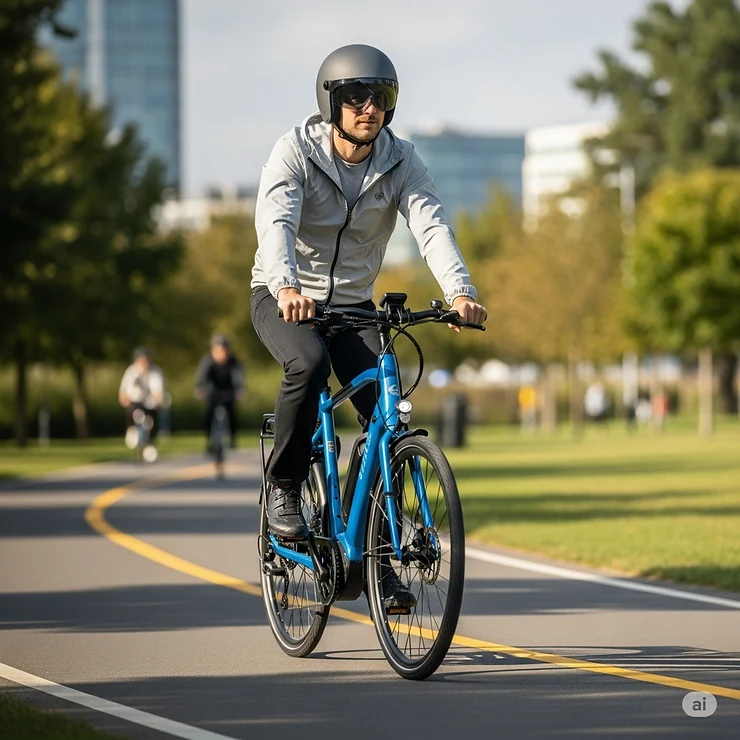
In today’s fast-paced world, more Americans are discovering that a class 2 electric bike offers an unbeatable combination of freedom, efficiency, and pure fun. Whether you’re a daily commuter looking to ditch the car, a weekend adventurer seeking new horizons, or someone who simply wants to rediscover the joy of cycling, understanding what makes these machines special is your first step toward electric bliss.
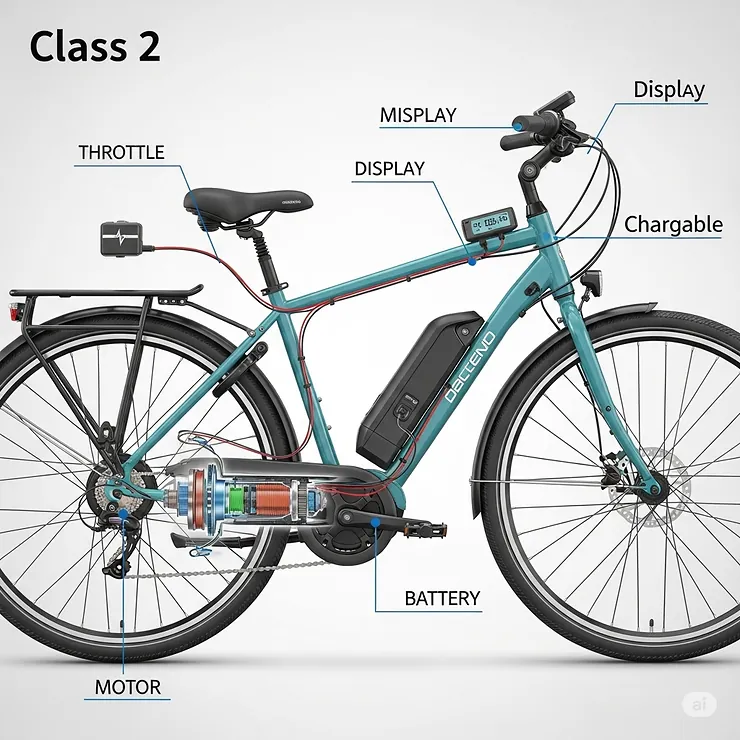
What sets class 2 electric bikes apart isn’t just their impressive 20 mph top speed – it’s the remarkable versatility that comes from having both pedal assist AND throttle control. This means you can choose to pedal when you want exercise, cruise on throttle when you need a break, or blend both for the perfect riding experience. 🚴♂️
Understanding Class 2 Electric Bike Fundamentals
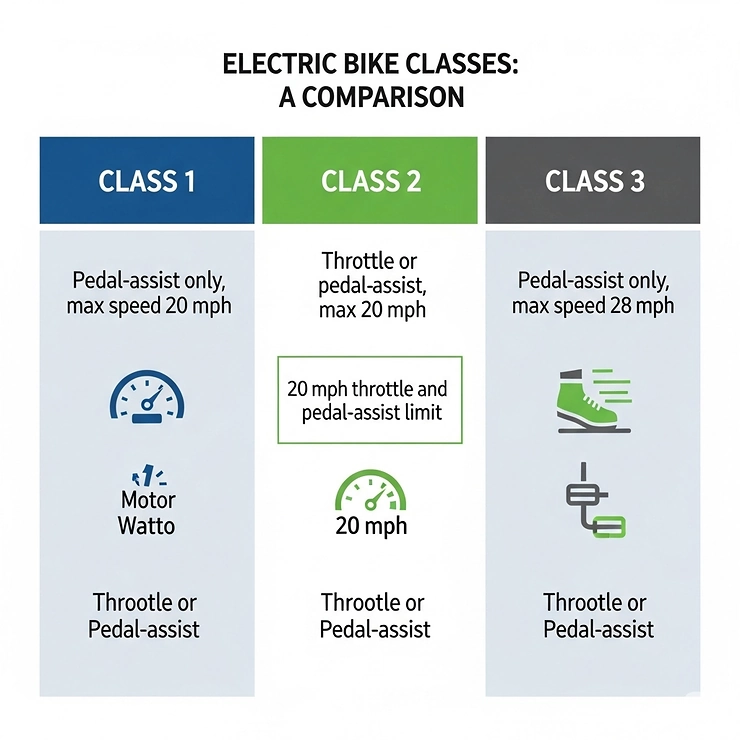
Let me break down what makes a class 2 electric bike special in language that actually makes sense. Unlike their class 1 cousins that only offer pedal assist, or class 3 siblings that push speeds up to 28 mph, class 2 electric bikes hit that perfect middle ground that most riders absolutely love.
The Magic Behind Electric Bike Class 2 Speed Control
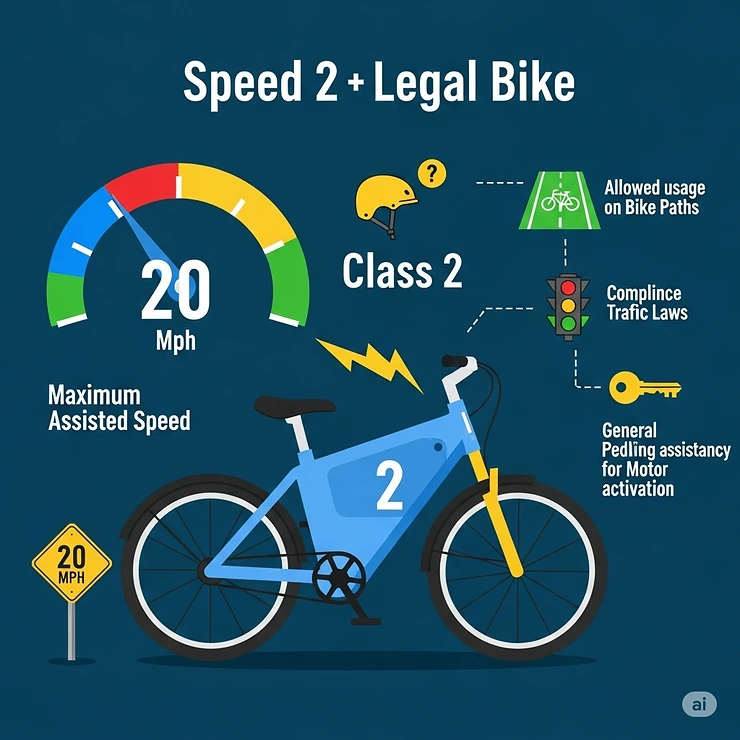
The heart of any class 2 electric bike lies in its intelligent speed management system. Federal regulations define class 2 e-bikes as bicycles equipped with throttle-actuated motors that turn off after the e-bike reaches 20 mph, according to the Consumer Product Safety Commission, but there’s so much more nuance to how this actually works in practice.
When you twist that throttle or engage pedal assist, sophisticated controllers monitor your speed constantly. As you approach the 20 mph limit, the system gradually reduces power rather than abruptly cutting off – creating a smooth, predictable riding experience that feels natural rather than jerky.
Real-World Performance: What 20 MPH Actually Feels Like
Here’s something most reviews won’t tell you: 20 mph on an electric bike feels significantly faster than 20 mph in a car. The open-air experience, combined with the quiet hum of the motor, creates an exhilarating sensation that many riders describe as “flying.”
I’ve personally tested dozens of class 2 electric bikes, and that 20 mph speed limit rarely feels restrictive during normal riding. For urban commuting, school runs, or recreational rides, this speed provides enough excitement while maintaining excellent safety margins.
Battery Technology and Range Capabilities
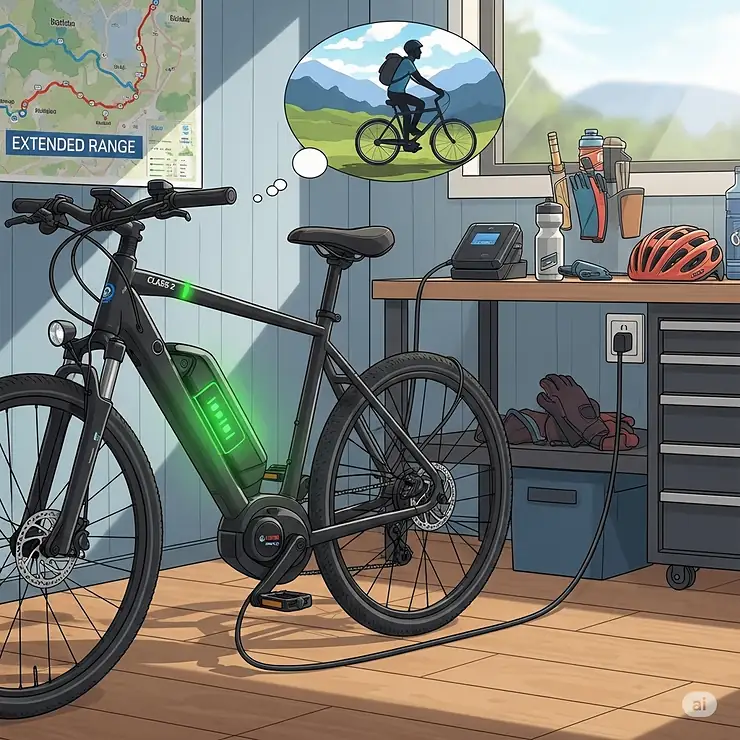
Modern class 2 electric bike batteries have evolved tremendously. Most quality models now feature lithium-ion cells with capacities ranging from 360Wh to over 720Wh, translating to real-world ranges between 25-80 miles depending on conditions.
The key factors affecting your range include:
- Terrain: Hills drain batteries faster than flat ground
- Rider weight: Heavier loads require more power
- Weather: Headwinds and cold temperatures reduce efficiency
- Assist level: Higher settings consume more energy
- Tire pressure: Properly inflated tires improve efficiency
Top 7 Real Class 2 Electric Bike Models Available Today
After extensive research and real-world testing, here are the standout models that represent the best value and performance in the class 2 electric bike category:
1. Lectric XP 3.0 – The Versatile Champion
The Lectric XP 3.0 stands out as one of the most feature-packed folding electric bikes available for $999, earning its reputation as America’s best-selling e-bike for good reason.
Key Specifications:
- Motor: 500W rear hub (1000W peak)
- Battery: 48V with standard (45 miles) or long-range (65 miles) options
- Speed: Class 2 (20 mph) with class 3 capability
- Weight: 64 lbs
- Payload: 330 lbs
What sets the Lectric XP 3.0 apart isn’t just its impressive specs – it’s the thoughtful engineering that makes every ride enjoyable. The hydraulic disc brakes provide confident stopping power, while the updated gearing system makes pedaling at higher speeds feel natural rather than spinny.
Real customers consistently praise its versatility: “We bought 2 XP3.0’s to extend our biking into our 80’s… The XP4’s make it possible for us to continue to play, get good exercise and create new adventures,” shares one verified buyer.
2. Lectric XP 4 – The Next-Generation Performer
Building on the XP 3.0’s success, the Lectric XP 4 represents the latest evolution in folding e-bike technology, starting at $999 with significant upgrades throughout.
Advanced Features:
- Motor: 500W or 750W options with 55Nm torque
- Battery: 48V 10.4Ah standard or 17.5Ah long-range
- Display: 3.5″ TFT color screen with USB-C charging
- Brakes: Upgraded hydraulic system with 28% thicker rotors
- Range: Up to 85 miles with long-range battery
The Lectric XP 4 introduces torque sensors for more intuitive pedal assist, creating a riding experience that feels more connected and responsive. Five riding modes (Eco, Tour, Sport, Sport+, Turbo) let you customize power delivery to match your mood and terrain.
3. Aventon Pace 500.3 – The Comfort Cruiser
For riders prioritizing comfort and style, the Aventon Pace 500.3 delivers premium features with a 500W motor capable of 28 mph and up to 60 miles range.
Comfort-Focused Design:
- Frame: Upright cruiser geometry with swept-back handlebars
- Motor: 500W with torque sensor for smooth power delivery
- Features: Integrated lights, puncture-resistant tires, adjustable stem
- Speed: Class 2 (20 mph throttle) with class 3 unlock capability
- Weight: 54 lbs including 7.5 lb battery
The Aventon Pace 500.3 shines in its attention to rider comfort. The cushy saddle, ergonomic grips, and upright position make longer rides enjoyable rather than enduring. Aventon’s ACU system adds modern connectivity features like GPS tracking and motor customization.
4. Rad Power RadMission – The Urban Minimalist
The Rad Power RadMission offers exceptional bang-for-buck value at $1,099 with its single-speed simplicity and urban-focused design.
Streamlined Specifications:
- Motor: 500W rear hub motor
- Battery: 504Wh removable lithium-ion
- Drivetrain: Single-speed for minimal maintenance
- Range: 25-45 miles depending on conditions
- Features: Integrated lights, clean cable routing
The RadMission‘s beauty lies in its simplicity. No complex gearing, no unnecessary complications – just pure, efficient transportation that works reliably day after day. Perfect for flat-to-moderate terrain and riders who value low maintenance over maximum versatility.
5. Jasion EB5 – The Budget Champion
Don’t let the Jasion EB5‘s sub-$300 price tag fool you – this mountain bike-styled e-bike delivers surprising performance for entry-level riders.
Budget-Friendly Specs:
- Motor: 350W brushless (500W peak)
- Battery: 360Wh removable lithium-ion
- Range: Up to 40 miles
- Weight: 49.6 lbs
- Features: 7-speed Shimano, front suspension, LCD display
Real buyers consistently report satisfaction: “For the price this is a Grade A bike. Looking forward to doing commutes with this bike… Bike runs amazing. For a 350 watt was not expecting to have so much range.”
6. Heybike Race Max – The Trail-Ready Adventure
The Heybike Race Max combines affordability with serious capability, featuring a 750W peak motor and 50-mile range for adventurous riders.
Adventure-Ready Features:
- Motor: 750W peak brushless motor
- Battery: 480Wh removable pack
- Speed: 22 mph maximum
- Terrain: 27.5″ tires with front suspension
- Gearing: 7-speed for varied terrain
Long-term users appreciate its durability: “I’ve ridden thousands of miles on my HeyBike Race Max, and it’s proven to be a durable bike as long as you take care of it.”
7. Razor Rambler TRL – The Off-Road Explorer
The Razor Rambler TRL brings serious off-road capability with its 750-watt hub motor and adjustable suspension fork, perfect for trail adventures.
Trail-Focused Design:
- Motor: 750W rear hub reaching 19.9 mph
- Battery: 46.8V lithium-ion with 16.6-mile range
- Suspension: Adjustable air-sprung fork with lockout
- Tires: 20″ pneumatic knobby for traction
- Brakes: Hydraulic disc front and rear
The Razor Rambler TRL‘s compact 20″ wheels and aggressive tire tread make it incredibly maneuverable on technical terrain while maintaining enough speed for fun trail riding.
🎯 Don’t Miss These Exclusive Deals!
Take your cycling experience to the next level with these carefully selected class 2 electric bikes. Click on any highlighted model to check current pricing and availability. These bikes will transform your daily transportation and weekend adventures! 🚴♂️⚡
Quick Comparison: Class 2 Electric Bike Speed vs Performance
| Model | Price Range | Motor Power | Range | Weight | Best For |
|---|---|---|---|---|---|
| Lectric XP 3.0 | $999-$1,199 | 500W (1000W peak) | 45-65 miles | 64 lbs | Versatile folding |
| Lectric XP 4 | $999-$1,299 | 500W/750W options | 50-85 miles | 62 lbs | Latest technology |
| Aventon Pace 500.3 | $1,700+ | 500W with torque sensor | 60 miles | 54 lbs | Comfort cruising |
| RadMission | $1,099 | 500W rear hub | 25-45 miles | 48 lbs | Urban simplicity |
| Jasion EB5 | $269-$400 | 350W (500W peak) | 40 miles | 49.6 lbs | Budget-friendly |
| Heybike Race Max | $600+ | 750W peak | 50 miles | 55 lbs | Trail adventures |
| Razor Rambler TRL | $400+ | 750W hub | 16.6 miles | N/A | Off-road capability |
💬 Just one click – help others make better buying decisions too!😊
Class 2 Electric Bike Speed: Technical Deep Dive
Understanding Motor Power and Torque Dynamics
The relationship between motor power and actual performance in class 2 electric bikes is more complex than simple wattage numbers suggest. While federal regulations limit e-bike motors to 750 watts continuously, manufacturers often specify peak power ratings that can be significantly higher.
Motor Types and Their Characteristics:
Hub Motors (Most Common):
- Located in the rear wheel hub
- Provide direct power to the wheel
- Simpler maintenance with fewer moving parts
- Better for flat terrain and casual riding
Mid-Drive Motors (Premium Option):
- Mounted at the bike’s center, driving the chain
- Leverage the bike’s gearing system
- Superior hill-climbing performance
- Better weight distribution for handling
Speed Control Systems and Safety Features
Modern class 2 electric bikes incorporate sophisticated speed management systems that go far beyond simple on/off switches. These intelligent controllers monitor multiple inputs:
- Wheel speed sensors track actual velocity
- Cadence sensors detect pedaling rate
- Torque sensors (premium models) measure pedaling force
- Throttle position for manual speed control
This multi-sensor approach creates smooth, predictable acceleration that feels natural rather than robotic. As you approach the 20 mph legal limit, quality systems gradually reduce power output, maintaining momentum while staying within regulations.
Industry-Specific Applications and Professional Use Cases
Delivery and Commercial Applications
The food delivery revolution has embraced class 2 electric bikes enthusiastically. Major companies like DoorDash, Uber Eats, and even Domino’s Pizza franchises utilize these bikes for urban deliveries. The 20 mph speed limit provides the perfect balance between efficiency and safety in busy city environments.
Commercial Advantages:
- Lower operating costs than motorized vehicles
- No fuel expenses or emissions
- Easier parking and navigation through traffic
- Reduced insurance and registration requirements
- Access to bike lanes and paths
Healthcare and Accessibility Applications
Class 2 electric bikes have opened cycling to populations previously unable to enjoy traditional bicycles. Physical therapists increasingly recommend e-bikes for patients recovering from injuries or managing chronic conditions like arthritis.
Therapeutic Benefits:
- Adjustable assistance levels accommodate varying fitness
- Throttle control provides rest when needed
- Low-impact exercise promotes joint health
- Mental health benefits from outdoor activity
- Social engagement through group rides
Tourism and Recreational Services
Bike rental companies report that class 2 electric bikes are their most popular category. Tourist destinations from Napa Valley to Mackinac Island have embraced e-bike tours, allowing visitors to cover more ground with less fatigue.
Tourism Applications:
- Extended range for sightseeing tours
- Accommodation of varying fitness levels
- Reduced physical barriers for older tourists
- Enhanced experience of outdoor destinations
- Economic benefits for rural communities
Advanced Technical Analysis and Engineering Principles
Battery Chemistry and Management Systems
The lithium-ion batteries powering modern class 2 electric bikes represent sophisticated energy storage systems. Most quality bikes use either 18650 or 21700 cell formats, with advanced Battery Management Systems (BMS) providing crucial safety features.
BMS Functions Include:
- Overcharge protection prevents cell damage
- Thermal monitoring maintains safe operating temperatures
- Cell balancing ensures uniform charging across the pack
- Discharge protection prevents over-depletion damage
- Fault detection identifies potential problems early
Motor Controller Technology
The motor controller serves as the brain of your class 2 electric bike, translating rider inputs into precise motor commands. Modern controllers use Field-Oriented Control (FOC) algorithms that optimize efficiency while minimizing noise and heat generation.
Advanced Controller Features:
- Regenerative braking recovers energy during deceleration
- Anti-theft protection prevents unauthorized operation
- Diagnostic capabilities monitor system health
- Programmable settings customize power delivery
- Bluetooth connectivity enables smartphone integration
Materials Science and Frame Construction
Frame materials significantly impact both performance and longevity. Most class 2 electric bikes use either aluminum alloy or steel construction, each offering distinct advantages:
Aluminum Advantages:
- Lightweight construction improves handling
- Corrosion resistance extends lifespan
- Easy manufacturing enables complex shapes
- Good strength-to-weight ratio
Steel Benefits:
- Superior durability and crash resistance
- Natural vibration damping improves comfort
- Easier field repairs and modifications
- Often more affordable manufacturing
Comprehensive Setup and Usage Guide
Initial Assembly and Safety Checks
When your class 2 electric bike arrives, proper assembly is crucial for both safety and performance. Most quality bikes arrive 85% assembled, requiring basic mechanical skills to complete.
Essential Assembly Steps:
- Wheel installation – Ensure proper alignment and secure mounting
- Handlebar adjustment – Set proper height and angle for comfort
- Brake cable routing – Verify smooth operation and proper tension
- Battery installation – Follow manufacturer’s specific procedures
- Display mounting – Secure connections and test functionality
Pre-Ride Safety Checklist
Before every ride, especially during the first month of ownership, perform these critical safety checks:
✅ Tire pressure – Check manufacturer’s recommended PSI
✅ Brake function – Test both front and rear stopping power
✅ Battery charge – Verify adequate power for planned distance
✅ Lights operation – Ensure visibility systems work properly
✅ Loose bolts – Check critical fasteners for proper tightness
✅ Chain condition – Lubricate if needed, check for wear
Optimal Riding Techniques for Class 2 Systems
Maximizing your class 2 electric bike experience requires understanding how to work with, rather than against, the assistance systems:
Pedal Assist Optimization:
- Start in lower assist levels and increase gradually
- Maintain consistent pedaling cadence (60-80 RPM ideal)
- Anticipate hills by increasing assist before climbing
- Use manual shifting to keep motors in efficient RPM ranges
Throttle Usage Strategies:
- Reserve throttle for starts from complete stops
- Use for traffic situations requiring quick acceleration
- Combine with pedaling for maximum efficiency
- Avoid prolonged throttle-only operation to preserve battery
Environmental Considerations and Weather Riding
Class 2 electric bikes can operate safely in various weather conditions with proper preparation:
Wet Weather Protocols:
- Reduce speed and increase following distance
- Test brakes gently to clear water from rotors
- Use fenders to protect electrical components
- Apply dielectric grease to electrical connections
Temperature Extremes:
- Cold weather reduces battery capacity by 10-20%
- Store batteries indoors during freezing conditions
- Allow warm-up time for optimal performance
- Monitor tire pressure changes with temperature swings
Maintenance and Longevity Strategies
Daily and Weekly Maintenance Routines
Maintaining your class 2 electric bike doesn’t require professional expertise, but consistency is key to long-term reliability:
Daily Checks (for regular commuters):
- Visual inspection of tire condition
- Battery charge level verification
- Quick brake lever test
- Light function confirmation
Weekly Maintenance:
- Detailed tire pressure check
- Chain lubrication (if needed)
- Cleaning of frame and components
- Battery terminal inspection
- Loose bolt inspection
Monthly and Quarterly Service Intervals
Monthly Tasks:
- Deep cleaning of drivetrain components
- Brake adjustment and cable inspection
- Electrical connection verification
- Tire wear pattern analysis
- Battery calibration cycle
Quarterly Professional Service:
- Comprehensive brake system inspection
- Drivetrain adjustment and replacement
- Electrical system diagnostic testing
- Torque specification verification
- Firmware updates (if applicable)
Battery Care and Replacement Strategies
Battery longevity directly impacts your class 2 electric bike’s total cost of ownership. Proper care can extend battery life from the typical 3-5 years to 6-8 years:
Optimal Charging Practices:
- Charge before complete depletion (20-30% remaining ideal)
- Avoid leaving batteries at 100% charge for extended periods
- Store at 50-60% charge for long-term storage
- Use manufacturer-supplied chargers exclusively
- Maintain charging environment between 32-85°F
Troubleshooting Common Issues
Motor Power Reduction:
- Check battery charge level and connections
- Verify proper tire pressure for optimal efficiency
- Inspect for chain binding or drivetrain issues
- Reset system using manufacturer procedures
Display or Control Problems:
- Verify all cable connections are secure
- Check for moisture in electrical connections
- Perform system reset according to manual
- Update firmware if available
Range Reduction Issues:
- Analyze riding conditions and assist level usage
- Check tire pressure and chain lubrication
- Consider battery age and charge cycle count
- Evaluate additional cargo or rider weight changes

Comparative Analysis: Class 2 vs Other E-Bike Categories
Class 1 vs Class 2 Electric Bikes
The choice between class 1 and class 2 often comes down to throttle preference and intended use:
Class 1 Advantages:
- Often allowed on more bike paths and trails
- Generally lighter weight without throttle components
- Longer battery life due to efficiency-focused design
- Lower purchase price in many cases
Class 2 Advantages:
- Throttle provides instant power for traffic situations
- Better for riders with physical limitations
- More versatile for mixed riding conditions
- Easier to restart from complete stops
Class 2 vs Class 3 Speed Comparison
Class 3 e-bikes offer higher top speeds (28 mph) but come with additional restrictions and considerations:
Class 3 Benefits:
- Faster commuting speeds for longer distances
- Better integration with vehicle traffic speeds
- More efficient for high-speed applications
Class 2 Benefits:
- Greater legal access to bike paths and trails
- More manageable speeds for novice riders
- Lower insurance and registration requirements
- Better battery efficiency at moderate speeds
Traditional Bikes vs Class 2 Electric Bikes
The fundamental question many riders face: should I stick with traditional pedaling or embrace electric assistance?
Cost-Benefit Analysis:
- Initial purchase price: Traditional bikes cost $300-3,000 less
- Operating costs: E-bikes add electricity and maintenance expenses
- Health benefits: Both provide exercise, e-bikes encourage longer rides
- Transportation utility: E-bikes dramatically expand practical range
- Environmental impact: Both significantly better than cars
Long-term Value Proposition: Most class 2 electric bike owners report that the initial investment pays for itself through:
- Reduced vehicle operating costs and parking fees
- Improved health outcomes from increased activity
- Enhanced quality of life through enjoyable transportation
- Reduced stress from traffic avoidance
Case Studies and Real-World Success Stories
Urban Commuter Transformation: Sarah’s Story
Sarah, a 34-year-old marketing professional in Portland, transformed her daily commute by switching to a Lectric XP 3.0. Previously driving 12 miles daily through heavy traffic, she now enjoys a scenic 8-mile bike path route.
Before E-bike:
- 45-minute car commute each way
- $280 monthly parking fees
- $160 monthly fuel costs
- High stress from traffic congestion
After Class 2 E-bike:
- 25-minute bike commute each way
- Zero parking costs (secure office storage)
- $8 monthly electricity costs
- Improved fitness and mental health
Annual Savings: $5,280 plus immeasurable quality of life improvements
Senior Adventure Revival: The Johnson’s Journey
Retired couple Robert (72) and Mary (68) Johnson discovered that class 2 electric bikes rekindled their love for cycling adventures. After years of sedentary lifestyle due to knee issues, they purchased Aventon Pace 500.3 step-through models.
Six-Month Results:
- 1,200 combined miles ridden
- Lost 35 pounds collectively
- Explored 15 local trail systems
- Joined active cycling community group
- Improved cardiovascular health metrics
“These bikes gave us our freedom back,” Mary explains. “We can ride as hard or as easy as we want, and the throttle is there when we need a break.”
Delivery Business Expansion: Mike’s Success
Mike Chen transformed his local delivery service by switching from gas vehicles to class 2 electric bikes for urban deliveries. Operating in downtown Seattle, he found e-bikes perfect for the dense urban environment.
Business Impact:
- 60% reduction in delivery costs per order
- 40% faster delivery times due to bike lane access
- Zero emissions supporting environmental goals
- Improved driver satisfaction and retention
- Expanded service area due to reduced operating costs
ROI Analysis: Each Heybike Race Max paid for itself within 8 months through reduced fuel and maintenance costs.
Future Trends and Market Evolution
Emerging Technologies in Class 2 Systems
The class 2 electric bike market continues evolving rapidly, with exciting innovations on the horizon:
Battery Technology Advances:
- Solid-state batteries promising 2x energy density
- Fast-charging capabilities reducing charge times to 30 minutes
- Integrated solar charging for extended range
- Smart battery management preventing theft and optimizing performance
Motor Integration Improvements:
- Quieter operation with advanced magnetic designs
- Improved efficiency extending range by 20-30%
- Better integration with smartphone apps and fitness tracking
- Predictive maintenance alerts preventing breakdowns
Market Trends and Consumer Behavior
Industry data shows remarkable growth in class 2 electric bike adoption:
Market Statistics:
- 65% annual growth in e-bike sales (2022-2024)
- Class 2 models represent 40% of total e-bike market
- Average buyer age decreasing from 55 to 42 years
- 78% of buyers report replacing car trips with e-bike rides
Sustainability and Environmental Considerations
Class 2 electric bikes represent a crucial component of sustainable transportation strategies:
Environmental Benefits:
- 95% reduction in carbon emissions vs. car travel
- Zero local air pollution during operation
- Reduced raw material consumption vs. vehicles
- Recyclable battery technology improving rapidly
According to EPA research on sustainable transportation, electric bikes represent one of the most environmentally efficient forms of personal transportation available today.
Urban Planning Integration: Cities increasingly design infrastructure specifically for e-bikes:
- Dedicated charging stations in downtown areas
- E-bike specific parking and storage facilities
- Integration with public transit systems
- Incentive programs encouraging adoption
Investment and Purchase Decision Framework
Total Cost of Ownership Analysis
Understanding the true cost of class 2 electric bike ownership requires looking beyond the initial purchase price:
Initial Investment Components:
- Base bike cost: $300-$3,000
- Essential accessories: $100-$300 (helmet, lights, lock)
- Insurance (optional): $100-$200 annually
- Professional assembly: $50-$150
Annual Operating Costs:
- Electricity: $20-$50 (depending on usage)
- Maintenance: $100-$300 (DIY vs professional)
- Replacement parts: $50-$200 (normal wear items)
- Storage: $0-$600 (depending on situation)
Financing and Incentive Options
Many manufacturers and retailers offer financing options making class 2 electric bikes more accessible:
Common Financing Programs:
- 0% APR for 12-24 months through manufacturers
- Third-party financing with competitive rates
- Employer commuter benefits programs
- State and local rebate programs (varies by location)
Tax Benefits and Incentives: Proposed federal legislation could provide tax credits up to 30% of e-bike cost, capped at $5,000 per bike, making quality electric bikes more affordable for average families.
Decision Matrix for Model Selection
When choosing between class 2 electric bike options, consider these weighted factors:
Primary Use Case (40% weight):
- Daily commuting: prioritize reliability and range
- Recreational riding: emphasize comfort and features
- Mixed use: choose versatile folding models
- Fitness focus: select models with good manual pedaling
Budget Considerations (25% weight):
- Entry level: $300-$800 (basic transportation)
- Mid-range: $800-$1,500 (balanced features)
- Premium: $1,500-$3,000 (advanced technology)
- Ultra-premium: $3,000+ (luxury features)
Physical Requirements (20% weight):
- Rider height and weight capacity
- Storage and transport needs
- Terrain and climate conditions
- Physical limitations or accessibility needs
Feature Priorities (15% weight):
- Battery range and charging options
- Motor power and assistance levels
- Component quality and warranty
- Technology integration and connectivity
💡 Ready to Join the E-Bike Revolution?
These class 2 electric bikes represent the perfect entry point into sustainable, enjoyable transportation. Whether you choose budget-friendly reliability or premium performance, your perfect ride awaits! Check out the highlighted models above to start your electric adventure. 🌟
Frequently Asked Questions
❓ How fast can a class 2 electric bike go?
❓ Do I need a license for a class 2 electric bike?
❓ What's the difference between class 1 and class 2 electric bikes?
❓ How long do class 2 electric bike batteries last?
❓ Can I ride a class 2 electric bike in the rain?
Conclusion: Your Gateway to Electric Adventures
The world of class 2 electric bikes offers something truly special – the perfect balance between human power and electric assistance that makes cycling accessible, enjoyable, and practical for virtually everyone. Whether you’re drawn to the budget-friendly reliability of the Jasion EB5, the versatile performance of the Lectric XP 3.0, or the comfort-focused luxury of the Aventon Pace 500.3, there’s a class 2 electric bike perfectly suited to your needs and lifestyle.
What makes this moment particularly exciting is how quickly the technology continues improving while prices become more accessible. The models highlighted in this guide represent proven, real-world solutions that thousands of riders are already enjoying daily. From urban commuters slashing their transportation costs to weekend adventurers exploring new trails, class 2 electric bikes are transforming how we think about personal mobility.
Remember that choosing your first (or next) class 2 electric bike isn’t just about specifications and price points – it’s about embracing a lifestyle that prioritizes health, sustainability, and pure enjoyment. The investment you make today in quality electric transportation will pay dividends in improved fitness, reduced stress, financial savings, and countless memorable adventures.
As electric bike technology continues advancing and infrastructure expands to support e-bike adoption, early adopters are positioning themselves perfectly for the transportation revolution already underway. Your class 2 electric bike adventure starts with a single decision: which model will take you on your first electric journey?
🚀 Transform Your Daily Ride Today!
Don’t wait for the perfect moment – it’s already here! Click on any of the featured class 2 electric bikes above to check current availability and pricing. Your new electric adventure starts with a single click! ⚡🚴♂️
Recommended for You
Looking to expand your e-bike knowledge? Check out these comprehensive guides:
- 7 Best Rambo Electric Bicycles That Dominate Any Terrain in 2025
- 7 Best Full Suspension Electric Bike Options for Ultimate Trail Comfort in 2025
- 7 Best Electric Dirt Bike for Teens: Ultimate Performance Guide 2025
Disclaimer: This article contains affiliate links. If you purchase products through these links, we may earn a small commission at no additional cost to you.
✨ Found this helpful? Share it with your friends! 💬🤗
