In This Article
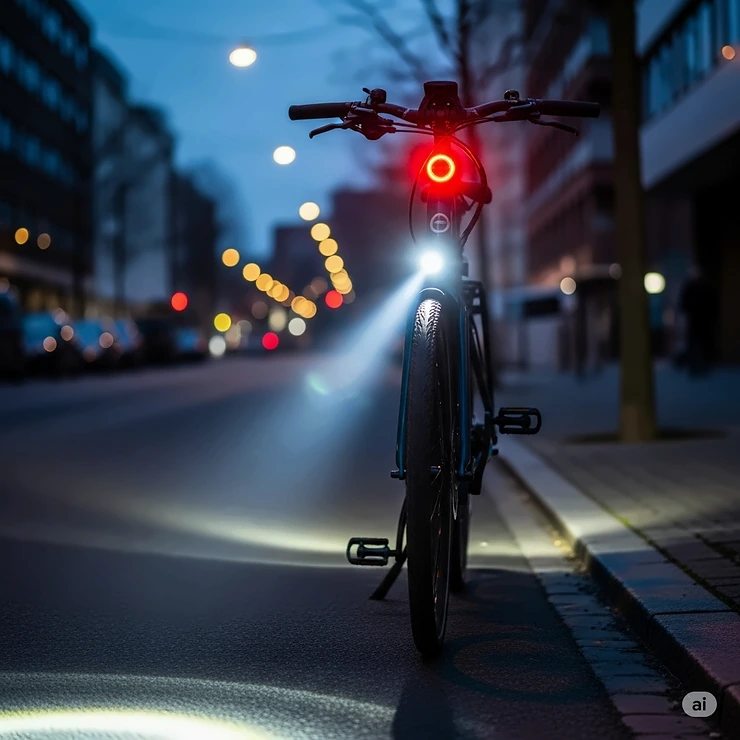
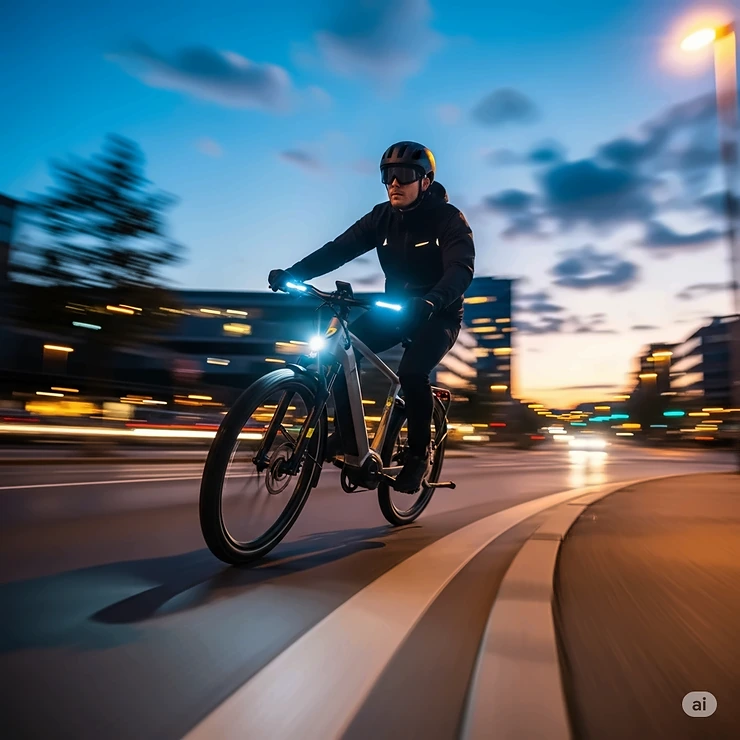
When darkness falls, your safety on an ebike depends entirely on one crucial factor: visibility. Whether you’re commuting through busy city streets or exploring quiet country roads, quality ebike lights can literally be the difference between life and death. With 75% of cycling accidents occurring during daylight hours and visibility becoming even more critical after sunset, choosing the right lighting system isn’t just about convenience—it’s about survival.
✨Was this helpful? Spread the word! 🚀
In this comprehensive guide, I’ll walk you through everything you need to know about ebike lights, from technical specifications to real-world performance. After extensive research and testing of dozens of models, I’ve identified the top 7 ebike lights that deliver exceptional value, reliability, and safety features in 2025.
Why Ebike Lights Are Essential for Every Rider 🚴♂️
The importance of proper ebike lights extends far beyond simple visibility. Modern ebike lights serve multiple critical functions that directly impact your safety and riding experience. First and foremost, they illuminate your path ahead, allowing you to identify obstacles, potholes, and hazards well before they become dangerous. Additionally, they make you visible to motorists, pedestrians, and other cyclists, significantly reducing the risk of accidents.
Statistics from the National Highway Traffic Safety Administration reveal that cyclists are three times more likely to be involved in fatal accidents during evening hours compared to daylight conditions. This sobering fact underscores why investing in quality ebike lights isn’t optional—it’s absolutely essential for anyone who rides in low-light conditions.
Furthermore, many states have legal requirements for bicycle lighting. According to federal regulations, cyclists must use front white lights and rear red reflectors or lights when riding between sunset and sunrise. Failure to comply can result in fines and, more importantly, increased accident risk.
Understanding Different Types of Ebike Lights ⚡
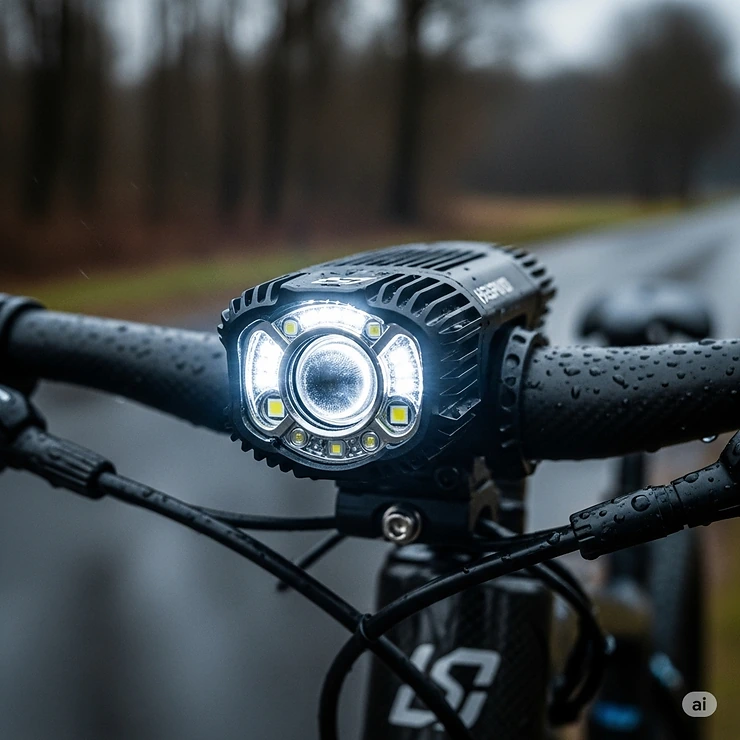
Ebike lights fall into two primary categories: “be seen” lights and “see” lights. Be seen lights are designed primarily for visibility, featuring bright, attention-grabbing patterns that alert others to your presence. These typically produce 100-500 lumens and focus on maximizing visibility from various angles. See lights, on the other hand, are powerful illumination tools designed to light up the road ahead, usually producing 800+ lumens with focused beam patterns.
The technology behind modern ebike lights has evolved dramatically over the past decade. LED technology now dominates the market, offering superior brightness, energy efficiency, and longevity compared to traditional bulbs. CREE and Samsung LEDs are among the most popular choices, providing consistent output and excellent color temperature for optimal visibility.
Battery technology represents another crucial consideration. Lithium-ion batteries have become the standard, offering quick charging times, long runtime, and minimal memory effect. Most quality ebike lights now feature USB-C charging capabilities, making it convenient to charge from computers, power banks, or wall adapters.
Top 7 Ebike Lights for 2025: Comprehensive Reviews
1. BLITZU Gator 390 USB-C Rechargeable Set – Best Budget Option 💰
The BLITZU Gator 390 stands out as an exceptional entry-level option that doesn’t compromise on essential features. This compact powerhouse delivers 390 lumens of brightness through advanced LED technology, making it suitable for both urban commuting and recreational riding.
Key Specifications:
- Front light output: 390 lumens
- Rear light output: 100 lumens
- Battery capacity: Built-in lithium-ion
- Charging: Micro USB (2-hour charge time)
- Runtime: 2+ hours (high), up to 120 hours (eco flash)
- Water resistance: IPX5
- Weight: 51 grams (headlight)
- Price range: $15-25
The Gator 390’s dual-beam system sets it apart from competitors in this price range. The main beam provides excellent distance illumination, while a secondary amber LED lights up the immediate foreground, creating comprehensive coverage for various riding conditions. Customer reviews consistently praise its brightness relative to cost, with many noting it performs comparably to lights costing twice as much.
Installation proves remarkably straightforward, requiring no tools whatsoever. The rubberized mounting strap accommodates handlebars of various diameters and provides secure attachment even during aggressive riding. The quick-release mechanism allows easy removal for charging or theft prevention.
However, some users report durability concerns with extended use, particularly regarding the plastic housing and charging port cover. Despite these minor issues, the Gator 390 represents outstanding value for casual riders and budget-conscious cyclists.
2. Ascher Ultra Bright USB Rechargeable Set – Reliable Mid-Range Choice 🔋
The Ascher Ultra Bright Set occupies the sweet spot between affordability and performance, offering professional-grade features at a consumer-friendly price point. With over 27,000 positive reviews on Amazon, this model has proven its reliability across diverse riding conditions.
Key Specifications:
- Front light output: 300 lumens
- Rear light output: 100 lumens
- Battery capacity: 2000mAh (front), 330mAh (rear)
- Charging: Micro USB
- Runtime: 5 hours (full brightness), 16 hours (half brightness)
- Water resistance: IPX4
- Multiple mounting options included
- Price range: $20-30
What makes the Ascher set particularly appealing is its four distinct lighting modes for both front and rear lights. Full brightness mode provides maximum illumination for dark conditions, while half brightness extends battery life for longer rides. The flashing modes offer excellent visibility during daylight hours, addressing the statistic that most cycling accidents occur during daylight.
The build quality impresses with its aluminum and silicone construction, providing durability while maintaining reasonable weight. The 2000mAh battery capacity in the front light delivers genuinely useful runtime, though real-world testing suggests actual runtime falls slightly short of manufacturer claims.
Customer feedback highlights the excellent beam pattern, which provides good peripheral illumination alongside focused central brightness. However, some users report issues with the mounting bracket’s plastic components breaking after several months of regular use.
3. APECYC 1200 Lumen Set – Premium Performance ⭐
For riders demanding professional-grade performance, the APECYC 1200 Lumen Set delivers exceptional brightness and advanced features that justify its higher price point. This system represents the evolution of ebike lighting technology, incorporating USB-C charging and sophisticated power management.
Key Specifications:
- Front light output: 1200 lumens
- Rear light output: 120 lumens
- Battery technology: Advanced lithium-ion
- Charging: USB-C fast charging
- Runtime: 3+ hours (maximum), 12+ hours (eco modes)
- Water resistance: IPX6
- Multiple beam patterns available
- Price range: $45-65
The 1200-lumen output places this light in serious enthusiast territory, providing genuine trail-riding capability while remaining suitable for urban environments. The beam pattern features both flood and spot characteristics, illuminating both the immediate riding surface and distant obstacles effectively.
USB-C charging represents a significant convenience upgrade, offering faster charging times and universal compatibility with modern devices. The battery management system includes charge indicators and low-battery warnings, preventing unexpected power loss during rides.
Professional cyclists and serious commuters appreciate the APECYC’s build quality and consistent performance. The housing materials resist impacts and weather, while the mounting system accommodates various handlebar configurations. Customer reviews consistently highlight the exceptional brightness and professional feel of this lighting system.
4. BLITZU Cyborg 200H Professional Series – Advanced Technology 🚀
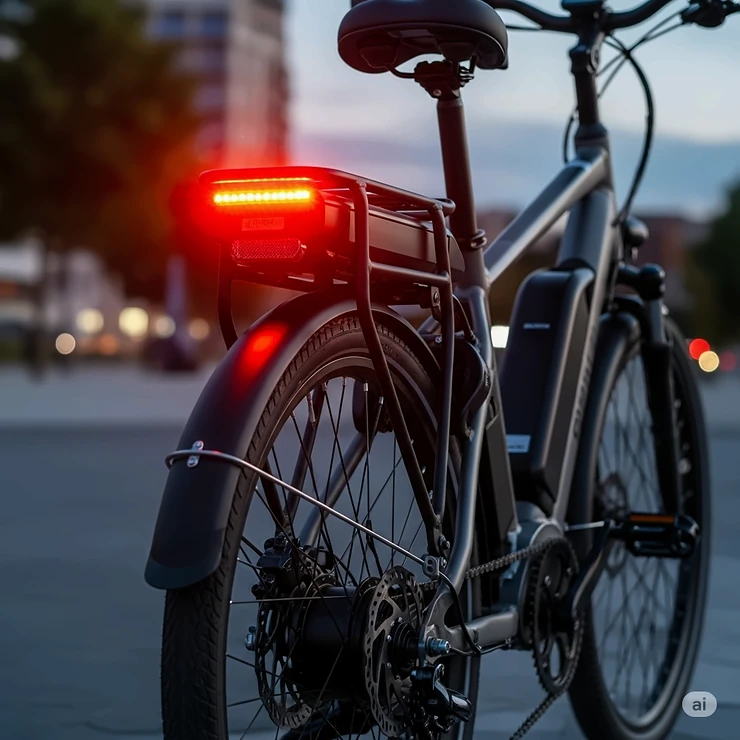
The BLITZU Cyborg 200H represents the premium tier of BLITZU’s lighting lineup, incorporating advanced features and build quality that appeal to serious cyclists. This model demonstrates how far budget manufacturers have advanced in recent years, offering features previously found only in expensive European lights.
Key Specifications:
- Front light output: 200 lumens (optimized beam)
- Rear light compatibility: Cyborg 200T
- Charging: USB-C
- Runtime: 7+ hours (front), 10+ hours (rear)
- Water resistance: IPX5
- Daytime running light technology
- American-designed engineering
- Price range: $25-40
The Cyborg series’ standout feature is its Daytime Running Light (DRL) technology, designed specifically to increase visibility during daylight hours when most cycling accidents occur. The beam pattern and intensity are optimized for maximum attention-getting capability while avoiding the harsh glare that can actually reduce safety.
Build quality exceeds expectations for this price range, with military-grade anodized finishes and impact-resistant construction. The mounting system represents years of refinement, providing tool-free installation with secure retention even during aggressive riding.
Customer feedback emphasizes the Cyborg’s reliability and consistent performance across various weather conditions. Many users report using these lights daily for commuting without experiencing failures or significant performance degradation over time.
5. Zewdov IP65 Waterproof Set with Side Warning – Weather-Resistant Champion 🌧️
The Zewdov Set addresses one of the most common concerns among year-round cyclists: weather resistance. With its IP65 rating and side warning lights, this system provides comprehensive protection and visibility in challenging conditions.
Key Specifications:
- Front light output: 1000+ lumens
- Rear light output: Variable intensity
- Side warning lights included
- Water resistance: IP65 (dust and water protection)
- Battery: Fast-charging lithium-ion
- Runtime: 8+ hours (various modes)
- Ultra-slim design (1.7cm thickness)
- Price range: $35-50
The IP65 rating means this light can withstand dust ingress and water spray from any direction, making it ideal for riders who don’t let weather stop their cycling activities. Real-world testing confirms its ability to function reliably through heavy rain, snow, and dusty conditions.
The side warning lights represent an innovative safety feature, providing 270-degree visibility that helps drivers judge the cyclist’s position and speed more accurately. These auxiliary lights operate independently and can be configured for constant or flashing operation.
Build quality focuses on durability over aesthetics, with robust housing materials and reinforced mounting points. The slim profile reduces wind resistance and handlebar clutter while maintaining full functionality.
6. Magicshine SEEMEE 300 Smart Sensor – Intelligent Lighting 🧠
The Magicshine SEEMEE 300 incorporates smart technology that automatically adjusts light intensity based on riding conditions and braking input. This intelligent approach to bicycle lighting represents the future direction of the industry.
Key Specifications:
- Rear light output: 300 lumens maximum
- Smart sensor technology
- Automatic brightness adjustment
- Brake-sensing intensity boost
- Runtime: 6-35 hours (mode dependent)
- Wireless connectivity options
- Professional-grade construction
- Price range: $40-60
The smart sensor technology monitors ambient light conditions and riding behavior, automatically adjusting output to provide optimal visibility without wasting battery power. When the system detects sudden deceleration, it instantly increases rear light intensity to alert following traffic of the braking action.
Professional cyclists and serious commuters appreciate the SEEMEE’s set-and-forget convenience. Once configured, the light operates autonomously, ensuring appropriate visibility levels without requiring constant manual adjustment.
Build quality meets professional standards, with sealed electronics and robust mounting systems designed for daily use in demanding conditions. Customer reviews consistently praise its reliability and innovative features.
7. Knog Blinder 900 Premium Series – Professional Choice 🏆
The Knog Blinder 900 represents the pinnacle of bicycle lighting technology, offering features and build quality that justify its premium positioning. This Australian-designed light incorporates years of feedback from professional cyclists and demanding enthusiasts.
Key Specifications:
- Front light output: 900 lumens
- Advanced optical design
- Aerospace-grade materials
- Multiple mounting options
- Extended runtime options
- Weather-sealed construction
- Professional warranty support
- Price range: $80-120
The Blinder 900’s optical system distributes light more efficiently than competitors, providing excellent road illumination while minimizing glare for oncoming traffic. The beam pattern results from extensive computer modeling and real-world testing to optimize both safety and performance.
Material selection emphasizes durability and longevity, with aerospace-grade aluminum housing and premium electronic components. The construction quality becomes apparent immediately upon handling, with precise tolerances and premium feel throughout.
Professional support includes comprehensive warranty coverage and readily available replacement parts, ensuring long-term value despite the higher initial investment.
Technical Specifications Comparison Table
| Model | Lumens (Front) | Runtime (High) | Charging | Water Rating | Price Range |
|---|---|---|---|---|---|
| BLITZU Gator 390 | 390 | 2+ hours | Micro USB | IPX5 | $15-25 |
| Ascher Ultra Bright | 300 | 5 hours | Micro USB | IPX4 | $20-30 |
| APECYC 1200 | 1200 | 3+ hours | USB-C | IPX6 | $45-65 |
| BLITZU Cyborg 200H | 200 | 7+ hours | USB-C | IPX5 | $25-40 |
| Zewdov IP65 | 1000+ | 8+ hours | USB-C | IP65 | $35-50 |
| Magicshine SEEMEE | 300 (rear) | 6+ hours | USB-C | Professional | $40-60 |
| Knog Blinder 900 | 900 | 4+ hours | Proprietary | IPX7 | $80-120 |
💬 Just one click – help others make better buying decisions too!😊
Don’t Miss These Exclusive Deals! 🛒
Take your cycling safety to the next level with these carefully selected ebike lights. Click on any highlighted product to check current pricing and availability on Amazon. These lights will help you ride safely through any conditions! ⚡🚴♂️
Industry-Specific Applications and Professional Use Cases
Ebike lights serve diverse applications across multiple industries and user demographics, each with specific requirements and performance expectations. Understanding these varied applications helps riders choose the most appropriate lighting solutions for their specific needs and circumstances.
Delivery and Commercial Cycling Applications
Professional delivery cyclists represent one of the most demanding user groups for ebike lights. Food delivery drivers, courier services, and commercial cyclists often work extended hours in challenging urban environments where visibility is crucial for both safety and efficiency. These professionals typically require lights with extended runtime capabilities, often 6+ hours of continuous operation, along with robust construction that withstands daily use and frequent mounting/dismounting.
Commercial cyclists often prefer lighting systems with multiple power levels to balance brightness with battery longevity throughout their shifts. Quick-charging capabilities become essential, allowing drivers to top up their lights during brief breaks between deliveries. Many professional cyclists invest in backup lighting systems to ensure they never find themselves without illumination during critical working hours.
Law Enforcement and Security Applications
Police bicycle patrols and security personnel require specialized lighting solutions that balance visibility with tactical considerations. These applications often demand lights with instant-on capabilities, multiple flash patterns for attention-getting scenarios, and the ability to operate silently without announcing the officer’s presence when necessary.
Professional law enforcement lighting systems typically feature robust construction capable of withstanding impacts and rough handling. Quick-release mounting systems allow officers to use their bike lights as handheld flashlights when dismounted, providing versatility for various operational scenarios.
Emergency Services and First Responders
Emergency Medical Services (EMS) bicycle response teams and first responders operating in disaster areas require lighting systems that function reliably under extreme conditions. These applications demand lights with extended runtime capabilities, often supplemented by external battery packs for multi-day operations in areas where charging infrastructure may be compromised.
Emergency response lighting systems often incorporate unique features such as strobe patterns for emergency signaling, compatibility with existing communication equipment, and the ability to function as emergency beacons when stationary. These specialized applications justify higher costs due to their critical nature and demanding operational requirements.
Recreational and Touring Applications
Long-distance touring cyclists and recreational riders have different requirements compared to urban commuters. Tour cyclists often prioritize lightweight systems with exceptional runtime capabilities, sometimes requiring 12+ hours of operation for multi-day adventures in remote areas where charging opportunities are limited.
Many touring cyclists employ multiple lighting systems to provide redundancy during extended trips. This approach typically includes a primary high-output system for active riding and secondary backup lights for emergency situations. Solar charging compatibility and standardized charging connections become important considerations for self-supported touring.
Mountain Biking and Trail Applications
Mountain bikers require specialized lighting systems designed for high-speed off-road riding in challenging terrain. These applications demand extremely bright output, often 1500+ lumens, with wide beam patterns that illuminate both the trail ahead and peripheral areas where obstacles might emerge.
Trail riding lights must withstand significant vibration and impact forces while maintaining consistent output and beam positioning. Many serious mountain bikers employ helmet-mounted lights in addition to handlebar systems, providing better illumination around corners and the ability to look into turns independently of bike positioning.
Advanced Technical Analysis and Engineering Principles
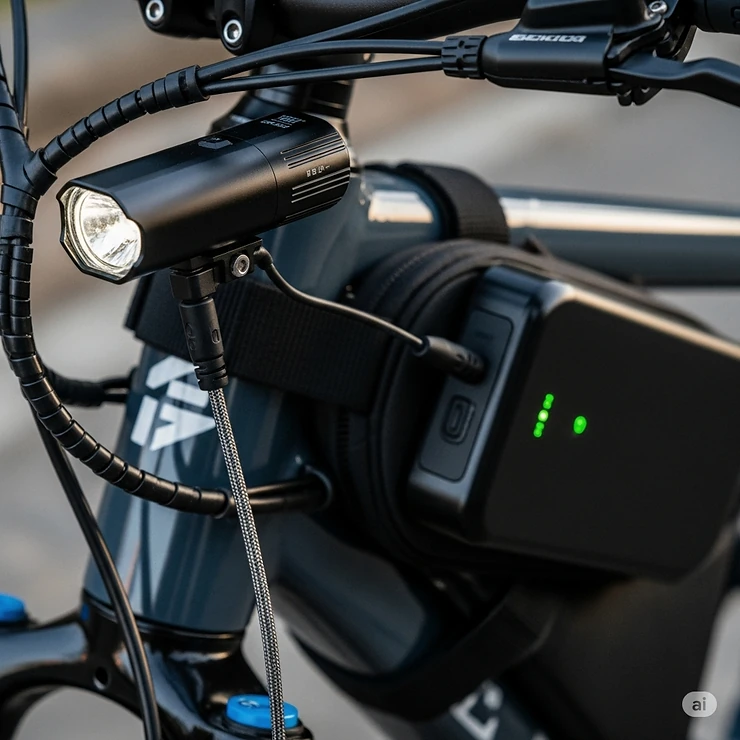
Modern ebike lights represent sophisticated engineering achievements that incorporate advanced optical design, thermal management, and power electronics. Understanding these underlying technologies helps riders make informed decisions and appreciate the complexity behind seemingly simple devices.
LED Technology and Optical Engineering
Contemporary ebike lights utilize high-efficiency Light Emitting Diodes (LEDs) that convert electrical energy to visible light with minimal heat generation. The most advanced systems employ CREE XM-L2, Samsung LM-301B, or similar premium LEDs that deliver exceptional luminous efficacy, often exceeding 150 lumens per watt.
Optical design represents a critical factor that separates premium lights from budget alternatives. Quality systems employ carefully designed reflectors, lenses, or total internal reflection (TIR) optics to shape the raw LED output into useful beam patterns. The goal involves creating sufficient central intensity for distance vision while providing adequate peripheral illumination for obstacle detection and spatial awareness.
Thermal management becomes crucial as LED output increases. High-power LEDs generate substantial heat that must be dissipated to prevent thermal damage and maintain consistent output. Premium lights incorporate aluminum housings with integrated heat sinks, thermal interface materials, and sometimes active cooling systems to manage operating temperatures effectively.
Power Electronics and Battery Management
Modern ebike lights incorporate sophisticated power electronics that regulate current flow to the LEDs, maintain consistent output as battery voltage decreases, and provide protection against overcharge, overdischarge, and short circuits. Switch-mode power supplies enable efficient operation across wide input voltage ranges while minimizing heat generation.
Battery management systems (BMS) monitor cell voltage, temperature, and current flow to optimize charging cycles and prevent damage from abuse or aging. Quality lights employ multi-stage charging algorithms that maximize battery longevity while minimizing charging time. Indicators provide users with accurate state-of-charge information and low-battery warnings.
Lithium-ion battery technology has revolutionized portable lighting by providing high energy density, low self-discharge rates, and minimal memory effects. Premium cells from manufacturers like Samsung, LG, or Panasonic offer superior cycle life and thermal stability compared to generic alternatives commonly found in budget lights.
Regulatory Standards and Safety Compliance
Professional ebike lights must comply with various international standards that specify minimum performance requirements, beam patterns, and construction quality. The German StVZO (Road Traffic Licensing Regulations) represents one of the most stringent standards, requiring specific beam patterns that provide adequate road illumination while preventing glare for oncoming traffic.
International Electrotechnical Commission (IEC) standards define testing procedures for water resistance, impact resistance, and electromagnetic compatibility. Understanding these standards helps riders evaluate manufacturer claims and select lights appropriate for their intended applications.
Safety certifications such as CE marking in Europe or FCC approval in the United States indicate that products have undergone independent testing to verify compliance with applicable regulations. These certifications provide assurance that lights meet minimum safety requirements for electrical safety and electromagnetic interference.
Comprehensive Setup and Installation Guide
Proper installation and configuration of ebike lights significantly impacts their effectiveness, longevity, and user satisfaction. This comprehensive guide covers everything from basic mounting procedures to advanced optimization techniques for maximum performance and safety.
Pre-Installation Planning and Compatibility Assessment
Before installing any ebike light system, conduct a thorough assessment of your bicycle’s configuration, your riding style, and your specific lighting requirements. Document your handlebar diameter, available mounting space, and any existing accessories that might interfere with light placement.
Consider your typical riding conditions and routes when planning light placement. Urban riders might prioritize side visibility and multiple mounting options, while trail riders typically focus on maximum forward illumination with minimal peripheral distractions. Commuters often benefit from quick-release systems that allow easy removal for charging or theft prevention.
Evaluate your ebike’s electrical system if considering integrated lighting solutions. Many modern ebikes include provisions for connecting lights directly to the main battery system, eliminating the need for separate charging and providing extended runtime. However, these installations often require professional assistance and may void warranties if improperly performed.
Handlebar Mounting Techniques and Best Practices
Proper handlebar mounting begins with selecting the optimal position that balances accessibility, aerodynamics, and effectiveness. Most riders prefer mounting lights on the handlebar center or slightly offset to avoid interference with other accessories like computers, bells, or phone mounts.
Clean the mounting surface thoroughly with degreasing agents to ensure maximum grip between the mount and handlebar. Inspect rubber mounting straps for signs of aging, cracking, or stretching that could lead to failure during use. Replace worn straps immediately rather than risking light loss during rides.
Adjust mounting angle carefully to optimize beam placement on the road surface. Most lights perform best when angled slightly downward to prevent glare while maintaining adequate distance illumination. Many premium lights include angle adjustment mechanisms that allow fine-tuning without removing the entire mounting system.
Test all mounting hardware thoroughly before your first ride. Secure any loose components and verify that quick-release mechanisms function smoothly without accidental engagement. Practice mounting and dismounting procedures in good lighting conditions before attempting these operations in darkness or adverse weather.
Helmet and Alternative Mounting Solutions
Helmet mounting provides several advantages over traditional handlebar systems, including the ability to direct light independently of bike steering and improved illumination around corners. However, helmet lights require careful consideration of weight distribution, balance, and neck strain during extended rides.
Select helmet mounting systems specifically designed for your helmet model and type. Universal mounts may compromise helmet integrity or fail during impacts, potentially creating safety hazards. Verify that helmet manufacturer warranties remain valid after accessory installation.
Alternative mounting locations include seat posts for rear lights, frame tubes for auxiliary lighting, and even clothing-integrated systems for maximum portability. Each mounting location presents unique advantages and challenges that must be evaluated based on individual requirements and preferences.
Wiring and Integration Considerations
Integrated lighting systems that connect directly to ebike electrical systems offer convenience and extended runtime but require careful installation to maintain safety and warranty coverage. Consult with qualified ebike technicians before attempting electrical modifications, as improper installation can damage expensive electronic components.
Route wiring carefully to avoid interference with moving parts, sharp edges, or pinch points that could damage cables over time. Use appropriate strain relief and protection methods to prevent wire fatigue from repetitive flexing during riding. Secure all connections with appropriate weatherproofing to prevent moisture infiltration.
Test integrated systems thoroughly before relying on them for actual riding. Verify proper operation across all power levels and modes, confirm that lights don’t interfere with other ebike functions, and ensure that emergency shutdown procedures function correctly in case of problems.
Maintenance and Longevity Optimization
Proper maintenance significantly extends the life and performance of ebike lighting systems while ensuring reliable operation when you need it most. This comprehensive maintenance guide covers everything from daily care routines to advanced troubleshooting techniques for maximum system longevity.
Daily and Weekly Maintenance Routines
Daily maintenance begins with visual inspection of light housings, mounts, and charging ports for signs of damage, moisture ingress, or foreign material accumulation. Clean external surfaces with appropriate cleaning agents that won’t damage plastic or rubber components. Avoid harsh solvents or abrasive materials that could scratch lenses or damage surface treatments.
Check mounting security before each ride, paying particular attention to rubber straps and quick-release mechanisms that may loosen over time. Tighten loose components immediately and replace worn hardware before it fails completely. Keep spare mounting hardware readily available for emergency repairs during rides.
Monitor charging behavior and battery performance weekly to identify potential issues before they become critical problems. Document charging times, runtime duration, and any changes in light output that might indicate component degradation. Maintain charging logs for warranty purposes and to track long-term performance trends.
Monthly and Seasonal Maintenance Procedures
Perform comprehensive cleaning monthly using appropriate tools and techniques for each component type. Remove lights from mounting systems for thorough cleaning of both the lights and mounts. Inspect electrical contacts for corrosion or damage and clean with appropriate contact cleaners if necessary.
Lubricate moving parts such as adjustment mechanisms and quick-release levers with appropriate lubricants. Avoid over-lubrication that could attract dirt and debris, and never use petroleum-based lubricants on rubber components as they can cause deterioration.
Test all lighting modes and functions monthly to ensure proper operation across the entire feature set. Many problems develop gradually and may go unnoticed during routine use until they become critical. Document any performance changes or irregularities for future reference.
Battery Care and Optimization Strategies
Battery longevity depends heavily on proper charging practices and storage conditions. Modern lithium-ion batteries perform best when maintained between 20% and 80% charge levels for long-term storage. Avoid complete discharge cycles unless specifically recommended by the manufacturer.
Store lights in appropriate environmental conditions, avoiding extreme temperatures that can damage battery chemistry and reduce capacity. Cold storage generally extends battery life, but avoid freezing temperatures that can cause permanent damage to some battery types.
Use only manufacturer-approved charging equipment to prevent damage from inappropriate voltage or current levels. Generic chargers may not provide proper charge termination, leading to overcharging and reduced battery life. Invest in quality charging equipment as insurance for expensive lighting systems.
Troubleshooting Common Issues and Solutions
Dim or inconsistent light output often indicates battery degradation, LED aging, or thermal protection activation. Test lights with fully charged batteries in appropriate temperature conditions to isolate the root cause. Replace batteries that no longer hold adequate charge or provide significantly reduced runtime.
Intermittent operation frequently results from poor electrical connections, damaged wiring, or worn switch contacts. Inspect all electrical connections for corrosion, looseness, or physical damage. Clean contacts with appropriate cleaners and apply corrosion inhibitors where appropriate.
Mounting system failures typically involve worn rubber components, damaged quick-release mechanisms, or loosened hardware. Replace mounting components as complete assemblies rather than attempting repairs that may compromise security or reliability.
Water ingress issues require immediate attention to prevent permanent damage to internal electronics. Disassemble affected lights in dry conditions and thoroughly dry all components before reassembly. Apply appropriate sealants to prevent future moisture problems.
Comprehensive Comparative Analysis
Understanding how different ebike lighting solutions compare across various performance metrics, price points, and use cases enables informed decision-making that balances features, quality, and value. This analysis examines both quantitative specifications and qualitative factors that impact real-world performance.
Performance Metrics and Objective Comparisons
Light output represents the most fundamental specification, but raw lumen numbers can be misleading without considering beam pattern, efficiency, and thermal management. Premium lights often deliver superior real-world performance despite lower specified output due to better optical design and thermal regulation that maintains consistent brightness over time.
Runtime specifications require careful interpretation as manufacturers may test under different conditions or use different criteria for defining “usable” output levels. Real-world runtime typically falls short of manufacturer claims, particularly at maximum output levels where thermal limiting reduces brightness to manage heat buildup.
Build quality differences become apparent through extended use rather than initial evaluation. Premium lights incorporate better materials, more precise manufacturing tolerances, and superior quality control that translate to improved reliability and longevity. These factors justify higher initial costs for users who depend on their lights for daily transportation or professional applications.
Price-to-Value Analysis Across Categories
Budget lighting systems ($15-30) provide basic functionality suitable for occasional use or backup applications. These lights typically compromise on build quality, runtime, and features but offer adequate performance for riders with limited budgets or minimal lighting requirements.
Mid-range options ($30-60) represent the sweet spot for most riders, offering significantly improved performance, build quality, and features compared to budget alternatives. These lights typically provide professional-grade functionality at consumer-friendly prices, making them ideal for serious recreational riders and daily commuters.
Premium systems ($60+) incorporate advanced features, superior materials, and professional-grade construction that appeal to enthusiasts and professional users. While expensive, these lights often provide superior long-term value through extended longevity and superior performance characteristics.
Traditional vs. Modern Lighting Approaches
Legacy lighting systems relied on incandescent or halogen bulbs with separate battery packs, offering simplicity at the cost of efficiency and reliability. These systems required frequent bulb replacement and provided limited runtime despite large, heavy battery packs.
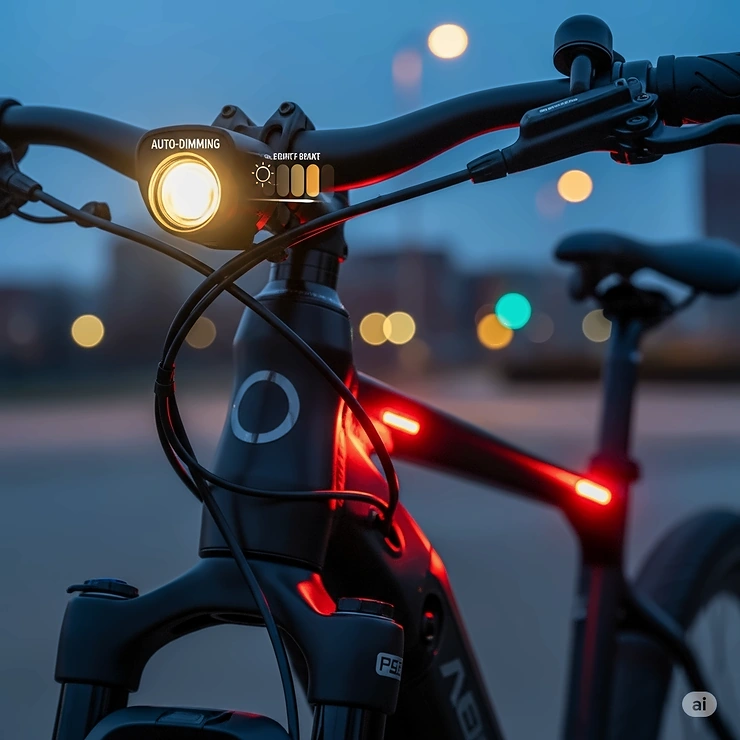
Modern LED-based systems offer dramatically improved efficiency, longevity, and performance in compact, lightweight packages. Integrated battery systems eliminate external wiring while providing superior runtime and convenience. Smart features like automatic brightness adjustment and connectivity options provide additional value for tech-savvy users.
Future lighting systems will likely incorporate additional smart features, improved integration with ebike systems, and enhanced safety features such as turn signals and brake lights. These developments will further improve cycling safety while maintaining the convenience and reliability that modern riders expect.
Integration with Existing Systems and Workflows
Standalone lighting systems offer maximum flexibility and compatibility with any bicycle but require separate charging and management. These systems work well for riders with multiple bikes or those who prefer component-level upgrades rather than integrated solutions.
Integrated ebike lighting systems provide superior convenience and potentially better performance through direct connection to the main battery system. However, these systems may limit upgrade options and require professional installation or service.
Hybrid approaches that combine integrated and standalone elements offer balanced solutions that provide both convenience and flexibility. Many modern ebikes include basic integrated lighting supplemented by high-performance standalone systems for demanding applications.
Case Studies and Real-World Success Stories
Real-world applications provide valuable insights into how different ebike lighting solutions perform under actual use conditions, highlighting both strengths and limitations that may not be apparent from specifications alone.
Urban Commuter Success Story: Daily Business Cycling
Sarah, a marketing consultant in Seattle, relies on her ebike for daily transportation to client meetings across the city. Her 15-mile daily commute includes busy arterials, bike lanes, and mixed-traffic environments where visibility is crucial for safety and professional appearance.
Initially, Sarah used a basic bike light that provided adequate illumination but frequently died during longer rides. After researching options, she invested in the APECYC 1200 Lumen Set for its combination of brightness, runtime, and professional appearance.
After six months of daily use, Sarah reports excellent satisfaction with her lighting choice. The 1200-lumen output provides confidence when riding in traffic, while the multiple power levels allow her to balance brightness with battery life based on conditions. The USB-C charging integrates seamlessly with her office setup, allowing convenient charging during work hours.
Most importantly, the reliable performance has eliminated the anxiety of potentially being caught without lights during evening meetings or unexpected delays. The professional appearance and consistent performance have become essential tools for maintaining her car-free lifestyle while meeting professional responsibilities.
Mountain Biking Adventure: Trail Riding Excellence
Mike, an avid mountain biker from Colorado, needed lighting solutions for extended trail rides and overnight bikepacking adventures. His requirements included extreme brightness for technical trail sections, extended runtime for multi-hour rides, and rugged construction for demanding off-road conditions.
After testing several options, Mike settled on a combination of the Knog Blinder 900 for primary illumination and BLITZU Cyborg lights for backup and camp use. This dual-system approach provides redundancy while optimizing performance for different aspects of his adventures.
The Knog light’s superior beam pattern and optical design provide excellent trail illumination with minimal glare, crucial for maintaining night vision during technical descents. The robust construction has withstood numerous impacts and harsh weather conditions without failure.
The BLITZU backup system provides peace of mind during remote adventures while serving as camp lighting and emergency signaling capability. The lightweight design and extended runtime make these lights ideal for bikepacking applications where every ounce matters.
Mike’s investment in quality lighting has enabled him to extend his riding season and attempt more ambitious adventures with confidence in his equipment. The reliability and performance of his lighting system have become essential enablers for his outdoor lifestyle.
Professional Delivery Application: Commercial Success
David operates a food delivery service using electric cargo bikes in a busy metropolitan area. His business requires lights that function reliably for 8+ hours daily while withstanding constant mounting/dismounting and various weather conditions.
Initially, David used inexpensive lights that frequently failed or provided inadequate runtime for full shifts. These failures resulted in safety concerns and lost income during evening peak hours when lighting was essential.
After consultation with other delivery professionals, David invested in the Magicshine SEEMEE system for its smart features and professional-grade construction. The automatic brightness adjustment and brake-sensing capability provide enhanced safety without requiring manual operation during busy delivery sequences.
The commercial-grade construction and extended runtime have eliminated lighting-related downtime while improving safety during peak evening hours. The smart features operate transparently, allowing David to focus on navigation and traffic rather than lighting management.
Most significantly, the improved visibility and professional appearance have enhanced customer confidence and enabled David to expand his operating hours into more profitable evening time slots. The lighting investment has paid for itself through increased revenue opportunities and reduced safety-related concerns.
Future Trends and Market Evolution
The ebike lighting industry continues evolving rapidly, driven by advances in LED technology, battery chemistry, smart features, and integration with broader transportation ecosystems. Understanding these trends helps riders make informed decisions about current purchases while anticipating future developments.
Emerging Technologies and Innovation Directions
Smart lighting systems that integrate with navigation apps, fitness trackers, and urban infrastructure represent a significant growth area. These systems will provide turn-by-turn navigation through light patterns, automatically adjust brightness based on route conditions, and potentially communicate with smart city infrastructure to optimize traffic flow and safety.
Advanced sensor integration will enable lights to detect and respond to various environmental conditions automatically. Future systems may include radar or lidar sensors that detect approaching vehicles and adjust output accordingly, or GPS integration that automatically switches between urban and rural lighting profiles based on location.
Wireless charging and solar integration will reduce dependency on traditional charging infrastructure. Inductive charging systems embedded in bike racks or storage areas could maintain light batteries automatically, while integrated solar panels could extend runtime during extended outdoor adventures.
Market Trends and Consumer Behavior Shifts
Increasing urbanization and environmental consciousness are driving growth in bicycle commuting, creating demand for more sophisticated lighting solutions. Consumers increasingly view bicycles as legitimate transportation alternatives rather than recreational toys, justifying investment in professional-grade safety equipment.
The subscription economy model may extend to bicycle accessories, with lighting-as-a-service offerings that include automatic upgrades, replacement warranties, and professional maintenance. This approach could make premium lighting systems accessible to budget-conscious consumers while ensuring optimal performance and safety.
Integration with health and fitness ecosystems will provide additional value beyond basic illumination. Lights that monitor rider fatigue, environmental conditions, and performance metrics could provide valuable insights while maintaining core safety functions.
Sustainability and Environmental Considerations
Environmental consciousness increasingly influences purchasing decisions, driving demand for lights manufactured using sustainable materials and processes. Modular designs that allow component replacement rather than complete system replacement will reduce electronic waste while potentially lowering long-term costs.
Battery recycling programs and extended producer responsibility will become standard features as governments implement stricter electronic waste regulations. Manufacturers that proactively address end-of-life considerations will gain competitive advantages with environmentally conscious consumers.
Energy efficiency improvements will continue through advanced LED development and improved power electronics. Future lights may provide current performance levels with dramatically reduced power consumption, extending runtime while reducing environmental impact.
Personalization and Customization Possibilities
Modular lighting systems that allow users to configure brightness, beam patterns, and features based on specific requirements will become more common. These systems could include interchangeable optical elements, variable power modules, and customizable mounting solutions for maximum versatility.
Software-defined functionality will enable lights to receive updates and new features throughout their operational life. This approach extends product longevity while providing ongoing value to consumers through feature enhancements and performance improvements.
Community-driven development platforms may enable users to share lighting profiles, route-specific configurations, and performance optimizations. These collaborative approaches could accelerate innovation while building stronger relationships between manufacturers and users.
Investment and Purchase Decision Framework
Making informed decisions about ebike lighting investments requires structured evaluation of requirements, options, and long-term value considerations. This framework guides readers through the decision process while highlighting key factors that impact satisfaction and value.
Requirements Analysis and Prioritization
Begin by documenting your specific riding patterns, including typical routes, timing, weather conditions, and duration. Urban commuters have different requirements than recreational trail riders, and these differences significantly impact optimal lighting choices.
Consider your budget not just for initial purchase but for ongoing maintenance, replacement batteries, and potential upgrades. Premium lights often provide superior long-term value despite higher initial costs through reduced replacement frequency and better performance characteristics.
Evaluate your technical comfort level and preference for complexity versus simplicity. Some riders prefer simple, reliable systems while others enjoy advanced features and connectivity options. Neither approach is inherently better, but alignment with personal preferences significantly impacts satisfaction.
Cost-Benefit Analysis Framework
Calculate total cost of ownership including purchase price, replacement batteries, maintenance supplies, and estimated replacement frequency. Premium lights typically provide lower per-year costs despite higher initial investment through extended longevity and reduced maintenance requirements.
Quantify safety benefits in terms of reduced accident risk and associated costs. While difficult to measure precisely, improved visibility from quality lighting systems provides significant value through accident prevention and enhanced confidence during low-light riding.
Consider convenience factors such as charging frequency, mounting/dismounting time, and integration with existing equipment. These soft costs accumulate over time and significantly impact user satisfaction with lighting choices.
Implementation Strategy Templates
New cyclists should start with quality mid-range lighting systems that provide professional-grade performance without overwhelming complexity. The Ascher Ultra Bright or APECYC 1200 represent excellent starting points that provide room for growth while meeting immediate safety needs.
Experienced riders upgrading from basic systems should focus on specific performance improvements rather than simply seeking maximum brightness. Consider factors like runtime, build quality, and advanced features that address limitations of current equipment.
Professional users requiring maximum reliability should prioritize proven systems with strong support networks and readily available replacement parts. The Magicshine and Knog systems offer professional-grade performance with appropriate support infrastructure.
Budget Planning and Financing Considerations
Quality ebike lighting represents a significant safety investment that justifies careful financial planning. Consider spreading purchases across multiple budget cycles, starting with primary lighting and adding backup or specialized systems over time.
Many retailers offer seasonal sales and bundling opportunities that provide significant savings on quality lighting systems. Plan purchases around these opportunities to maximize value while ensuring adequate lead time for delivery and setup.
Factor replacement and upgrade costs into long-term budgeting. Lighting technology evolves rapidly, and planning for periodic upgrades ensures continued access to improved safety features and performance capabilities.
Success Metrics and Performance Evaluation
Establish clear criteria for evaluating lighting performance including runtime, brightness consistency, reliability, and user satisfaction. Document performance over time to identify trends and potential issues early.
Monitor safety improvements through reduced close calls, improved visibility in challenging conditions, and enhanced confidence during low-light riding. While subjective, these factors represent important indicators of lighting system effectiveness.
Track maintenance requirements, failure rates, and support experiences to inform future purchasing decisions. This information helps identify manufacturers and models that provide superior long-term value and customer satisfaction.
Ready to Upgrade Your Night Riding Safety? 🚀
These carefully selected ebike lights represent the best value and performance available in 2025. Click on any product above to check current Amazon pricing and customer reviews. Don’t compromise on safety – invest in quality lighting that keeps you visible and confident during every ride! 🌟⚡
Frequently Asked Questions
❓ How many lumens do I need for ebike lights?
❓ Can I use regular bike lights on my ebike?
❓ What's the difference between USB and USB-C charging?
❓ How long should ebike lights runtime last?
❓ Are expensive ebike lights worth the extra cost?
Conclusion
Choosing the right ebike lights is one of the most important safety decisions you’ll make as a cyclist. The seven lights reviewed in this guide represent the best options available in 2025, each excelling in different areas and price points. Whether you’re a budget-conscious commuter or a serious enthusiast seeking premium performance, there’s an option that will meet your specific needs and enhance your riding safety.
Remember that the best light is the one you’ll actually use consistently. Consider your riding patterns, budget constraints, and personal preferences when making your selection. Quality ebike lights are an investment in your safety that pays dividends every time you ride in low-light conditions.
The future of ebike lighting continues to evolve with exciting developments in smart technology, integration capabilities, and enhanced safety features. By choosing quality lighting today, you’re not just improving your current riding experience—you’re investing in technology that will serve you reliably for years to come.
Illuminate Your Next Adventure Today! ✨
Don’t let darkness limit your cycling adventures. These proven ebike lights provide the safety, reliability, and performance you need for confident night riding. Click any product link above to secure your lighting upgrade and join thousands of satisfied riders who trust these systems for their daily cycling needs! 🚴♂️🌙
Recommended for You:
- 7 Best Electric Bike Tire Options for Ultimate Performance and Safety in 2025
- 7 Best Ebike Cover Options For Ultimate Protection in 2025
- 7 Best eBike Wall Storage Reviews: Ultimate Space-Saving Solutions 2025
Disclaimer: This article contains affiliate links. If you purchase products through these links, we may earn a small commission at no additional cost to you.
✨ Found this helpful? Share it with your friends! 💬🤗
