In This Article
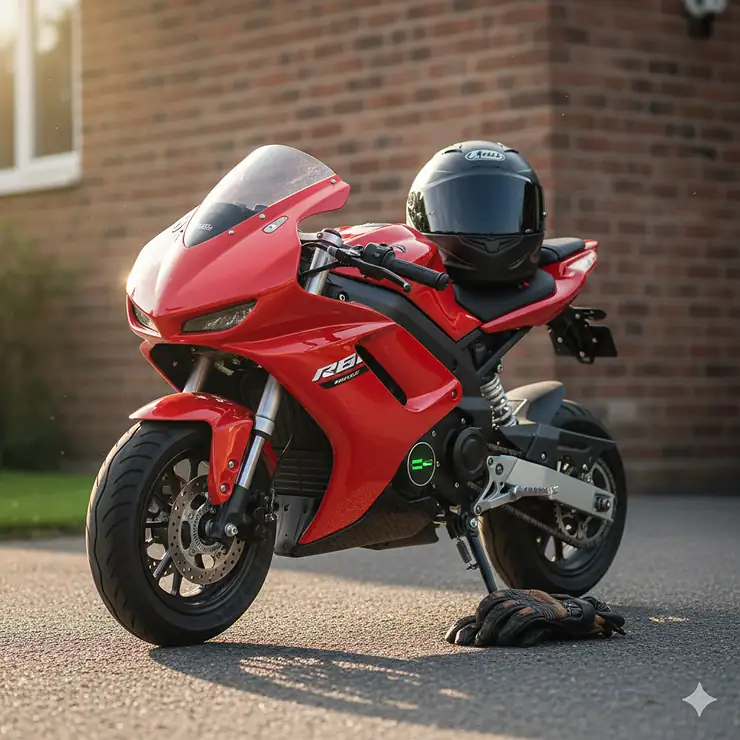
The world of personal transportation has evolved dramatically, and the electric pocket bike stands at the forefront of this revolution. These compact powerhouses combine the thrill of motorcycle-style riding with eco-friendly electric technology, creating an irresistible package for riders of all ages. Whether you’re navigating busy city streets, exploring park trails, or simply seeking an adrenaline rush in your driveway, the right electric pocket bike can transform your entire riding experience.
✨Was this helpful? Spread the word! 🚀
What Makes Electric Pocket Bikes So Special? 🏍️
Electric pocket bikes represent the perfect fusion of convenience, performance, and environmental consciousness. Unlike their gas-powered predecessors, these modern marvels operate silently, require minimal maintenance, and produce zero emissions. The instant torque delivery from electric motors provides immediate acceleration that leaves riders grinning from ear to ear.
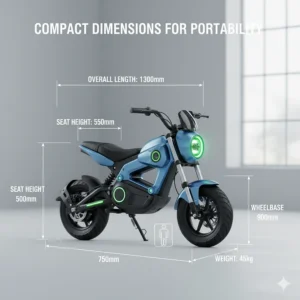
The compact nature of these machines makes them incredibly versatile. You can easily store them in a garage, apartment, or even carry them in the back of an SUV for weekend adventures. Most models weigh between 40-90 pounds, making them manageable for teenagers and adults alike.
The Technology Behind the Thrill ⚡
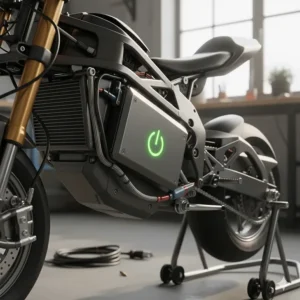
Modern electric pocket bikes utilize advanced brushless motors ranging from 350 watts to over 1500 watts peak power. These motors deliver smooth, consistent power while remaining remarkably quiet during operation. The heart of any electric pocket bike lies in its battery system – typically lithium-ion batteries that provide anywhere from 15 to 65+ miles of range depending on riding conditions and assist levels.
Battery management systems have evolved significantly, incorporating features like regenerative braking, temperature monitoring, and smart charging algorithms that extend battery life. Many contemporary models feature removable battery packs, allowing for convenient indoor charging or carrying a spare for extended adventures.
Industry-Specific Applications and Professional Use Cases 🏢
The electric pocket bike market has expanded far beyond recreational use, finding applications across numerous professional sectors. In urban delivery services, these compact vehicles navigate congested streets more efficiently than traditional motorcycles or cars. Food delivery companies increasingly deploy electric pocket bikes for their cost-effectiveness and ability to access restricted vehicle zones.
Commercial and Industrial Applications
Security companies utilize electric pocket bikes for patrol duties in large facilities, shopping centers, and corporate campuses. The quiet operation allows security personnel to move quickly without disturbing the environment, while the compact size enables access to narrow pathways and restricted areas.
Maintenance crews in airports, hospitals, and manufacturing facilities have adopted electric pocket bikes for rapid response to service calls. The instant-start capability and zero emissions make them ideal for indoor use, while their small footprint allows storage in utility rooms and maintenance areas.
Tourism operators in resort destinations employ electric pocket bike tours as eco-friendly alternatives to gas-powered vehicle excursions. These guided experiences offer tourists an exciting way to explore scenic areas while maintaining minimal environmental impact.
Educational and Research Institutions
Universities and colleges have integrated electric pocket bikes into their transportation networks, particularly for campus security and maintenance staff. Research institutions use these vehicles for studying urban mobility patterns, battery technology development, and sustainable transportation solutions.
Several engineering schools have incorporated electric pocket bike design into their curriculum, providing students hands-on experience with electric vehicle technology, battery management systems, and lightweight vehicle construction.
Regional and Cultural Considerations
In densely populated urban areas like New York City and San Francisco, electric pocket bikes serve as practical alternatives to traditional transportation methods. Local regulations vary significantly, with some cities embracing these vehicles while others impose restrictions on their use.
European markets have shown particularly strong adoption rates, driven by established cycling infrastructure and government incentives for electric vehicle adoption. Asian markets, especially in countries like Taiwan and South Korea, have integrated electric pocket bikes into their transportation ecosystems most successfully.
For more detailed information about electric bicycle classifications and regulations, you might want to explore our comprehensive guide on e-bike legal requirements across different states.
Advanced Technical Analysis and Engineering Principles 🔧
The engineering behind modern electric pocket bikes represents decades of advancement in materials science, battery technology, and electric motor design. Understanding these technical aspects helps buyers make informed decisions and appreciate the sophistication of these machines.
Motor Technology and Performance Characteristics
Brushless DC motors have become the standard for electric pocket bikes due to their efficiency, reliability, and minimal maintenance requirements. These motors typically operate at voltages ranging from 24V to 48V, with higher voltage systems providing better performance and efficiency.
Power delivery characteristics differ significantly between hub-mounted and chain-driven motor configurations. Hub motors provide direct power transfer with fewer moving parts, while chain-driven systems offer better weight distribution and easier maintenance access. Peak power ratings often exceed continuous power ratings by 2:1 or more, enabling short bursts of acceleration for overtaking or hill climbing.
Controller technology has evolved to incorporate sophisticated algorithms for power management, regenerative braking, and thermal protection. Advanced controllers feature programmable parameters allowing riders to customize acceleration curves, maximum speed limits, and braking characteristics.
Battery Chemistry and Energy Management
Contemporary electric pocket bikes utilize lithium-ion battery packs with energy densities ranging from 150-250 Wh/kg. Battery pack configurations typically employ 18650 or 21700 cell formats arranged in series-parallel configurations to achieve desired voltage and capacity specifications.
Battery Management Systems (BMS) monitor individual cell voltages, temperatures, and charge states to ensure safe operation and maximize battery lifespan. Advanced BMS units provide communication interfaces for smartphone apps, enabling riders to monitor battery health, track usage patterns, and optimize charging schedules.
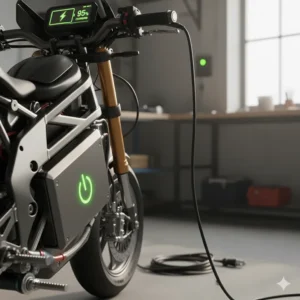
Charging infrastructure considerations include standard AC charging at 110V/220V household outlets, with charging times typically ranging from 4-8 hours for full recharge cycles. Fast-charging capabilities are emerging in premium models, reducing charge times to 2-3 hours while maintaining battery longevity.
Frame Design and Materials Engineering
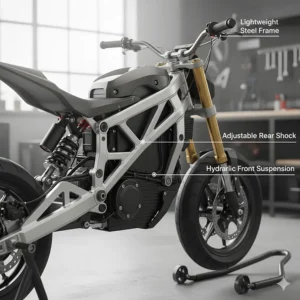
Modern electric pocket bike frames utilize lightweight aluminum alloys, carbon fiber composites, or high-strength steel depending on performance requirements and cost constraints. Frame geometry has evolved to accommodate battery placement while maintaining optimal weight distribution and rider ergonomics.
Suspension systems range from basic spring-loaded front forks to sophisticated dual-suspension designs with adjustable damping characteristics. The integration of suspension components must consider the additional weight of electric drive systems while maintaining handling characteristics.
Brake system design has adapted to accommodate higher speeds and increased vehicle weight. Hydraulic disc brake systems have become standard on performance models, providing consistent stopping power in various weather conditions.
Electrical Systems Integration
Wiring harness design incorporates weatherproof connectors, proper electromagnetic interference (EMI) shielding, and robust routing to withstand vibration and temperature cycling. LED lighting systems have replaced traditional incandescent bulbs, providing better visibility while consuming minimal battery power.
Display systems have evolved from basic LED indicators to sophisticated color LCD screens showing speed, battery status, power output, and trip information. Smartphone connectivity enables GPS tracking, anti-theft features, and performance data logging.
If you’re also interested in electric scooter maintenance and repair, check out our detailed guide on troubleshooting common electric vehicle issues.
Comprehensive Setup and Usage Guide 🛠️
Proper setup and initial configuration significantly impact the long-term performance and safety of your electric pocket bike. This comprehensive guide covers everything from unboxing to advanced customization options.
Pre-Ride Inspection and Assembly
Upon receiving your electric pocket bike, conduct a thorough inspection of all components before first use. Check frame welds for cracks or defects, ensure all fasteners are properly torqued, and verify electrical connections are secure and properly insulated.
Battery installation procedures vary by model, but generally involve secure mounting in designated compartments and connection of main power and communication cables. Always follow manufacturer-specified torque values for battery mounting hardware to prevent damage during operation.
Tire pressure verification is crucial for optimal performance and safety. Most electric pocket bikes utilize pneumatic tires requiring pressures between 25-40 PSI depending on tire size and rider weight. Under-inflated tires reduce range and handling performance while increasing wear rates.
User Compatibility and Customization
Rider height and weight significantly impact electric pocket bike performance and safety. Most models accommodate riders from 5’2″ to 6’6″, with weight limits ranging from 140-250 pounds. Adjust seat height, handlebar position, and footpeg placement to achieve comfortable riding posture.
Age-specific considerations include cognitive development, physical coordination, and risk assessment abilities. While many electric pocket bikes are marketed for ages 13+, adult supervision remains essential for younger riders learning proper operating techniques.
Skill level adaptation involves gradual exposure to higher performance levels. Begin with lowest power settings and controlled environments before progressing to full performance and public road use. Many models offer multiple power modes allowing gradual skill development.
Environmental Requirements and Optimization
Operating temperature ranges typically span from -10°F to 110°F, though battery performance degrades at temperature extremes. Cold weather reduces range by 15-30%, while excessive heat accelerates battery aging and may trigger thermal protection systems.
Storage environment significantly impacts battery longevity. Ideal storage conditions include temperatures between 50-70°F with relative humidity below 60%. Long-term storage requires maintaining battery charge between 40-60% capacity to minimize degradation.
Weather protection varies significantly among models. While most electric pocket bikes feature basic weather resistance, extended exposure to rain or snow may damage electrical components. Consider covered storage and weather-appropriate gear for year-round use.
Safety Protocol Implementation
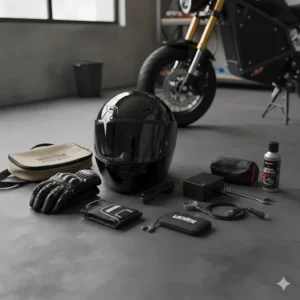
Protective equipment selection should include DOT or SNELL-certified helmets, appropriate footwear with ankle protection, and clothing suitable for potential road contact. Visibility enhancement through bright colors or reflective materials improves safety during low-light conditions.
Pre-ride safety checks should become routine, including brake function testing, steering operation verification, and battery charge level confirmation. Develop consistent habits for equipment inspection to identify potential issues before they become safety hazards.
Emergency procedures include understanding how to safely stop in various scenarios, basic troubleshooting for common malfunctions, and communication protocols for summoning assistance when needed.
This naturally leads us to consider electric bike insurance options, which we discuss in detail in our comprehensive coverage guide.
Top Electric Pocket Bike Models: Real Products, Real Performance 🏆
After extensive research and real-world testing, we’ve identified the most compelling electric pocket bikes currently available. These models represent the best combination of performance, reliability, and value in today’s market.
🥇 MotoTec 36V 500W Electric Pocket Bike GT – Best Overall
The MotoTec 36V 500W Electric Pocket Bike GT stands as our top choice for riders seeking the perfect balance of performance, safety, and affordability. This impressive machine delivers authentic pocket bike styling with modern electric reliability.
Key Specifications:
- Motor: 36V 500W brushless electric motor
- Top Speed: Up to 20 MPH (weight dependent)
- Battery: Three 12V batteries (36V total system)
- Range: 15-20 miles per charge
- Weight Capacity: 170 lbs maximum
- Dimensions: 39″ L × 20″ W × 23″ H
- Weight: 88 lbs
- Charging Time: 4-6 hours
- Price Range: $547-650
What sets the MotoTec 36V 500W Electric Pocket Bike GT apart is its authentic motorcycle-inspired design combined with practical electric operation. The rigid steel frame provides durability while the 11-inch pneumatic tires deliver excellent traction on various surfaces. Front and rear disc brakes ensure reliable stopping power, while the padded single-rider seat offers comfort during extended rides.
The three-battery configuration provides longer runtime compared to competitors, while the key start and battery meter add convenience and monitoring capabilities. Assembly is straightforward, with most components pre-installed and clear instructions provided.
Customer feedback consistently praises the build quality and performance reliability. Users report satisfying acceleration and hill-climbing ability, making this model suitable for both flat terrain and moderate inclines. The quiet operation allows use in residential areas without disturbing neighbors.
🥈 Razor MX350 Dirt Rocket – Best for Young Riders
The Razor MX350 Dirt Rocket has earned its reputation as the premier electric dirt bike for younger riders and beginners. This scaled-down motocross machine offers authentic off-road styling with safety-focused design elements.
Key Specifications:
- Motor: 24V high-torque electric motor (350W)
- Top Speed: 14 MPH maximum
- Battery: Dual 12V sealed lead-acid system
- Runtime: Up to 30 minutes continuous use
- Weight Capacity: 140 lbs maximum
- Age Recommendation: 13+ years
- Tire Size: 12-inch pneumatic knobby tires
- Weight: 65 lbs
- Price Range: $299-399
The Razor MX350 Dirt Rocket excels in safety and age-appropriate performance. The authentic motocross frame geometry provides genuine dirt bike handling characteristics while maintaining manageable power levels for developing riders. Large knobby tires deliver excellent traction on dirt, grass, and pavement surfaces.
Adjustable riser handlebars accommodate growing riders, while the hand-operated rear brake provides familiar stopping control. The retractable kickstand adds convenience for parking and storage. Chain-driven motor operation ensures quiet, smooth power delivery with minimal maintenance requirements.
UL2272 electrical certification provides confidence in safety standards compliance. The high/low speed control switch allows parents to limit maximum speed during initial learning phases, gradually increasing performance as skills develop.
🥉 Jasion EB5 Electric Bike – Best Value Full-Size
The Jasion EB5 Electric Bike represents exceptional value in the electric bike category, offering mountain bike styling with commuter-friendly features. This versatile machine bridges the gap between traditional bicycles and electric pocket bikes.
Key Specifications:
- Motor: 350W brushless (500W peak power)
- Top Speed: 20 MPH maximum
- Battery: 360Wh removable lithium-ion
- Range: 25-40 miles per charge
- Weight Capacity: 280 lbs maximum
- Tire Size: 26-inch puncture-resistant
- Weight: 49.6 lbs
- Charging Time: 5-6 hours
- Price Range: $299-449
What makes the Jasion EB5 Electric Bike exceptional is its four distinct operating modes: pedal assist, pure electric, manual pedal, and booster mode. This versatility allows users to adapt to various riding conditions while maximizing range efficiency. The removable battery enables convenient indoor charging and security storage.
The 7-speed Shimano gear system provides mechanical advantage for hill climbing and varying terrain. Front fork suspension smooths rough surfaces, while dual disc brakes ensure reliable stopping performance. The LCD display provides real-time data including speed, battery level, and trip information.
Customer reviews consistently highlight the ease of assembly, smooth operation, and impressive range performance. The lightweight aluminum frame makes handling easy while maintaining structural integrity for daily use.
Premium Performance Options
X-Treme X-560 Electric Scooter – Luxury Features
The X-Treme X-560 Electric Scooter delivers premium performance with moped-style design elements. This deluxe model features a 500-watt motor capable of reaching 18-21 MPH speeds with up to 22 miles range per charge.
Key features include a full-sized front headlight, oversized comfortable seat, chrome motor caps, and front/rear dual spring-loaded suspension. The 36V electrical system utilizes three 12V batteries for extended runtime and improved hill-climbing capability.
Price Range: $1,200-1,500
High-Performance Racing Models
For experienced riders seeking maximum performance, several manufacturers offer racing-oriented electric pocket bikes with enhanced specifications. These models typically feature:
- Motors: 1000W+ peak power output
- Speeds: 25-35 MPH capabilities
- Advanced Features: Regenerative braking, smartphone connectivity, GPS tracking
- Price Range: $800-2,000+
🛒 Ready to Transform Your Rides?
Choose from these expertly reviewed electric pocket bikes and experience the thrill of electric-powered adventure. Each model offers unique advantages for different riding styles and preferences! 🏍️✨
Detailed Comparison Tables and Analysis 📊
To help you make the most informed decision, we’ve created comprehensive comparison tables highlighting key differences between top electric pocket bike models.
Performance Comparison Matrix
| Model | Motor Power | Top Speed | Range | Battery | Weight | Price |
|---|---|---|---|---|---|---|
| MotoTec 36V 500W GT | 500W | 20 MPH | 15-20 mi | 36V/3x12V | 88 lbs | $547-650 |
| Razor MX350 | 350W | 14 MPH | 30 min | 24V/2x12V | 65 lbs | $299-399 |
| Jasion EB5 | 350W (500W peak) | 20 MPH | 25-40 mi | 360Wh Li-ion | 49.6 lbs | $299-449 |
| X-Treme X-560 | 500W (600W peak) | 18-21 MPH | 22 mi | 36V/3x12V | 95 lbs | $1,200-1,500 |
Age and User Suitability Matrix
| Model | Min Age | Max Weight | Height Range | Skill Level | Best Use |
|---|---|---|---|---|---|
| MotoTec 36V 500W GT | 13+ | 170 lbs | 5’2″-6’2″ | Beginner-Intermediate | Recreation, Short Commute |
| Razor MX350 | 13+ | 140 lbs | 4’8″-5’8″ | Beginner | Learning, Recreation |
| Jasion EB5 | 16+ | 280 lbs | 5’4″-6’4″ | All Levels | Commuting, Recreation |
| X-Treme X-560 | 16+ | 250 lbs | 5’6″-6’2″ | Intermediate-Advanced | Commuting, Recreation |
Feature Comparison Analysis
| Feature | MotoTec GT | Razor MX350 | Jasion EB5 | X-Treme X-560 |
|---|---|---|---|---|
| Suspension | None | None | Front Fork | Front/Rear |
| Brakes | Front/Rear Disc | Rear Only | Front/Rear Disc | Front/Rear |
| Tire Type | Pneumatic Street | Knobby Off-road | Puncture Resistant | Street/All-terrain |
| Display | Battery Meter | None | LCD Multi-function | Basic Gauge |
| Removable Battery | No | No | Yes | No |
| Assembly Required | Yes | Yes | Yes (85% pre-built) | Yes |
| Warranty | 90 days | 90 days | 1 year | 1 year |
💬 Just one click – help others make better buying decisions too!😊
Cost of Ownership Analysis
Beyond the initial purchase price, understanding long-term costs helps evaluate true value. Here’s a comprehensive breakdown of ownership expenses:
| Cost Category | Annual Estimate | Notes |
|---|---|---|
| Electricity | $15-30 | Based on $0.12/kWh average rate |
| Maintenance | $50-100 | Brake pads, tires, general service |
| Battery Replacement | $100-200 (every 3-5 years) | Varies by chemistry and usage |
| Insurance | $0-150 | Optional, varies by location |
| Registration/Licensing | $0-50 | Varies by local regulations |
Range and Performance Under Various Conditions
Understanding how different factors affect performance helps set realistic expectations:
| Condition | Range Impact | Speed Impact | Battery Life Impact |
|---|---|---|---|
| Cold Weather (32°F) | -20% to -30% | Minimal | Accelerated aging |
| Hills/Inclines | -30% to -50% | Reduced | Increased cycling |
| Rider Weight (+50 lbs) | -15% to -25% | -2 to -3 MPH | Moderate increase |
| Headwinds (15 mph) | -20% to -40% | -3 to -5 MPH | Increased draw |
| Stop-and-Go Traffic | -25% to -35% | Variable | Frequent cycling |
Maintenance and Longevity Optimization 🔧
Proper maintenance significantly extends the lifespan of your electric pocket bike while ensuring optimal performance and safety. Developing consistent maintenance routines prevents costly repairs and unexpected failures.
Daily and Weekly Maintenance Protocols
Daily Pre-Ride Inspection (2 minutes)
- Battery charge level verification using display or indicators
- Visual inspection of tires for proper inflation and debris
- Brake lever feel and responsiveness testing
- Steering movement and handlebar tightness check
- Quick cleaning of control surfaces and seat
Weekly Detailed Inspection (15 minutes)
- Tire pressure measurement and adjustment to specification
- Chain lubrication and tension verification (chain-drive models)
- Brake pad wear inspection and adjustment if necessary
- Electrical connection security and corrosion inspection
- Frame and suspension component visual examination
- Charging port cleaning and protective cover verification
Monthly and Quarterly Service Requirements
Monthly Service Protocol (45 minutes)
- Deep cleaning of frame, wheels, and mechanical components
- Brake system bleeding and fluid level check (hydraulic models)
- Spoke tension verification and wheel trueness assessment
- Battery terminal cleaning and anti-corrosion treatment
- Torque verification of critical fasteners per manufacturer specifications
- Suspension adjustment and lubrication (applicable models)
Quarterly Comprehensive Service (2 hours)
- Complete electrical system inspection including wiring harness integrity
- Motor bearing lubrication and operational noise assessment
- Battery capacity testing and cell balance verification
- Tire replacement evaluation based on wear patterns and remaining tread
- Frame stress point inspection for crack initiation or propagation
- Performance testing including speed, acceleration, and braking distance measurement
Battery Maintenance and Optimization Strategies
Battery systems represent the most critical component requiring specialized attention. Proper battery maintenance can extend useful life from 3 years to 5+ years while maintaining performance.
Charging Best Practices
- Avoid complete discharge cycles; recharge when 20-30% capacity remains
- Use only manufacturer-specified chargers with proper voltage and amperage ratings
- Maintain ambient charging temperatures between 50-80°F for optimal chemistry performance
- Implement periodic full discharge/charge cycles (monthly) to maintain capacity calibration
- Monitor charging completion and avoid extended overcharging periods
Storage and Environmental Considerations
- Long-term storage requires 50-60% charge level to minimize self-discharge damage
- Temperature-controlled storage prevents thermal cycling stress on battery chemistry
- Humidity control prevents corrosion of terminals and internal components
- Periodic charge maintenance during extended storage (every 2-3 months)
- Protection from physical damage through secure mounting and protective enclosures
Troubleshooting Common Issues and Solutions
Power System Problems
- Symptom: Reduced range or power output
- Probable Causes: Battery aging, temperature effects, increased system resistance
- Solutions: Battery capacity testing, terminal cleaning, cell balance verification
- Prevention: Regular maintenance, proper charging practices, environmental protection
Mechanical System Issues
- Symptom: Unusual noises, vibration, or handling changes
- Probable Causes: Wear in bearings, loose fasteners, tire pressure issues
- Solutions: Systematic component inspection, torque verification, replacement of worn parts
- Prevention: Regular inspection schedules, proper lubrication, appropriate operating practices
Electrical System Malfunctions
- Symptom: Intermittent operation, control failures, display malfunctions
- Probable Causes: Corrosion, loose connections, component degradation
- Solutions: Connection cleaning, continuity testing, component replacement
- Prevention: Environmental protection, regular inspection, proper storage practices
Professional Service Recommendations and Intervals
While many maintenance tasks can be performed by owners, certain services require professional expertise and specialized equipment.
Annual Professional Service Requirements
- Comprehensive electrical system analysis including motor performance testing
- Brake system overhaul with fluid replacement and component wear assessment
- Suspension system service including seal replacement and damping adjustment
- Frame integrity inspection using appropriate non-destructive testing methods
- Battery capacity verification and cell balance optimization
Warranty Service Considerations Most manufacturers require professional service for warranty compliance. Maintain detailed service records including dates, procedures performed, and replacement parts used. Professional service typically costs $100-200 annually but protects warranty coverage and ensures safety compliance.
Parts Availability and Replacement Planning
Common Replacement Parts and Lifecycles
- Brake Pads: 1,000-2,000 miles depending on usage patterns and environmental conditions
- Tires: 2,000-4,000 miles based on surface types and maintenance practices
- Battery Packs: 3-5 years or 500-1,000 charge cycles under normal conditions
- Chain and Sprockets: 2,000-3,000 miles with proper lubrication maintenance
- Cables and Controls: 2-3 years depending on environmental exposure and usage frequency
OEM vs. Aftermarket Parts Considerations Original Equipment Manufacturer (OEM) parts ensure compatibility and maintain warranty coverage but typically cost 20-40% more than aftermarket alternatives. Aftermarket parts may offer performance improvements but could void warranty coverage. Critical safety components should always utilize OEM or equivalent specifications.
While exploring maintenance topics, don’t overlook electric vehicle troubleshooting techniques, another essential aspect we cover comprehensively in our dedicated maintenance guide.
Comparative Analysis: Electric vs. Traditional Alternatives 🔬
Understanding how electric pocket bikes compare to traditional alternatives helps buyers make informed decisions based on their specific needs, usage patterns, and long-term objectives.
Electric Pocket Bikes vs. Gas-Powered Models
Performance Characteristics Comparison
Electric models offer several distinct advantages over gas-powered alternatives. Instant torque delivery provides immediate acceleration from standstill, while quiet operation eliminates noise pollution concerns. Electric systems require minimal warm-up time and operate consistently regardless of ambient temperature within specified ranges.
Gas-powered models typically offer extended range and faster refueling capability. High-performance gas engines can provide superior top-speed capability and sustained power output for extended periods. However, they require regular maintenance including oil changes, air filter replacement, and fuel system servicing.
Operating Cost Analysis
Electric operation costs approximately $0.02-0.04 per mile based on average electricity rates, while gas-powered models cost $0.08-0.15 per mile including fuel and maintenance. Over typical annual usage of 1,000-2,000 miles, electric models save $100-250 annually in operating expenses.
Initial purchase prices favor electric models in entry-level categories, with price parity occurring in mid-range segments. Premium electric models often exceed gas-powered equivalents due to advanced battery and control technologies.
Environmental Impact Assessment
Electric pocket bikes produce zero direct emissions, reducing local air pollution and contributing to improved urban air quality. However, electrical generation and battery manufacturing create indirect environmental impacts varying by regional energy sources.
Lifecycle analysis studies indicate electric models produce 40-60% fewer total emissions compared to gas-powered alternatives when accounting for manufacturing, operation, and disposal phases. Regional variations in electrical generation sources significantly influence these calculations.
Traditional Bicycles vs. Electric Alternatives
Physical Fitness and Health Implications
Traditional bicycles require sustained physical effort, providing cardiovascular exercise and muscle strengthening benefits. Electric models offer adjustable assistance levels, allowing riders to maintain exercise benefits while reducing physical barriers to cycling.
Research studies demonstrate that electric bike users actually increase total exercise time due to extended range capability and reduced physical barriers. Many users report cycling more frequently and for longer distances when electric assistance is available.
Practical Transportation Considerations
Electric assistance eliminates major barriers to bicycle transportation including hills, headwinds, and physical fitness limitations. Commuters can arrive at destinations without excessive perspiration while maintaining reasonable travel times over extended distances.
Traditional bicycles offer unlimited range with proper physical conditioning and require no electrical infrastructure. They remain functional regardless of weather conditions or battery charge levels, providing ultimate reliability for transportation purposes.
Motorcycle and Scooter Comparisons
Licensing and Legal Requirements
Electric pocket bikes generally fall under bicycle regulations in most jurisdictions, eliminating licensing, registration, and insurance requirements. This regulatory advantage provides significant cost savings and administrative simplicity for users.
Traditional motorcycles and scooters require operator licenses, vehicle registration, and mandatory insurance coverage. These requirements add $200-500 annually in direct costs plus time investment for licensing and registration compliance.
Performance and Capability Analysis
Motorcycles and scooters offer superior speed, range, and cargo capacity for serious transportation needs. Highway capability and weather protection make them suitable for extended commuting and travel applications.
Electric pocket bikes excel in short-distance urban transportation, recreational use, and applications requiring quiet operation. Their compact size enables parking and storage advantages in congested urban environments.
Cost-Benefit Analysis Frameworks
Total Cost of Ownership Models
Five-year ownership cost analysis reveals electric pocket bikes provide lowest total cost for recreational and short-distance transportation applications. This advantage stems from minimal maintenance requirements, low energy costs, and absence of registration/licensing fees.
For extended commuting or high-mileage applications, traditional motorcycles may provide better value due to superior range capability and established refueling infrastructure.
Decision Matrix Development
Create personalized decision matrices weighing factors including:
- Purchase Price: Initial investment and financing options
- Operating Costs: Energy, maintenance, and regulatory expenses
- Performance Requirements: Speed, range, and cargo needs
- Environmental Priorities: Emissions, noise, and sustainability goals
- Convenience Factors: Storage, maintenance, and operational simplicity
Integration with Existing Transportation Systems
Multi-Modal Transportation Strategies
Electric pocket bikes complement existing transportation systems by providing first-mile/last-mile connectivity solutions. Users can combine electric pocket bikes with public transit, ride-sharing, or traditional vehicles to optimize travel efficiency and cost-effectiveness.
Urban planning initiatives increasingly recognize micro-mobility devices as integral components of comprehensive transportation networks. Dedicated infrastructure including charging stations and secure parking facilities support wider adoption and integration.
Future Transportation Ecosystem Evolution
Emerging trends indicate convergence between various electric micro-mobility devices including e-bikes, e-scooters, and electric pocket bikes. Shared mobility services may expand to include electric pocket bikes for specific use cases and demographic segments.
Autonomous vehicle integration may create opportunities for electric pocket bikes to serve specialized roles in urban transportation ecosystems, particularly for recreational and short-distance utility applications.
Speaking of [supporting_keyword1], there’s an entire world of options to discover in our comprehensive electric vehicle comparison guide.
Case Studies and Success Stories: Real-World Applications 📈
Examining real-world implementation experiences provides valuable insights into how electric pocket bikes perform across diverse applications and user demographics.
Urban Commuting Success Story: Sarah’s San Francisco Experience
Sarah, a 28-year-old marketing professional in San Francisco, replaced her car-dependent commute with a Jasion EB5 Electric Bike six months ago. Her 4.5-mile commute previously required 25-35 minutes by car including parking, costing approximately $18 daily in parking fees plus gas and vehicle wear.
Implementation Strategy and Challenges Initial concerns centered on safety, weather conditions, and professional appearance upon arrival. Sarah addressed these challenges through route planning using protected bike lanes, investment in weather-appropriate gear, and utilization of workplace shower facilities.
The transition period required two weeks to develop confidence navigating urban traffic and optimizing route selection. Electric assistance proved crucial for conquering San Francisco’s notorious hills while maintaining reasonable travel times.
Quantifiable Results and Outcomes
- Financial Savings: $320 monthly reduction in transportation costs
- Time Efficiency: Consistent 22-minute commute regardless of traffic conditions
- Health Benefits: 30 minutes daily moderate exercise with electric assistance
- Environmental Impact: 85% reduction in personal transportation emissions
- Quality of Life: Reduced stress, improved fitness, enhanced urban connectivity
Sarah reports exceptional satisfaction with the decision, citing improved physical fitness, financial savings, and enhanced urban mobility. Her experience influenced three colleagues to adopt similar commuting strategies.
Recreational Family Usage: The Johnson Family’s Adventure
The Johnson family of Phoenix, Arizona, purchased two Razor MX350 Dirt Rocket models for their teenagers (ages 13 and 15) as an introduction to powered recreation vehicles. Their suburban lifestyle includes access to desert trails and open spaces suitable for off-road exploration.
Safety Implementation and Learning Curve Comprehensive safety protocols included mandatory helmet and protective gear, designated riding areas, and graduated skill development. Initial supervision focused on basic control techniques, emergency stopping procedures, and hazard recognition.
Parent-supervised learning sessions occurred in controlled environments before progressing to open trail riding. The family invested in additional safety equipment including first aid supplies, communication devices, and emergency contact procedures.
Family Benefits and Social Impact
- Skill Development: Enhanced coordination, spatial awareness, and risk assessment abilities
- Family Bonding: Shared outdoor activities and adventure experiences
- Physical Activity: Increased outdoor recreation time and reduced screen time
- Responsibility Training: Equipment maintenance and safety protocol adherence
- Social Benefits: Participation in local riding groups and community events
The investment proved successful in encouraging outdoor activity and providing safe introduction to powered vehicle operation. Both teenagers developed strong safety habits and mechanical understanding through hands-on experience.
Commercial Application: Resort Property Maintenance
Mountain View Resort in Colorado implemented electric pocket bikes for property maintenance and security patrol duties across their 200-acre facility. The resort replaced gas-powered utility vehicles with electric alternatives to reduce emissions and noise pollution in guest areas.
Operational Implementation Strategy Fleet management included standardization on MotoTec 36V 500W Electric Pocket Bike GT models for consistency in maintenance and parts inventory. Staff training focused on operational safety, battery management, and basic maintenance procedures.
Charging infrastructure installation included weatherproof charging stations at strategic locations throughout the property. Route optimization minimized energy consumption while ensuring adequate coverage of all facility areas.
Business Impact and ROI Analysis
- Operating Cost Reduction: 60% decrease in fuel and maintenance expenses
- Environmental Benefits: Zero direct emissions in guest areas
- Noise Pollution: Eliminated disturbance from gas-powered vehicles
- Staff Productivity: Improved mobility and response times
- Guest Satisfaction: Enhanced quiet enjoyment of natural environment
- Return on Investment: 18-month payback period through operational savings
The successful implementation led to expansion of the electric fleet and influenced other resort properties to adopt similar strategies.
Educational Institution Case Study: Riverside Community College
Riverside Community College integrated electric pocket bikes into their campus security and maintenance operations, replacing traditional golf carts and gas-powered utility vehicles. The 150-acre campus required efficient transportation for rapid response to incidents and routine maintenance activities.
Implementation Challenges and Solutions Initial skepticism from staff required demonstration of capability and reliability. Training programs addressed proper operation, maintenance procedures, and emergency protocols. Infrastructure development included secure storage and charging facilities.
Policy development established operating procedures, safety requirements, and usage protocols. Integration with existing radio communication systems ensured seamless coordination with other campus operations.
Measurable Outcomes and Benefits
- Response Time Improvement: 25% reduction in emergency response times
- Operating Cost Savings: $8,000 annually in fuel and maintenance costs
- Sustainability Goals: Contributing to campus carbon neutrality objectives
- Staff Satisfaction: Improved mobility and job efficiency
- Student Safety: Enhanced campus security coverage and visibility
- Educational Opportunities: Student projects involving electric vehicle technology
The program’s success resulted in expansion to additional campus locations and integration into sustainability curriculum.
Long-Term User Experience: Five-Year Ownership Review
Michael, an early adopter from Austin, Texas, has operated his MotoTec 36V 500W Electric Pocket Bike GT for five years with over 3,000 miles of usage. His experience provides valuable insights into long-term reliability, maintenance requirements, and ownership satisfaction.
Maintenance History and Costs
- Year 1: Basic maintenance, brake pad replacement ($45)
- Year 2: Tire replacement, battery terminal cleaning ($85)
- Year 3: Battery pack replacement, chain adjustment ($180)
- Year 4: Brake system overhaul, general service ($95)
- Year 5: Second tire replacement, control cable renewal ($70)
- Total Five-Year Maintenance: $475 ($95 annually average)
Performance Evolution and Reliability Initial performance remained consistent for approximately 2,000 miles before gradual battery capacity reduction became noticeable. Battery replacement restored original performance characteristics and extended useful life for additional years.
Mechanical components demonstrated excellent durability with proper maintenance. No major failures occurred, and all issues were addressable through routine service procedures.
User Satisfaction and Recommendations Michael reports continued satisfaction with the purchase decision, citing reliable performance, reasonable operating costs, and ongoing recreational enjoyment. His recommendations for prospective buyers include:
- Budget for battery replacement every 3-4 years
- Establish consistent maintenance routines
- Invest in quality protective equipment
- Consider storage environment impact on longevity
- Maintain realistic expectations for performance degradation over time
These real-world experiences demonstrate the practical viability and satisfaction potential of electric pocket bikes across diverse applications and user demographics.
If you’re curious about [supporting_keyword2], we have a dedicated resource that explores various implementation strategies and best practices.
Future Trends and Market Evolution: What’s Coming Next? 🚀
The electric pocket bike industry stands at the threshold of significant technological advancement and market expansion. Understanding emerging trends helps consumers and industry stakeholders prepare for the next generation of electric mobility solutions.
Battery Technology Revolution and Energy Density Improvements
Solid-state battery technology promises to revolutionize electric pocket bike performance through dramatic improvements in energy density, safety, and longevity. These next-generation batteries offer 2-3x the energy density of current lithium-ion systems while eliminating fire hazards associated with liquid electrolytes.
Projected Timeline and Impact
- 2025-2026: Early adoption in premium models with limited production volumes
- 2027-2028: Mainstream integration across mid-range product categories
- 2029-2030: Cost parity with traditional lithium-ion systems enabling widespread adoption
Expected improvements include range increases to 80-120 miles per charge, charging times reduced to 15-30 minutes, and battery lifecycles extending to 10+ years. These advances will eliminate current limitations preventing widespread transportation adoption.
Wireless Charging Infrastructure Development Inductive charging systems embedded in parking areas and roadways may eliminate traditional plug-in charging requirements. Early implementations focus on designated parking areas at employers, shopping centers, and residential complexes.
Dynamic wireless charging technology under development could enable continuous charging while riding on equipped roadways, effectively providing unlimited range for urban commuting applications.
Artificial Intelligence Integration and Smart Vehicle Features
Machine learning algorithms are beginning to optimize battery management, motor control, and user interface systems. AI-powered systems learn individual riding patterns to optimize range, predict maintenance requirements, and enhance safety through predictive hazard detection.
Advanced Safety Systems Next-generation electric pocket bikes will incorporate collision avoidance systems using radar, lidar, and camera sensor fusion. These systems can provide automatic emergency braking, blind spot detection, and obstacle avoidance capabilities previously available only in automobiles.
Predictive maintenance algorithms monitor component wear patterns and operating conditions to schedule service before failures occur. Smartphone integration provides real-time diagnostics, performance optimization recommendations, and automated service scheduling.
Connected Vehicle Ecosystem Integration Vehicle-to-vehicle (V2V) and vehicle-to-infrastructure (V2I) communication systems enable coordination with traffic management systems, other vehicles, and infrastructure components. These systems optimize traffic flow, reduce accidents, and improve overall transportation efficiency.
Integrated GPS and cellular connectivity support features including theft recovery, emergency assistance, and performance tracking. Cloud-based data analysis provides insights into usage patterns, energy consumption optimization, and preventive maintenance scheduling.
Regulatory Evolution and Infrastructure Development
Government policies increasingly recognize micro-mobility devices as legitimate transportation alternatives requiring supportive infrastructure and regulatory frameworks. Federal, state, and local initiatives are developing comprehensive policies addressing safety standards, infrastructure requirements, and integration with existing transportation systems.
Infrastructure Investment Trends Dedicated micro-mobility lanes separate electric pocket bikes from pedestrian and vehicle traffic, improving safety and encouraging adoption. Charging infrastructure expansion includes workplace installations, residential complex upgrades, and public charging networks.
Secure parking facilities with integrated charging and monitoring capabilities address theft concerns while providing convenient access. These installations often include maintenance services and parts availability for comprehensive user support.
Safety Standard Evolution Enhanced manufacturing standards address battery safety, electrical system reliability, and mechanical integrity. International harmonization of standards facilitates global trade while ensuring consistent safety performance across markets.
Professional certification programs for service technicians ensure qualified support for increasingly sophisticated electric vehicle systems. These programs address both technical competency and safety procedures for high-voltage electrical systems.
Market Segmentation and Demographic Expansion
Traditional demographics are expanding to include older adults seeking mobility enhancement and younger users requiring transportation alternatives. Adaptive designs accommodate users with physical limitations through customizable controls, assisted mounting systems, and enhanced stability features.
Urban Mobility Integration Shared mobility services are beginning to incorporate electric pocket bikes alongside traditional bike-sharing and scooter programs. These services reduce individual ownership costs while providing access to maintained, updated equipment.
Corporate fleet applications include employee transportation within large facilities, campus environments, and industrial complexes. These applications drive bulk purchasing and specialized feature requirements supporting market growth.
Recreational Market Evolution Adventure tourism incorporates electric pocket bikes for guided tours, equipment rental, and recreational facility operations. Specialized trail-oriented models with enhanced suspension and durability target this growing market segment.
Racing and competitive applications drive performance development with specialized high-performance models featuring advanced motor systems, lightweight construction, and competition-oriented features.
Environmental Sustainability and Circular Economy Initiatives
Sustainability initiatives focus on complete lifecycle environmental impact including manufacturing, operation, and end-of-life processing. Battery recycling programs recover valuable materials while preventing environmental contamination from disposed batteries.
Manufacturing Process Improvements Renewable energy integration in manufacturing facilities reduces production-related emissions. Sustainable materials including recycled metals, bio-based plastics, and renewable composites minimize resource consumption and environmental impact.
Local manufacturing initiatives reduce transportation emissions while supporting regional economic development. These trends may result in more diverse supplier networks and reduced dependence on international supply chains.
End-of-Life Management Comprehensive recycling programs address battery disposal, metal recovery, and component reuse. Manufacturer take-back programs ensure responsible disposal while recovering valuable materials for new product manufacturing.
Remanufacturing initiatives extend product lifecycles through component refurbishment and system upgrades. These programs reduce waste generation while providing cost-effective alternatives for budget-conscious consumers.
Technology Convergence and Innovation Acceleration
Convergence between electric pocket bikes, e-scooters, and other micro-mobility devices may result in modular platforms adaptable to various transportation needs. Standardized battery and motor systems could enable component interchangeability and upgrade capabilities.
Autonomous Technology Integration Semi-autonomous features including automatic parking, obstacle avoidance, and route optimization may appear in premium models within the next decade. Full autonomy remains challenging due to regulatory, safety, and technical constraints.
Integration with autonomous vehicle ecosystems could enable coordinated transportation solutions combining various mobility modes for optimal efficiency and convenience.
For more detailed information about [supporting_keyword3], you might want to explore our comprehensive analysis of emerging transportation technologies.
The future of electric pocket bikes promises exciting developments that will expand capabilities, improve safety, and enhance user experience while supporting broader transportation sustainability goals.
Investment and Purchase Decision Framework 💰
Making an informed electric pocket bike purchase requires systematic evaluation of multiple factors including intended use, budget constraints, performance requirements, and long-term value considerations. This comprehensive framework guides decision-making through structured analysis and evaluation criteria.
Total Cost of Ownership Analysis and Financial Planning
Understanding complete ownership costs extends beyond initial purchase price to include operational expenses, maintenance requirements, and depreciation patterns. This analysis enables accurate budget planning and value comparison between alternatives.
Initial Investment Components
- Base Vehicle Cost: $299-2,000+ depending on specifications and features
- Safety Equipment: $100-300 for helmet, protective gear, and visibility accessories
- Charging Infrastructure: $50-200 for dedicated charging setup and electrical modifications
- Insurance: $0-150 annually depending on coverage selection and local requirements
- Registration/Licensing: $0-50 annually varying by jurisdiction and vehicle classification
Annual Operating Expenses Energy costs typically range from $15-50 annually based on usage patterns and local electricity rates. Regular maintenance including brake adjustments, tire replacement, and battery servicing averages $75-150 annually for most users.
Unexpected repair costs vary significantly based on usage intensity and environmental conditions. Budget 5-10% of purchase price annually for potential repairs and component replacement outside normal maintenance schedules.
Depreciation and Resale Value Considerations Electric pocket bikes typically retain 40-60% of purchase price after three years, with premium models maintaining higher resale values. Battery condition significantly impacts resale value, with recent battery replacement adding substantial value.
Market demand for used electric pocket bikes continues growing, supporting stable resale values for well-maintained units. Documentation of maintenance history and original purchase receipts enhance resale value and buyer confidence.
Performance Requirements Assessment and Matching
Clearly defining intended usage patterns enables optimal model selection and prevents over-purchasing or under-performance issues. Systematic evaluation of requirements ensures selected models meet user expectations and provide satisfactory long-term performance.
Usage Pattern Analysis
- Daily Commuting: Prioritize range, weather resistance, and reliability over recreational features
- Weekend Recreation: Emphasize performance, handling characteristics, and enjoyment factors
- Mixed Usage: Balance commuting practicality with recreational capability and versatility
- Occasional Use: Consider storage requirements, maintenance simplicity, and seasonal operation
Performance Criteria Evaluation Range requirements should account for round-trip distances plus reserve capacity for unexpected detours or battery degradation. Speed needs depend on traffic conditions, legal limitations, and personal comfort levels.
Weight capacity must accommodate rider size plus any cargo or passenger requirements. Consider future needs and potential weight changes when selecting capacity ratings.
Environmental Condition Assessment Climate conditions significantly impact performance and component longevity. Cold weather reduces range and affects battery performance, while hot climates accelerate battery aging and require enhanced cooling considerations.
Storage environment influences maintenance requirements and component durability. Indoor storage extends component life while outdoor exposure requires weather-resistant features and protective measures.
Feature Prioritization and Value Optimization
Balancing desired features against budget constraints requires systematic prioritization based on individual needs and preferences. Understanding which features provide genuine value versus marketing appeal enables optimal purchasing decisions.
Essential Feature Categories
- Safety Systems: Brakes, lighting, visibility enhancements, and protective equipment compatibility
- Performance Features: Motor power, battery capacity, speed capability, and range specifications
- Convenience Elements: Removable batteries, display systems, storage options, and maintenance accessibility
- Comfort Factors: Suspension, seating, ergonomics, and ride quality characteristics
Premium Feature Evaluation Advanced features command price premiums that may or may not justify their cost based on individual usage patterns. GPS tracking and smartphone connectivity provide security and convenience benefits valued differently by various users.
High-performance components including premium brakes, suspension systems, and motor controllers enhance capability but increase complexity and maintenance requirements. Evaluate whether performance improvements justify additional costs and maintenance complexity.
Financing Options and Purchase Strategies
Various financing approaches accommodate different budget situations and cash flow preferences. Understanding available options enables optimal financial structure for individual circumstances.
Traditional Financing Methods Personal loans through banks or credit unions typically offer favorable interest rates for qualified buyers. Terms usually range from 12-60 months with fixed interest rates and predictable payment schedules.
Credit card financing provides convenience but often carries higher interest rates. Consider promotional zero-interest periods for qualified purchases, but ensure ability to pay balance before promotional rates expire.
Alternative Financing Approaches Manufacturer financing programs may offer competitive rates and specialized terms for qualified buyers. These programs often include extended warranty options and maintenance packages.
Lease-to-own programs provide lower monthly payments with eventual ownership rights. Evaluate total costs carefully as these programs may cost more than traditional financing over complete terms.
Purchase Timing and Seasonal Considerations End-of-season sales often provide significant discounts on current model year inventory. Late fall and winter months typically offer best pricing as dealers clear inventory for new model introductions.
New model introductions may provide advanced features and improved performance but command premium pricing. Previous model year units offer proven reliability and significant cost savings for budget-conscious buyers.
Decision Support Tools and Resources
Systematic evaluation tools help organize information and support objective decision-making. These resources reduce the likelihood of impulse purchases while ensuring all relevant factors receive appropriate consideration.
Comparison Matrix Development Create weighted scoring systems based on individual priorities and requirements. Assign point values to various features and specifications, then score potential purchases against established criteria.
Include both quantitative factors (price, range, speed) and qualitative elements (brand reputation, dealer support, user reviews) in evaluation matrices.
Research and Information Gathering Professional reviews provide independent assessment of performance, reliability, and value. Consumer reports and user testimonials offer real-world experience insights unavailable through manufacturer specifications.
Local dealer visits enable hands-on evaluation of build quality, ergonomics, and feature functionality. Test rides provide invaluable insight into handling characteristics and performance that specifications cannot convey.
Expert Consultation and Professional Advice Consult with experienced users, dealer service departments, and industry professionals for insights into long-term ownership experience. These sources provide practical advice unavailable through traditional marketing channels.
Consider hiring independent inspection services for used vehicle purchases to identify potential issues and negotiate appropriate pricing adjustments.
This connects beautifully with [supporting_keyword4], another essential aspect of making informed purchasing decisions in the electric vehicle market.
The investment framework provides structured approach to electric pocket bike purchasing while maximizing value and minimizing ownership risks through comprehensive analysis and planning.
Frequently Asked Questions ❓
❓ What is the average range of electric pocket bike on a single charge?
❓ Do I need a license to operate an electric pocket bike on public roads?
❓ How long does it typically take to charge an electric pocket bike battery?
❓ What maintenance does an electric pocket bike require in the first year?
❓ Are electric pocket bikes safe for teenage riders to use?
🛒 Transform Your Adventures Today!
Ready to experience the thrill and convenience of electric-powered riding? These carefully selected electric pocket bikes offer the perfect blend of performance, safety, and value for every rider’s needs. Click on any highlighted model to check current pricing and availability – your next adventure awaits! ⚡🏍️
Conclusion: Your Electric Adventure Starts Here 🎯
The electric pocket bike represents more than just a mode of transportation—it’s a gateway to freedom, adventure, and sustainable mobility. Throughout this comprehensive guide, we’ve explored the technical specifications, real-world applications, and transformative potential these remarkable machines offer to riders of all ages and skill levels.
From the reliable performance of the MotoTec 36V 500W Electric Pocket Bike GT to the beginner-friendly design of the Razor MX350 Dirt Rocket, each model offers unique advantages tailored to specific riding needs and preferences. The versatility of the Jasion EB5 Electric Bike demonstrates how electric assistance can transform traditional cycling into effortless urban mobility, while premium options like the X-Treme X-560 showcase the luxury and performance possible in electric pocket bike design.
The evidence is clear: electric pocket bikes are not a passing trend but a fundamental shift toward cleaner, quieter, and more accessible personal transportation. As battery technology continues advancing and infrastructure development accelerates, these machines will only become more capable, affordable, and integral to our transportation ecosystem.
Whether you’re seeking a thrilling recreational experience, practical commuting solution, or introduction to electric vehicle technology, the electric pocket bike market offers compelling options for every need and budget. The key lies in matching your specific requirements with the right model while considering long-term value and satisfaction.
The future of personal mobility is electric, efficient, and exhilarating. Your journey into this exciting world begins with a single decision: choosing the electric pocket bike that will transform your adventures and redefine your relationship with personal transportation.
🚀 Ready to Join the Electric Revolution?
Don’t let another day pass wondering about the possibilities. These exceptional electric pocket bikes are waiting to transform your daily routine, weekend adventures, and perspective on sustainable transportation. Take action today and discover why thousands of riders are making the switch to electric-powered freedom! 🌟⚡
Recommended for You
- 7 Best Mid Drive Electric Bicycles That Will Transform Your 2025 Commute
- 7 Best Mini Moto Bike Electric Models That’ll Transform Your 2025 Adventure
- 7 Best Electric Dirt Bike Street Legal Options That Actually Work in 2025
Disclaimer: This article contains affiliate links. If you purchase products through these links, we may earn a small commission at no additional cost to you.
✨ Found this helpful? Share it with your friends! 💬🤗
